



Understanding Total Dissolved Solids

Understanding Total Dissolved Solids
Apr . 21, 2025
Water may look clear, but that doesn’t mean it's pure. Hidden within every glass can be a range of minerals, salts, metals, and organic substances collectively known as total dissolved solids. Abbreviated as TDS, total dissolved solids refer to the measurable amount of dissolved substances in water that pass through a 2-micron filter. These include calcium, magnesium, sodium, potassium, chloride, bicarbonates, and sulfates.
The importance of measuring total dissolved solids lies in their influence on water taste, clarity, and usability. High TDS levels can indicate hard water, which leads to scale buildup in pipes and appliances. Conversely, very low TDS levels—such as in purified or deionized water—can be corrosive and may leach metals from plumbing systems. Understanding your water’s total dissolved solids concentration helps determine if treatment is needed and what type is most effective.
From coffee brewing to industrial cooling towers, the impact of TDS is far-reaching. In agriculture, high total dissolved solids can harm soil quality and crop yield. In aquariums, improper TDS balance can stress or kill fish. In manufacturing, it affects equipment longevity and product consistency. Regular testing and awareness of TDS content is crucial for protecting both health and infrastructure.
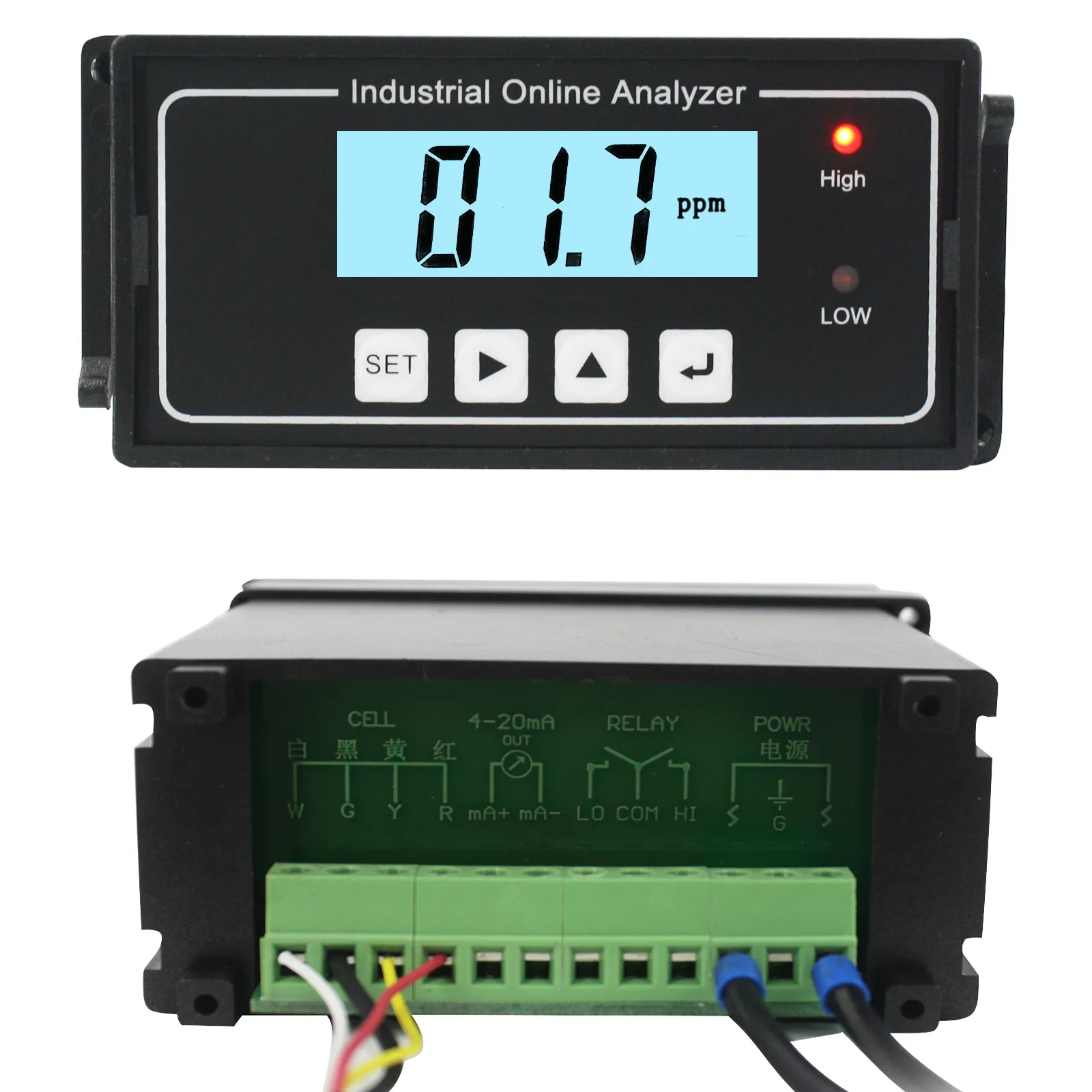
Total Dissolved Solids in Water: What’s Considered Safe?
When we talk about total dissolved solids in water, we’re referring to all the microscopic particles that are not filtered out during typical treatment processes. The Environmental Protection Agency (EPA) sets a Secondary Maximum Contaminant Level (SMCL) for TDS at 500 parts per million (ppm), meaning that water above this level may not be harmful, but could have a noticeable taste or cause staining and scaling. However, different applications have different tolerances.
For example, drinking water ideally should have a TDS level between 50–300 ppm for a pleasant taste and mineral balance. Levels of total dissolved solids in water over 1000 ppm are generally considered unsafe for consumption without treatment. Water with extremely low TDS, under 50 ppm, might taste flat or acidic and could potentially remove minerals from the body if consumed long term.
Common sources of total dissolved solids in water include groundwater seepage, industrial runoff, road salts, agricultural fertilizers, and natural mineral springs. In urban areas, aging water pipes and municipal treatments can also alter TDS levels. This is why regular testing is encouraged, especially if you're using a private well or untreated source.
Water filtration systems, especially reverse osmosis (RO), are widely used to reduce TDS. These systems work by pushing water through a semi-permeable membrane that removes dissolved particles. However, not all filtration systems are equally effective. Only a few technologies can significantly reduce the total dissolved solids in water, making proper testing and treatment selection essential.
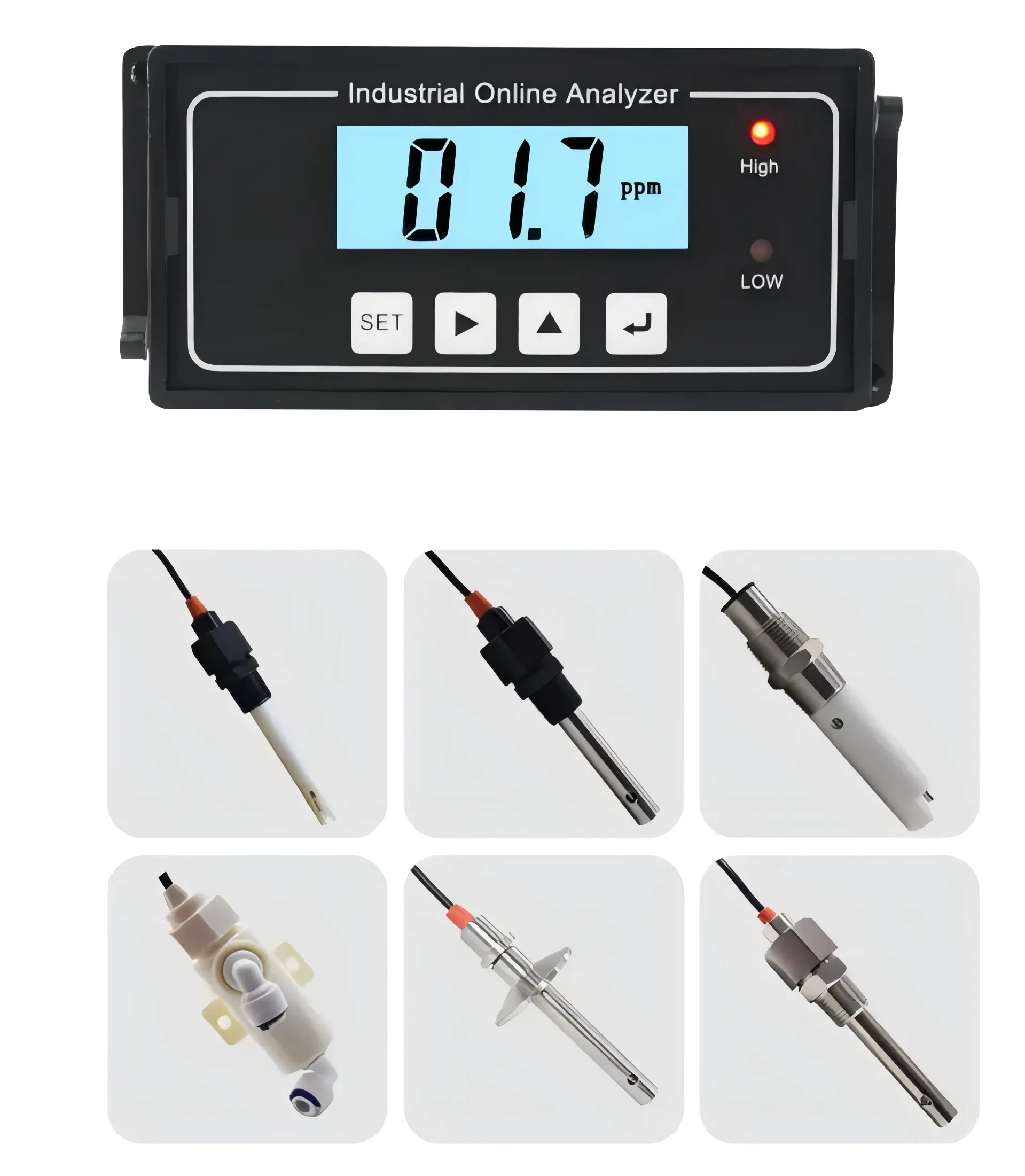
Distilled Water Conductivity and Its Link to Total Dissolved Solids
One way to assess the purity of water is by measuring its electrical conductivity. This is where distilled water conductivity comes into play. Pure water, like freshly distilled water, is a poor conductor of electricity because it lacks ions. The lower the conductivity, the purer the water. This makes distilled water conductivity an indirect but reliable indicator of total dissolved solids.
In scientific and laboratory settings, distilled water conductivity is typically less than 2 microsiemens per centimeter (μS/cm). That’s because nearly all salts and minerals have been removed during the distillation process. For comparison, tap water usually measures between 200–800 μS/cm, depending on the local source and treatment methods. A higher conductivity value generally signals higher TDS.
For engineers, chemists, and quality control professionals, monitoring distilled water conductivity helps ensure that water used in processes like pharmaceutical manufacturing, electronics production, and medical sterilization meets exacting standards. In these cases, even trace levels of impurities can affect performance, lead to contamination, or damage equipment.
Moreover, conductivity meters are often more convenient than TDS meters, as they offer faster, more sensitive readings. Still, the two are intrinsically connected. Since TDS is often derived from conductivity readings using a conversion factor, maintaining low distilled water conductivity means keeping total dissolved solids in water at a minimum.
How to Monitor Total Dissolved Solids for Health and Safety
Monitoring total dissolved solids doesn’t have to be complicated. Thanks to modern tools like digital TDS meters, it’s easier than ever to get an accurate reading of your water’s quality at home or in the workplace. These pocket-sized devices measure conductivity and convert it to a TDS value, typically displayed in parts per million (ppm).
For households using tap water, checking total dissolved solids in water monthly can alert you to changes in source quality or degradation in filtration systems. For industries, real-time monitoring systems are installed to automatically track and log TDS levels, ensuring that operational standards are consistently met.
Another reliable method for evaluating TDS is gravimetric analysis, which involves evaporating a known volume of water and weighing the residue. This method is precise but time-consuming, which is why it’s more common in lab settings. Still, it provides an excellent benchmark for calibrating TDS meters and validating digital results.
In the case of distilled water conductivity, frequent testing is critical in high-purity environments. Deviation from expected values can suggest contamination, equipment malfunction, or incomplete purification. Since distilled water conductivity is so sensitive, even minor impurities can create a measurable spike, making this one of the most trusted metrics for water purity.
Whether you're managing a home water system or running a pharmaceutical plant, incorporating a consistent testing routine for total dissolved solids, total dissolved solids in water, and distilled water conductivity is a proactive step toward better health, safety, and performance.
Advanced Water Systems: Balancing Total Dissolved Solids and Conductivity
Advanced water treatment systems are now equipped with smart technology to monitor and adjust total dissolved solids in water in real time. These systems include multi-stage filtration units, such as reverse osmosis combined with UV sterilization and remineralization. The goal is not just to reduce TDS, but to balance it. While removing harmful contaminants is essential, some minerals—like calcium and magnesium—are beneficial to human health and water taste.
A balanced approach ensures that while TDS levels are controlled, essential electrolytes are retained or reintroduced. Systems with integrated TDS and conductivity sensors can automatically adjust flow rates, shut down during faults, and alert users via mobile apps when attention is needed. These features protect consumers from unknowingly consuming water that’s too hard, too soft, or potentially contaminated.
When it comes to distilled water conductivity, some systems offer built-in conductivity meters to ensure water purity meets laboratory-grade standards. This is crucial for applications where even a trace of impurities could alter experimental results or compromise sterilization efforts. Maintaining low distilled water conductivity ensures consistency and prevents unintended chemical reactions.
Forward-thinking businesses and households are now recognizing that water quality is not just about clarity or lack of odor—it’s about what’s dissolved within. TDS and conductivity metrics offer a full-spectrum understanding of water's characteristics, making them indispensable tools for anyone who takes water quality seriously. Whether through portable meters or automated filtration systems, staying informed about total dissolved solids is no longer optional—it's essential.
Total Dissolved Solids FAQs
What are total dissolved solids, and why should I care?
Total dissolved solids include all inorganic and organic materials dissolved in water. They affect taste, odor, and safety. High TDS levels can indicate contaminants, reduce the efficiency of appliances, and negatively impact health. Monitoring TDS helps ensure you're drinking and using water that’s clean, safe, and effective for your specific needs.
How are total dissolved solids in water measured?
You can measure total dissolved solids in water using a TDS meter, which reads the water’s electrical conductivity and converts it into a TDS value in parts per million (ppm). Laboratory methods like gravimetric analysis can also be used for more accurate measurements. Most home users prefer digital TDS meters for convenience and speed.
What is distilled water conductivity, and what does it indicate?
Distilled water conductivity refers to how well distilled water conducts electricity. Since distilled water lacks ions, its conductivity is very low, usually under 2 μS/cm. If the value is higher than expected, it may indicate contamination. Low conductivity is a strong sign of purity and is crucial in labs and medical settings.
Can water with very low TDS be harmful?
Yes, extremely low TDS water—like deionized or distilled water—can be aggressive and leach minerals from the body or plumbing materials over time. While it’s safe in limited consumption or industrial uses, drinking only low TDS water long-term may not be ideal for mineral intake. Balance is key when managing total dissolved solids in water.
How often should I test for total dissolved solids and distilled water conductivity?
Testing frequency depends on your water source and usage. For homes using municipal water, testing total dissolved solids once a month is sufficient. In industrial or laboratory environments, where distilled water conductivity is crucial, testing may be required daily or even hourly. Automated sensors can simplify this process and ensure consistent quality.

Related Products
Related News

2026-04-16 03:20:19
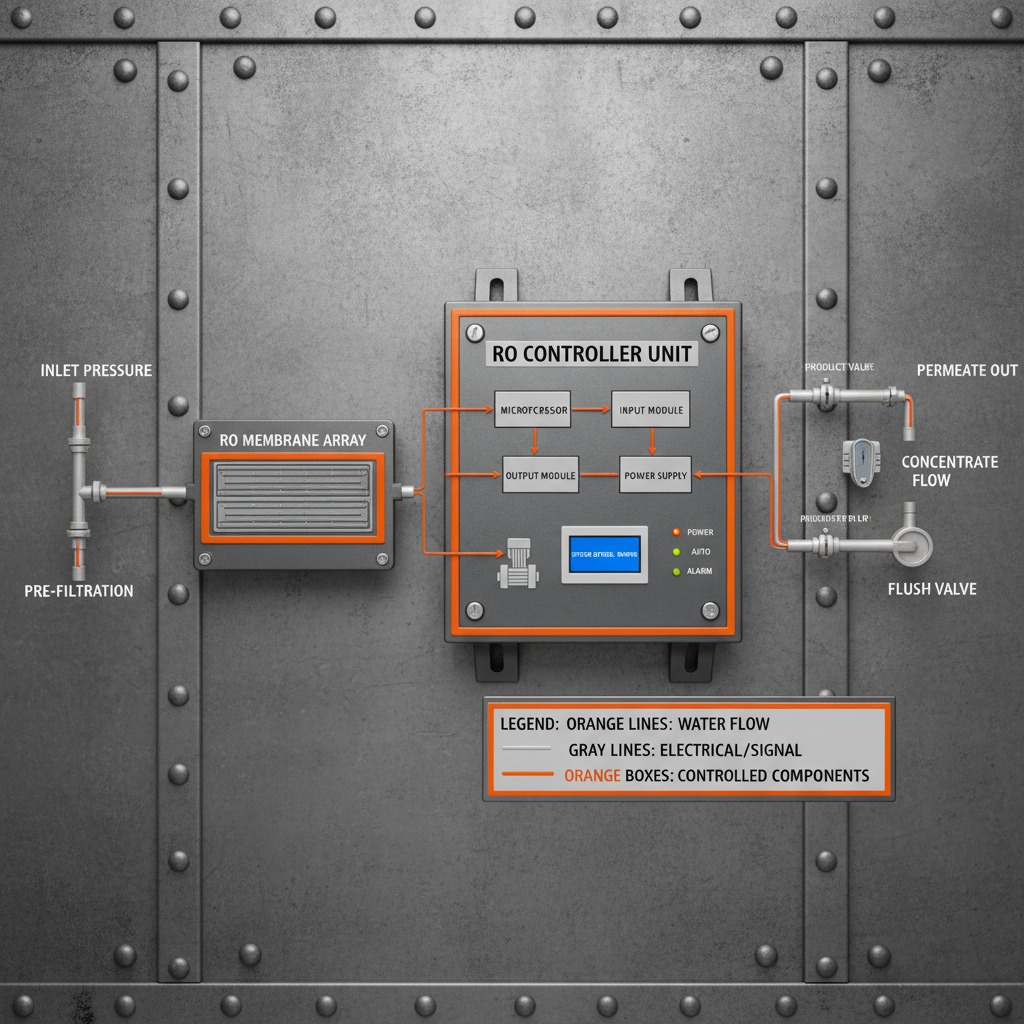
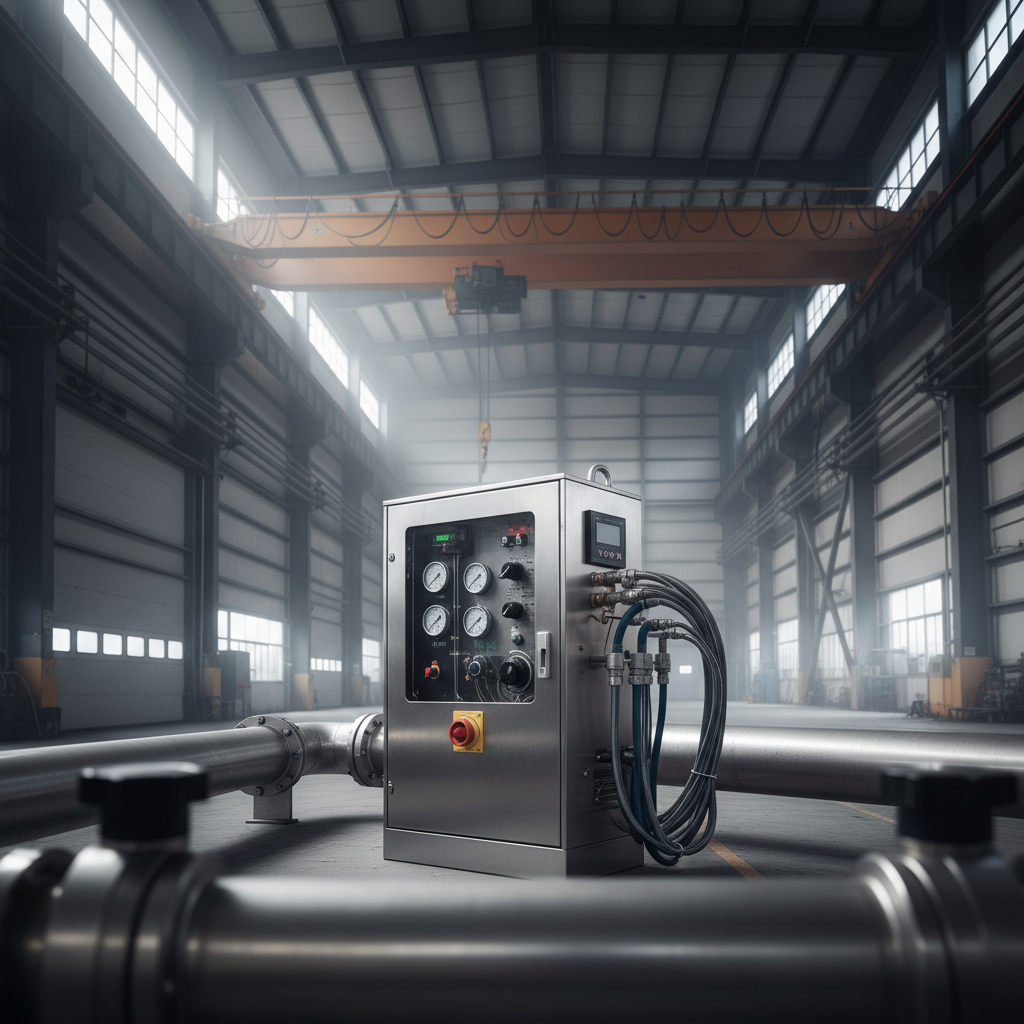
Guide to Choosing the Right RO Controller for Water PurificationMaintaining a high-performance reverse osmosis system requires more than just quality membranes; it demands precise regulation. An ro controller serves as the brain of the entire operation, monitoring critical parameters such as conductivity, temperature, and flow rates to ensure the output water meets stringent purity standards. Without an efficient controller, systems are prone to membrane fouling, inefficient energy use, and inconsistent water quality. In this comprehensive guide, we will explore how these devices optimize water treatment processes and how to select the best model for your specific industrial or commercial needs.
2026-04-09 03:25:47
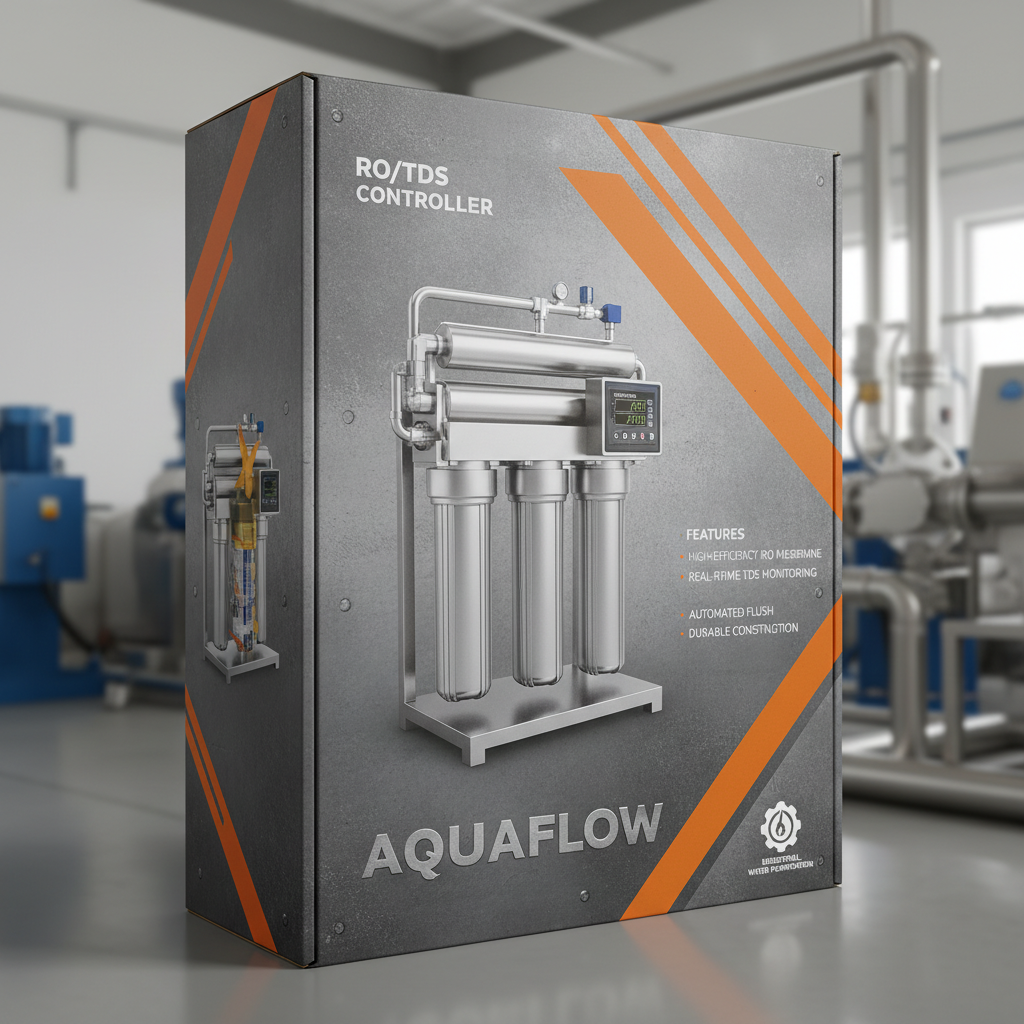
Guide to Water Purity Using RO with TDS Controller SystemsAchieving the perfect balance of mineral content and purity in drinking water is a challenge for many households and industrial facilities. A ro with tds controller offers a sophisticated solution by combining the rigorous filtration of Reverse Osmosis (RO) with the precision of a Total Dissolved Solids (TDS) adjustment system. While standard RO systems remove almost everything, including beneficial minerals, a TDS controller allows users to re-mineralize the water to a desired level. This ensures that the water is not only safe and pure but also tastes better and provides essential nutrients.
2026-04-07 03:17:09
Understanding and Optimizing Reverse Osmosis Systems with a ControllerIn the world of water purification, reverse osmosis (RO) systems are a cornerstone for producing high-quality water for various applications, from drinking water to industrial processes. However, an RO system is only as effective as its control system. This is where the reverse osmosis controller comes into play. This critical component manages and optimizes the RO process, ensuring efficient operation, water quality, and system longevity.
2026-04-04 03:27:19
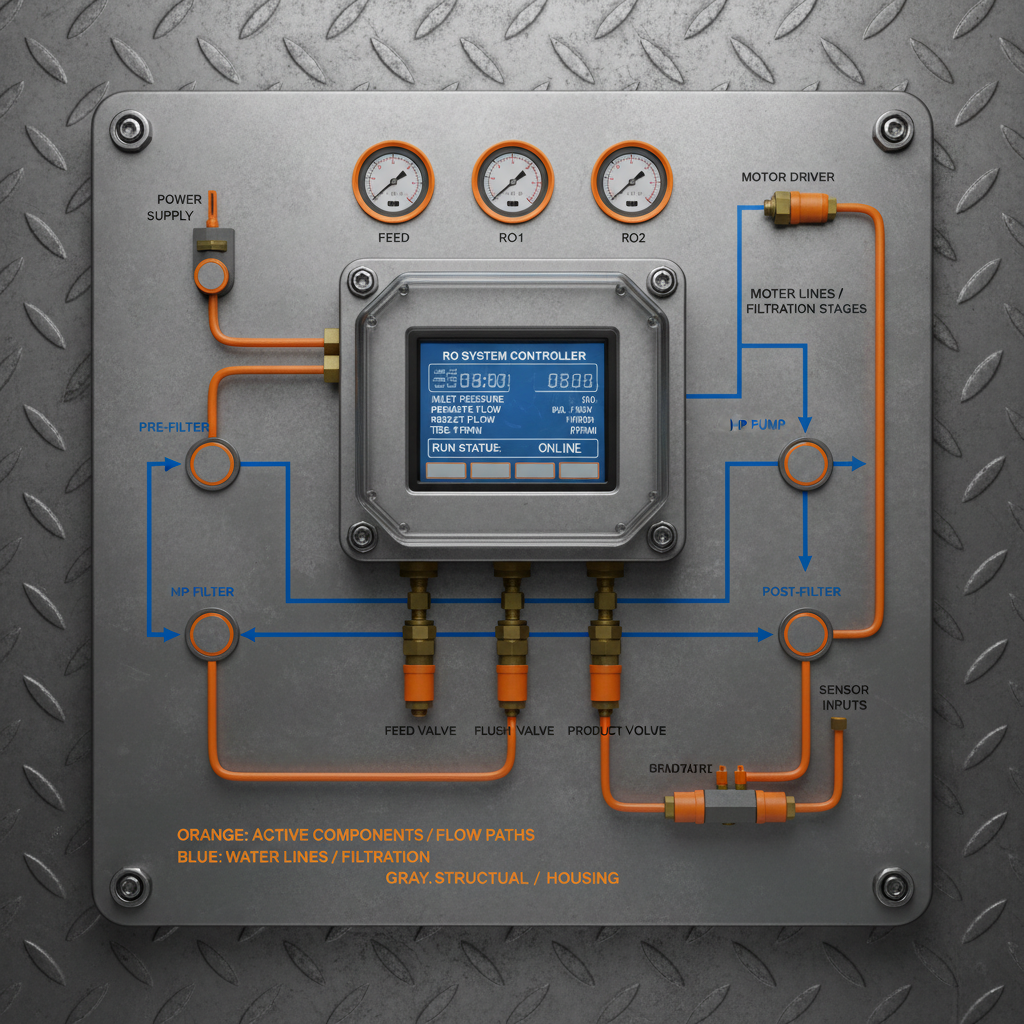
Understanding the Vital Role of an RO System Controller for Optimal PerformanceReverse Osmosis (RO) systems are critical for purifying water across various industries, from residential applications to large-scale industrial processes. At the heart of a well-functioning RO system lies the RO system controller. This intelligent device monitors and regulates all key parameters of the RO process, ensuring optimal performance, efficiency, and water quality. This article delves into the functionalities, benefits, and selection criteria for choosing the right RO system controller, particularly focusing on those offered by Watequipments. Understanding its role is crucial for maximizing the lifespan and effectiveness of your RO investment.
2026-03-24 17:18:24
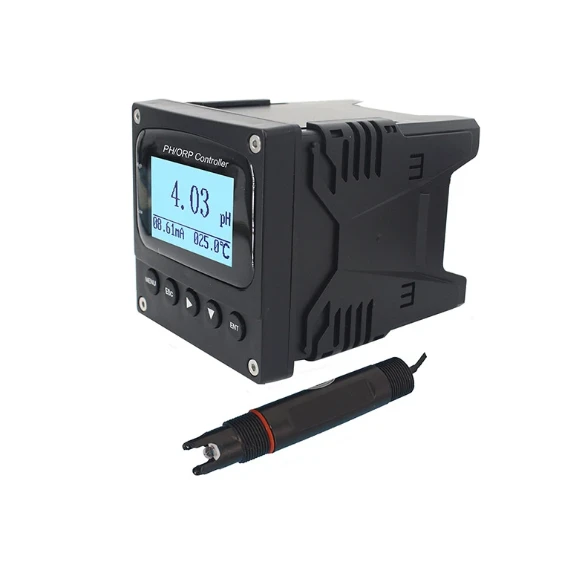
Smart Water Treatment Solutions Using PH ORP Controller SystemsIn modern water treatment and industrial fluid management, maintaining precise chemical balance is essential for safety, efficiency, and regulatory compliance.
2026-03-04 02:55:19
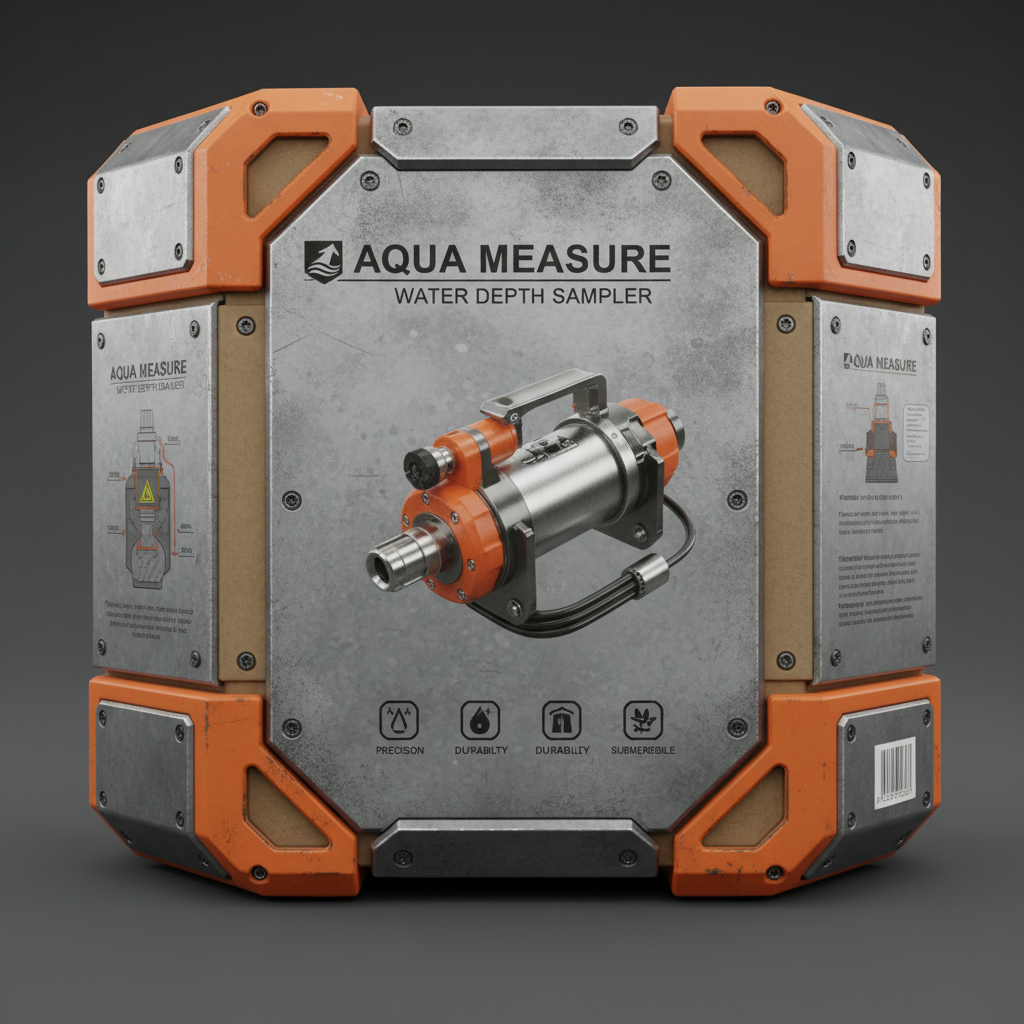
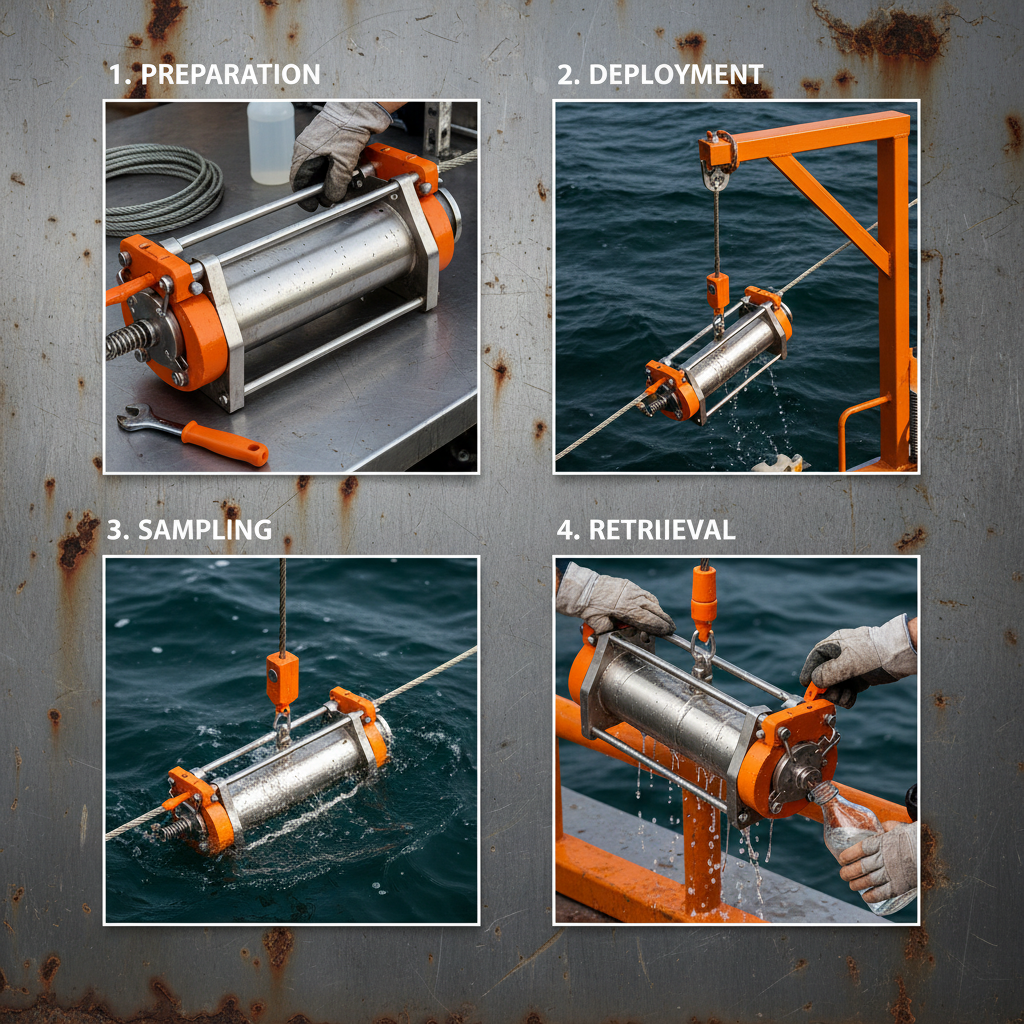
Comprehensive Guide to Water Depth Samplers and Their ApplicationsAccurate water quality monitoring is crucial in various fields, from environmental science and aquaculture to industrial wastewater management. A key tool for this is the water depth sampler. This article provides an in-depth look at water depth samplers, their applications, types, and essential considerations for choosing the right one for your needs. We'll explore the benefits of utilizing this equipment to collect reliable data for analysis and informed decision-making. Selecting the right sampler can significantly improve the precision and efficiency of your water monitoring program. A water depth sampler, also known as a depth-integrated sampler, is a device designed to collect water samples from specific depths within a body of water. Unlike simply dipping a container into the water, a depth sampler allows for collection of a representative sample across a defined depth range. This is critical because water properties (temperature, salinity, pollutants) often vary significantly with depth. The data gathered with a water depth sampler provides a more accurate assessment of water quality than surface samples alone.
2026-03-03 18:55:22
Comprehensive Guide to Horizontal Water Sampler Applications and SelectionCollecting water samples at varying depths is crucial for environmental monitoring, research, and quality control. The horizontal water sampler from Watequipment.com offers a precise and efficient solution for this task. This article provides an in-depth look at horizontal water samplers, their applications, benefits, and key considerations when choosing the right model. We will explore how these samplers contribute to accurate data collection and informed decision-making in various fields. A horizontal water sampler is a device designed to collect water samples from specific depths within a body of water – rivers, lakes, oceans, reservoirs, and even wastewater treatment plants. Unlike vertical samplers which primarily focus on depth, horizontal samplers prioritize collecting samples at a consistent depth while moving along a horizontal plane. This is essential for assessing water quality variations across a waterway or within a specific zone. They are used in applications ranging from environmental monitoring and scientific research to industrial process control and regulatory compliance.
2026-02-28 02:35:09
Comprehensive Guide to Selecting the Right Surface Water Sampler for Your NeedsMonitoring the quality of surface water is critical for environmental protection, public health, and various industrial applications. A surface water sampler is an essential tool for collecting representative samples from rivers, lakes, ponds, and other surface water sources. This article provides a detailed overview of surface water samplers, their types, applications, and key considerations for selecting the right equipment. Accurate water quality data relies on proper sample collection, and choosing the correct sampler is the first step toward achieving reliable results. Surface water samplers come in various designs, each suited to specific sampling needs. Common types include grab samplers, depth-integrating samplers, peristaltic pumps, and automatic samplers. Surface water samplers are used across a broad spectrum of applications, including environmental monitoring, wastewater discharge monitoring, drinking water source monitoring, agricultural runoff analysis, and research studies.

 English