



Transmitter 4 20mA Technology

Transmitter 4 20mA Technology
Apr . 21, 2025
In the world of industrial automation and process control, accurate signal transmission is everything. One of the most widely trusted standards is the transmitter 4 20ma signal, known for its reliability, simplicity, and noise resistance. This analog current loop is used globally in thousands of systems, from water treatment plants to oil refineries and HVAC systems.
The transmitter 4 20ma configuration works by converting a physical variable—such as temperature, pressure, or flow—into an electrical current signal that ranges from 4 mA (representing the minimum value) to 20 mA (representing the maximum). The reason for using a current instead of voltage is simple: current is not affected by resistance in the wires, making the signal stable even across long distances.
This method also offers fail-safe functionality. Since the signal never goes below 4 mA in normal operation, a reading of 0 mA is automatically recognized as a system fault—something invaluable for operators needing to diagnose issues quickly.
As industries lean more into digital transformation, the transmitter 4 20ma still stands strong. Many of today’s smart transmitters integrate digital communication protocols like HART alongside the analog signal, allowing simultaneous digital diagnostics and analog output without disrupting legacy systems.
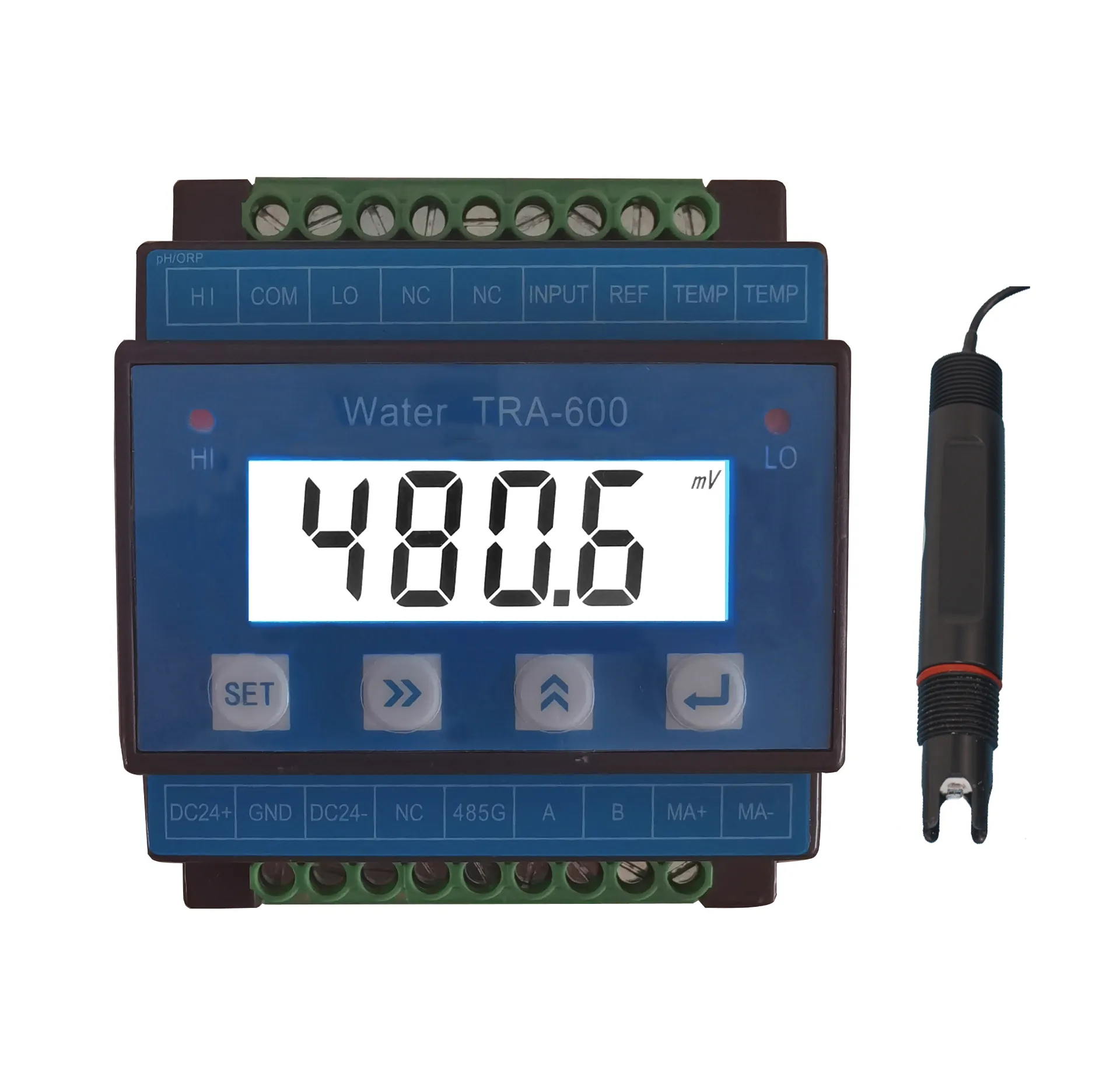
PT100 Transmitter: The Gold Standard for Temperature Monitoring
When precision matters, the pt100 transmitter stands out as the go-to choice for high-accuracy temperature measurement. Based on the platinum resistance temperature detector (RTD), a pt100 transmitter measures temperature by detecting the resistance change of platinum wire, which has a predictable response to temperature changes.
"PT" stands for platinum, and "100" refers to 100 ohms resistance at 0°C. The pt100 transmitter amplifies and linearizes the RTD signal, then converts it into a 4-20mA current loop or digital output that can be fed into a PLC, DCS, or remote monitoring system.
This type of transmitter is commonly used in pharmaceutical labs, chemical plants, and power generation facilities, where even slight temperature deviations can result in major quality or safety issues. Unlike thermocouples, PT100s offer superior stability and repeatability, especially over time and across wide temperature ranges.
Today’s advanced pt100 transmitter models feature programmable ranges, explosion-proof housings, and remote configuration via software or handheld communicators. With accurate temperature data, operators can optimize processes, reduce energy usage, and maintain product quality more effectively.
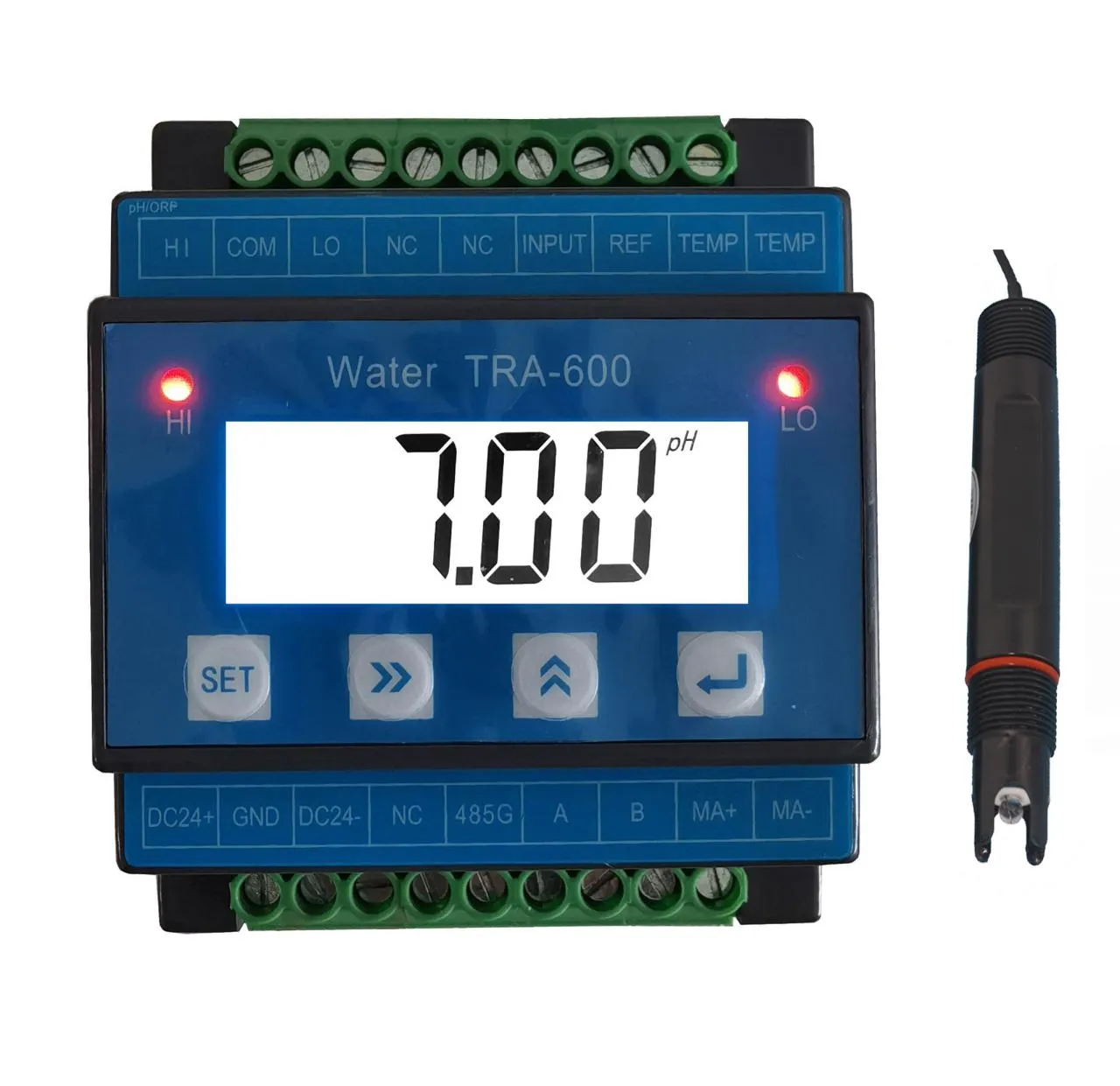
How Differential Pressure Sensor 4 20mA Systems Improve Process Efficiency
In many industrial applications, monitoring the difference in pressure between two points is just as important—if not more so—than monitoring absolute pressure. This is where the differential pressure sensor 4 20ma comes into play. Whether used in filtration systems, HVAC air ducts, or fluid flow measurement, these sensors offer robust, real-time insight into system performance.
The differential pressure sensor 4 20ma measures the pressure drop between two points and outputs a signal proportional to that difference, using the universally accepted 4-20 mA loop. This allows the reading to be transmitted over long distances with minimal signal loss or interference.
For example, in a water filtration system, a differential pressure sensor 4 20ma can help identify when filters become clogged. A rising pressure differential across the filter signals buildup and indicates it's time for maintenance—long before water quality is affected or system damage occurs.
These sensors are built to withstand harsh conditions and corrosive environments. Many models feature stainless steel diaphragms, IP-rated enclosures, and temperature compensation. Some also include digital displays and remote calibration options for increased user convenience.
In critical systems, integrating a differential pressure sensor 4 20ma enables predictive maintenance, reduces downtime, and ensures regulatory compliance through continuous monitoring.
Why the 4 Wire Pressure Transmitter Dominates Industrial Applications
While two-wire transmitters are common in many installations, there are scenarios where a 4 wire pressure transmitter is the better choice. Unlike its two-wire counterpart, which combines power and signal in the same pair of wires, a 4 wire pressure transmitter uses separate pairs for power and output signal, providing several distinct advantages.
First, 4 wire pressure transmitter systems offer superior accuracy and faster response times. The separation of power and signal paths minimizes electrical interference, leading to more stable outputs—especially critical in high-precision applications like hydraulic systems, aerospace, and fuel injection testing.
Second, these transmitters often come with additional capabilities such as higher signal strength, wider temperature compensation ranges, and better noise immunity. They're particularly suited for environments where electromagnetic interference is present, such as near motors or heavy machinery.
Installation is straightforward, especially in systems with dedicated power and control circuits. And while the 4 wire pressure transmitter may cost slightly more initially than a two-wire model, its performance and durability often justify the investment.
Newer models also come with smart diagnostics, built-in displays, and user-friendly calibration software. Some 4 wire pressure transmitter units even support multi-variable measurements, outputting pressure, temperature, and even flow readings from a single sensor package.
Choosing the Right Transmitter 4 20mA System for Your Needs
Selecting the right transmitter 4 20ma system involves balancing your application requirements, environmental conditions, accuracy needs, and communication protocols. The beauty of the 4-20mA standard lies in its versatility—it is compatible with sensors measuring pressure, temperature, flow, level, and more.
For basic temperature applications, a pt100 transmitter paired with a 4-20mA loop may be sufficient. However, for hazardous areas, look for explosion-proof or intrinsically safe certifications. For tank-level measurements using differential pressure, opt for a differential pressure sensor 4 20ma with robust sealing and chemical compatibility.
And if your setup demands high-speed signal response, or is located in a high-noise industrial zone, a 4 wire pressure transmitter might be your best bet for reliable, interference-free operation.
Manufacturers now offer hybrid units that incorporate both analog and digital outputs, enabling backward compatibility with legacy systems and forward integration with modern Industry 4.0 architecture. The flexibility of the transmitter 4 20ma format ensures its continued relevance—even as digital sensor networks evolve.
Transmitter 4-20mA RS485 FAQs
What does a transmitter 4 20ma do, and why is it used?
A transmitter 4 20ma converts a sensor signal (such as from a temperature or pressure sensor) into a standardized current signal ranging from 4 to 20 milliamps. It’s widely used in industrial automation because current signals are less prone to voltage drop and electrical noise over long distances. It also includes built-in fault detection, where 0 mA usually indicates a problem like a broken wire or malfunction.
How does a pt100 transmitter differ from a thermocouple-based transmitter?
A pt100 transmitter uses a platinum RTD (Resistance Temperature Detector) with a resistance of 100 ohms at 0°C. It offers high accuracy and long-term stability, especially in the -200°C to 600°C range. In contrast, thermocouples measure voltage generated by two dissimilar metals and usually cover broader temperature ranges. PT100s are preferred when precision and repeatability are critical.
What are the advantages of using a differential pressure sensor 4 20ma?
A differential pressure sensor 4 20ma offers real-time monitoring of pressure differences, crucial for applications like filter monitoring, tank level detection, and flow measurement. The 4-20mA output ensures accurate signal transmission over long distances with minimal interference. These sensors also allow for predictive maintenance by identifying performance issues early, reducing downtime and saving costs.
When should I choose a 4 wire pressure transmitter over a 2 wire one?
A 4 wire pressure transmitter is ideal when you need higher signal integrity, better accuracy, or must operate in electrically noisy environments. With separate wires for power and signal, it minimizes interference and provides faster response. Choose this type when precision is paramount, such as in laboratory testing, aerospace applications, or dynamic systems like hydraulic equipment.
Can I integrate a transmitter 4 20ma with a PLC or SCADA system?
Absolutely. The transmitter 4 20ma is designed for seamless integration with most programmable logic controllers (PLCs), distributed control systems (DCS), and SCADA platforms. Its analog nature makes it easy to read using analog input modules, and many modern transmitters also include HART or Modbus protocols for advanced diagnostics and configuration. This makes it an excellent choice for both legacy systems and new installations.

Related Products
Related News
2026-04-16 03:20:19
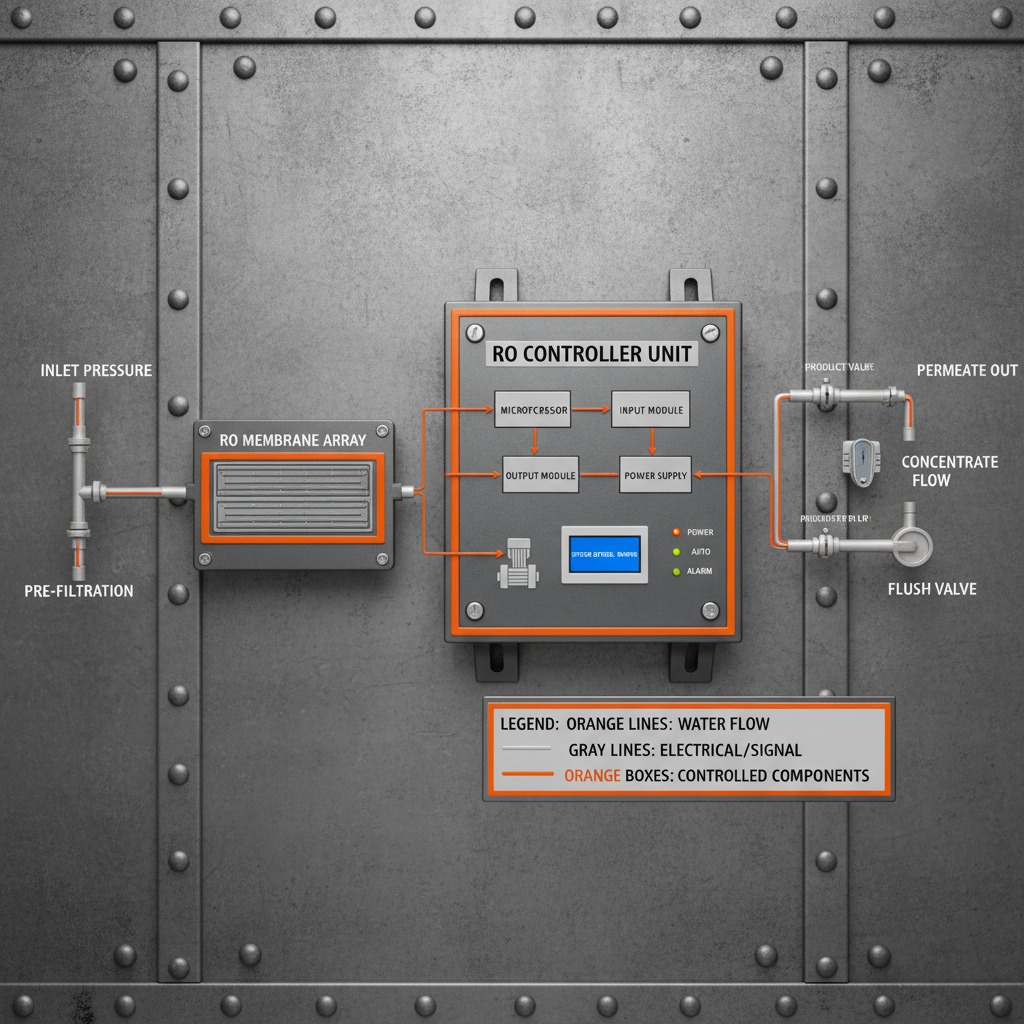
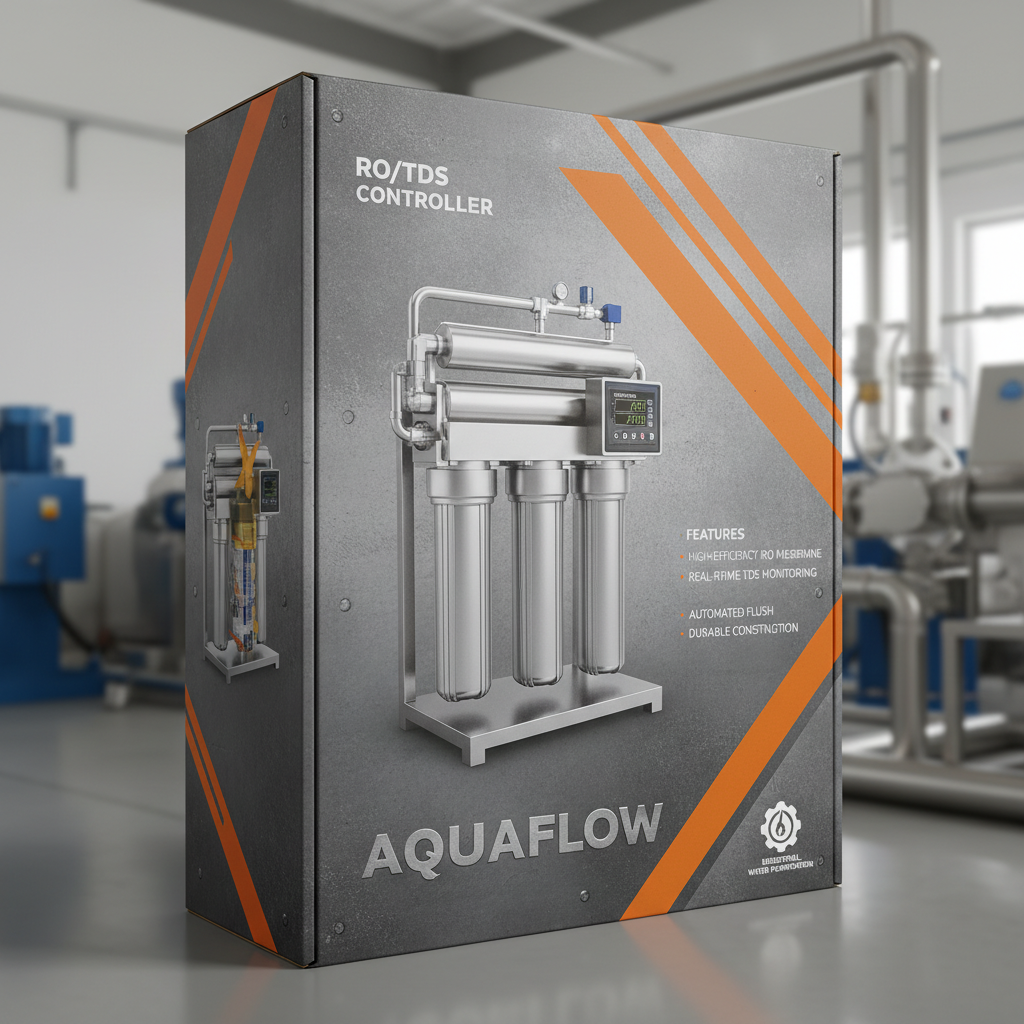
Guide to Choosing the Right RO Controller for Water PurificationMaintaining a high-performance reverse osmosis system requires more than just quality membranes; it demands precise regulation. An ro controller serves as the brain of the entire operation, monitoring critical parameters such as conductivity, temperature, and flow rates to ensure the output water meets stringent purity standards. Without an efficient controller, systems are prone to membrane fouling, inefficient energy use, and inconsistent water quality. In this comprehensive guide, we will explore how these devices optimize water treatment processes and how to select the best model for your specific industrial or commercial needs.
2026-04-09 03:25:47
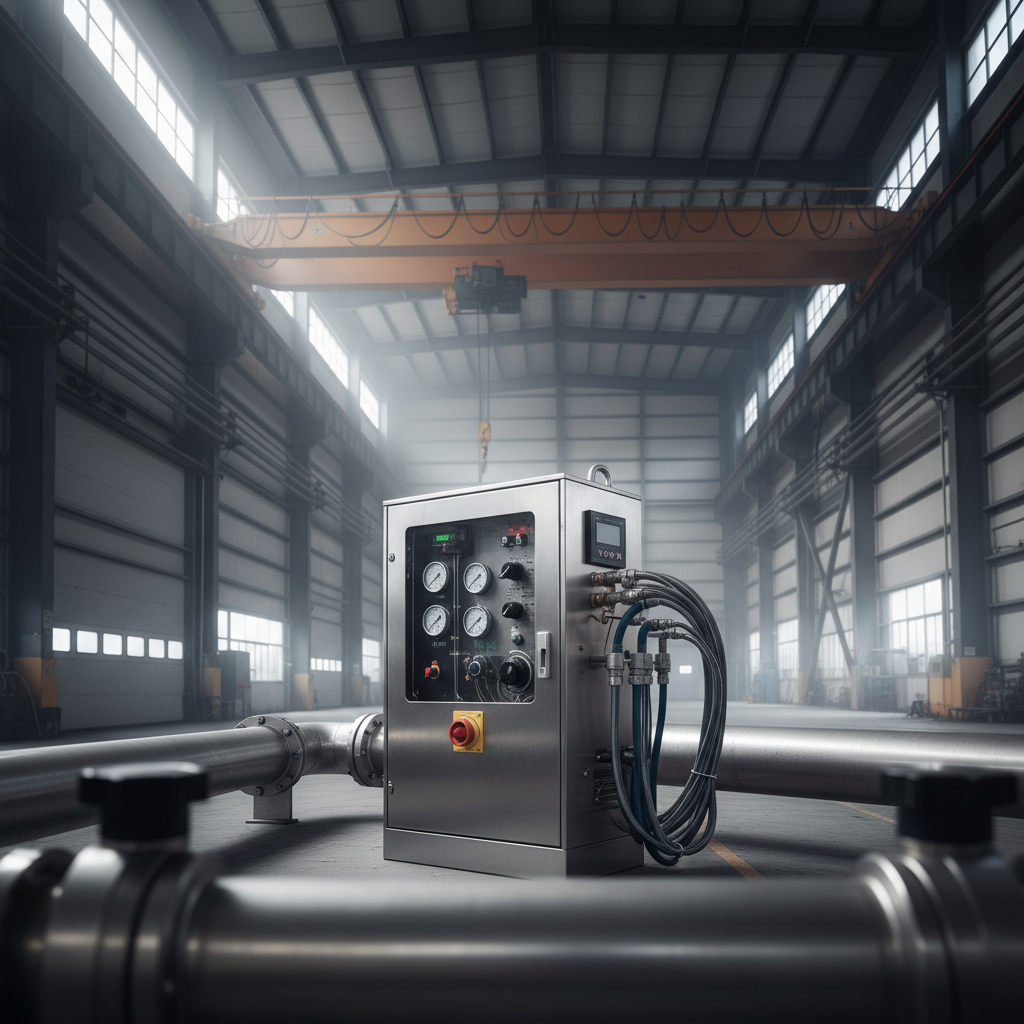
Guide to Water Purity Using RO with TDS Controller SystemsAchieving the perfect balance of mineral content and purity in drinking water is a challenge for many households and industrial facilities. A ro with tds controller offers a sophisticated solution by combining the rigorous filtration of Reverse Osmosis (RO) with the precision of a Total Dissolved Solids (TDS) adjustment system. While standard RO systems remove almost everything, including beneficial minerals, a TDS controller allows users to re-mineralize the water to a desired level. This ensures that the water is not only safe and pure but also tastes better and provides essential nutrients.
2026-04-07 03:17:09
Understanding and Optimizing Reverse Osmosis Systems with a ControllerIn the world of water purification, reverse osmosis (RO) systems are a cornerstone for producing high-quality water for various applications, from drinking water to industrial processes. However, an RO system is only as effective as its control system. This is where the reverse osmosis controller comes into play. This critical component manages and optimizes the RO process, ensuring efficient operation, water quality, and system longevity.
2026-04-04 03:27:19
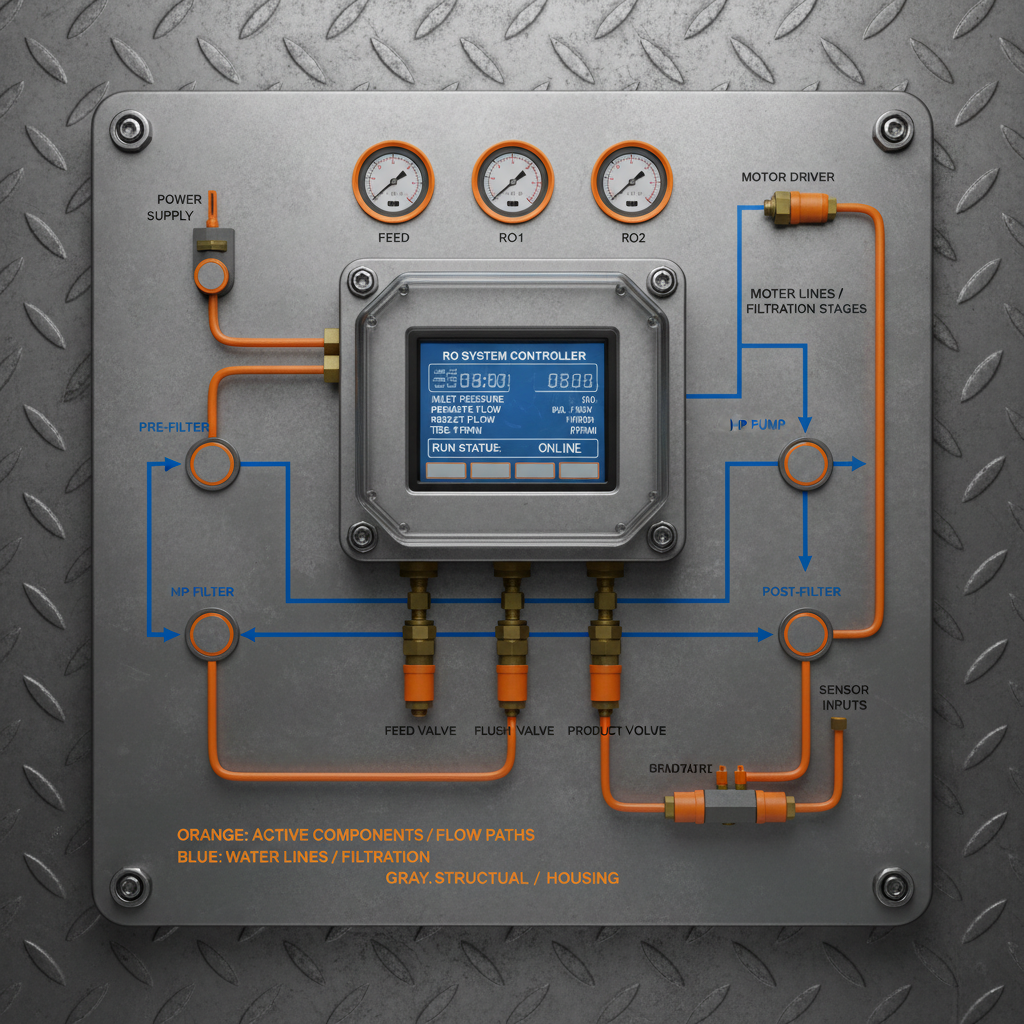
Understanding the Vital Role of an RO System Controller for Optimal PerformanceReverse Osmosis (RO) systems are critical for purifying water across various industries, from residential applications to large-scale industrial processes. At the heart of a well-functioning RO system lies the RO system controller. This intelligent device monitors and regulates all key parameters of the RO process, ensuring optimal performance, efficiency, and water quality. This article delves into the functionalities, benefits, and selection criteria for choosing the right RO system controller, particularly focusing on those offered by Watequipments. Understanding its role is crucial for maximizing the lifespan and effectiveness of your RO investment.
2026-03-24 17:18:24
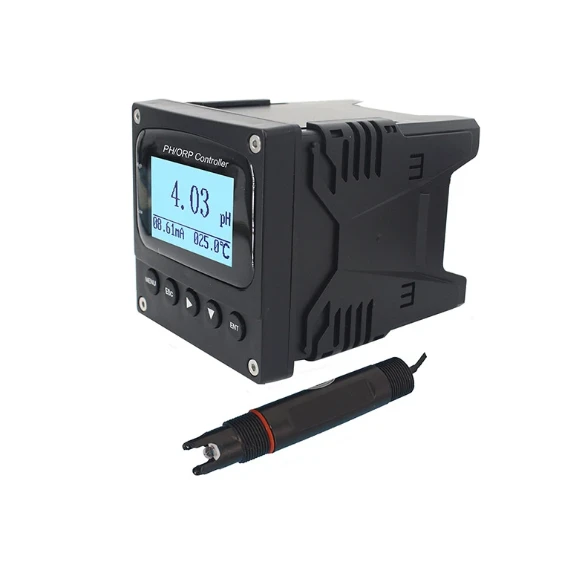
Smart Water Treatment Solutions Using PH ORP Controller SystemsIn modern water treatment and industrial fluid management, maintaining precise chemical balance is essential for safety, efficiency, and regulatory compliance.
2026-03-04 02:55:19
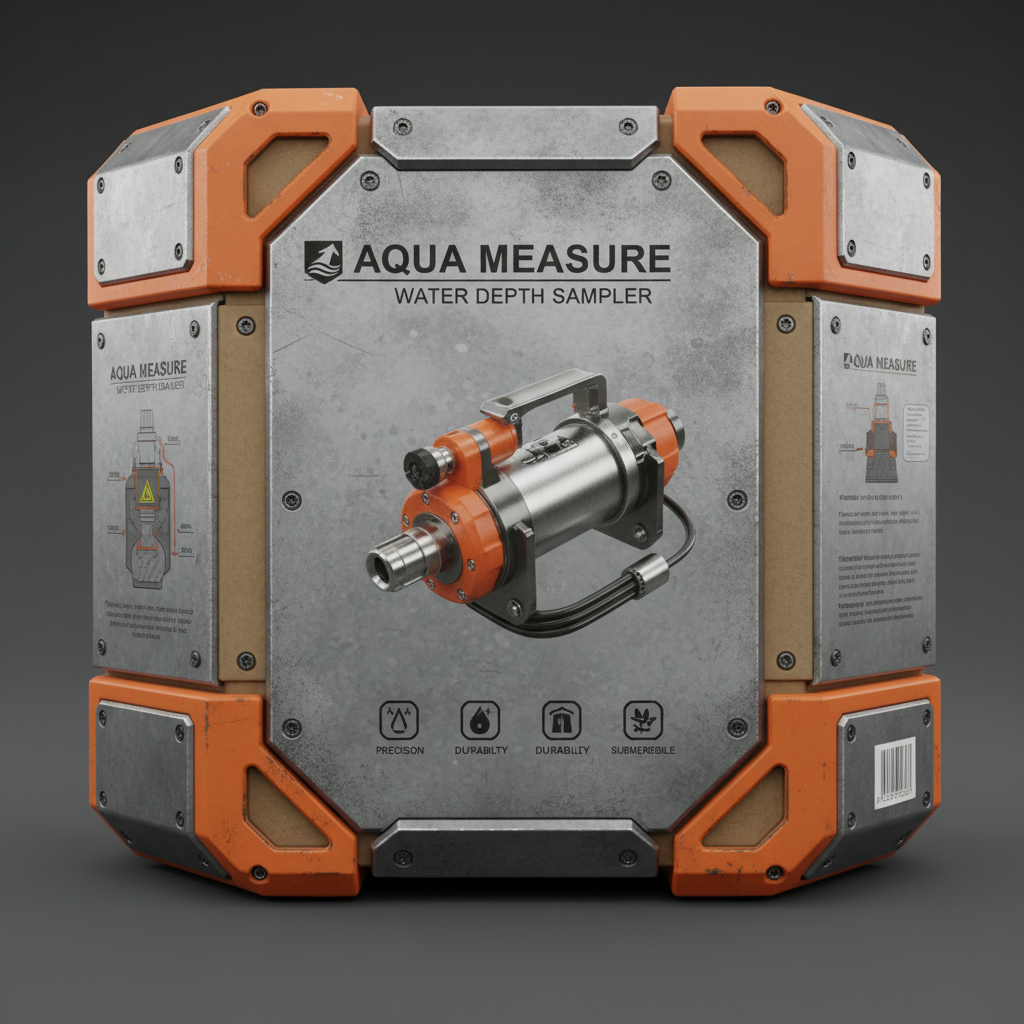
Comprehensive Guide to Water Depth Samplers and Their ApplicationsAccurate water quality monitoring is crucial in various fields, from environmental science and aquaculture to industrial wastewater management. A key tool for this is the water depth sampler. This article provides an in-depth look at water depth samplers, their applications, types, and essential considerations for choosing the right one for your needs. We'll explore the benefits of utilizing this equipment to collect reliable data for analysis and informed decision-making. Selecting the right sampler can significantly improve the precision and efficiency of your water monitoring program. A water depth sampler, also known as a depth-integrated sampler, is a device designed to collect water samples from specific depths within a body of water. Unlike simply dipping a container into the water, a depth sampler allows for collection of a representative sample across a defined depth range. This is critical because water properties (temperature, salinity, pollutants) often vary significantly with depth. The data gathered with a water depth sampler provides a more accurate assessment of water quality than surface samples alone.
2026-03-03 18:55:22
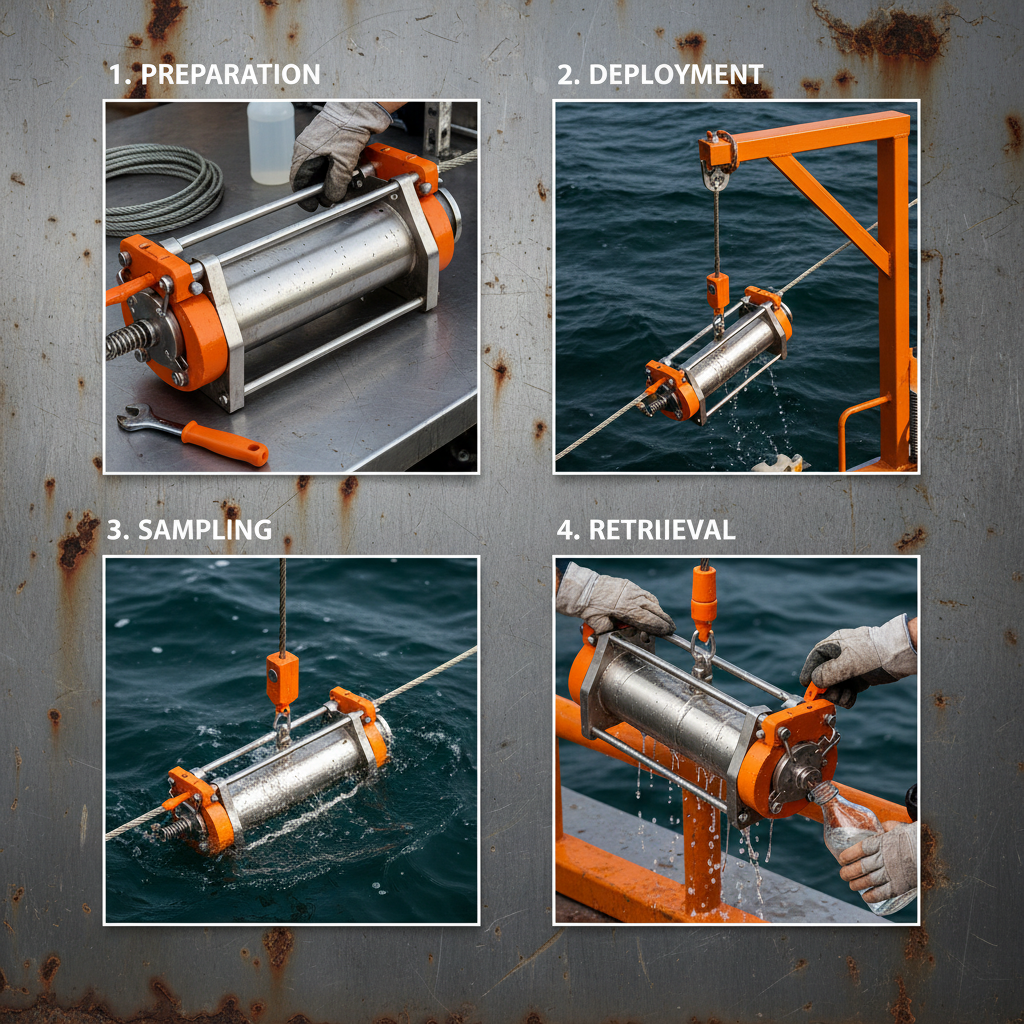
Comprehensive Guide to Horizontal Water Sampler Applications and SelectionCollecting water samples at varying depths is crucial for environmental monitoring, research, and quality control. The horizontal water sampler from Watequipment.com offers a precise and efficient solution for this task. This article provides an in-depth look at horizontal water samplers, their applications, benefits, and key considerations when choosing the right model. We will explore how these samplers contribute to accurate data collection and informed decision-making in various fields. A horizontal water sampler is a device designed to collect water samples from specific depths within a body of water – rivers, lakes, oceans, reservoirs, and even wastewater treatment plants. Unlike vertical samplers which primarily focus on depth, horizontal samplers prioritize collecting samples at a consistent depth while moving along a horizontal plane. This is essential for assessing water quality variations across a waterway or within a specific zone. They are used in applications ranging from environmental monitoring and scientific research to industrial process control and regulatory compliance.
2026-02-28 02:35:09
Comprehensive Guide to Selecting the Right Surface Water Sampler for Your NeedsMonitoring the quality of surface water is critical for environmental protection, public health, and various industrial applications. A surface water sampler is an essential tool for collecting representative samples from rivers, lakes, ponds, and other surface water sources. This article provides a detailed overview of surface water samplers, their types, applications, and key considerations for selecting the right equipment. Accurate water quality data relies on proper sample collection, and choosing the correct sampler is the first step toward achieving reliable results. Surface water samplers come in various designs, each suited to specific sampling needs. Common types include grab samplers, depth-integrating samplers, peristaltic pumps, and automatic samplers. Surface water samplers are used across a broad spectrum of applications, including environmental monitoring, wastewater discharge monitoring, drinking water source monitoring, agricultural runoff analysis, and research studies.

 English