



Different Types of Sensors in Industrial Automation

Different Types of Sensors in Industrial Automation
Apr . 21, 2025
In the rapidly evolving age of smart manufacturing and Industry 4.0, the different types of sensors deployed across production facilities are nothing short of transformative. Sensors act as the digital nerve endings of a factory, constantly feeding real-time data to machines, systems, and human operators to optimize performance, safety, and productivity.
There are many different types of sensors, each serving a specialized purpose. Proximity sensors—available in inductive, capacitive, or ultrasonic forms—detect objects without making physical contact, ideal for robotic arms or assembly lines. Temperature sensors like RTDs and thermocouples are used for heat monitoring in everything from metal forging to food processing. Pressure sensors measure hydraulic or pneumatic pressures in machinery and pipelines, while flow sensors are critical in chemical, water treatment, and beverage industries.
More advanced different types of sensors include vision systems that combine cameras with AI to perform inspections or measurements. Vibration and acceleration sensors detect abnormal patterns in motors or gearboxes, offering insights for predictive maintenance. Gas sensors monitor air quality in cleanrooms or detect hazardous leaks, while humidity sensors ensure the right environmental balance in electronics and pharmaceutical facilities.
Each sensor type operates with its own technology—optical, mechanical, thermal, chemical, or electromagnetic—and selecting the right sensor often depends on the conditions of use, response time needed, resolution, and integration with automation systems. These different types of sensors together form the invisible infrastructure behind efficient and intelligent factories.
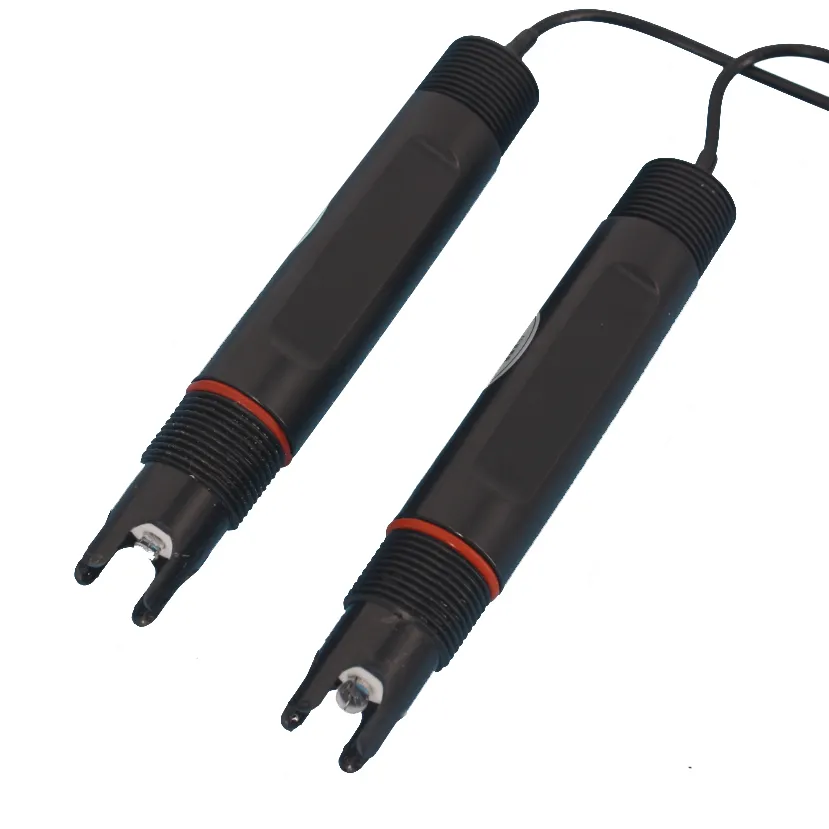
Leading Optical Sensor Manufacturers Driving Precision and Innovation
Among the many sensor technologies, optical sensing stands out for its versatility, non-contact measurement, and high accuracy. That’s why optical sensor manufacturers have become key players in enabling smarter automation and robotics across global industries.
Optical sensor manufacturers develop devices that detect and interpret light—usually infrared, visible, or laser—to measure distance, presence, object color, surface quality, or motion. Common examples include photoelectric sensors, fiber optic sensors, and laser triangulation sensors. These are used for everything from verifying label placement on packaging lines to measuring surface defects in precision engineering.
The most advanced optical sensor manufacturers also produce 3D vision systems and multi-spectral sensors that can analyze depth, geometry, and even material composition. These technologies are indispensable in semiconductor fabrication, automotive assembly, high-speed logistics, and quality assurance.
Top optical sensor manufacturers also focus on building rugged sensors that operate in harsh conditions—such as extreme temperatures, high moisture, or corrosive chemicals. Additionally, they provide plug-and-play options compatible with industrial fieldbus protocols like EtherNet/IP, IO-Link, and Profibus for seamless integration.
As industries continue to demand better accuracy, speed, and flexibility, optical sensor manufacturers are responding with smart sensors capable of edge computing, self-diagnostics, and adaptive calibration—ensuring not just measurement but real-time control.
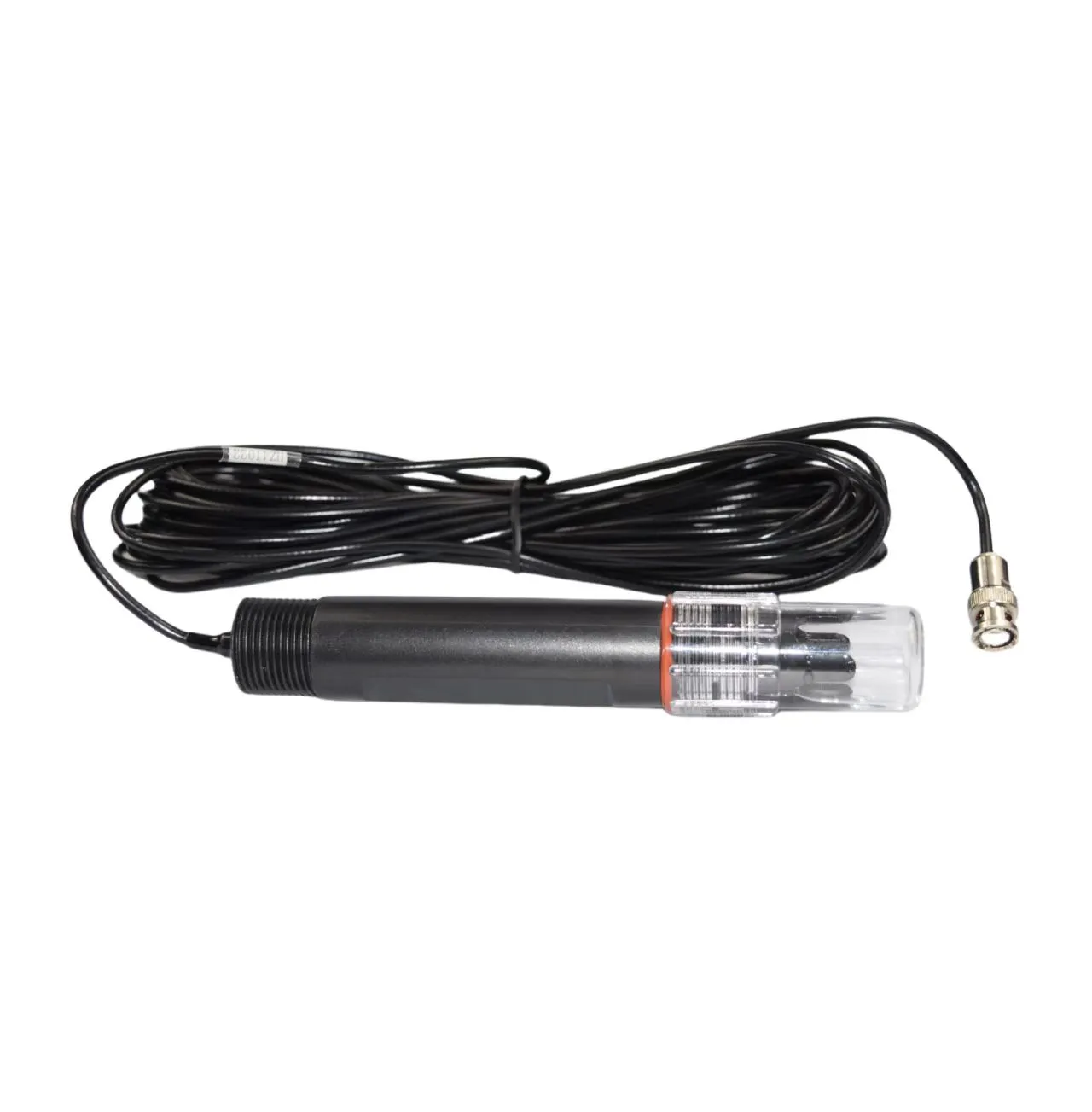
Sensors Used in Manufacturing Industry: The Foundation of Smart Production
The array of sensors used in manufacturing industry operations continues to expand, making them fundamental components in achieving efficiency, safety, and automation. These sensors enable precise control over production lines, reduce waste, predict maintenance needs, and support data-driven decision-making.
In discrete manufacturing—like automotive or electronics—sensors used in manufacturing industry include proximity sensors to detect part positioning, vision sensors for quality control, and torque sensors to measure fastener integrity. Optical and laser sensors ensure correct alignment and product verification at every step.
In process industries—such as oil and gas, food production, or pharmaceuticals—sensors used in manufacturing industry focus on parameters like temperature, pressure, pH, and fluid flow. These help maintain tight control over chemical reactions, sterilization processes, or liquid dispensing.
Robotics and collaborative systems also rely heavily on sensors used in manufacturing industry. Force sensors help robots determine grip strength, while motion sensors track positions to coordinate with human operators safely. These sensors help bridge the gap between man and machine, especially in automated environments.
Today, as manufacturing shifts toward connected systems, many sensors used in manufacturing industry are now embedded with smart capabilities. They not only measure but also analyze, report, and even adjust processes in real time. This evolution allows for advanced functions like self-correction, real-time alerts, and remote monitoring—pushing manufacturing further into the digital frontier.
How Optical Sensor Manufacturers Solve Industry-Specific Challenges
The innovation by optical sensor manufacturers isn’t just about making smaller or more precise sensors—it's about solving unique challenges in specific industries. For example, in the food and beverage industry, non-contact sensors are crucial for hygienic measurement. Optical sensors detect the fill level of liquids in transparent bottles or verify the integrity of packaging seals without physical interference.
In pharmaceutical manufacturing, optical sensors are used for blister pack inspection, verifying that tablets are correctly aligned, properly colored, and defect-free. Optical sensor manufacturers engineer these sensors to operate at micro-level precision with lightning-fast processing speeds.
In the automotive industry, laser displacement sensors measure the distance between car body parts, ensuring exact alignment during welding or painting. Optical sensors also help monitor paint thickness, spot surface defects, and ensure uniformity across production batches.
The logistics sector uses solutions from optical sensor manufacturers like barcode scanners and 3D vision sensors for object detection, automatic sorting, and real-time inventory checks. These sensors are key in enabling smart warehouses and autonomous mobile robots.
Across industries, optical sensor manufacturers design their products to handle vibration, dust, water spray, and electromagnetic interference—common conditions on factory floors. Many offer modular solutions that can be customized for integration into legacy systems or smart factory networks.
Building Smarter Factories with the Integration of Different Types of Sensors
One of the most powerful trends in industrial automation is the integration of different types of sensors into a unified ecosystem. By combining data from various sensors—optical, thermal, acoustic, pressure, chemical—factories can achieve true situational awareness and autonomy.
This integration means that different types of sensors no longer work in isolation. For instance, a temperature sensor might monitor heat levels in a motor, while an adjacent vibration sensor watches for abnormal oscillation. A pressure sensor could detect flow resistance, while an optical sensor monitors valve position. Combined, they can alert operators of a potential blockage or bearing failure before it halts production.
With cloud connectivity, the data from all these different types of sensors can be visualized in real time, allowing operators to monitor health indicators, production efficiency, and environmental safety across entire facilities. Advanced AI algorithms can analyze sensor patterns to predict issues, optimize settings, and make autonomous adjustments.
This kind of sensor fusion is the essence of Industry 4.0. Factories become adaptive systems that learn from their own data, reduce downtime, and respond instantly to market demands. By investing in the right different types of sensors, companies are building a resilient, efficient, and intelligent manufacturing future.
Sensors FAQs
What are the main different types of sensors used in factories today?
Modern factories use a wide variety of sensors including temperature sensors, pressure sensors, proximity sensors, optical sensors, flow sensors, humidity sensors, and vibration sensors. Each type serves a specific purpose. For instance, proximity sensors detect the presence of objects without touching them, while optical sensors use light to identify objects, colors, or distances. Pressure and temperature sensors ensure that machines operate within safe limits. Integrating these different types of sensors helps automate processes and reduce the need for manual intervention.
How do optical sensor manufacturers ensure accuracy in harsh environments?
Leading optical sensor manufacturers design their products to handle the challenges of industrial environments. This includes making them dust-proof, waterproof, shock-resistant, and able to withstand electromagnetic interference. Some use specialized housing materials and lenses that resist chemical corrosion or high temperatures. Advanced calibration systems and real-time diagnostics also help maintain high accuracy. Many sensors now include self-monitoring functions and error correction algorithms that guarantee reliable performance even in extreme conditions.
What are the most important sensors used in manufacturing industry applications?
The most important sensors used in manufacturing industry include pressure sensors, temperature sensors, flow meters, proximity sensors, and optical sensors. These are used for process control, safety monitoring, and quality assurance. Optical sensors are especially valuable for high-speed inspection tasks and non-contact measurements. Vibration and force sensors are increasingly used for predictive maintenance. As factories evolve into smart systems, wireless and IoT-enabled sensors are becoming critical for real-time monitoring and data analytics.
What’s the difference between optical sensors and other sensor types?
Optical sensors work by detecting changes in light—whether it’s reflection, refraction, or interruption—to measure presence, distance, color, or shape. In contrast, pressure sensors rely on physical deformation, temperature sensors use thermal conductivity or resistance, and vibration sensors detect motion or acceleration. The main advantage of optical sensors is their non-contact nature and high precision. They’re also incredibly fast and suitable for fragile or small objects, making them a preferred solution in packaging, electronics, and high-precision industries.
Can different types of sensors be integrated into a single factory system?
Yes, and it’s becoming more common with the rise of digital manufacturing and Industry 4.0. Today’s factories integrate different types of sensors into unified platforms that communicate with PLCs, SCADA, or MES systems. For example, a production line may use optical sensors for visual inspections, temperature sensors for heat regulation, and pressure sensors for machine monitoring—all feeding data into a central dashboard. These integrated systems improve visibility, enable automation, and support predictive maintenance, leading to smarter, more responsive operations.

Related Products
Related News
2026-04-16 03:20:19
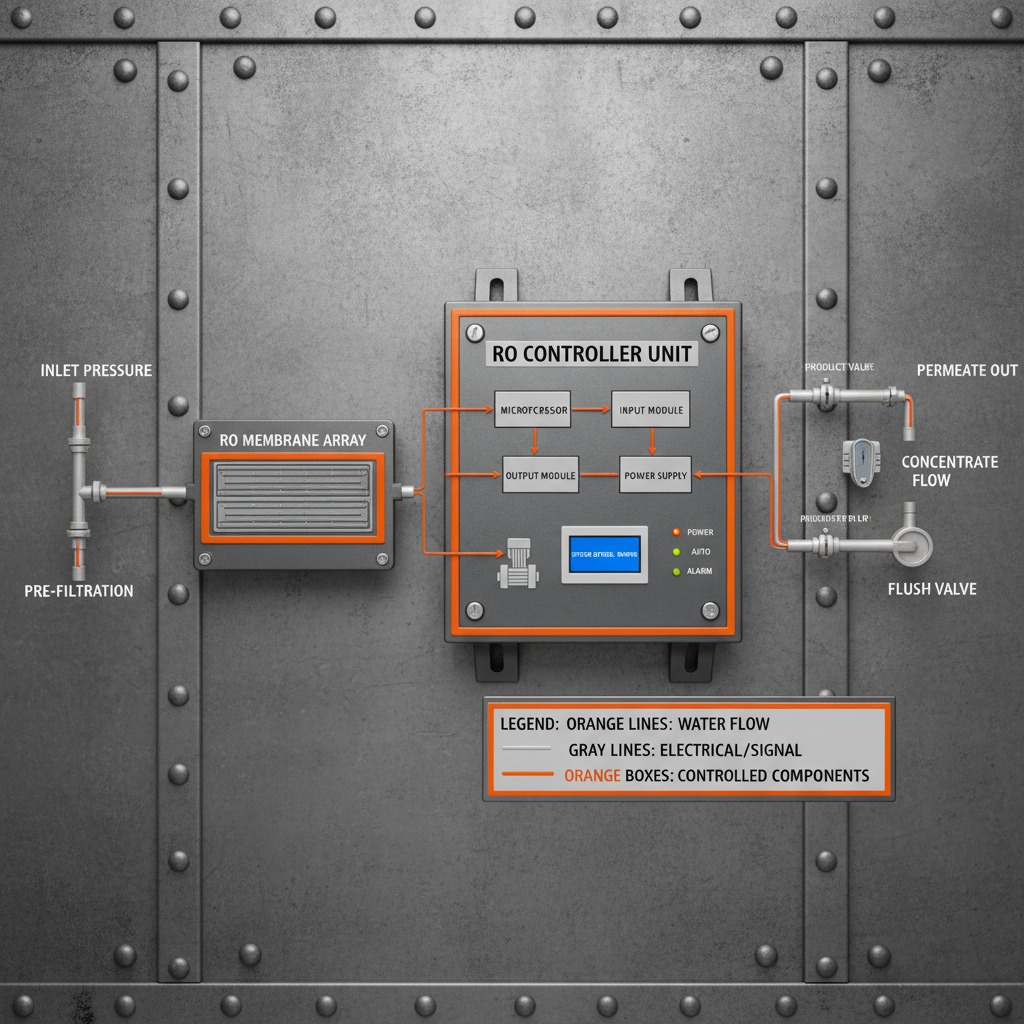
Guide to Choosing the Right RO Controller for Water PurificationMaintaining a high-performance reverse osmosis system requires more than just quality membranes; it demands precise regulation. An ro controller serves as the brain of the entire operation, monitoring critical parameters such as conductivity, temperature, and flow rates to ensure the output water meets stringent purity standards. Without an efficient controller, systems are prone to membrane fouling, inefficient energy use, and inconsistent water quality. In this comprehensive guide, we will explore how these devices optimize water treatment processes and how to select the best model for your specific industrial or commercial needs.
2026-04-09 03:25:47
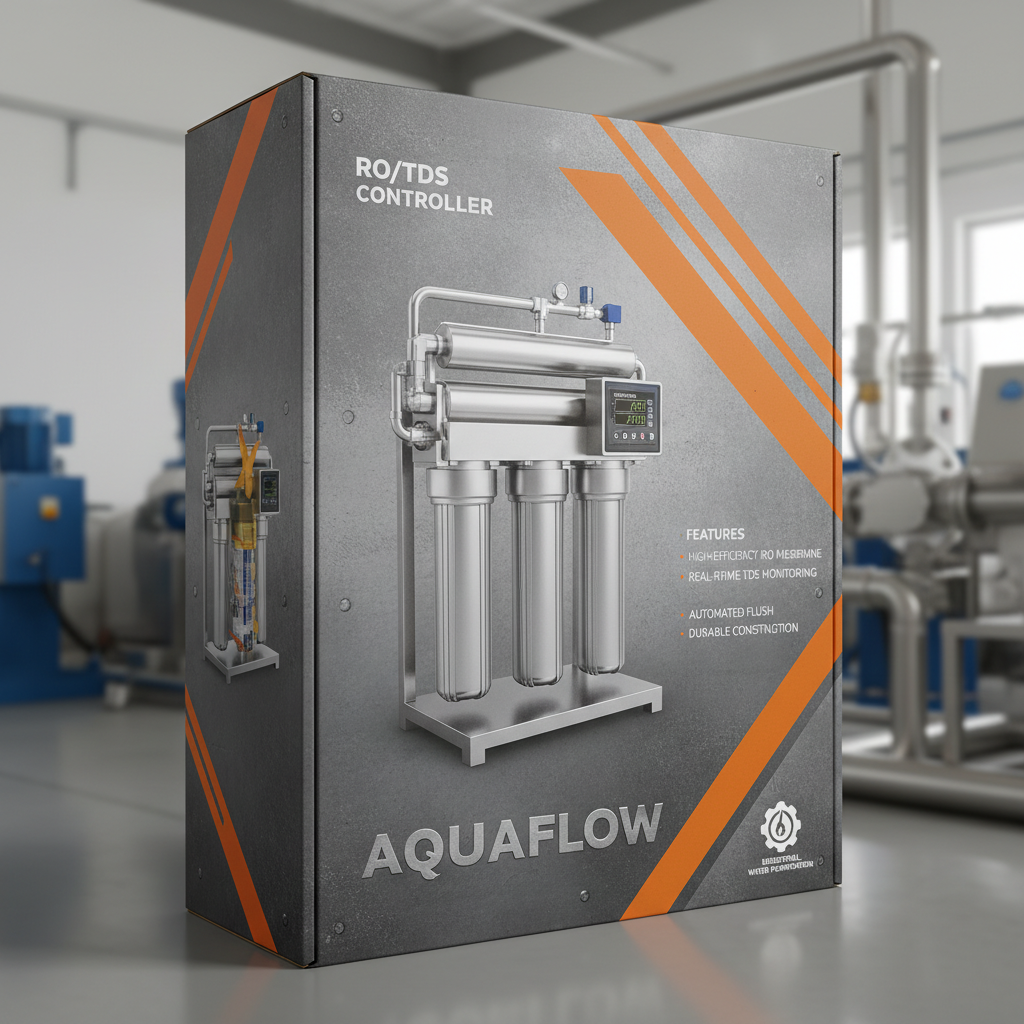
Guide to Water Purity Using RO with TDS Controller SystemsAchieving the perfect balance of mineral content and purity in drinking water is a challenge for many households and industrial facilities. A ro with tds controller offers a sophisticated solution by combining the rigorous filtration of Reverse Osmosis (RO) with the precision of a Total Dissolved Solids (TDS) adjustment system. While standard RO systems remove almost everything, including beneficial minerals, a TDS controller allows users to re-mineralize the water to a desired level. This ensures that the water is not only safe and pure but also tastes better and provides essential nutrients.
2026-04-07 03:17:09
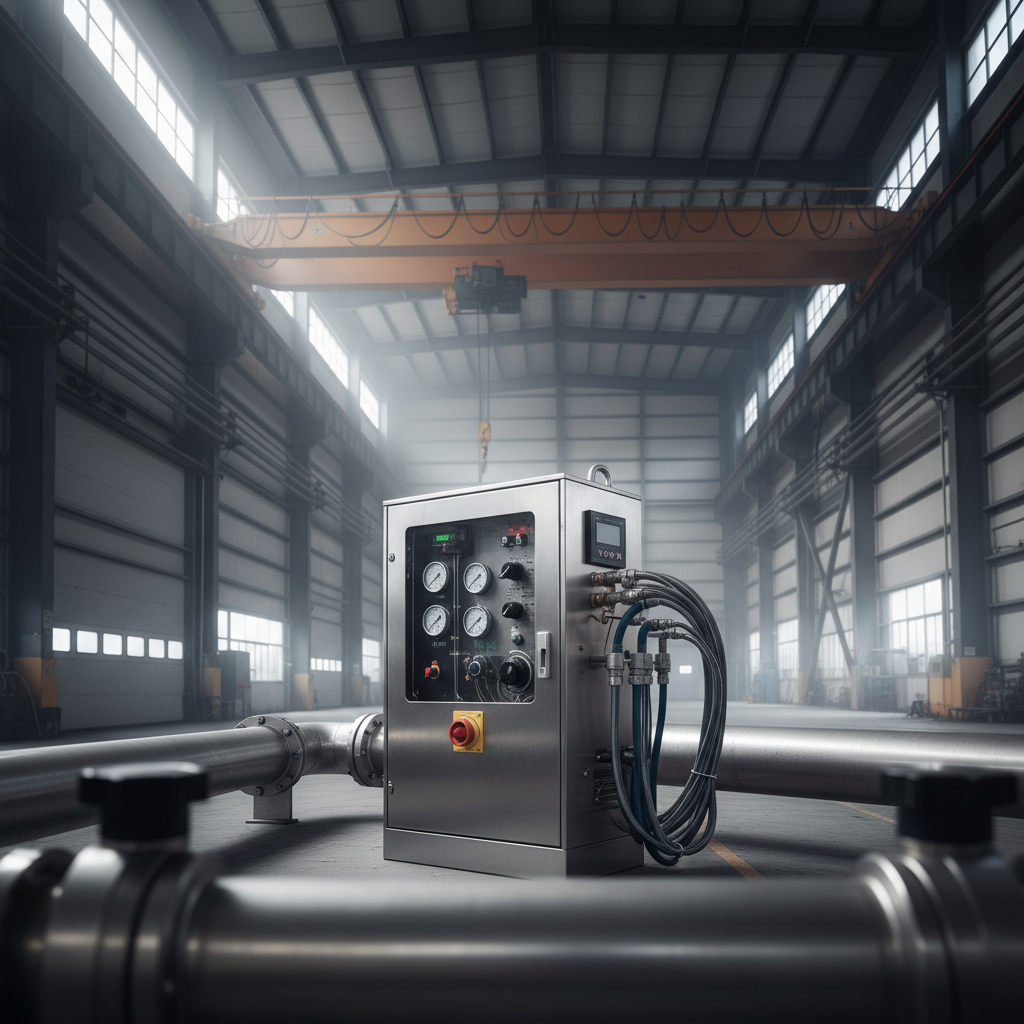
Understanding and Optimizing Reverse Osmosis Systems with a ControllerIn the world of water purification, reverse osmosis (RO) systems are a cornerstone for producing high-quality water for various applications, from drinking water to industrial processes. However, an RO system is only as effective as its control system. This is where the reverse osmosis controller comes into play. This critical component manages and optimizes the RO process, ensuring efficient operation, water quality, and system longevity.
2026-04-04 03:27:19
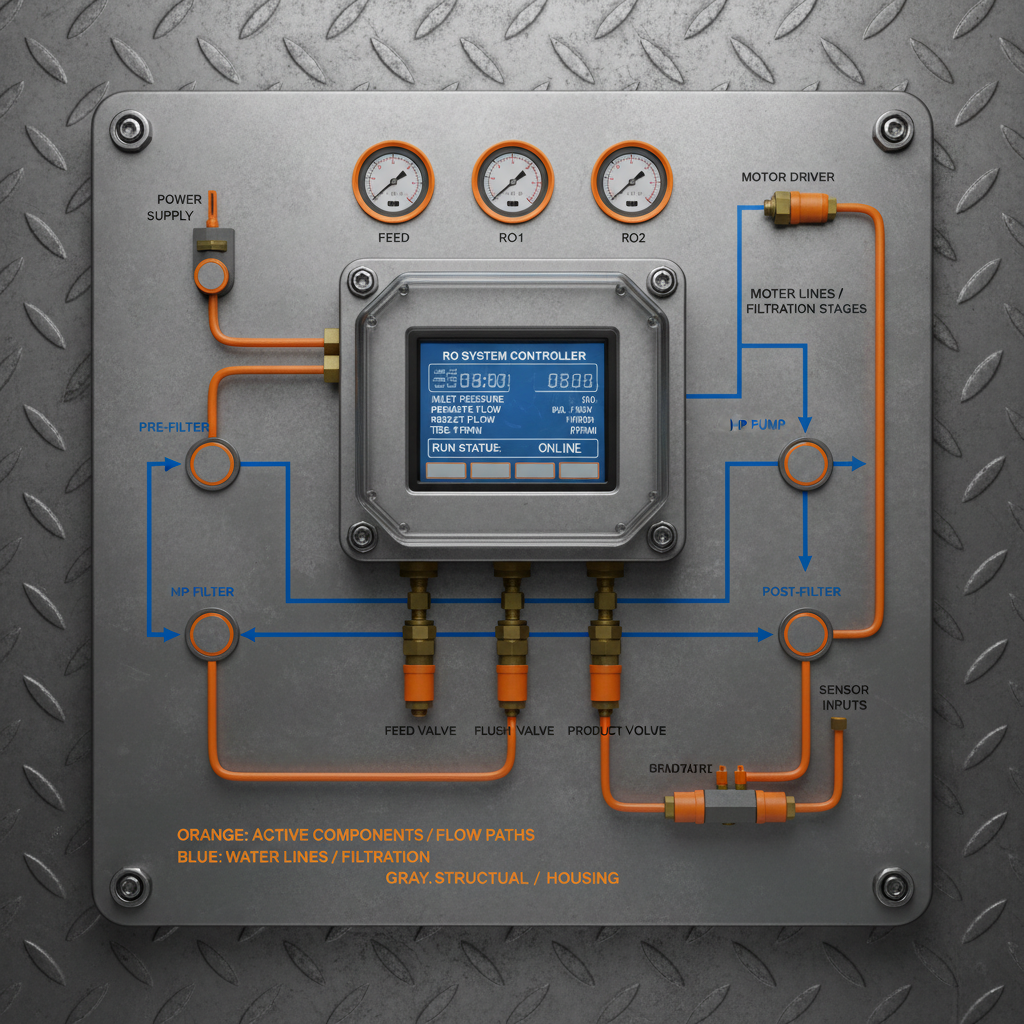
Understanding the Vital Role of an RO System Controller for Optimal PerformanceReverse Osmosis (RO) systems are critical for purifying water across various industries, from residential applications to large-scale industrial processes. At the heart of a well-functioning RO system lies the RO system controller. This intelligent device monitors and regulates all key parameters of the RO process, ensuring optimal performance, efficiency, and water quality. This article delves into the functionalities, benefits, and selection criteria for choosing the right RO system controller, particularly focusing on those offered by Watequipments. Understanding its role is crucial for maximizing the lifespan and effectiveness of your RO investment.
2026-03-24 17:18:24
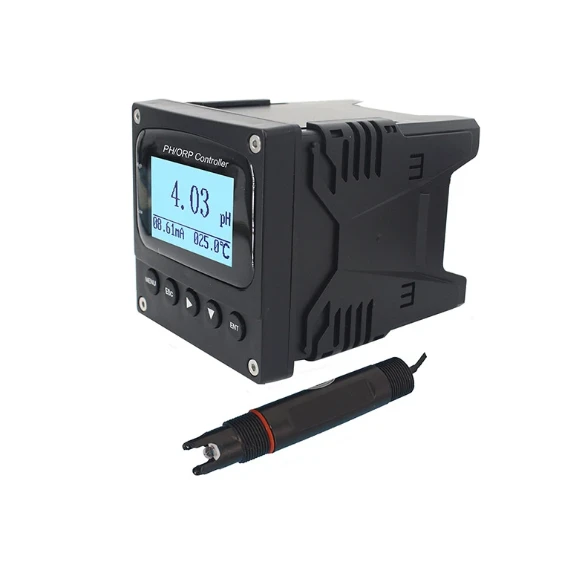
Smart Water Treatment Solutions Using PH ORP Controller SystemsIn modern water treatment and industrial fluid management, maintaining precise chemical balance is essential for safety, efficiency, and regulatory compliance.
2026-03-04 02:55:19
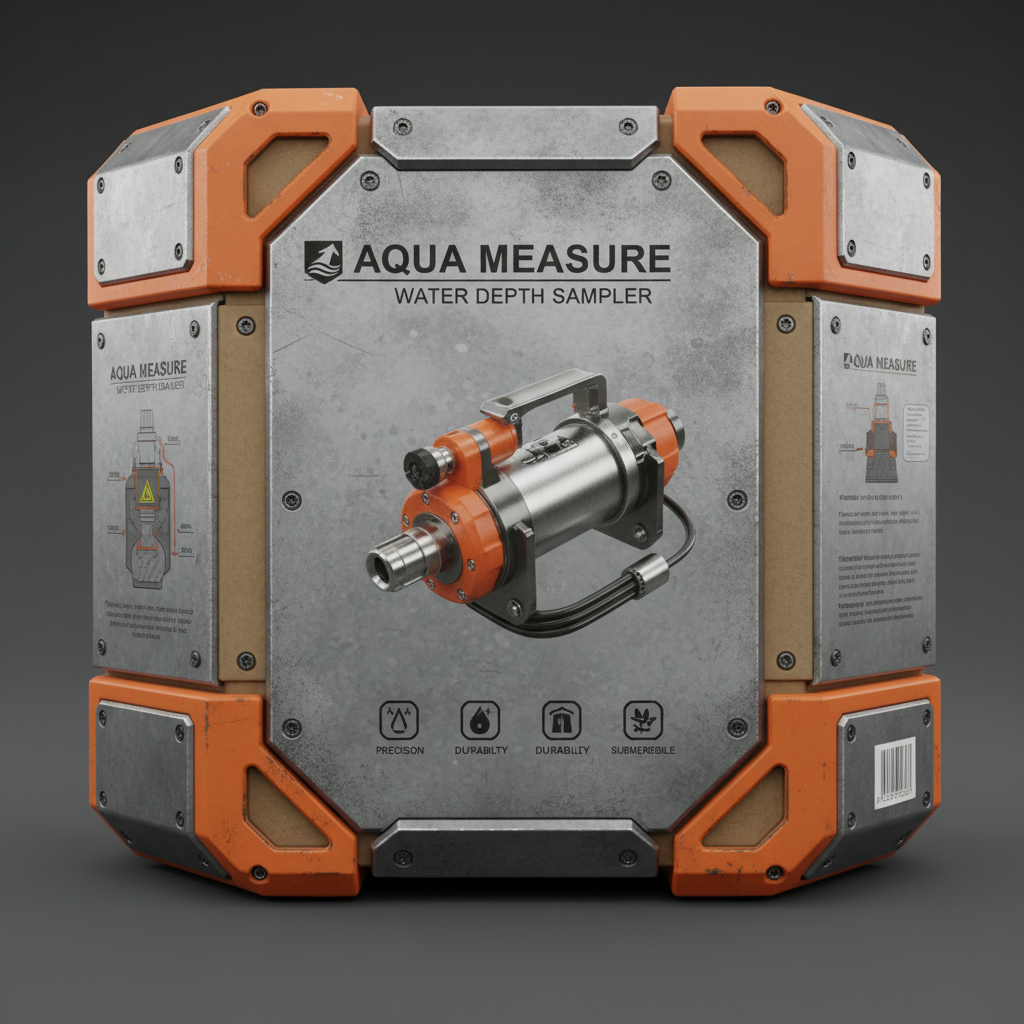
Comprehensive Guide to Water Depth Samplers and Their ApplicationsAccurate water quality monitoring is crucial in various fields, from environmental science and aquaculture to industrial wastewater management. A key tool for this is the water depth sampler. This article provides an in-depth look at water depth samplers, their applications, types, and essential considerations for choosing the right one for your needs. We'll explore the benefits of utilizing this equipment to collect reliable data for analysis and informed decision-making. Selecting the right sampler can significantly improve the precision and efficiency of your water monitoring program. A water depth sampler, also known as a depth-integrated sampler, is a device designed to collect water samples from specific depths within a body of water. Unlike simply dipping a container into the water, a depth sampler allows for collection of a representative sample across a defined depth range. This is critical because water properties (temperature, salinity, pollutants) often vary significantly with depth. The data gathered with a water depth sampler provides a more accurate assessment of water quality than surface samples alone.
2026-03-03 18:55:22
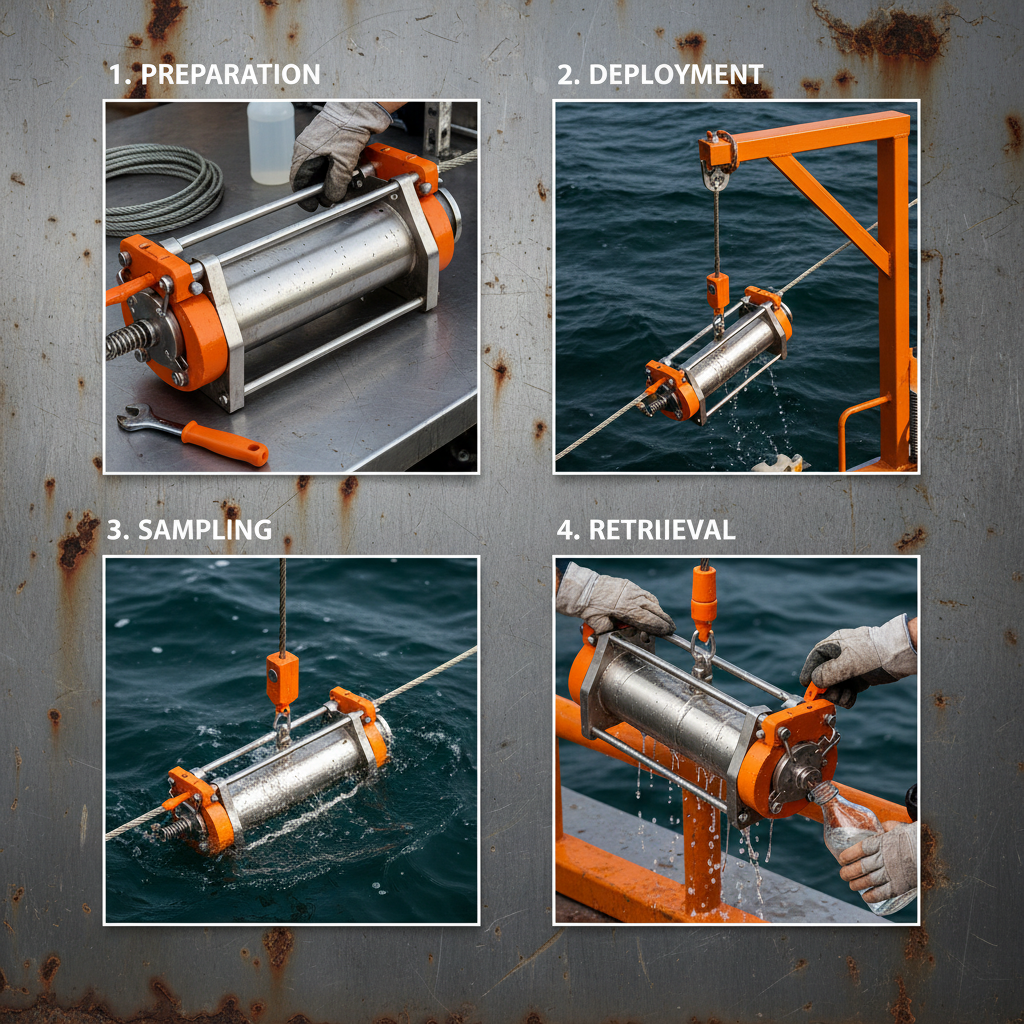
Comprehensive Guide to Horizontal Water Sampler Applications and SelectionCollecting water samples at varying depths is crucial for environmental monitoring, research, and quality control. The horizontal water sampler from Watequipment.com offers a precise and efficient solution for this task. This article provides an in-depth look at horizontal water samplers, their applications, benefits, and key considerations when choosing the right model. We will explore how these samplers contribute to accurate data collection and informed decision-making in various fields. A horizontal water sampler is a device designed to collect water samples from specific depths within a body of water – rivers, lakes, oceans, reservoirs, and even wastewater treatment plants. Unlike vertical samplers which primarily focus on depth, horizontal samplers prioritize collecting samples at a consistent depth while moving along a horizontal plane. This is essential for assessing water quality variations across a waterway or within a specific zone. They are used in applications ranging from environmental monitoring and scientific research to industrial process control and regulatory compliance.
2026-02-28 02:35:09
Comprehensive Guide to Selecting the Right Surface Water Sampler for Your NeedsMonitoring the quality of surface water is critical for environmental protection, public health, and various industrial applications. A surface water sampler is an essential tool for collecting representative samples from rivers, lakes, ponds, and other surface water sources. This article provides a detailed overview of surface water samplers, their types, applications, and key considerations for selecting the right equipment. Accurate water quality data relies on proper sample collection, and choosing the correct sampler is the first step toward achieving reliable results. Surface water samplers come in various designs, each suited to specific sampling needs. Common types include grab samplers, depth-integrating samplers, peristaltic pumps, and automatic samplers. Surface water samplers are used across a broad spectrum of applications, including environmental monitoring, wastewater discharge monitoring, drinking water source monitoring, agricultural runoff analysis, and research studies.

 English