



Dissolved Oxygen Meter

Dissolved Oxygen Meter
Apr . 21, 2025
Water may look clean, but what’s happening on the molecular level often tells a different story. In aquatic ecosystems, industrial processes, and wastewater management, dissolved oxygen (DO) is one of the most vital indicators of water quality. A dissolved oxygen meter provides real-time, precise measurements of oxygen levels in liquid, which helps determine biological activity, chemical balance, and treatment effectiveness.
A dissolved oxygen meter is essential in fields ranging from aquaculture and environmental science to food production and wastewater treatment. If oxygen levels are too low, fish and other aquatic life can suffocate, while in industrial processes, oxygen can affect fermentation, corrosion, or chemical reactions. Accurate DO measurement isn’t just a preference—it’s often a regulatory requirement.
Most dissolved oxygen meters use either electrochemical or optical sensors. Electrochemical types include galvanic and polarographic models, while optical sensors utilize luminescence to determine oxygen concentration. Optical sensors tend to require less maintenance and calibration, making them ideal for continuous monitoring. However, electrochemical models are still popular due to their lower initial cost and fast response times.
Selecting the right dissolved oxygen meter depends on your application: Do you need a portable unit for spot testing? Or a fixed, in-line model for continuous process control? Either way, a quality meter gives you a clear window into your water’s health—and the insight to correct problems before they escalate.
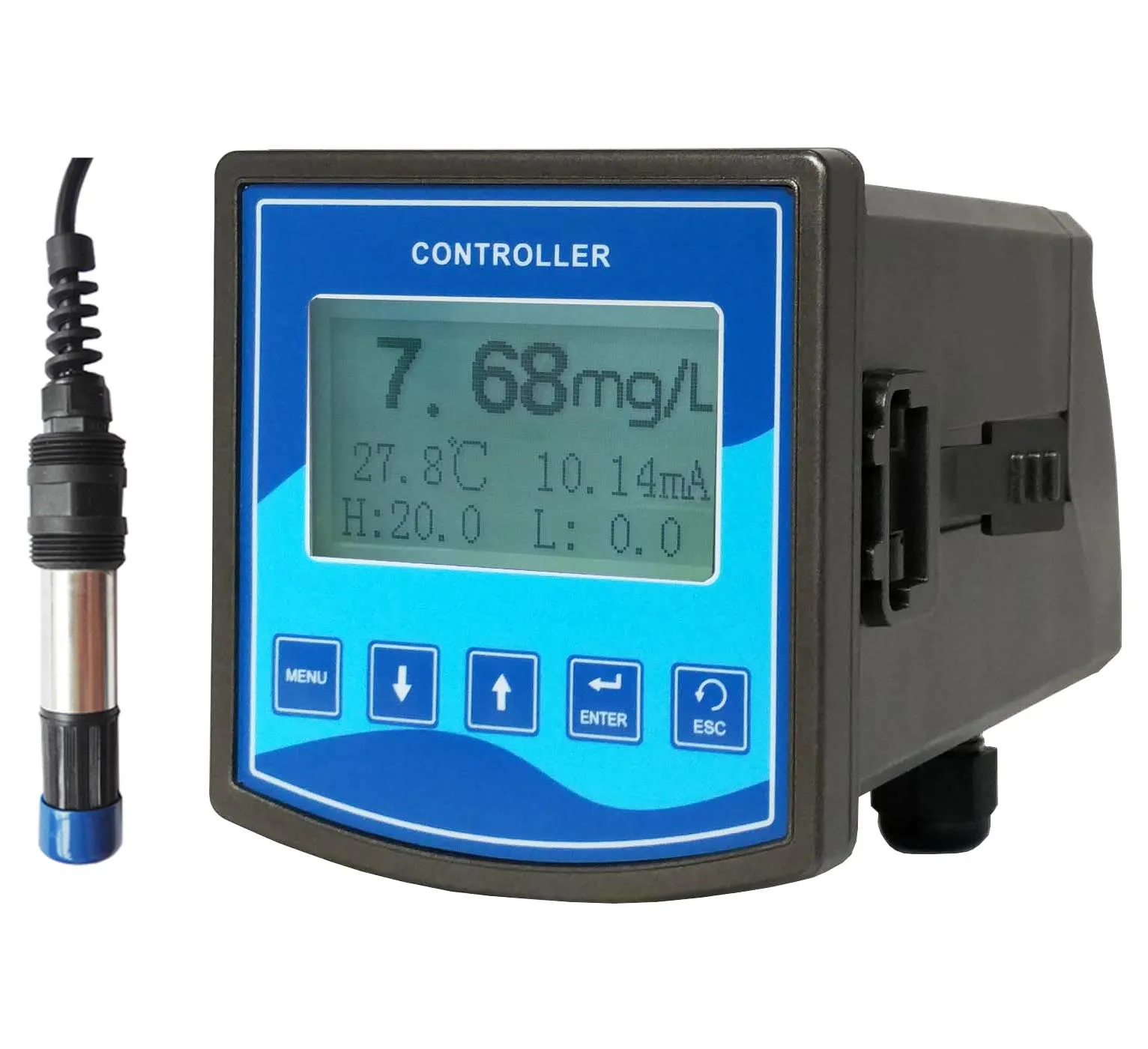
Where to Find the Best Dissolved Oxygen Meters for Sale Today
With increasing demand across multiple sectors, there are now more dissolved oxygen meters for sale than ever before—but not all meters are created equal. Whether you're upgrading your lab equipment or outfitting an entire wastewater facility, you need to look for DO meters that combine precision, durability, and ease of use.
Trusted brands typically offer a wide range of dissolved oxygen meters for sale, from basic handheld models to highly advanced digital devices with Bluetooth, USB connectivity, and multi-parameter capabilities. Many retailers also bundle meters with accessories like replacement membranes, calibration solutions, and protective carrying cases, offering complete starter kits at attractive prices.
One of the best ways to explore dissolved oxygen meters for sale is through specialized laboratory equipment suppliers, environmental monitoring companies, or water treatment distributors. Online marketplaces also provide side-by-side comparisons, customer reviews, and detailed specifications to help buyers choose the right model. Don’t forget to consider service and warranty coverage—after all, even the most advanced meter needs occasional maintenance.
Whether you're a researcher studying lake ecosystems or an engineer designing a wastewater plant, the market has never been more equipped to meet your needs. The key is to choose a vendor that understands the applications and can recommend the best dissolved oxygen meter solution based on your environment and goals.
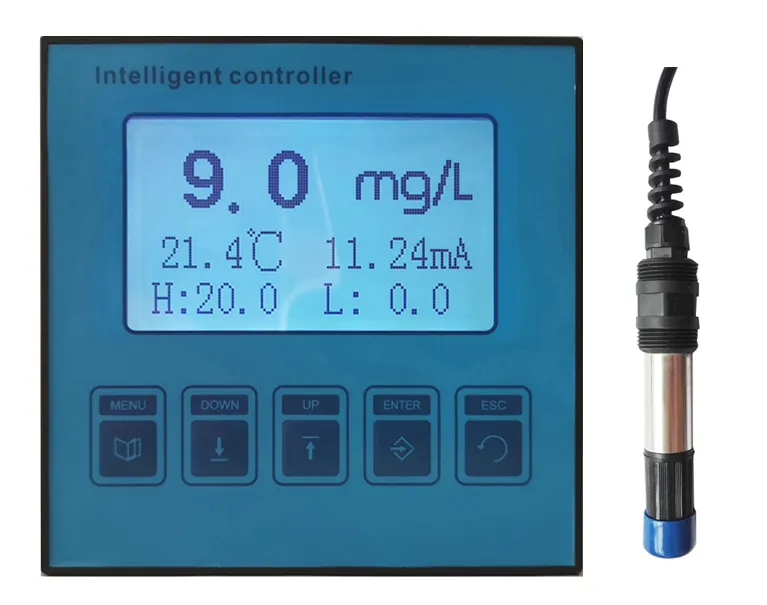
What You Should Know About Dissolved Oxygen Meter Price Ranges
When shopping for a meter, one of the first questions you'll ask is: What’s the typical dissolved oxygen meter price? The answer depends on several factors, including the type of sensor, range of features, durability, and intended use. Basic handheld dissolved oxygen meters may start as low as $100, but high-end laboratory or in-line models can exceed $2,000.
At the lower end of the dissolved oxygen meter price range, you’ll find compact, battery-operated units with basic displays and manual calibration. These are suitable for hobbyists, students, or light industrial users. Mid-range meters (typically $300–$800) offer improved accuracy, automatic temperature compensation, and sometimes data logging features. These models are ideal for environmental monitoring, fish farming, and process control.
At the premium level, a dissolved oxygen meter could include optical sensor technology, smart interface screens, cloud connectivity, and multi-parameter integration (such as pH, conductivity, and turbidity). These units are designed for professional research labs, food & beverage quality control, or high-volume industrial facilities. When calculating the total dissolved oxygen meter price, it’s important to include the cost of maintenance supplies like sensor caps, calibration kits, and replacement membranes.
Overall, the dissolved oxygen meter price reflects not only the technology but also the level of precision, reliability, and support you require. Investing a bit more upfront often results in reduced downtime and more consistent measurements—especially in high-stakes or regulatory settings.
Specialized Use: The Dissolved Oxygen Meter for Wastewater Treatment
The role of the dissolved oxygen meter for wastewater treatment is absolutely critical. Wastewater plants rely on aerobic bacteria to break down organic matter in sewage, and these bacteria require a constant and adequate supply of oxygen. Without proper monitoring, oxygen depletion can lead to incomplete treatment, odor issues, and environmental violations.
A dissolved oxygen meter for wastewater is typically installed in aeration tanks, oxidation ditches, or final effluent discharge points. These meters ensure that DO levels remain in the optimal range—usually between 1.5 to 3.0 mg/L for activated sludge systems. Too little oxygen results in poor digestion and odor; too much can waste energy through unnecessary aeration.
These meters often come in rugged, waterproof enclosures and use optical sensors for long-term accuracy. Optical sensors are especially well-suited to wastewater because they’re less affected by contaminants like hydrogen sulfide, oil, or suspended solids. A good dissolved oxygen meter for wastewater should also have automatic cleaning features or self-compensating software to maintain accuracy between maintenance intervals.
In many modern facilities, DO meters are integrated with SCADA systems for real-time analytics and process optimization. By continuously monitoring oxygen levels, treatment plants can reduce energy costs (aeration is often the largest single energy consumer) and improve treatment efficiency. Investing in a high-quality dissolved oxygen meter for wastewater isn't just good practice—it’s vital for operational success and environmental stewardship.
Smart Features to Look for in Modern Dissolved Oxygen Meters for Sale
The latest generation of dissolved oxygen meters for sale goes far beyond basic readouts. Today’s meters offer smart features designed to improve accuracy, simplify use, and extend service life. Whether you’re buying a field meter or an in-line sensor, understanding these innovations will help you choose the right tool for your application.
One standout feature in modern dissolved oxygen meters for sale is automatic calibration. Many models now include self-calibrating routines that reduce human error and ensure consistent accuracy. Optical sensors also eliminate the need for regular membrane replacement and electrolyte refills, cutting down on downtime and maintenance costs.
Data logging and Bluetooth connectivity are increasingly common, especially in portable dissolved oxygen meters. These allow users to store data, transmit readings to a mobile device or cloud platform, and create automated reports. In environmental science or regulatory compliance, this traceable data is invaluable.
Temperature compensation, salinity adjustment (for marine applications), and customizable alarm settings are also features that enhance performance. Some high-end meters come with large touchscreens and intuitive interfaces that guide users through setup, calibration, and diagnostics.
When evaluating dissolved oxygen meters for sale, think long-term. Look at the total cost of ownership, including maintenance frequency, sensor replacement, and software support. A slightly higher dissolved oxygen meter price may pay off in convenience, reliability, and efficiency.
Dissolved Oxygen Meter FAQs
What does a dissolved oxygen meter measure?
A dissolved oxygen meter measures the concentration of oxygen that is dissolved in a liquid, usually water. This is a critical parameter in environmental monitoring, aquaculture, industrial processing, and especially wastewater treatment. It helps determine whether the water can support biological life or complete chemical reactions efficiently. The reading is usually given in milligrams per liter (mg/L) or parts per million (ppm).
What’s the average dissolved oxygen meter price?
The dissolved oxygen meter price can range from $100 for basic models to over $2,000 for high-end industrial units. Handheld devices used in aquariums or small farms are on the lower end, while laboratory-grade or process-control meters with optical sensors and advanced software are on the higher end. Consider both initial cost and long-term maintenance when budgeting.
Where can I buy quality dissolved oxygen meters for sale?
You can find dissolved oxygen meters for sale at specialized lab equipment suppliers, industrial monitoring companies, and online marketplaces. When shopping, look for brands with strong reputations, product warranties, and good customer support. Many sellers also offer bundled packages that include accessories and calibration kits.
Why is a dissolved oxygen meter for wastewater important?
A dissolved oxygen meter for wastewater is crucial for monitoring oxygen levels in treatment systems. Proper DO levels support aerobic bacteria that break down organic pollutants. If DO is too low, treatment is ineffective and may produce odor or environmental discharge violations. If it’s too high, you waste energy on unnecessary aeration. A good meter helps optimize both biological performance and operating costs.
Are optical or electrochemical DO meters better?
Optical dissolved oxygen meters tend to be more accurate and require less maintenance since they don’t need membranes or electrolyte solutions. However, they usually come with a higher price tag. Electrochemical meters, like galvanic or polarographic sensors, are more affordable and work well in many standard applications but need more frequent upkeep. The choice depends on your specific environment and how often you plan to use the meter.

Related Products
Related News
2026-04-16 03:20:19
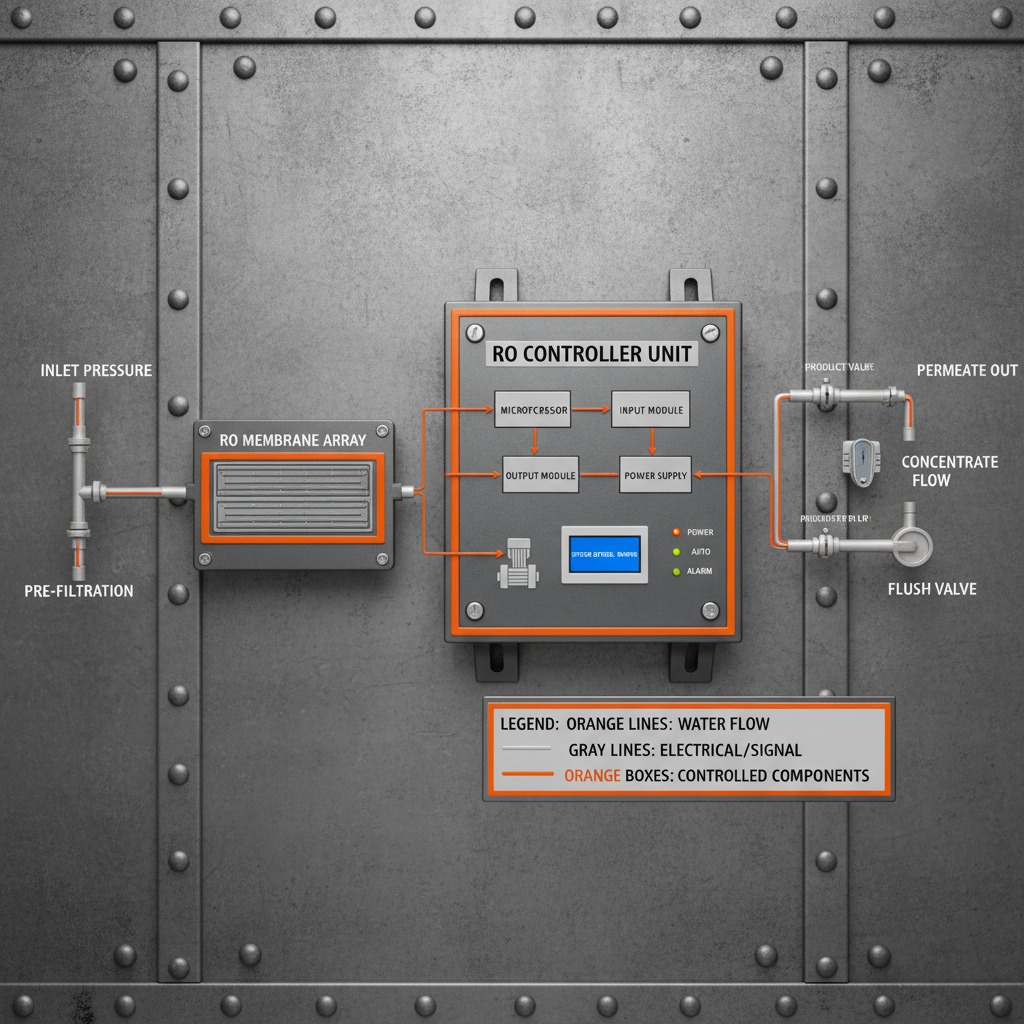
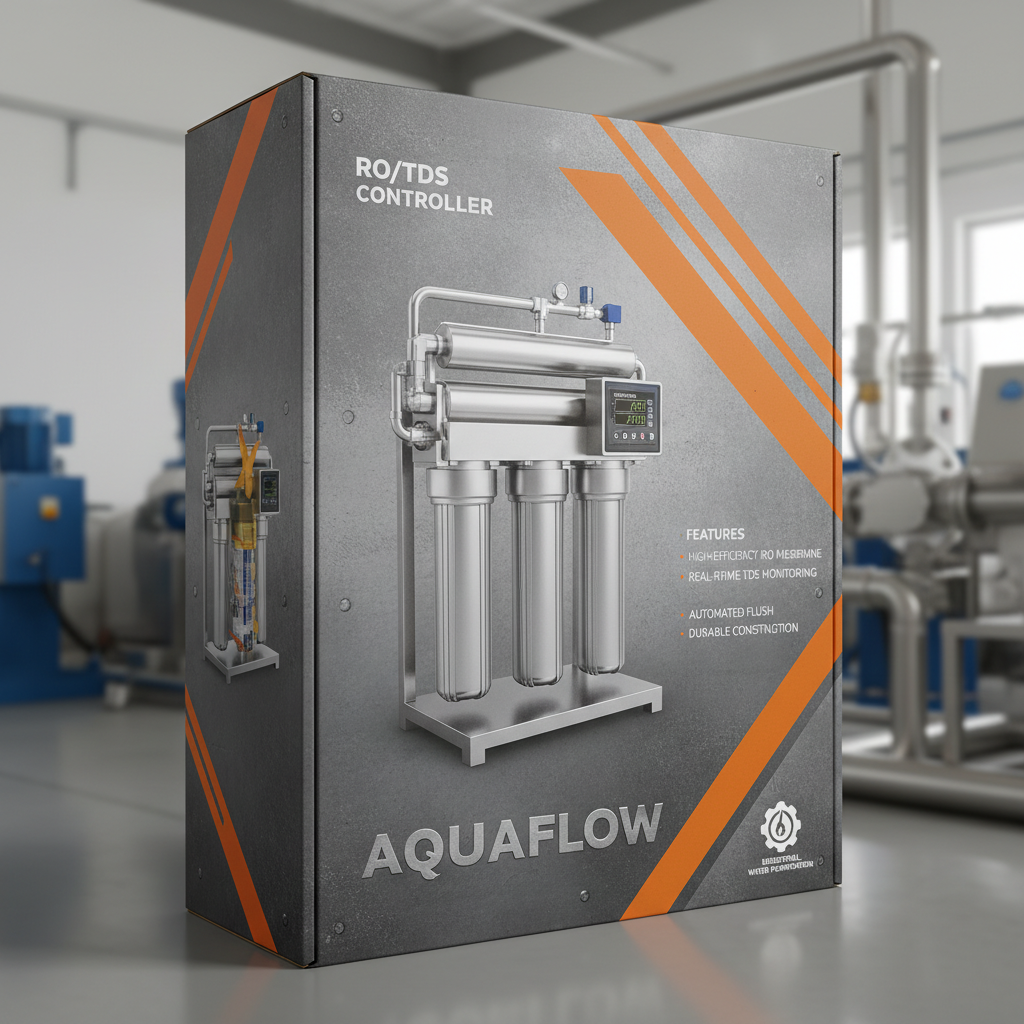
Guide to Choosing the Right RO Controller for Water PurificationMaintaining a high-performance reverse osmosis system requires more than just quality membranes; it demands precise regulation. An ro controller serves as the brain of the entire operation, monitoring critical parameters such as conductivity, temperature, and flow rates to ensure the output water meets stringent purity standards. Without an efficient controller, systems are prone to membrane fouling, inefficient energy use, and inconsistent water quality. In this comprehensive guide, we will explore how these devices optimize water treatment processes and how to select the best model for your specific industrial or commercial needs.
2026-04-09 03:25:47
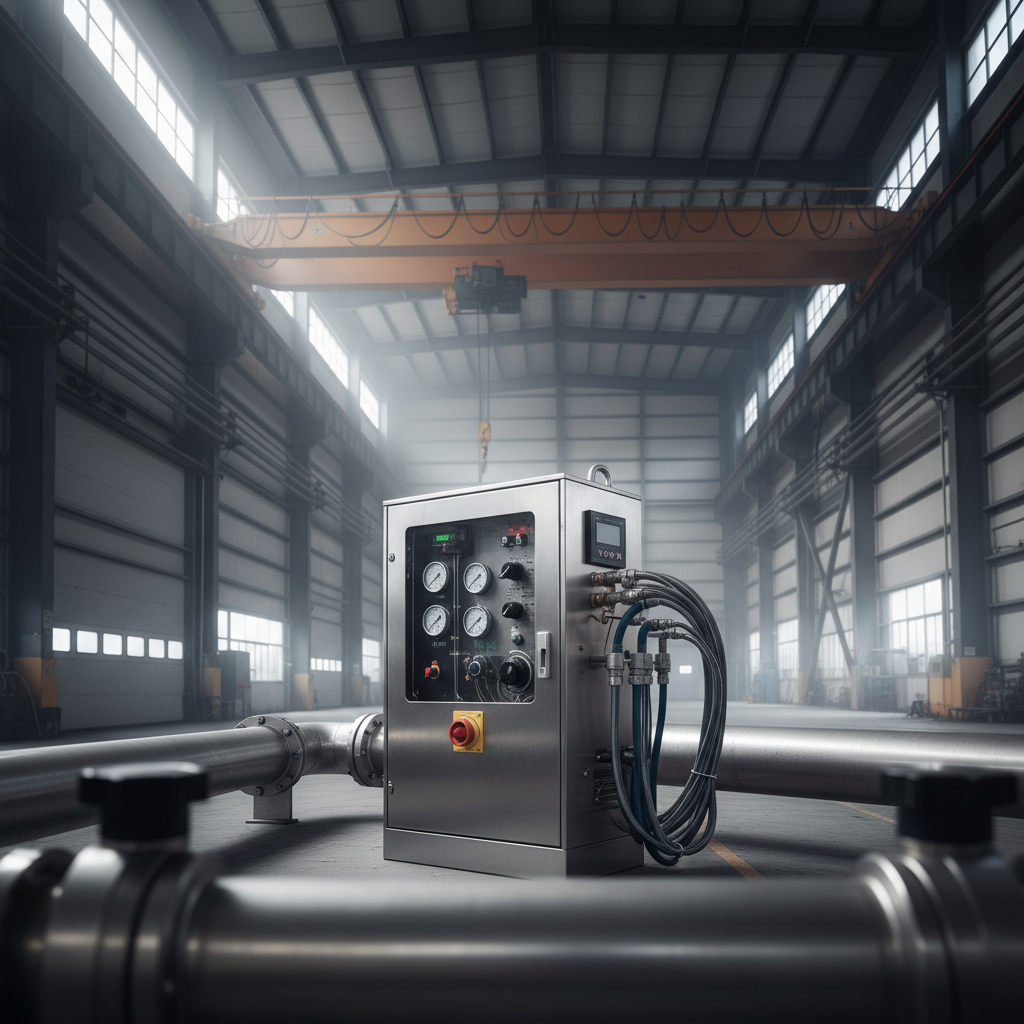
Guide to Water Purity Using RO with TDS Controller SystemsAchieving the perfect balance of mineral content and purity in drinking water is a challenge for many households and industrial facilities. A ro with tds controller offers a sophisticated solution by combining the rigorous filtration of Reverse Osmosis (RO) with the precision of a Total Dissolved Solids (TDS) adjustment system. While standard RO systems remove almost everything, including beneficial minerals, a TDS controller allows users to re-mineralize the water to a desired level. This ensures that the water is not only safe and pure but also tastes better and provides essential nutrients.
2026-04-07 03:17:09
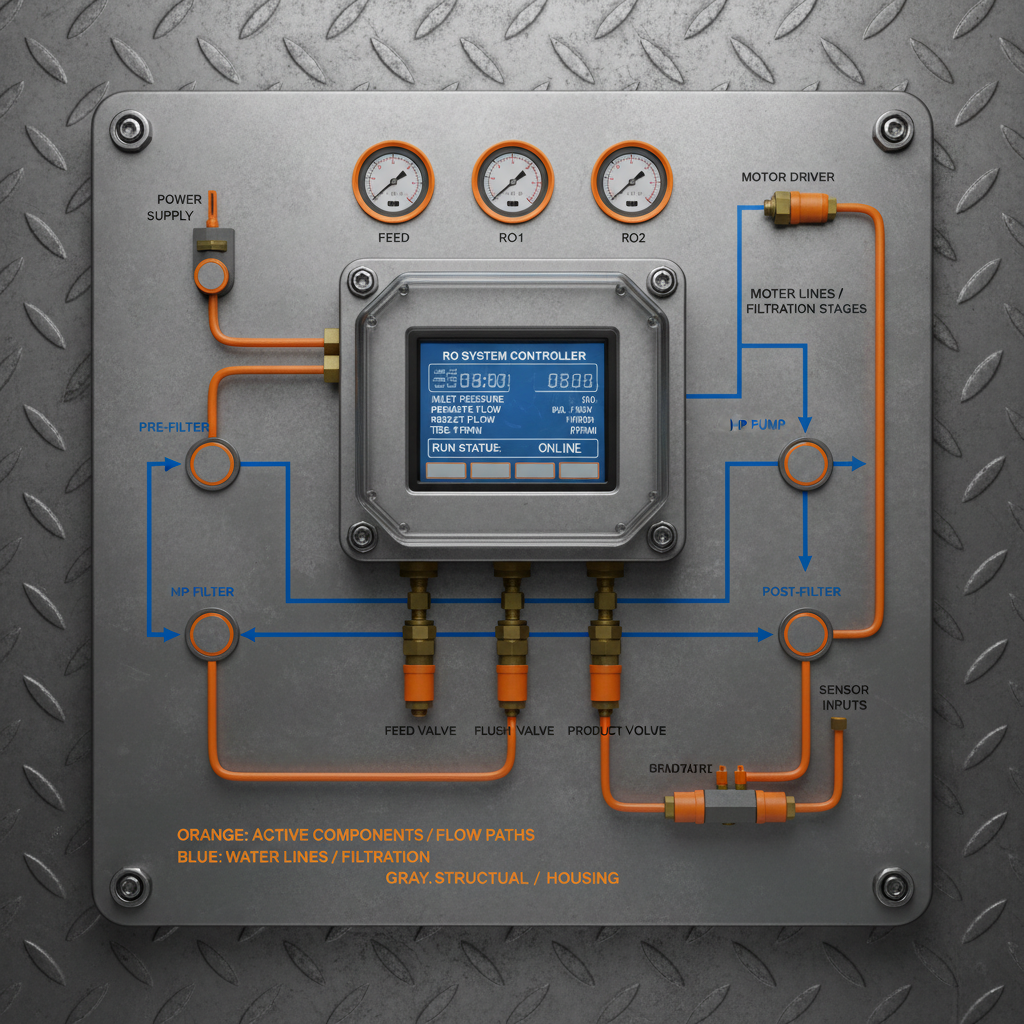
Understanding and Optimizing Reverse Osmosis Systems with a ControllerIn the world of water purification, reverse osmosis (RO) systems are a cornerstone for producing high-quality water for various applications, from drinking water to industrial processes. However, an RO system is only as effective as its control system. This is where the reverse osmosis controller comes into play. This critical component manages and optimizes the RO process, ensuring efficient operation, water quality, and system longevity.
2026-04-04 03:27:19
Understanding the Vital Role of an RO System Controller for Optimal PerformanceReverse Osmosis (RO) systems are critical for purifying water across various industries, from residential applications to large-scale industrial processes. At the heart of a well-functioning RO system lies the RO system controller. This intelligent device monitors and regulates all key parameters of the RO process, ensuring optimal performance, efficiency, and water quality. This article delves into the functionalities, benefits, and selection criteria for choosing the right RO system controller, particularly focusing on those offered by Watequipments. Understanding its role is crucial for maximizing the lifespan and effectiveness of your RO investment.
2026-03-24 17:18:24
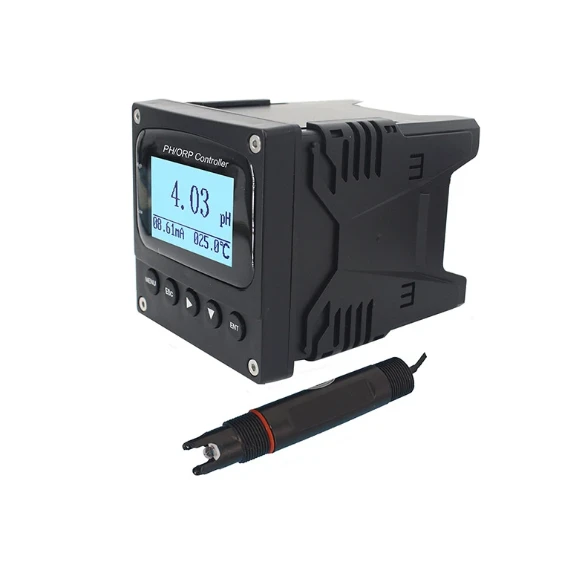
Smart Water Treatment Solutions Using PH ORP Controller SystemsIn modern water treatment and industrial fluid management, maintaining precise chemical balance is essential for safety, efficiency, and regulatory compliance.
2026-03-04 02:55:19
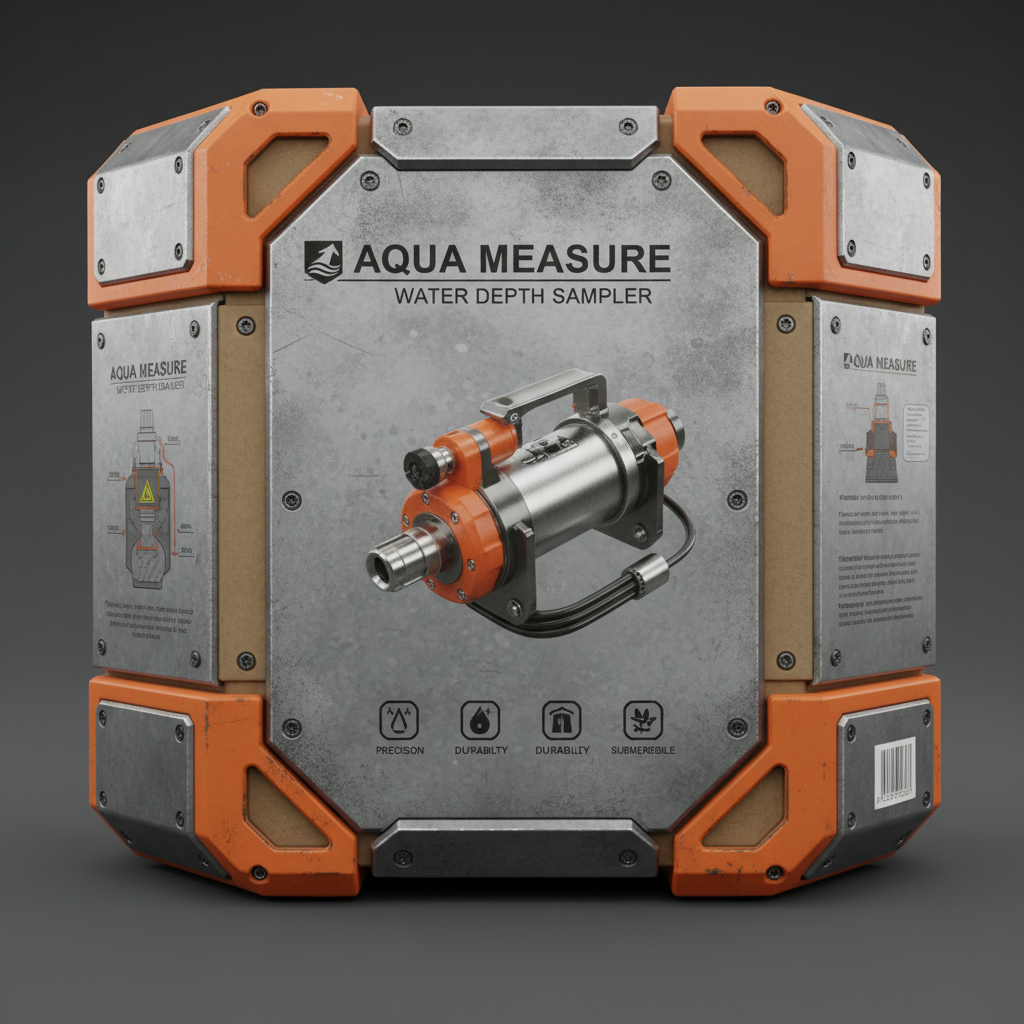
Comprehensive Guide to Water Depth Samplers and Their ApplicationsAccurate water quality monitoring is crucial in various fields, from environmental science and aquaculture to industrial wastewater management. A key tool for this is the water depth sampler. This article provides an in-depth look at water depth samplers, their applications, types, and essential considerations for choosing the right one for your needs. We'll explore the benefits of utilizing this equipment to collect reliable data for analysis and informed decision-making. Selecting the right sampler can significantly improve the precision and efficiency of your water monitoring program. A water depth sampler, also known as a depth-integrated sampler, is a device designed to collect water samples from specific depths within a body of water. Unlike simply dipping a container into the water, a depth sampler allows for collection of a representative sample across a defined depth range. This is critical because water properties (temperature, salinity, pollutants) often vary significantly with depth. The data gathered with a water depth sampler provides a more accurate assessment of water quality than surface samples alone.
2026-03-03 18:55:22
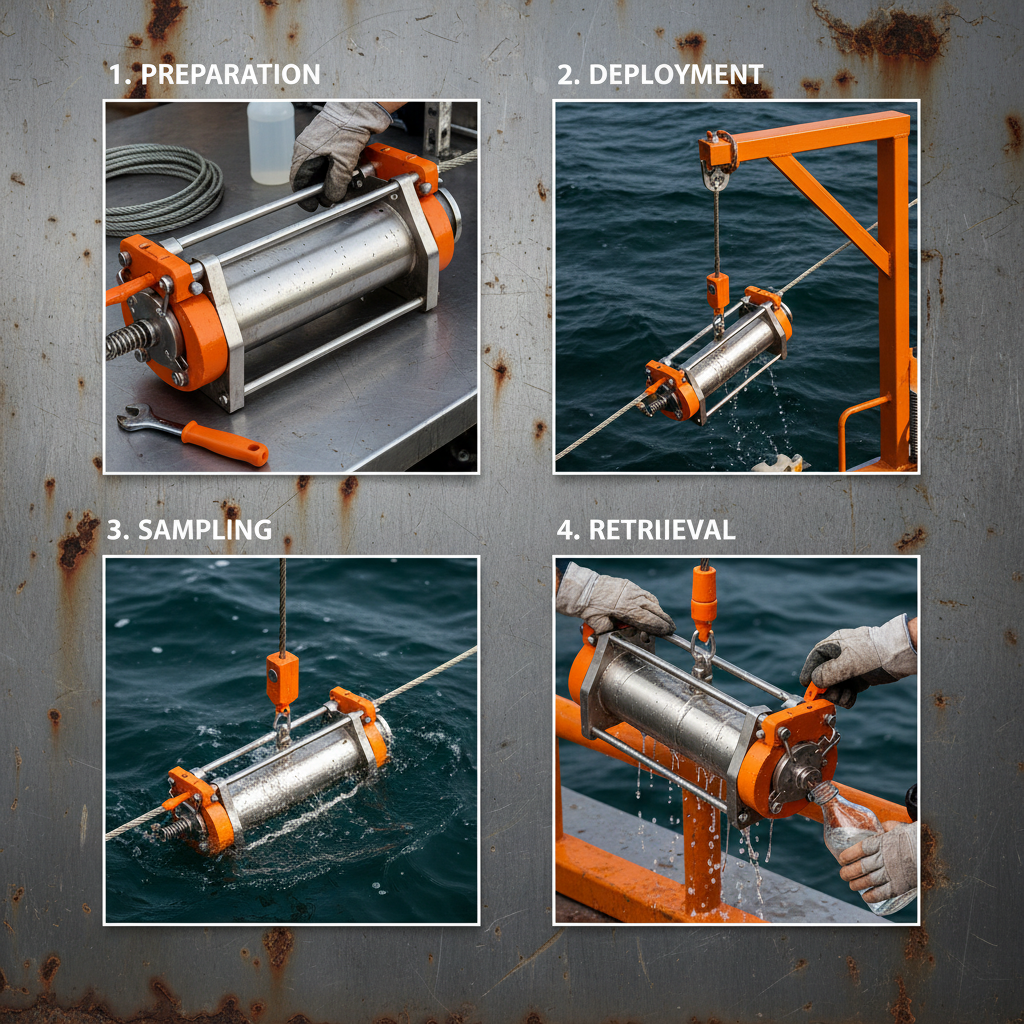
Comprehensive Guide to Horizontal Water Sampler Applications and SelectionCollecting water samples at varying depths is crucial for environmental monitoring, research, and quality control. The horizontal water sampler from Watequipment.com offers a precise and efficient solution for this task. This article provides an in-depth look at horizontal water samplers, their applications, benefits, and key considerations when choosing the right model. We will explore how these samplers contribute to accurate data collection and informed decision-making in various fields. A horizontal water sampler is a device designed to collect water samples from specific depths within a body of water – rivers, lakes, oceans, reservoirs, and even wastewater treatment plants. Unlike vertical samplers which primarily focus on depth, horizontal samplers prioritize collecting samples at a consistent depth while moving along a horizontal plane. This is essential for assessing water quality variations across a waterway or within a specific zone. They are used in applications ranging from environmental monitoring and scientific research to industrial process control and regulatory compliance.
2026-02-28 02:35:09
Comprehensive Guide to Selecting the Right Surface Water Sampler for Your NeedsMonitoring the quality of surface water is critical for environmental protection, public health, and various industrial applications. A surface water sampler is an essential tool for collecting representative samples from rivers, lakes, ponds, and other surface water sources. This article provides a detailed overview of surface water samplers, their types, applications, and key considerations for selecting the right equipment. Accurate water quality data relies on proper sample collection, and choosing the correct sampler is the first step toward achieving reliable results. Surface water samplers come in various designs, each suited to specific sampling needs. Common types include grab samplers, depth-integrating samplers, peristaltic pumps, and automatic samplers. Surface water samplers are used across a broad spectrum of applications, including environmental monitoring, wastewater discharge monitoring, drinking water source monitoring, agricultural runoff analysis, and research studies.

 English