



Advanced PH ORP Controller

Advanced PH ORP Controller
Apr . 21, 2025
Precision control in water treatment has never been more essential. From municipal plants to aquaculture and swimming pools, managing water chemistry is crucial—and that’s where the ph orp controller comes into play. This high-performance instrument monitors and regulates both pH levels and oxidation-reduction potential (ORP), ensuring that water stays within safe and efficient operational parameters.
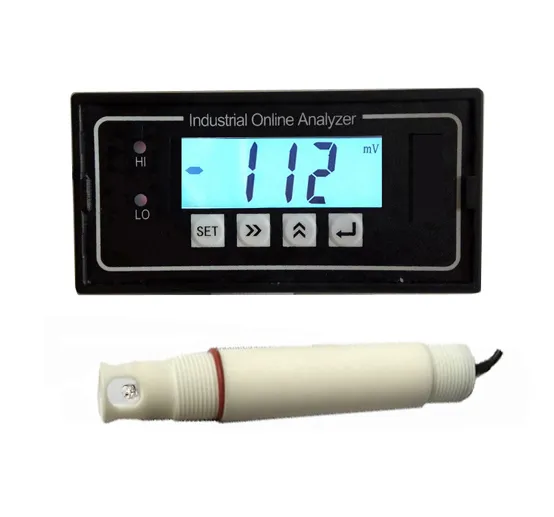
A ph orp controller is designed to measure acidity or alkalinity and the ability of water to oxidize contaminants or reduce chemical compounds. These two parameters are critical for ensuring biological safety, chemical stability, and overall system performance. For example, in disinfection processes, accurate ORP readings determine whether there’s enough sanitizer to neutralize pathogens, while pH levels affect how that sanitizer behaves.
Whether you're dealing with chlorinated water or complex industrial effluent, a ph orp controller automates chemical dosing and alarm triggers, minimizing manual intervention. Advanced models offer features like digital displays, remote monitoring, programmable outputs, and compatibility with dosing pumps. With a well-calibrated ph orp controller, water quality management becomes smarter, safer, and more cost-effective.
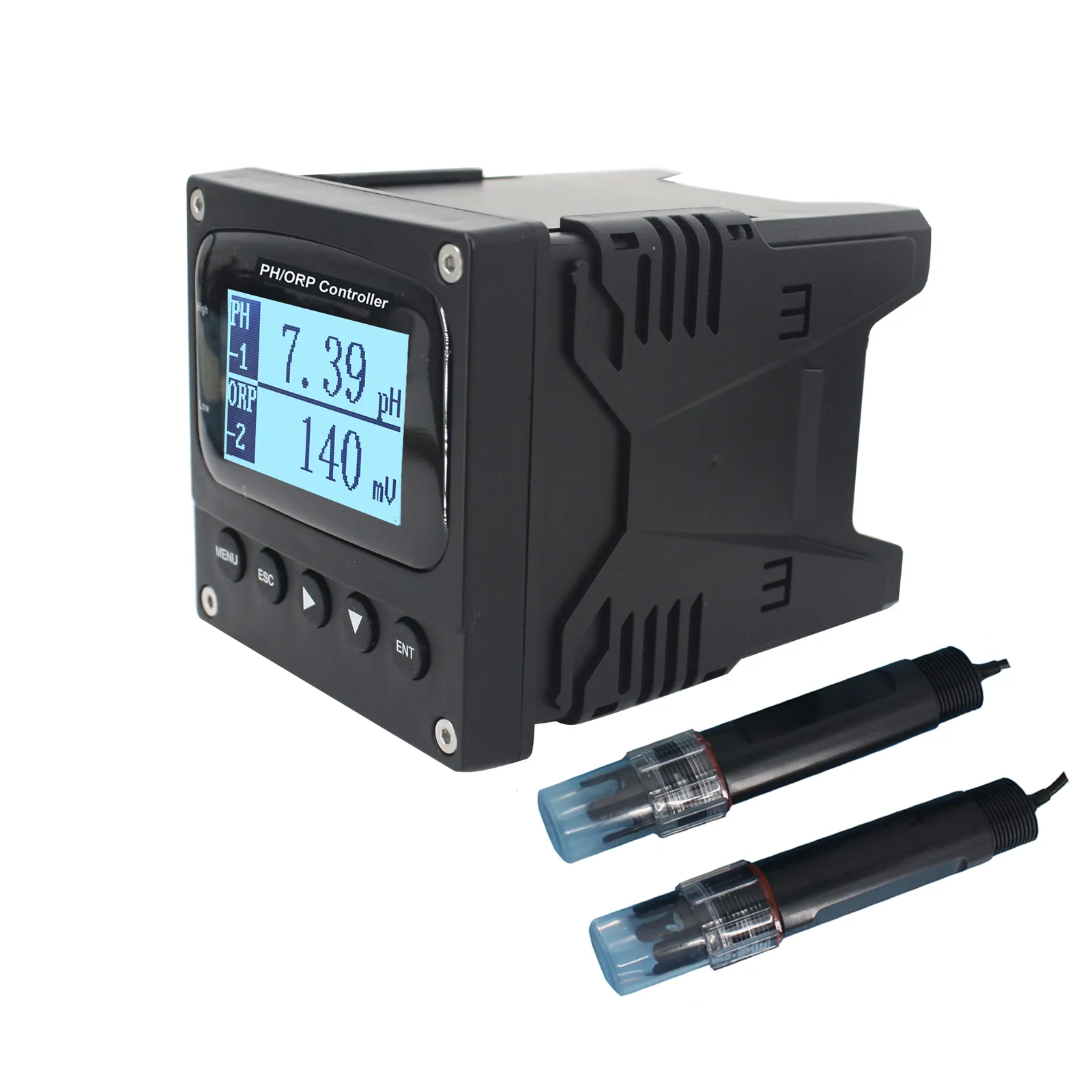
Choosing the Right PH ORP Controller Factory for Your Needs
Not all controllers are built the same—and choosing the right ph orp controller factory makes all the difference in terms of performance, durability, and technical support. A reliable ph orp controller factory doesn’t just manufacture the device; it engineers a solution tailored to your specific application, whether it’s agriculture, beverage production, or wastewater management.
The best manufacturers conduct extensive research and testing to ensure their devices remain accurate over time, even in harsh environments. Look for a ph orp controller factory that offers robust enclosures for outdoor use, intuitive user interfaces for easy configuration, and built-in diagnostics for proactive maintenance. Furthermore, the availability of replacement parts, long-term warranties, and responsive customer service are indicators of a trusted factory.
In today’s connected world, many top-tier factories also provide controllers that integrate with SCADA systems or IoT platforms. This allows for real-time alerts and centralized control, which are particularly useful for large-scale operations. A reputable ph orp controller factory understands that every drop of water counts—and they design their technology accordingly.
By sourcing from a factory with proven expertise, you’re investing not just in a device, but in long-term reliability. From calibration protocols to sensor longevity, the manufacturing process influences every detail of the controller’s operation. Ask about certifications, compliance with safety standards, and past industry applications when choosing a ph orp controller factory—it’s the foundation for success.
The Role of PH and ORP Controller Systems in Industrial Automation
A combined ph and orp controller system offers streamlined monitoring and control of two of the most critical water quality metrics. Instead of managing two separate devices, these integrated controllers reduce space, simplify wiring, and deliver synchronized control in real time. Industries such as food processing, pharmaceutical manufacturing, and semiconductor fabrication benefit immensely from the precision of a ph and orp controller.
The logic behind combining pH and ORP is simple: pH can alter the effectiveness of oxidizers like chlorine or ozone, and ORP indicates the potential of water to accept or donate electrons during chemical reactions. For instance, in swimming pool management, maintaining the correct pH ensures that chlorine is effective, while ORP measures how well disinfection is taking place.
Modern ph and orp controller units come with advanced data logging, touchscreens, and multi-language support. They also offer customizable set points, dead bands, and delay timers to prevent oscillation and overcorrection. This allows system operators to fine-tune the response curve of their dosing equipment for maximum efficiency.
The compact design of these units makes them suitable for tight installations, and many models are housed in NEMA-rated enclosures for added protection. With the ability to control multiple dosing pumps or valves simultaneously, a ph and orp controller provides a comprehensive solution to water chemistry control. Whether you're working in a factory or managing an urban water network, this dual-function controller is a time-saving and performance-boosting addition to your toolkit.
Monitoring Precision with a Prominent ORP Sensor in Complex Environments
Behind every accurate reading is a reliable sensor—and the prominent orp sensor is one of the most trusted names in the industry. Known for its durability, stability, and sensitivity, a prominent orp sensor can operate in a wide range of conditions, from highly acidic to heavily alkaline environments. It’s the component that ensures your controller receives the correct data, even when contaminants and particulates are present.
The prominent orp sensor is designed with high-purity platinum or gold electrodes, which interact with oxidizing and reducing agents in the water. These electrodes produce a voltage proportional to the oxidation-reduction potential, which the controller interprets. This measurement is vital in determining the disinfecting power of chemicals like chlorine, ozone, or bromine.
These sensors are frequently used in demanding applications such as electroplating, wastewater reclamation, and drinking water systems. The prominent orp sensor excels where other sensors may degrade, offering long service life and minimal drift. In systems where accuracy is mission-critical, the sensor can be paired with automatic cleaning mechanisms to prevent fouling and maintain response times.
Installation is simple, often involving inline, submersible, or flow-through assemblies. The prominent orp sensor is compatible with most industry-standard controllers, including advanced ph orp controller models. It is this level of reliability that sets the prominent orp sensor apart—when every second counts, you need a sensor you can trust.
The Future of PH ORP Controller Technology and Smart Water Management
As global attention shifts toward sustainability and water conservation, the role of the ph orp controller has never been more critical. Advanced controllers are now embedded with AI-powered analytics, predictive maintenance alerts, and cloud connectivity. These innovations allow plant operators and facility managers to make smarter decisions based on real-time insights and long-term trends.
A smart ph and orp controller doesn’t just maintain water quality—it optimizes it. With adaptive dosing, the system can respond to fluctuating conditions faster than a human operator ever could. This is especially beneficial in applications like cooling towers, where variable loads can significantly alter chemical demand.
Cloud-based dashboards allow users to access performance data from anywhere, enabling remote troubleshooting and compliance reporting. This is a game-changer for multi-site operators who previously needed on-site staff to manage each system. With automatic updates and AI calibration routines, the next generation of ph orp controller technology offers unprecedented control and efficiency.
And let’s not forget the sensors. The prominent orp sensor, now available in digital formats, includes built-in memory and smart diagnostics. These sensors can store calibration data and identify fouling before it affects accuracy. Integrating these with intelligent ph orp controller systems ensures a holistic approach to water treatment—one that prioritizes both quality and sustainability.
PH ORP Controller FAQs
What does a ph orp controller do?
A ph orp controller continuously monitors and regulates the pH (acidity or alkalinity) and ORP (oxidation-reduction potential) levels in water. It ensures that chemical dosing is accurate and automated, maintaining safe and effective water quality for applications like disinfection, industrial processing, and environmental compliance.
How can I choose a reliable ph orp controller factory?
A reputable ph orp controller factory will offer high-quality materials, strong customer support, technical documentation, and product warranties. Look for manufacturers with ISO certifications, industry experience, and a portfolio that matches your application. Visiting the factory site, reading customer reviews, or asking for client references can also guide your decision.
Why is it beneficial to use a combined ph and orp controller?
A ph and orp controller simplifies system design by combining two crucial functions in one device. It ensures synchronized chemical dosing, saves space, and reduces installation complexity. This is especially useful in automated systems where both pH and ORP influence water treatment efficiency, such as in chlorine disinfection or metal finishing.
What makes a prominent orp sensor stand out from others?
The prominent orp sensor is known for its accuracy, durability, and ability to perform in harsh environments. Built with high-quality electrodes and protective housings, it provides stable readings over long periods with minimal maintenance. It also supports digital integration and diagnostic feedback, making it ideal for demanding industrial use.
Can a ph orp controller be used in residential systems?
Yes, a ph orp controller can be adapted for residential uses, especially in well water treatment, swimming pools, and aquaponics. Compact models with simplified interfaces are available for home users who want automated control of water quality. However, it’s important to choose a model appropriate for smaller systems and ensure correct sensor placement.

Related Products
Related News
2026-04-16 03:20:19
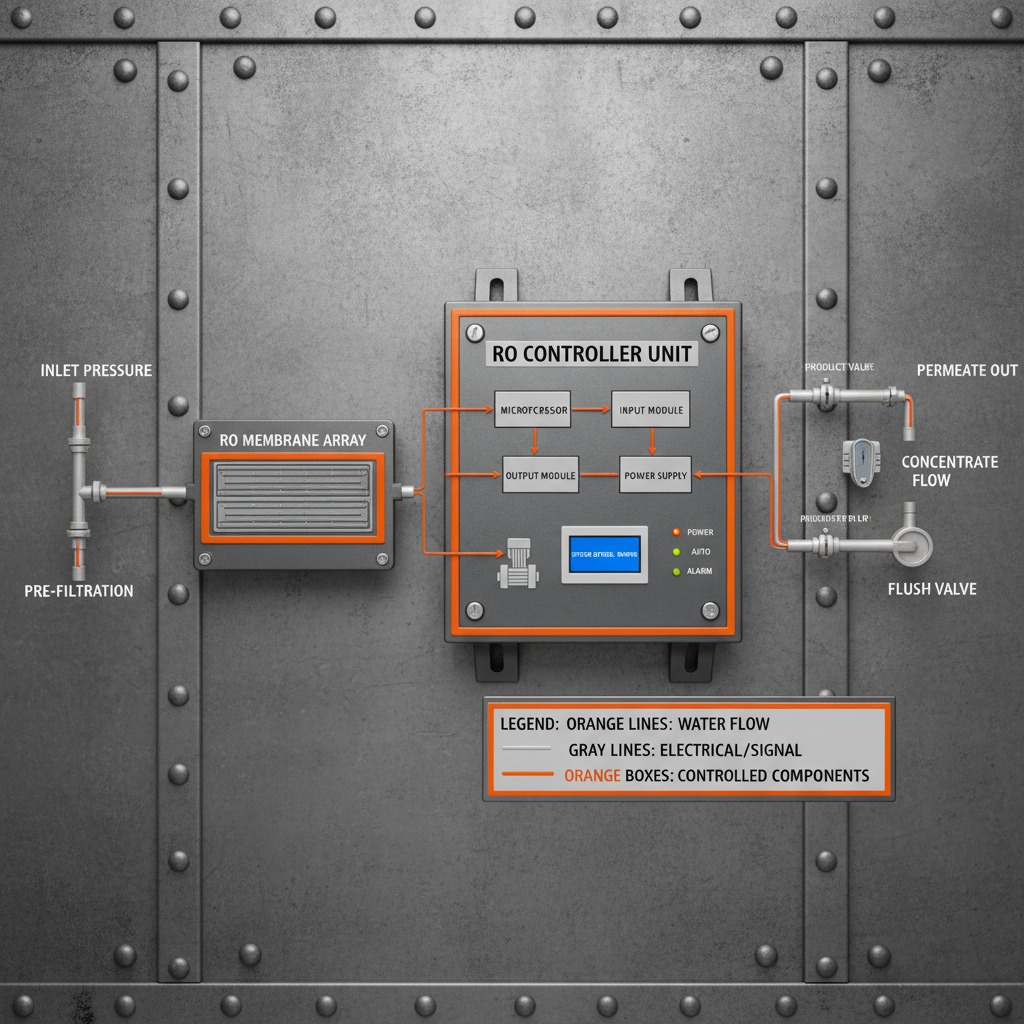
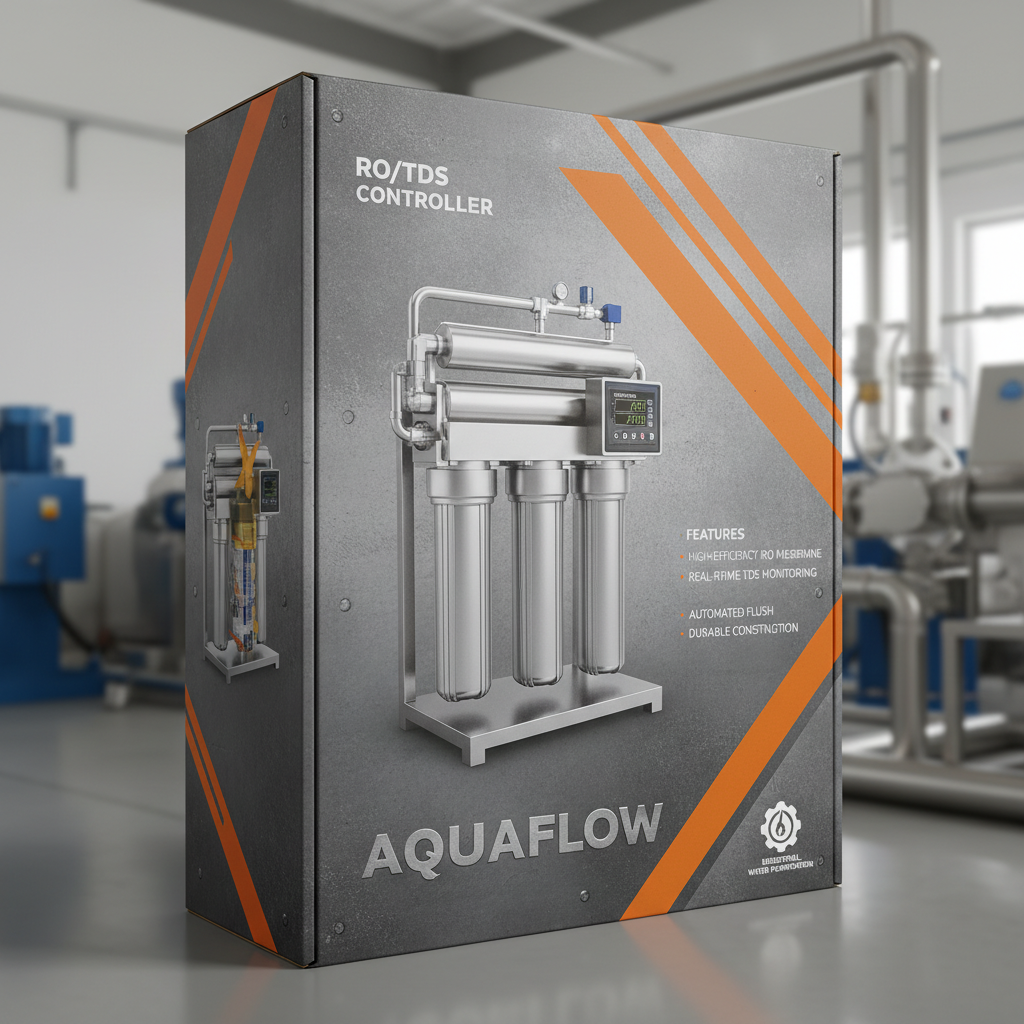
Guide to Choosing the Right RO Controller for Water PurificationMaintaining a high-performance reverse osmosis system requires more than just quality membranes; it demands precise regulation. An ro controller serves as the brain of the entire operation, monitoring critical parameters such as conductivity, temperature, and flow rates to ensure the output water meets stringent purity standards. Without an efficient controller, systems are prone to membrane fouling, inefficient energy use, and inconsistent water quality. In this comprehensive guide, we will explore how these devices optimize water treatment processes and how to select the best model for your specific industrial or commercial needs.
2026-04-09 03:25:47
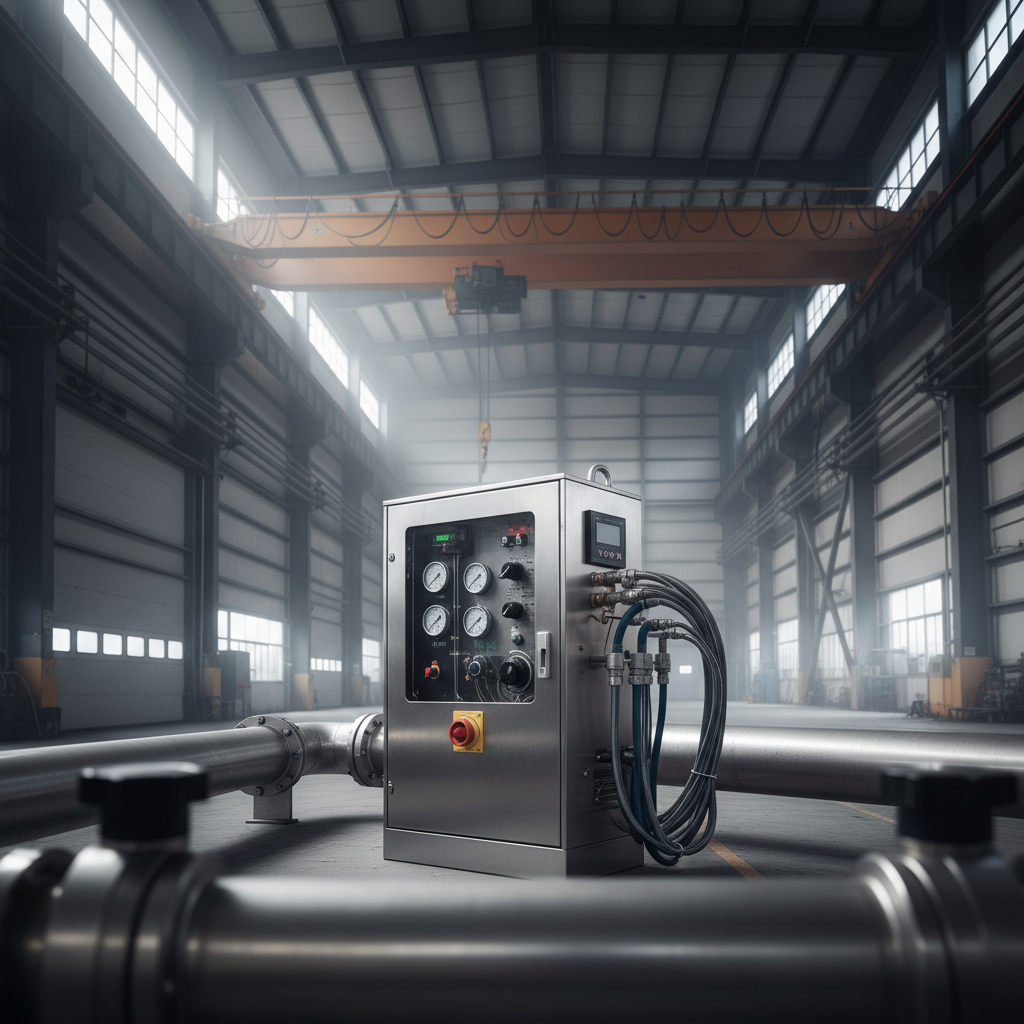
Guide to Water Purity Using RO with TDS Controller SystemsAchieving the perfect balance of mineral content and purity in drinking water is a challenge for many households and industrial facilities. A ro with tds controller offers a sophisticated solution by combining the rigorous filtration of Reverse Osmosis (RO) with the precision of a Total Dissolved Solids (TDS) adjustment system. While standard RO systems remove almost everything, including beneficial minerals, a TDS controller allows users to re-mineralize the water to a desired level. This ensures that the water is not only safe and pure but also tastes better and provides essential nutrients.
2026-04-07 03:17:09
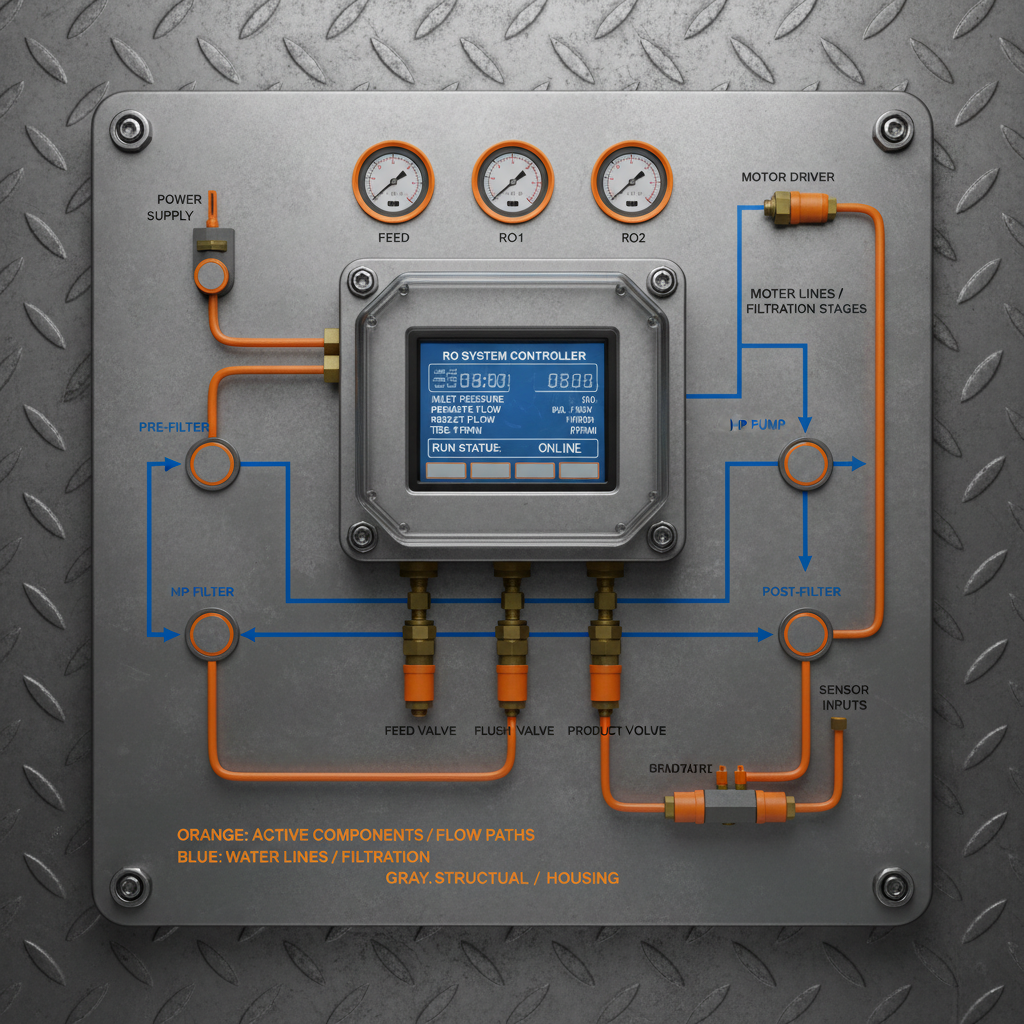
Understanding and Optimizing Reverse Osmosis Systems with a ControllerIn the world of water purification, reverse osmosis (RO) systems are a cornerstone for producing high-quality water for various applications, from drinking water to industrial processes. However, an RO system is only as effective as its control system. This is where the reverse osmosis controller comes into play. This critical component manages and optimizes the RO process, ensuring efficient operation, water quality, and system longevity.
2026-04-04 03:27:19
Understanding the Vital Role of an RO System Controller for Optimal PerformanceReverse Osmosis (RO) systems are critical for purifying water across various industries, from residential applications to large-scale industrial processes. At the heart of a well-functioning RO system lies the RO system controller. This intelligent device monitors and regulates all key parameters of the RO process, ensuring optimal performance, efficiency, and water quality. This article delves into the functionalities, benefits, and selection criteria for choosing the right RO system controller, particularly focusing on those offered by Watequipments. Understanding its role is crucial for maximizing the lifespan and effectiveness of your RO investment.
2026-03-24 17:18:24
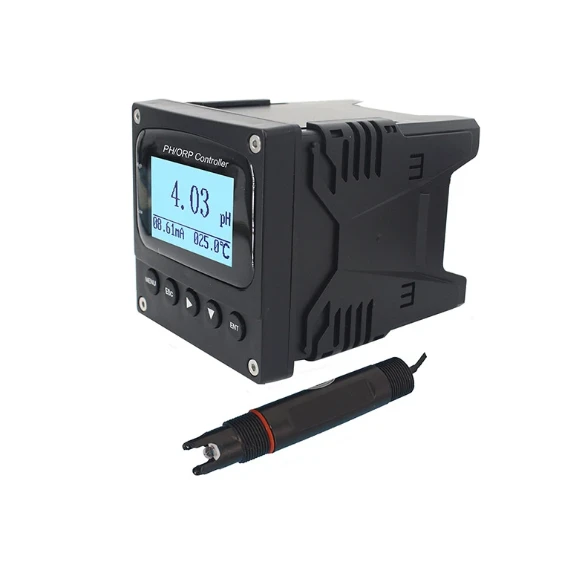
Smart Water Treatment Solutions Using PH ORP Controller SystemsIn modern water treatment and industrial fluid management, maintaining precise chemical balance is essential for safety, efficiency, and regulatory compliance.
2026-03-04 02:55:19
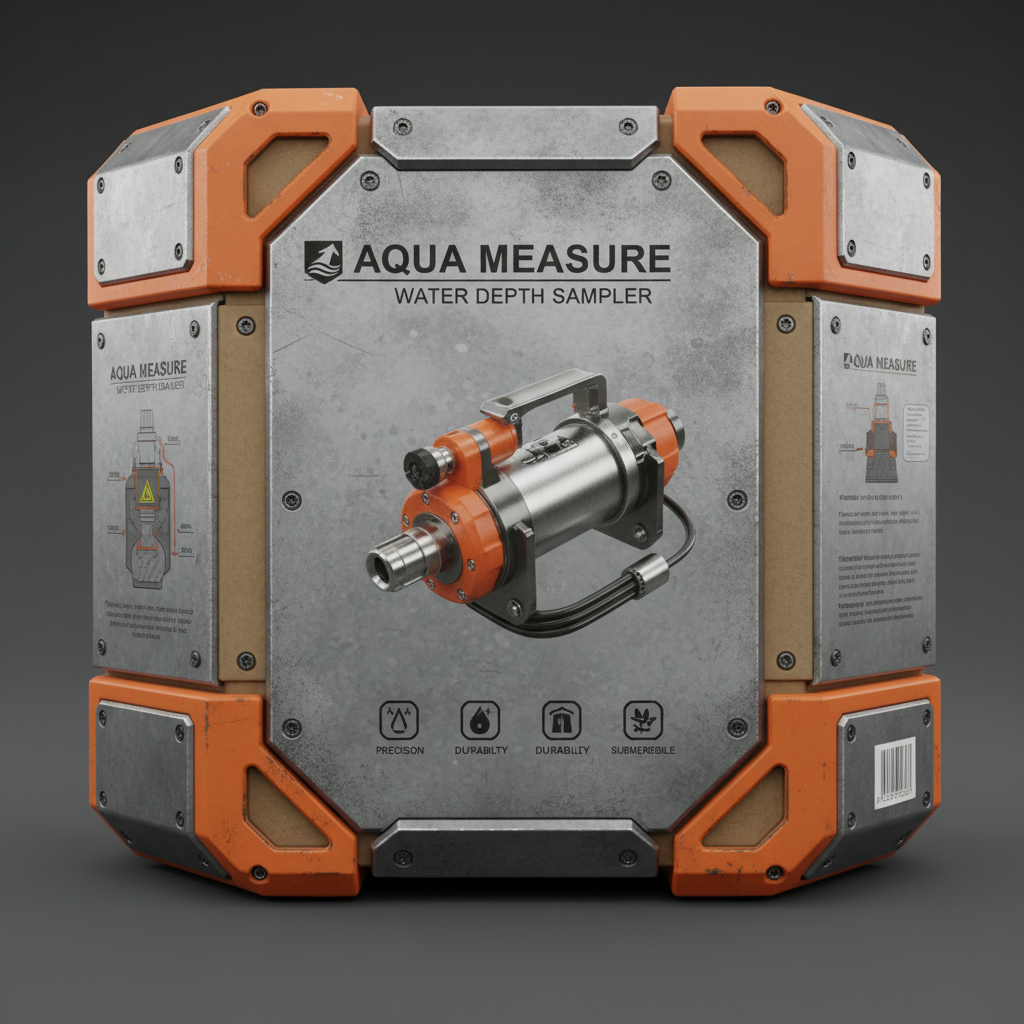
Comprehensive Guide to Water Depth Samplers and Their ApplicationsAccurate water quality monitoring is crucial in various fields, from environmental science and aquaculture to industrial wastewater management. A key tool for this is the water depth sampler. This article provides an in-depth look at water depth samplers, their applications, types, and essential considerations for choosing the right one for your needs. We'll explore the benefits of utilizing this equipment to collect reliable data for analysis and informed decision-making. Selecting the right sampler can significantly improve the precision and efficiency of your water monitoring program. A water depth sampler, also known as a depth-integrated sampler, is a device designed to collect water samples from specific depths within a body of water. Unlike simply dipping a container into the water, a depth sampler allows for collection of a representative sample across a defined depth range. This is critical because water properties (temperature, salinity, pollutants) often vary significantly with depth. The data gathered with a water depth sampler provides a more accurate assessment of water quality than surface samples alone.
2026-03-03 18:55:22
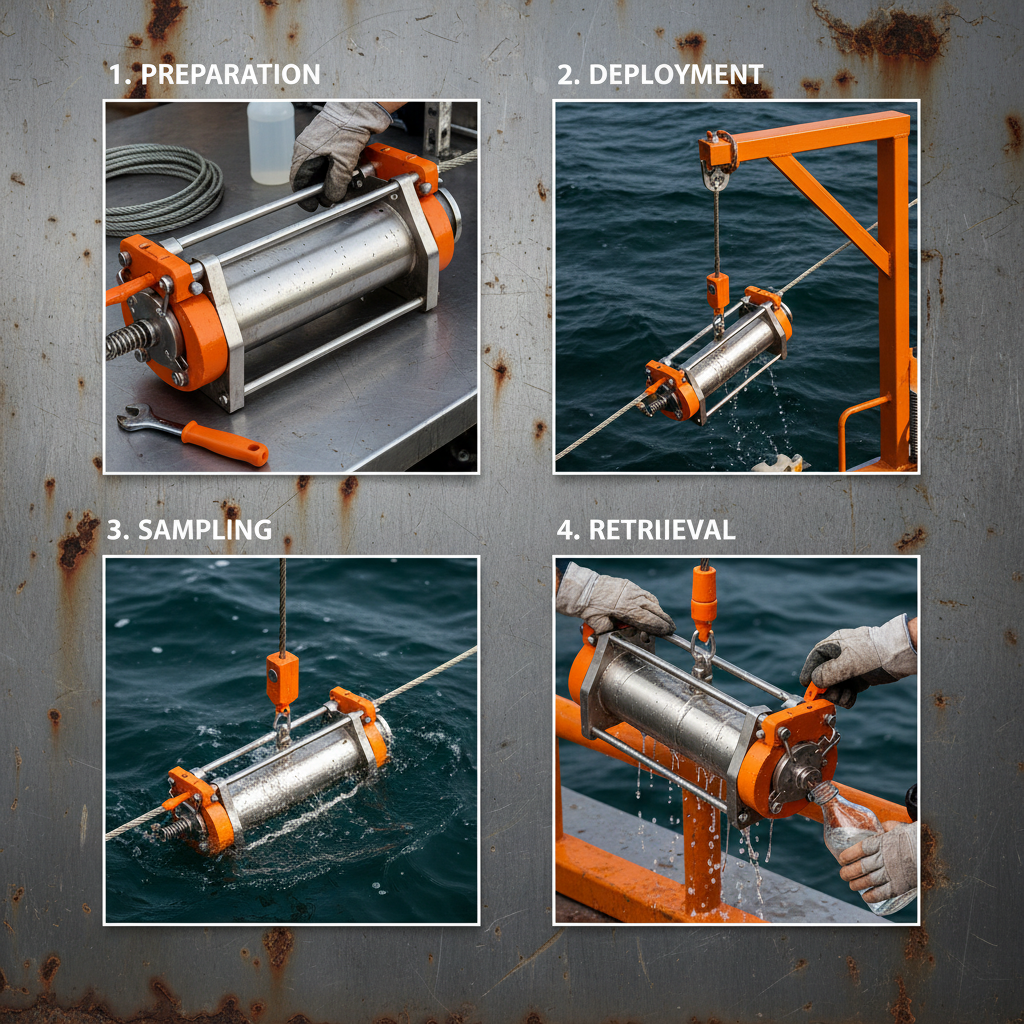
Comprehensive Guide to Horizontal Water Sampler Applications and SelectionCollecting water samples at varying depths is crucial for environmental monitoring, research, and quality control. The horizontal water sampler from Watequipment.com offers a precise and efficient solution for this task. This article provides an in-depth look at horizontal water samplers, their applications, benefits, and key considerations when choosing the right model. We will explore how these samplers contribute to accurate data collection and informed decision-making in various fields. A horizontal water sampler is a device designed to collect water samples from specific depths within a body of water – rivers, lakes, oceans, reservoirs, and even wastewater treatment plants. Unlike vertical samplers which primarily focus on depth, horizontal samplers prioritize collecting samples at a consistent depth while moving along a horizontal plane. This is essential for assessing water quality variations across a waterway or within a specific zone. They are used in applications ranging from environmental monitoring and scientific research to industrial process control and regulatory compliance.
2026-02-28 02:35:09
Comprehensive Guide to Selecting the Right Surface Water Sampler for Your NeedsMonitoring the quality of surface water is critical for environmental protection, public health, and various industrial applications. A surface water sampler is an essential tool for collecting representative samples from rivers, lakes, ponds, and other surface water sources. This article provides a detailed overview of surface water samplers, their types, applications, and key considerations for selecting the right equipment. Accurate water quality data relies on proper sample collection, and choosing the correct sampler is the first step toward achieving reliable results. Surface water samplers come in various designs, each suited to specific sampling needs. Common types include grab samplers, depth-integrating samplers, peristaltic pumps, and automatic samplers. Surface water samplers are used across a broad spectrum of applications, including environmental monitoring, wastewater discharge monitoring, drinking water source monitoring, agricultural runoff analysis, and research studies.

 English