



Residual Chlorine Meter is Essential

Residual Chlorine Meter is Essential
Apr . 21, 2025
Chlorination is one of the most widely used methods for disinfecting water, whether it’s for municipal supply, swimming pools, or industrial processes. But disinfection is only effective when properly monitored. That’s where a residual chlorine meter plays an essential role—it measures the concentration of chlorine left in water after the initial disinfection process.
This remaining chlorine, called residual chlorine, helps prevent recontamination as the water moves through pipes or remains in storage. However, too little chlorine can lead to microbial risks, while too much can affect taste, odor, or even human health. A residual chlorine meter offers accurate, real-time readings to ensure safe, compliant levels of chlorine are maintained.
The two primary types of chlorine monitored are free chlorine and total chlorine. Free chlorine includes hypochlorous acid and hypochlorite ions, which actively disinfect water. Total chlorine includes both free chlorine and combined chlorine (chloramines). A residual chlorine meter typically focuses on free chlorine, as it directly represents the disinfecting power of the water.
Modern residual chlorine meters are compact, user-friendly, and capable of integrating into automated systems. Whether used in laboratories or installed directly into a pipeline, these devices provide an essential safeguard for public health and industrial performance.
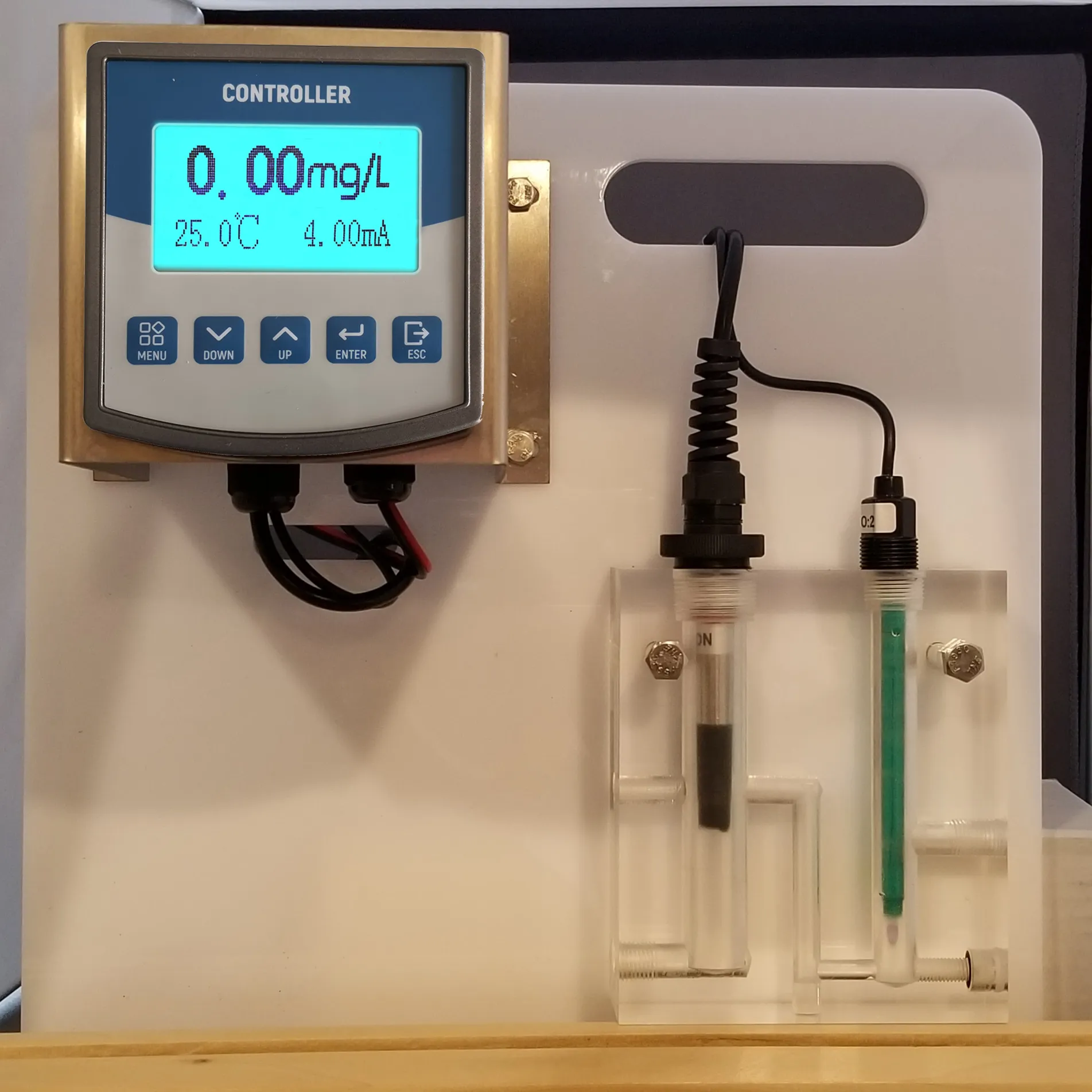
How a Chlorine Monitoring System Enhances Water Quality Control
To manage disinfection effectively across large or complex water systems, you need more than a handheld device. A chlorine monitoring system offers centralized control, automation, and continuous analysis of chlorine levels across multiple points in the water flow. It’s the backbone of safety in environments like drinking water facilities, food processing plants, and chemical manufacturing units.
A typical chlorine monitoring system consists of a controller, display interface, and integrated sensors placed at strategic locations. These systems can monitor multiple parameters—not just chlorine but also pH, temperature, and flow rate. They deliver consistent, real-time data that can be used for compliance reporting, system alerts, and process optimization.
One of the most powerful features of a modern chlorine monitoring system is its connectivity. Many systems can transmit data to cloud platforms, SCADA networks, or mobile apps, allowing operators to track chlorine levels from anywhere. Advanced models include predictive analytics that warn of sensor drift, potential failures, or contamination risks.
In industries where water is a critical part of the product or process, such as beverage manufacturing or pharmaceutical production, precise disinfection is non-negotiable. A chlorine monitoring system ensures that disinfectant dosing is efficient, responsive, and in line with safety standards like EPA or WHO guidelines.
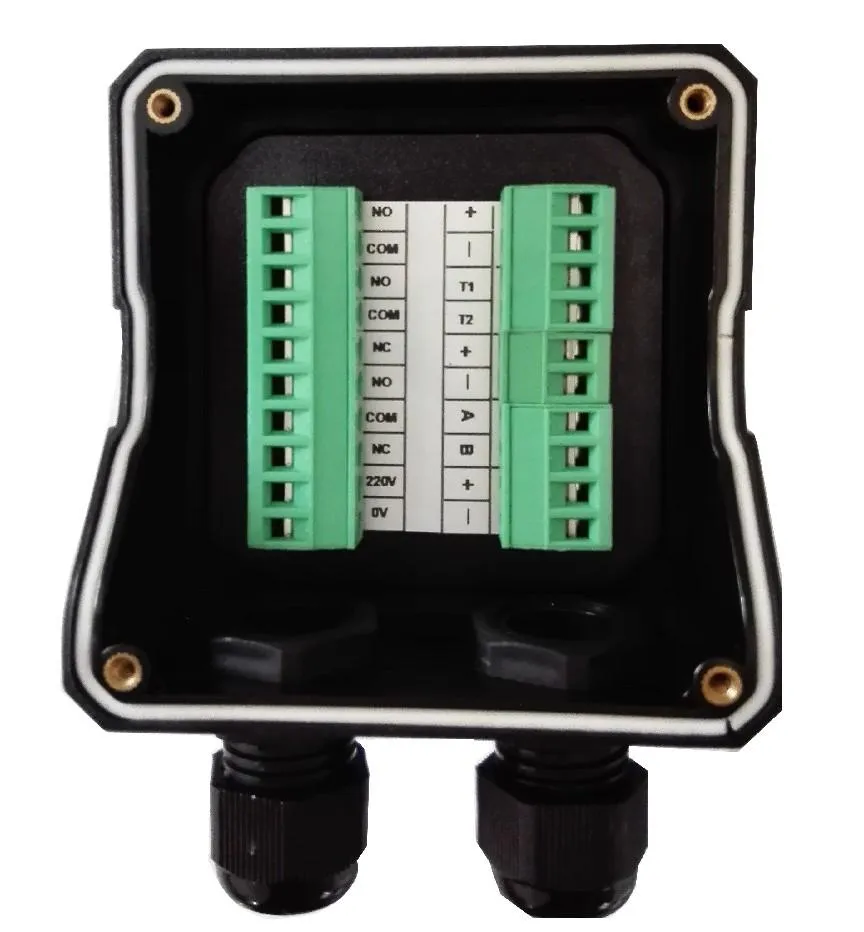
Choosing the Right Residual Chlorine Sensor for Your Needs
At the core of any chlorine measurement tool is the residual chlorine sensor—a compact, high-tech component that detects and converts chlorine concentrations into readable data. Whether you're using a handheld device or a full-scale monitoring system, the performance of your residual chlorine sensor directly impacts the accuracy of your chlorine readings.
Different types of residual chlorine sensors are suited to different applications. Amperometric sensors are widely used and work by measuring the current that results from the chemical reaction between chlorine and a reactive electrode. These sensors are highly sensitive and suitable for continuous monitoring. Colorimetric sensors, on the other hand, analyze color changes caused by chlorine reacting with reagents. They are commonly used in lab-based or intermittent testing due to their precision.
When selecting a residual chlorine sensor, consider factors such as the water matrix (potable, wastewater, seawater), flow conditions, operating temperature, and required maintenance. For high-load environments like industrial discharge or wastewater treatment, sensors should be robust, self-cleaning, and capable of withstanding interference from other chemicals or solids.
Maintenance and calibration frequency also differ between sensor types. Some advanced residual chlorine sensors feature self-calibration or require only periodic validation, reducing labor costs and downtime. Many are available with standard analog outputs or digital communication protocols like Modbus or 4-20mA, ensuring compatibility with existing systems.
Benefits of Using a Residual Chlorine Meter in Wastewater and Potable Water Applications
Both potable water and wastewater systems rely heavily on accurate chlorine monitoring, but their requirements are often quite different. A residual chlorine meter designed for drinking water must detect very low concentrations with high precision, as even slight overdosing can lead to customer complaints or regulatory issues. In contrast, wastewater treatment may involve fluctuating chlorine levels and demand rugged devices that withstand harsh conditions.
In potable water systems, a residual chlorine meter helps ensure that free chlorine remains within a narrow, safe range. This is vital not only for safety but also for taste and odor control. Municipal water suppliers must provide proof of compliance with strict chlorine limits, and meters often feed data directly into compliance reporting systems.
In wastewater treatment, the objective is usually to neutralize biological contaminants before releasing treated water into natural bodies. Chlorine is often added at the final stage, and a residual chlorine meter confirms that disinfection has occurred—but without exceeding thresholds that could harm aquatic life. Some systems even include dechlorination steps, and meters are used to fine-tune this balance.
Advanced meters used in both sectors feature alarms that alert technicians when levels fall out of range, enabling real-time intervention. In critical settings like hospitals or food processing, this quick response capability can make the difference between a safe process and a dangerous one.
Integrating Residual Chlorine Sensors Into Automated Chlorine Monitoring Systems
To get the most out of chlorine control, you need to integrate your residual chlorine sensor into a fully automated chlorine monitoring system. This integration not only streamlines water quality management but also creates a smarter, more responsive infrastructure capable of adapting to changing conditions.
Integrated systems use residual chlorine sensors to continuously feed live data into a digital controller. The controller then processes that data to maintain appropriate chlorine dosing by adjusting pumps, valves, or chemical feeders in real time. This closed-loop system minimizes human intervention and ensures more consistent outcomes, reducing the risk of under- or overdosing.
One major advantage of integrated systems is remote access. Operators can check chlorine levels on a dashboard from a smartphone or computer, receive alerts if readings fall outside acceptable ranges, and even troubleshoot from off-site. This is particularly valuable in facilities where operators must oversee multiple processes or locations simultaneously.
Additionally, smart residual chlorine sensors can track performance metrics like response time, calibration status, and membrane integrity. This data helps technicians plan maintenance proactively and avoid unplanned outages or system failures. When paired with modern analytics software, the entire chlorine monitoring system becomes a powerful decision-making tool.
From municipal plants to beverage factories, this level of automation ensures that disinfection is not just effective—but optimized, cost-efficient, and auditable. It’s the future of water safety—and it starts with the right sensor.
Residual Chlorine Meter FAQs
What is a residual chlorine meter used for?
A residual chlorine meter is used to measure the amount of chlorine remaining in water after the disinfection process. This residual chlorine helps protect water from recontamination as it moves through distribution systems. The meter is vital in both potable water and wastewater applications to ensure disinfection is effective and within regulatory limits.
How does a chlorine monitoring system work?
A chlorine monitoring system combines sensors, controllers, and data interfaces to monitor chlorine levels continuously. The system collects real-time data, analyzes it, and may automatically adjust chemical dosing equipment to maintain optimal chlorine concentrations. It improves safety, ensures compliance, and helps reduce chemical usage and maintenance costs.
What types of residual chlorine sensors are available?
There are mainly two types of residual chlorine sensors: amperometric and colorimetric. Amperometric sensors are commonly used in continuous systems and rely on electrochemical reactions to detect chlorine. Colorimetric sensors measure color change from chemical reactions and are typically used in intermittent, laboratory-based testing. Sensor selection depends on application, required precision, and environmental conditions.
Why is residual chlorine monitoring important in wastewater treatment?
Monitoring residual chlorine in wastewater is crucial to ensure pathogens are effectively killed before discharge. However, excessive chlorine can harm aquatic life or violate environmental regulations. A residual chlorine meter ensures the balance is just right—disinfection without environmental impact. In some cases, chlorine must be removed before release, making accurate monitoring even more critical.
Can residual chlorine sensors be used in automated systems?
Yes, modern residual chlorine sensors are designed for integration into automated systems. They can communicate with controllers and dosing equipment to form a closed-loop chlorine monitoring system. These integrated solutions improve accuracy, minimize manual work, and provide remote access to data, alerts, and control functions, making them ideal for both small and large-scale operations.

Related Products
Related News
2026-04-16 03:20:19
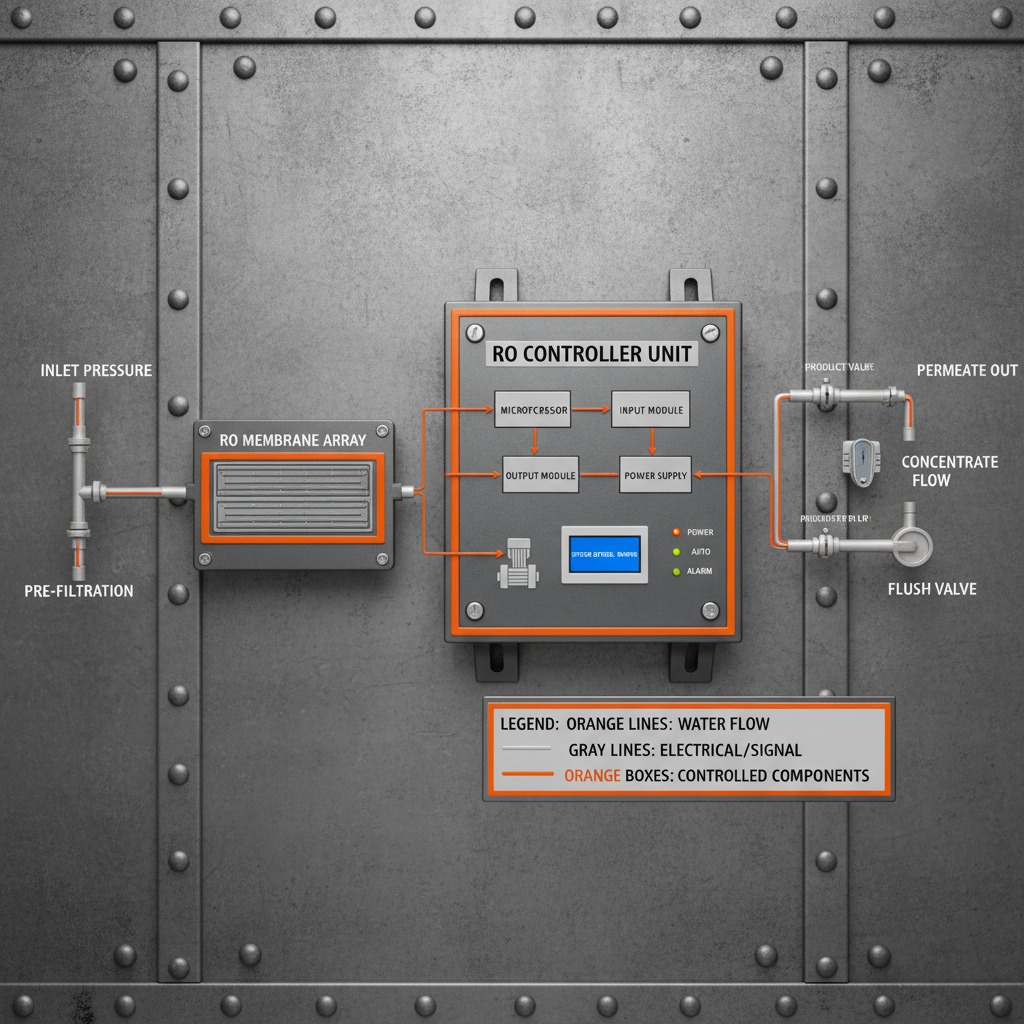
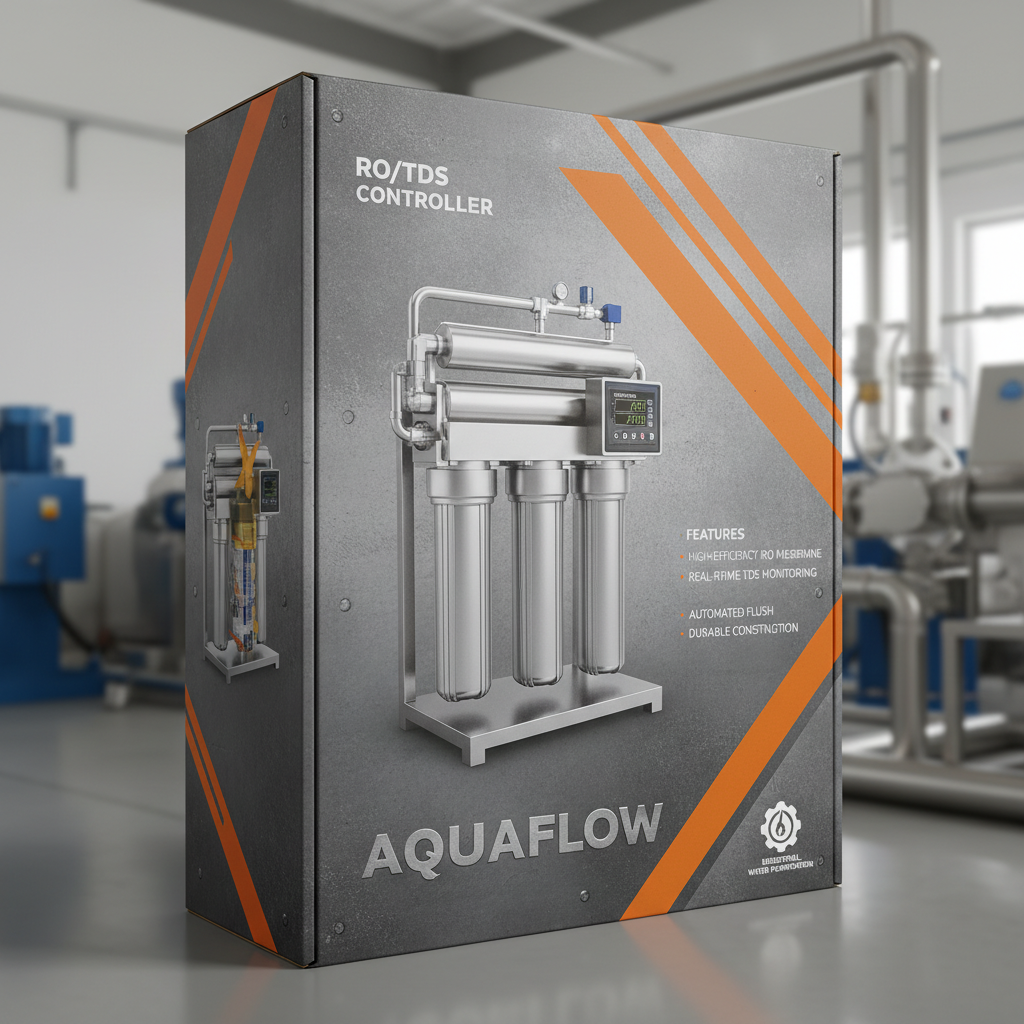
Guide to Choosing the Right RO Controller for Water PurificationMaintaining a high-performance reverse osmosis system requires more than just quality membranes; it demands precise regulation. An ro controller serves as the brain of the entire operation, monitoring critical parameters such as conductivity, temperature, and flow rates to ensure the output water meets stringent purity standards. Without an efficient controller, systems are prone to membrane fouling, inefficient energy use, and inconsistent water quality. In this comprehensive guide, we will explore how these devices optimize water treatment processes and how to select the best model for your specific industrial or commercial needs.
2026-04-09 03:25:47
Guide to Water Purity Using RO with TDS Controller SystemsAchieving the perfect balance of mineral content and purity in drinking water is a challenge for many households and industrial facilities. A ro with tds controller offers a sophisticated solution by combining the rigorous filtration of Reverse Osmosis (RO) with the precision of a Total Dissolved Solids (TDS) adjustment system. While standard RO systems remove almost everything, including beneficial minerals, a TDS controller allows users to re-mineralize the water to a desired level. This ensures that the water is not only safe and pure but also tastes better and provides essential nutrients.
2026-04-07 03:17:09
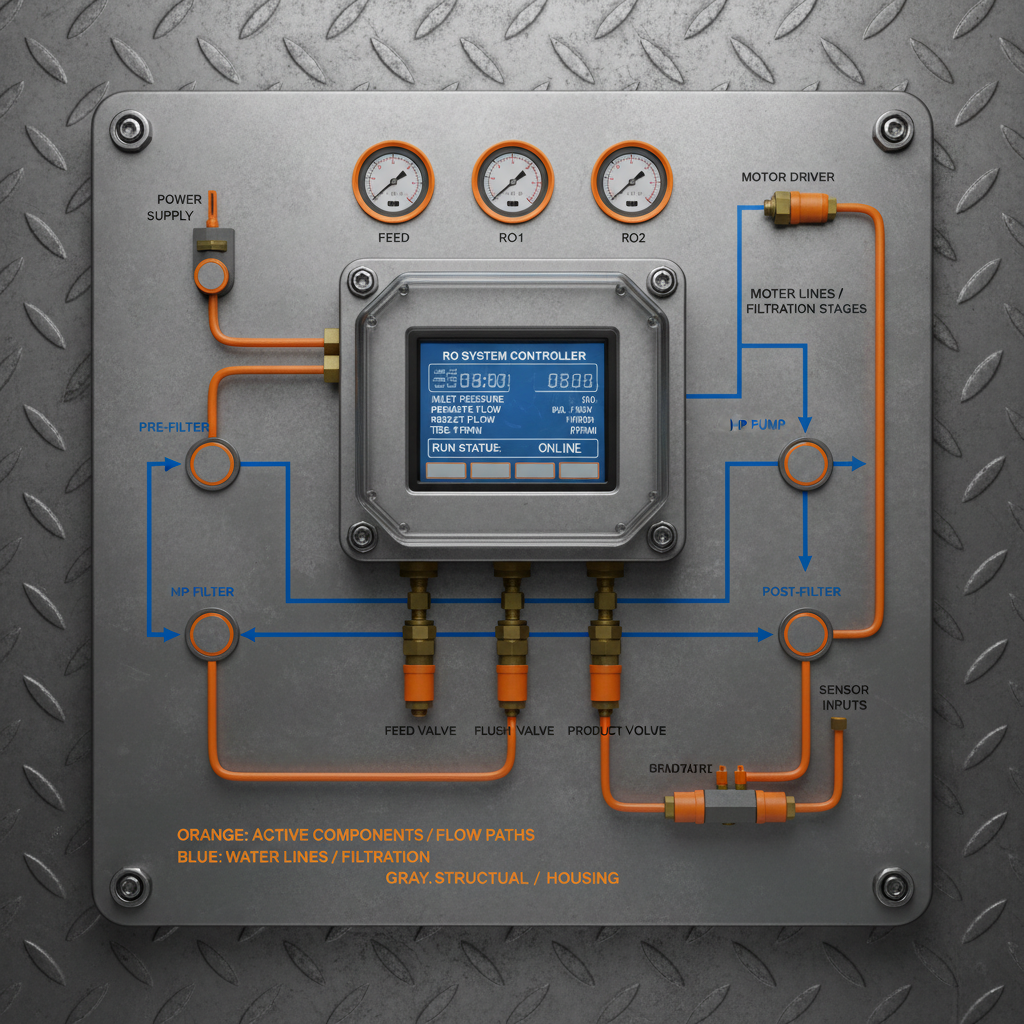
Understanding and Optimizing Reverse Osmosis Systems with a ControllerIn the world of water purification, reverse osmosis (RO) systems are a cornerstone for producing high-quality water for various applications, from drinking water to industrial processes. However, an RO system is only as effective as its control system. This is where the reverse osmosis controller comes into play. This critical component manages and optimizes the RO process, ensuring efficient operation, water quality, and system longevity.
2026-04-04 03:27:19
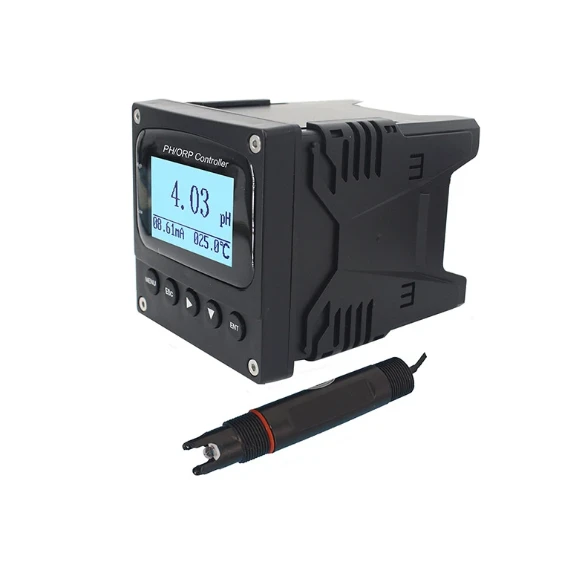
Understanding the Vital Role of an RO System Controller for Optimal PerformanceReverse Osmosis (RO) systems are critical for purifying water across various industries, from residential applications to large-scale industrial processes. At the heart of a well-functioning RO system lies the RO system controller. This intelligent device monitors and regulates all key parameters of the RO process, ensuring optimal performance, efficiency, and water quality. This article delves into the functionalities, benefits, and selection criteria for choosing the right RO system controller, particularly focusing on those offered by Watequipments. Understanding its role is crucial for maximizing the lifespan and effectiveness of your RO investment.
2026-03-24 17:18:24
Smart Water Treatment Solutions Using PH ORP Controller SystemsIn modern water treatment and industrial fluid management, maintaining precise chemical balance is essential for safety, efficiency, and regulatory compliance.
2026-03-04 02:55:19
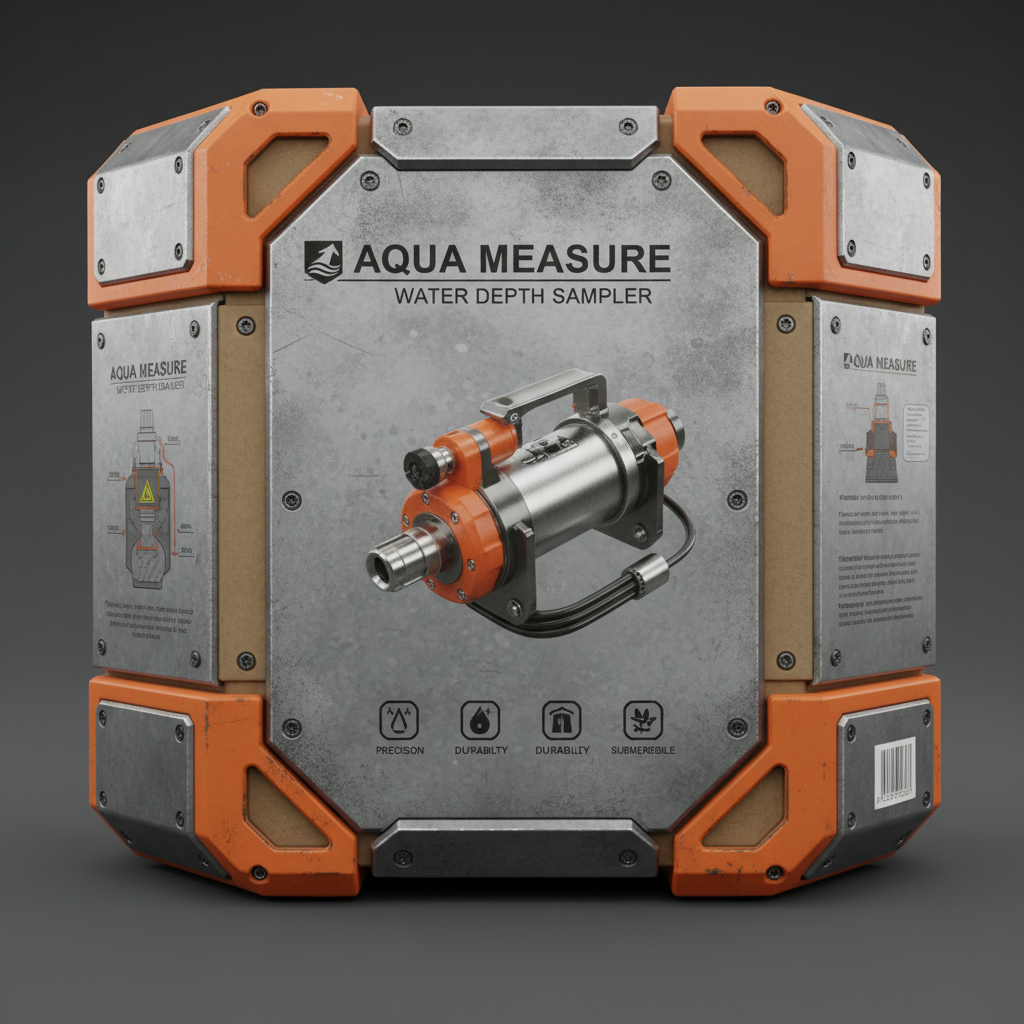
Comprehensive Guide to Water Depth Samplers and Their ApplicationsAccurate water quality monitoring is crucial in various fields, from environmental science and aquaculture to industrial wastewater management. A key tool for this is the water depth sampler. This article provides an in-depth look at water depth samplers, their applications, types, and essential considerations for choosing the right one for your needs. We'll explore the benefits of utilizing this equipment to collect reliable data for analysis and informed decision-making. Selecting the right sampler can significantly improve the precision and efficiency of your water monitoring program. A water depth sampler, also known as a depth-integrated sampler, is a device designed to collect water samples from specific depths within a body of water. Unlike simply dipping a container into the water, a depth sampler allows for collection of a representative sample across a defined depth range. This is critical because water properties (temperature, salinity, pollutants) often vary significantly with depth. The data gathered with a water depth sampler provides a more accurate assessment of water quality than surface samples alone.
2026-03-03 18:55:22
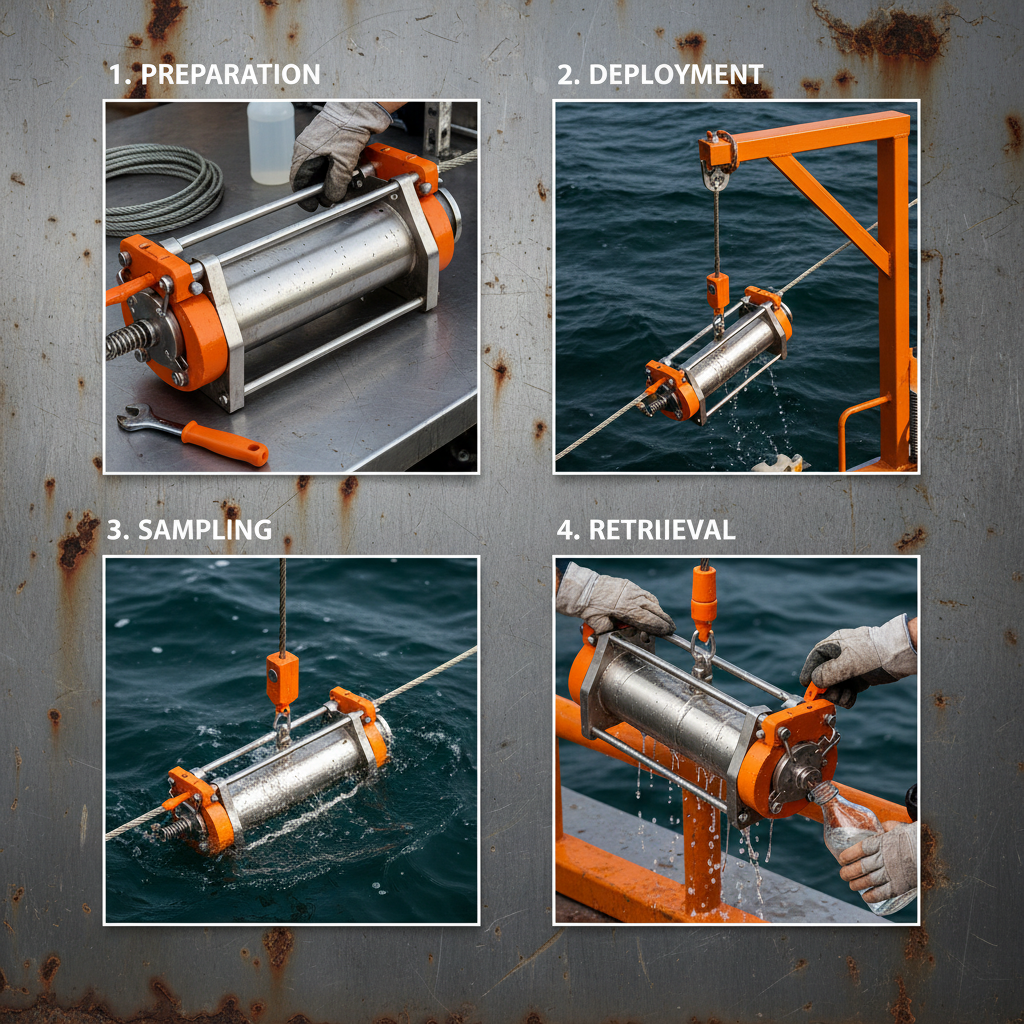
Comprehensive Guide to Horizontal Water Sampler Applications and SelectionCollecting water samples at varying depths is crucial for environmental monitoring, research, and quality control. The horizontal water sampler from Watequipment.com offers a precise and efficient solution for this task. This article provides an in-depth look at horizontal water samplers, their applications, benefits, and key considerations when choosing the right model. We will explore how these samplers contribute to accurate data collection and informed decision-making in various fields. A horizontal water sampler is a device designed to collect water samples from specific depths within a body of water – rivers, lakes, oceans, reservoirs, and even wastewater treatment plants. Unlike vertical samplers which primarily focus on depth, horizontal samplers prioritize collecting samples at a consistent depth while moving along a horizontal plane. This is essential for assessing water quality variations across a waterway or within a specific zone. They are used in applications ranging from environmental monitoring and scientific research to industrial process control and regulatory compliance.
2026-02-28 02:35:09
Comprehensive Guide to Selecting the Right Surface Water Sampler for Your NeedsMonitoring the quality of surface water is critical for environmental protection, public health, and various industrial applications. A surface water sampler is an essential tool for collecting representative samples from rivers, lakes, ponds, and other surface water sources. This article provides a detailed overview of surface water samplers, their types, applications, and key considerations for selecting the right equipment. Accurate water quality data relies on proper sample collection, and choosing the correct sampler is the first step toward achieving reliable results. Surface water samplers come in various designs, each suited to specific sampling needs. Common types include grab samplers, depth-integrating samplers, peristaltic pumps, and automatic samplers. Surface water samplers are used across a broad spectrum of applications, including environmental monitoring, wastewater discharge monitoring, drinking water source monitoring, agricultural runoff analysis, and research studies.

 English