



Smart RO System Controller

Smart RO System Controller
Apr . 21, 2025
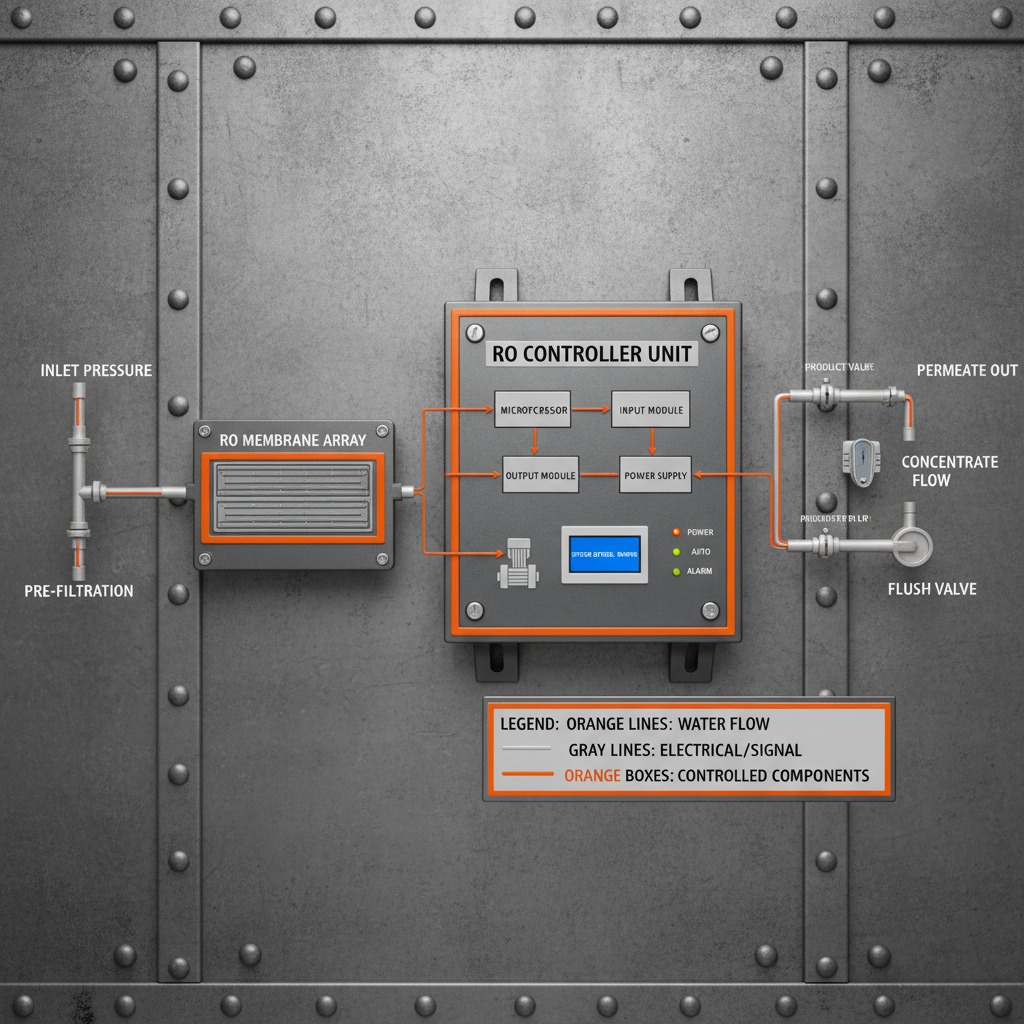
In today’s world, clean water isn’t just a luxury—it’s a necessity. Whether in residential settings or industrial applications, ensuring a consistent supply of high-quality water has become vital. That’s where the RO system controller steps in, becoming the heart of any effective water filtration setup. As water demand grows, so does the need for intelligent, automated systems that manage filtration efficiently. The RO system controller not only monitors essential variables like pressure, flow rate, and total dissolved solids but also automates operations to minimize human error and downtime.
Imagine a scenario where the controller detects a drop in pressure or a deviation in conductivity levels—within seconds, it activates the required components to adjust the process, ensuring continued high performance. These devices are especially helpful in high-output systems where manual supervision isn’t feasible 24/7. Investing in a high-quality RO system controller is the first step toward building a filtration system that lasts longer, performs better, and delivers cleaner water at all times.
Whether you’re setting up a new reverse osmosis system or upgrading an existing one, choosing a reliable controller is key. From customizable features and user-friendly interfaces to built-in alerts and remote access, the right RO system controller will turn an average setup into a smart water management system.
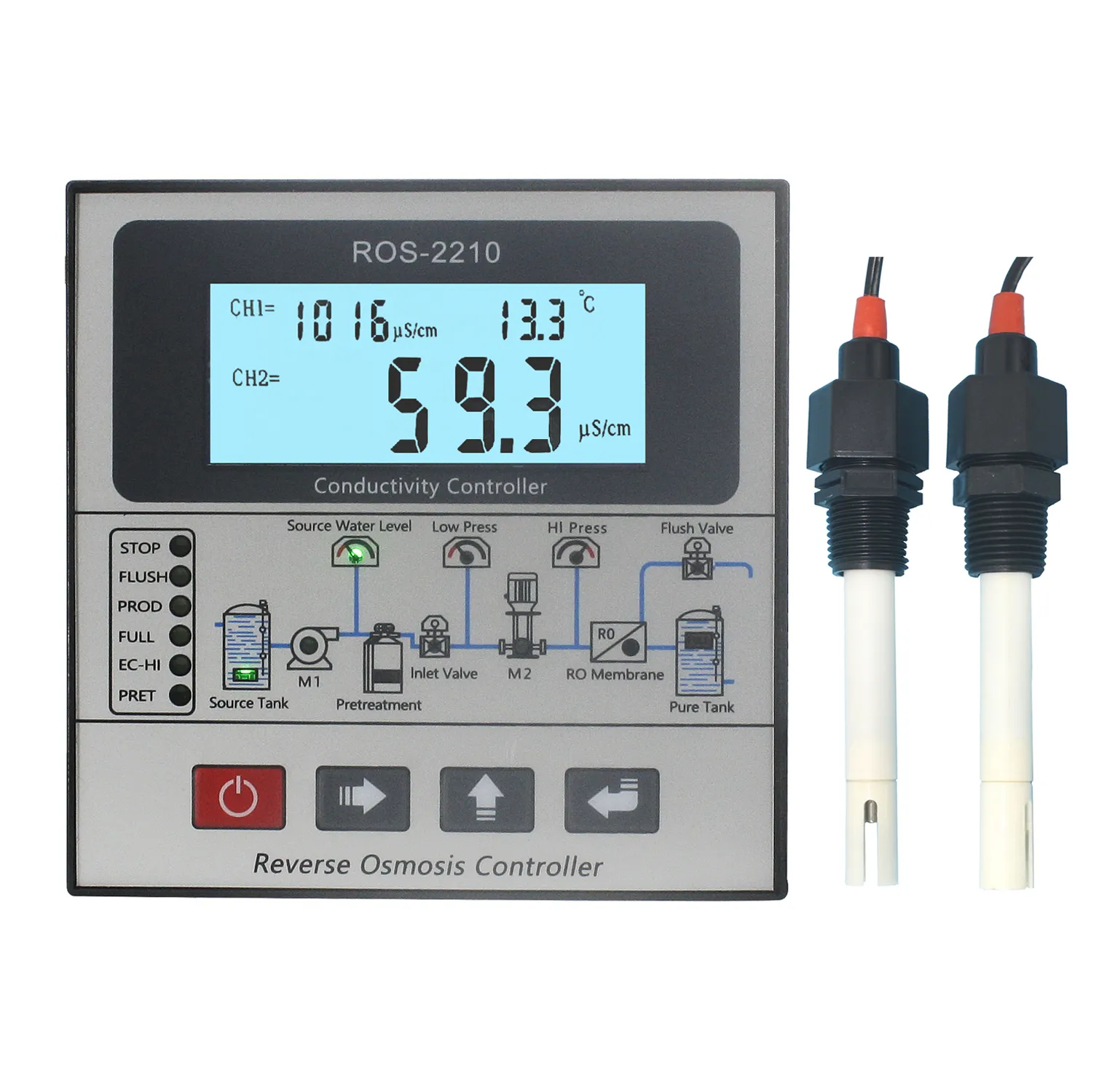
Why a Reverse Osmosis Controller is the Brain of the System
The reverse osmosis controller functions like the brain of your water filtration system. While the filters and membranes perform the physical task of purifying water, the controller is what makes sure the system runs like clockwork. It handles everything from startup and shutdown sequences to pressure monitoring and flow management. It can also activate alarms in the event of abnormalities like leaks or membrane fouling. Without a reverse osmosis controller, operators are left to manually intervene, often leading to delayed responses and greater damage.
In complex industrial environments, a reverse osmosis controller can integrate with SCADA or PLC systems, providing centralized control and monitoring. Advanced models offer touchscreen interfaces, multilingual support, and even connectivity options like Wi-Fi or Ethernet, making it easier for operators to manage large-scale setups. With just a few taps, users can adjust parameters, view real-time diagnostics, and perform maintenance routines.
Additionally, these controllers support energy-saving functions by optimizing pump usage and reducing water wastage. The result is not only better water but also lower operational costs. Over time, a well-programmed reverse osmosis controller pays for itself by minimizing downtime and preventing costly system failures. When investing in water treatment infrastructure, this device should never be an afterthought.
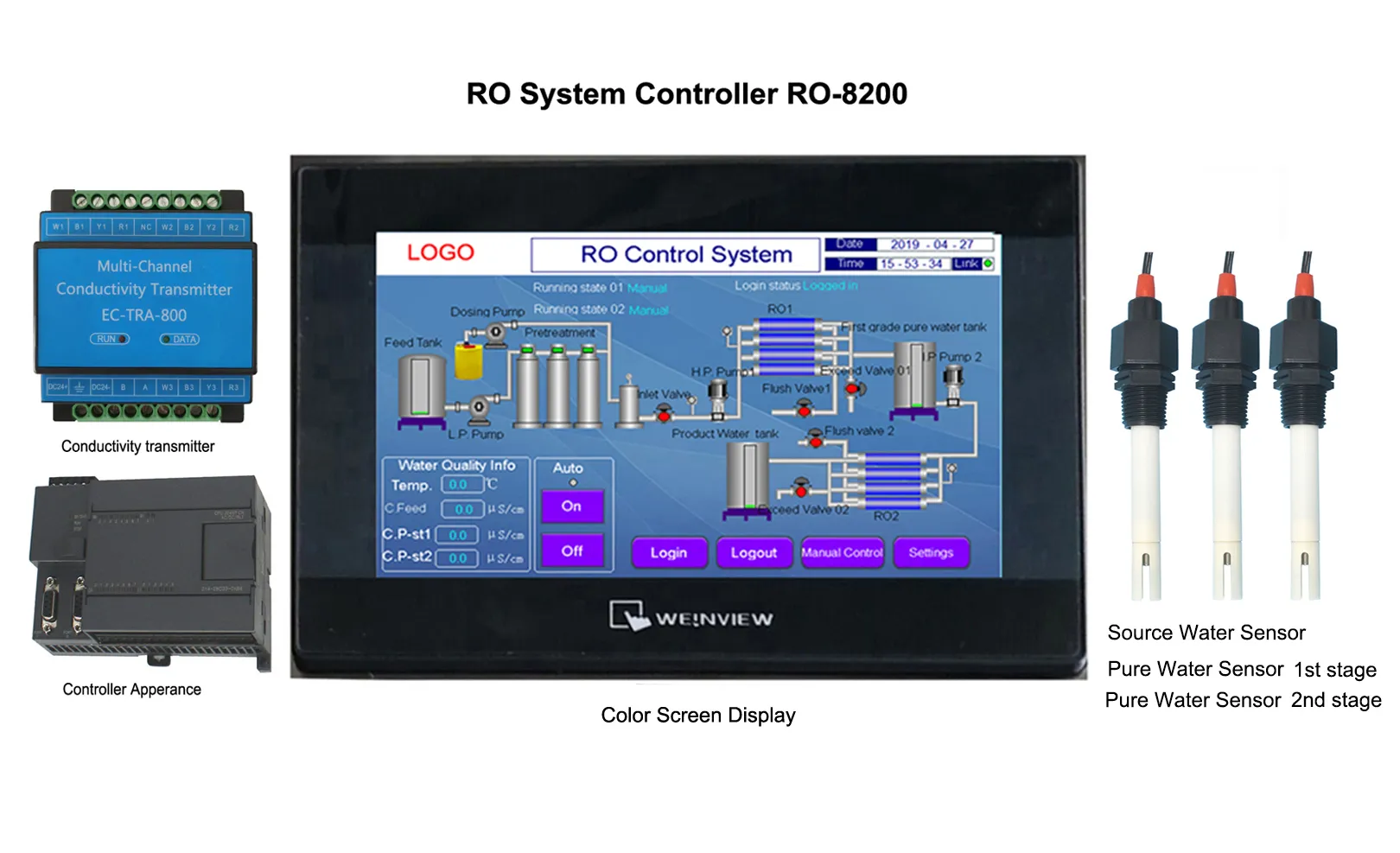
Mastering Efficiency with a Reverse Osmosis Controller Operation Manual
When it comes to operating these systems correctly, the reverse osmosis controller operation manual is your most powerful resource. Think of it as the user guide to system intelligence. Even though the controller itself may be designed to be intuitive, the reverse osmosis controller operation manual offers detailed insights into programming sequences, troubleshooting tips, parameter adjustments, and recommended maintenance schedules. It ensures that both novice users and experienced technicians can maximize the system’s potential.
For example, if your controller has a feature that initiates auto-flush cycles to clean the membrane, the manual will explain how to set the frequency, duration, and pressure requirements. Or if you’re setting up conductivity thresholds for product water quality, the reverse osmosis controller operation manual guides you through the calibration process and acceptable tolerance levels. Manuals from top manufacturers also include wiring diagrams, parts lists, and firmware update instructions, ensuring you stay fully informed.
Using the manual is not just about setting up the system—it’s about mastering it. Every RO system has its nuances depending on the water source, local regulations, and end use. The reverse osmosis controller operation manual bridges the gap between hardware and operator, offering a smooth and safe experience with long-lasting performance. Relying on guesswork or ignoring the manual can lead to improper configurations, risking equipment failure or subpar water quality.
How the RO System Controller Boosts Long-Term Reliability
A common issue in RO systems is gradual performance decline, often due to membrane scaling, fouling, or pressure drops. This is where a modern RO system controller makes all the difference. By constantly analyzing sensor data and adjusting operations accordingly, it maintains consistent system performance even under changing conditions. Some models come with predictive maintenance algorithms that notify users when a component is likely to fail—before it happens.
Think of the RO system controller as your in-house technician that works 24/7, watching every metric with precision. It doesn’t just react; it anticipates problems. This proactive approach leads to fewer breakdowns, less downtime, and longer membrane life. The controller can also track historical data, helping plant managers or homeowners make informed decisions based on real performance trends.
Moreover, this smart device enables eco-friendly practices. With the ability to fine-tune the recovery ratio, reduce brine waste, and control pump energy consumption, a quality RO system controller contributes to both environmental sustainability and operational savings. It's not just about meeting compliance; it’s about exceeding expectations while maintaining reliability over years of usage.
Getting the Most Out of Your Reverse Osmosis Controller Through Proper Installation and Use of the Reverse Osmosis Controller Operation Manual
Proper installation and setup are essential for harnessing the full power of your reverse osmosis controller. Whether you’re installing a new system or replacing a legacy controller, referring to the reverse osmosis controller operation manual ensures that you connect every wire, sensor, and actuator correctly. The manual includes step-by-step instructions, safety warnings, and setup calibration guidelines tailored to your specific model.
Failure to install the controller as per the manual may result in issues like incorrect readings, delayed system response, or even electrical faults. Once installed, the manual also walks you through system initialization, user interface navigation, and how to perform functional tests. Most importantly, the reverse osmosis controller operation manual highlights how to deal with emergencies—like power surges, sensor failure, or abnormal pressure drops.
Another key point is firmware management. Modern controllers come with updateable software, and these updates often fix bugs or add new features. The manual outlines how to safely update firmware without corrupting system memory. For businesses and homeowners alike, understanding every function described in the reverse osmosis controller operation manual empowers them to fully utilize their investment. After all, a high-tech system is only as good as the person operating it.
RO System Controller FAQs
What is the main function of a RO system controller?
The RO system controller is responsible for managing and automating the operation of a reverse osmosis water filtration system. It controls key components like pumps, valves, and sensors, ensuring the system functions efficiently and safely. It also monitors water quality, pressure, and flow to make real-time adjustments, allowing for optimal performance and reduced human intervention.
How do I use the reverse osmosis controller operation manual effectively?
The reverse osmosis controller operation manual should be read thoroughly before installation and operation. Start by reviewing the setup procedures, safety guidelines, and wiring diagrams. Use it to calibrate the controller, adjust settings, and schedule maintenance. If any alarm or fault occurs, the troubleshooting section helps diagnose and resolve the issue. Keeping the manual accessible ensures you can quickly refer to it when needed.
Can I upgrade my current system with a new reverse osmosis controller?
Yes, most systems can be upgraded with a new reverse osmosis controller, especially if your current setup is outdated or lacks automation. Check compatibility in terms of input/output configurations, power supply, and communication protocols. The new controller will typically come with an updated reverse osmosis controller operation manual, which you should follow closely to ensure successful integration and improved system performance.
What happens if the RO system controller fails?
If the RO system controller fails, the filtration system may stop working or operate incorrectly, which can compromise water quality and cause component damage. Alarms or error codes typically indicate failure modes. It's important to consult the reverse osmosis controller operation manual immediately to identify the cause. Backup settings and regular maintenance can help prevent such failures and ensure quick recovery if one occurs.
Is it necessary to follow every step in the reverse osmosis controller operation manual?
Yes, following every step in the reverse osmosis controller operation manual ensures correct installation, safe operation, and optimal performance. Skipping steps can lead to errors in configuration, reduced efficiency, or even system damage. The manual is designed by the manufacturer to cover every aspect of the controller’s function, so adhering to it is crucial for the longevity and success of your water filtration system.

Related Products
Related News
2026-04-16 03:20:19
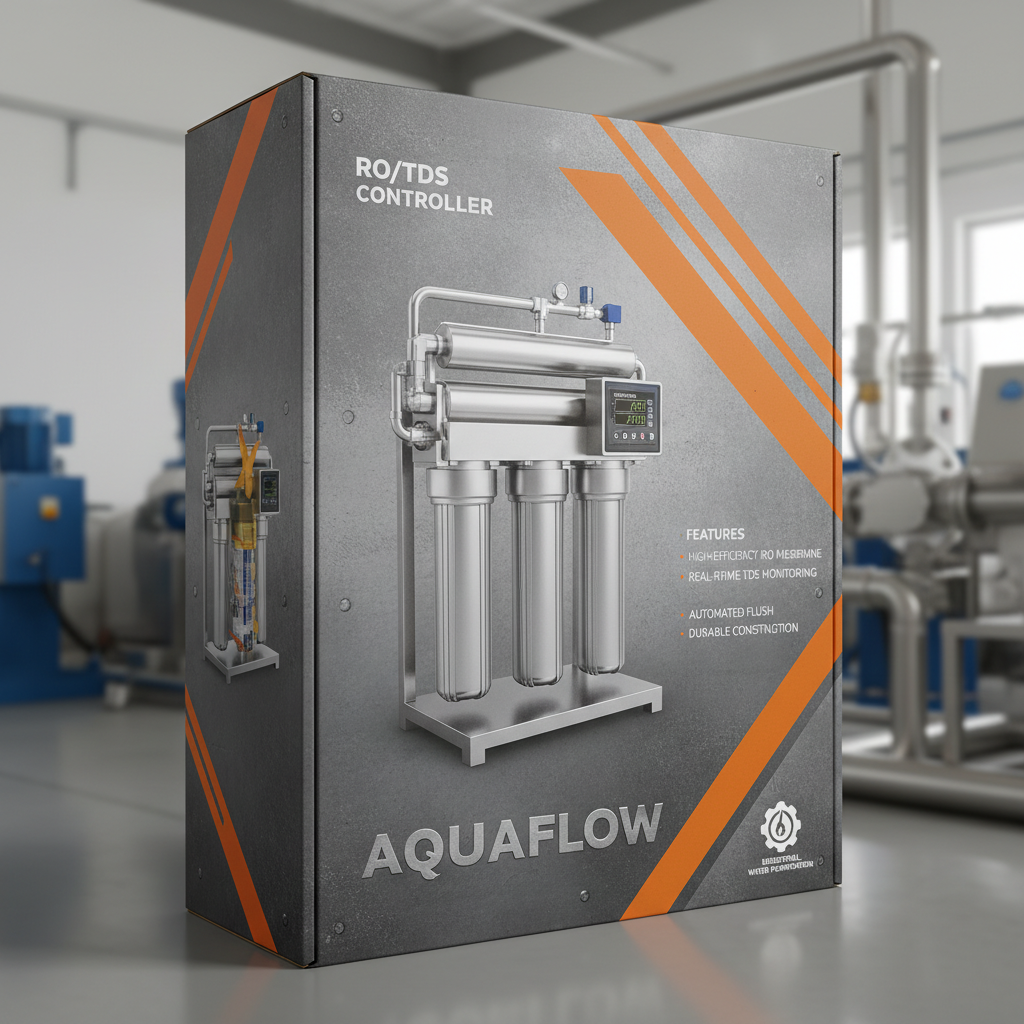
Guide to Choosing the Right RO Controller for Water PurificationMaintaining a high-performance reverse osmosis system requires more than just quality membranes; it demands precise regulation. An ro controller serves as the brain of the entire operation, monitoring critical parameters such as conductivity, temperature, and flow rates to ensure the output water meets stringent purity standards. Without an efficient controller, systems are prone to membrane fouling, inefficient energy use, and inconsistent water quality. In this comprehensive guide, we will explore how these devices optimize water treatment processes and how to select the best model for your specific industrial or commercial needs.
2026-04-09 03:25:47
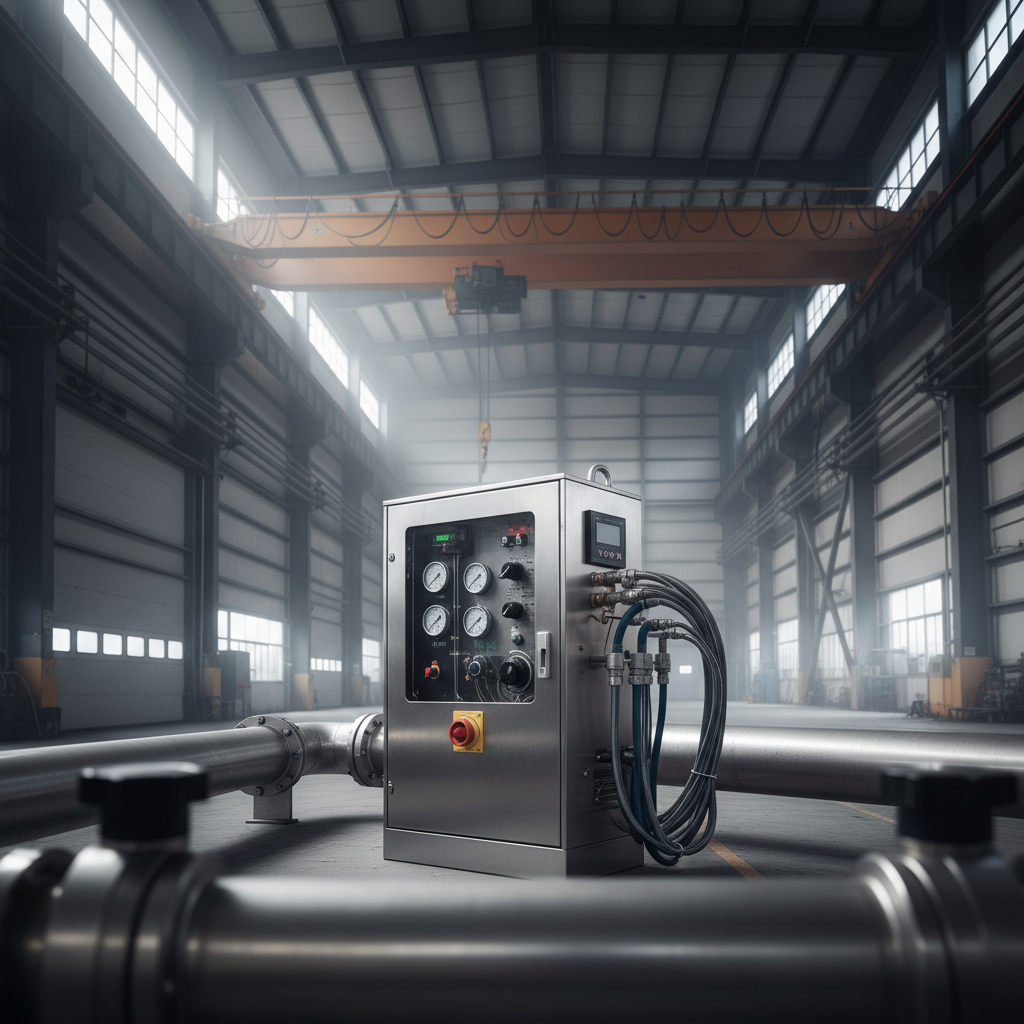
Guide to Water Purity Using RO with TDS Controller SystemsAchieving the perfect balance of mineral content and purity in drinking water is a challenge for many households and industrial facilities. A ro with tds controller offers a sophisticated solution by combining the rigorous filtration of Reverse Osmosis (RO) with the precision of a Total Dissolved Solids (TDS) adjustment system. While standard RO systems remove almost everything, including beneficial minerals, a TDS controller allows users to re-mineralize the water to a desired level. This ensures that the water is not only safe and pure but also tastes better and provides essential nutrients.
2026-04-07 03:17:09
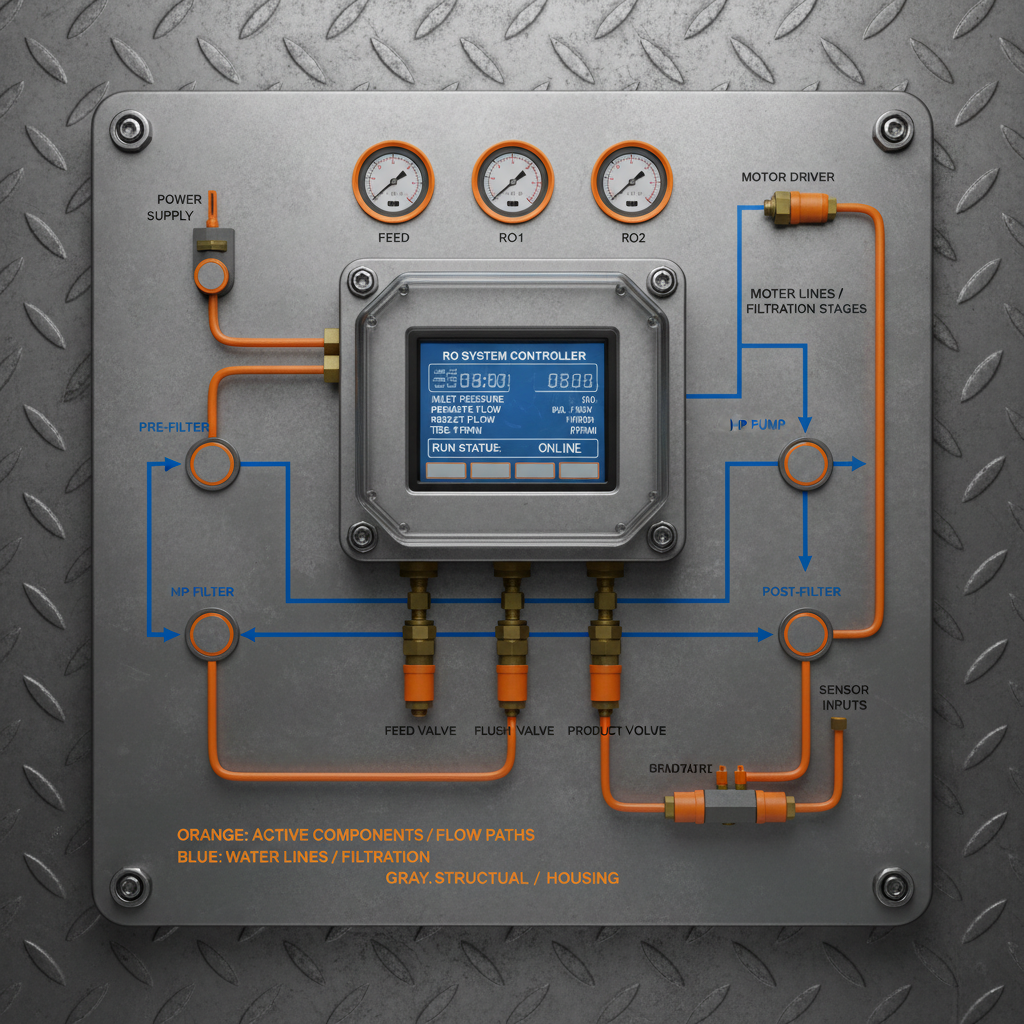
Understanding and Optimizing Reverse Osmosis Systems with a ControllerIn the world of water purification, reverse osmosis (RO) systems are a cornerstone for producing high-quality water for various applications, from drinking water to industrial processes. However, an RO system is only as effective as its control system. This is where the reverse osmosis controller comes into play. This critical component manages and optimizes the RO process, ensuring efficient operation, water quality, and system longevity.
2026-04-04 03:27:19
Understanding the Vital Role of an RO System Controller for Optimal PerformanceReverse Osmosis (RO) systems are critical for purifying water across various industries, from residential applications to large-scale industrial processes. At the heart of a well-functioning RO system lies the RO system controller. This intelligent device monitors and regulates all key parameters of the RO process, ensuring optimal performance, efficiency, and water quality. This article delves into the functionalities, benefits, and selection criteria for choosing the right RO system controller, particularly focusing on those offered by Watequipments. Understanding its role is crucial for maximizing the lifespan and effectiveness of your RO investment.
2026-03-24 17:18:24
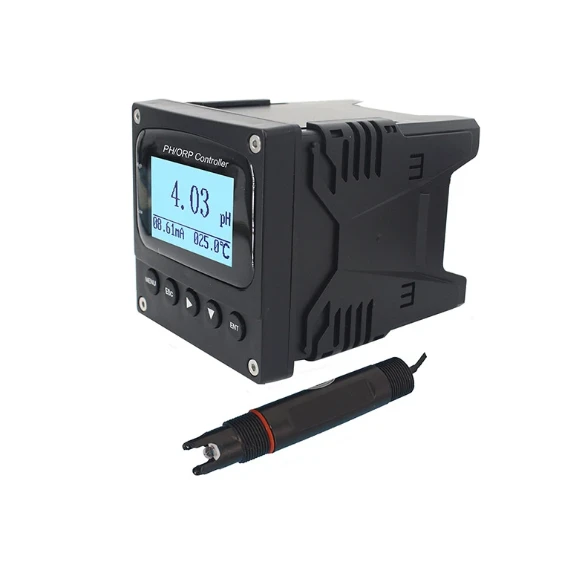
Smart Water Treatment Solutions Using PH ORP Controller SystemsIn modern water treatment and industrial fluid management, maintaining precise chemical balance is essential for safety, efficiency, and regulatory compliance.
2026-03-04 02:55:19
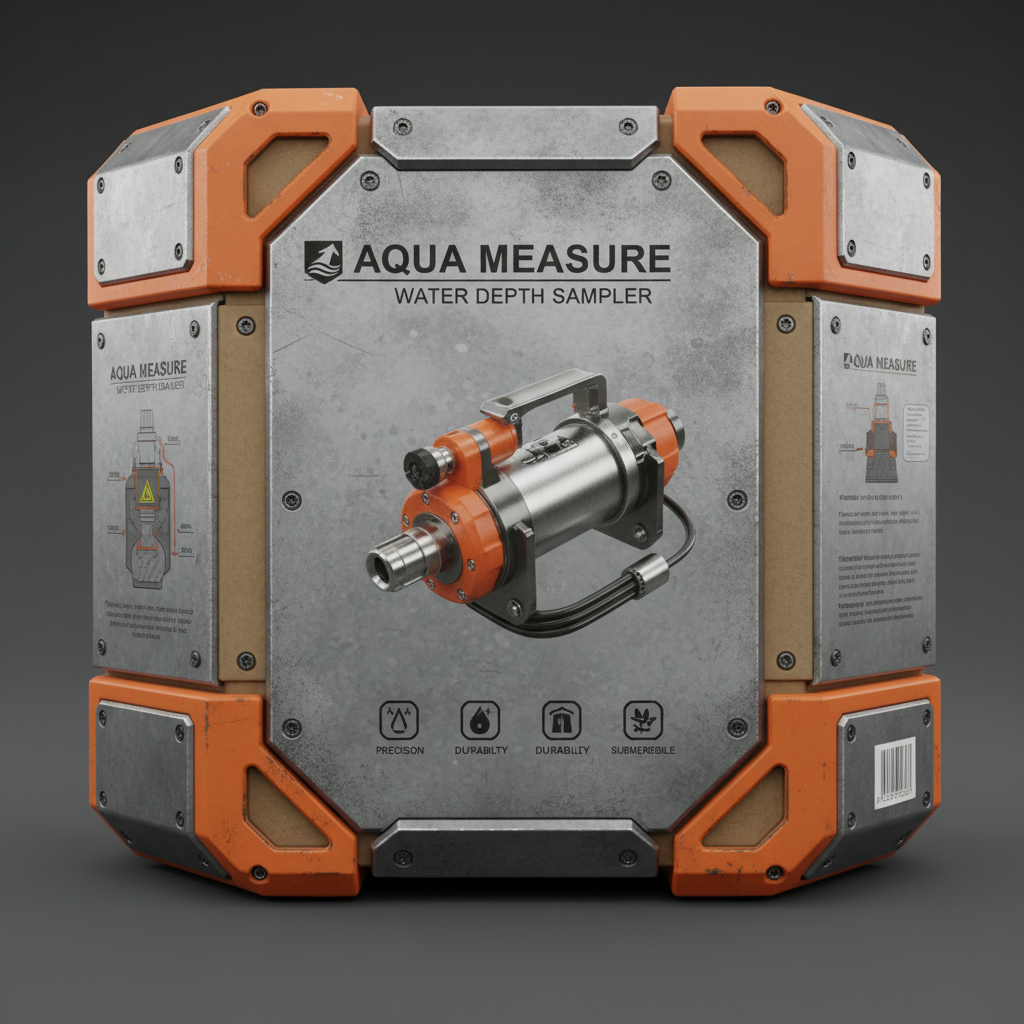
Comprehensive Guide to Water Depth Samplers and Their ApplicationsAccurate water quality monitoring is crucial in various fields, from environmental science and aquaculture to industrial wastewater management. A key tool for this is the water depth sampler. This article provides an in-depth look at water depth samplers, their applications, types, and essential considerations for choosing the right one for your needs. We'll explore the benefits of utilizing this equipment to collect reliable data for analysis and informed decision-making. Selecting the right sampler can significantly improve the precision and efficiency of your water monitoring program. A water depth sampler, also known as a depth-integrated sampler, is a device designed to collect water samples from specific depths within a body of water. Unlike simply dipping a container into the water, a depth sampler allows for collection of a representative sample across a defined depth range. This is critical because water properties (temperature, salinity, pollutants) often vary significantly with depth. The data gathered with a water depth sampler provides a more accurate assessment of water quality than surface samples alone.
2026-03-03 18:55:22
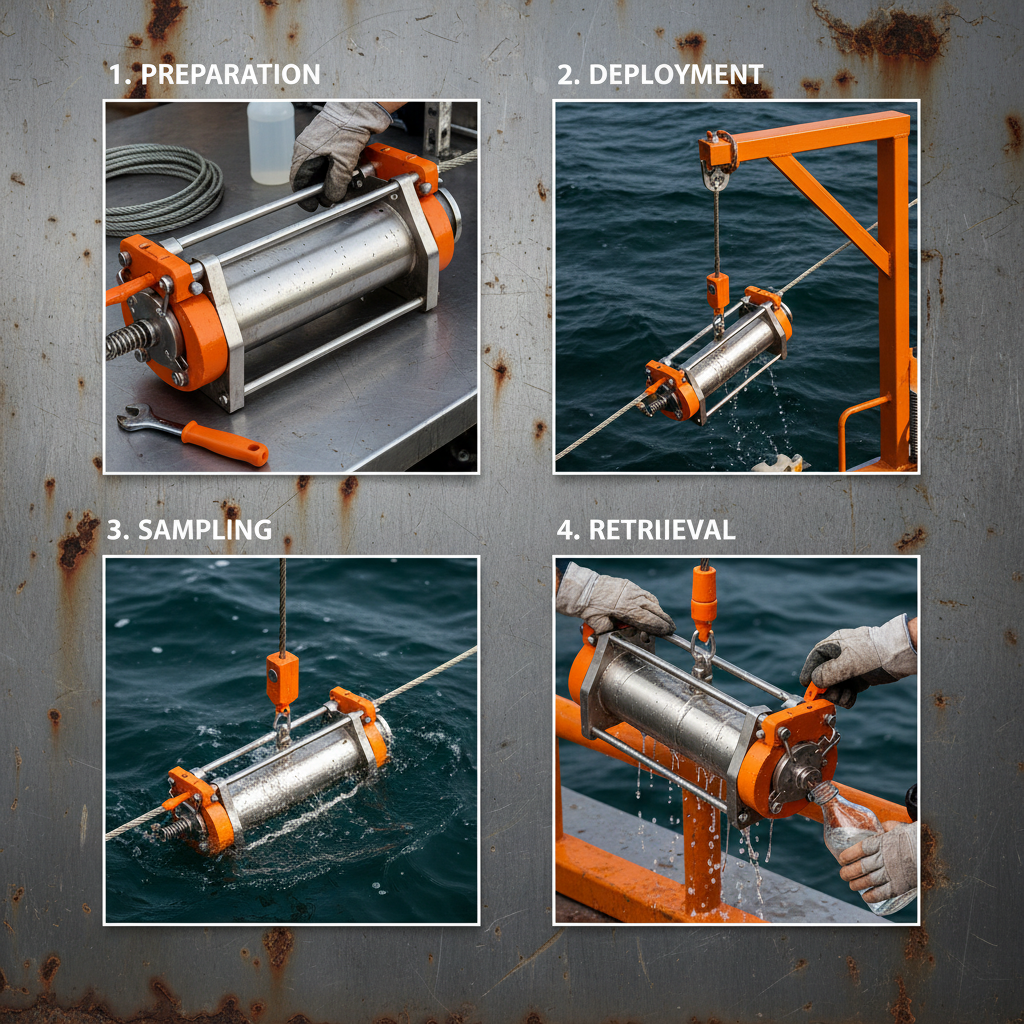
Comprehensive Guide to Horizontal Water Sampler Applications and SelectionCollecting water samples at varying depths is crucial for environmental monitoring, research, and quality control. The horizontal water sampler from Watequipment.com offers a precise and efficient solution for this task. This article provides an in-depth look at horizontal water samplers, their applications, benefits, and key considerations when choosing the right model. We will explore how these samplers contribute to accurate data collection and informed decision-making in various fields. A horizontal water sampler is a device designed to collect water samples from specific depths within a body of water – rivers, lakes, oceans, reservoirs, and even wastewater treatment plants. Unlike vertical samplers which primarily focus on depth, horizontal samplers prioritize collecting samples at a consistent depth while moving along a horizontal plane. This is essential for assessing water quality variations across a waterway or within a specific zone. They are used in applications ranging from environmental monitoring and scientific research to industrial process control and regulatory compliance.
2026-02-28 02:35:09
Comprehensive Guide to Selecting the Right Surface Water Sampler for Your NeedsMonitoring the quality of surface water is critical for environmental protection, public health, and various industrial applications. A surface water sampler is an essential tool for collecting representative samples from rivers, lakes, ponds, and other surface water sources. This article provides a detailed overview of surface water samplers, their types, applications, and key considerations for selecting the right equipment. Accurate water quality data relies on proper sample collection, and choosing the correct sampler is the first step toward achieving reliable results. Surface water samplers come in various designs, each suited to specific sampling needs. Common types include grab samplers, depth-integrating samplers, peristaltic pumps, and automatic samplers. Surface water samplers are used across a broad spectrum of applications, including environmental monitoring, wastewater discharge monitoring, drinking water source monitoring, agricultural runoff analysis, and research studies.

 English