



Essential Water Sampler Types

Essential Water Sampler Types
Apr . 21, 2025
When it comes to environmental analysis, wastewater treatment, or drinking water inspection, water sampler types play a crucial role in collecting representative water samples for laboratory analysis. These devices are essential for understanding water quality over time and under varying conditions. From basic grab samplers to high-tech programmable models, the variety of water sampler types available today makes it easier to perform precise, compliant, and repeatable sampling across multiple industries.
The most common water sampler types include grab samplers, automatic samplers, portable samplers, and composite samplers. Grab samplers are ideal for spot-checking water at a specific time and place—perfect for field inspections or quick quality checks. Automatic samplers, on the other hand, are programmable and can take samples at predefined intervals or in response to environmental triggers like rainfall, flow rate, or contamination spikes. Composite samplers combine multiple individual samples over a set period to represent average water quality, often used in industrial discharge monitoring or wastewater plants.
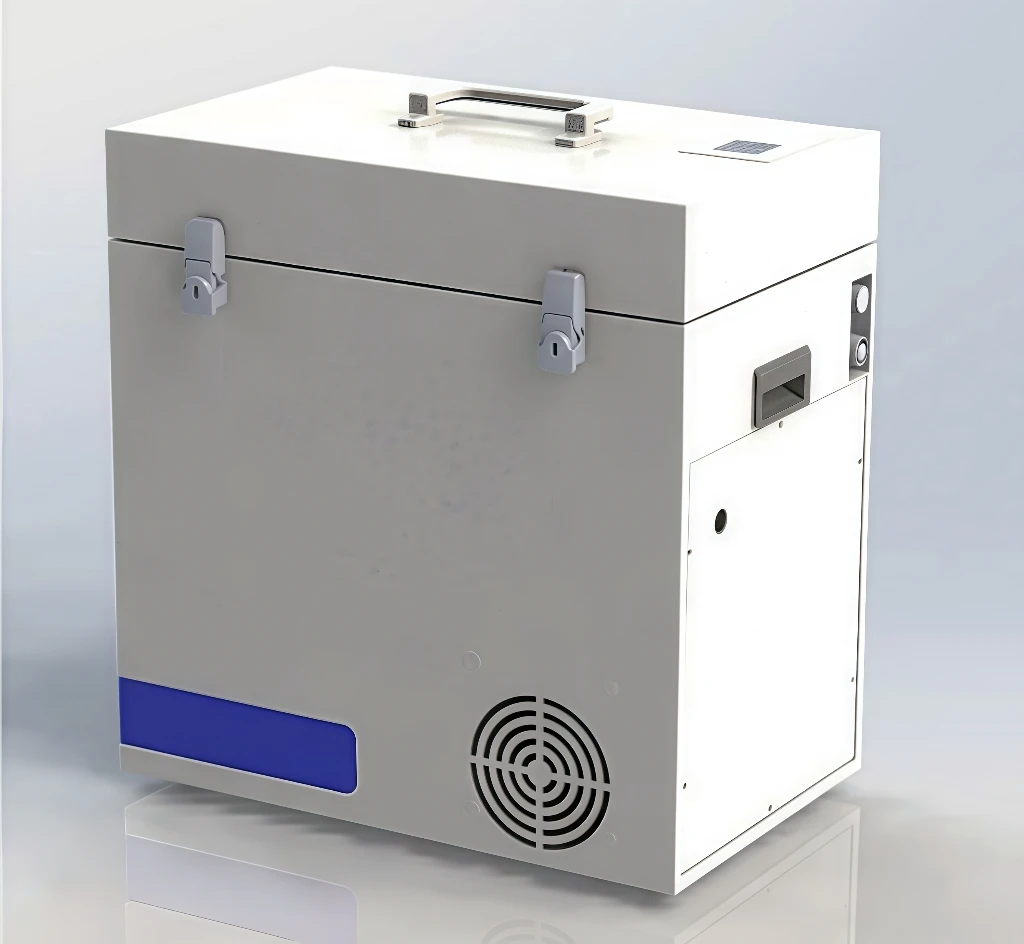
Other specialized water sampler types include deep-water samplers for oceanographic research, point samplers for targeted depth analysis, and refrigerated samplers that preserve the integrity of volatile or temperature-sensitive samples. Some systems integrate with telemetry for remote access, while others connect to sensors or flow meters to trigger sample collection automatically.
Choosing the right water sampler types depends on the goals of the sampling project, whether it’s regulatory compliance, environmental protection, industrial process control, or academic research. The evolution of samplers toward automation, smart control, and rugged design ensures more consistent and reliable data collection in even the most challenging environments.
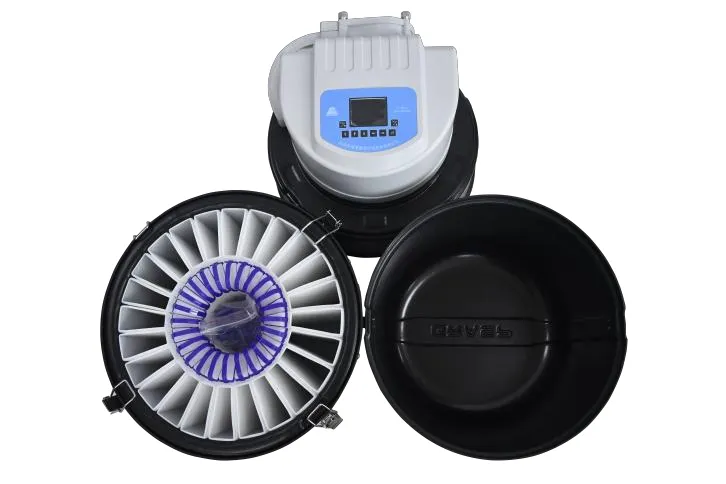
The Role of the Water Sampler in Modern Water Quality Assessment
A water sampler is not just a tool—it’s a critical instrument that enables scientists, engineers, and environmental officers to understand what’s really happening beneath the water’s surface. Whether used in a river, treatment plant, cooling tower, or drinking water pipeline, a water sampler makes it possible to collect uncontaminated, representative water samples for analysis in labs or on-site.
Modern water sampler units are equipped with advanced features that go far beyond simple collection. Many have digital displays, programmable controllers, and even GPS integration for logging sample location. These instruments help comply with local and international standards set by agencies like the EPA, WHO, or ISO.
A good water sampler must prevent contamination and ensure sample integrity. Materials such as PTFE, glass, and stainless steel are commonly used for components that come into contact with the sample to minimize interaction and preserve chemical balance. In the case of automatic samplers, multiple containers are used to segment samples by time or volume, which is essential for flow-proportional and composite sampling.
Beyond environmental applications, water samplers are also widely used in the food and beverage industry, pharmaceutical production, power plants, and chemical factories where water quality monitoring is integral to safety and compliance.
As environmental regulations become stricter, the demand for accurate and repeatable sampling is growing—and the water sampler stands at the heart of that process, offering a dependable method to monitor changes in water composition, identify pollutants, and ensure human and ecological health.
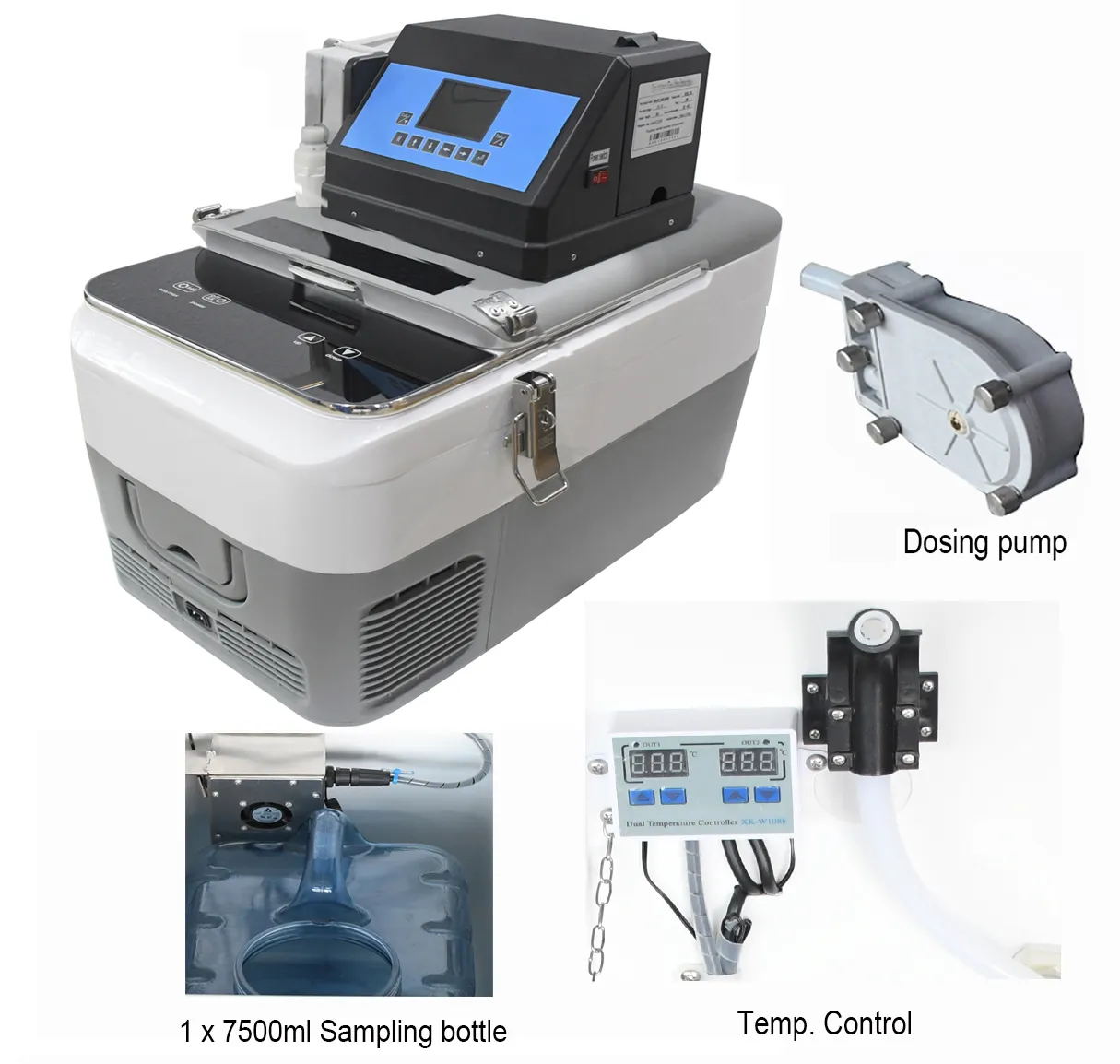
How Top Water Sampler Manufacturers Deliver Reliability and Innovation
When it comes to quality, durability, and performance, choosing the right water sampler manufacturers makes all the difference. These companies are responsible for designing equipment that works flawlessly in diverse conditions—from laboratory basins to open rivers, from drinking water systems to highly contaminated industrial effluents.
Leading water sampler manufacturers such as Teledyne ISCO, YSI, Hach, and Aquamatic have set the standard for sampler innovation. Their products are known for rugged construction, high-precision controls, and seamless integration with other water quality instruments. Most water sampler manufacturers offer a wide range of models to suit various industries, whether it’s a lightweight portable unit for fieldwork or a large-capacity refrigerated sampler for municipal wastewater plants.
What sets top water sampler manufacturers apart is their investment in R&D. Smart samplers with telemetry, remote diagnostics, and IoT integration are becoming more common. These models can be deployed in remote or hazardous areas and monitored from a control room or even a smartphone app. Many water sampler manufacturers now provide cloud-based platforms that store, analyze, and share sampling data with stakeholders.
Another critical focus is compliance. Samplers must often meet legal and environmental standards—so trusted water sampler manufacturers ensure their products are tested and certified for accuracy, contamination prevention, and data traceability.
Whether your project involves long-term water quality monitoring or a one-time pollution investigation, working with reputable water sampler manufacturers means getting equipment that won’t let you down, even under extreme conditions.
Understanding Water Sampler Price Ranges and What Influences Cost
If you're in the market for reliable sampling equipment, understanding water sampler price ranges is essential. The water sampler price can vary significantly based on factors like type, functionality, materials used, and brand. Knowing what features are truly necessary for your application can help you strike a balance between cost and performance.
Entry-level manual water samplers typically cost anywhere from $100 to $500. These include basic grab samplers used for quick spot checks in the field. They are usually hand-operated and made of plastic or stainless steel. While affordable, these models are best suited for low-volume or non-critical applications.
Mid-range automatic water samplers, ideal for field use or small-scale industrial monitoring, usually range between $1,500 and $5,000. These units offer programmable sampling, internal power supplies, and can collect composite samples over hours or days.
High-end water sampler systems, including refrigerated units, flow-proportional samplers, or samplers with telemetry and multi-bottle arrays, can go up to $10,000 or more. These are often used by municipalities, research institutions, or large industrial facilities that require detailed and continuous water quality records.
The water sampler price also varies by manufacturer reputation, warranty length, data logging capabilities, and included accessories such as tubing, bottles, and software. While the initial investment may seem high, it’s important to consider the long-term value of accurate, compliant, and low-maintenance equipment.
Ultimately, understanding the water sampler price in context helps buyers make informed decisions without overspending or sacrificing essential features. Comparing offerings from different water sampler manufacturers is the best way to find a cost-effective solution that meets your project’s specific needs.
Choosing the Right Water Sampler Types for Your Application
Selecting the best water sampler types starts with understanding the goals of your sampling project. Are you looking for a snapshot of current conditions or a full profile over time? Is your sampling site easily accessible or in a remote, hazardous location? Do you need your samples preserved for chemical stability?
If you need to monitor a sudden pollution event or rainfall runoff, a portable automatic sampler might be ideal. If your focus is regulatory compliance for wastewater discharge, a flow-weighted composite sampler is often the best choice. In-depth research in lakes or oceans requires deep-water water sampler types such as Van Dorn or Niskin bottles designed for submersion and controlled triggering.
Refrigerated water sampler types are essential for substances that degrade quickly or are affected by temperature. If space is a concern, compact models mounted on bridges or manholes can perform just as well with modern tech.
In all cases, consulting with top water sampler manufacturers can provide insights into customization options, maintenance requirements, and integration with other sensors and SCADA systems.
Each of the water sampler types offers specific benefits, and matching those benefits to your requirements is the key to successful water quality monitoring.
Water Sampler FAQs
What are the most common water sampler types available today?
The most common water sampler types include grab samplers, automatic samplers, composite samplers, and refrigerated samplers. Grab samplers are used for one-time sampling at a specific location and are ideal for field spot checks. Automatic samplers collect water at intervals and can be programmed for time or flow-based sampling. Composite samplers gather multiple samples over time into a single container for average quality analysis. Refrigerated samplers are used when sample preservation is crucial. Specialized samplers such as deep-water and point samplers are also used in scientific research and oceanography.
What is a water sampler and why is it important?
A water sampler is a device used to collect water samples for testing and analysis. It plays a critical role in environmental monitoring, wastewater management, industrial quality control, and public health. By using a water sampler, professionals can detect pollutants, ensure compliance with water quality regulations, and monitor trends over time. Samplers can be manual or automatic, portable or stationary, and are often integrated with data logging and communication systems for modern water monitoring programs.
How do I choose between different water sampler manufacturers?
Choosing among water sampler manufacturers depends on several factors, including your application, budget, sampling environment, and the type of analysis required. Reputable water sampler manufacturers offer certified, reliable products backed by technical support and warranty. Consider whether the manufacturer specializes in portable or industrial systems, if their samplers support remote monitoring, and whether they provide replacement parts and calibration services. Look for manufacturers with a proven track record in your specific industry, such as municipal water, environmental research, or industrial processing.
What influences the water sampler price the most?
The water sampler price is influenced by multiple factors: the type of sampler (manual vs. automatic), materials (plastic vs. stainless steel), sampling volume, included features (such as refrigeration, flow measurement, or telemetry), and the brand. High-end models with advanced programmability and remote access naturally cost more than basic manual models. Additionally, samplers designed for harsh environments or scientific research tend to be more expensive due to durability and precision requirements. Always consider the long-term cost-benefit ratio, including maintenance and operational efficiency.
Can a water sampler be used in both field and lab settings?
Yes, many water sampler types are designed for dual-use. Portable samplers can be deployed in the field and then brought back to the lab for sample handling and analysis. Lab-specific samplers often have features like controlled stirring, temperature control, or automated pipetting. Some samplers are modular, meaning they can be configured for field use with rugged casing and battery power, then adapted for lab use with more sensitive equipment. Discussing your needs with reliable water sampler manufacturers will help ensure you select a model suitable for your complete workflow.

Related Products
Related News

2026-04-16 03:20:19
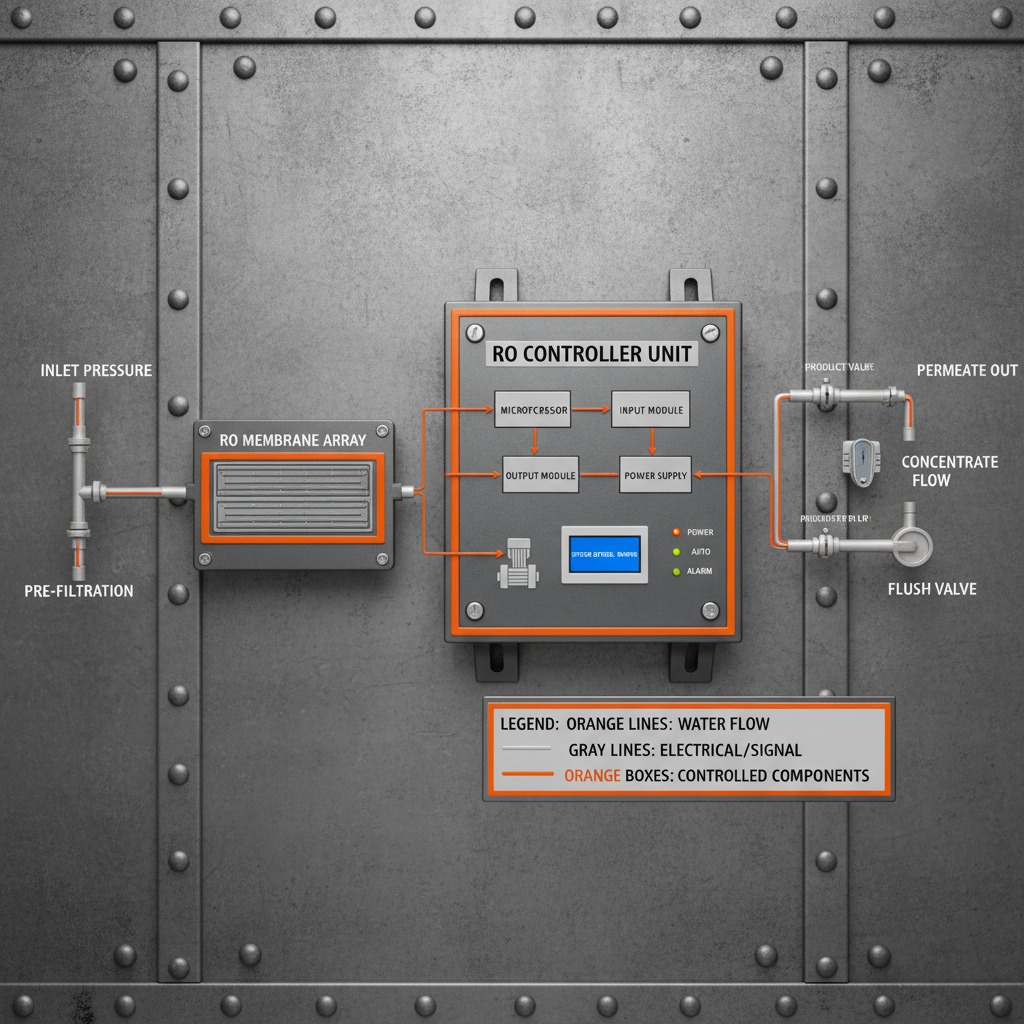
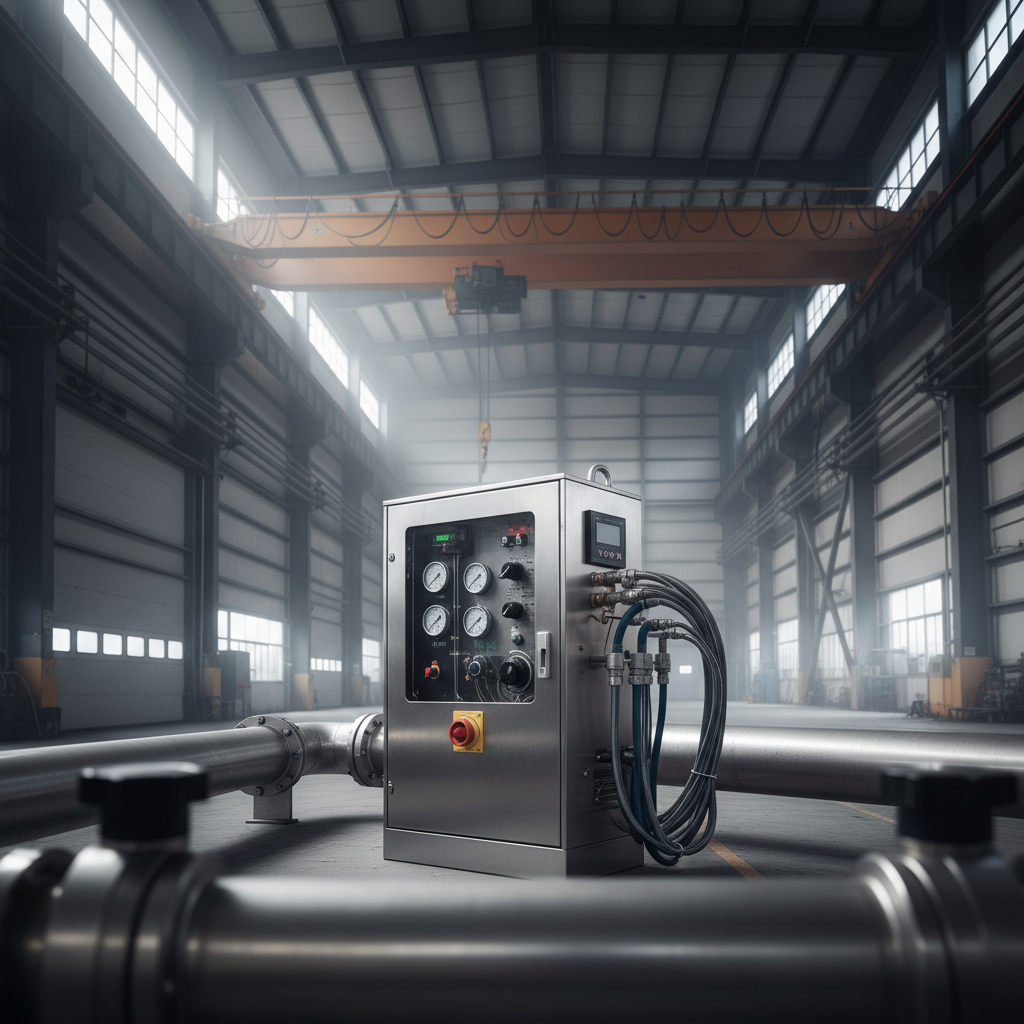
Guide to Choosing the Right RO Controller for Water PurificationMaintaining a high-performance reverse osmosis system requires more than just quality membranes; it demands precise regulation. An ro controller serves as the brain of the entire operation, monitoring critical parameters such as conductivity, temperature, and flow rates to ensure the output water meets stringent purity standards. Without an efficient controller, systems are prone to membrane fouling, inefficient energy use, and inconsistent water quality. In this comprehensive guide, we will explore how these devices optimize water treatment processes and how to select the best model for your specific industrial or commercial needs.
2026-04-09 03:25:47
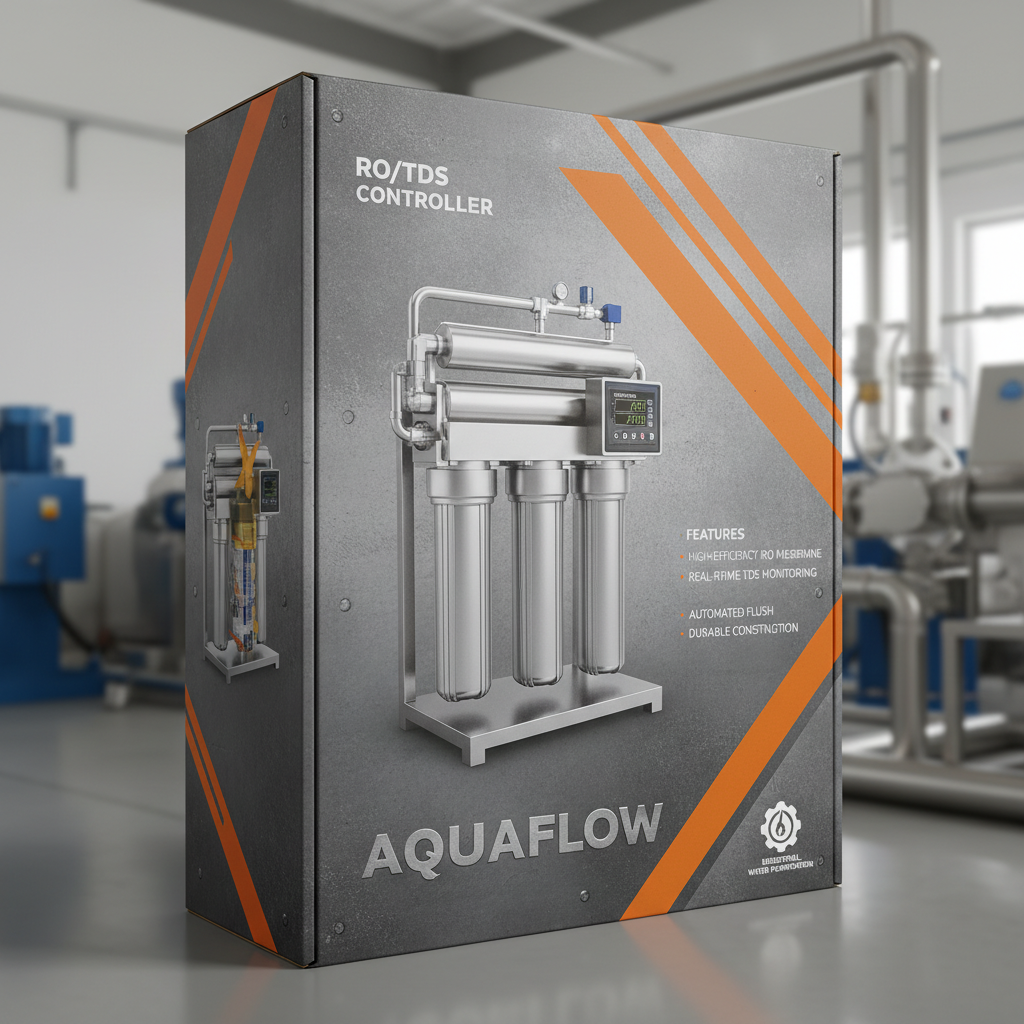
Guide to Water Purity Using RO with TDS Controller SystemsAchieving the perfect balance of mineral content and purity in drinking water is a challenge for many households and industrial facilities. A ro with tds controller offers a sophisticated solution by combining the rigorous filtration of Reverse Osmosis (RO) with the precision of a Total Dissolved Solids (TDS) adjustment system. While standard RO systems remove almost everything, including beneficial minerals, a TDS controller allows users to re-mineralize the water to a desired level. This ensures that the water is not only safe and pure but also tastes better and provides essential nutrients.
2026-04-07 03:17:09
Understanding and Optimizing Reverse Osmosis Systems with a ControllerIn the world of water purification, reverse osmosis (RO) systems are a cornerstone for producing high-quality water for various applications, from drinking water to industrial processes. However, an RO system is only as effective as its control system. This is where the reverse osmosis controller comes into play. This critical component manages and optimizes the RO process, ensuring efficient operation, water quality, and system longevity.
2026-04-04 03:27:19
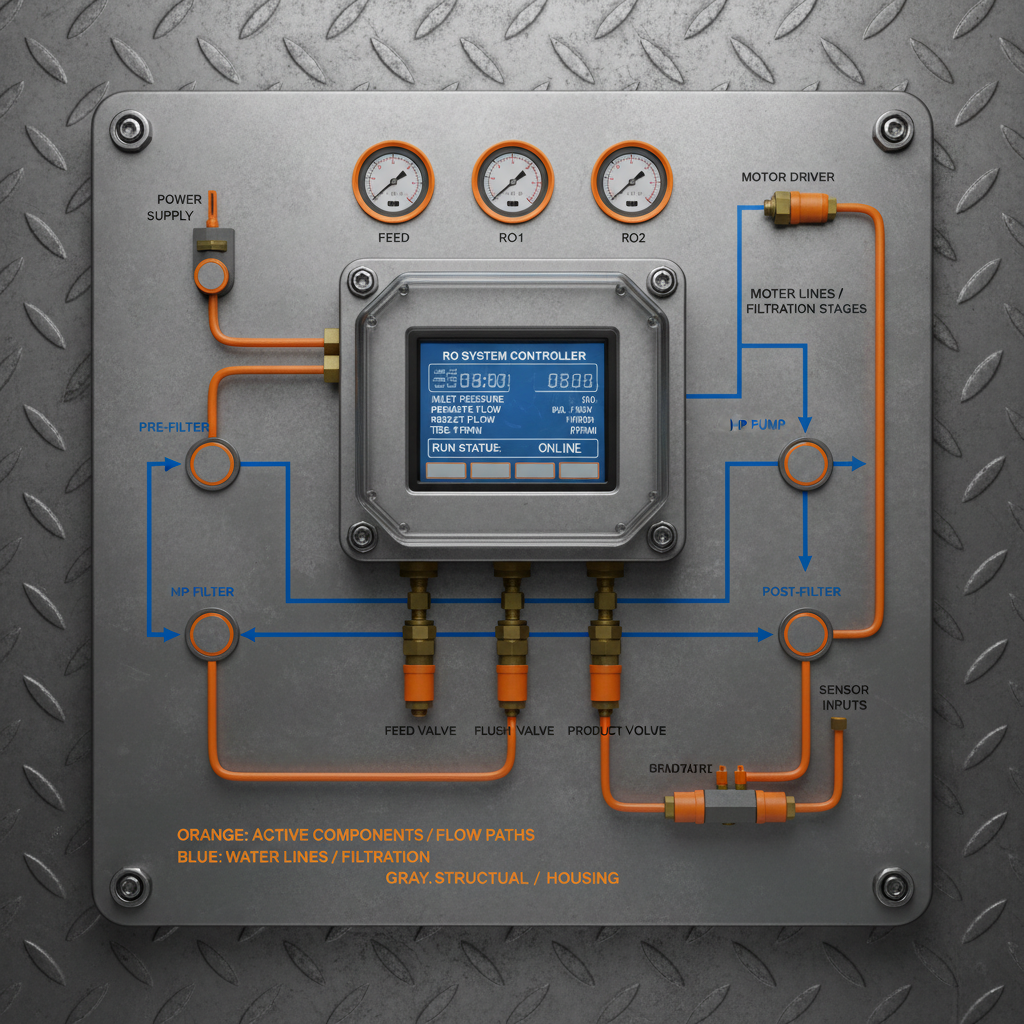
Understanding the Vital Role of an RO System Controller for Optimal PerformanceReverse Osmosis (RO) systems are critical for purifying water across various industries, from residential applications to large-scale industrial processes. At the heart of a well-functioning RO system lies the RO system controller. This intelligent device monitors and regulates all key parameters of the RO process, ensuring optimal performance, efficiency, and water quality. This article delves into the functionalities, benefits, and selection criteria for choosing the right RO system controller, particularly focusing on those offered by Watequipments. Understanding its role is crucial for maximizing the lifespan and effectiveness of your RO investment.
2026-03-24 17:18:24
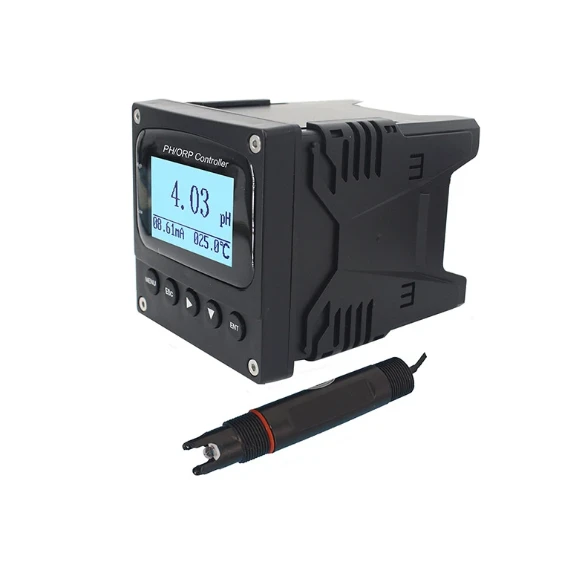
Smart Water Treatment Solutions Using PH ORP Controller SystemsIn modern water treatment and industrial fluid management, maintaining precise chemical balance is essential for safety, efficiency, and regulatory compliance.
2026-03-04 02:55:19
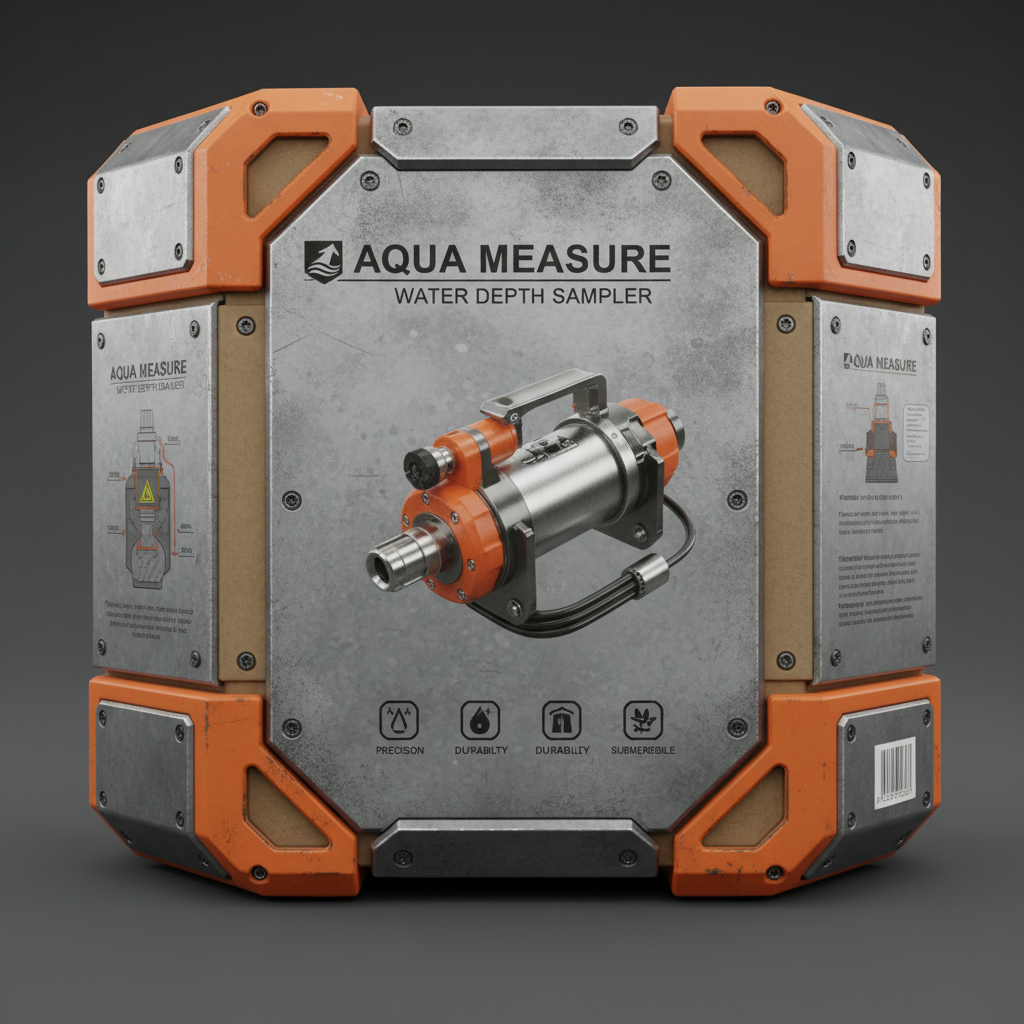
Comprehensive Guide to Water Depth Samplers and Their ApplicationsAccurate water quality monitoring is crucial in various fields, from environmental science and aquaculture to industrial wastewater management. A key tool for this is the water depth sampler. This article provides an in-depth look at water depth samplers, their applications, types, and essential considerations for choosing the right one for your needs. We'll explore the benefits of utilizing this equipment to collect reliable data for analysis and informed decision-making. Selecting the right sampler can significantly improve the precision and efficiency of your water monitoring program. A water depth sampler, also known as a depth-integrated sampler, is a device designed to collect water samples from specific depths within a body of water. Unlike simply dipping a container into the water, a depth sampler allows for collection of a representative sample across a defined depth range. This is critical because water properties (temperature, salinity, pollutants) often vary significantly with depth. The data gathered with a water depth sampler provides a more accurate assessment of water quality than surface samples alone.
2026-03-03 18:55:22
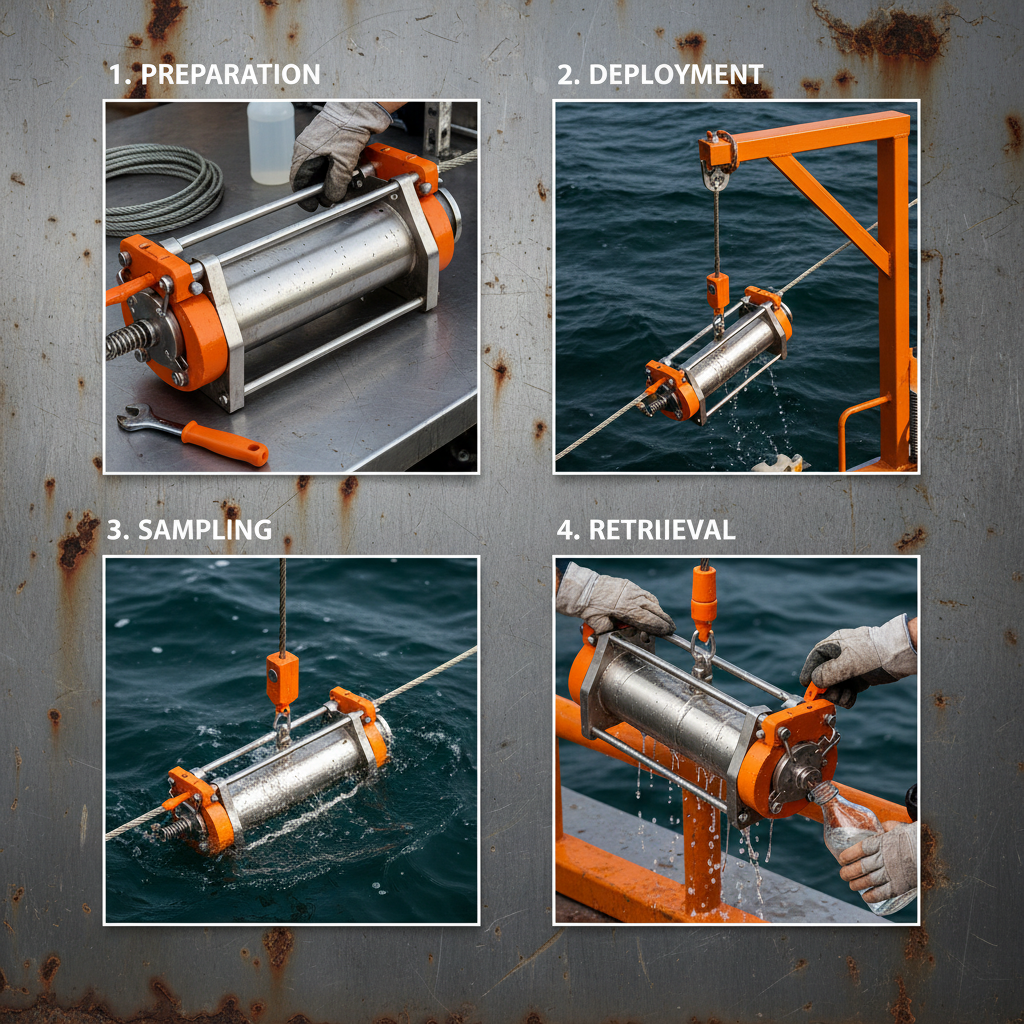
Comprehensive Guide to Horizontal Water Sampler Applications and SelectionCollecting water samples at varying depths is crucial for environmental monitoring, research, and quality control. The horizontal water sampler from Watequipment.com offers a precise and efficient solution for this task. This article provides an in-depth look at horizontal water samplers, their applications, benefits, and key considerations when choosing the right model. We will explore how these samplers contribute to accurate data collection and informed decision-making in various fields. A horizontal water sampler is a device designed to collect water samples from specific depths within a body of water – rivers, lakes, oceans, reservoirs, and even wastewater treatment plants. Unlike vertical samplers which primarily focus on depth, horizontal samplers prioritize collecting samples at a consistent depth while moving along a horizontal plane. This is essential for assessing water quality variations across a waterway or within a specific zone. They are used in applications ranging from environmental monitoring and scientific research to industrial process control and regulatory compliance.
2026-02-28 02:35:09
Comprehensive Guide to Selecting the Right Surface Water Sampler for Your NeedsMonitoring the quality of surface water is critical for environmental protection, public health, and various industrial applications. A surface water sampler is an essential tool for collecting representative samples from rivers, lakes, ponds, and other surface water sources. This article provides a detailed overview of surface water samplers, their types, applications, and key considerations for selecting the right equipment. Accurate water quality data relies on proper sample collection, and choosing the correct sampler is the first step toward achieving reliable results. Surface water samplers come in various designs, each suited to specific sampling needs. Common types include grab samplers, depth-integrating samplers, peristaltic pumps, and automatic samplers. Surface water samplers are used across a broad spectrum of applications, including environmental monitoring, wastewater discharge monitoring, drinking water source monitoring, agricultural runoff analysis, and research studies.

 English