


Automated IoT Irrigation Systems for Efficient Water Management

Automated IoT Irrigation Systems for Efficient Water Management
Jan . 01, 2026
Automation of Irrigation Systems Using IoT
Having spent well over a decade in the industrial equipment field—mostly knee-deep in water management solutions—I can say automation in irrigation systems isn’t just the future; it’s already reshaping how we think about farming and landscaping. Frankly, the shift to IoT-powered automation has made what used to be a lot of guesswork into real-time precision. It’s quite something, honestly.
Some years back, adjusting irrigation schedules was a cumbersome affair: manual timers, fixed intervals, and a lot of hopeful guessing based on seasonal experience. These days, thanks to advancements in Internet of Things technology, those irrigation controllers are smarter and far more responsive. They react to soil moisture, weather forecasts, and even evapotranspiration levels in real-time. That means water is used when it’s needed—not wasted. From what I’ve seen on projects in arid regions, this can easily save 30%-50% of water compared to traditional setups.
I remember a client — one of the larger commercial growers — who implemented an IoT system that combined soil sensors with automated valves and cloud-based management. The beauty was how scalable it was. Starting small in one green zone, they expanded the system on the fly. It felt like watching irrigation ‘go digital’. You could monitor their fields through dashboards anywhere, anytime. That kind of control, with instant alerts and tuning, is gold, especially when you’re managing hundreds of acres.
What’s core to these IoT irrigation systems is reliable hardware: robust sensors, weather stations, and automated valve controllers that stand up to harsh conditions. I’ve noticed many engineers now prioritize weatherproof enclosures rated at least IP65 and corrosion-resistant materials—because a failed sensor is a blind spot on the watering schedule, which quickly cascades into stressed crops or soggy soil.
| Specification | Details |
|---|---|
| Connectivity | Wi-Fi, Cellular LTE, LoRaWAN options |
| Power Supply | Solar + rechargeable battery backup |
| Sensor Inputs | Soil moisture, temperature, flow meters |
| Valve Outputs | 8–16 valves per controller |
| Operating Temperature | -20°C to 60°C (-4°F to 140°F) |
| Enclosure Rating | IP65 weatherproof |
Of course, not all IoT systems are created equal. Picking a vendor often feels like navigating a maze. Some companies focus on hardware ruggedness. Others push software capabilities — AI-driven schedules, predictive watering, analytics. And then, pricing models can vary wildly: from outright purchases to subscription cloud services. That said, I made a quick comparison table based on my experience and recent market scans, which might help clarify options for anyone weighing their choices.
| Vendor | Hardware Robustness | Software Features | Pricing Model |
|---|---|---|---|
| AgriTech Solutions | ★★★★☆ | ★★★☆☆ | Upfront purchase + free updates |
| SmartWater Inc. | ★★★☆☆ | ★★★★★ | Subscription (monthly or yearly) |
| Irrigo Tech | ★★★★☆ | ★★★☆☆ | One-time fee + optional cloud |
If you ask me, the smartest approach is to assess your operation goals first — are you after pure hardware durability, or is the software's predictive insight the game-changer for you? For someone who manages multiple irrigation zones remotely, the remote monitoring via cloud dashboards is priceless. Also, the leap toward reducing water waste aligns neatly with growing sustainability goals, so this technology almost sells itself these days.
In real terms, partnering with vendors who offer solid support and clear firmware upgrade paths can make a world of difference as systems evolve. I find many clients sometimes underestimate the importance of after-sale service until they face downtime in peak growing season. So, I always recommend digging into user reviews and asking vendors detailed questions about service response times.
To wrap this up, the IoT automation of irrigation systems is transforming water management for good, bringing measurability and agility to a traditionally guess-based game. It’s rewarding to see how much smarter we can be with this tech — and honestly, it feels like we’re just getting started.
References:
1. Industry reports on smart irrigation water savings (WaterTech 2023)
2. Client case studies from commercial growers in California
3. Technical datasheets from leading IoT irrigation vendors, 2024

Related Products
Related News
2026-04-16 03:20:19
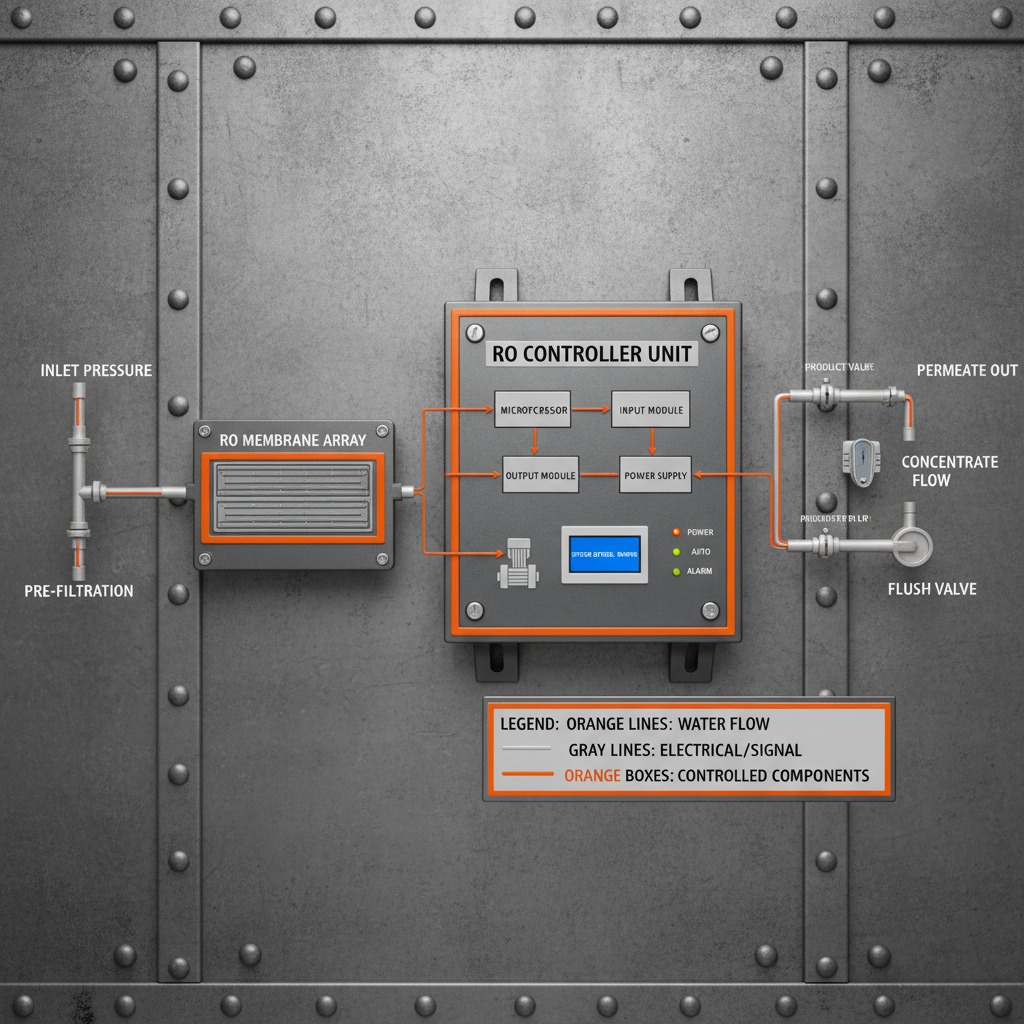
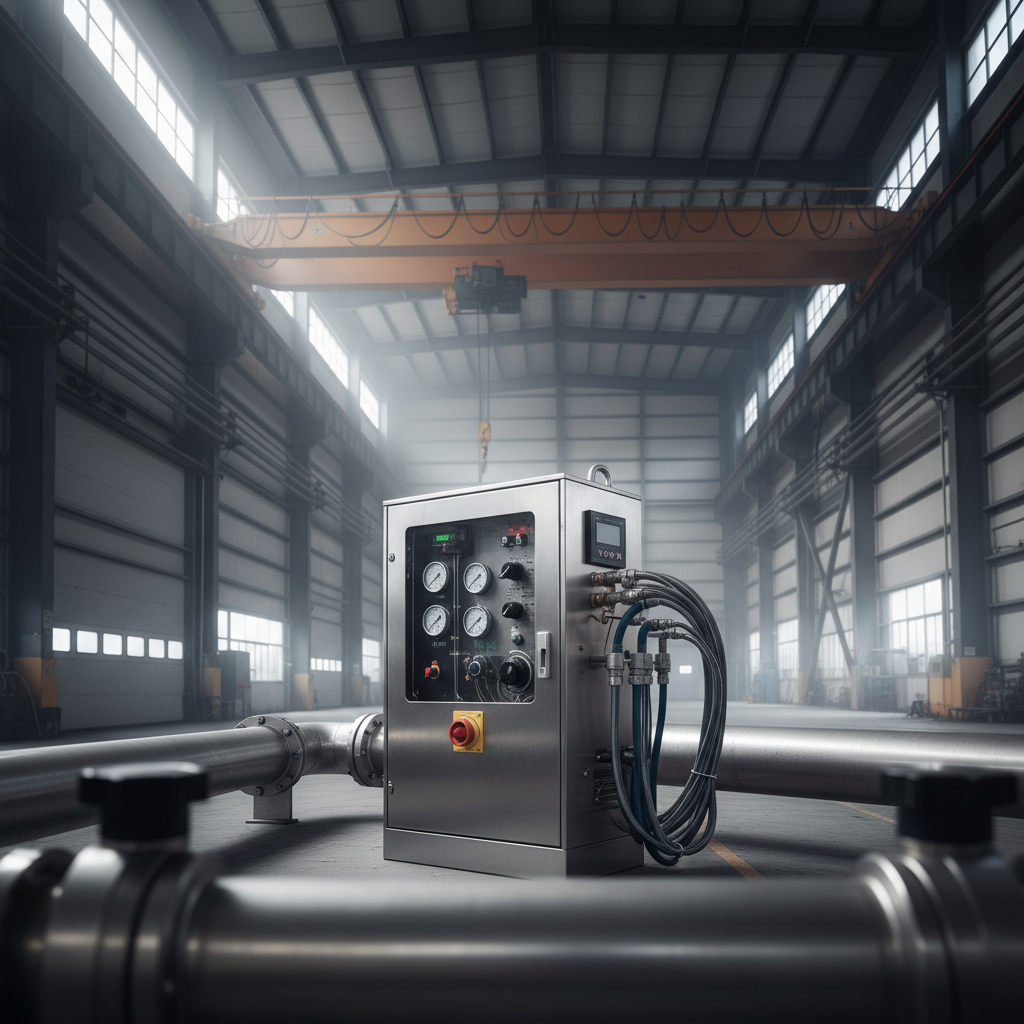
Guide to Choosing the Right RO Controller for Water PurificationMaintaining a high-performance reverse osmosis system requires more than just quality membranes; it demands precise regulation. An ro controller serves as the brain of the entire operation, monitoring critical parameters such as conductivity, temperature, and flow rates to ensure the output water meets stringent purity standards. Without an efficient controller, systems are prone to membrane fouling, inefficient energy use, and inconsistent water quality. In this comprehensive guide, we will explore how these devices optimize water treatment processes and how to select the best model for your specific industrial or commercial needs.
2026-04-09 03:25:47
Guide to Water Purity Using RO with TDS Controller SystemsAchieving the perfect balance of mineral content and purity in drinking water is a challenge for many households and industrial facilities. A ro with tds controller offers a sophisticated solution by combining the rigorous filtration of Reverse Osmosis (RO) with the precision of a Total Dissolved Solids (TDS) adjustment system. While standard RO systems remove almost everything, including beneficial minerals, a TDS controller allows users to re-mineralize the water to a desired level. This ensures that the water is not only safe and pure but also tastes better and provides essential nutrients.
2026-04-07 03:17:09
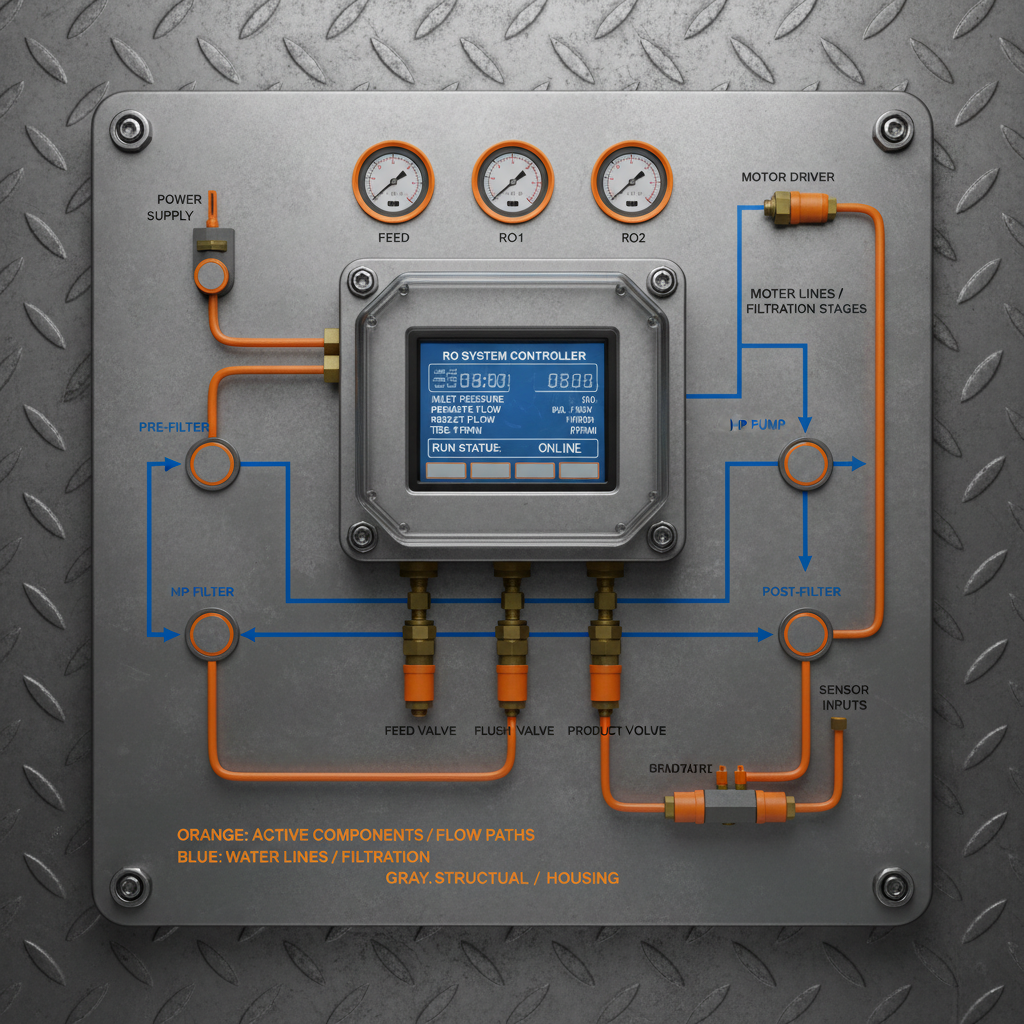
Understanding and Optimizing Reverse Osmosis Systems with a ControllerIn the world of water purification, reverse osmosis (RO) systems are a cornerstone for producing high-quality water for various applications, from drinking water to industrial processes. However, an RO system is only as effective as its control system. This is where the reverse osmosis controller comes into play. This critical component manages and optimizes the RO process, ensuring efficient operation, water quality, and system longevity.
2026-04-04 03:27:19
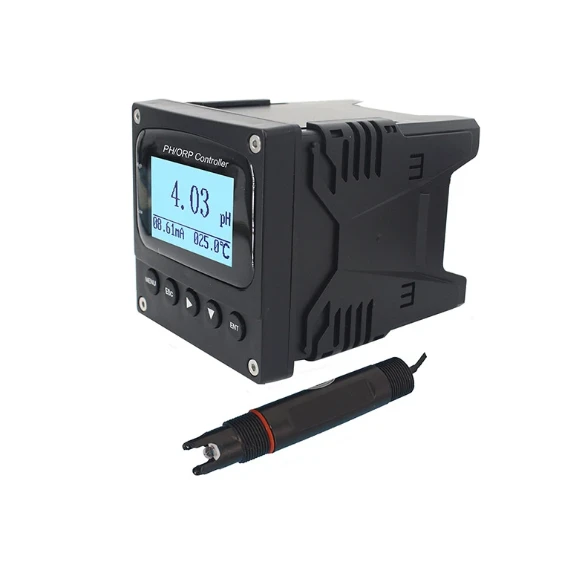
Understanding the Vital Role of an RO System Controller for Optimal PerformanceReverse Osmosis (RO) systems are critical for purifying water across various industries, from residential applications to large-scale industrial processes. At the heart of a well-functioning RO system lies the RO system controller. This intelligent device monitors and regulates all key parameters of the RO process, ensuring optimal performance, efficiency, and water quality. This article delves into the functionalities, benefits, and selection criteria for choosing the right RO system controller, particularly focusing on those offered by Watequipments. Understanding its role is crucial for maximizing the lifespan and effectiveness of your RO investment.
2026-03-24 17:18:24
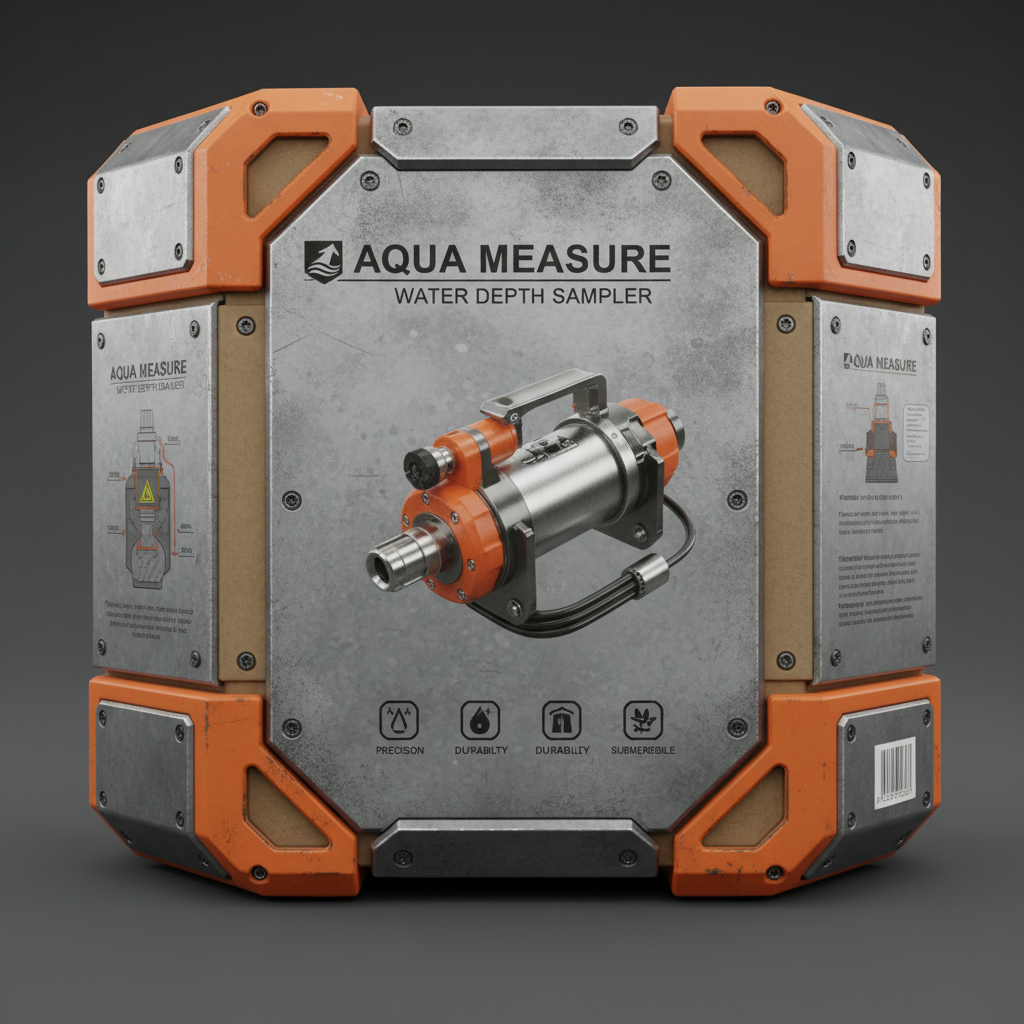
Smart Water Treatment Solutions Using PH ORP Controller SystemsIn modern water treatment and industrial fluid management, maintaining precise chemical balance is essential for safety, efficiency, and regulatory compliance.
2026-03-04 02:55:19
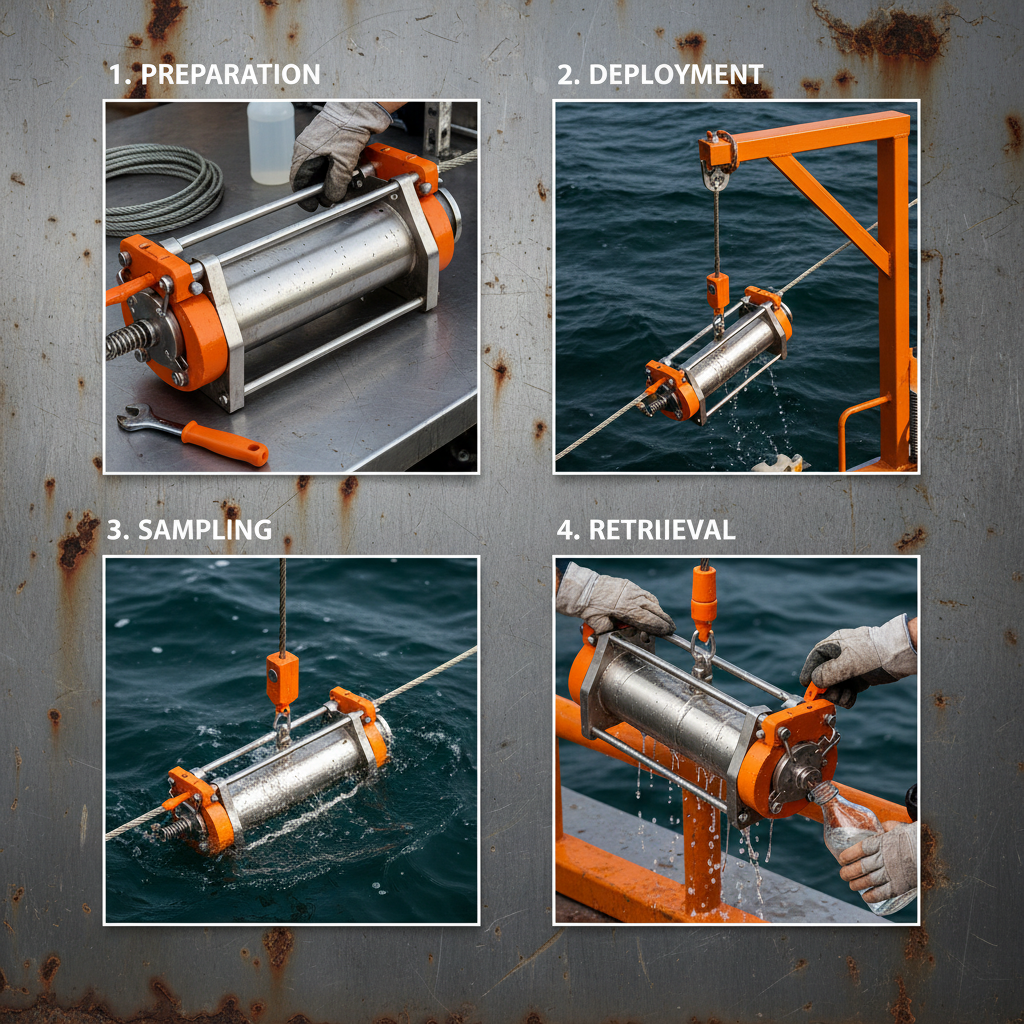
Comprehensive Guide to Water Depth Samplers and Their ApplicationsAccurate water quality monitoring is crucial in various fields, from environmental science and aquaculture to industrial wastewater management. A key tool for this is the water depth sampler. This article provides an in-depth look at water depth samplers, their applications, types, and essential considerations for choosing the right one for your needs. We'll explore the benefits of utilizing this equipment to collect reliable data for analysis and informed decision-making. Selecting the right sampler can significantly improve the precision and efficiency of your water monitoring program. A water depth sampler, also known as a depth-integrated sampler, is a device designed to collect water samples from specific depths within a body of water. Unlike simply dipping a container into the water, a depth sampler allows for collection of a representative sample across a defined depth range. This is critical because water properties (temperature, salinity, pollutants) often vary significantly with depth. The data gathered with a water depth sampler provides a more accurate assessment of water quality than surface samples alone.
2026-03-03 18:55:22
Comprehensive Guide to Horizontal Water Sampler Applications and SelectionCollecting water samples at varying depths is crucial for environmental monitoring, research, and quality control. The horizontal water sampler from Watequipment.com offers a precise and efficient solution for this task. This article provides an in-depth look at horizontal water samplers, their applications, benefits, and key considerations when choosing the right model. We will explore how these samplers contribute to accurate data collection and informed decision-making in various fields. A horizontal water sampler is a device designed to collect water samples from specific depths within a body of water – rivers, lakes, oceans, reservoirs, and even wastewater treatment plants. Unlike vertical samplers which primarily focus on depth, horizontal samplers prioritize collecting samples at a consistent depth while moving along a horizontal plane. This is essential for assessing water quality variations across a waterway or within a specific zone. They are used in applications ranging from environmental monitoring and scientific research to industrial process control and regulatory compliance.
2026-02-28 02:35:09
Comprehensive Guide to Selecting the Right Surface Water Sampler for Your NeedsMonitoring the quality of surface water is critical for environmental protection, public health, and various industrial applications. A surface water sampler is an essential tool for collecting representative samples from rivers, lakes, ponds, and other surface water sources. This article provides a detailed overview of surface water samplers, their types, applications, and key considerations for selecting the right equipment. Accurate water quality data relies on proper sample collection, and choosing the correct sampler is the first step toward achieving reliable results. Surface water samplers come in various designs, each suited to specific sampling needs. Common types include grab samplers, depth-integrating samplers, peristaltic pumps, and automatic samplers. Surface water samplers are used across a broad spectrum of applications, including environmental monitoring, wastewater discharge monitoring, drinking water source monitoring, agricultural runoff analysis, and research studies.

 English