


Comprehensive Guide to Understanding and Utilizing Stormwater Samplers for Water Quality Analysis

Comprehensive Guide to Understanding and Utilizing Stormwater Samplers for Water Quality Analysis
Feb . 11, 2026
Understanding Stormwater Samplers: A Comprehensive Guide
Effective stormwater management is crucial for environmental protection and regulatory compliance. A key component of this is accurate stormwater sampling. Stormwater samplers provide a reliable method for collecting representative samples for analysis, helping to identify pollutants and assess water quality. This article will explore the importance of stormwater sampling, different types of samplers, key features to consider, and how Water Equipment can help you find the right solution for your needs. Accurate data is paramount for effective stormwater management and compliance with environmental regulations.
Why is Stormwater Sampling Important?
Stormwater runoff carries pollutants like sediment, oil, grease, heavy metals, and bacteria from various surfaces into our waterways. These pollutants can harm aquatic life, contaminate drinking water sources, and degrade overall water quality. Regular stormwater sampling helps identify the sources of pollution, assess the effectiveness of best management practices (BMPs), and ensure compliance with NPDES permits and other environmental regulations. Accurate stormwater data is essential for informed decision-making and protecting our valuable water resources. Without it, addressing pollution effectively is significantly more challenging.
Key Benefits: Identifying pollution sources, assessing BMP effectiveness, ensuring regulatory compliance, protecting water quality, and informing stormwater management strategies.
Types of Stormwater Samplers
Several types of stormwater samplers are available, each suited to different applications and budgets. These include:
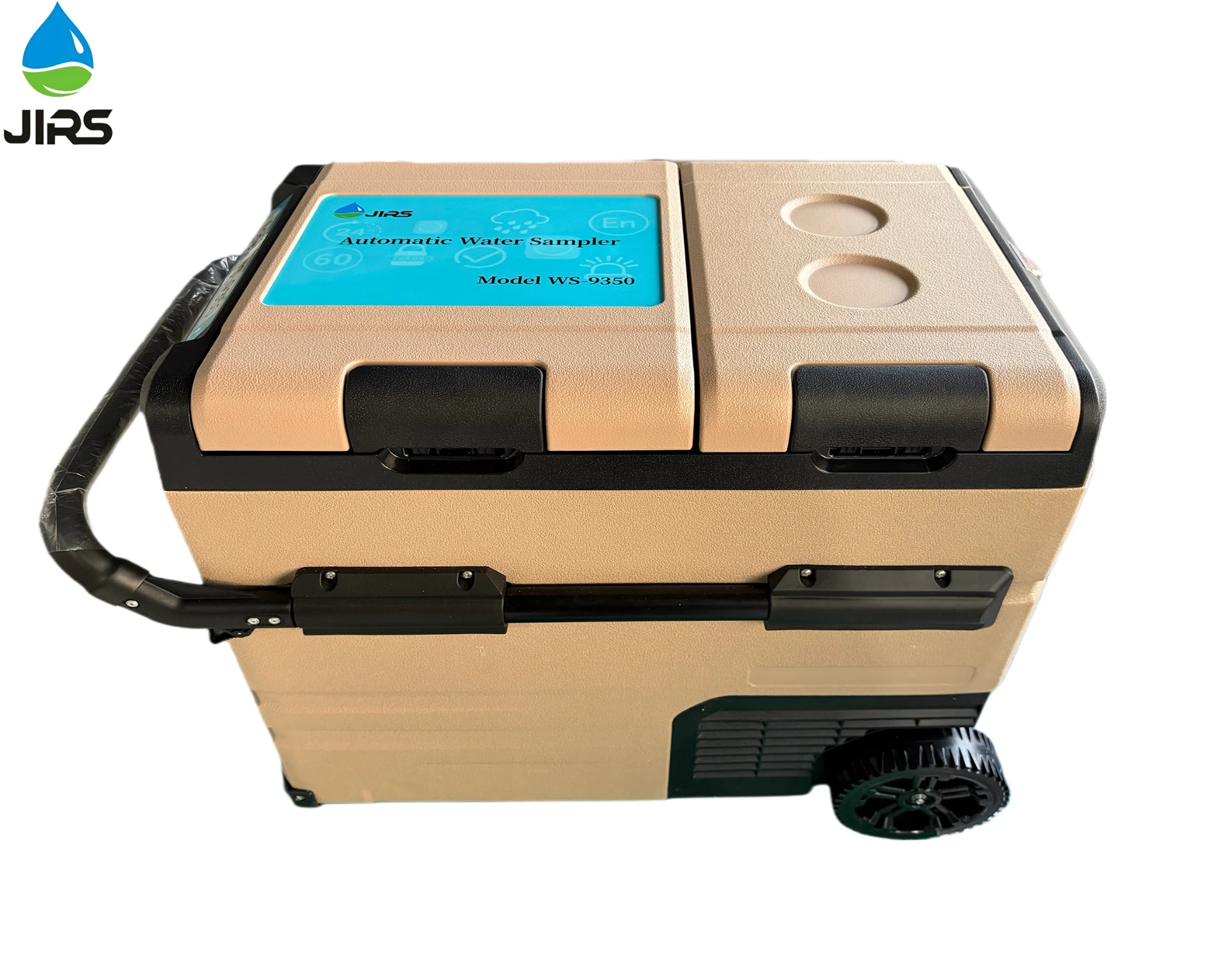
- Automatic Samplers: These devices collect samples at pre-programmed intervals or based on flow-weighted composite sampling.
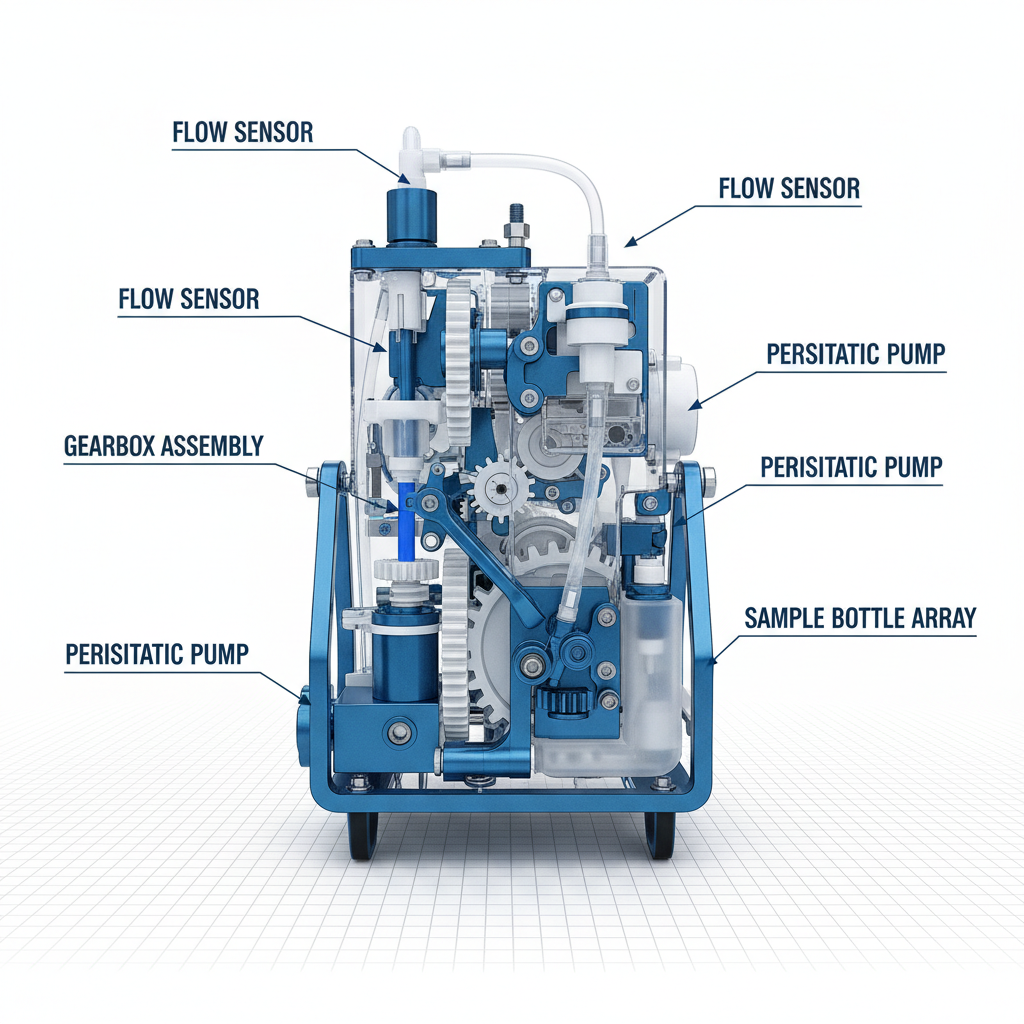
- Peristaltic Pump Samplers: Utilizing a peristaltic pump to draw samples, ideal for delicate or viscous liquids.
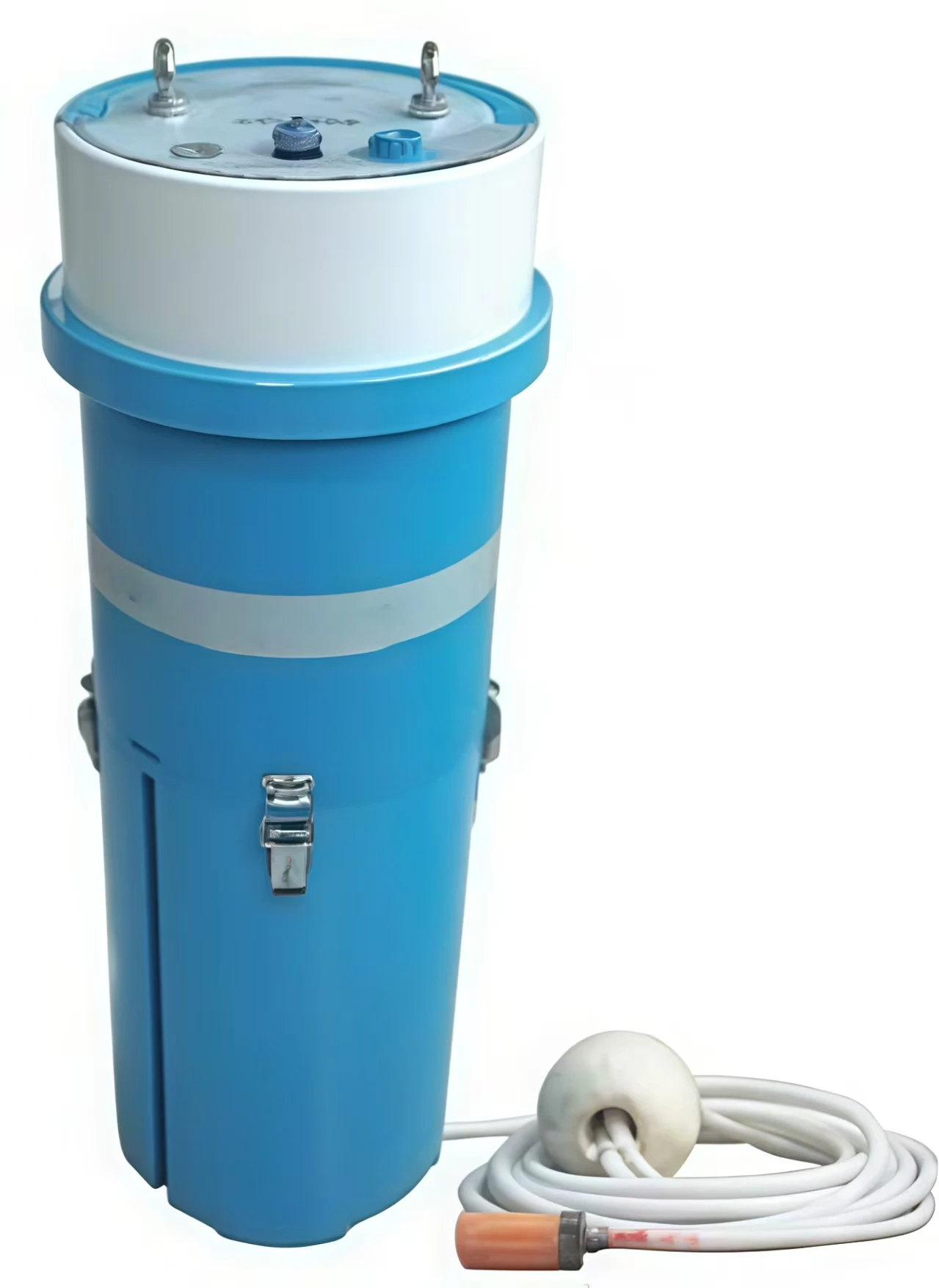
- ISCO Samplers: A widely respected brand known for robust and reliable performance.
- Discrete Samplers: Collect individual "grab" samples at specific times.
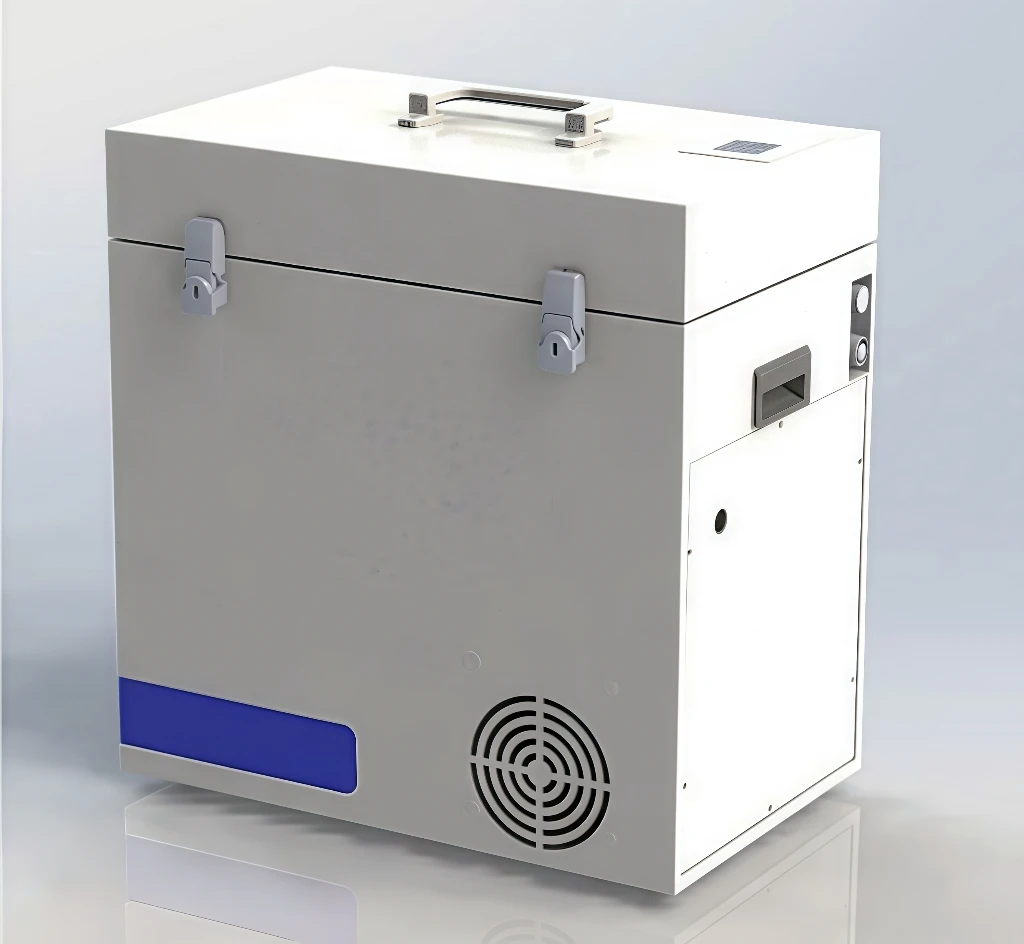
- Portable Samplers: Compact and easy to transport for field use.
Sampler Selection Criteria:
• Sample Volume Requirements
• Sampling Frequency
• Composite vs. Discrete Sampling
• Portability Needs
Key Features to Consider When Choosing a Stormwater Sampler
When selecting a stormwater sampler, several key features should be considered. These include sample volume capacity, programming flexibility, pump reliability, power source options (battery, AC adapter), data logging capabilities, and ease of maintenance. Look for samplers with robust construction, weather-resistant enclosures, and intuitive user interfaces. It's also important to consider the availability of spare parts and technical support. The ability to remotely monitor and control the sampler can be a significant advantage for large-scale monitoring projects.
Why Choose Water Equipment for Your Stormwater Sampling Needs?
At Water Equipment, we offer a comprehensive selection of high-quality stormwater samplers from leading manufacturers. Our experienced team can help you identify the best sampler for your specific application, budget, and regulatory requirements. We provide expert technical support, reliable service, and competitive pricing. We are committed to helping you achieve accurate and dependable stormwater monitoring results.
Conclusion: Invest in Reliable Stormwater Sampling
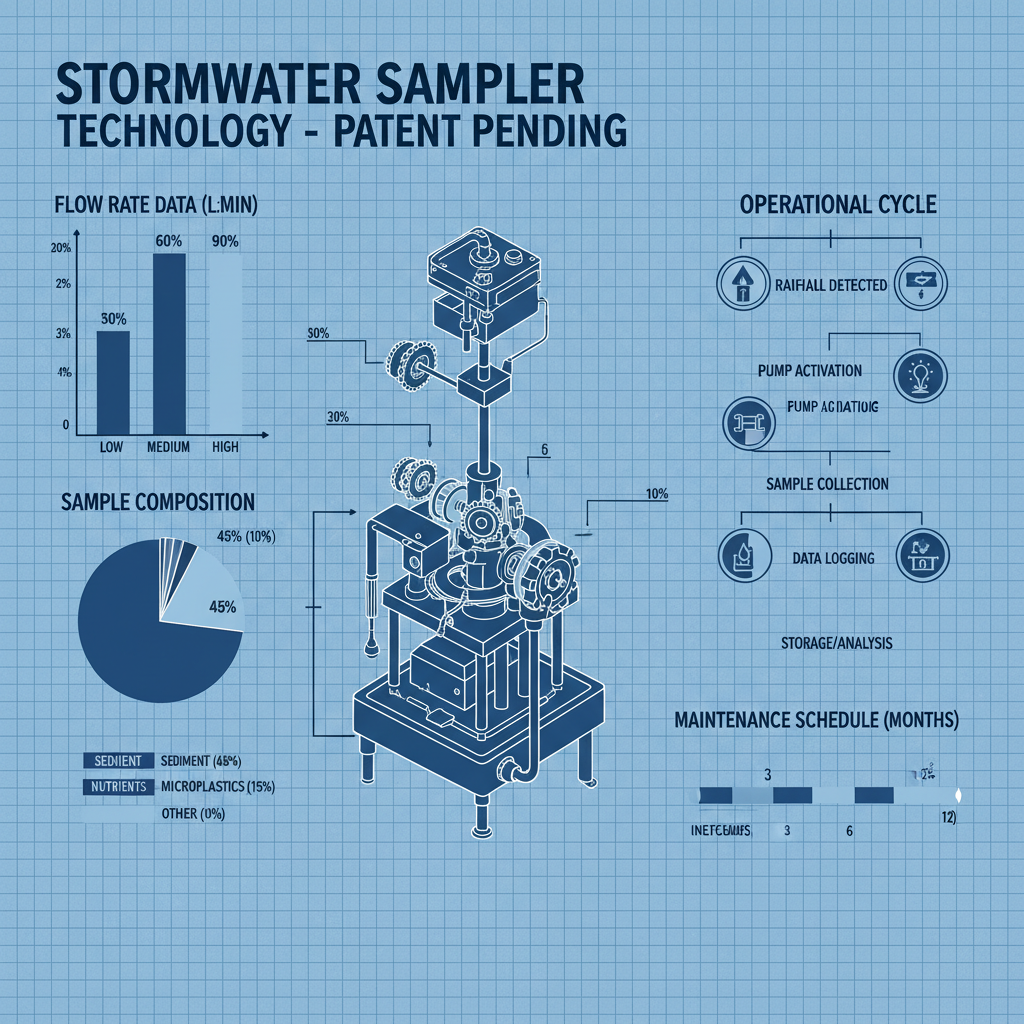
Investing in a reliable stormwater sampler is a crucial step towards effective environmental management and regulatory compliance. By accurately monitoring stormwater runoff, you can identify pollution sources, assess the effectiveness of BMPs, and protect our valuable water resources. Water Equipment is your trusted partner for all your stormwater sampling needs – providing quality equipment, expert support, and exceptional service.
Frequently Asked Questions (FAQs)
What is composite sampling, and why is it used in stormwater monitoring?
Composite sampling involves collecting multiple smaller samples over a specific period and combining them into a single representative sample. This technique is widely used in stormwater monitoring because runoff quality can fluctuate significantly due to rainfall intensity, land use, and other factors. A composite sample provides a more accurate representation of the average pollutant concentrations over time, reducing the impact of short-term variations. This is particularly useful for assessing overall water quality trends and compliance with permit limits. It's a more realistic assessment than a single “grab” sample, which only represents the conditions at a specific moment.
How often should I calibrate my stormwater sampler?
The frequency of calibration depends on the sampler model, usage intensity, and environmental conditions. However, a general guideline is to calibrate stormwater samplers at least every six months, or more frequently if recommended by the manufacturer. Calibration ensures the accuracy of the pump and other components, guaranteeing reliable sample collection. Regular maintenance, including cleaning and inspection, is also crucial for optimal performance. Maintaining a detailed calibration log is recommended for documenting the sampler's performance history.
What safety precautions should I take when deploying and retrieving a stormwater sampler?
Safety should always be a top priority when working with stormwater samplers. Always wear appropriate personal protective equipment (PPE), including gloves, safety glasses, and waterproof boots. Be aware of potential hazards in the sampling location, such as traffic, slippery surfaces, and wildlife. Ensure the sampler is securely anchored to prevent it from being washed away during high flow events. When retrieving the sampler, carefully handle the collected samples to avoid spills or contamination. Familiarize yourself with the sampler's operating manual and follow all safety instructions.
What do I do with the samples after they've been collected?
Once collected, stormwater samples should be handled and transported according to established laboratory protocols to ensure the integrity of the analysis. This typically involves proper labeling, preservation (e.g., cooling, addition of preservatives), and timely delivery to an accredited analytical laboratory. Maintaining a chain-of-custody record is essential to document the sample's handling from collection to analysis. Follow any specific requirements outlined in your NPDES permit or sampling plan.

Related Products
Related News
2026-04-16 03:20:19
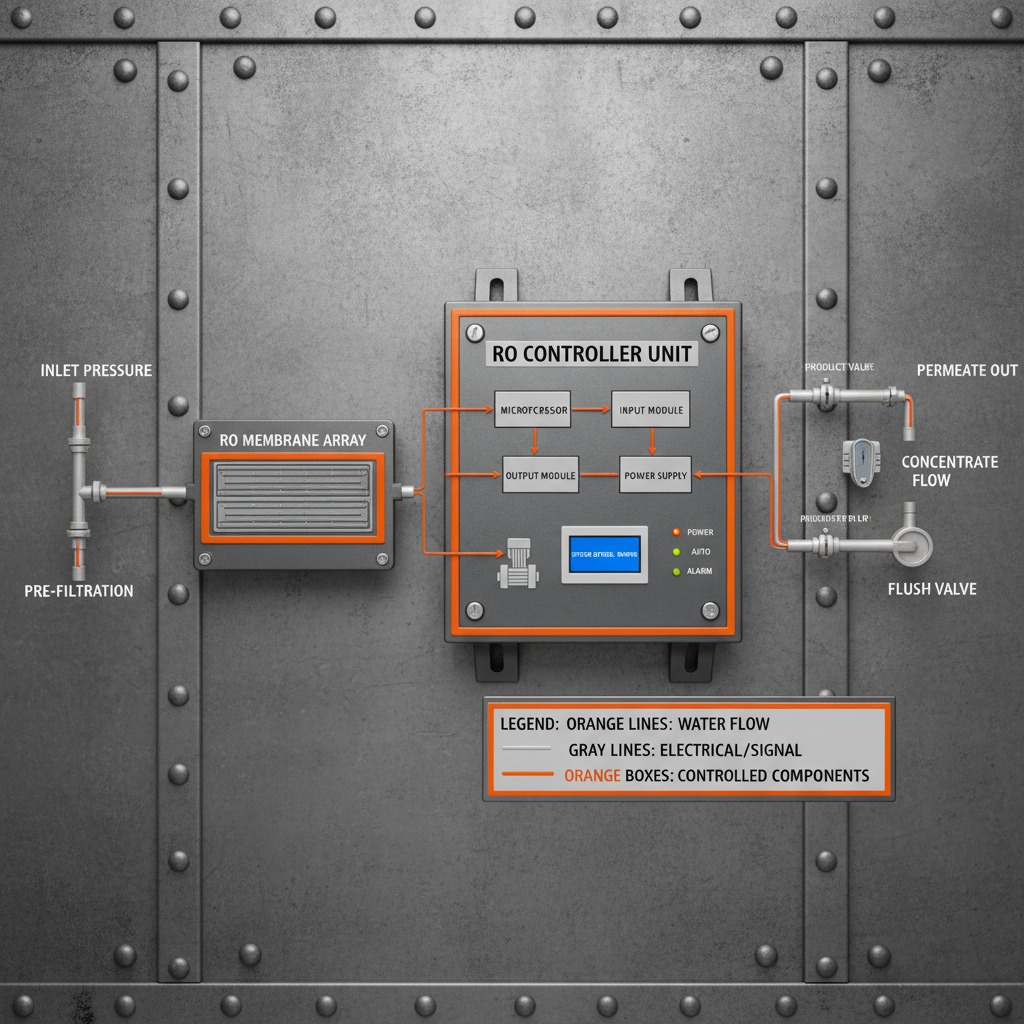
Guide to Choosing the Right RO Controller for Water PurificationMaintaining a high-performance reverse osmosis system requires more than just quality membranes; it demands precise regulation. An ro controller serves as the brain of the entire operation, monitoring critical parameters such as conductivity, temperature, and flow rates to ensure the output water meets stringent purity standards. Without an efficient controller, systems are prone to membrane fouling, inefficient energy use, and inconsistent water quality. In this comprehensive guide, we will explore how these devices optimize water treatment processes and how to select the best model for your specific industrial or commercial needs.
2026-04-09 03:25:47
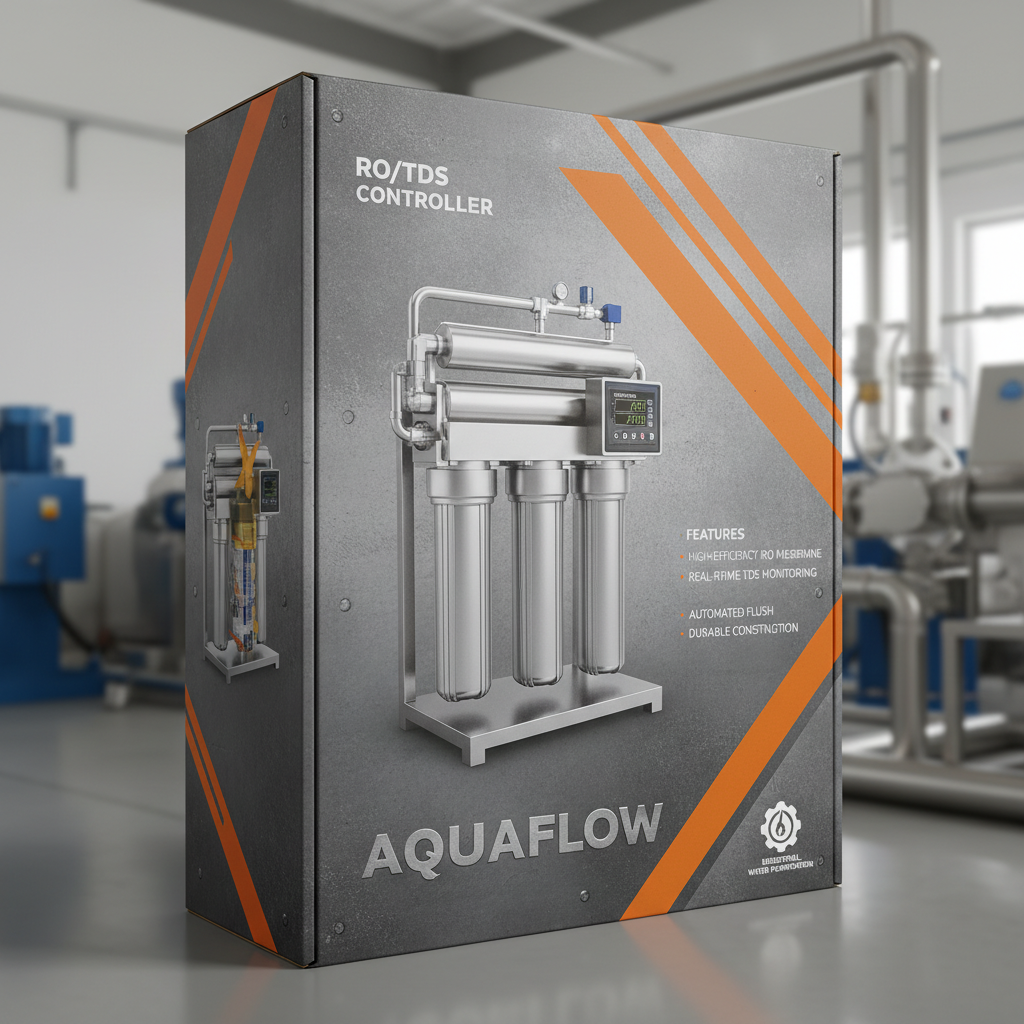
Guide to Water Purity Using RO with TDS Controller SystemsAchieving the perfect balance of mineral content and purity in drinking water is a challenge for many households and industrial facilities. A ro with tds controller offers a sophisticated solution by combining the rigorous filtration of Reverse Osmosis (RO) with the precision of a Total Dissolved Solids (TDS) adjustment system. While standard RO systems remove almost everything, including beneficial minerals, a TDS controller allows users to re-mineralize the water to a desired level. This ensures that the water is not only safe and pure but also tastes better and provides essential nutrients.
2026-04-07 03:17:09
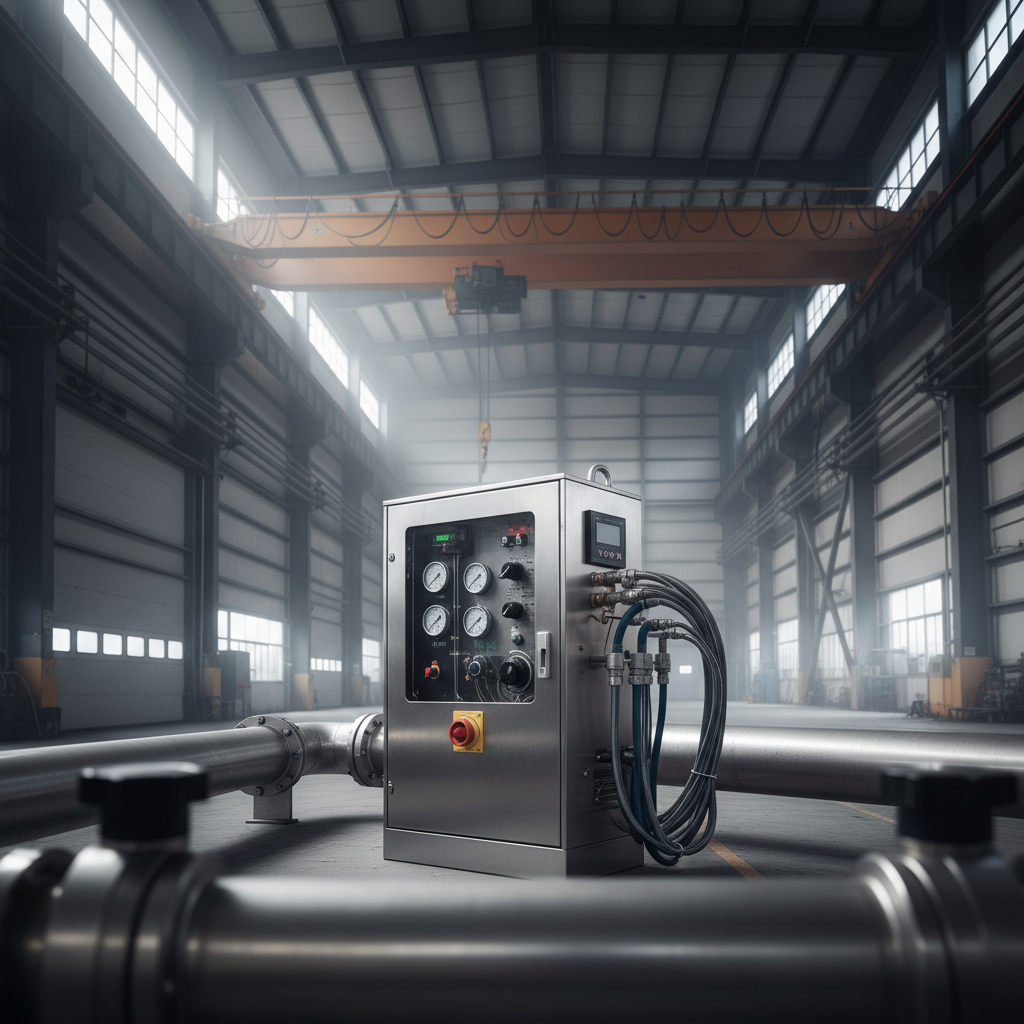
Understanding and Optimizing Reverse Osmosis Systems with a ControllerIn the world of water purification, reverse osmosis (RO) systems are a cornerstone for producing high-quality water for various applications, from drinking water to industrial processes. However, an RO system is only as effective as its control system. This is where the reverse osmosis controller comes into play. This critical component manages and optimizes the RO process, ensuring efficient operation, water quality, and system longevity.
2026-04-04 03:27:19
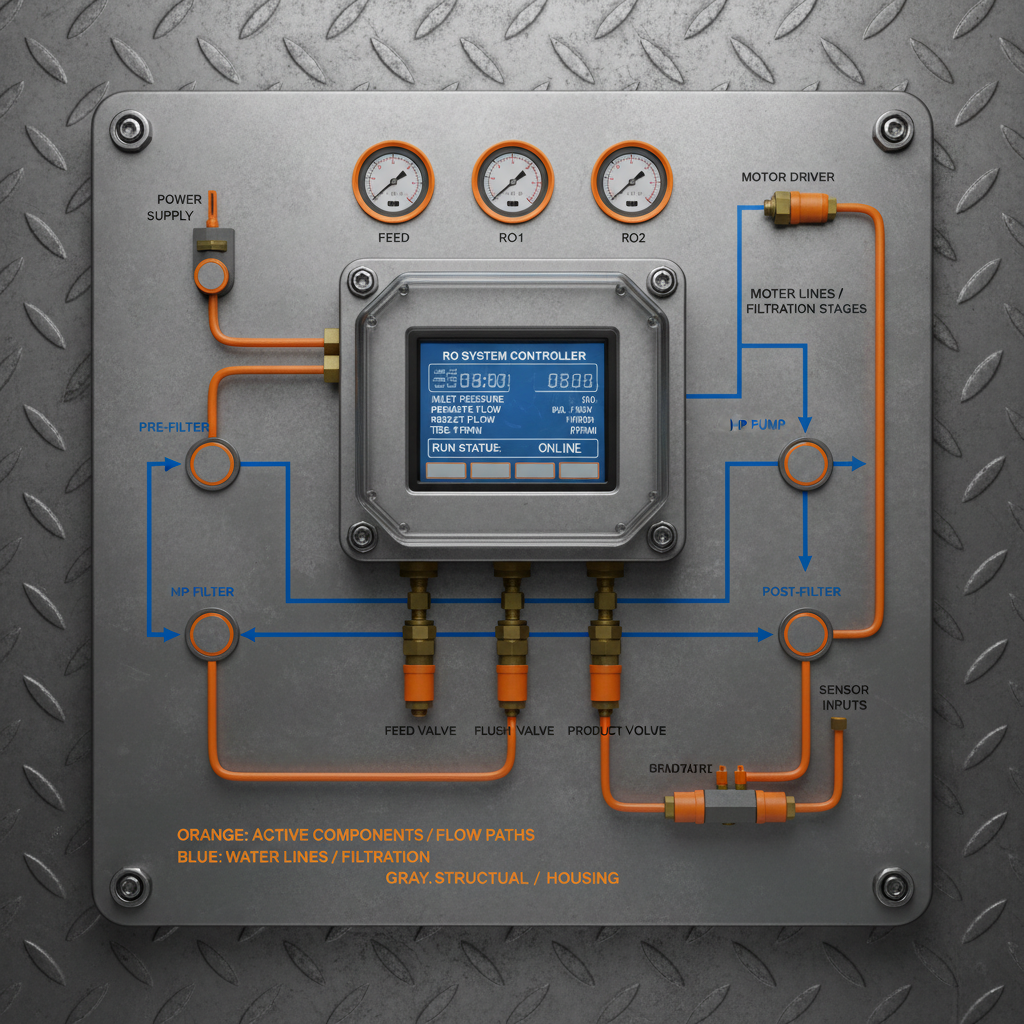
Understanding the Vital Role of an RO System Controller for Optimal PerformanceReverse Osmosis (RO) systems are critical for purifying water across various industries, from residential applications to large-scale industrial processes. At the heart of a well-functioning RO system lies the RO system controller. This intelligent device monitors and regulates all key parameters of the RO process, ensuring optimal performance, efficiency, and water quality. This article delves into the functionalities, benefits, and selection criteria for choosing the right RO system controller, particularly focusing on those offered by Watequipments. Understanding its role is crucial for maximizing the lifespan and effectiveness of your RO investment.
2026-03-24 17:18:24
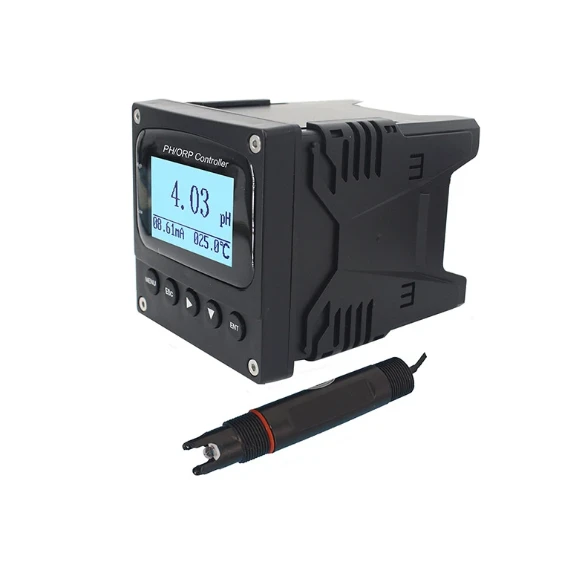
Smart Water Treatment Solutions Using PH ORP Controller SystemsIn modern water treatment and industrial fluid management, maintaining precise chemical balance is essential for safety, efficiency, and regulatory compliance.
2026-03-04 02:55:19
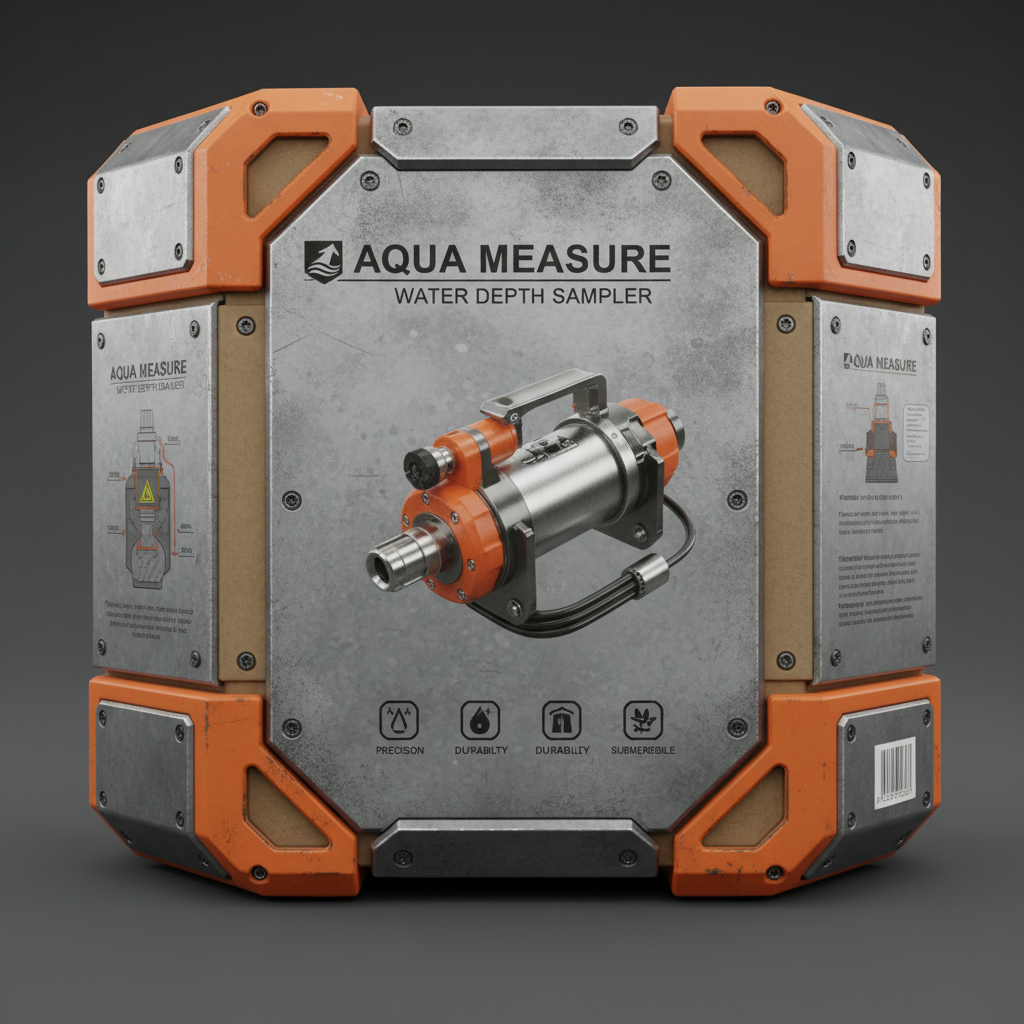
Comprehensive Guide to Water Depth Samplers and Their ApplicationsAccurate water quality monitoring is crucial in various fields, from environmental science and aquaculture to industrial wastewater management. A key tool for this is the water depth sampler. This article provides an in-depth look at water depth samplers, their applications, types, and essential considerations for choosing the right one for your needs. We'll explore the benefits of utilizing this equipment to collect reliable data for analysis and informed decision-making. Selecting the right sampler can significantly improve the precision and efficiency of your water monitoring program. A water depth sampler, also known as a depth-integrated sampler, is a device designed to collect water samples from specific depths within a body of water. Unlike simply dipping a container into the water, a depth sampler allows for collection of a representative sample across a defined depth range. This is critical because water properties (temperature, salinity, pollutants) often vary significantly with depth. The data gathered with a water depth sampler provides a more accurate assessment of water quality than surface samples alone.
2026-03-03 18:55:22
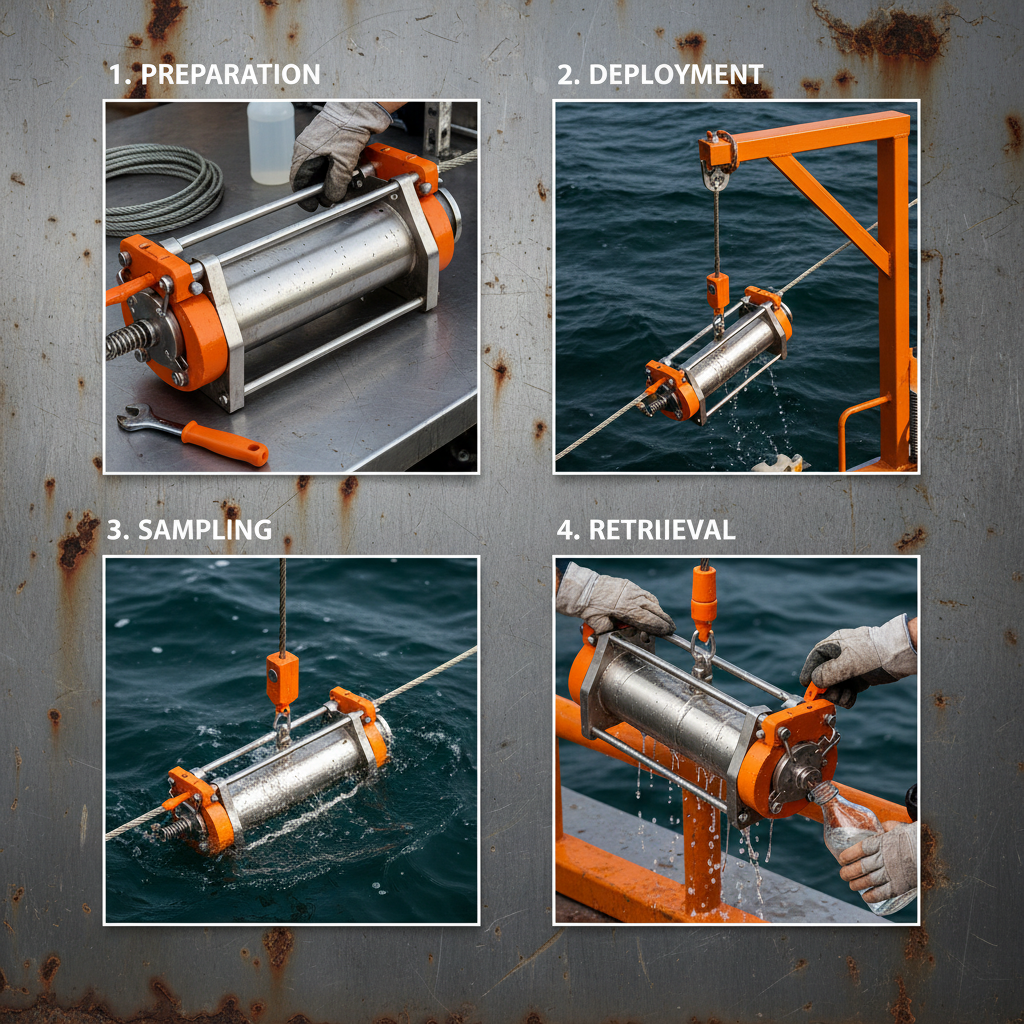
Comprehensive Guide to Horizontal Water Sampler Applications and SelectionCollecting water samples at varying depths is crucial for environmental monitoring, research, and quality control. The horizontal water sampler from Watequipment.com offers a precise and efficient solution for this task. This article provides an in-depth look at horizontal water samplers, their applications, benefits, and key considerations when choosing the right model. We will explore how these samplers contribute to accurate data collection and informed decision-making in various fields. A horizontal water sampler is a device designed to collect water samples from specific depths within a body of water – rivers, lakes, oceans, reservoirs, and even wastewater treatment plants. Unlike vertical samplers which primarily focus on depth, horizontal samplers prioritize collecting samples at a consistent depth while moving along a horizontal plane. This is essential for assessing water quality variations across a waterway or within a specific zone. They are used in applications ranging from environmental monitoring and scientific research to industrial process control and regulatory compliance.
2026-02-28 02:35:09
Comprehensive Guide to Selecting the Right Surface Water Sampler for Your NeedsMonitoring the quality of surface water is critical for environmental protection, public health, and various industrial applications. A surface water sampler is an essential tool for collecting representative samples from rivers, lakes, ponds, and other surface water sources. This article provides a detailed overview of surface water samplers, their types, applications, and key considerations for selecting the right equipment. Accurate water quality data relies on proper sample collection, and choosing the correct sampler is the first step toward achieving reliable results. Surface water samplers come in various designs, each suited to specific sampling needs. Common types include grab samplers, depth-integrating samplers, peristaltic pumps, and automatic samplers. Surface water samplers are used across a broad spectrum of applications, including environmental monitoring, wastewater discharge monitoring, drinking water source monitoring, agricultural runoff analysis, and research studies.

 English