


DOZ-6850 Industrial Controller | High Performance, Reliable

DOZ-6850 Industrial Controller | High Performance, Reliable
Oct . 16, 2025
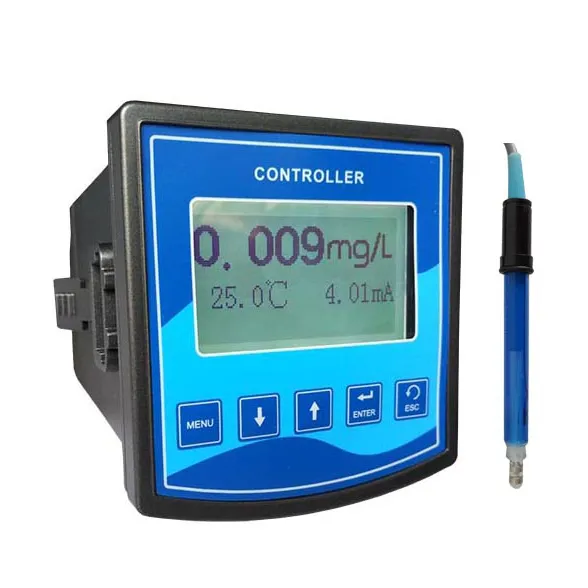
Hands-on Review: DOZ-6850 Online Dissolved Ozone Controller
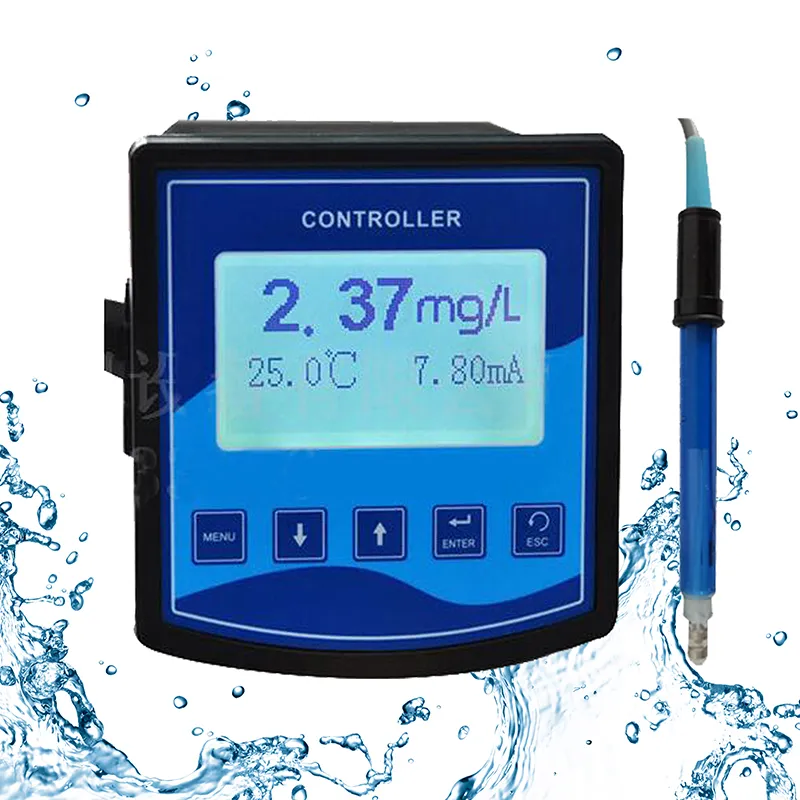
If you work around water treatment, bottling, or clean-in-place loops, you’ve probably wrestled with ozone control. To be honest, many operators still battle drifting sensors and membranes that need babying. That’s why the DOZ-6850 caught my eye: a non-film constant voltage sensor (no diaphragm, no reagents), a big LCD, and sane outputs (dual relays, 4–20 mA, optional RS‑485). It’s built in Shijiazhuang, Hebei, China (No.188, Fengshou Road, Chang'an district, 050041), and the spec sheet reads like a practical engineer actually used it in the field.
Industry trend check
The market is shifting toward low-maintenance amperometric probes with smart filtering. Plants want faster T90, fewer consumables, and IP-rated enclosures. Honestly, downtime kills ROI. The DOZ-6850 leans into that—sensor stability, watchdog firmware to avoid lockups, and a real factory reset. Not flashy. Useful.
Key specifications (quick look)
| Measurement range | ≈0–5 mg/L (configurable; real-world use may vary) |
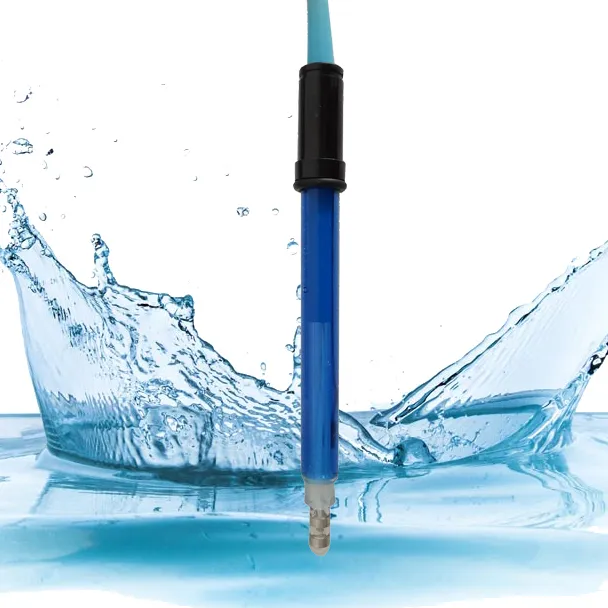
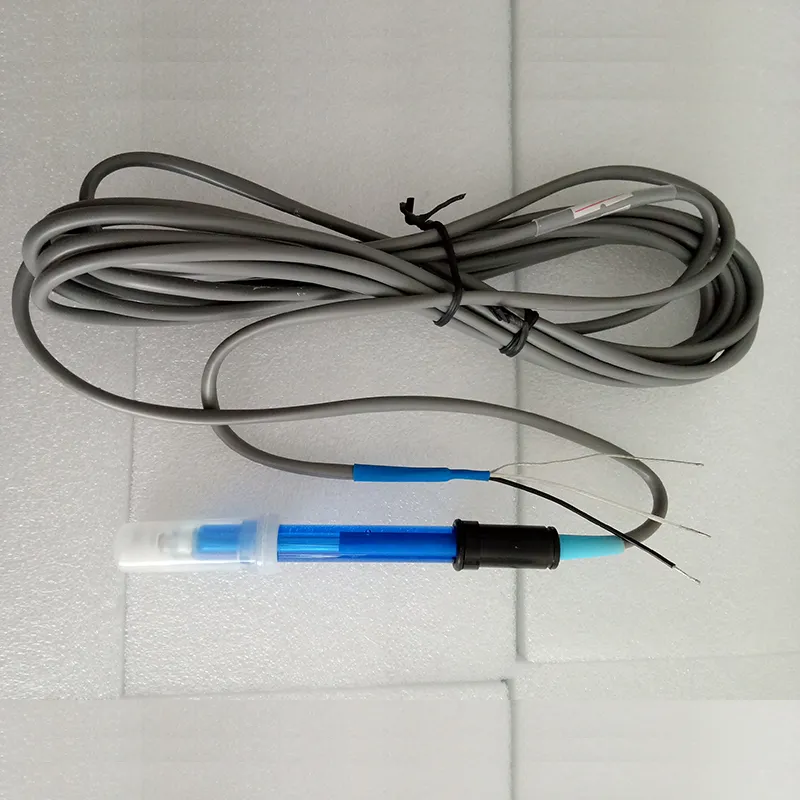
| Sensor type | Non-film constant voltage (no diaphragm/pharmaceuticals) |
| Temperature comp. | Auto/Manual 0–60°C |
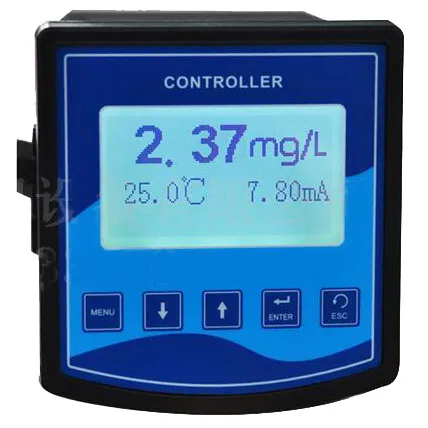
| Display/Menu | Large LCD, English menu; shows ozone, temp, mA output, alarms |
| Outputs | 4–20 mA (scalable); RS‑485 Modbus (optional) |
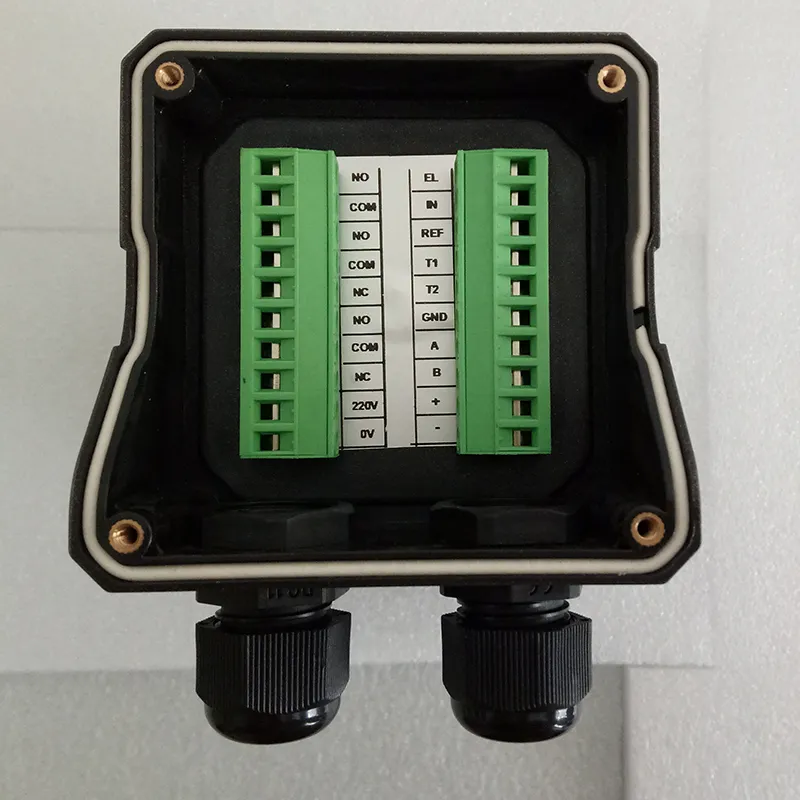
| Relays | 2× ON/OFF (Hi/Lo alarms, photoelectric isolation); 3rd for auto-clean (optional); load 3 A @ 220 VAC/24 VDC; adjustable hysteresis/lag |
| Protection | IP65 enclosure; power-down protection >10 years; watchdog |
| Calibration | Slope correction; factory reset |
| Service life | Sensor typically ≈2–3 years in neutral water; minimal consumables |
Process flow and QA
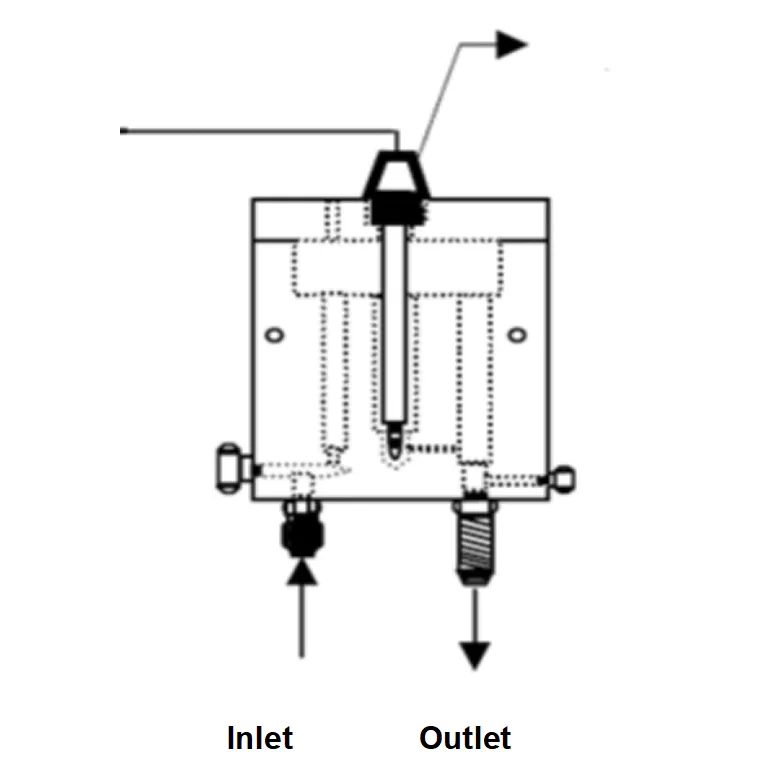
Materials: ozone-resistant wetted parts (PTFE/316L in typical installs), shielded cable. Methods: continuous amperometric measurement with temperature compensation. Verification: DPD/Indigo wet-chemistry grab checks per Standard Methods 4500‑O3 B, cross-referenced to lab baselines. Test data from factory QA (illustrative): linearity R² ≈0.998 across 0–2 mg/L; repeatability ±0.02 mg/L or ±2% of reading; T90 around 15–30 s in clean water.
Where it fits
- Drinking water and wastewater tertiary disinfection
- Beverage/CIP skids maintaining 0.1–0.4 mg/L residuals
- Aquaculture/RAS ozone polishing (with auto-clean relay)
- Cooling towers and pharma utility loops (GMP support data)
Advantages I noticed: stable baseline, freely settable hysteresis (avoids relay chatter), photoelectric isolation (less noise), and—surprisingly—genuinely useful factory reset when someone “over-tunes” the slope.
Vendor comparison (high-level)
| Model | Sensor upkeep | Comms | Notes |
|---|---|---|---|
| DOZ-6850 | No diaphragm; low maintenance | 4–20 mA; RS‑485 optional | IP65; dual relays + cleaning relay |
| Hach sc200 + O3 probe | Low to moderate (model-dependent) | Analog + digital modules | Broad integration ecosystem |
| Endress+Hauser CCA250 series | Low; proven in utilities | 4–20 mA/fieldbus options | Premium pricing, extensive support |
I guess the DOZ-6850 hits a value/maintenance sweet spot, especially where RS‑485 and a cleaning relay are enough.
Customization and integration
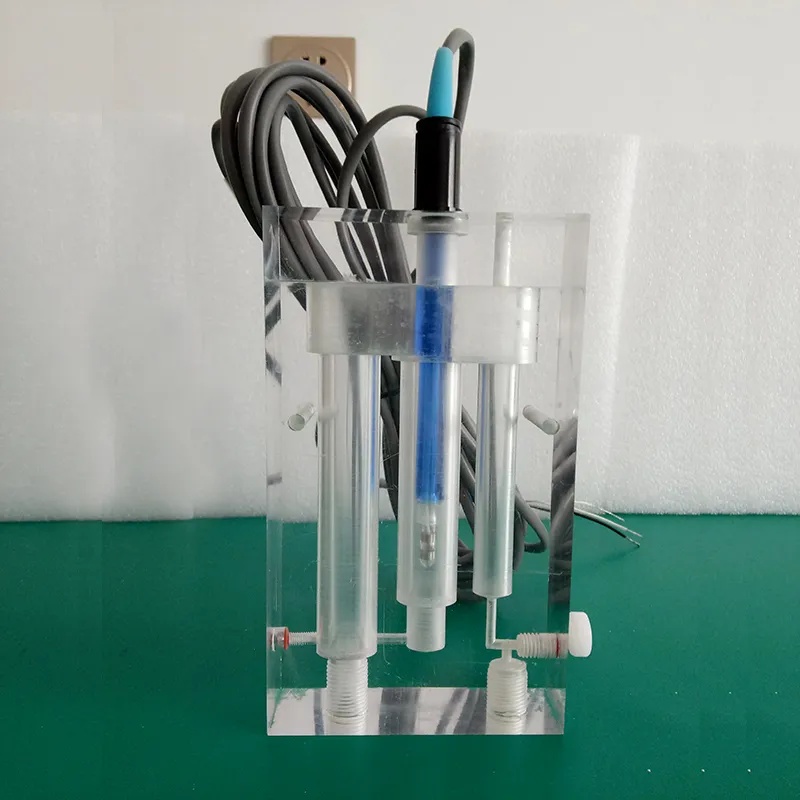
Customizable 4–20 mA scaling, free-range alarms, relay lag, and Modbus registers (when RS‑485 optioned). Panel/wall mounting, cable lengths, and auto-clean intervals can be tailored. Many customers say the adjustable hysteresis alone reduced nuisance trips by half.
Field notes (mini case studies)
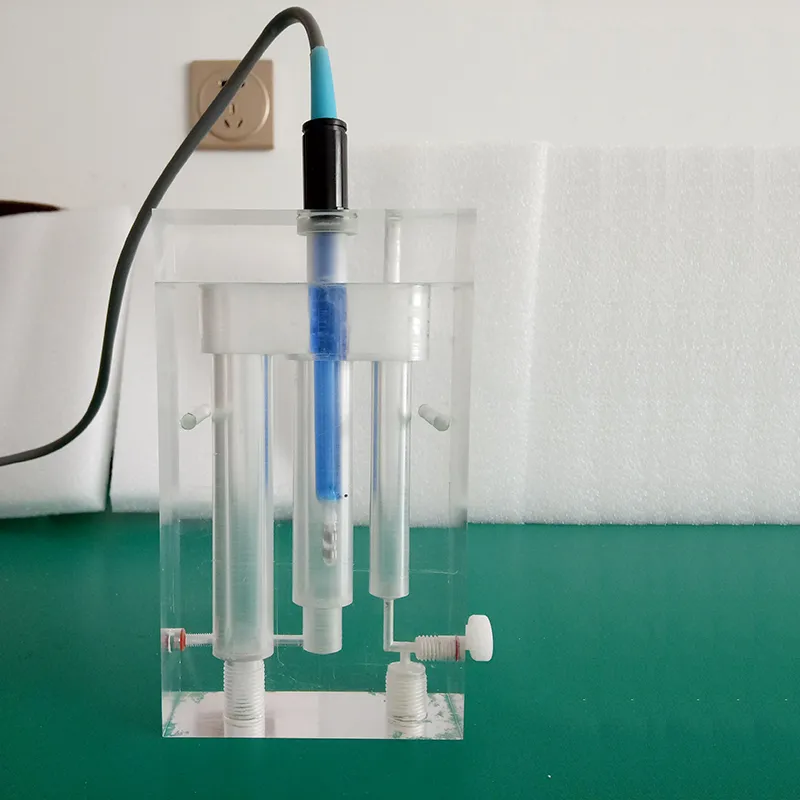
- Beverage CIP: setpoint 0.25 mg/L; ±0.02 mg/L drift over 30 days; relay hysteresis 0.03 mg/L avoided pump chatter.
- Aquaculture RAS: biofouling mitigated via weekly auto-clean (3rd relay); T90 held around 20 s post-cleaning.
One brewery maintenance lead told me, “we stopped keeping spare membranes—freeing budget for filters.” Small win, big mood.
Compliance and standards
Measurement verification: APHA Standard Methods 4500‑O3 B (Indigo). Enclosure rating: IP65 per IEC 60529. EMC and safety commonly assessed to IEC 61326 and EN 61010‑1. For potable water programs, cross-reference to WHO guidelines and local GB/T 5750 sampling norms. Communication: RS‑485 Modbus RTU for SCADA.
Bottom line: the DOZ-6850 is a practical, low-maintenance ozone controller with the right I/O, solid protection, and real-world stability. Not over-engineered, just… right.
Authoritative citations
- APHA, AWWA, WEF. Standard Methods for the Examination of Water and Wastewater, Method 4500‑O3 B (Indigo).
- IEC 60529: Degrees of protection provided by enclosures (IP Code).
- IEC 61326-1: Electrical equipment for measurement, control and laboratory use – EMC requirements.
- EN 61010-1: Safety requirements for electrical equipment for measurement, control, and laboratory use.
- WHO Guidelines for Drinking-water Quality, Ozone as a disinfectant – operational considerations.

Related Products




Related News


2026-11-03 04:36:32
Rotameter FAQ for small-flow measurement in water treatmentLearn how a Rotameter measures fluid flow, where it fits in water-treatment and RO systems, and which accuracy, pressure, and float details to review before ordering.

2026-10-29 03:32:11
Choosing WS 9100: Application Fit and Specification ChecksEvaluate whether the WS 9100 fits your environmental monitoring project. Review power supply options, temperature-controlled storage, sampling method compatibility, and key specifications before purchasing.

2026-10-23 04:19:53
PH/ORP-6850 Controller FAQ: Specifications, Configuration Options and Ordering QuestionsPH/ORP-6850 FAQ: pH 0–14 and ORP ±1200 mV ranges, ±0.02 pH accuracy, isolated 4–20 mA output, relay alarms, power supply options and panel installation.

2026-07-01 09:39:59
Guide to Ensuring Water Purity for drinking water tds MonitoringEnsuring Water Purity: The Ultimate Guide for Drinking Water TDS Monitoring Maintaining high water quality standards is essential for public health and industrial safety. One of the most critical metrics for assessing water purity is Total Dissolved Solids TDS, which represents the combined content of all inorganic and organic substances dissolved in water. Utilizing high-precision equipment for drinking water tds measurement allows facilities to detect contamination and ensure that filtration systems are operating at peak efficiency. In this guide, we will explore the technical aspects of TDS monitoring and how advanced transmitters provide the reliability needed for modern environmental monitoring.

2026-06-29 16:58:21
Understanding the Conversion of Electrical Conductivity to TDSUnderstanding the Conversion of Electrical Conductivity to TDS In water quality analysis, measuring the purity of a liquid often involves understanding the relationship between electrical conductivity to tds Total Dissolved Solids. While conductivity measures the ability of water to pass an electrical currentwhich is directly influenced by the concentration of ionized substancesTDS represents the total amount of mobile charged ions, including minerals, salts, or metals dissolved in a given volume of water. For professionals in environmental monitoring and water treatment, mastering this conversion is essential for maintaining system efficiency and ensuring regulatory compliance.

2026-06-27 17:38:40
Industrial Guide to Electrical Conductivity Salt Water MonitoringUnderstanding Electrical Conductivity Salt Water Monitoring for Industrial Precision In the realm of water quality analysis, measuring the electrical conductivity salt water levels is a critical process for maintaining industrial efficiency and environmental safety. Conductivity serves as a direct indicator of the concentration of dissolved ions, which is essential for industries ranging from desalination plants to chemical manufacturing. Accurate monitoring prevents equipment corrosion, ensures product purity, and supports regulatory compliance. By utilizing advanced instrumentation, operators can achieve real-time insights into salt concentrations, allowing for immediate adjustments in water treatment processes to avoid costly downtime.

2026-06-26 16:42:22
Technical Guide to Industrial ec meter circuit Design and UseUnderstanding the EC Meter Circuit: The Heart of Water Quality Analysis Electrical Conductivity EC is a fundamental parameter in environmental monitoring, aquaculture, and industrial water treatment. At the core of every reliable measurement device is a sophisticated ec meter circuit , which converts the physical conductance of a liquid into a precise digital reading. Whether you are managing a boilers deoxygenation process or monitoring nutrient levels in hydroponics, understanding how the circuit handles signal amplification and temperature compensation is key to ensuring data accuracy. This guide explores the technical intricacies of EC circuitry and how it integrates into professional water quality controllers.

2026-06-25 18:39:20
Professional Guide to drinking water testing for tds and PurityDrinking Water Testing for TDS: Ensuring Pure and Safe Water Quality Maintaining high water quality is essential for both health and industrial efficiency. When performing drinking water testing for tds , professionals seek to measure the Total Dissolved Solids TDS, which indicates the concentration of dissolved inorganic salts and organic matter in water. Whether you are managing a municipal water plant or a high-precision industrial facility, understanding the conductivity and TDS levels is the first step toward effective water treatment. In this guide, we explore the technical aspects of TDS measurement and the advanced instrumentation required for accurate monitoring.

 English