


LF55 Pressure Switch - Hebei JIRS | SPDT, Phosphor Bronze, Brass

LF55 Pressure Switch - Hebei JIRS | SPDT, Phosphor Bronze, Brass
Sep . 30, 2025
Introduction
The LF55 pressure switch is a critical component in modern industrial systems, designed to ensure safety, efficiency, and precision in applications ranging from hydraulic machinery to automated pumps. As a device that responds to pressure signals and triggers actions accordingly, the LF55 exemplifies the intersection of engineering innovation and practical utility. This article delves into the features, advantages, technical specifications, application scenarios, and the company background of this essential product, providing a comprehensive overview for engineers, technicians, and industry professionals.
Product Features
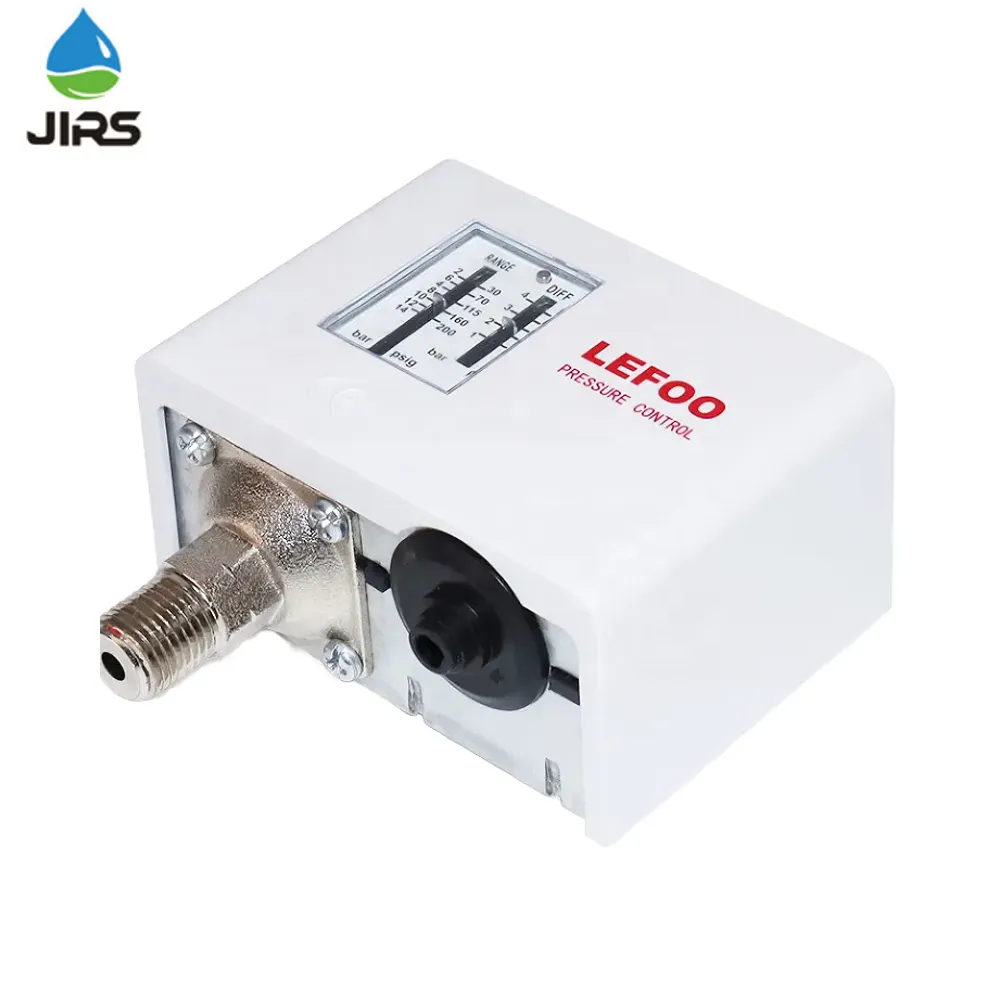
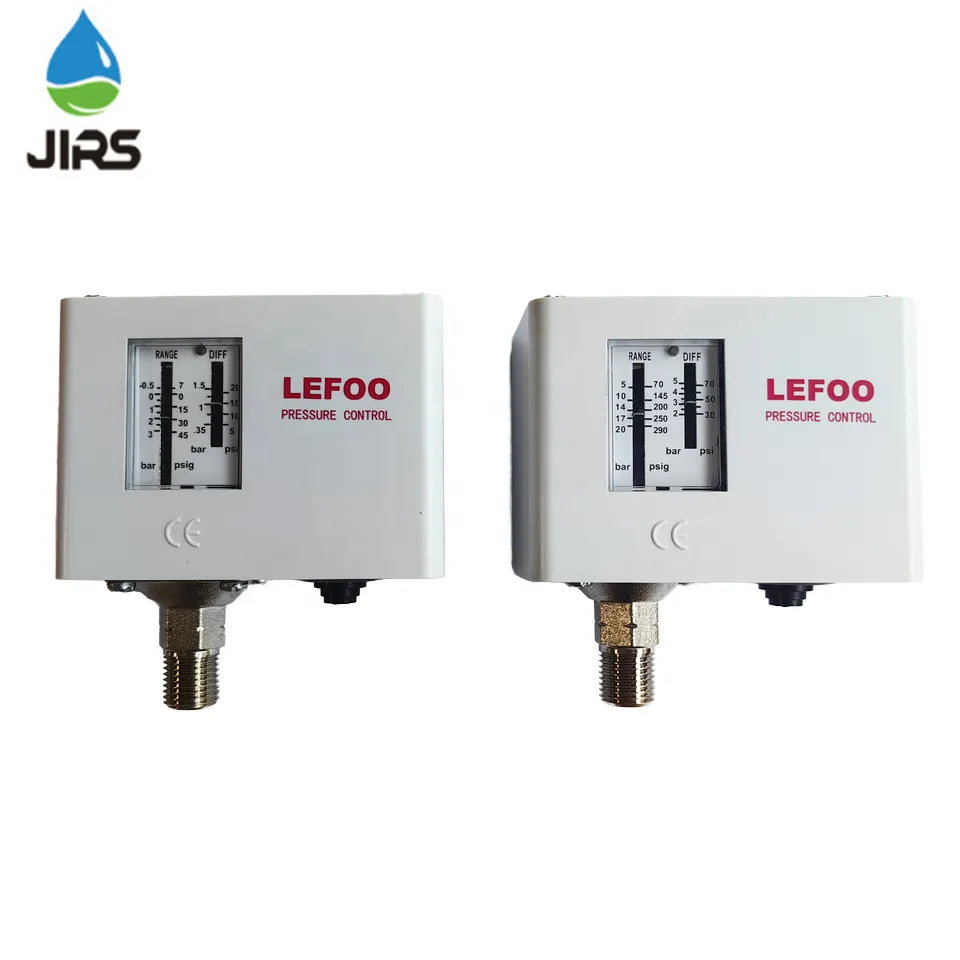
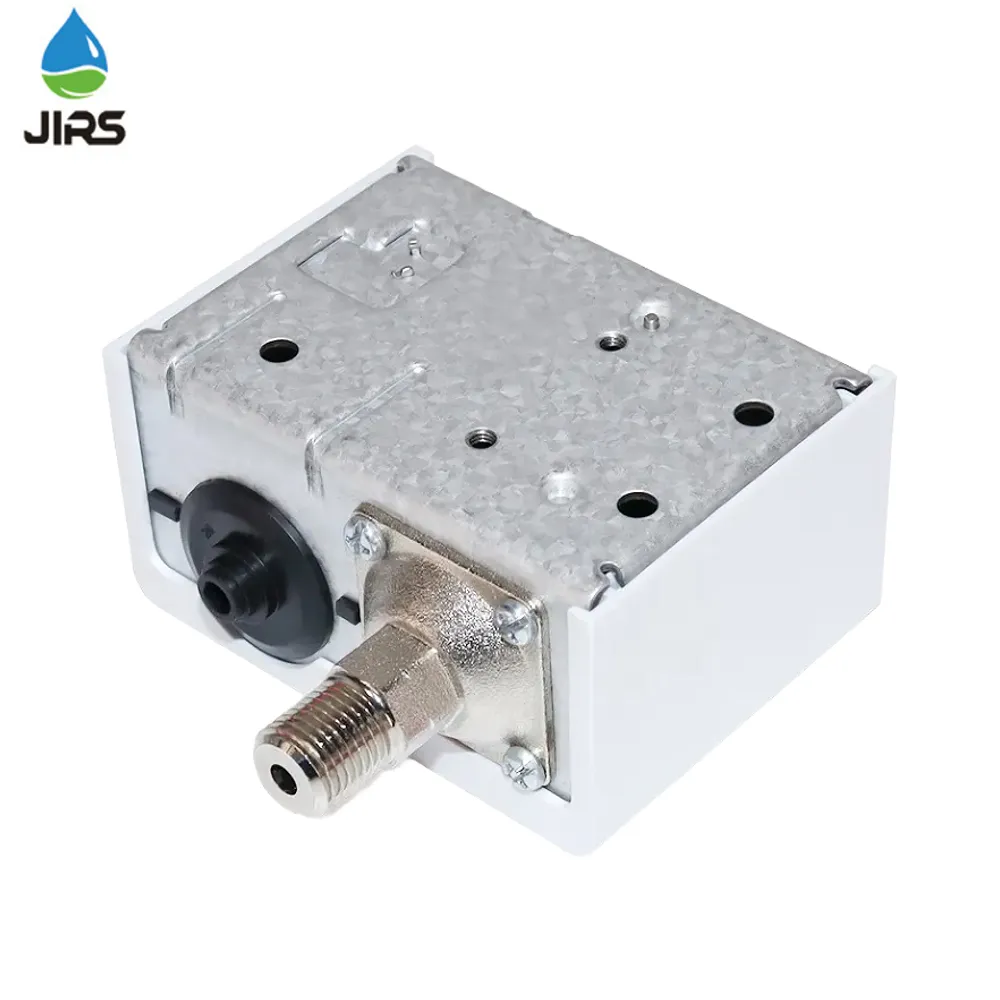
The LF55 pressure switch is engineered with advanced technology and robust materials to deliver consistent performance in demanding environments. Key features include:
- SPDT Switch: The Single Pole Double Throw (SPDT) configuration ensures reliable contact switching, making it ideal for applications requiring precise control and dual circuit functionality.
- Phosphor Bronze Bellows: The standard model employs phosphor bronze bellows, known for their high durability and resistance to fatigue, ensuring long-term reliability under varying pressure conditions.
- Brass Pressure Port: The brass construction of the pressure port enhances corrosion resistance, making the switch suitable for use with a wide range of fluids and gases.
- International Standard Mounting Bracket: The inclusion of a universal mounting bracket allows seamless integration into various systems, reducing installation complexity and costs.
These features collectively contribute to the LF55's reputation as a dependable solution for industrial applications where precision and durability are paramount.
Advantages of the LF55 Pressure Switch
The LF55 pressure switch offers several advantages that set it apart from competitors in the market:
- Enhanced Safety: By automatically responding to pressure fluctuations, the LF55 acts as a critical safety mechanism, preventing equipment damage and operational hazards in systems such as pumps and hydraulic machinery.
- Cost-Effective Design: The use of high-quality materials like phosphor bronze and brass ensures minimal maintenance and replacement costs over the product's lifespan.
- Universal Compatibility: The international standard mounting bracket allows the LF55 to be used across diverse systems, eliminating the need for custom fittings and reducing downtime during installation.
- Longevity and Reliability: The phosphor bronze bellows and brass components are engineered to withstand harsh operating conditions, ensuring consistent performance even in high-stress environments.
These advantages make the LF55 a preferred choice for industries where operational continuity and safety are non-negotiable.
Technical Specifications
| Specification | Details |
|---|---|
| Switch Type | SPDT (Single Pole Double Throw) |
| Pressure Bellows Material | Phosphor Bronze |
| Pressure Port Material | Brass |
| Mounting Bracket | International Standard |
| Operating Pressure Range | Varies by model (consult product manual for specifics) |
| Temperature Range | Typically -20°C to 80°C (consult product manual for specifics) |
| Electrical Rating | 10A at 250V AC (varies by model) |
The LF55 pressure switch's technical specifications are tailored to meet the demands of industrial applications, ensuring compatibility with a wide range of systems and environments.
Application Scenarios
The LF55 pressure switch is designed to address a broad spectrum of industrial needs. Its versatility makes it suitable for the following applications:
- Hydraulic Systems: The LF55 is commonly used in hydraulic systems to monitor and regulate pressure, preventing overloads and ensuring smooth operation.
- Pump Control: In pump systems, the switch acts as a safety mechanism, shutting down the pump if pressure exceeds safe limits, thus protecting the equipment from damage.
- Industrial Machinery: The switch is integrated into machinery to detect pressure changes, enabling automated responses that enhance efficiency and safety.
- Automated Processes: The LF55's reliability makes it ideal for use in automated systems where consistent performance is critical to maintaining production quality.
These applications highlight the LF55's role as a cornerstone of modern industrial automation and safety protocols.
Company Background: Hebei JIRS Import & Export Co., Ltd.
The LF55 pressure switch is manufactured by Hebei JIRS Import & Export Co., Ltd., a reputable company specializing in industrial equipment and solutions. With a focus on delivering high-quality products, Hebei JIRS has established itself as a trusted supplier in the global market. The company's commitment to innovation and customer satisfaction is evident in the design and performance of the LF55 pressure switch.
Hebei JIRS's expertise in importing and exporting industrial components ensures that the LF55 meets international standards, making it a reliable choice for industries worldwide. The company's dedication to quality control and adherence to global manufacturing practices further solidify its reputation in the sector.
Ensuring Quality and Compliance
As highlighted by the National Institute of Standards and Technology (NIST), adherence to international standards is crucial for the reliability and interoperability of industrial components. The LF55 pressure switch is designed with these principles in mind, incorporating features that align with global standards for safety and performance. NIST's role in developing measurement standards and promoting technological innovation underscores the importance of such compliance in industrial applications.
Conclusion
The LF55 pressure switch stands as a testament to the synergy between engineering excellence and practical utility. With its robust design, advanced features, and wide-ranging applications, the LF55 is an indispensable component in modern industrial systems. Manufactured by Hebei JIRS Import & Export Co., Ltd., the product exemplifies the company's commitment to quality and innovation. For industries seeking a reliable and versatile pressure switch, the LF55 offers a compelling solution that meets the highest standards of performance and safety.
Product Images
References
National Institute of Standards and Technology (NIST). (n.d.). Standards and Measurements. Retrieved from https://www.nist.gov/

Related Products




Related News


2026-11-03 04:36:32
Rotameter FAQ for small-flow measurement in water treatmentLearn how a Rotameter measures fluid flow, where it fits in water-treatment and RO systems, and which accuracy, pressure, and float details to review before ordering.

2026-10-29 03:32:11
Choosing WS 9100: Application Fit and Specification ChecksEvaluate whether the WS 9100 fits your environmental monitoring project. Review power supply options, temperature-controlled storage, sampling method compatibility, and key specifications before purchasing.

2026-10-23 04:19:53
PH/ORP-6850 Controller FAQ: Specifications, Configuration Options and Ordering QuestionsPH/ORP-6850 FAQ: pH 0–14 and ORP ±1200 mV ranges, ±0.02 pH accuracy, isolated 4–20 mA output, relay alarms, power supply options and panel installation.

2026-07-01 09:39:59
Guide to Ensuring Water Purity for drinking water tds MonitoringEnsuring Water Purity: The Ultimate Guide for Drinking Water TDS Monitoring Maintaining high water quality standards is essential for public health and industrial safety. One of the most critical metrics for assessing water purity is Total Dissolved Solids TDS, which represents the combined content of all inorganic and organic substances dissolved in water. Utilizing high-precision equipment for drinking water tds measurement allows facilities to detect contamination and ensure that filtration systems are operating at peak efficiency. In this guide, we will explore the technical aspects of TDS monitoring and how advanced transmitters provide the reliability needed for modern environmental monitoring.

2026-06-29 16:58:21
Understanding the Conversion of Electrical Conductivity to TDSUnderstanding the Conversion of Electrical Conductivity to TDS In water quality analysis, measuring the purity of a liquid often involves understanding the relationship between electrical conductivity to tds Total Dissolved Solids. While conductivity measures the ability of water to pass an electrical currentwhich is directly influenced by the concentration of ionized substancesTDS represents the total amount of mobile charged ions, including minerals, salts, or metals dissolved in a given volume of water. For professionals in environmental monitoring and water treatment, mastering this conversion is essential for maintaining system efficiency and ensuring regulatory compliance.

2026-06-27 17:38:40
Industrial Guide to Electrical Conductivity Salt Water MonitoringUnderstanding Electrical Conductivity Salt Water Monitoring for Industrial Precision In the realm of water quality analysis, measuring the electrical conductivity salt water levels is a critical process for maintaining industrial efficiency and environmental safety. Conductivity serves as a direct indicator of the concentration of dissolved ions, which is essential for industries ranging from desalination plants to chemical manufacturing. Accurate monitoring prevents equipment corrosion, ensures product purity, and supports regulatory compliance. By utilizing advanced instrumentation, operators can achieve real-time insights into salt concentrations, allowing for immediate adjustments in water treatment processes to avoid costly downtime.

2026-06-26 16:42:22
Technical Guide to Industrial ec meter circuit Design and UseUnderstanding the EC Meter Circuit: The Heart of Water Quality Analysis Electrical Conductivity EC is a fundamental parameter in environmental monitoring, aquaculture, and industrial water treatment. At the core of every reliable measurement device is a sophisticated ec meter circuit , which converts the physical conductance of a liquid into a precise digital reading. Whether you are managing a boilers deoxygenation process or monitoring nutrient levels in hydroponics, understanding how the circuit handles signal amplification and temperature compensation is key to ensuring data accuracy. This guide explores the technical intricacies of EC circuitry and how it integrates into professional water quality controllers.

2026-06-25 18:39:20
Professional Guide to drinking water testing for tds and PurityDrinking Water Testing for TDS: Ensuring Pure and Safe Water Quality Maintaining high water quality is essential for both health and industrial efficiency. When performing drinking water testing for tds , professionals seek to measure the Total Dissolved Solids TDS, which indicates the concentration of dissolved inorganic salts and organic matter in water. Whether you are managing a municipal water plant or a high-precision industrial facility, understanding the conductivity and TDS levels is the first step toward effective water treatment. In this guide, we explore the technical aspects of TDS measurement and the advanced instrumentation required for accurate monitoring.

 English