


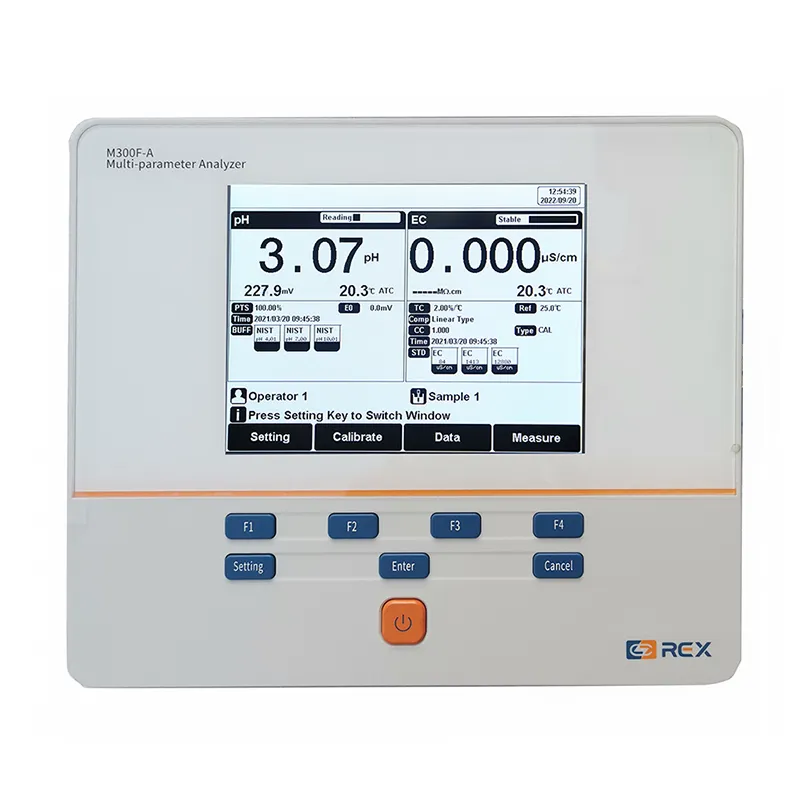
M300f: High-Performance, Reliable & Advanced Solution

M300f: High-Performance, Reliable & Advanced Solution
Sep . 22, 2025
Introduction to Advanced Multi-Parameter Analysis
In modern industrial process control, precise and reliable measurement of multiple water quality parameters is paramount for operational efficiency, regulatory compliance, and product quality. Traditional single-parameter instruments often fall short in providing the comprehensive, real-time data necessary for critical decision-making. This necessitates the adoption of integrated multi-parameter analyzers capable of simultaneously monitoring a diverse range of physical and chemical properties. This article delves into the capabilities and strategic advantages of the M300f, a state-of-the-art solution designed for demanding B2B applications, exploring its technical specifications, manufacturing rigor, application versatility, and overall value proposition.
Current Industry Trends in Process Monitoring and Control
The landscape of industrial process monitoring is rapidly evolving, driven by several key trends. The advent of Industry 4.0 and the Industrial Internet of Things (IIoT) demands smarter, interconnected, and autonomous analytical systems. Predictive maintenance, enabled by continuous data streams from instruments like the M300f, is replacing reactive repair cycles, leading to significant reductions in downtime and operational costs. Furthermore, heightened environmental regulations across sectors like petrochemicals, wastewater treatment, and power generation necessitate more accurate and auditable monitoring of effluent and process water quality. This shift emphasizes robust, low-maintenance, and highly accurate analytical instruments that can withstand harsh industrial environments while delivering actionable insights. The demand for integrated systems that can measure parameters such as pH, ORP, conductivity, dissolved oxygen, and turbidity from a single platform is higher than ever, streamlining operations and reducing capital expenditure on multiple discrete devices.
The M300f: Manufacturing Process and Quality Assurance
The development and production of the M300f multi-parameter analyzer adhere to stringent quality control protocols, ensuring exceptional reliability and longevity in critical industrial applications. Our manufacturing philosophy emphasizes precision engineering, high-grade material selection, and rigorous testing at every stage.
Manufacturing Process Flow:
- 1. Material Selection & Procurement: Sourcing of corrosion-resistant 316L stainless steel for sensor housings and robust engineering plastics for the main enclosure. Key electronic components are industrial-grade, ensuring stability in fluctuating temperatures and electrical interference. All materials conform to ASTM and DIN standards.
-
2. Component Fabrication:
- CNC Machining: Precision CNC machining is utilized for sensor bodies and connectors from solid blocks of 316L stainless steel, ensuring tight tolerances (±0.01mm) and superior surface finish for optimal sealing and flow characteristics.
- Injection Molding: High-pressure injection molding for the main analyzer enclosure, utilizing UV-resistant and chemical-resistant ABS/PC blends, providing IP67 ingress protection.
- PCB Assembly: Automated pick-and-place technology for surface-mount device (SMD) assembly of printed circuit boards, followed by visual inspection and in-circuit testing (ICT) to detect manufacturing defects.
- 3. Sub-Assembly & Calibration: Individual sensor modules (pH, EC, DO, etc.) are meticulously assembled in cleanroom conditions, followed by multi-point calibration against NIST-traceable reference standards. This ensures high accuracy and linearity across the measurement range.
- 4. Final Assembly & Integration: All calibrated sensor modules, the main control unit, and the display interface are integrated into the final enclosure. Wiring harnesses are secured, and connections are checked for continuity and impedance.
-
5. Rigorous Testing & Quality Control:
- Functional Testing: Comprehensive functional tests under simulated operational conditions, including temperature cycling, vibration tests (IEC 60068-2-6), and electromagnetic compatibility (EMC) testing (EN 61326-1).
- Water Immersion Test: Verification of IP67 rating in a controlled water immersion chamber for 30 minutes at 1 meter depth.
- Long-term Stability Test: Each unit undergoes a 72-hour burn-in test to ensure component stability and identify any early-life failures.
- Final Calibration Verification: A final check of all parameter readings against known reference solutions to confirm accuracy before dispatch.
Key Advantages & Target Industries:
The meticulous manufacturing process ensures the M300f offers an impressive service life of typically 5-7 years for the main unit, with sensor modules designed for easy, hot-swappable replacement. Its robust construction and intelligent power management lead to significant energy savings (up to 20% compared to legacy systems) and superior corrosion resistance, crucial for extended operation in challenging environments.
Target Industries: Petrochemical, Metallurgy, Water Supply & Drainage, Power Generation, Pharmaceutical, Food & Beverage, Environmental Monitoring.
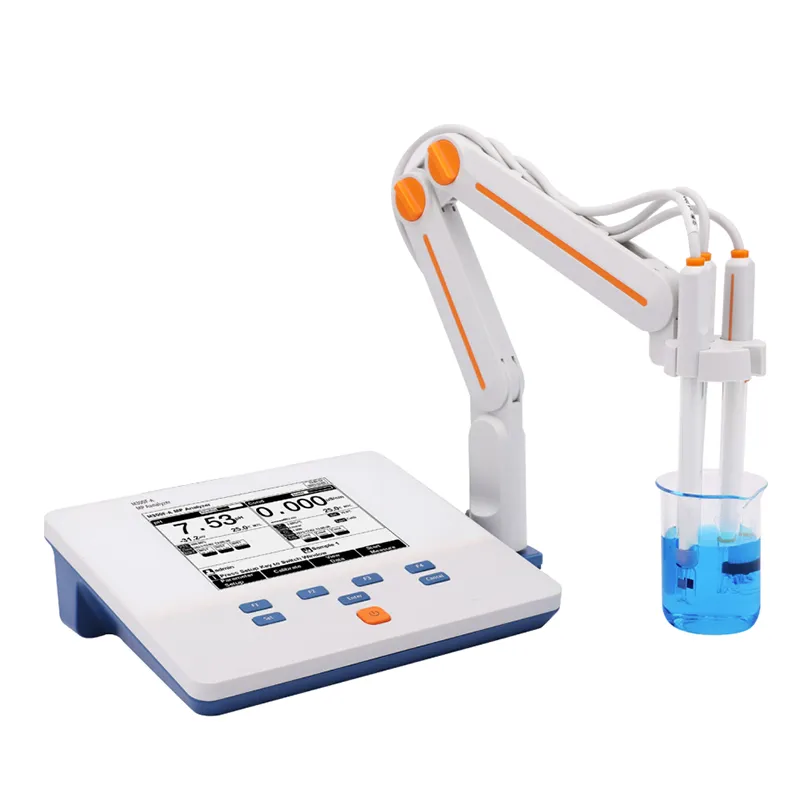
Technical Specifications of the M300f Multi-Parameter Analyzer
The M300f is engineered for precision and adaptability, offering a comprehensive suite of analytical capabilities within a single, integrated platform. Below are the core technical specifications that underpin its superior performance.
| Parameter | Specification |
|---|---|
| Measurable Parameters | pH, ORP, Conductivity/Resistivity, Dissolved Oxygen (DO), Turbidity, Chlorine (Free/Total), Temperature |
| pH Range | 0.00 – 14.00 pH |
| pH Accuracy | ±0.02 pH |
| Conductivity Range | 0.01 µS/cm – 200 mS/cm (auto-ranging) |
| Conductivity Accuracy | ±1.5% of reading |
| DO Range | 0.00 – 20.00 mg/L (ppm) |
| DO Accuracy | ±0.1 mg/L or ±1.5% of reading (whichever is greater) |
| Temperature Range | -10.0 – 130.0 °C |
| Temperature Accuracy | ±0.2 °C |
| Display | 7-inch TFT LCD, backlit with touch interface |
| Outputs | 4-20mA (up to 4 channels), Modbus RTU, Ethernet/Profibus (optional) |
| Ingress Protection | IP67 for main enclosure, IP68 for sensors |
| Power Supply | 100-240 VAC, 50/60 Hz, 15W Max |
| Operating Temperature | -20 °C to 60 °C |
| Certifications | CE, ISO 9001:2015, ATEX (optional for certain configurations) |
The modular design of the M300f allows for easy expansion or reconfiguration of sensor inputs without needing to replace the entire system. Its advanced micro-processor unit (MPU) ensures rapid response times (typically <10 seconds for 90% change) and robust data logging capabilities, storing up to 1 million data points locally, accessible via USB or network protocols.
Application Scenarios and Technical Advantages
The versatility of the M300f makes it an indispensable tool across a broad spectrum of industrial applications. Its technical advantages translate directly into operational benefits, enhancing process control and reducing environmental impact.
Typical Application Scenarios:
- Wastewater Treatment Plants: Continuous monitoring of pH, DO, conductivity, and turbidity in aeration tanks, clarifiers, and effluent discharge points ensures optimal biological activity, compliance with discharge limits (e.g., EPA 40 CFR Part 136), and prevention of costly over-treatment or under-treatment.
- Power Generation (Boiler Feedwater/Cooling Water): Critical for maintaining optimal water chemistry in steam cycles and cooling towers. Monitoring pH, conductivity (ultrapure water applications), and dissolved oxygen prevents scaling, corrosion, and microbiological growth, extending equipment life and enhancing thermal efficiency.
- Chemical Processing: Real-time control of reaction kinetics, neutralization processes, and product quality by precise measurement of pH, ORP, and conductivity in various process streams, ensuring consistent batch quality and preventing off-spec products.
- Food & Beverage: Ensuring sanitation, product consistency, and compliance with HACCP standards through continuous monitoring of cleaning-in-place (CIP) solutions (conductivity for detergent concentration) and final product quality (pH, temperature).
Key Technical Advantages:
- Modular Sensor Integration: Up to 6 simultaneous sensor inputs, allowing for customized configurations to meet specific process requirements without requiring multiple devices. This reduces installation complexity and maintenance overhead.
- Advanced Self-Diagnostics: Integrated diagnostic functions for each sensor module provide predictive maintenance alerts, informing operators of sensor degradation or calibration needs before critical failures occur. This enhances uptime and operational reliability.
- Robust Data Communication: Supports multiple industrial protocols (Modbus RTU, 4-20mA, Ethernet/Profibus) for seamless integration into existing SCADA, DCS, or PLC systems. This facilitates centralized monitoring and control, critical for IIoT initiatives.
- Superior Corrosion Resistance: All wetted parts are manufactured from 316L stainless steel or high-performance polymers, providing exceptional resistance to corrosive chemicals, extending sensor life, and reducing replacement frequency.
- Energy Efficiency: Optimized power consumption across all electronic components and sensor technologies results in reduced operational energy costs, aligning with modern industrial sustainability goals.
- User-Friendly Interface: A 7-inch color touchscreen display with intuitive navigation simplifies setup, calibration, and data review, minimizing training requirements and potential for operator error.
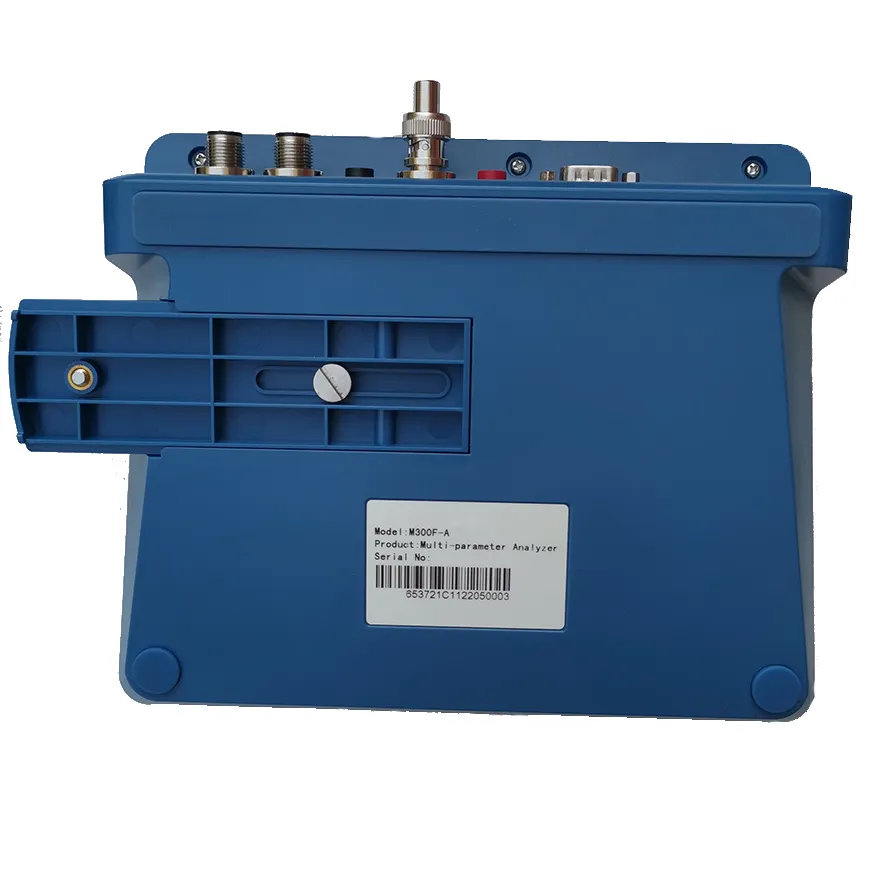
Vendor Comparison: M300f vs. Competitive Solutions
Choosing the right multi-parameter analyzer involves evaluating several factors, including accuracy, reliability, total cost of ownership (TCO), and integration capabilities. The M300f distinguishes itself through a balanced combination of advanced features, robust construction, and cost-effectiveness.
| Feature/Parameter | M300f Multi-Parameter Analyzer | Standard Industrial Analyzer (Competitor A) | Legacy Single-Parameter System (Competitor B) |
|---|---|---|---|
| Number of Parameters (Simultaneous) | Up to 6 (e.g., pH, EC, DO, Turbidity, ORP, Temp) | Typically 2-4 (often limited combinations) | 1 (requires multiple units for full coverage) |
| Sensor Technology | Digital, Smart Sensors with self-diagnostics | Analog, some basic diagnostics | Analog, manual checks only |
| Calibration Frequency | Reduced due to advanced algorithms; on-demand alerts | Moderate, scheduled maintenance | High, frequent manual calibration |
| Data Communication | Modbus RTU, 4-20mA, Ethernet/Profibus (IIoT ready) | Mostly 4-20mA, some Modbus RTU | Only 4-20mA or local display |
| Enclosure & Material | IP67/IP68, 316L SS for wetted parts | IP65/IP66, some SS, mostly plastics | IP54/IP55, basic plastic/aluminum |
| Installation Complexity | Low (single unit, fewer cables) | Medium (multiple units/sensors) | High (many discrete units, extensive wiring) |
| Total Cost of Ownership (TCO) | Optimized (low maintenance, energy, parts) | Moderate to High (more maintenance, parts) | High (labor-intensive, frequent replacements) |
| Certifications | CE, ISO 9001, ATEX (optional) | CE, some basic industrial standards | Basic CE marking |
This comparison highlights that while the initial investment for a multi-parameter analyzer like the M300f might be higher than a basic single-parameter unit, its long-term TCO is significantly lower due to reduced installation costs, minimized maintenance, longer sensor life, and enhanced operational efficiency.
Customized Solutions and Integration Capabilities
Recognizing that every industrial process presents unique challenges, the M300f is designed with extensive customization and integration capabilities. Our engineering team collaborates closely with clients to tailor solutions that perfectly align with their operational needs and existing infrastructure.
Customization Options:
- Specific Sensor Configurations: While standard units support up to six parameters, the M300f can be configured with specialized sensors for unique applications, such as high-temperature pH, robust turbidity sensors for heavy solids, or advanced chlorine measurement for disinfection byproducts.
- Enclosure & Mounting Options: Custom mounting brackets, panel-mount kits, or robust NEMA 4X enclosures are available for specific environmental demands, including explosion-proof (ATEX-certified) versions for hazardous areas.
- Software and Firmware Modifications: Tailored alarm thresholds, unique calculation algorithms (e.g., for specific chemical concentrations), and custom data visualization options can be implemented to meet precise operational protocols.
- Communication Protocol Adaptation: Beyond standard Modbus RTU and 4-20mA, we offer integration support for a wider array of industrial communication protocols, including Profinet, EtherNet/IP, and OPC UA, ensuring seamless connectivity to any modern control system.
Integration Services:
Our team provides comprehensive pre-sales consultation and post-sales support for integrating the M300f into existing SCADA/DCS systems. This includes wiring diagrams, protocol mapping, and remote configuration assistance, ensuring minimal disruption during deployment and optimal performance. Our partnerships with leading system integrators allow us to offer end-to-end solutions, from sensor selection to full system commissioning.
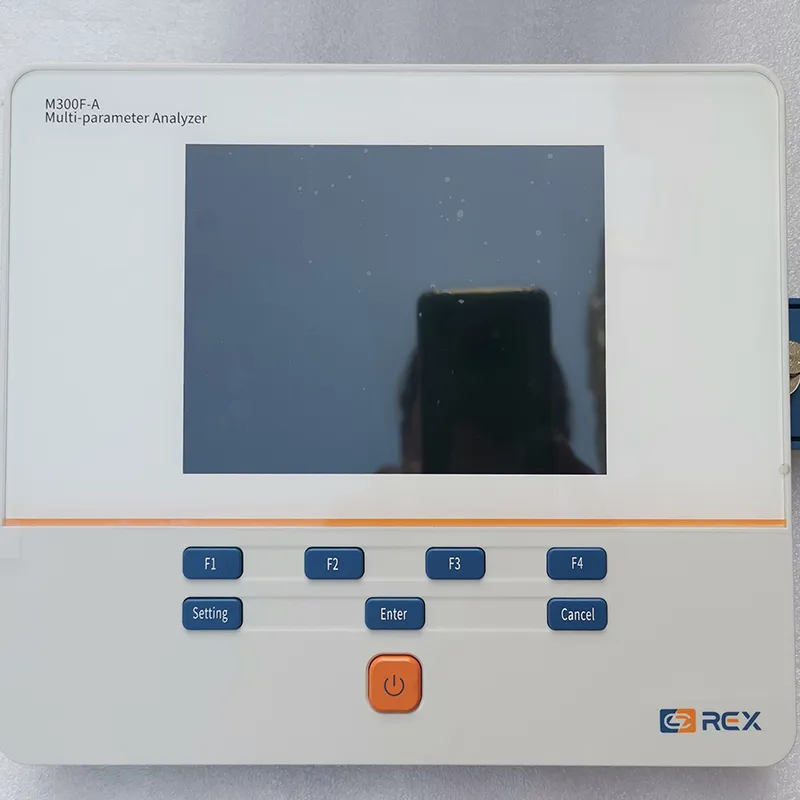
Application Case Studies and Customer Experience
Our commitment to delivering reliable and high-performance analytical solutions is reflected in numerous successful deployments of the M300f across diverse industrial sectors. Here are illustrative examples of how our clients have leveraged its capabilities.
Case Study 1: Municipal Wastewater Treatment Plant
- Challenge: An aging municipal wastewater treatment plant faced challenges with inconsistent effluent quality and high operational costs due to inefficient aeration control and frequent manual sampling.
- Solution: Two M300f units were installed: one in the aeration basin monitoring DO and pH, and another at the final effluent discharge point monitoring pH, conductivity, and turbidity. The analyzers were integrated into the plant's SCADA system via Modbus RTU.
- Results: The plant achieved a 15% reduction in energy consumption for aeration due to optimized DO control and a 20% improvement in effluent quality consistency. Manual sampling was reduced by 70%, leading to significant labor cost savings and improved regulatory compliance.
- Client Feedback: "The M300f transformed our ability to manage our processes. The real-time data and remote access have made our operations more efficient and reliable, easily meeting stringent discharge standards." - John D., Operations Manager.
Case Study 2: Pharmaceutical API Manufacturing
- Challenge: A pharmaceutical company required precise pH and conductivity control in critical water-for-injection (WFI) loops and during active pharmaceutical ingredient (API) synthesis, demanding high accuracy and compliance with FDA regulations (21 CFR Part 11).
- Solution: Multiple M300f units, configured with high-purity pH and conductivity sensors, were deployed. The systems were equipped with Ethernet/IP communication for integration into the plant's validated DCS and offered secure data logging compliant with regulatory requirements.
- Results: The company achieved consistent water quality within stringent USP (United States Pharmacopeia) specifications for WFI. Batch-to-batch consistency in API synthesis improved by 10%, reducing rework and waste. The automated, auditable data records streamlined compliance reporting.
- Client Feedback: "Precision is non-negotiable in our industry. The M300f delivers on accuracy and provides the robust data integrity we need for regulatory compliance, making our validation processes much smoother." - Dr. S. Patel, Process Engineer.
Trustworthiness: Lead Time, Warranty, and Customer Support
Our commitment extends beyond product delivery to ensuring a trustworthy and supportive partnership. We prioritize transparent processes for order fulfillment, comprehensive warranty coverage, and readily available expert support.
Lead Time & Fulfillment:
Standard M300f configurations typically have a lead time of 2-4 weeks from order confirmation, depending on current inventory levels and specific sensor requirements. Customized solutions may extend this to 6-8 weeks, with detailed project timelines provided upon quotation. We maintain a robust supply chain and manufacturing capabilities to ensure timely delivery and efficient fulfillment. Expedited shipping options are available upon request.
Warranty Commitments:
The M300f main analyzer unit comes with a standard 2-year warranty against defects in materials and workmanship. Sensor modules carry a 1-year warranty, reflecting their consumable nature in demanding environments. This warranty covers repair or replacement of faulty components under normal operating conditions. Extended warranty options and service contracts are available for enhanced peace of mind and predictable maintenance costs.
Customer Support & After-Sales Service:
Our dedicated technical support team comprises experienced engineers and product specialists ready to assist with installation, calibration, troubleshooting, and application-specific inquiries.
- Multi-Channel Support: Support is available via phone, email, and a dedicated online portal with FAQs, troubleshooting guides, and software updates.
- Remote Diagnostics: For network-enabled units, remote diagnostic capabilities allow our engineers to assist in identifying and resolving issues efficiently, minimizing on-site visits.
- Training Programs: We offer comprehensive training programs for operators and maintenance personnel, both on-site and remotely, to ensure optimal utilization and maintenance of the M300f.
- Spare Parts Availability: A readily available inventory of spare parts and replacement sensors ensures minimal downtime for our clients.
Frequently Asked Questions (FAQ):
- Q: How many parameters can the M300f measure simultaneously?
- A: The M300f can measure up to 6 parameters simultaneously, offering flexibility to combine pH, ORP, Conductivity, DO, Turbidity, and Chlorine, along with temperature compensation.
- Q: Is the M300f compatible with my existing PLC/SCADA system?
- A: Yes, the M300f supports multiple output protocols including 4-20mA, Modbus RTU, and optional Ethernet/Profibus, ensuring broad compatibility with most industrial control systems.
- Q: What is the typical maintenance required for the sensors?
- A: Maintenance varies by sensor type and application. pH sensors typically require weekly to monthly cleaning and monthly calibration. Optical DO and conductivity sensors are generally low-maintenance, requiring periodic cleaning. The M300f’s self-diagnostic features alert operators to calibration or cleaning needs.
- Q: Can the M300f operate in hazardous environments?
- A: While the standard unit is IP67 rated, ATEX-certified versions are available for deployment in hazardous areas, ensuring safety and compliance in environments with flammable gases or dust. Please specify this requirement at the time of inquiry.

Conclusion and Future Outlook
The M300f multi-parameter analyzer represents a significant advancement in industrial process monitoring, offering unparalleled accuracy, versatility, and reliability. By integrating multiple analytical capabilities into a single, robust platform, it addresses the evolving demands of modern industries for comprehensive, real-time data. Its meticulous manufacturing, adherence to international standards, and strong after-sales support underscore its value as a strategic investment for businesses seeking to optimize their operations, ensure regulatory compliance, and drive sustainable growth. As industries continue their journey towards greater automation and digitalization, the M300f stands ready as a foundational technology for intelligent process control and environmental stewardship.
References
- ISO 9001:2015 - Quality management systems - Requirements. International Organization for Standardization.
- IEC 60068-2-6: Environmental testing - Part 2-6: Tests - Test Fc: Vibration (sinusoidal). International Electrotechnical Commission.
- EN 61326-1: Electrical equipment for measurement, control and laboratory use - EMC requirements - Part 1: General requirements. European Committee for Electrotechnical Standardization.
- ASTM International. Standard Specification for Stainless Steel.
- U.S. Environmental Protection Agency (EPA). 40 CFR Part 136 - Guidelines Establishing Test Procedures for the Analysis of Pollutants.
- USP - United States Pharmacopeia. General Chapters Water Conductivity, Water for Pharmaceutical Purposes.

Related Products
Related News
2026-04-16 03:20:19
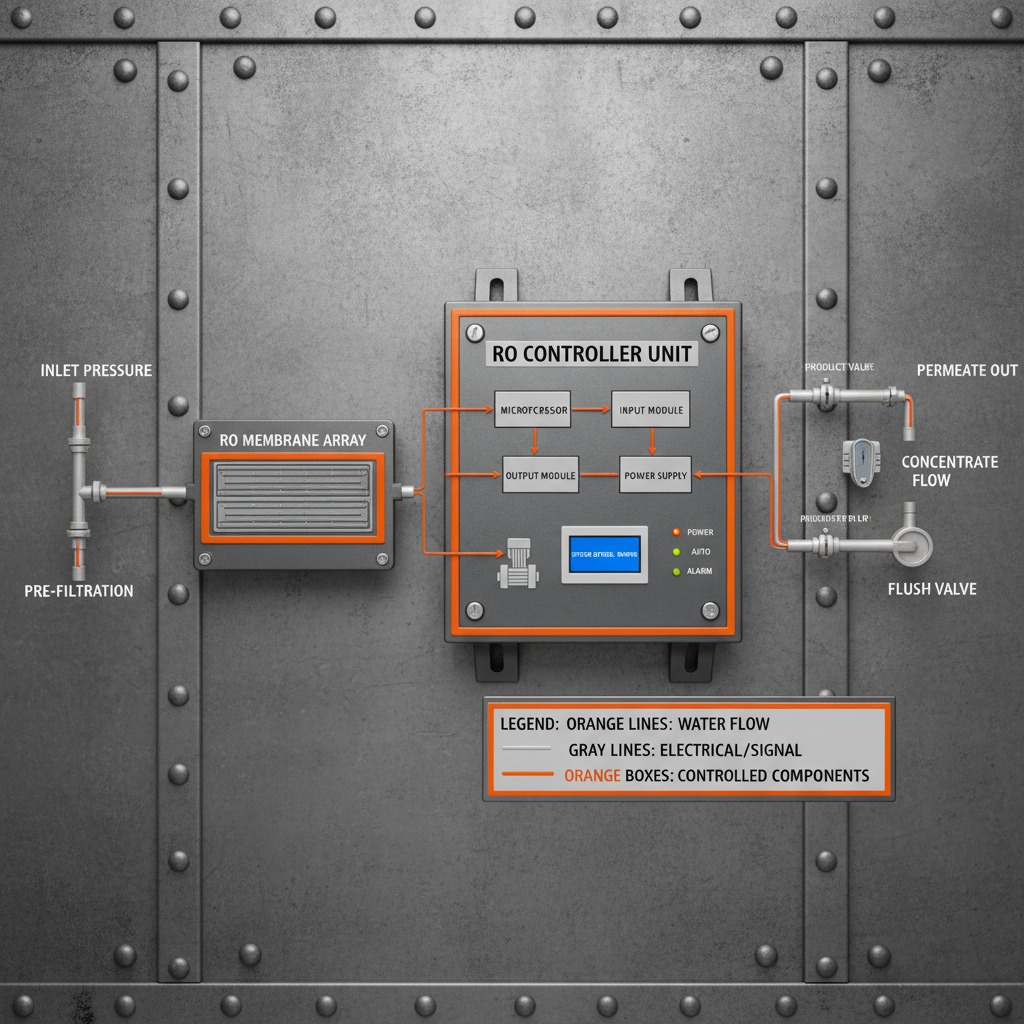
Guide to Choosing the Right RO Controller for Water PurificationMaintaining a high-performance reverse osmosis system requires more than just quality membranes; it demands precise regulation. An ro controller serves as the brain of the entire operation, monitoring critical parameters such as conductivity, temperature, and flow rates to ensure the output water meets stringent purity standards. Without an efficient controller, systems are prone to membrane fouling, inefficient energy use, and inconsistent water quality. In this comprehensive guide, we will explore how these devices optimize water treatment processes and how to select the best model for your specific industrial or commercial needs.
2026-04-09 03:25:47
Guide to Water Purity Using RO with TDS Controller SystemsAchieving the perfect balance of mineral content and purity in drinking water is a challenge for many households and industrial facilities. A ro with tds controller offers a sophisticated solution by combining the rigorous filtration of Reverse Osmosis (RO) with the precision of a Total Dissolved Solids (TDS) adjustment system. While standard RO systems remove almost everything, including beneficial minerals, a TDS controller allows users to re-mineralize the water to a desired level. This ensures that the water is not only safe and pure but also tastes better and provides essential nutrients.
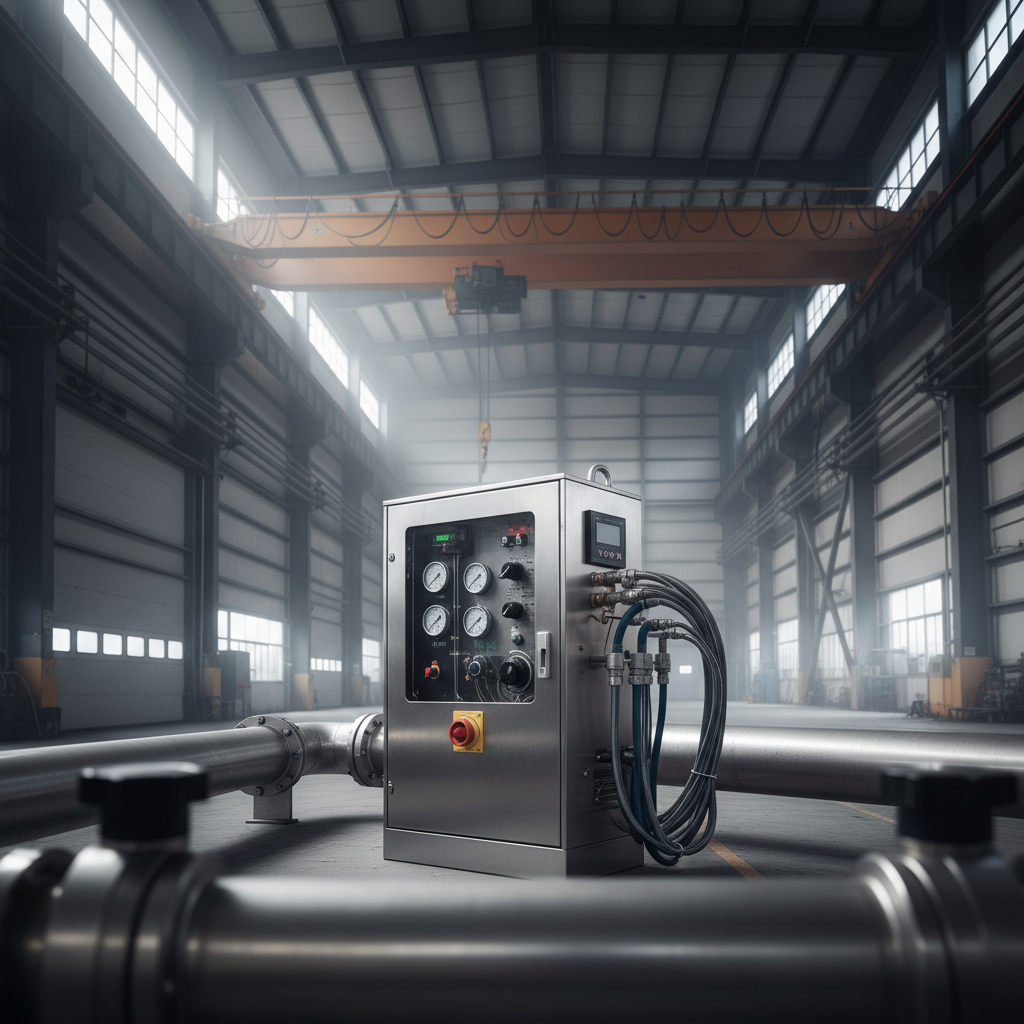
2026-04-07 03:17:09
Understanding and Optimizing Reverse Osmosis Systems with a ControllerIn the world of water purification, reverse osmosis (RO) systems are a cornerstone for producing high-quality water for various applications, from drinking water to industrial processes. However, an RO system is only as effective as its control system. This is where the reverse osmosis controller comes into play. This critical component manages and optimizes the RO process, ensuring efficient operation, water quality, and system longevity.
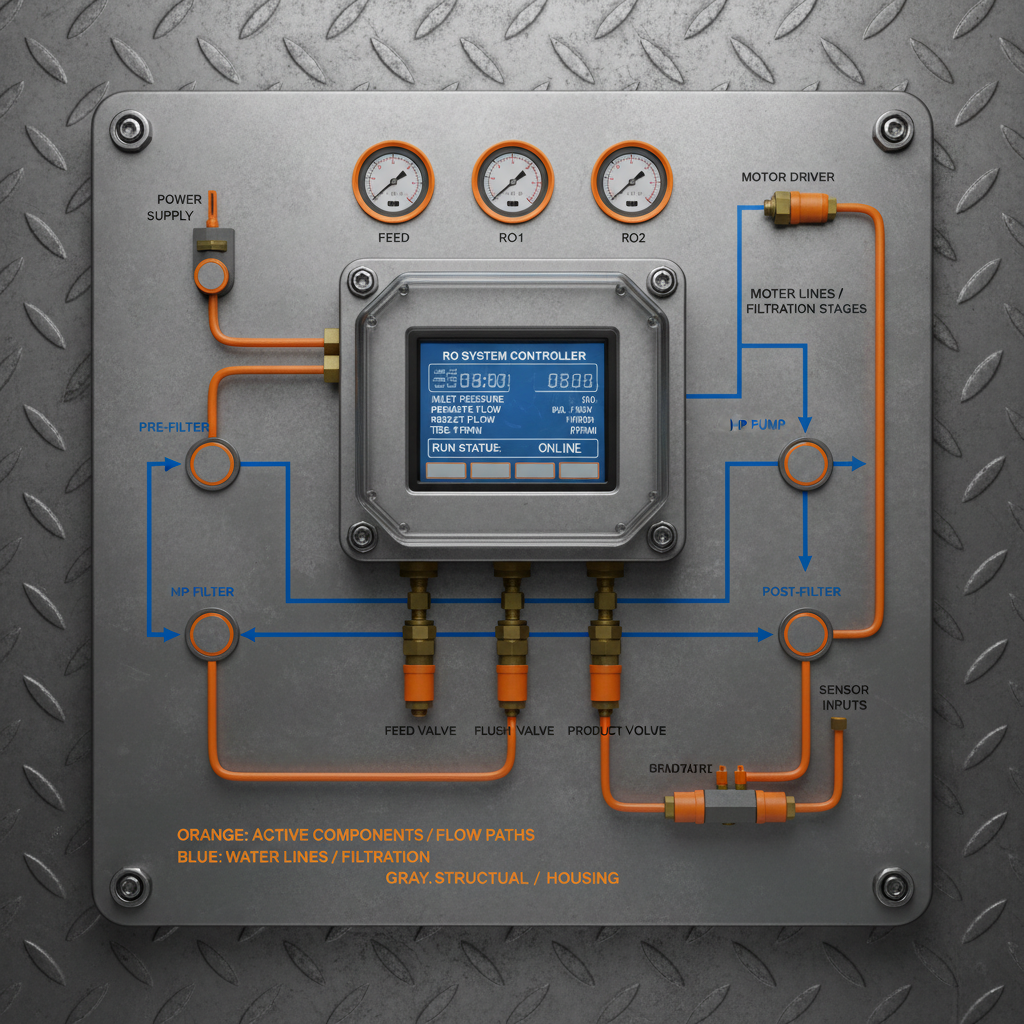
2026-04-04 03:27:19
Understanding the Vital Role of an RO System Controller for Optimal PerformanceReverse Osmosis (RO) systems are critical for purifying water across various industries, from residential applications to large-scale industrial processes. At the heart of a well-functioning RO system lies the RO system controller. This intelligent device monitors and regulates all key parameters of the RO process, ensuring optimal performance, efficiency, and water quality. This article delves into the functionalities, benefits, and selection criteria for choosing the right RO system controller, particularly focusing on those offered by Watequipments. Understanding its role is crucial for maximizing the lifespan and effectiveness of your RO investment.
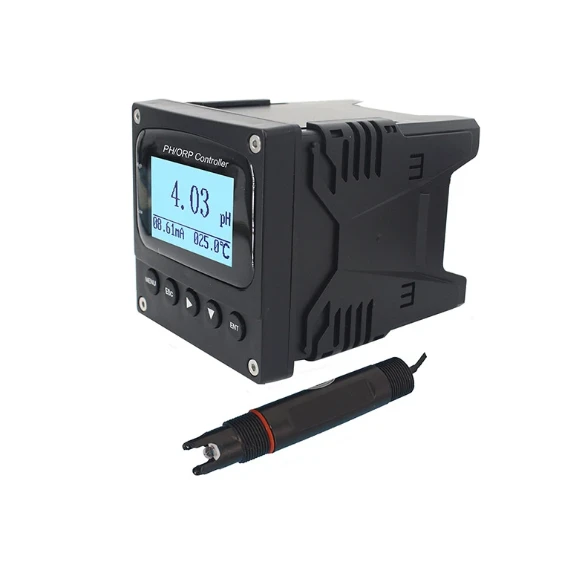
2026-03-24 17:18:24
Smart Water Treatment Solutions Using PH ORP Controller SystemsIn modern water treatment and industrial fluid management, maintaining precise chemical balance is essential for safety, efficiency, and regulatory compliance.
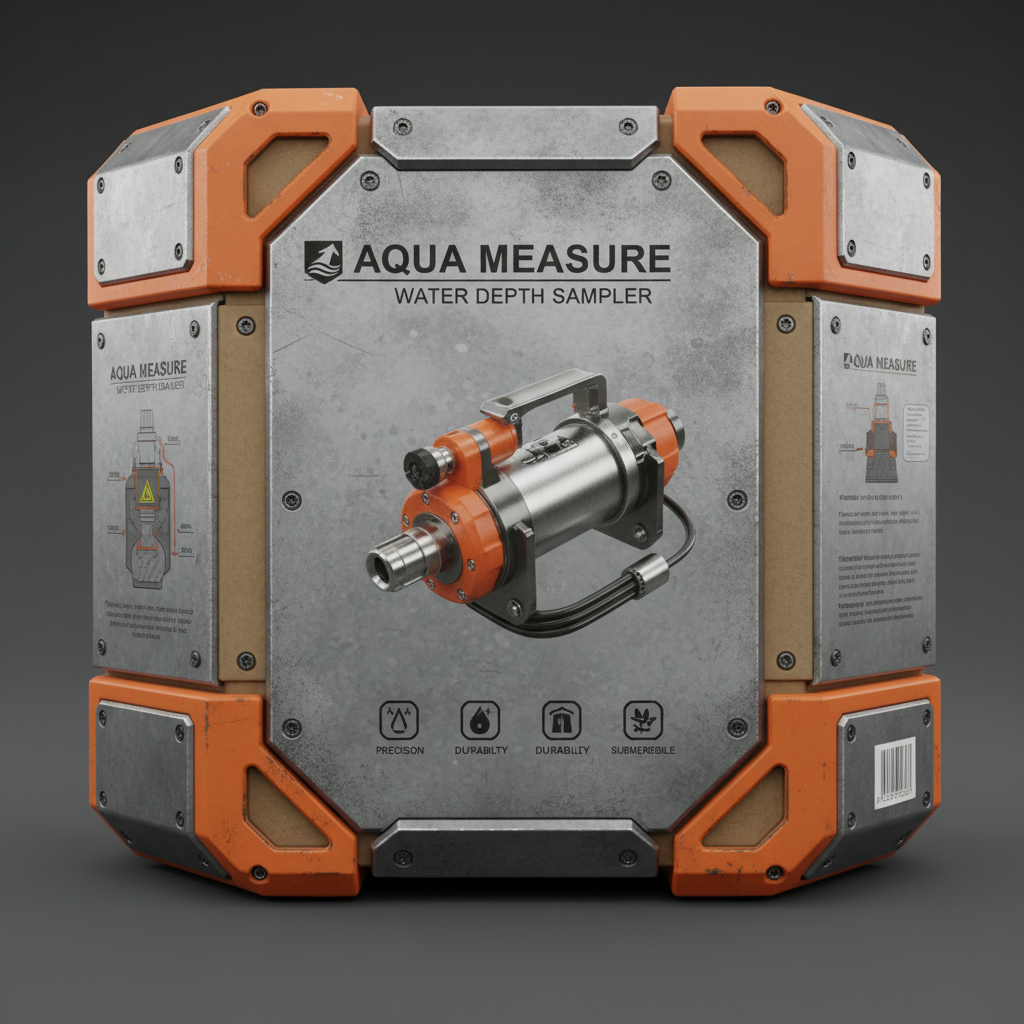
2026-03-04 02:55:19
Comprehensive Guide to Water Depth Samplers and Their ApplicationsAccurate water quality monitoring is crucial in various fields, from environmental science and aquaculture to industrial wastewater management. A key tool for this is the water depth sampler. This article provides an in-depth look at water depth samplers, their applications, types, and essential considerations for choosing the right one for your needs. We'll explore the benefits of utilizing this equipment to collect reliable data for analysis and informed decision-making. Selecting the right sampler can significantly improve the precision and efficiency of your water monitoring program. A water depth sampler, also known as a depth-integrated sampler, is a device designed to collect water samples from specific depths within a body of water. Unlike simply dipping a container into the water, a depth sampler allows for collection of a representative sample across a defined depth range. This is critical because water properties (temperature, salinity, pollutants) often vary significantly with depth. The data gathered with a water depth sampler provides a more accurate assessment of water quality than surface samples alone.
2026-03-03 18:55:22
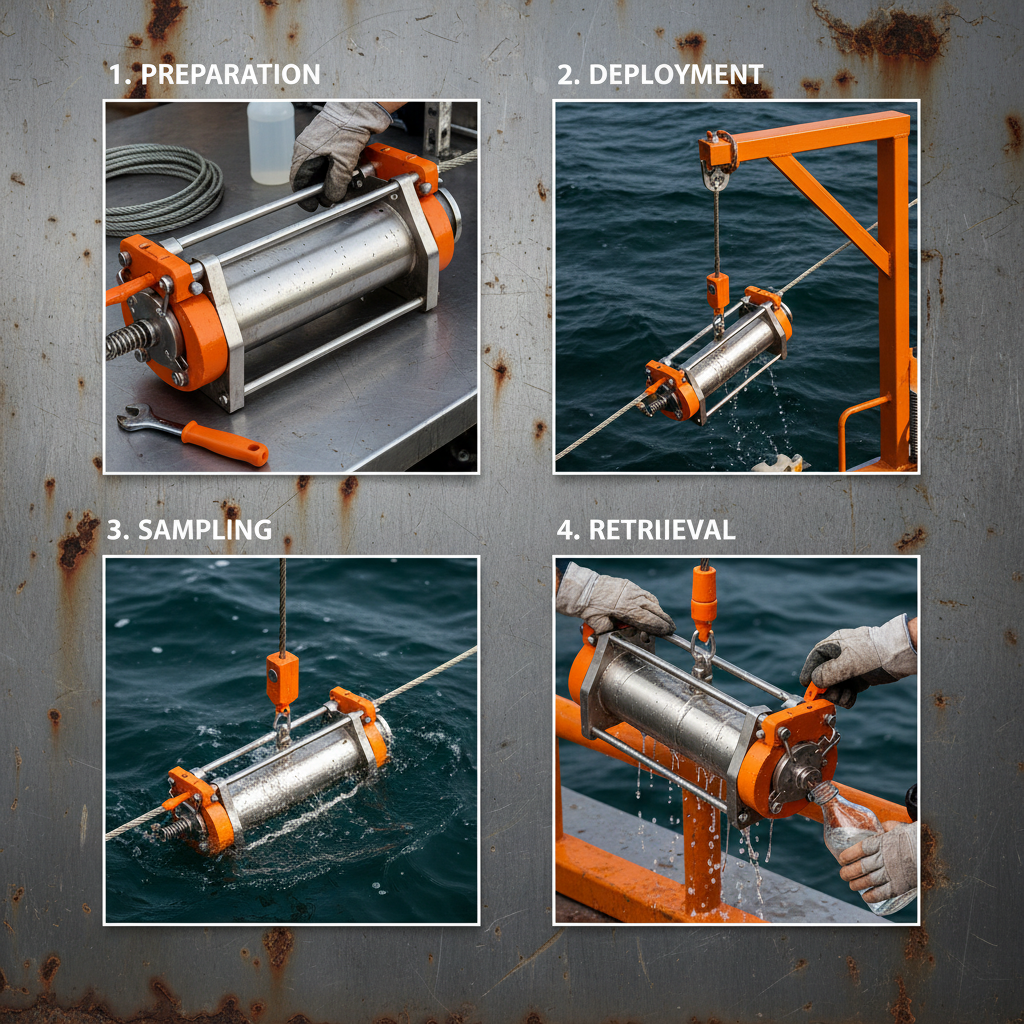
Comprehensive Guide to Horizontal Water Sampler Applications and SelectionCollecting water samples at varying depths is crucial for environmental monitoring, research, and quality control. The horizontal water sampler from Watequipment.com offers a precise and efficient solution for this task. This article provides an in-depth look at horizontal water samplers, their applications, benefits, and key considerations when choosing the right model. We will explore how these samplers contribute to accurate data collection and informed decision-making in various fields. A horizontal water sampler is a device designed to collect water samples from specific depths within a body of water – rivers, lakes, oceans, reservoirs, and even wastewater treatment plants. Unlike vertical samplers which primarily focus on depth, horizontal samplers prioritize collecting samples at a consistent depth while moving along a horizontal plane. This is essential for assessing water quality variations across a waterway or within a specific zone. They are used in applications ranging from environmental monitoring and scientific research to industrial process control and regulatory compliance.
2026-02-28 02:35:09
Comprehensive Guide to Selecting the Right Surface Water Sampler for Your NeedsMonitoring the quality of surface water is critical for environmental protection, public health, and various industrial applications. A surface water sampler is an essential tool for collecting representative samples from rivers, lakes, ponds, and other surface water sources. This article provides a detailed overview of surface water samplers, their types, applications, and key considerations for selecting the right equipment. Accurate water quality data relies on proper sample collection, and choosing the correct sampler is the first step toward achieving reliable results. Surface water samplers come in various designs, each suited to specific sampling needs. Common types include grab samplers, depth-integrating samplers, peristaltic pumps, and automatic samplers. Surface water samplers are used across a broad spectrum of applications, including environmental monitoring, wastewater discharge monitoring, drinking water source monitoring, agricultural runoff analysis, and research studies.

 English