


ORP-TRA-600 ORP Transmitter: Accurate and Durable?

ORP-TRA-600 ORP Transmitter: Accurate and Durable?
Oct . 10, 2025
ORP-TRA-600 is a key solution in the instrumentation and meters industry, specifically within Industrial process control instruments and water quality analysis instrument. This article explores how Hebei JIRS Import & Export Co., Ltd. supports professionals with durable, high-performance products, and explains why this product is an ideal choice for businesses in these sectors.
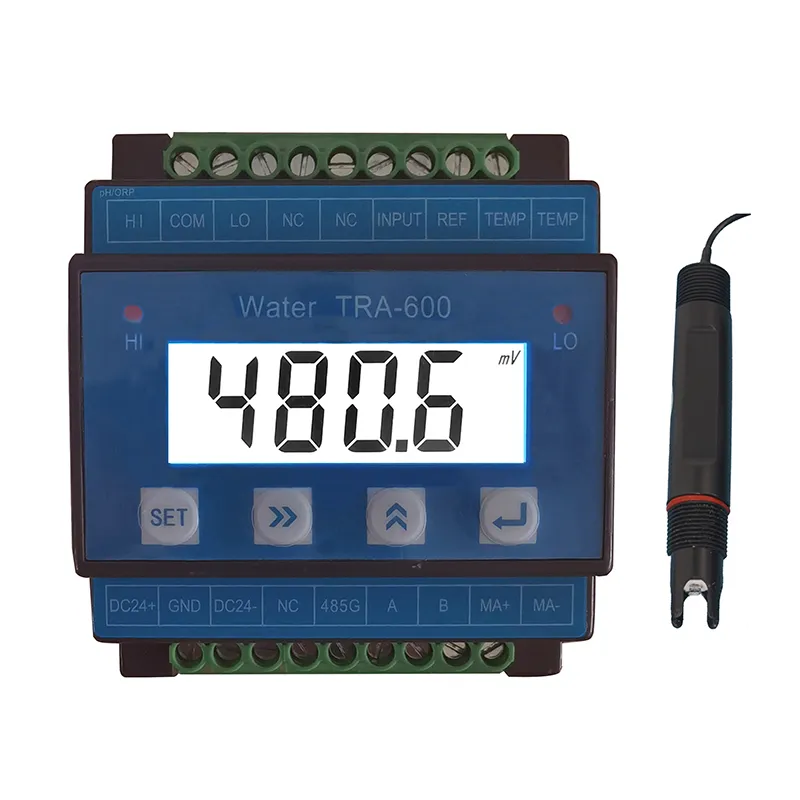
Table of Contents
- ORP-TRA-600 Overview
- Benefits & Use Cases of ORP-TRA-600 in water quality analysis instrument
- Cost, Maintenance & User Experience
- Sustainability & Market Trends in instrumentation and meters
- Conclusion on ORP-TRA-600 from Hebei JIRS Import & Export Co., Ltd.
ORP-TRA-600 Overview
The ORP-TRA-600 is an online oxidation–reduction potential (ORP) transmitter engineered for continuous monitoring and control in demanding water processes. In the instrumentation and meters hierarchy, it sits at the intersection of Industrial process control instruments and water quality analysis instrument, translating millivolt signals from ORP electrodes into stable, actionable readings for PLCs, SCADA, and local operators. By maintaining precise ORP setpoints, plants can optimize disinfection, oxidation, and reduction reactions—improving product quality and compliance while reducing chemical costs.
Designed for real-world production environments, the ORP-TRA-600 emphasizes signal stability, noise immunity, and intuitive operation. Typical configurations support industrial outputs (such as 4–20 mA and/or RS-485 Modbus), temperature input for automatic compensation, and alarm/relay functions for dosing control or interlocks. A clear digital display with straightforward menus helps technicians calibrate and verify sensor health quickly, while robust housing options suit panel or field installations.
Hebei JIRS Import & Export Co., Ltd. backs the ORP-TRA-600 with reliable manufacturing, rigorous quality control, and responsive technical support. From component selection to final testing, the company focuses on durability and repeatability—attributes valued by B2B decision makers who need scalable instrumentation that integrates seamlessly into existing control architectures.
Benefits & Use Cases of ORP-TRA-600 in water quality analysis instrument
Across municipal and industrial water applications, the ORP-TRA-600 enables precise monitoring where oxidation and disinfection efficacy matter. In municipal disinfection systems, stable ORP measurement helps verify chlorine effectiveness and minimize overfeed. In industrial wastewater treatment, the transmitter supports processes like cyanide destruction, chromium reduction, and advanced oxidation, allowing operators to maintain target reaction conditions in real time. Food and beverage facilities can use ORP to validate CIP sanitation steps, while cooling water programs leverage ORP as a disinfection proxy to keep biofouling in check. Aquaculture, swimming pools, and laboratory pilot lines also benefit from dependable ORP control.
The ORP-TRA-600’s competitive advantages include robust anti-interference design for electrically noisy environments, straightforward calibration workflows, and compatibility with common ORP electrodes (platinum or gold) and industrial connectors. Flexible industrial communication (e.g., analog and digital options) facilitates integration with DCS/SCADA platforms. Clear setpoint, alarm, and relay configurations simplify closed-loop dosing control, helping standardize operations across multiple sites.
Hebei JIRS Import & Export Co., Ltd. brings sector-specific experience to each deployment, advising on sensor selection, installation best practices, and lifecycle maintenance. For B2B teams seeking consistency across facilities, the ORP-TRA-600 provides a unified approach to measurement, documentation, and compliance.
Cost, Maintenance & User Experience
Total cost of ownership for an ORP system is shaped by instrument reliability, sensor life, calibration frequency, and integration time. The ORP-TRA-600 is designed to reduce lifecycle costs through a stable measurement platform, accessible terminals, and clear on-screen diagnostics that shorten commissioning and troubleshooting. Standard industrial outputs reduce the need for protocol converters, and the transmitter’s alarm/relay functions can automate control actions, cutting manual checks and response time.
Maintenance routines are streamlined: technicians can perform slope/offset checks, verify temperature compensation, and set alarms with minimal training. This simplifies weekly or monthly QA/QC procedures and supports audit readiness. When paired with quality electrodes and proper sample conditioning, the ORP-TRA-600 helps extend calibration intervals and maintain signal integrity, translating into higher uptime and lower labor costs.
Feedback from users in industrial process control highlights the transmitter’s straightforward menus, stable readings under variable loading, and ease of integration with existing panels. For multi-plant operators, standardizing on the ORP-TRA-600 can reduce spares inventories, harmonize SOPs, and improve operator familiarity—benefits that accumulate into measurable ROI over the instrument’s service life.
Sustainability & Market Trends in instrumentation and meters
Water-intensive industries are accelerating investments in digital, high-reliability analyzers to meet tighter discharge limits, bolster ESG performance, and support water reuse. ORP monitoring sits at the core of many of these strategies, confirming oxidation/reduction performance while helping optimize chemical dosing to reduce waste and greenhouse gas impacts from excess chemical production and transport. The market is also moving toward open communications (e.g., Modbus) and remote diagnostics for predictive maintenance and fewer site visits.
Hebei JIRS Import & Export Co., Ltd. aligns with these trends by emphasizing energy-efficient electronics, durable enclosures that extend instrument life, and guidance on best practices that minimize electrode replacement frequency and sample waste. The company’s approach supports regulatory compliance and sustainability reporting, while enabling plants to scale standard instrumentation across global operations. With the ORP-TRA-600, decision makers can advance both operational resilience and environmental objectives without compromising on measurement quality.
Conclusion on ORP-TRA-600 from Hebei JIRS Import & Export Co., Ltd.
The ORP-TRA-600 delivers reliable, real-time ORP measurement for modern process control, helping operators improve disinfection, oxidation, and reduction performance across water and wastewater applications. Its integration-friendly design, stable signal, and straightforward user experience translate into lower total cost of ownership and higher uptime. Backed by Hebei JIRS Import & Export Co., Ltd.’s proven manufacturing and support, it is a strong choice for standardizing water quality analysis instrument across multi-site operations.
Contact us: email: info@watequipment.com
Visit our website: https://www.watequipments.com

Related Products
Related News

2026-04-16 03:20:19
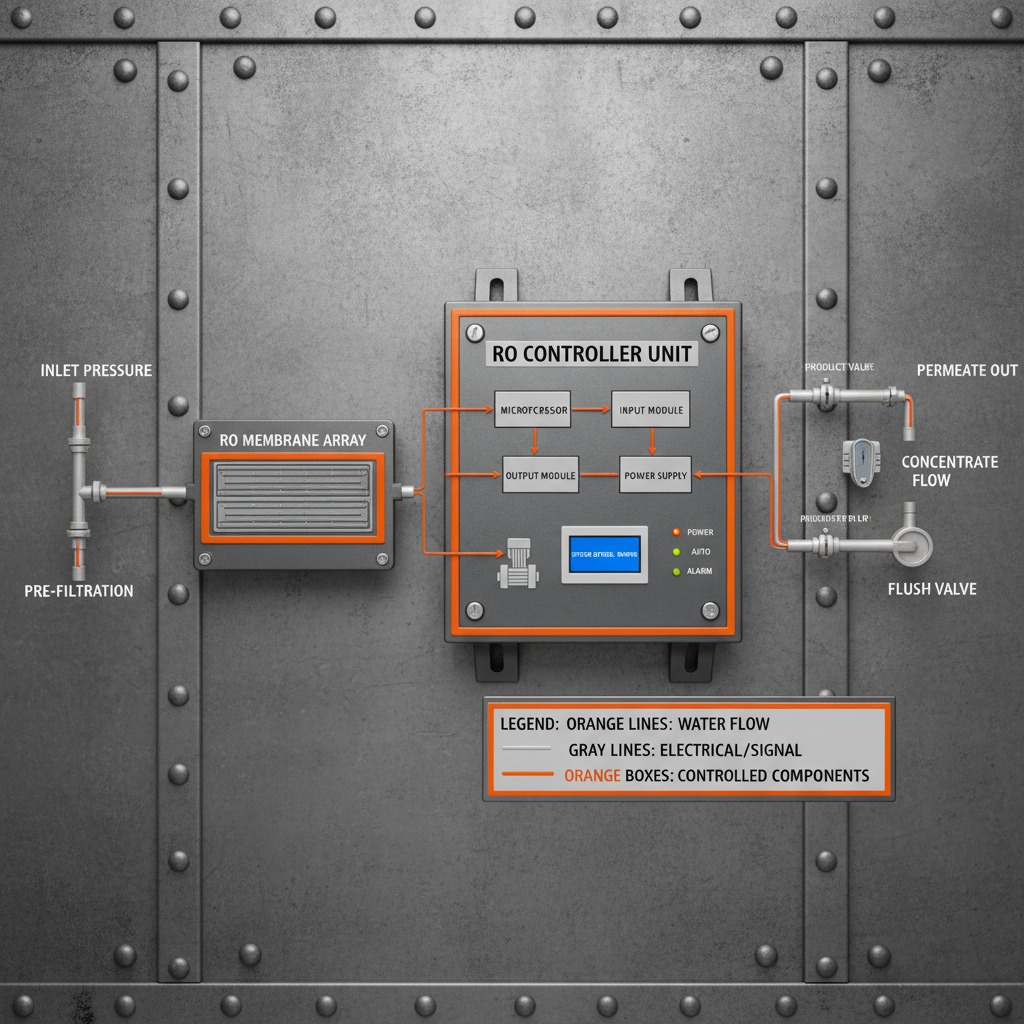
Guide to Choosing the Right RO Controller for Water PurificationMaintaining a high-performance reverse osmosis system requires more than just quality membranes; it demands precise regulation. An ro controller serves as the brain of the entire operation, monitoring critical parameters such as conductivity, temperature, and flow rates to ensure the output water meets stringent purity standards. Without an efficient controller, systems are prone to membrane fouling, inefficient energy use, and inconsistent water quality. In this comprehensive guide, we will explore how these devices optimize water treatment processes and how to select the best model for your specific industrial or commercial needs.
2026-04-09 03:25:47
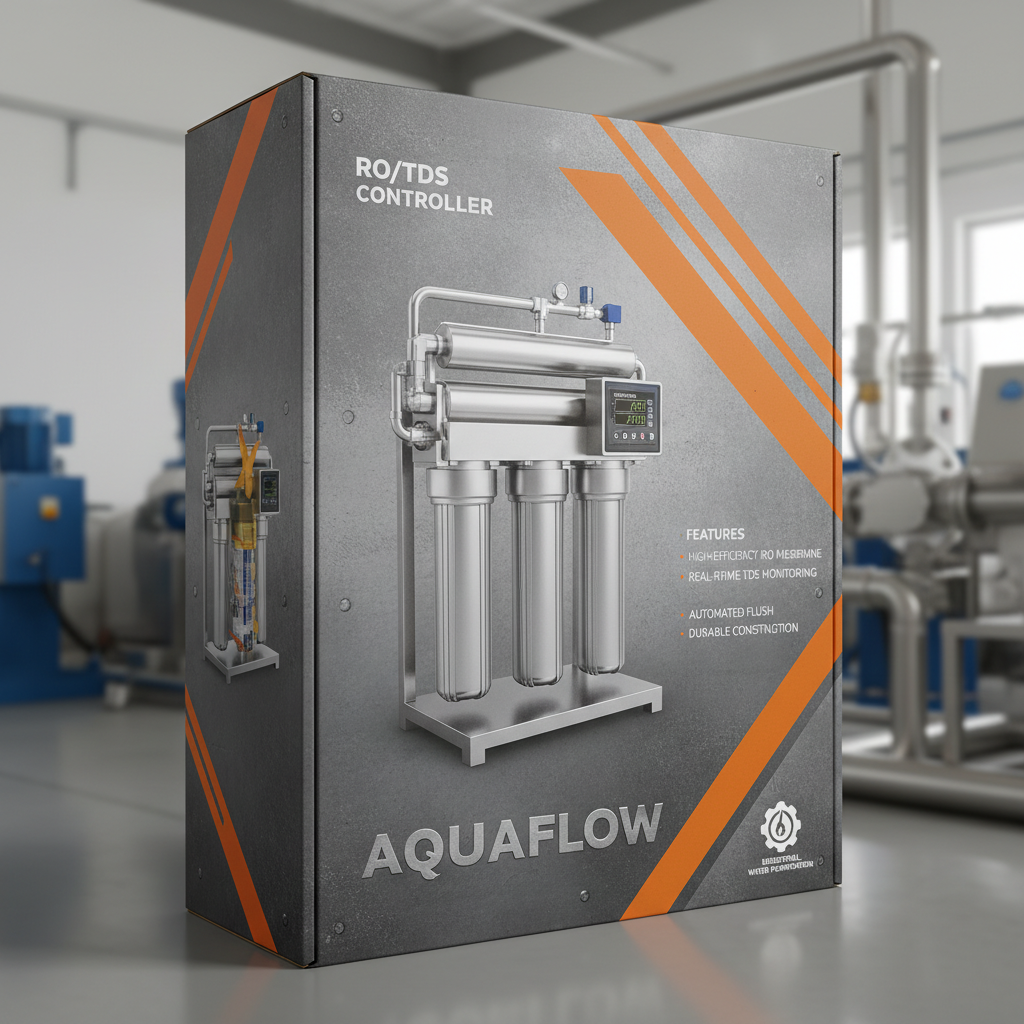
Guide to Water Purity Using RO with TDS Controller SystemsAchieving the perfect balance of mineral content and purity in drinking water is a challenge for many households and industrial facilities. A ro with tds controller offers a sophisticated solution by combining the rigorous filtration of Reverse Osmosis (RO) with the precision of a Total Dissolved Solids (TDS) adjustment system. While standard RO systems remove almost everything, including beneficial minerals, a TDS controller allows users to re-mineralize the water to a desired level. This ensures that the water is not only safe and pure but also tastes better and provides essential nutrients.
2026-04-07 03:17:09
Understanding and Optimizing Reverse Osmosis Systems with a ControllerIn the world of water purification, reverse osmosis (RO) systems are a cornerstone for producing high-quality water for various applications, from drinking water to industrial processes. However, an RO system is only as effective as its control system. This is where the reverse osmosis controller comes into play. This critical component manages and optimizes the RO process, ensuring efficient operation, water quality, and system longevity.
2026-04-04 03:27:19
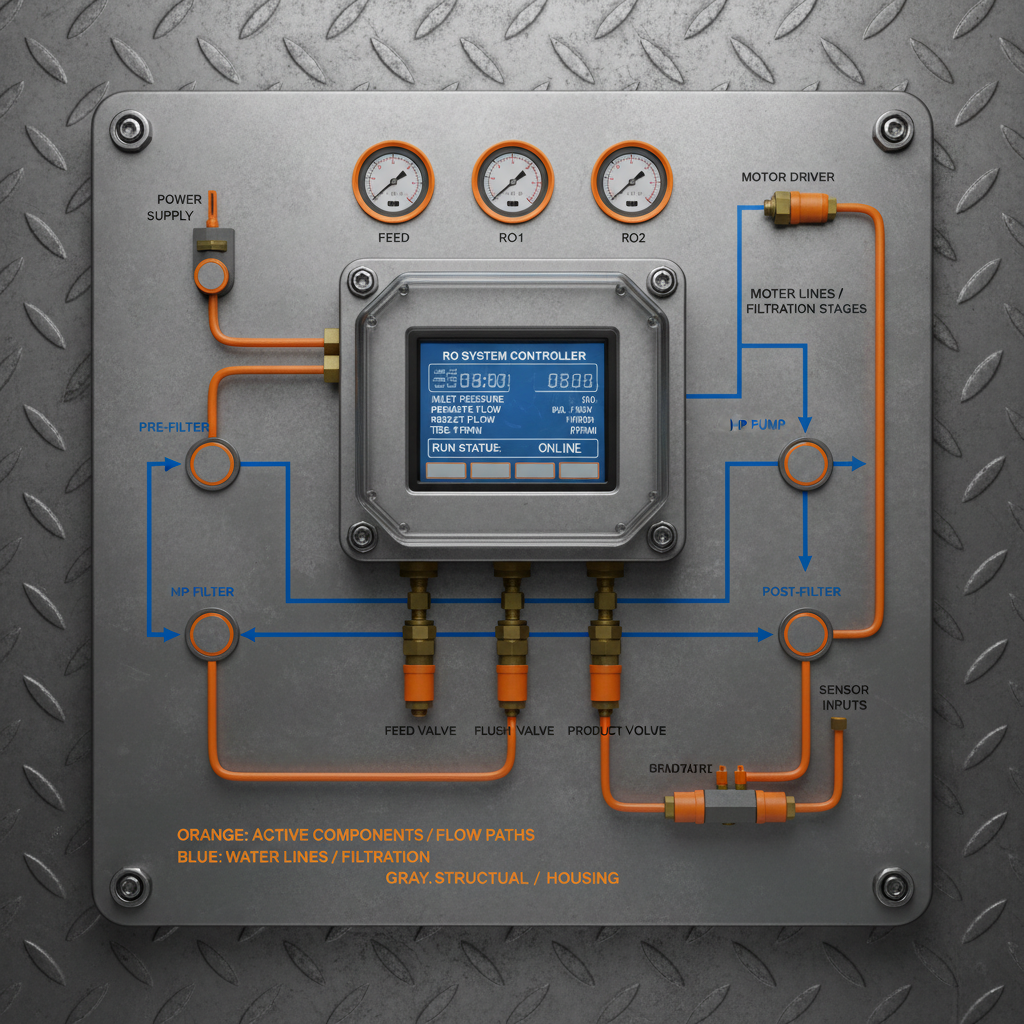
Understanding the Vital Role of an RO System Controller for Optimal PerformanceReverse Osmosis (RO) systems are critical for purifying water across various industries, from residential applications to large-scale industrial processes. At the heart of a well-functioning RO system lies the RO system controller. This intelligent device monitors and regulates all key parameters of the RO process, ensuring optimal performance, efficiency, and water quality. This article delves into the functionalities, benefits, and selection criteria for choosing the right RO system controller, particularly focusing on those offered by Watequipments. Understanding its role is crucial for maximizing the lifespan and effectiveness of your RO investment.
2026-03-24 17:18:24
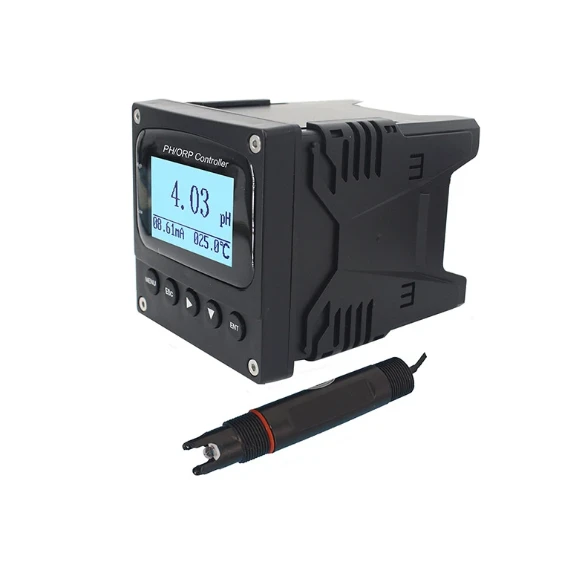
Smart Water Treatment Solutions Using PH ORP Controller SystemsIn modern water treatment and industrial fluid management, maintaining precise chemical balance is essential for safety, efficiency, and regulatory compliance.
2026-03-04 02:55:19
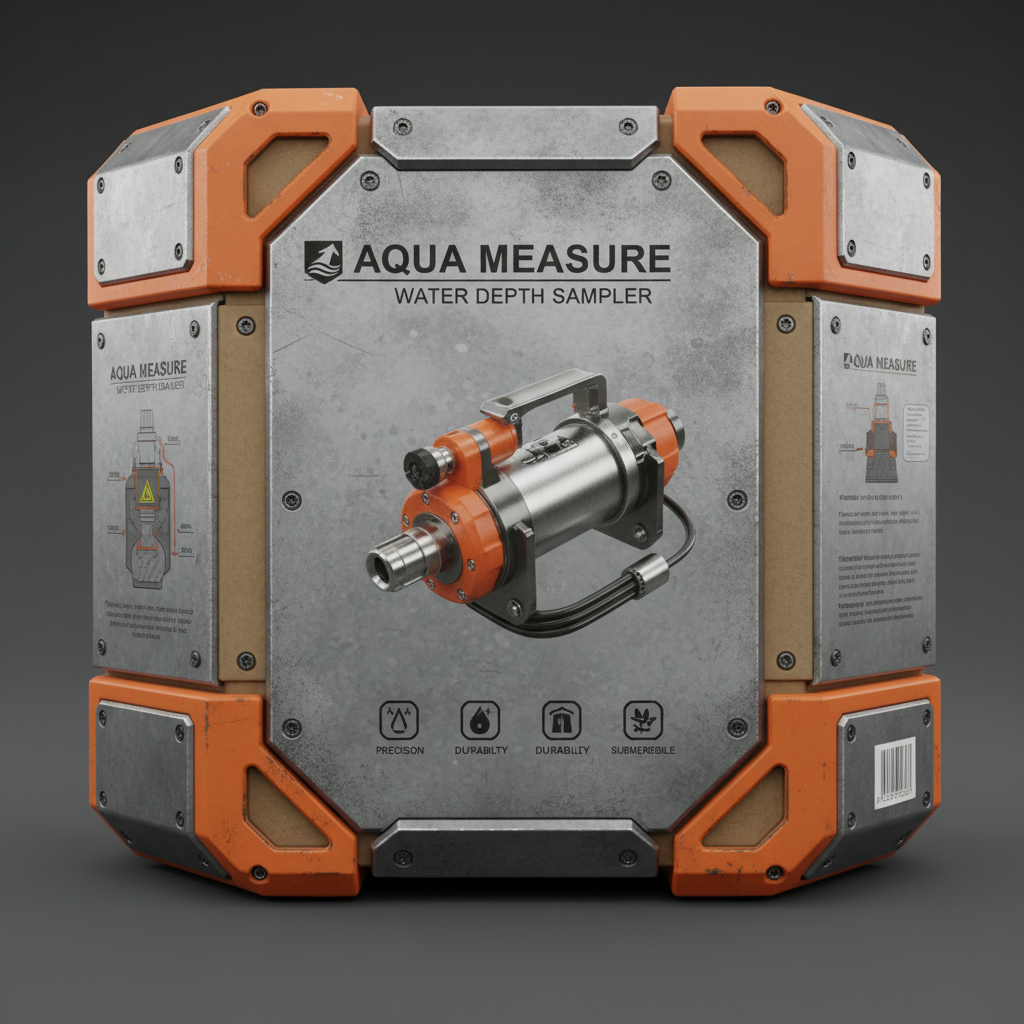
Comprehensive Guide to Water Depth Samplers and Their ApplicationsAccurate water quality monitoring is crucial in various fields, from environmental science and aquaculture to industrial wastewater management. A key tool for this is the water depth sampler. This article provides an in-depth look at water depth samplers, their applications, types, and essential considerations for choosing the right one for your needs. We'll explore the benefits of utilizing this equipment to collect reliable data for analysis and informed decision-making. Selecting the right sampler can significantly improve the precision and efficiency of your water monitoring program. A water depth sampler, also known as a depth-integrated sampler, is a device designed to collect water samples from specific depths within a body of water. Unlike simply dipping a container into the water, a depth sampler allows for collection of a representative sample across a defined depth range. This is critical because water properties (temperature, salinity, pollutants) often vary significantly with depth. The data gathered with a water depth sampler provides a more accurate assessment of water quality than surface samples alone.
2026-03-03 18:55:22
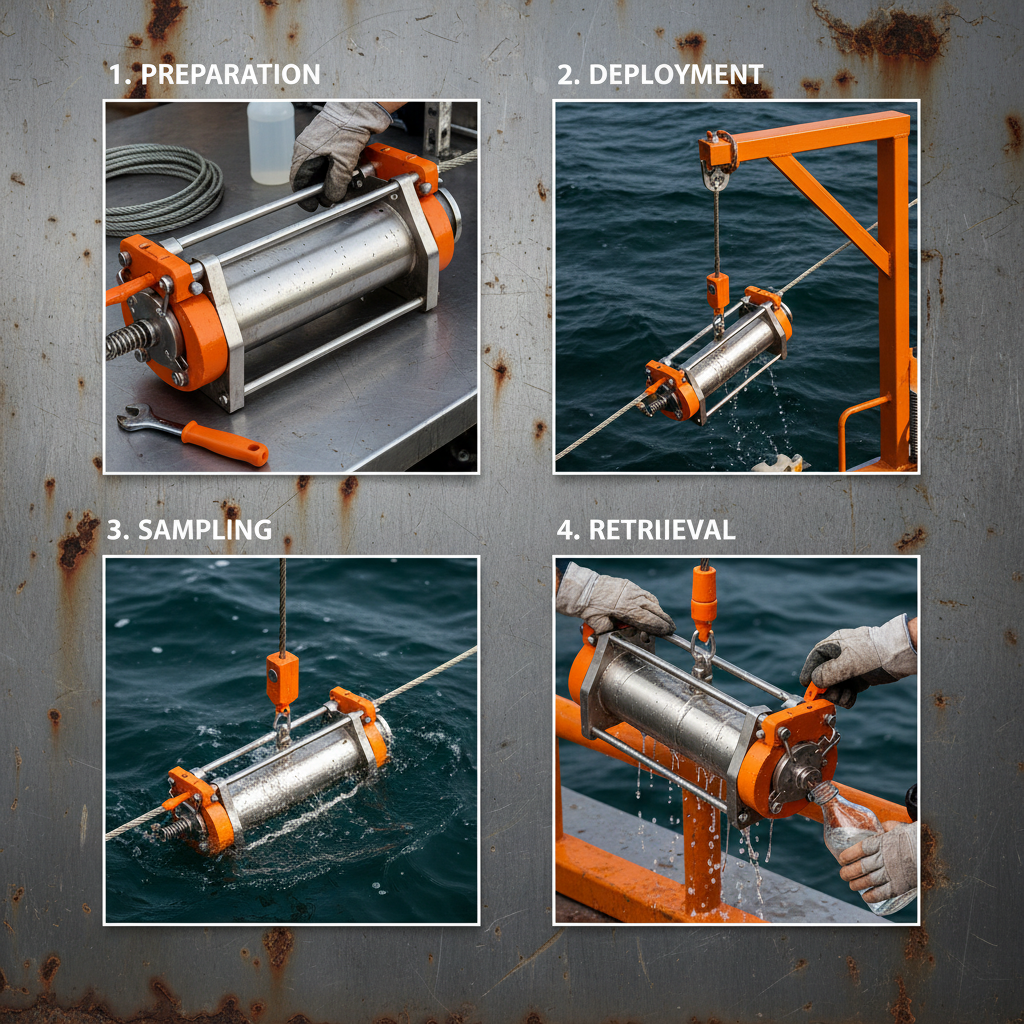
Comprehensive Guide to Horizontal Water Sampler Applications and SelectionCollecting water samples at varying depths is crucial for environmental monitoring, research, and quality control. The horizontal water sampler from Watequipment.com offers a precise and efficient solution for this task. This article provides an in-depth look at horizontal water samplers, their applications, benefits, and key considerations when choosing the right model. We will explore how these samplers contribute to accurate data collection and informed decision-making in various fields. A horizontal water sampler is a device designed to collect water samples from specific depths within a body of water – rivers, lakes, oceans, reservoirs, and even wastewater treatment plants. Unlike vertical samplers which primarily focus on depth, horizontal samplers prioritize collecting samples at a consistent depth while moving along a horizontal plane. This is essential for assessing water quality variations across a waterway or within a specific zone. They are used in applications ranging from environmental monitoring and scientific research to industrial process control and regulatory compliance.
2026-02-28 02:35:09
Comprehensive Guide to Selecting the Right Surface Water Sampler for Your NeedsMonitoring the quality of surface water is critical for environmental protection, public health, and various industrial applications. A surface water sampler is an essential tool for collecting representative samples from rivers, lakes, ponds, and other surface water sources. This article provides a detailed overview of surface water samplers, their types, applications, and key considerations for selecting the right equipment. Accurate water quality data relies on proper sample collection, and choosing the correct sampler is the first step toward achieving reliable results. Surface water samplers come in various designs, each suited to specific sampling needs. Common types include grab samplers, depth-integrating samplers, peristaltic pumps, and automatic samplers. Surface water samplers are used across a broad spectrum of applications, including environmental monitoring, wastewater discharge monitoring, drinking water source monitoring, agricultural runoff analysis, and research studies.

 English