


Pressure Switch, Industrial Safety, Hydraulic Systems|Hebei JIRS&LF55

Pressure Switch, Industrial Safety, Hydraulic Systems|Hebei JIRS&LF55
Sep . 28, 2025
The LF55 pressure switch represents a cutting-edge solution for industrial automation and safety control. Developed by Hebei JIRS Import & Export Co., Ltd., this device is engineered to monitor and regulate pressure in critical systems such as pumps, hydraulic machinery, and fluid control setups. With its robust design and adherence to international standards, the LF55 ensures seamless integration into diverse industrial environments while prioritizing operational safety and efficiency.
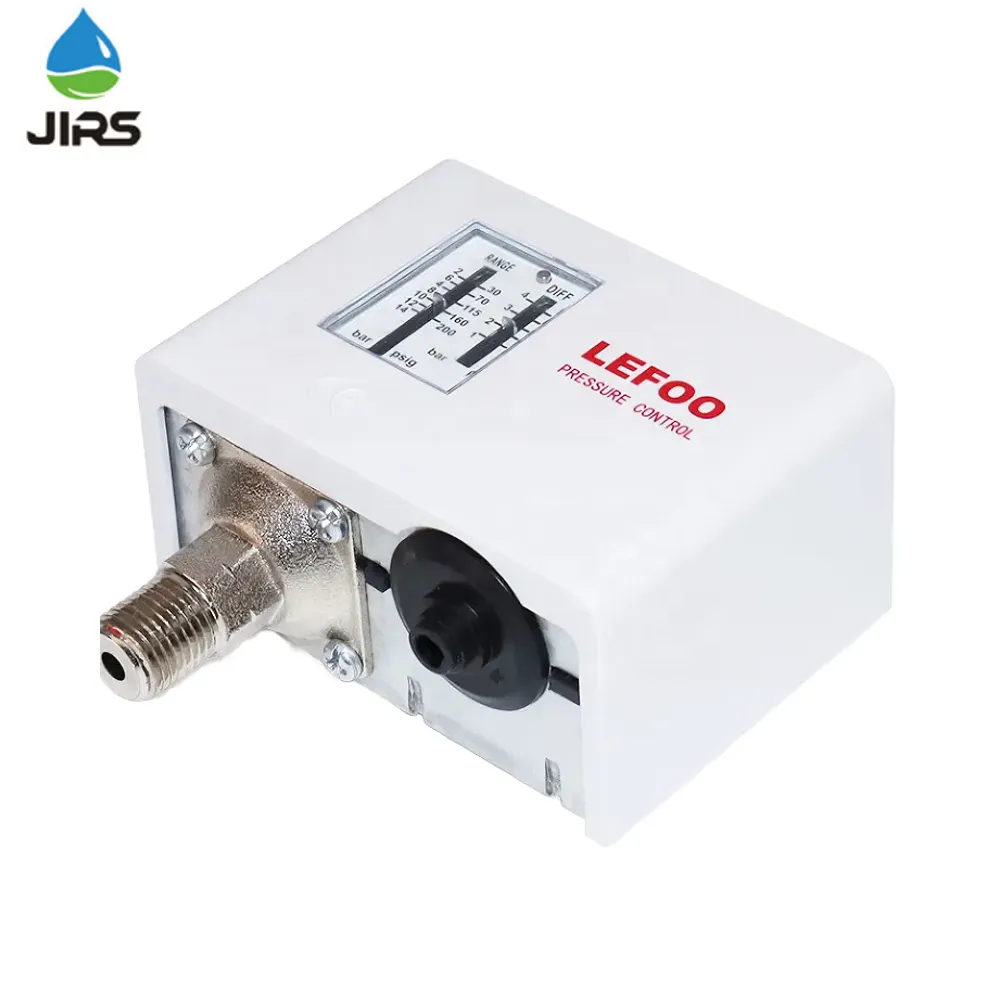
Figure 1: LF55 pressure switch in a typical industrial application.
Product Overview
The LF55 pressure switch is an automatic control device designed to respond to pressure signals and initiate corresponding actions. It functions as a critical safety mechanism in systems where pressure fluctuations could lead to equipment damage or operational hazards. By integrating advanced components and international mounting standards, the LF55 delivers precision and durability in high-demand environments.
Key features of the LF55 include:
- SPDT (Single Pole Double Throw) Switch: Ensures reliable contact switching, providing stable electrical connections for control circuits.
- International Standard Mounting Bracket: Facilitates easy installation and compatibility with global industrial systems.
- Phosphor Bronze Bellows: Offers exceptional resilience against wear and corrosion, ensuring long-term performance.
- Brass Pressure Port: Enhances durability and resistance to high-pressure environments.
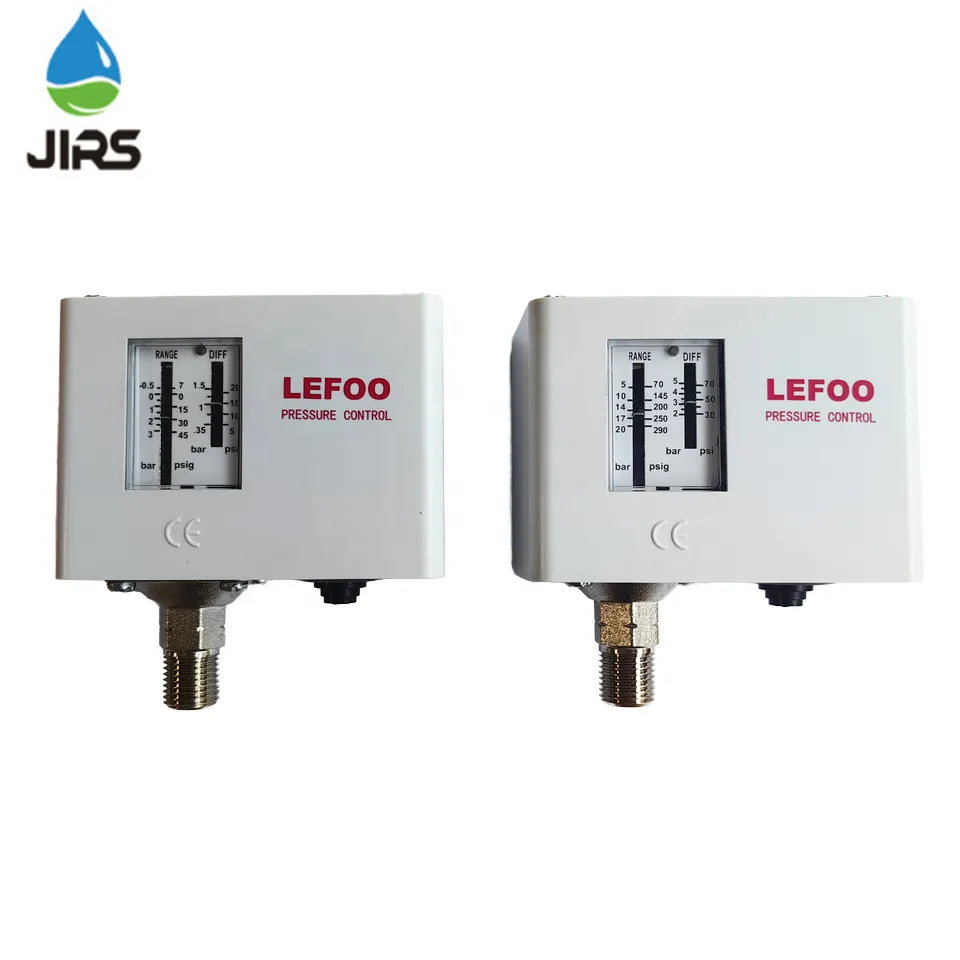
Figure 2: Detailed view of the LF55 pressure switch components.
Technical Specifications
| Parameter | Specification |
|---|---|
| Pressure Range | 0–100 psi (adjustable based on model) |
| Switch Type | SPDT (Single Pole Double Throw) |
| Material of Bellows | Phosphor Bronze |
| Pressure Port Material | Brass |
| Mounting Standard | International (1/4" NPT or 1/2" BSP) |
| Operating Temperature | -20°C to 80°C |
| Electrical Rating | 10A at 250V AC |
| Accuracy | ±1.5% of full scale |
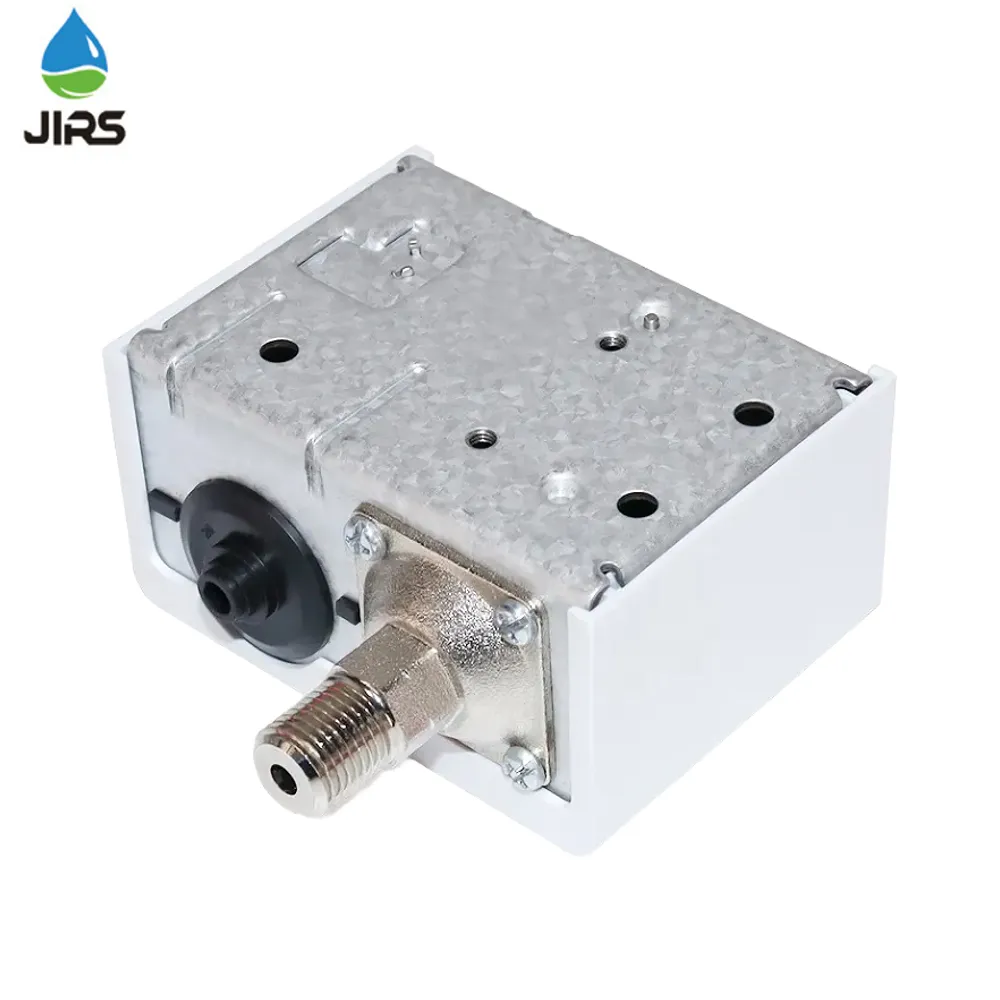
Figure 3: LF55 pressure switch in a hydraulic system setup.
Applications and Use Cases
The LF55 pressure switch is versatile, with applications spanning multiple industries. Its ability to detect and respond to pressure changes makes it indispensable in the following scenarios:
- Hydraulic Systems: Monitors pressure in hydraulic pumps and actuators, preventing overpressure damage.
- Pump Protection: Acts as a safety mechanism to shut down pumps in case of pressure anomalies.
- Fluid Control Equipment: Ensures optimal performance in systems such as water treatment plants and industrial cooling units.
- Automotive Manufacturing: Integrates into production lines to regulate air and hydraulic systems.
According to the National Institute of Standards and Technology (NIST), pressure control devices like the LF55 are critical for maintaining operational safety in industrial settings. NIST emphasizes that "accurate pressure monitoring is essential to prevent catastrophic failures and ensure compliance with safety standards" [1]. The LF55 aligns with these principles by offering precise, reliable performance.
Company Background: Hebei JIRS Import & Export Co., Ltd.
Hebei JIRS Import & Export Co., Ltd. is a trusted name in the global industrial equipment market. With decades of experience in manufacturing and distributing high-quality control devices, the company has established itself as a leader in innovation and customer satisfaction. Their commitment to quality is reflected in products like the LF55 pressure switch, which meets international standards and undergoes rigorous testing to ensure durability and performance.
As a key player in the industry, Hebei JIRS focuses on delivering solutions that address the evolving needs of modern manufacturing. Their products are used in a wide range of sectors, including energy, automotive, and agriculture, underscoring their role as a reliable partner for industrial automation.
Why Choose the LF55 Pressure Switch?
The LF55 pressure switch stands out due to its combination of advanced technology, durability, and user-friendly design. Here are some key advantages:
- Enhanced Safety: The SPDT switch and phosphor bronze bellows ensure reliable operation, even in harsh environments.
- Easy Installation: The international mounting bracket simplifies integration into existing systems.
- Longevity: High-quality materials like brass and phosphor bronze resist corrosion and wear, extending the device's lifespan.
- Customization: Adjustable pressure ranges allow the LF55 to adapt to specific application requirements.
Conclusion
The LF55 pressure switch is a testament to Hebei JIRS Import & Export Co., Ltd.'s dedication to innovation and quality. By combining advanced engineering with international standards, this device offers a reliable solution for industrial pressure monitoring and control. Whether used in hydraulic systems, pumps, or fluid control equipment, the LF55 ensures safety, efficiency, and long-term performance.
For more information about the LF55 pressure switch or other products from Hebei JIRS, visit the company website.
References
[1] National Institute of Standards and Technology (NIST). "Pressure Monitoring in Industrial Systems." https://www.nist.gov/

Related Products




Related News


2026-11-03 04:36:32
Rotameter FAQ for small-flow measurement in water treatmentLearn how a Rotameter measures fluid flow, where it fits in water-treatment and RO systems, and which accuracy, pressure, and float details to review before ordering.

2026-10-29 03:32:11
Choosing WS 9100: Application Fit and Specification ChecksEvaluate whether the WS 9100 fits your environmental monitoring project. Review power supply options, temperature-controlled storage, sampling method compatibility, and key specifications before purchasing.

2026-10-23 04:19:53
PH/ORP-6850 Controller FAQ: Specifications, Configuration Options and Ordering QuestionsPH/ORP-6850 FAQ: pH 0–14 and ORP ±1200 mV ranges, ±0.02 pH accuracy, isolated 4–20 mA output, relay alarms, power supply options and panel installation.

2026-07-01 09:39:59
Guide to Ensuring Water Purity for drinking water tds MonitoringEnsuring Water Purity: The Ultimate Guide for Drinking Water TDS Monitoring Maintaining high water quality standards is essential for public health and industrial safety. One of the most critical metrics for assessing water purity is Total Dissolved Solids TDS, which represents the combined content of all inorganic and organic substances dissolved in water. Utilizing high-precision equipment for drinking water tds measurement allows facilities to detect contamination and ensure that filtration systems are operating at peak efficiency. In this guide, we will explore the technical aspects of TDS monitoring and how advanced transmitters provide the reliability needed for modern environmental monitoring.

2026-06-29 16:58:21
Understanding the Conversion of Electrical Conductivity to TDSUnderstanding the Conversion of Electrical Conductivity to TDS In water quality analysis, measuring the purity of a liquid often involves understanding the relationship between electrical conductivity to tds Total Dissolved Solids. While conductivity measures the ability of water to pass an electrical currentwhich is directly influenced by the concentration of ionized substancesTDS represents the total amount of mobile charged ions, including minerals, salts, or metals dissolved in a given volume of water. For professionals in environmental monitoring and water treatment, mastering this conversion is essential for maintaining system efficiency and ensuring regulatory compliance.

2026-06-27 17:38:40
Industrial Guide to Electrical Conductivity Salt Water MonitoringUnderstanding Electrical Conductivity Salt Water Monitoring for Industrial Precision In the realm of water quality analysis, measuring the electrical conductivity salt water levels is a critical process for maintaining industrial efficiency and environmental safety. Conductivity serves as a direct indicator of the concentration of dissolved ions, which is essential for industries ranging from desalination plants to chemical manufacturing. Accurate monitoring prevents equipment corrosion, ensures product purity, and supports regulatory compliance. By utilizing advanced instrumentation, operators can achieve real-time insights into salt concentrations, allowing for immediate adjustments in water treatment processes to avoid costly downtime.

2026-06-26 16:42:22
Technical Guide to Industrial ec meter circuit Design and UseUnderstanding the EC Meter Circuit: The Heart of Water Quality Analysis Electrical Conductivity EC is a fundamental parameter in environmental monitoring, aquaculture, and industrial water treatment. At the core of every reliable measurement device is a sophisticated ec meter circuit , which converts the physical conductance of a liquid into a precise digital reading. Whether you are managing a boilers deoxygenation process or monitoring nutrient levels in hydroponics, understanding how the circuit handles signal amplification and temperature compensation is key to ensuring data accuracy. This guide explores the technical intricacies of EC circuitry and how it integrates into professional water quality controllers.

2026-06-25 18:39:20
Professional Guide to drinking water testing for tds and PurityDrinking Water Testing for TDS: Ensuring Pure and Safe Water Quality Maintaining high water quality is essential for both health and industrial efficiency. When performing drinking water testing for tds , professionals seek to measure the Total Dissolved Solids TDS, which indicates the concentration of dissolved inorganic salts and organic matter in water. Whether you are managing a municipal water plant or a high-precision industrial facility, understanding the conductivity and TDS levels is the first step toward effective water treatment. In this guide, we explore the technical aspects of TDS measurement and the advanced instrumentation required for accurate monitoring.

 English