


Reliable pH ORP Monitor Solutions for Industrial Water Systems

Reliable pH ORP Monitor Solutions for Industrial Water Systems
Dec . 13, 2025
Why a pH ORP monitor is a must-have in industrial water management
Having spent more years than I'd like to admit knee-deep in the industrial equipment field, I’ve seen firsthand how crucial precise water monitoring can be. Ever tried balancing a complex chemical process without reliable data? It’s like trying to fly blind.
pH ORP monitors offer a neat combination of durability and accuracy. Basically, these devices keep tabs on your water’s acidity or oxidation-reduction potential so that pumps, dosing systems, and treatment processes can run smoothly.
In practical terms, a quality monitor doesn’t just spit numbers — it informs decisions, prevents costly downtime, and sometimes even saves an entire batch (or plant!) from errors that often feel like they appeared out of the blue. I’ve noticed that many plant managers favor models that not only last but also offer intuitive calibration and clear displays. Because honestly, when you’re on a 12-hour shift, you want quick, trustworthy info without peeling through manuals.
What sets dependable industrial pH ORP monitors apart
Manufacturers nowadays focus heavily on sensor design that can stand up to harsh environments — think corrosive chemicals, temperature swings, and mechanical wear. The use of advanced materials like titanium or reinforced glass, combined with solid-state electronics, means you get less drift and fewer breaks.
Of course, sensor maintenance still factors in. Many engineers I’ve worked alongside swear by devices with automated calibration recipes or self-cleaning capabilities because the last thing you need is manual downtime every other week.
A quick look at standard specs for popular pH ORP monitors
| Specification | Typical Range | Notes |
|---|---|---|
| pH Measurement Range | 0 – 14 pH | Broad enough for most industrial processes |
| ORP Range | -1000 to +1000 mV | Covers oxidation and reduction potentials |
| Operating Temperature | 0 to 80 °C | Some high-temp variants exist |
| Accuracy | ±0.01 pH | High precision achievable |
| Output Signal | 4–20 mA, 0–5 V, Modbus | Flexible for integration with DCS/PLC |
Comparing popular pH ORP monitor vendors
| Vendor | Sensor Durability | Ease of Calibration | Display & Interface | Price Range |
|---|---|---|---|---|
| AquaSense | High | Automated | Touchscreen | $$$ |
| FlowGuard | Medium | Manual | LED & Buttons | $ |
| PureTech | High | Semi-Auto | LCD Screen | $$ |
Why investing in the right monitor really pays off
I remember a plant where pH swings almost caused a shutdown. The operators were watching numbers flicker on cheap, generic sensors, and the inconsistency was maddening — false alarms, missed triggers, you name it. When the system was upgraded to a rugged, individual-calibrated pH ORP monitor, not only did the accuracy improve, but the maintenance crew reported fewer sensor replacements and quicker troubleshooting times.
In the end, it’s not just about having a monitor, but having one that’s engineered with the realities of industrial water treatment in mind. You want reliability. You want longevity. And most importantly, you want clear, actionable data.
If there’s one takeaway it’s that cutting corners on water quality monitoring is a false economy. Sensors age. Processes shift. But a well-chosen pH ORP monitor keeps you in the loop — no surprises, just steady control.
So, next time your supplier calls about the latest sensor model, ask about the calibration methods, the materials involved, and how it fares in gritty, real-world conditions. Because, frankly, that’s where the difference lies.
References and Musings:
- Insights from multiple industrial water treatment plants, 2015–2023.
- Manufacturer specification sheets and user manuals (various vendors).
- Personal experience troubleshooting and supporting water monitoring equipment.

Related Products
Related News
2026-04-16 03:20:19
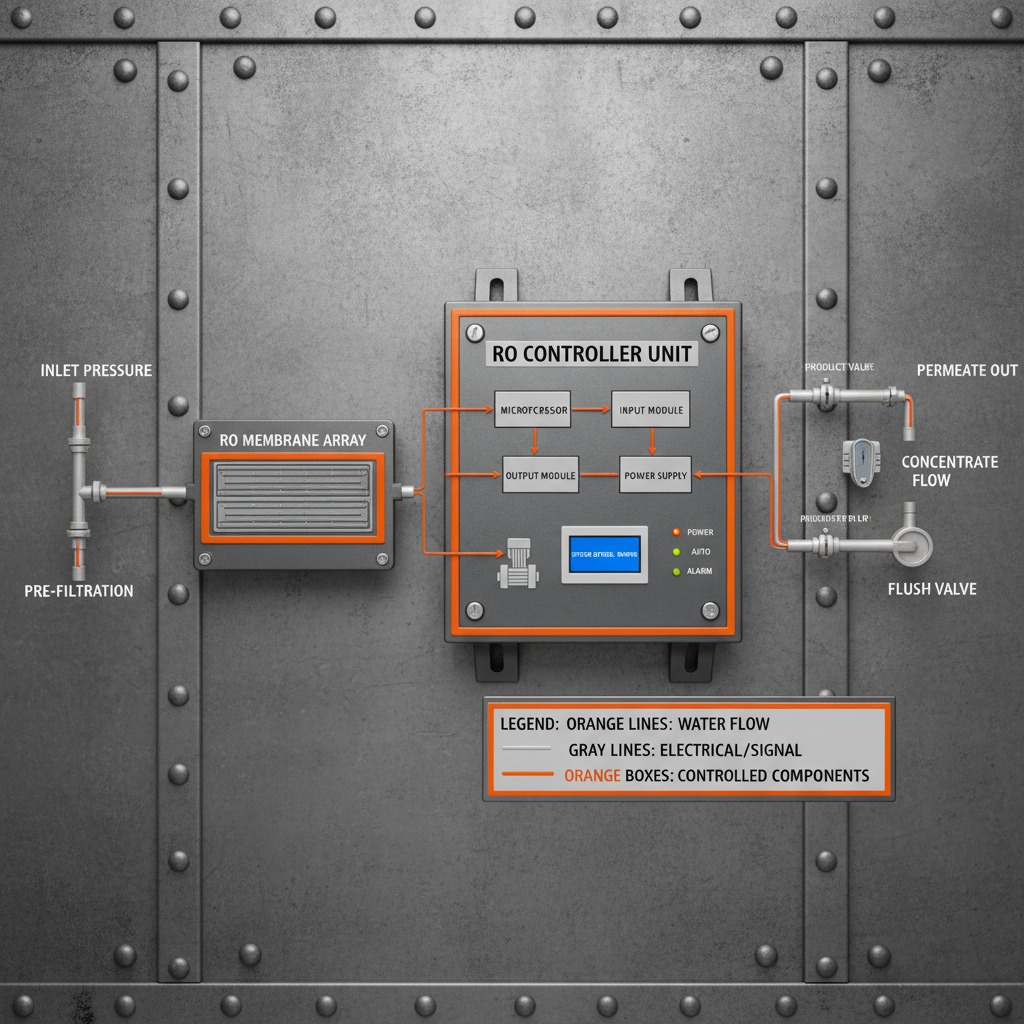
Guide to Choosing the Right RO Controller for Water PurificationMaintaining a high-performance reverse osmosis system requires more than just quality membranes; it demands precise regulation. An ro controller serves as the brain of the entire operation, monitoring critical parameters such as conductivity, temperature, and flow rates to ensure the output water meets stringent purity standards. Without an efficient controller, systems are prone to membrane fouling, inefficient energy use, and inconsistent water quality. In this comprehensive guide, we will explore how these devices optimize water treatment processes and how to select the best model for your specific industrial or commercial needs.
2026-04-09 03:25:47
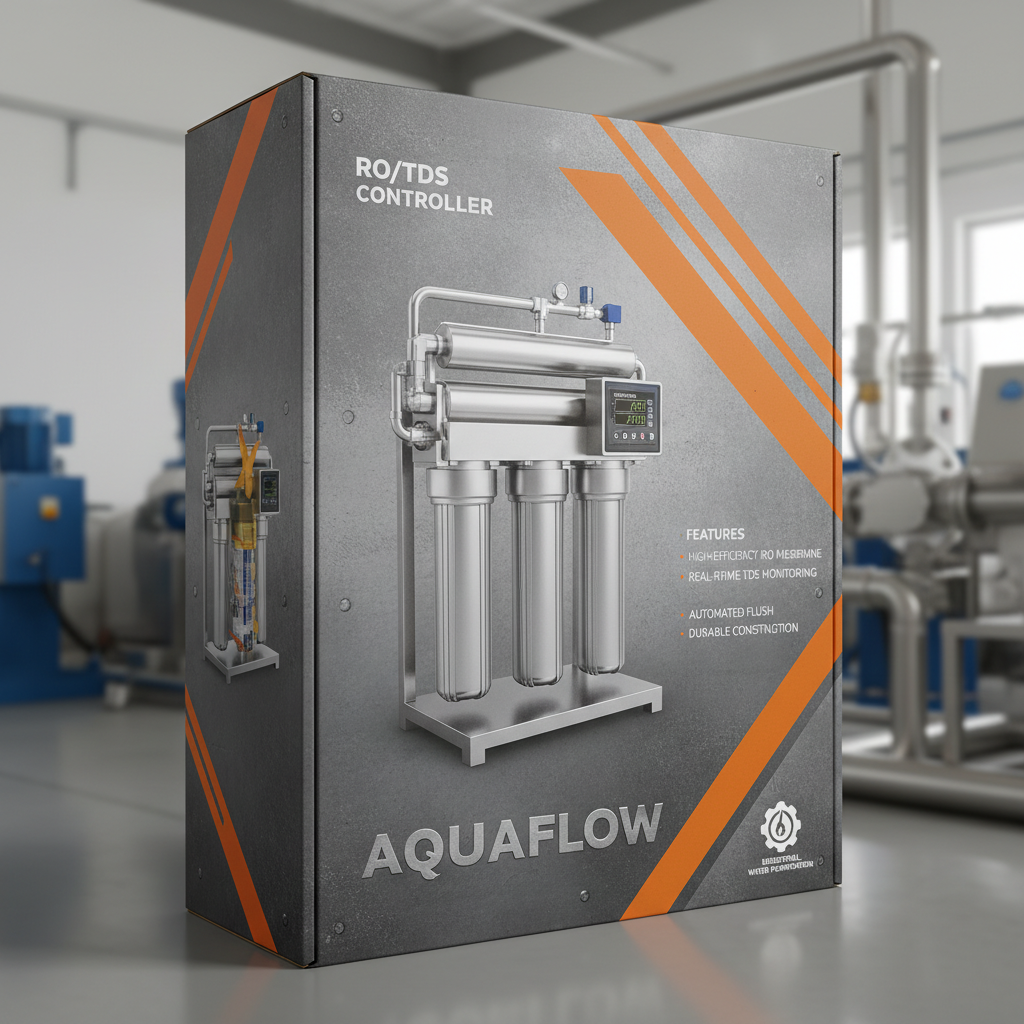
Guide to Water Purity Using RO with TDS Controller SystemsAchieving the perfect balance of mineral content and purity in drinking water is a challenge for many households and industrial facilities. A ro with tds controller offers a sophisticated solution by combining the rigorous filtration of Reverse Osmosis (RO) with the precision of a Total Dissolved Solids (TDS) adjustment system. While standard RO systems remove almost everything, including beneficial minerals, a TDS controller allows users to re-mineralize the water to a desired level. This ensures that the water is not only safe and pure but also tastes better and provides essential nutrients.
2026-04-07 03:17:09
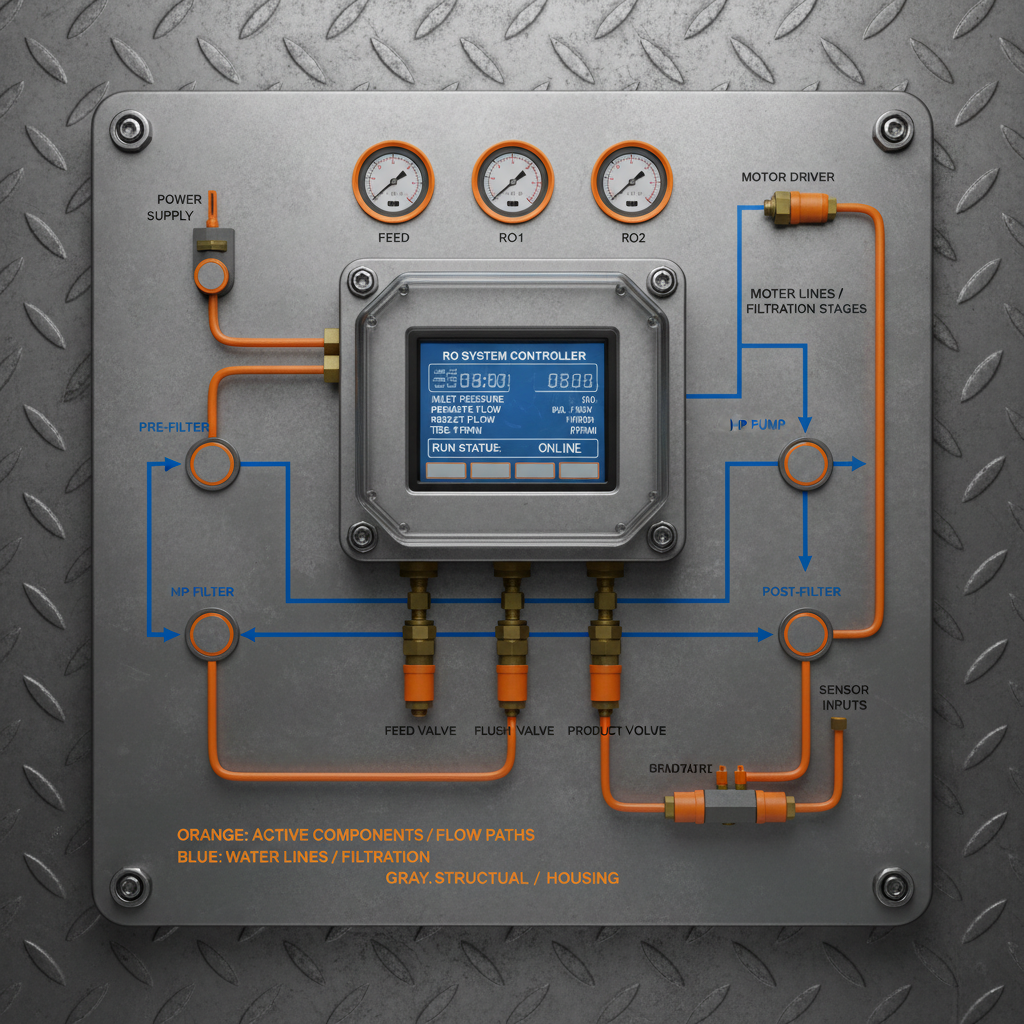
Understanding and Optimizing Reverse Osmosis Systems with a ControllerIn the world of water purification, reverse osmosis (RO) systems are a cornerstone for producing high-quality water for various applications, from drinking water to industrial processes. However, an RO system is only as effective as its control system. This is where the reverse osmosis controller comes into play. This critical component manages and optimizes the RO process, ensuring efficient operation, water quality, and system longevity.
2026-04-04 03:27:19
Understanding the Vital Role of an RO System Controller for Optimal PerformanceReverse Osmosis (RO) systems are critical for purifying water across various industries, from residential applications to large-scale industrial processes. At the heart of a well-functioning RO system lies the RO system controller. This intelligent device monitors and regulates all key parameters of the RO process, ensuring optimal performance, efficiency, and water quality. This article delves into the functionalities, benefits, and selection criteria for choosing the right RO system controller, particularly focusing on those offered by Watequipments. Understanding its role is crucial for maximizing the lifespan and effectiveness of your RO investment.
2026-03-24 17:18:24
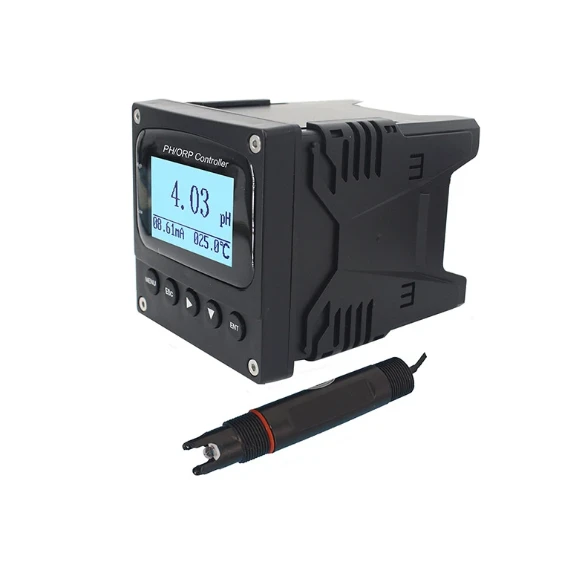
Smart Water Treatment Solutions Using PH ORP Controller SystemsIn modern water treatment and industrial fluid management, maintaining precise chemical balance is essential for safety, efficiency, and regulatory compliance.
2026-03-04 02:55:19
Comprehensive Guide to Water Depth Samplers and Their ApplicationsAccurate water quality monitoring is crucial in various fields, from environmental science and aquaculture to industrial wastewater management. A key tool for this is the water depth sampler. This article provides an in-depth look at water depth samplers, their applications, types, and essential considerations for choosing the right one for your needs. We'll explore the benefits of utilizing this equipment to collect reliable data for analysis and informed decision-making. Selecting the right sampler can significantly improve the precision and efficiency of your water monitoring program. A water depth sampler, also known as a depth-integrated sampler, is a device designed to collect water samples from specific depths within a body of water. Unlike simply dipping a container into the water, a depth sampler allows for collection of a representative sample across a defined depth range. This is critical because water properties (temperature, salinity, pollutants) often vary significantly with depth. The data gathered with a water depth sampler provides a more accurate assessment of water quality than surface samples alone.
2026-03-03 18:55:22
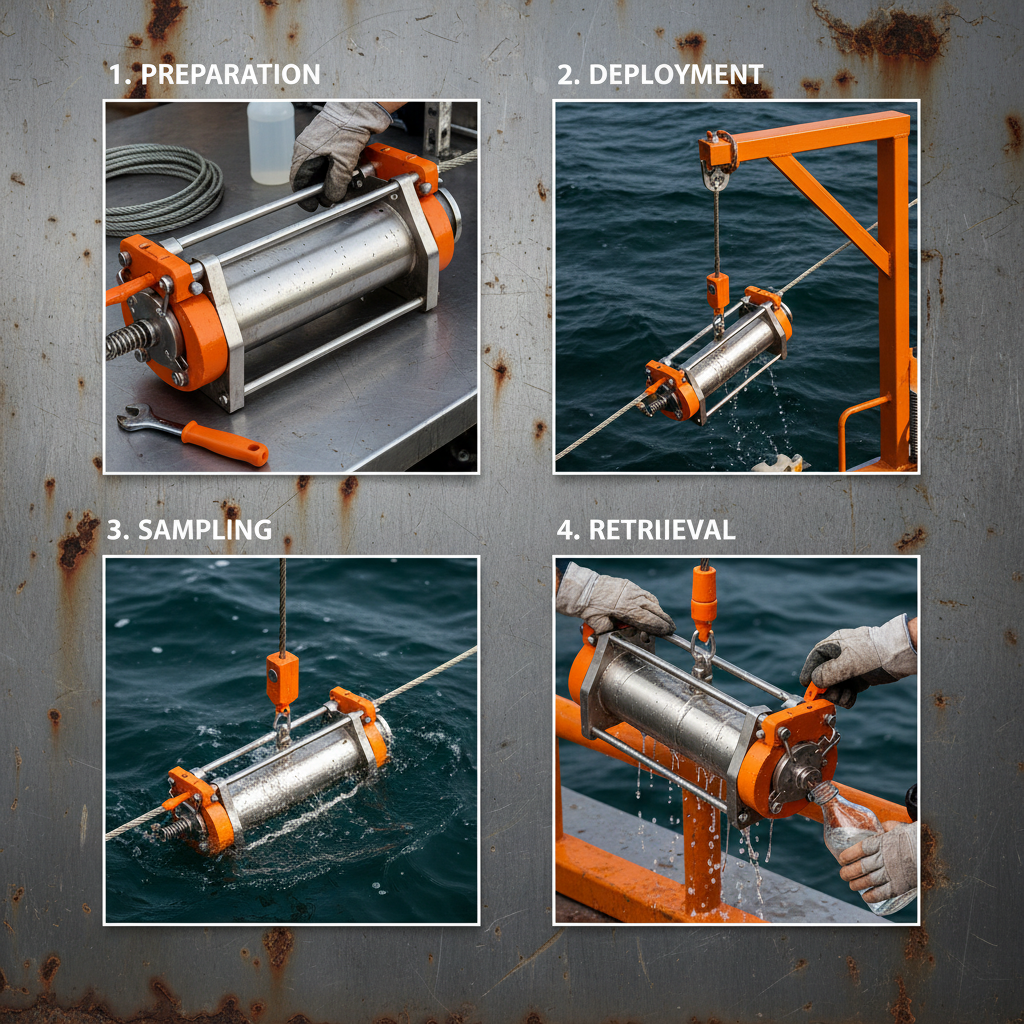
Comprehensive Guide to Horizontal Water Sampler Applications and SelectionCollecting water samples at varying depths is crucial for environmental monitoring, research, and quality control. The horizontal water sampler from Watequipment.com offers a precise and efficient solution for this task. This article provides an in-depth look at horizontal water samplers, their applications, benefits, and key considerations when choosing the right model. We will explore how these samplers contribute to accurate data collection and informed decision-making in various fields. A horizontal water sampler is a device designed to collect water samples from specific depths within a body of water – rivers, lakes, oceans, reservoirs, and even wastewater treatment plants. Unlike vertical samplers which primarily focus on depth, horizontal samplers prioritize collecting samples at a consistent depth while moving along a horizontal plane. This is essential for assessing water quality variations across a waterway or within a specific zone. They are used in applications ranging from environmental monitoring and scientific research to industrial process control and regulatory compliance.
2026-02-28 02:35:09
Comprehensive Guide to Selecting the Right Surface Water Sampler for Your NeedsMonitoring the quality of surface water is critical for environmental protection, public health, and various industrial applications. A surface water sampler is an essential tool for collecting representative samples from rivers, lakes, ponds, and other surface water sources. This article provides a detailed overview of surface water samplers, their types, applications, and key considerations for selecting the right equipment. Accurate water quality data relies on proper sample collection, and choosing the correct sampler is the first step toward achieving reliable results. Surface water samplers come in various designs, each suited to specific sampling needs. Common types include grab samplers, depth-integrating samplers, peristaltic pumps, and automatic samplers. Surface water samplers are used across a broad spectrum of applications, including environmental monitoring, wastewater discharge monitoring, drinking water source monitoring, agricultural runoff analysis, and research studies.

 English