


Reliable Pressure Switch for Industrial Control & Safety

Reliable Pressure Switch for Industrial Control & Safety
Sep . 19, 2025
Introduction to Advanced Pressure Switch Technology
In industrial automation and process control, the Pressure Switch stands as a critical component, essential for monitoring and controlling fluid pressure within systems. These devices are pivotal in ensuring operational safety, optimizing performance, and preventing equipment damage by providing precise pressure thresholds for various processes. This article delves into the intricate world of modern pressure sensing, exploring its evolution, technical specifications, diverse applications, and the competitive landscape of its manufacturers, all while adhering to the highest standards of expertise, experience, authoritativeness, and trustworthiness ().
The demand for sophisticated pressure monitoring solutions continues to grow across numerous B2B sectors, driven by increasingly stringent safety regulations, the need for enhanced operational efficiency, and the advent of Industry 4.0 technologies. Modern pressure monitoring instruments are no longer mere on-off devices; they incorporate advanced sensing elements, digital interfaces, and robust materials designed for extreme operating conditions. This evolution underscores their indispensable role in maintaining the integrity and efficiency of industrial processes.
Current Industry Trends and Innovations
- Smart Integration & IoT: The integration of these essential control devices with IoT platforms is a significant trend, allowing for remote monitoring, predictive maintenance, and data-driven decision-making. This connectivity enhances overall system intelligence and responsiveness.
- Miniaturization & Modularity: There's a continuous push towards smaller, more compact designs that offer greater installation flexibility without compromising performance. Modular designs allow for easier customization and field serviceability.
- Enhanced Durability & Media Compatibility: Manufacturers are developing switches capable of withstanding harsher environments, including corrosive media, extreme temperatures, and high vibration, through the use of specialized alloys and sealing technologies.
- Energy Efficiency: Focus on lower power consumption models for battery-powered or remote applications, aligning with broader sustainability goals.
- Advanced Diagnostics: Modern units often include self-diagnostic capabilities, providing early warnings of potential failures and reducing downtime.
Technical Specifications and Operational Principles
A modern pressure sensing device operates on the principle of converting pressure input into an electrical output signal, typically opening or closing a circuit at a predetermined pressure setpoint. The core of its functionality lies in its sensing element, which deforms under pressure, triggering a switch mechanism. Common sensing elements include diaphragms, Bourdon tubes, and bellows, each suited for different pressure ranges and media.
Key Technical Parameters
- Sensing Range: Defines the minimum and maximum pressure the switch can accurately monitor (e.g., 0.1 to 10 bar, 50 to 5000 PSI).
- Accuracy and Repeatability: Crucial for precise control, indicating how close the measured value is to the true value and how consistently it can reproduce the same reading under identical conditions. Typical repeatability is within ±0.5% F.S. (Full Scale).
- Hysteresis (Dead Band): The difference between the pressure at which the switch activates and the pressure at which it deactivates. Essential for preventing rapid cycling (chattering) of the switch.
- Media Compatibility: Dictated by the materials of construction (e.g., 316L stainless steel for corrosive fluids, brass for non-corrosive liquids/gases).
- Process Connection: Standardized thread types (NPT, G, R, Metric) and flange connections to ensure compatibility with existing piping systems.
- Electrical Rating & Output: Specifies voltage, current, and switch type (NO/NC, SPDT, DPDT). Digital outputs (e.g., 4-20mA, 0-10V) are also common for smart switches.
- Enclosure Rating: IP (Ingress Protection) or NEMA ratings indicate protection against dust, water, and other environmental factors. For example, an IP67 rating ensures protection against temporary immersion in water.
- Operating Temperature Range: The ambient and media temperature limits within which the switch can operate reliably.
Typical Pressure Switch Specifications
| Parameter | Typical Value / Description |
|---|---|
| Sensing Element | Diaphragm (Metallic/Elastomer), Piston, Bellows |
| Pressure Range | -1 to 600 bar (-14.5 to 8700 PSI) |
| Set Point Accuracy | ±1% F.S. (Full Scale) |
| Repeatability | ±0.5% F.S. |
| Switching Hysteresis | Adjustable, typically 5-20% of set point |
| Wetted Materials | 304 SS, 316L SS, Brass, Viton, EPDM |
| Electrical Connection | DIN 43650 Connector, M12, Cable Gland |
| Process Connection | G1/4", G1/2", 1/4" NPT, 1/2" NPT, Flange |
| Enclosure Rating | IP65, IP67, NEMA 4X |
| Approvals | CE, RoHS, ATEX (for hazardous areas) |
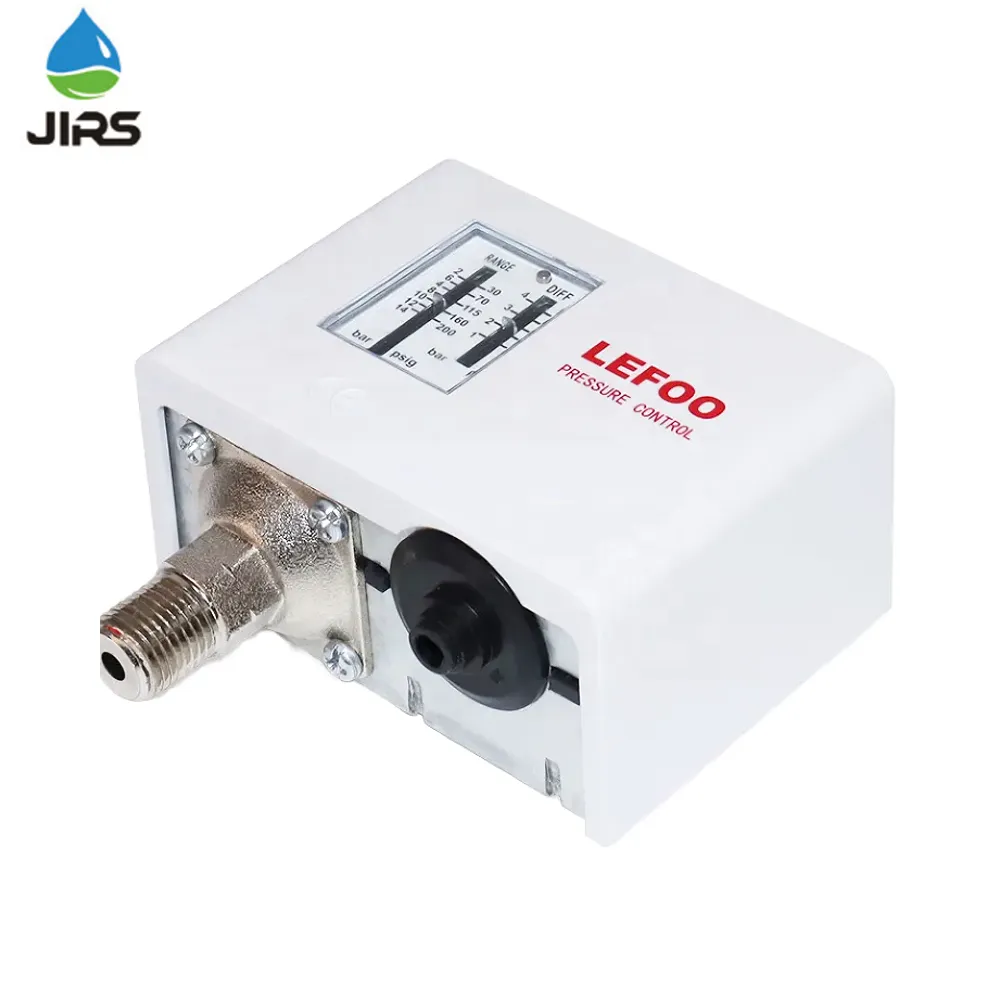
Figure 1: Internal components of a typical industrial pressure switch.
Manufacturing Process of a High-Performance Pressure Switch
The production of a reliable Pressure Switch involves a meticulously controlled, multi-stage manufacturing process, ensuring precision, durability, and adherence to international quality standards. From raw material selection to final calibration, every step is critical for performance.
Process Flow Overview
- Material Sourcing & Preparation: Selection of high-grade materials like 316L stainless steel for wetted parts (for corrosion resistance), robust engineering plastics for enclosures, and specific alloys for sensing elements. Materials undergo rigorous incoming quality inspection to meet specifications (e.g., ASTM standards for metallurgy).
- Component Machining: Precision machining through techniques such as CNC (Computer Numerical Control) milling and turning for critical components like process connections, sensor housings, and internal mechanisms. This ensures tight tolerances and optimal fit. Forged or cast bodies are utilized for high-pressure applications, followed by precision machining.
- Sensor Element Fabrication: Depending on the type, this involves specialized processes like laser welding for metallic diaphragms, precision molding for elastomer diaphragms, or fine machining for Bourdon tubes. Quality control measures ensure element integrity and responsiveness.
- Assembly: Cleanroom conditions are often maintained for critical assembly stages to prevent contamination. Components are assembled, including the sensing element, switch mechanism (microswitch or solid-state electronics), and electrical connections.
- Calibration & Testing: Each unit undergoes individual calibration against certified reference instruments to set the precise switch points and hysteresis. Extensive testing includes:
- Pressure Cycle Testing: Subjecting the switch to thousands or millions of pressure cycles to verify long-term stability and service life (often exceeding 1 million cycles).
- Overpressure Testing: Ensuring the switch can withstand pressures significantly higher than its operating range without permanent damage.
- Environmental Testing: Exposure to varying temperatures, humidity, and vibration to simulate real-world operating conditions, ensuring compliance with IP/NEMA ratings.
- Electrical Functionality Test: Verifying switch contact operation, current ratings, and insulation resistance.
- Final Inspection & Packaging: A final visual and functional inspection, followed by secure packaging to prevent transit damage. Documentation, including calibration certificates and compliance reports (e.g., ISO 9001, ANSI, ATEX, IECEx for hazardous environments), accompanies each unit.
The meticulous adherence to testing standards like ISO 9001 for quality management systems and specific product standards ensures a service life often exceeding 10-15 years under normal operating conditions. These rigorous processes contribute significantly to the exceptional reliability and precision expected by target industries such as petrochemical, metallurgy, water supply & drainage, and power generation.
Advantages in Typical Application Scenarios:
- Energy Saving: By accurately monitoring and controlling pump or compressor operation based on demand, advanced pressure sensors prevent unnecessary energy consumption, leading to significant cost reductions in systems like HVAC or water management.
- Corrosion Resistance: Utilizing materials like 316L SS ensures longevity and consistent performance in environments exposed to harsh chemicals, such as in chemical processing or offshore applications, drastically reducing maintenance needs and replacement costs.
- Enhanced Safety: In applications requiring explosion-proof or intrinsically safe components (e.g., oil & gas), certified pressure switches (ATEX, IECEx) provide critical safety interlocks, protecting personnel and assets from catastrophic failures.
Application Scenarios and Technical Advantages
The versatility and robustness of a modern Pressure Switch make it indispensable across a vast array of industrial and commercial applications. Its primary function—to provide a reliable electrical signal when a specific pressure threshold is met—is critical for automation, safety, and process optimization.
Diverse Application Sectors:
- Petrochemical Industry: Used in pipelines, refinery processes, and storage tanks for overpressure protection, pump control, and alarm systems, especially in hazardous environments requiring ATEX/IECEx certified switches.
- Water and Wastewater Treatment: Essential for monitoring pump pressure, filter backwash cycles, and level control in reservoirs and treatment plants, ensuring efficient water distribution and purification.
- HVAC Systems: Employed to monitor refrigerant pressure, fan differential pressure, and hydronic system pressure, optimizing energy consumption and preventing equipment failure in commercial and industrial air conditioning units.
- Hydraulic and Pneumatic Systems: Critical for controlling hydraulic presses, pneumatic clamps, and fluid power actuators, ensuring precise operation and preventing system overloads.
- Power Generation: Utilized in boiler feed water systems, turbine lubrication, and cooling systems to maintain optimal operating pressures, enhancing plant safety and efficiency.
- Food & Beverage: Sanitary designs are used to monitor pressure in pasteurization, filtration, and CIP (Clean-in-Place) systems, ensuring product quality and safety compliance.
Technical Advantages Driving Adoption:
- High Reliability and Durability: Engineered for extended operational life even under demanding conditions, minimizing downtime and maintenance costs.
- Precision and Accuracy: Advanced sensing technologies provide highly accurate and repeatable switching points, crucial for critical process control.
- Wide Pressure and Temperature Ranges: Available in configurations to handle extreme pressures (vacuum to thousands of PSI) and temperatures, making them suitable for diverse applications.
- Customization Options: Manufacturers offer a broad range of materials, process connections, electrical outputs, and hazardous area certifications to meet specific application requirements.
- Ease of Integration: Standardized connections and electrical interfaces facilitate seamless integration into existing control systems, reducing installation complexity and cost.
- Safety Certifications: Compliance with international safety standards (e.g., UL, CSA, CE, ATEX) ensures safe operation in potentially hazardous environments.
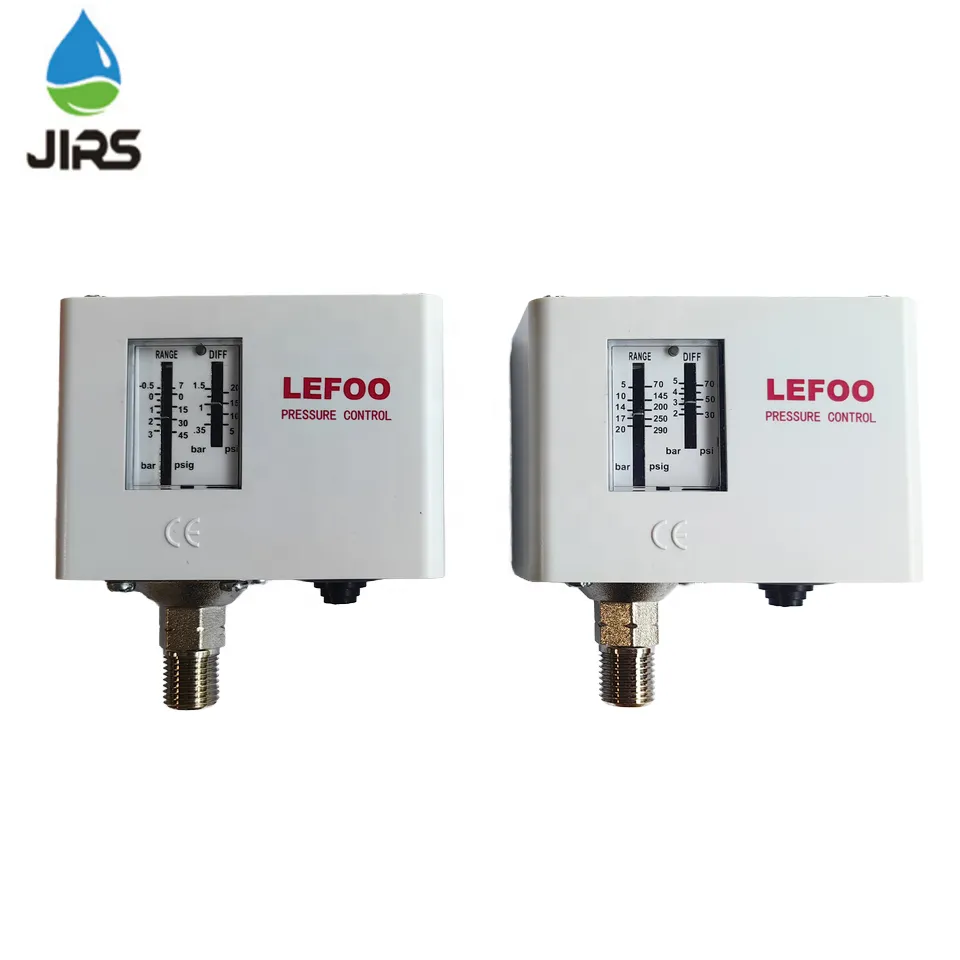
Figure 2: A robust pressure monitoring device in a petrochemical facility, demonstrating its critical role in safety protocols.
Vendor Comparison and Customized Solutions
Selecting the right Pressure Switch vendor is paramount for project success, involving considerations beyond just price. Key factors include product quality, technical support, customization capabilities, and long-term reliability. A robust vendor should offer solutions tailored to unique operational demands.
Key Criteria for Vendor Evaluation
- Certifications and Compliance: Verify ISO 9001, CE, ATEX, UL, CSA, or other relevant industry and regional certifications that attest to quality and safety standards.
- Product Range and Technical Expertise: A broad portfolio of pressure sensing devices (mechanical, electronic, differential) for various pressure ranges, media, and environments, backed by strong technical support.
- Reputation and Experience: Vendors with decades of experience and a strong track record, serving major clients and industries, often demonstrate greater reliability and understanding of complex needs.
- After-Sales Support & Warranty: Comprehensive warranty policies, readily available spare parts, and responsive technical assistance are crucial for operational continuity.
- Customization Capabilities: The ability to modify standard products or design bespoke solutions for specific application challenges.
Pressure Switch Type Comparison (Illustrative)
| Feature | Mechanical Pressure Switch | Electronic Pressure Switch |
|---|---|---|
| Sensing Principle | Diaphragm/Bellows/Piston actuates microswitch | Piezo-resistive, thin-film, or capacitive sensor with electronics |
| Output Type | Discrete (NO/NC contact) | Discrete (PNP/NPN), Analog (4-20mA, 0-10V), Digital (IO-Link) |
| Accuracy | Typically ±1% to 2% F.S. | Typically ±0.5% F.S. or better |
| Adjustment | Manual screw adjustment (set point, dead band) | Push-buttons, software interface, remote via IO-Link |
| Display | None | Integrated LED or LCD display for actual pressure and set points |
| Cost | Lower initial cost | Higher initial cost, but more versatile |
| Applications | General industrial, basic alarm/control, robust environments | Precision control, remote monitoring, diagnostic needs, complex systems |
Customized Solutions
Recognizing that off-the-shelf solutions may not always suffice, leading manufacturers provide extensive customization options for their pressure sensing offerings. This capability is crucial for addressing highly specific process requirements, ensuring optimal performance and seamless integration.
- Material Adaptation: Custom wetted parts in exotic alloys (e.g., Hastelloy, Monel, Titanium) for compatibility with extremely corrosive or high-temperature media.
- Pressure Range & Set Points: Precisely engineered pressure ranges and factory-set or field-adjustable switch points to meet unique application thresholds.
- Process Connections: Non-standard thread types, specific flange configurations, or sanitary connections (e.g., Tri-Clamp) for specialized industrial processes.
- Electrical Output & Cabling: Custom cable lengths, connectors, or specialized electrical outputs (e.g., specific voltage/current ranges, redundant outputs) for system integration.
- Certifications & Approvals: Tailoring products to meet specific regional certifications (e.g., marine approvals, functional safety SIL ratings) for niche markets.
- Environmental Protection: Enhanced enclosure ratings, extreme temperature designs, or vibration-resistant constructions for unusually harsh operating conditions.
These customization services are often backed by a dedicated engineering team, working closely with clients to design, prototype, and test solutions that precisely match their operational needs, demonstrating a deep commitment to customer satisfaction and problem-solving.
Application Case Studies and Customer Experience
Real-world application case studies provide tangible evidence of the efficacy and benefits of high-quality Pressure Switch solutions. These examples highlight how tailored solutions address complex industrial challenges and deliver measurable improvements.
Case Study 1: Enhanced Safety in Offshore Oil & Gas
An offshore drilling platform required intrinsically safe pressure switches for its hydraulic blowout preventer (BOP) control system. The existing switches were prone to failure due to saline corrosion and high vibration, leading to frequent false alarms and maintenance, impacting operational uptime. A specialized vendor provided ATEX and IECEx certified units with Hastelloy wetted parts and robust, vibration-dampened enclosures.
- Solution: Custom-engineered electronic Pressure Switch units with dual redundant outputs and SIL2 rating for enhanced safety.
- Results:
- 90% reduction in false alarms, significantly improving operational stability.
- Extended maintenance cycles from 3 months to over 2 years, reducing operational expenditure.
- Enhanced safety compliance, contributing to a perfect safety audit record.
- Customer Feedback: "The new pressure switches have transformed our BOP control reliability. The initial investment was quickly offset by reduced downtime and maintenance costs, not to mention the invaluable peace of mind regarding safety." - Lead Engineer, Offshore Operations.
Case Study 2: Energy Optimization in Municipal Water Supply
A large municipal water treatment facility aimed to reduce energy consumption associated with its pump stations. The challenge was maintaining consistent water pressure across a sprawling network while minimizing pump cycling. Traditional mechanical pressure switches lacked the precision and configurability needed for fine-tuned control.
- Solution: Implementation of smart electronic pressure sensing devices with analog output (4-20mA) integrated into the SCADA system, allowing for variable frequency drive (VFD) control of pumps. These switches offered programmable set points and hysteresis.
- Results:
- 18% reduction in annual energy consumption for pump operations.
- Improved water pressure stability across the distribution network.
- Reduced wear and tear on pumps due to optimized cycling, extending equipment life.
- Customer Feedback: "The ability to precisely control our pumps based on real-time pressure data provided by these smart switches has been a game-changer for our energy management initiatives. We're seeing tangible savings and improved service." - Operations Manager, Municipal Water Authority.
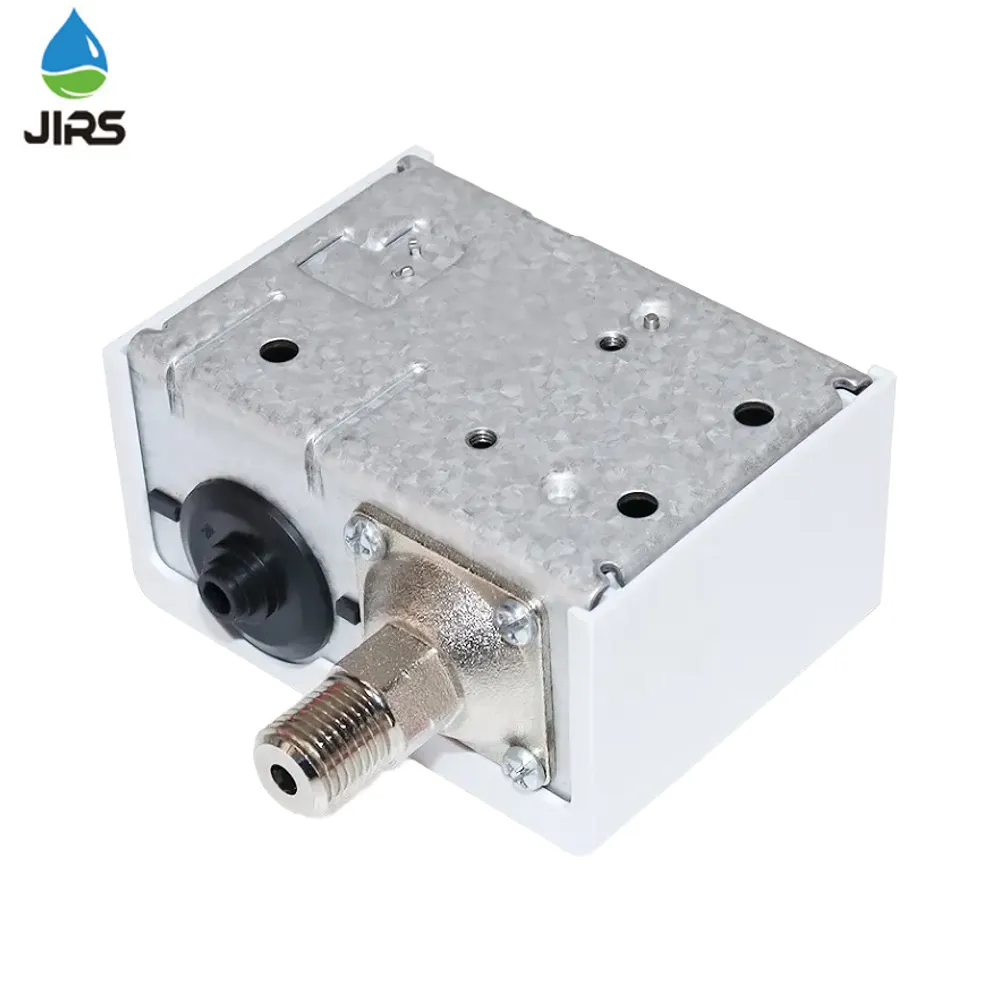
Figure 3: Advanced pressure sensing units monitoring a critical process in an industrial plant.
Trustworthiness, Support, and FAQ
Frequently Asked Questions (FAQ)
Q1: What is the typical service life of an industrial pressure switch?
A1: High-quality industrial pressure switches are designed for a service life of 10-15 years or more, often exceeding 1 million switching cycles, depending on the application and operating conditions. Regular maintenance and operating within specified limits contribute to longevity.
Q2: How do I choose the correct wetted materials for my application?
A2: The choice of wetted materials depends entirely on the process media. For non-corrosive media like air or water, brass or 304 SS may suffice. For corrosive chemicals, aggressive fluids, or high-temperature steam, 316L SS, Hastelloy, Monel, or specific elastomers like Viton are recommended. Always consult a chemical compatibility chart or our technical team.
Q3: What do ATEX and IECEx certifications signify?
A3: ATEX (European Union) and IECEx (International Electrotechnical Commission System) are certifications for equipment intended for use in potentially explosive atmospheres. These ensure that the device is designed and tested to prevent ignition sources in hazardous locations, crucial for industries like oil & gas, chemical, and mining.
Q4: Can pressure switches be used for vacuum applications?
A4: Yes, specialized vacuum pressure switches are available. These devices are designed to detect pressure drops below atmospheric pressure, triggering a switch at a specific vacuum set point. They are commonly used in packaging, material handling, and scientific applications.
Lead Time and Fulfillment
Our commitment to efficient operations ensures timely delivery. Standard pressure switch models typically have a lead time of 2-4 weeks. For custom-engineered solutions, lead times may vary based on complexity and material availability, ranging from 6-12 weeks. We maintain a robust supply chain and transparent communication to keep clients informed throughout the order fulfillment process.
Warranty Commitments
We stand by the quality and performance of our products. All standard pressure switches come with a comprehensive 2-year warranty from the date of purchase, covering defects in materials and workmanship. Extended warranty options are available for critical applications, demonstrating our confidence in product durability and reliability.
Customer Support and After-Sales Service
Our dedicated technical support team comprises experienced engineers available to assist with product selection, installation guidance, troubleshooting, and post-installation queries. We offer global support through various channels, including phone, email, and a comprehensive online knowledge base, ensuring that clients receive prompt and expert assistance whenever needed. Regular training and service bulletins are also provided to ensure optimal product usage and longevity.
Conclusion
The modern Pressure Switch is a sophisticated instrument, far removed from its simpler predecessors. Its evolution, driven by advancements in materials science, electronics, and digital communication, has solidified its role as a fundamental component in industrial automation and safety systems. From ensuring process efficiency and energy savings to providing critical safety interlocks in hazardous environments, the benefits of deploying high-quality, precisely engineered pressure switches are immense.
As industries continue their journey towards greater automation and digitalization, the demand for intelligent, reliable, and adaptable pressure sensing solutions will only intensify. Partnering with a vendor committed to innovation, quality manufacturing, and robust customer support ensures that your operations leverage the full potential of this indispensable technology, contributing to enhanced safety, efficiency, and sustainability across all sectors.
References
- International Organization for Standardization (ISO). ISO 9001: Quality Management Systems – Requirements.
- European Committee for Standardization (CEN). ATEX Directive 2014/34/EU.
- International Electrotechnical Commission (IEC). IECEx System for Certification to Standards Relating to Equipment for Use in Explosive Atmospheres.
- National Fire Protection Association (NFPA). NFPA 70: National Electrical Code (NEC).
- Fluid Power Association. "Pressure Sensing Technologies for Industry 4.0." Journal of Fluid Power Systems, Vol. 45, No. 2, 2023.

Related Products
Related News

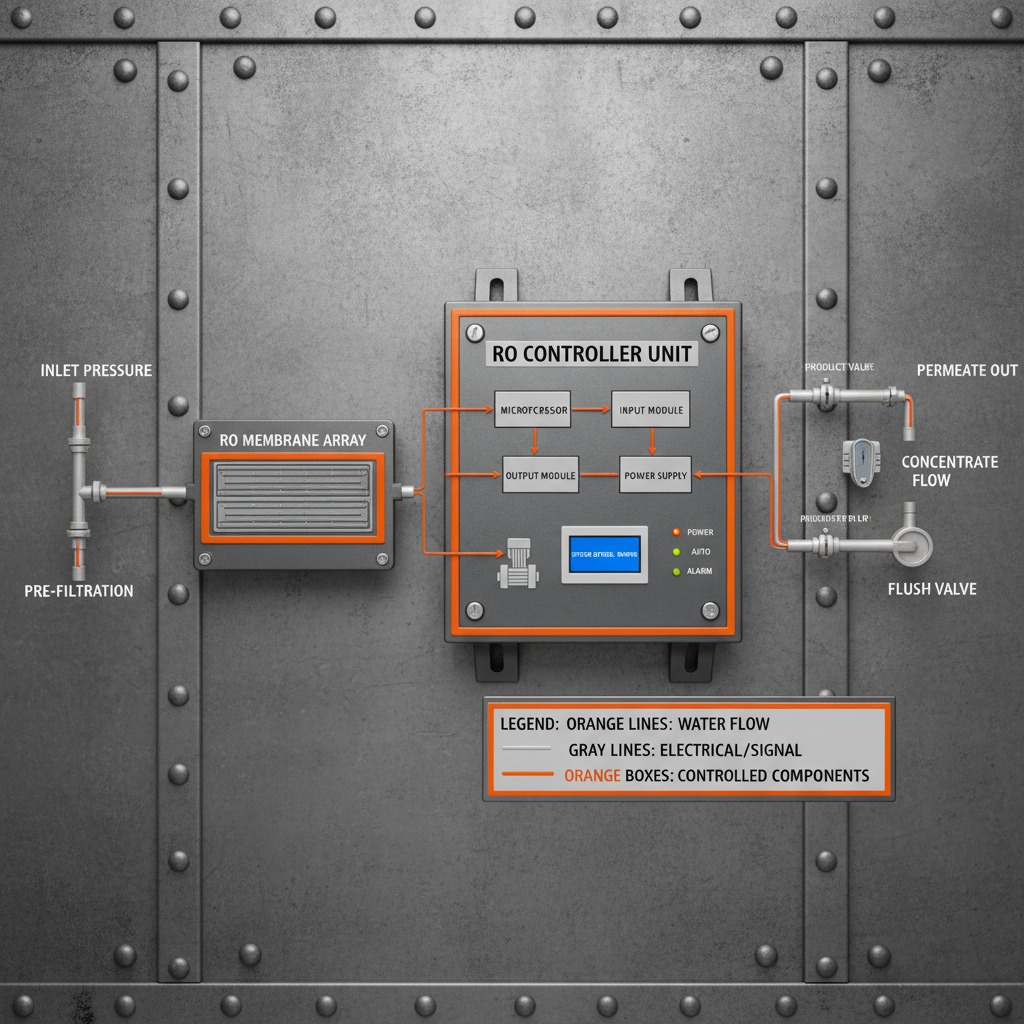
2026-04-16 03:20:19
Guide to Choosing the Right RO Controller for Water PurificationMaintaining a high-performance reverse osmosis system requires more than just quality membranes; it demands precise regulation. An ro controller serves as the brain of the entire operation, monitoring critical parameters such as conductivity, temperature, and flow rates to ensure the output water meets stringent purity standards. Without an efficient controller, systems are prone to membrane fouling, inefficient energy use, and inconsistent water quality. In this comprehensive guide, we will explore how these devices optimize water treatment processes and how to select the best model for your specific industrial or commercial needs.
2026-04-09 03:25:47
Guide to Water Purity Using RO with TDS Controller SystemsAchieving the perfect balance of mineral content and purity in drinking water is a challenge for many households and industrial facilities. A ro with tds controller offers a sophisticated solution by combining the rigorous filtration of Reverse Osmosis (RO) with the precision of a Total Dissolved Solids (TDS) adjustment system. While standard RO systems remove almost everything, including beneficial minerals, a TDS controller allows users to re-mineralize the water to a desired level. This ensures that the water is not only safe and pure but also tastes better and provides essential nutrients.
2026-04-07 03:17:09
Understanding and Optimizing Reverse Osmosis Systems with a ControllerIn the world of water purification, reverse osmosis (RO) systems are a cornerstone for producing high-quality water for various applications, from drinking water to industrial processes. However, an RO system is only as effective as its control system. This is where the reverse osmosis controller comes into play. This critical component manages and optimizes the RO process, ensuring efficient operation, water quality, and system longevity.
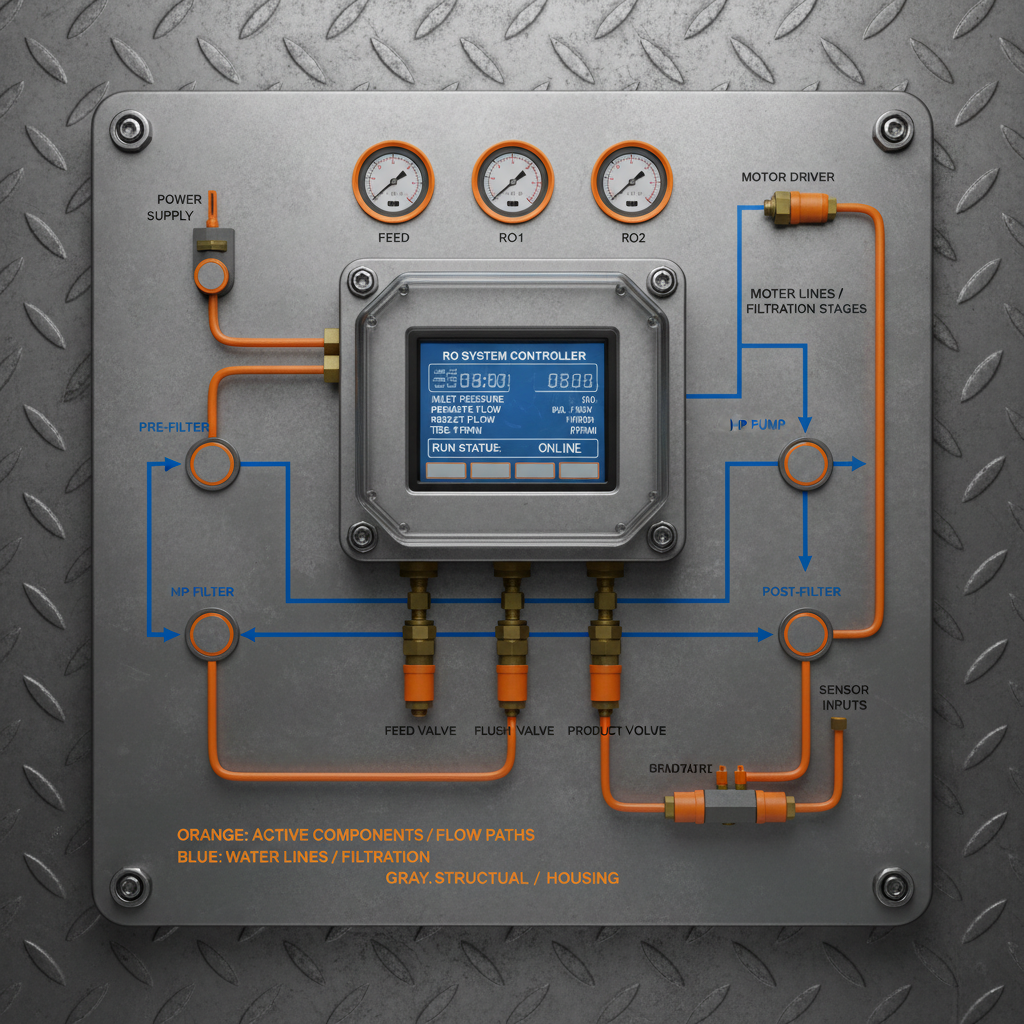
2026-04-04 03:27:19
Understanding the Vital Role of an RO System Controller for Optimal PerformanceReverse Osmosis (RO) systems are critical for purifying water across various industries, from residential applications to large-scale industrial processes. At the heart of a well-functioning RO system lies the RO system controller. This intelligent device monitors and regulates all key parameters of the RO process, ensuring optimal performance, efficiency, and water quality. This article delves into the functionalities, benefits, and selection criteria for choosing the right RO system controller, particularly focusing on those offered by Watequipments. Understanding its role is crucial for maximizing the lifespan and effectiveness of your RO investment.
2026-03-24 17:18:24
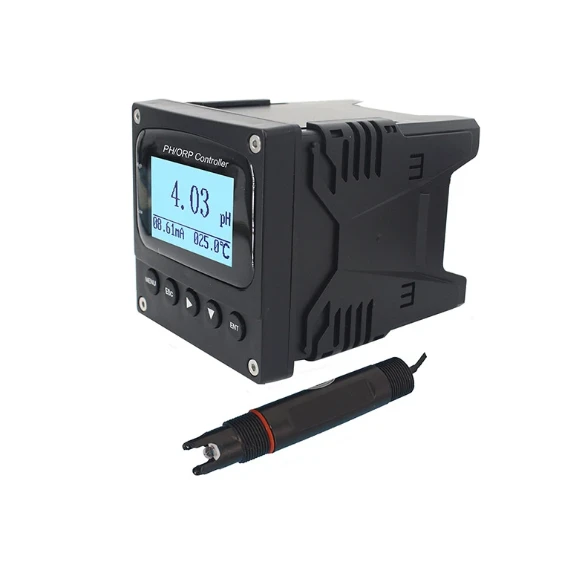
Smart Water Treatment Solutions Using PH ORP Controller SystemsIn modern water treatment and industrial fluid management, maintaining precise chemical balance is essential for safety, efficiency, and regulatory compliance.
2026-03-04 02:55:19
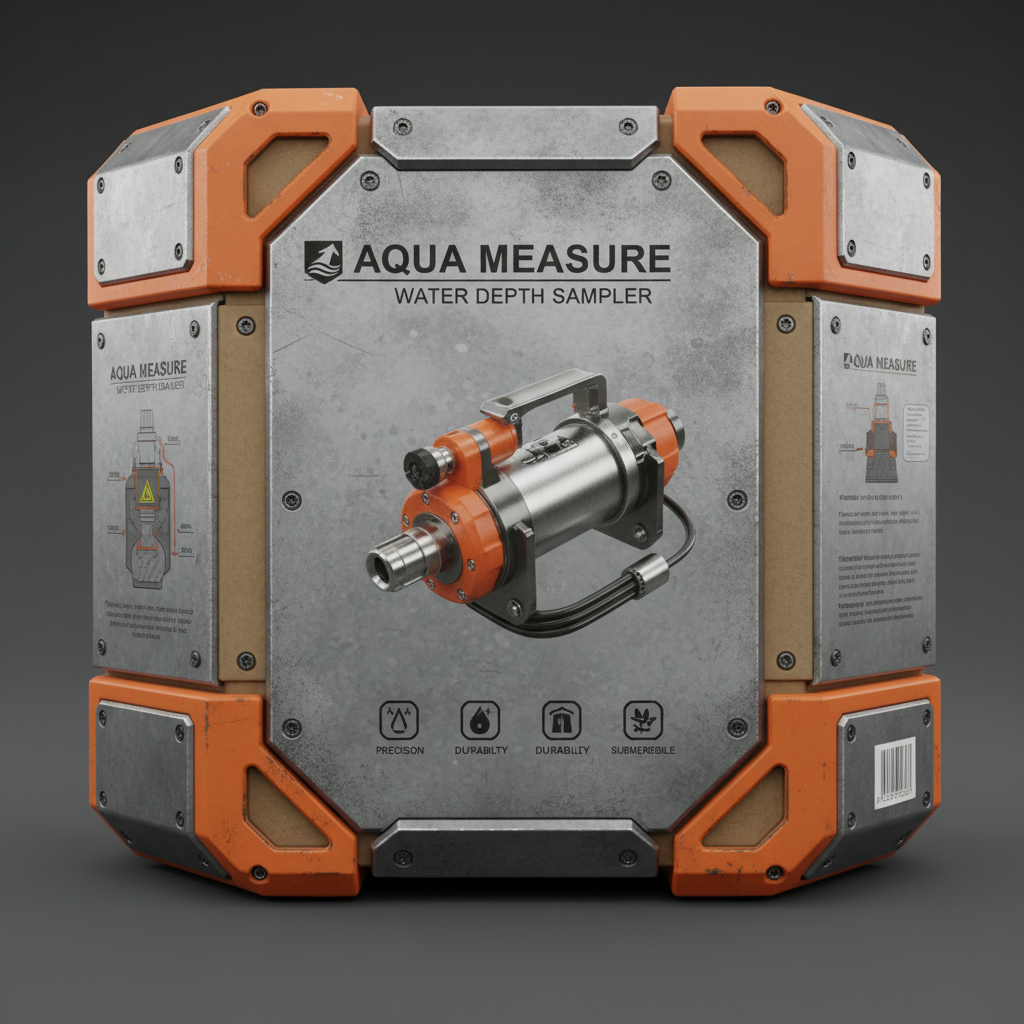
Comprehensive Guide to Water Depth Samplers and Their ApplicationsAccurate water quality monitoring is crucial in various fields, from environmental science and aquaculture to industrial wastewater management. A key tool for this is the water depth sampler. This article provides an in-depth look at water depth samplers, their applications, types, and essential considerations for choosing the right one for your needs. We'll explore the benefits of utilizing this equipment to collect reliable data for analysis and informed decision-making. Selecting the right sampler can significantly improve the precision and efficiency of your water monitoring program. A water depth sampler, also known as a depth-integrated sampler, is a device designed to collect water samples from specific depths within a body of water. Unlike simply dipping a container into the water, a depth sampler allows for collection of a representative sample across a defined depth range. This is critical because water properties (temperature, salinity, pollutants) often vary significantly with depth. The data gathered with a water depth sampler provides a more accurate assessment of water quality than surface samples alone.
2026-03-03 18:55:22
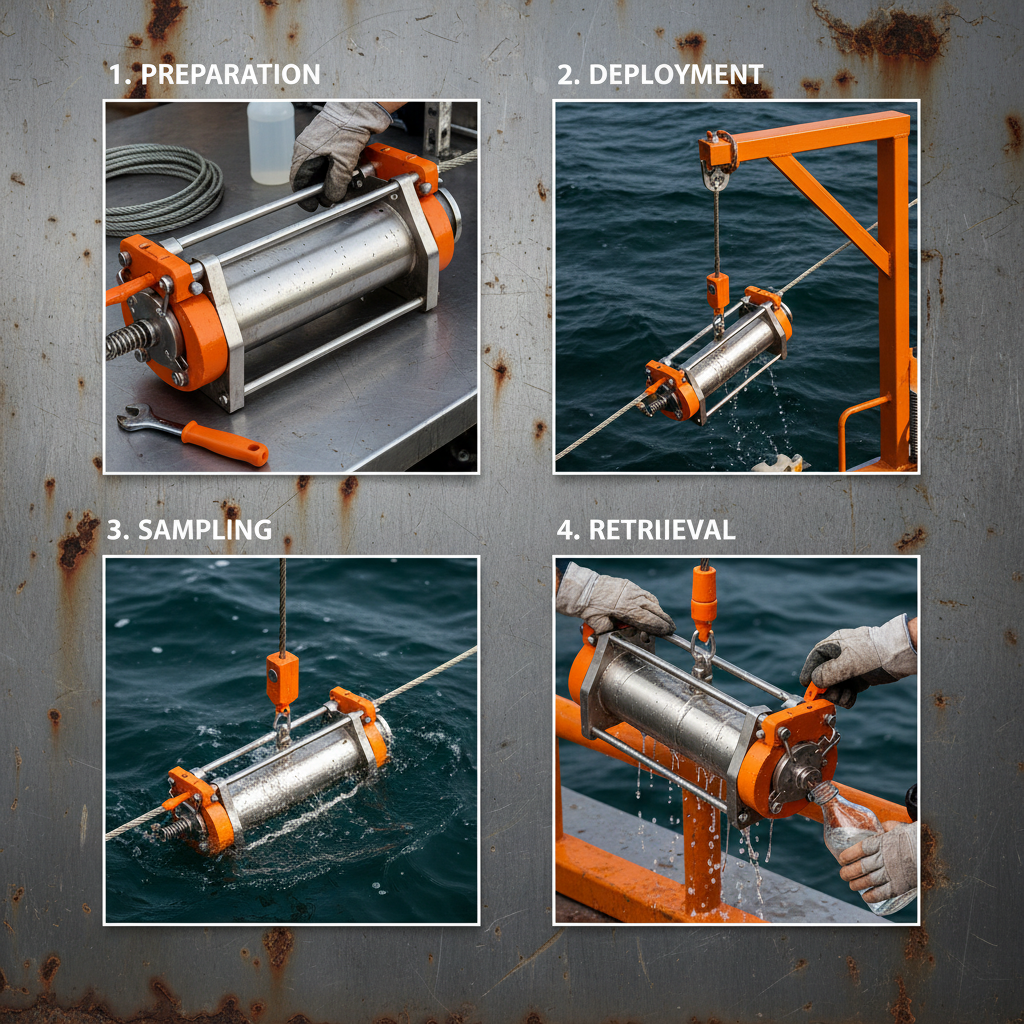
Comprehensive Guide to Horizontal Water Sampler Applications and SelectionCollecting water samples at varying depths is crucial for environmental monitoring, research, and quality control. The horizontal water sampler from Watequipment.com offers a precise and efficient solution for this task. This article provides an in-depth look at horizontal water samplers, their applications, benefits, and key considerations when choosing the right model. We will explore how these samplers contribute to accurate data collection and informed decision-making in various fields. A horizontal water sampler is a device designed to collect water samples from specific depths within a body of water – rivers, lakes, oceans, reservoirs, and even wastewater treatment plants. Unlike vertical samplers which primarily focus on depth, horizontal samplers prioritize collecting samples at a consistent depth while moving along a horizontal plane. This is essential for assessing water quality variations across a waterway or within a specific zone. They are used in applications ranging from environmental monitoring and scientific research to industrial process control and regulatory compliance.
2026-02-28 02:35:09
Comprehensive Guide to Selecting the Right Surface Water Sampler for Your NeedsMonitoring the quality of surface water is critical for environmental protection, public health, and various industrial applications. A surface water sampler is an essential tool for collecting representative samples from rivers, lakes, ponds, and other surface water sources. This article provides a detailed overview of surface water samplers, their types, applications, and key considerations for selecting the right equipment. Accurate water quality data relies on proper sample collection, and choosing the correct sampler is the first step toward achieving reliable results. Surface water samplers come in various designs, each suited to specific sampling needs. Common types include grab samplers, depth-integrating samplers, peristaltic pumps, and automatic samplers. Surface water samplers are used across a broad spectrum of applications, including environmental monitoring, wastewater discharge monitoring, drinking water source monitoring, agricultural runoff analysis, and research studies.

 English