


RO-8100 Reverse Osmosis: High-Flow, Low TDS—Why Choose It?

RO-8100 Reverse Osmosis: High-Flow, Low TDS—Why Choose It?
Sep . 30, 2025
Hands-on notes from the field: RO-8100 reverse osmosis control system
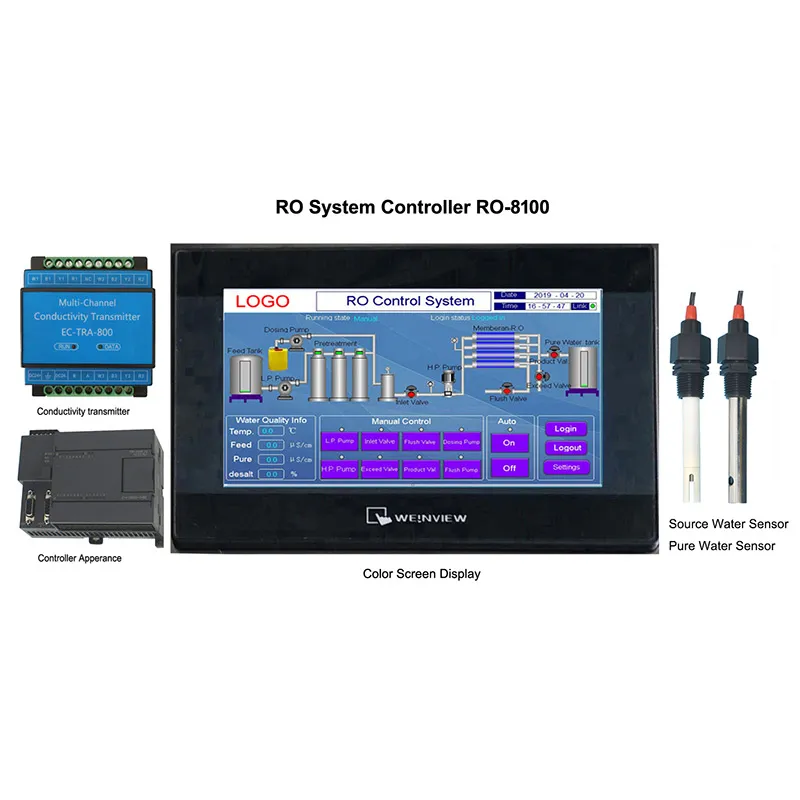
If you build or maintain RO skids, you’ve probably bumped into this controller—sometimes you’ll even see it referenced as “ROS-8100” in older datasheets. In short, the RO-8100 is a touch color screen RO control system that fuses process automation with online conductivity monitoring. I’ve seen it on pharma utility lines and mid-size beverage plants; integrators like the steady, no-drama UX. And yes, it’s actually fun to use—a 7-inch standard display (10-inch optional) with that familiar four-wire resistive touch feel.
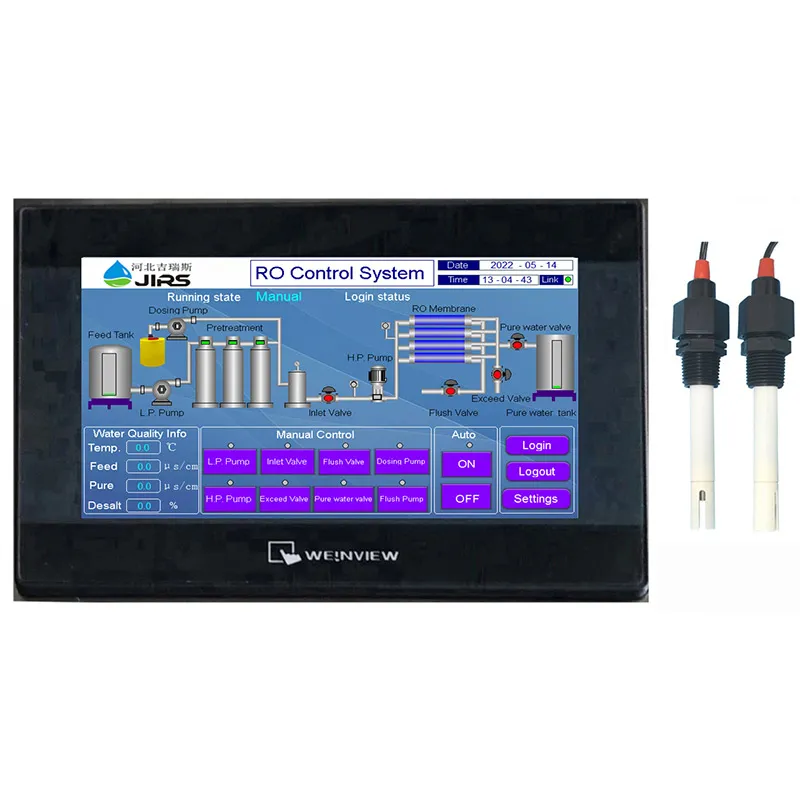
Where it’s coming from and where it fits
Originating from No.188, Fengshou Road, Chang'an district, Shijiazhuang City, Hebei Province China 050041, the RO-8100 has found a niche: OEM RO skid builders, industrial DI water, power plant boiler makeup, microelectronics rinsing, and, increasingly, municipal reuse pilots. The market trend is clear—operators want fewer boxes and more integrated logic plus clean data logs. This unit leans into that, without the cost sprawl of a full-blown PLC + HMI stack.
Typical process flow it controls
- Pre-start checks: tank levels, low-pressure switch, E-stop.
- Pre-flush: opens flush solenoid, verifies flow.
- HP pump start with soft interlocks; ramp and stabilize.
- Permeate divert to drain until conductivity meets setpoint; auto changeover to product.
- Real-time temperature-compensated conductivity monitoring and trend logging.
- Auto-flush on shutdown; CIP mode with permissives; alarm handling and event logs.
Product specs (quick view)
| Display | 7" standard, 10" optional; 800×480 |
| Touch type | Four‑wire resistive (glove-friendly) |
| Conductivity input | 0–20,000 μS/cm with auto temp compensation (per ASTM D1125 methods; real-world use may vary) |
| I/O (typical) | ≈8–16 DI, ≈6–12 DO, 2–4 AI; pump/valve/flush interlocks |
| Comms | Modbus RTU/TCP (common), data logging via USB/Ethernet |
| Enclosure/front | Panel mount; front IP≈65 (IEC 60529), PET resistive film overlay |
| Power | 24 VDC (typical) or 110/220 VAC with internal PSU |
| Operating temp | 0–50 °C (around; check final datasheet for exact) |
| Service life | ≈7–10 years with standard maintenance |
Materials, testing, and standards
Front overlay is a durable PET resistive film; housing is industrial ABS/PC with panel gasket. Factory burn-in (often 48–72 hours) and EMC checks are standard for this class. Many customers say the noise immunity is solid; in fact, on a chiller-heavy floor I visited, logs stayed clean. For measurement integrity, operators typically verify conductivity against ASTM D1125 procedures and calibrate quarterly. Electrical safety and EMC are aligned to IEC 61010-1 and IEC 61326-1 norms; front sealing is guided by IEC 60529. Quality systems tend to be ISO 9001-based. CE and RoHS supplier declarations are commonly provided.
Applications and real feedback
- Pharma purified water (utility side), with audit-friendly alarm/events export.
- Beverage and dairy CIP water polishing—divert-to-drain on high conductivity.
- Power generation makeup—auto-flush extends membrane life, I guess notably so.
- Electronics DI loops where trend graphs help catch fouling early.
Feedback trends: operators like the clear divert threshold setup; integrators appreciate not having to script every interlock from scratch. A few folks noted the resistive touch is “old-school” but reliably glove-friendly—fair point.
Vendor comparison (indicative)
| Item | RO-8100 | Competitor HMI+Controller | PLC + HMI (custom) |
|---|---|---|---|
| Screen | 7"/10" integrated | 7" common | Varies (7–12") |
| Conductivity accuracy | High stability; field-cal per ASTM D1125 | Similar | Depends on analog card |
| Setup time | Fast (prebuilt RO logic) | Moderate | Longest (custom code) |
| Data logging | Built-in trends/events | Basic | Customizable |
| Total cost | Lower–mid (≈) | Mid | Highest (engineering hours) |
Customization
Options often include 10-inch screen, extra I/O cards, Modbus TCP, tailored faceplate/logo, language packs, and recipe sets for different membranes. For regulated sites, audit trail depth and user roles can be configured—ask for a URS mapping if you’re in pharma.
A note on testing data
In field trials I’ve seen, temperature-compensated conductivity tracks lab meters within a few μS/cm in the 0–50 μS/cm range, which is perfectly fine for divert logic. Obviously, verify against your plant standard and keep calibration history.
Certifications and references
Documentation typically references IEC 61010-1 (safety), IEC 61326-1 (EMC), IEC 60529 (IP rating guidance), ISO 9001 QMS, and material compliance such as RoHS. For water quality acceptance, many sites reference WHO or EPA guidelines alongside ASTM D1125 for conductivity testing.
Authoritative citations
- IEC 61010-1: Safety requirements for electrical equipment for measurement, control, and laboratory use.
- IEC 61326-1: Electrical equipment for measurement, control, and laboratory use—EMC requirements.
- ASTM D1125: Standard Test Methods for Electrical Conductivity and Resistivity of Water.
- WHO Guidelines for Drinking-water Quality, latest edition.
- ISO 9001: Quality management systems—Requirements.
- IEC 60529: Degrees of protection provided by enclosures (IP Code).

Related Products
Related News
2026-04-16 03:20:19
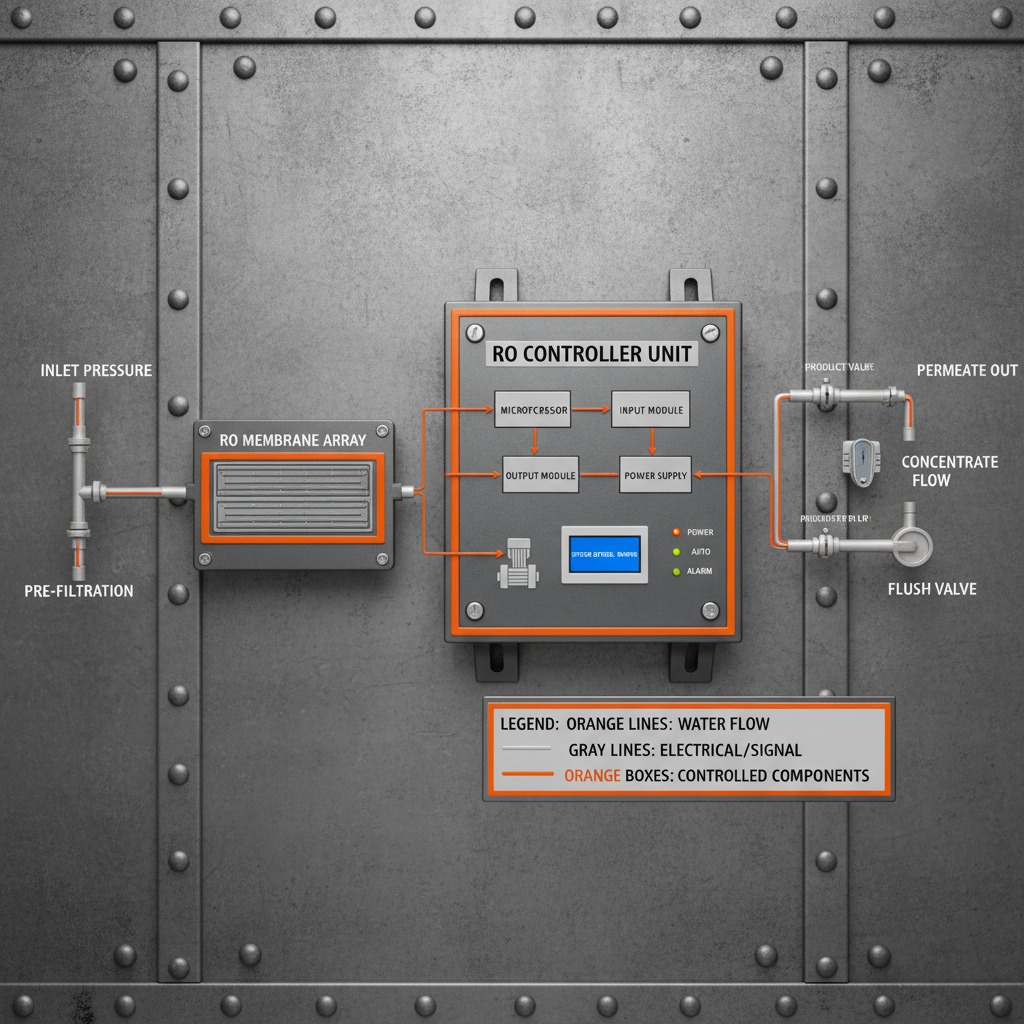
Guide to Choosing the Right RO Controller for Water PurificationMaintaining a high-performance reverse osmosis system requires more than just quality membranes; it demands precise regulation. An ro controller serves as the brain of the entire operation, monitoring critical parameters such as conductivity, temperature, and flow rates to ensure the output water meets stringent purity standards. Without an efficient controller, systems are prone to membrane fouling, inefficient energy use, and inconsistent water quality. In this comprehensive guide, we will explore how these devices optimize water treatment processes and how to select the best model for your specific industrial or commercial needs.
2026-04-09 03:25:47
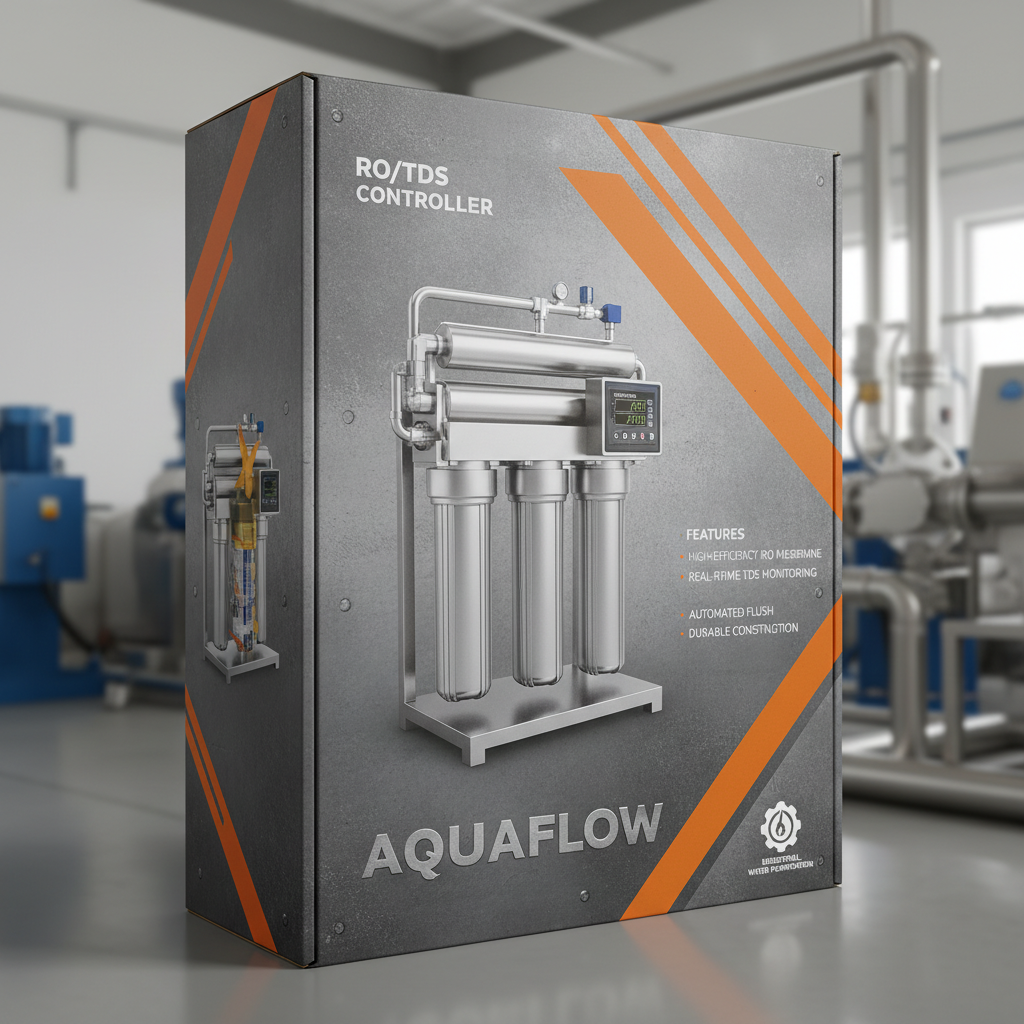
Guide to Water Purity Using RO with TDS Controller SystemsAchieving the perfect balance of mineral content and purity in drinking water is a challenge for many households and industrial facilities. A ro with tds controller offers a sophisticated solution by combining the rigorous filtration of Reverse Osmosis (RO) with the precision of a Total Dissolved Solids (TDS) adjustment system. While standard RO systems remove almost everything, including beneficial minerals, a TDS controller allows users to re-mineralize the water to a desired level. This ensures that the water is not only safe and pure but also tastes better and provides essential nutrients.
2026-04-07 03:17:09
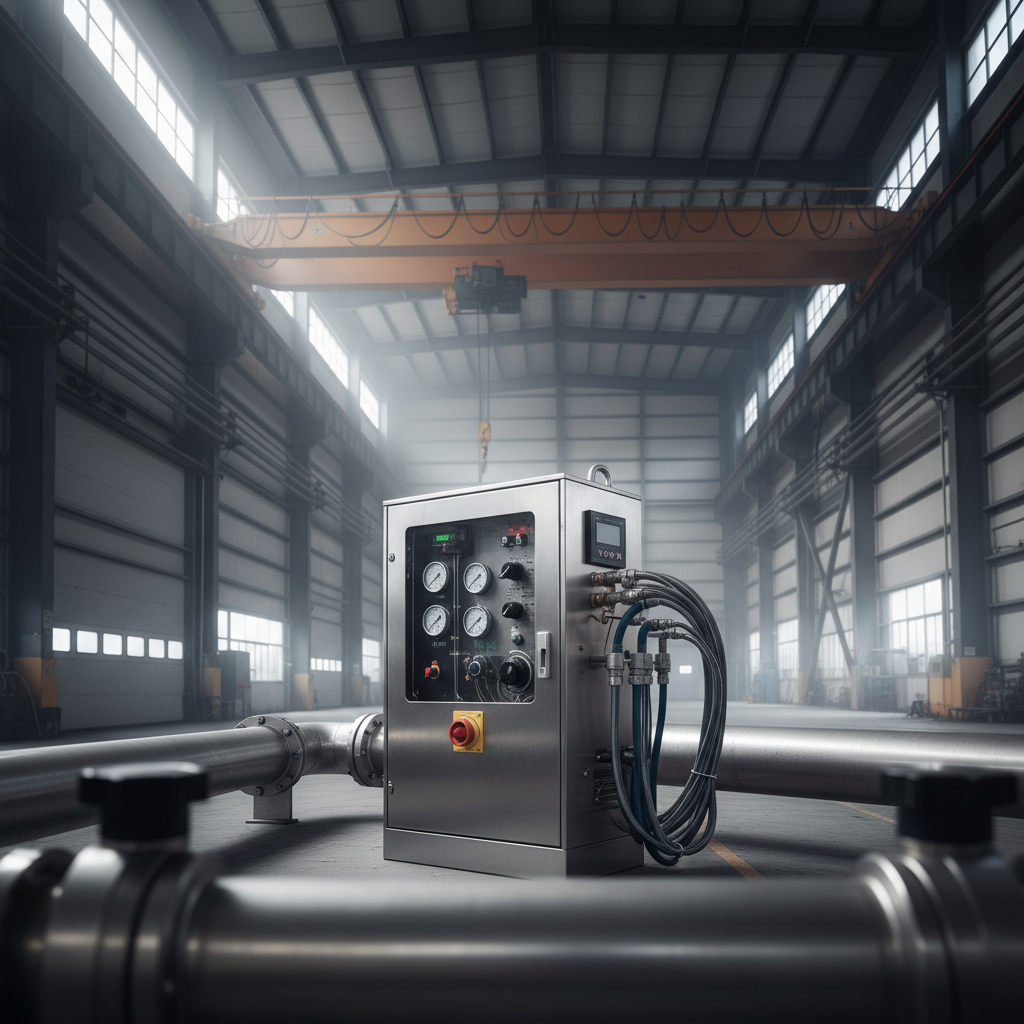
Understanding and Optimizing Reverse Osmosis Systems with a ControllerIn the world of water purification, reverse osmosis (RO) systems are a cornerstone for producing high-quality water for various applications, from drinking water to industrial processes. However, an RO system is only as effective as its control system. This is where the reverse osmosis controller comes into play. This critical component manages and optimizes the RO process, ensuring efficient operation, water quality, and system longevity.
2026-04-04 03:27:19
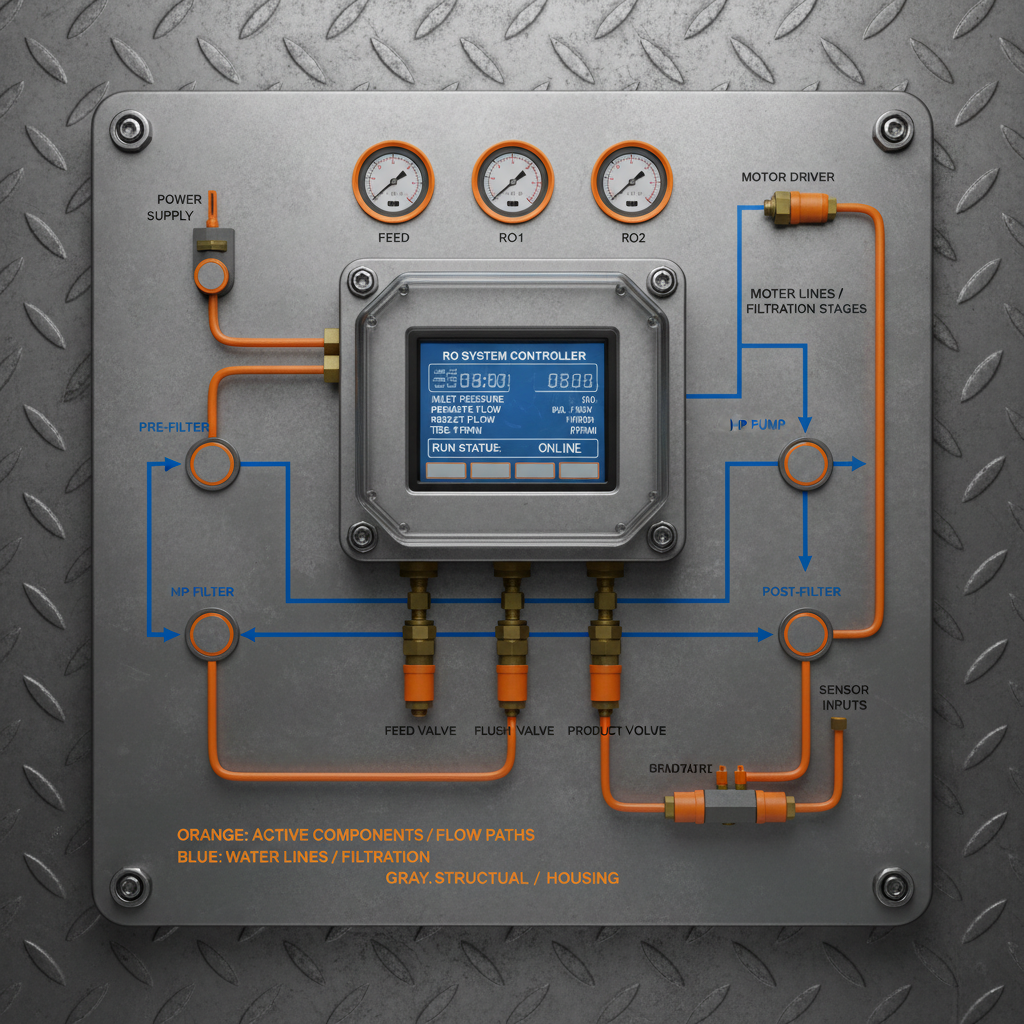
Understanding the Vital Role of an RO System Controller for Optimal PerformanceReverse Osmosis (RO) systems are critical for purifying water across various industries, from residential applications to large-scale industrial processes. At the heart of a well-functioning RO system lies the RO system controller. This intelligent device monitors and regulates all key parameters of the RO process, ensuring optimal performance, efficiency, and water quality. This article delves into the functionalities, benefits, and selection criteria for choosing the right RO system controller, particularly focusing on those offered by Watequipments. Understanding its role is crucial for maximizing the lifespan and effectiveness of your RO investment.
2026-03-24 17:18:24
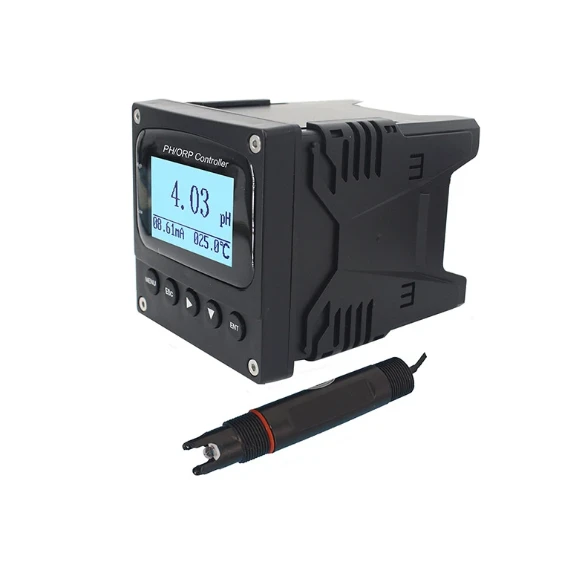
Smart Water Treatment Solutions Using PH ORP Controller SystemsIn modern water treatment and industrial fluid management, maintaining precise chemical balance is essential for safety, efficiency, and regulatory compliance.
2026-03-04 02:55:19
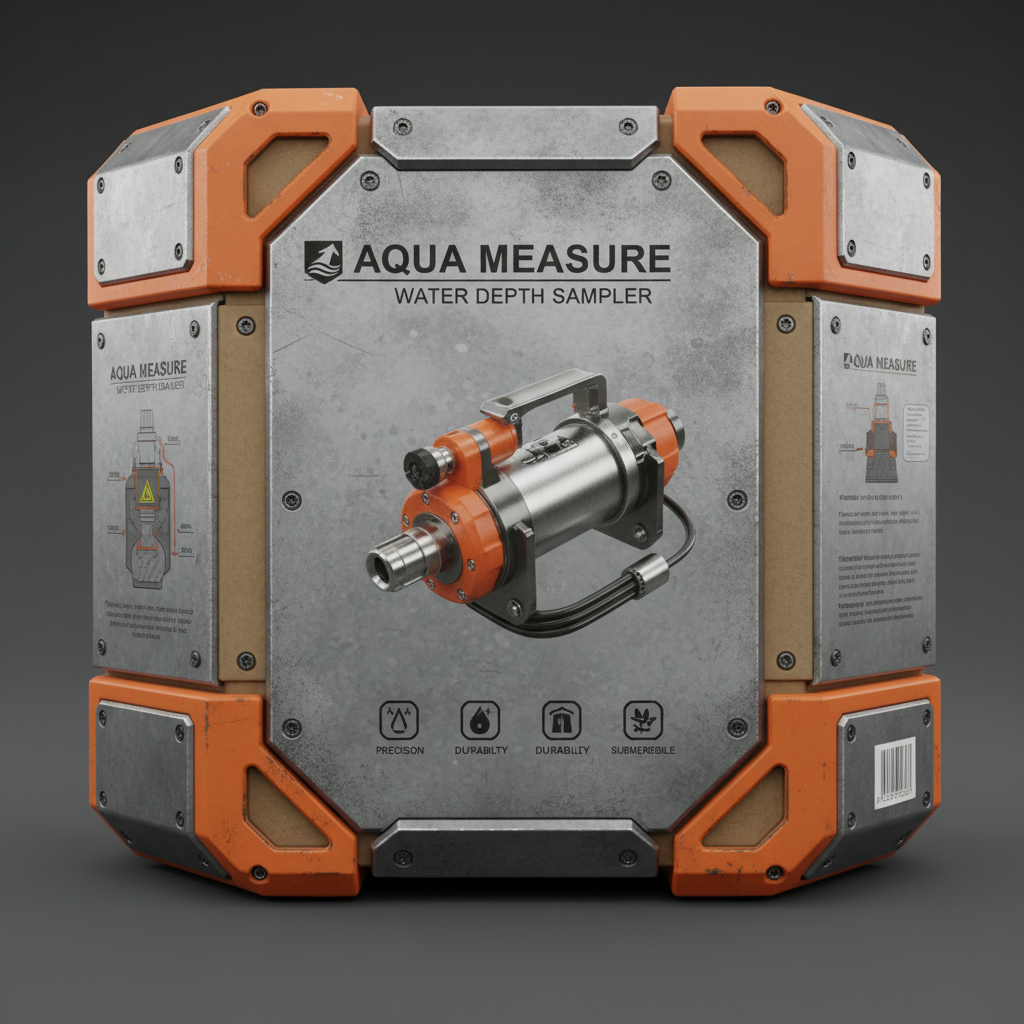
Comprehensive Guide to Water Depth Samplers and Their ApplicationsAccurate water quality monitoring is crucial in various fields, from environmental science and aquaculture to industrial wastewater management. A key tool for this is the water depth sampler. This article provides an in-depth look at water depth samplers, their applications, types, and essential considerations for choosing the right one for your needs. We'll explore the benefits of utilizing this equipment to collect reliable data for analysis and informed decision-making. Selecting the right sampler can significantly improve the precision and efficiency of your water monitoring program. A water depth sampler, also known as a depth-integrated sampler, is a device designed to collect water samples from specific depths within a body of water. Unlike simply dipping a container into the water, a depth sampler allows for collection of a representative sample across a defined depth range. This is critical because water properties (temperature, salinity, pollutants) often vary significantly with depth. The data gathered with a water depth sampler provides a more accurate assessment of water quality than surface samples alone.
2026-03-03 18:55:22
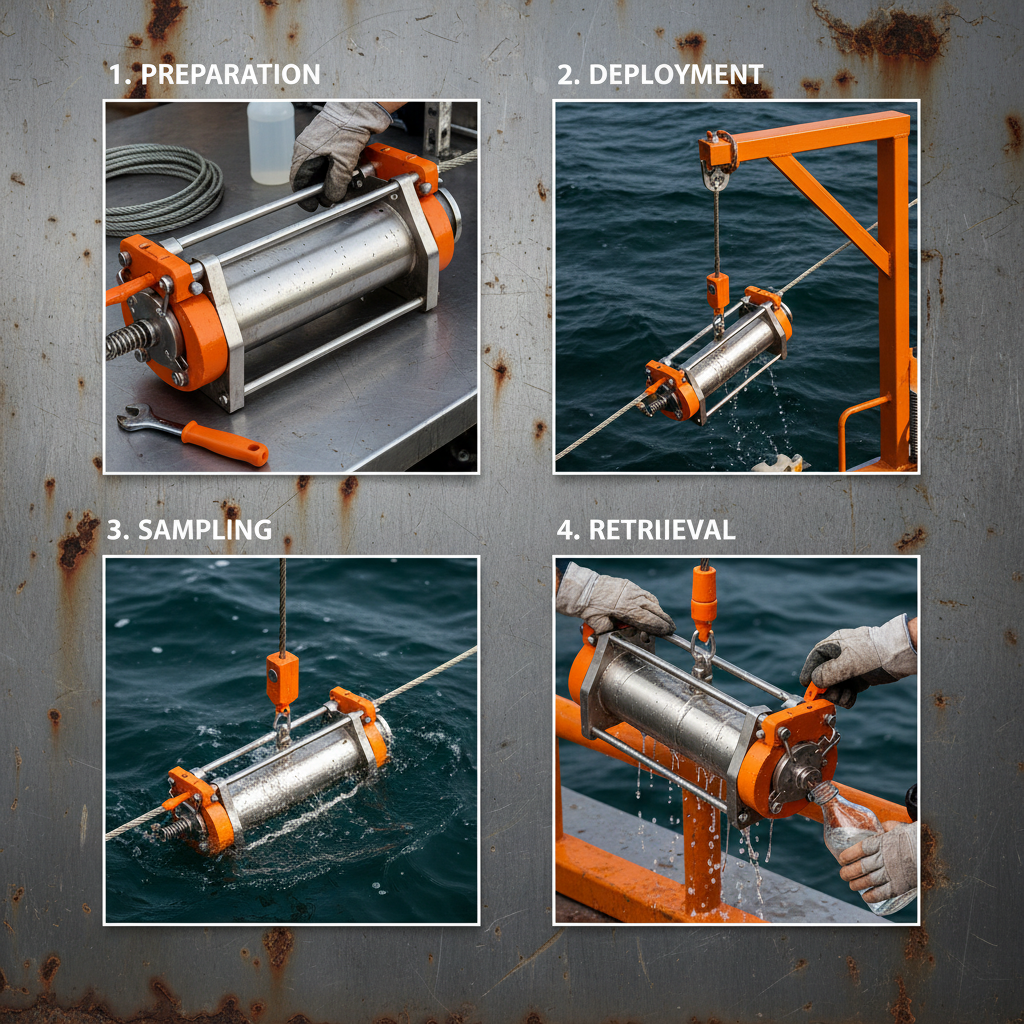
Comprehensive Guide to Horizontal Water Sampler Applications and SelectionCollecting water samples at varying depths is crucial for environmental monitoring, research, and quality control. The horizontal water sampler from Watequipment.com offers a precise and efficient solution for this task. This article provides an in-depth look at horizontal water samplers, their applications, benefits, and key considerations when choosing the right model. We will explore how these samplers contribute to accurate data collection and informed decision-making in various fields. A horizontal water sampler is a device designed to collect water samples from specific depths within a body of water – rivers, lakes, oceans, reservoirs, and even wastewater treatment plants. Unlike vertical samplers which primarily focus on depth, horizontal samplers prioritize collecting samples at a consistent depth while moving along a horizontal plane. This is essential for assessing water quality variations across a waterway or within a specific zone. They are used in applications ranging from environmental monitoring and scientific research to industrial process control and regulatory compliance.
2026-02-28 02:35:09
Comprehensive Guide to Selecting the Right Surface Water Sampler for Your NeedsMonitoring the quality of surface water is critical for environmental protection, public health, and various industrial applications. A surface water sampler is an essential tool for collecting representative samples from rivers, lakes, ponds, and other surface water sources. This article provides a detailed overview of surface water samplers, their types, applications, and key considerations for selecting the right equipment. Accurate water quality data relies on proper sample collection, and choosing the correct sampler is the first step toward achieving reliable results. Surface water samplers come in various designs, each suited to specific sampling needs. Common types include grab samplers, depth-integrating samplers, peristaltic pumps, and automatic samplers. Surface water samplers are used across a broad spectrum of applications, including environmental monitoring, wastewater discharge monitoring, drinking water source monitoring, agricultural runoff analysis, and research studies.

 English