


ROS-2210 Industrial Edge AI PC | High-Performance Robotics Controller

ROS-2210 Industrial Edge AI PC | High-Performance Robotics Controller
Oct . 20, 2025
Industry Trends in Industrial Water Treatment & Conductivity Control
The industrial water treatment sector is undergoing a profound transformation, driven by stringent environmental regulations, escalating operational costs, and an increasing demand for sustainable practices. Key trends include the widespread adoption of advanced membrane technologies like Reverse Osmosis (RO), the integration of sophisticated automation and control systems, and a heightened focus on real-time data analytics for process optimization. Industries are actively seeking solutions that offer enhanced precision, energy efficiency, and extended equipment lifespan. The demand for robust and reliable conductivity control systems is paramount, as maintaining optimal water quality directly impacts product integrity, operational efficiency, and regulatory compliance. Precision in conductivity measurement and control minimizes scaling, corrosion, and biological fouling, critical for maintaining system performance in sensitive applications.
In this evolving landscape, the role of intelligent controllers that can manage complex multi-stage processes efficiently becomes indispensable. These systems are crucial for achieving the desired water purity levels while reducing chemical consumption and wastewater discharge. As industries push for greater autonomy and predictive maintenance, integrated solutions that offer comprehensive monitoring and adaptive control are gaining significant traction.
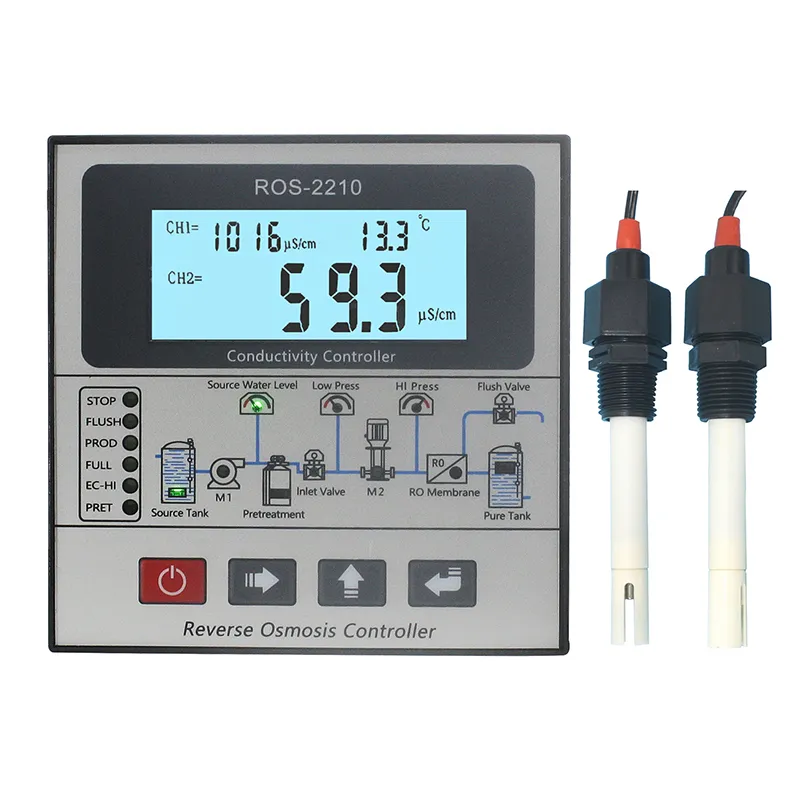
Introducing the ROS-2210: Precision Control for Single-Stage RO Systems
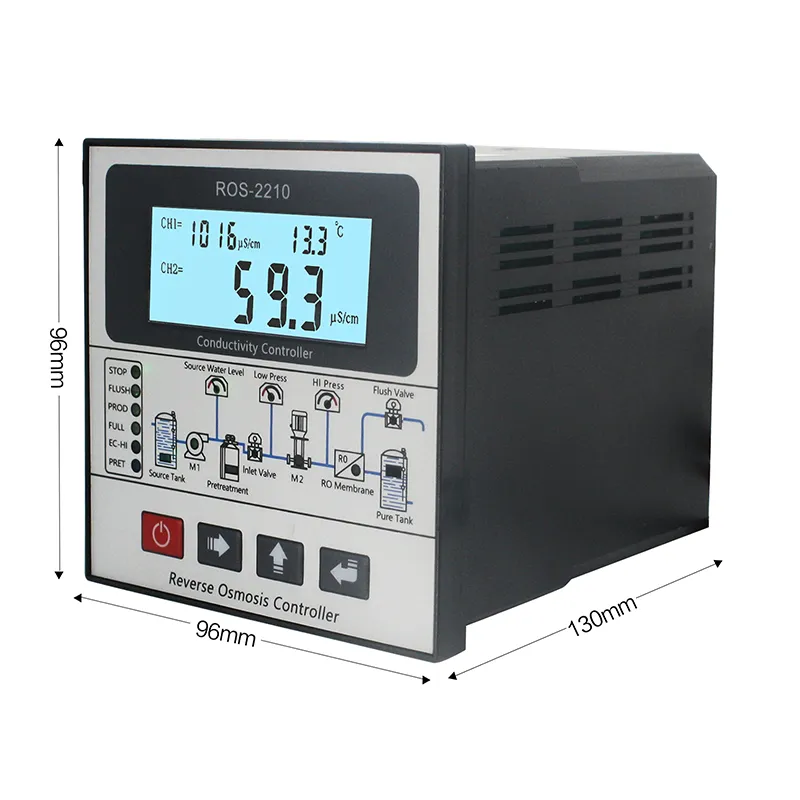
The ROS-2210 is an advanced single-stage Reverse Osmosis (RO) and conductivity controller engineered to meet the demanding requirements of modern industrial water treatment applications. This robust system provides precise monitoring and control over critical RO parameters, ensuring optimal system performance and consistent water quality. Designed for seamless integration into various industrial setups, it offers a blend of sophisticated functionality and user-friendly operation, making it an essential component for efficient and reliable water purification processes.
Technical Specifications
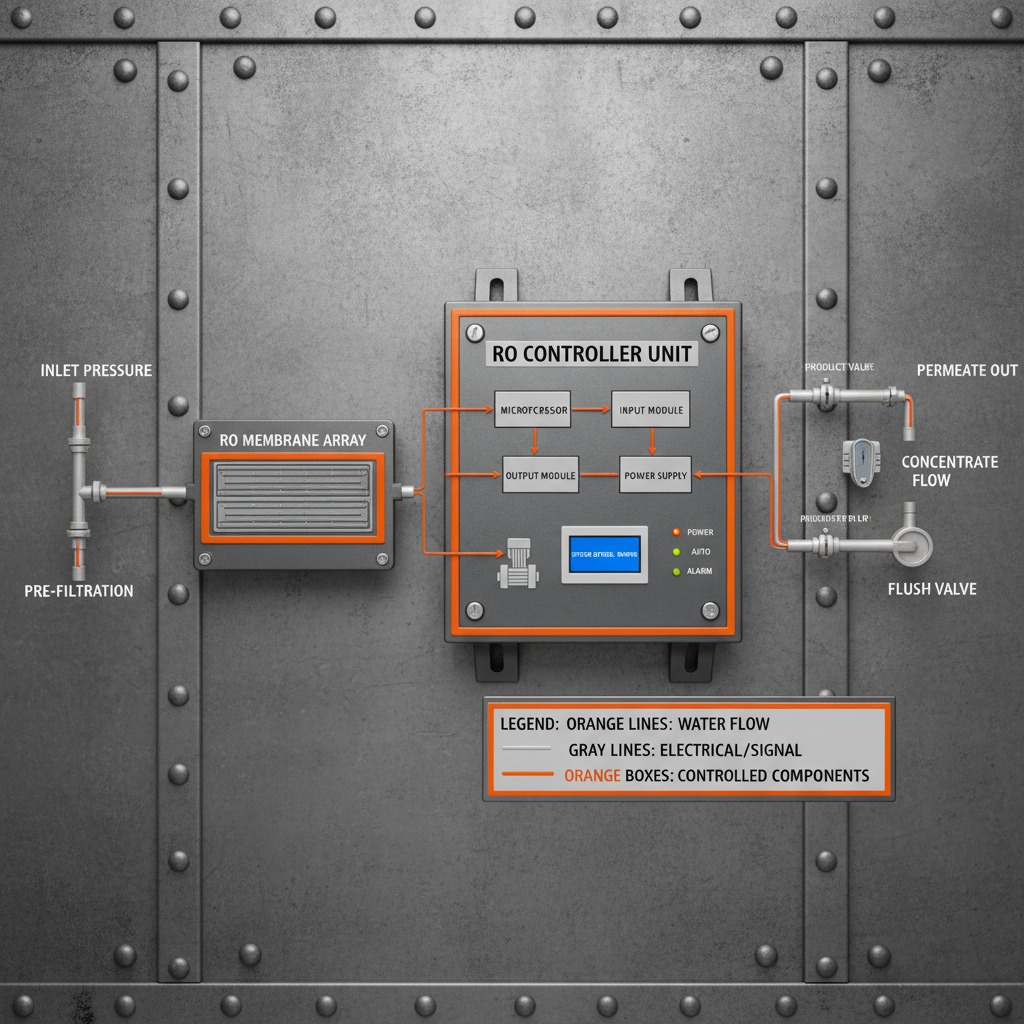
The technical architecture of the ROS-2210 is built upon high-precision sensors and a powerful micro-controller unit (MCU), ensuring rapid response and accurate measurement. Key parameters such as influent and effluent conductivity, pressure, flow rates, and temperature are continuously monitored. The controller employs advanced algorithms to regulate pump operations, valve actuation, and chemical dosing, thereby maintaining system stability and efficiency.
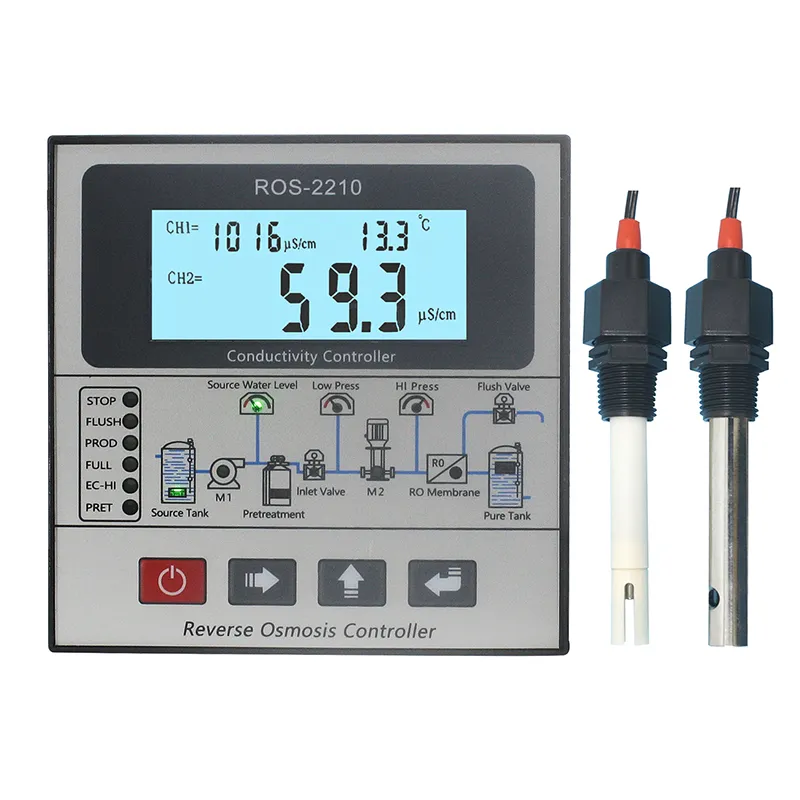
Manufacturing Process & Quality Assurance for ROS-2210
The manufacturing of the ROS-2210 controller adheres to rigorous quality control protocols and utilizes advanced production techniques to ensure exceptional reliability and longevity. The process begins with the careful selection of high-grade materials, particularly for critical components such as the circuit boards, sensors, and enclosures.
Process Flow:
- Component Sourcing & Incoming Inspection: All electronic components (e.g., microcontrollers, resistors, capacitors) and mechanical parts (e.g., enclosure plastics, sensor probes) undergo strict quality checks upon arrival. Materials like industrial-grade ABS for enclosures or specific metals for sensor contacts are verified for compliance with performance specifications.
- Printed Circuit Board (PCB) Assembly: Automated surface-mount technology (SMT) lines are used for precise placement of electronic components onto PCBs. This is followed by reflow soldering, ensuring robust electrical connections. Key components, including the MCU, are programmed and tested at this stage.
- Enclosure Fabrication: The controller's enclosure is typically produced through high-precision injection molding using durable, chemical-resistant plastics, ensuring an IP65 rating for the front panel to protect against dust and water ingress in industrial environments.
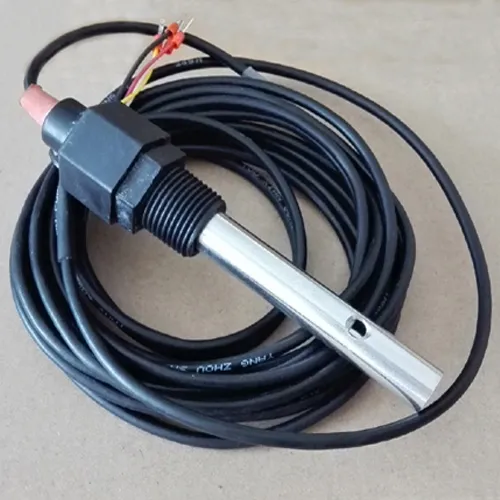
- Sensor Integration & Calibration: Conductivity sensors, which are often made with stainless steel or graphite electrodes for corrosion resistance, are meticulously integrated. Each sensor undergoes multi-point calibration using certified reference solutions to ensure measurement accuracy across the specified range.
- Final Assembly: The assembled PCB, display module, power supply, and I/O terminals are integrated into the enclosure. Wiring is meticulously routed and secured to prevent interference and ensure long-term stability.
- Functional Testing & Quality Control: Each ROS-2210 unit undergoes comprehensive functional testing, simulating various operating conditions. This includes electrical safety tests (e.g., insulation resistance, dielectric strength), operational accuracy tests for all inputs and outputs, and stress tests to evaluate performance under varying temperatures and humidities. Compliance with international standards such as ISO 9001 for quality management and relevant ANSI/IEC standards for electrical safety and performance is verified.
- Packaging & Dispatch: Units are carefully packaged to prevent damage during transit, complete with user manuals and installation guides.
The stringent adherence to these manufacturing steps and testing standards ensures a projected service life of 5-7 years, often exceeding, depending on the operational environment and maintenance schedule. The use of corrosion-resistant materials and robust design principles contribute significantly to its durability in harsh industrial settings. This commitment to quality underpins the reliability of every ROS-2210 unit.
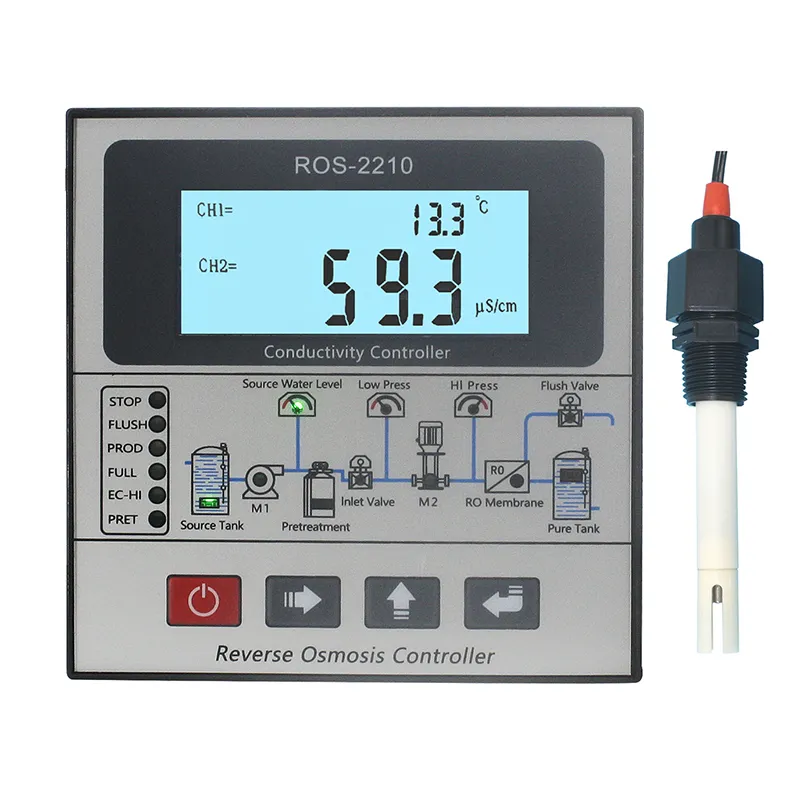
Technical Advantages & Operational Excellence
The design and functionality of the ROS-2210 provide several distinct technical advantages, positioning it as a superior choice for industrial single-stage RO applications:
- Exceptional Measurement Precision: Equipped with high-resolution analog-to-digital converters and advanced temperature compensation algorithms, the ROS-2210 delivers highly accurate conductivity readings, crucial for precise RO membrane performance monitoring and quality control.
- Advanced System Protection: Integrated features such as automatic flushing cycles, low/high pressure alarms, and conductivity deviation alarms protect RO membranes from scaling and fouling, extending their operational life and reducing replacement costs. This directly translates to enhanced corrosion resistance for downstream equipment by ensuring water quality.
- Energy Efficiency: By optimizing pump operation based on real-time water quality and demand, the controller minimizes unnecessary energy consumption. Its intelligent control logic prevents over-processing or under-processing, leading to significant energy savings over time.
- User-Friendly Interface: The intuitive LCD display and straightforward menu navigation simplify configuration and monitoring, reducing the learning curve for operators and minimizing potential for human error.
- Robust Industrial Design: With an IP65 rated front panel and durable components, the controller is built to withstand harsh industrial environments, ensuring consistent performance and longevity even under challenging conditions.
- Versatile Control Logic: Supports various control modes, including continuous conductivity monitoring, timed flushes, and integrated chemical dosing pump controls, making it adaptable to diverse RO system designs and operational strategies.
Application Scenarios & Target Industries
The versatility and precision of the ROS-2210 make it suitable for a wide array of industrial applications requiring high-purity water. Its robust design is particularly beneficial in industries where water quality directly impacts production processes and equipment longevity.
Target Industries:
- Petrochemical: For boiler feed water treatment, cooling tower makeup, and process water purification, where prevention of scaling and corrosion is critical.
- Metallurgy: Used in rinse water applications, surface treatment lines, and closed-loop cooling systems to prevent mineral buildup and maintain product quality.
- Water Supply & Drainage: Essential in municipal water treatment plants for polishing treated water and in wastewater reuse facilities to ensure water quality for non-potable applications.
- Power Generation: Critical for producing ultrapure water for boiler feed, turbine lubrication, and cooling systems to prevent equipment damage and maintain operational efficiency.
- Pharmaceutical & Biotechnology: Ensures compliance with stringent water purity standards for manufacturing processes, laboratory use, and cleaning in place (CIP) systems.
- Food & Beverage: Provides precise control for water used in ingredient mixing, washing, and sanitization processes, safeguarding product quality and consumer safety.
- Electronics Manufacturing: Indispensable for producing deionized water used in semiconductor fabrication and circuit board cleaning, where even trace impurities can be detrimental.
In these scenarios, the ROS-2210 demonstrates advantages such as consistent water quality output, reduced operational downtime due to membrane fouling, significant energy savings from optimized pump control, and enhanced equipment lifespan by preventing scale and corrosion. For instance, in a boiler feed application, precise conductivity control by the ROS-2210 prevents silica and hardness scaling, which can severely reduce boiler efficiency and lead to costly repairs.
Vendor Comparison: ROS-2210 vs. Standard Controllers
When selecting a controller for critical RO systems, a comprehensive evaluation beyond initial cost is essential. The ROS-2210 distinguishes itself from standard, generic RO controllers through its specialized feature set, robust build, and long-term value proposition.
The comparison highlights that while generic controllers might offer a lower upfront cost, the investment in a sophisticated system like the ROS-2210 translates into substantial savings through optimized performance, reduced maintenance, extended equipment life, and reliable compliance. Our commitment to quality and innovation ensures that the ROS-2210 delivers superior value over its entire service life.
Customized Solutions & Integration Capabilities
Understanding that no two industrial operations are identical, we offer customized solutions built around the core capabilities of the ROS-2210. Our engineering team collaborates closely with clients to tailor the controller’s functionality and integration to specific system requirements and operational philosophies.
Customization Options Include:
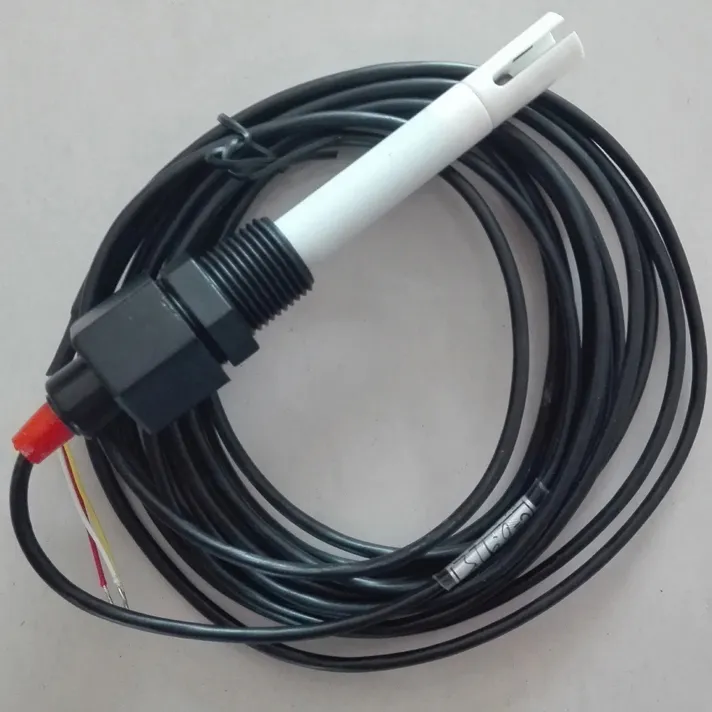
- Sensor Configuration: Adapting to diverse water sources and purity targets by integrating specialized conductivity probes, flow sensors, or pressure transducers.
- Software & Firmware Adjustments: Modifying control algorithms for unique RO system designs, specific flush sequences, or integration with proprietary chemical dosing systems.
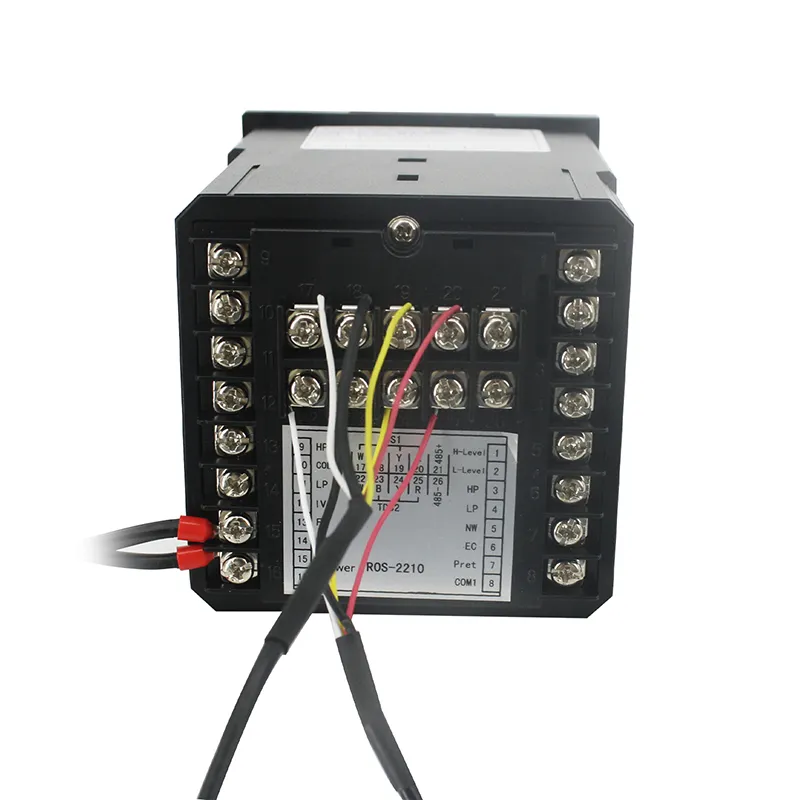
- Communication Protocols: Expanding beyond standard RS485 Modbus to support other industrial communication protocols (e.g., Ethernet/IP, Profibus) for seamless integration into existing SCADA or DCS systems.
- Enclosure Modifications: Providing specialized enclosures for extreme environments, including NEMA 4X or explosion-proof ratings, if required.
- HMI & Remote Monitoring: Developing custom Human-Machine Interface (HMI) screens or integrating with cloud-based platforms for remote monitoring and control, enabling predictive maintenance and data-driven decision making.
Our team has decades of experience in delivering high-performance water treatment solutions, certified under ISO 9001 quality management systems. We pride ourselves on long-standing partnerships with leading industrial clients across the globe, showcasing our commitment to authoritative and reliable product delivery. This expertise ensures that customized ROS-2210 deployments maintain the highest levels of performance, reliability, and compliance.
Application Case Studies
The practical benefits of the ROS-2210 are best illustrated through real-world applications and client success stories.
Case Study 1: Boiler Feed Water Optimization in a Power Plant
A large thermal power plant faced consistent issues with boiler scaling due to inadequate RO permeate quality, leading to increased blowdown rates and frequent chemical cleaning. After integrating the ROS-2210 into their single-stage RO system, the plant observed a dramatic improvement. The controller’s precise conductivity monitoring and automated flushing cycles maintained permeate conductivity consistently below 10 µS/cm. This resulted in a 15% reduction in chemical consumption for boiler treatment, a 10% decrease in blowdown water, and an estimated 8% increase in overall boiler efficiency due to reduced scaling. The RO membrane lifespan also extended by 20%, significantly lowering operational expenditure.
Case Study 2: Wastewater Reuse in a Metal Finishing Facility
A metal finishing company sought to reduce its fresh water intake and comply with stricter discharge regulations by implementing a wastewater reuse system utilizing single-stage RO. Initial challenges included fluctuating feed water quality and maintaining consistent permeate suitable for rinse baths. The deployment of the ROS-2210 provided the necessary control. Its adaptive algorithms adjusted RO pump pressure and flush cycles in real-time, ensuring stable permeate quality regardless of influent variations. The company achieved a 70% reduction in freshwater consumption for rinse operations and consistently met discharge limits, realizing substantial savings on municipal water bills and wastewater treatment surcharges. Customer feedback highlighted the ease of operation and the reliability of the controller as key factors in their success.
Trustworthiness & Support
Frequently Asked Questions (FAQ)
Q: Is the ROS-2210 compatible with all RO membranes?
A: The ROS-2210 is designed to be compatible with most standard industrial single-stage RO membrane systems. Its control logic is adaptable, and specific parameters can be configured to match various membrane types and their operational requirements. We recommend consulting our technical team for specific compatibility checks.
Q: What kind of maintenance does the controller require?
A: The ROS-2210 is designed for minimal maintenance. Regular checks of sensor cleanliness and calibration (typically annually or bi-annually, depending on application severity) are recommended. The robust enclosure and industrial-grade components ensure long-term, reliable operation with minimal intervention.
Q: Can the ROS-2210 be integrated into an existing control system?
A: Yes, the ROS-2210 offers optional RS485 Modbus communication, allowing for seamless integration into existing SCADA, PLC, or DCS platforms for centralized monitoring and control. Custom integration solutions are also available upon request.
Lead Time & Fulfillment
Standard ROS-2210 units are typically available for shipment within 2-4 weeks, depending on order volume. For customized solutions, lead times will be provided upon detailed scope definition and may vary based on complexity and component availability. Our logistics team works diligently to ensure timely and secure delivery to your facility.
Warranty Commitments
We stand behind the quality of the ROS-2210 with a comprehensive [e.g., 1-year to 2-year] limited warranty covering defects in materials and workmanship from the date of purchase. Extended warranty options are available. Our products are designed for durability, reflecting our confidence in their long-term performance.
Customer Support
Our dedicated technical support team is available to assist with installation, configuration, troubleshooting, and any operational queries related to the ROS-2210. Support is available via phone, email, and through our online knowledge base. We offer comprehensive training programs for your operational and maintenance staff to ensure optimal utilization of the controller.
Conclusion
The ROS-2210 represents a critical advancement in industrial single-stage Reverse Osmosis control. By combining high-precision conductivity monitoring, robust industrial design, and intelligent control algorithms, it delivers unparalleled performance, efficiency, and reliability. This translates directly into optimized water quality, reduced operational costs, extended equipment life, and assured regulatory compliance for a diverse range of B2B applications. Investing in the ROS-2210 is an investment in the future of sustainable and efficient industrial water management.
References
- Smith, J. A., & Miller, D. J. (2019). "Advances in Reverse Osmosis Membrane Technology for Industrial Water Treatment." Journal of Water Process Engineering, 32, 101234.
- International Organization for Standardization (ISO). "ISO 9001:2015 Quality management systems - Requirements."
- American National Standards Institute (ANSI). "Standards for Instrumentation and Control Systems in Industrial Applications."
- United States Environmental Protection Agency (EPA). "Guidance Manual for Compliance with the Filtration and Disinfection Requirements for Public Water Systems."
- Wang, L., et al. (2021). "Energy Efficiency and Optimization in Industrial Reverse Osmosis Systems." Desalination, 501, 114887.

Related Products
Related News
2026-04-16 03:20:19
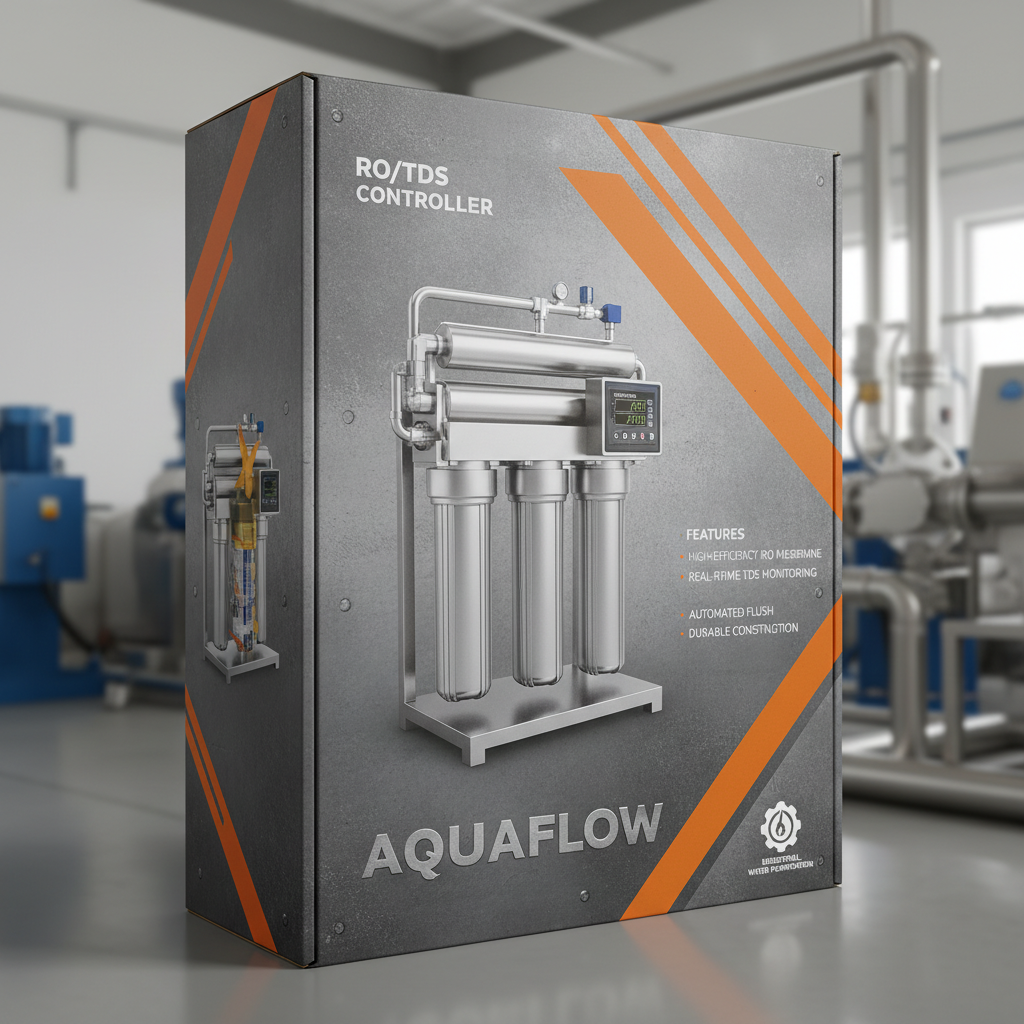
Guide to Choosing the Right RO Controller for Water PurificationMaintaining a high-performance reverse osmosis system requires more than just quality membranes; it demands precise regulation. An ro controller serves as the brain of the entire operation, monitoring critical parameters such as conductivity, temperature, and flow rates to ensure the output water meets stringent purity standards. Without an efficient controller, systems are prone to membrane fouling, inefficient energy use, and inconsistent water quality. In this comprehensive guide, we will explore how these devices optimize water treatment processes and how to select the best model for your specific industrial or commercial needs.
2026-04-09 03:25:47
Guide to Water Purity Using RO with TDS Controller SystemsAchieving the perfect balance of mineral content and purity in drinking water is a challenge for many households and industrial facilities. A ro with tds controller offers a sophisticated solution by combining the rigorous filtration of Reverse Osmosis (RO) with the precision of a Total Dissolved Solids (TDS) adjustment system. While standard RO systems remove almost everything, including beneficial minerals, a TDS controller allows users to re-mineralize the water to a desired level. This ensures that the water is not only safe and pure but also tastes better and provides essential nutrients.
2026-04-07 03:17:09
Understanding and Optimizing Reverse Osmosis Systems with a ControllerIn the world of water purification, reverse osmosis (RO) systems are a cornerstone for producing high-quality water for various applications, from drinking water to industrial processes. However, an RO system is only as effective as its control system. This is where the reverse osmosis controller comes into play. This critical component manages and optimizes the RO process, ensuring efficient operation, water quality, and system longevity.
2026-04-04 03:27:19
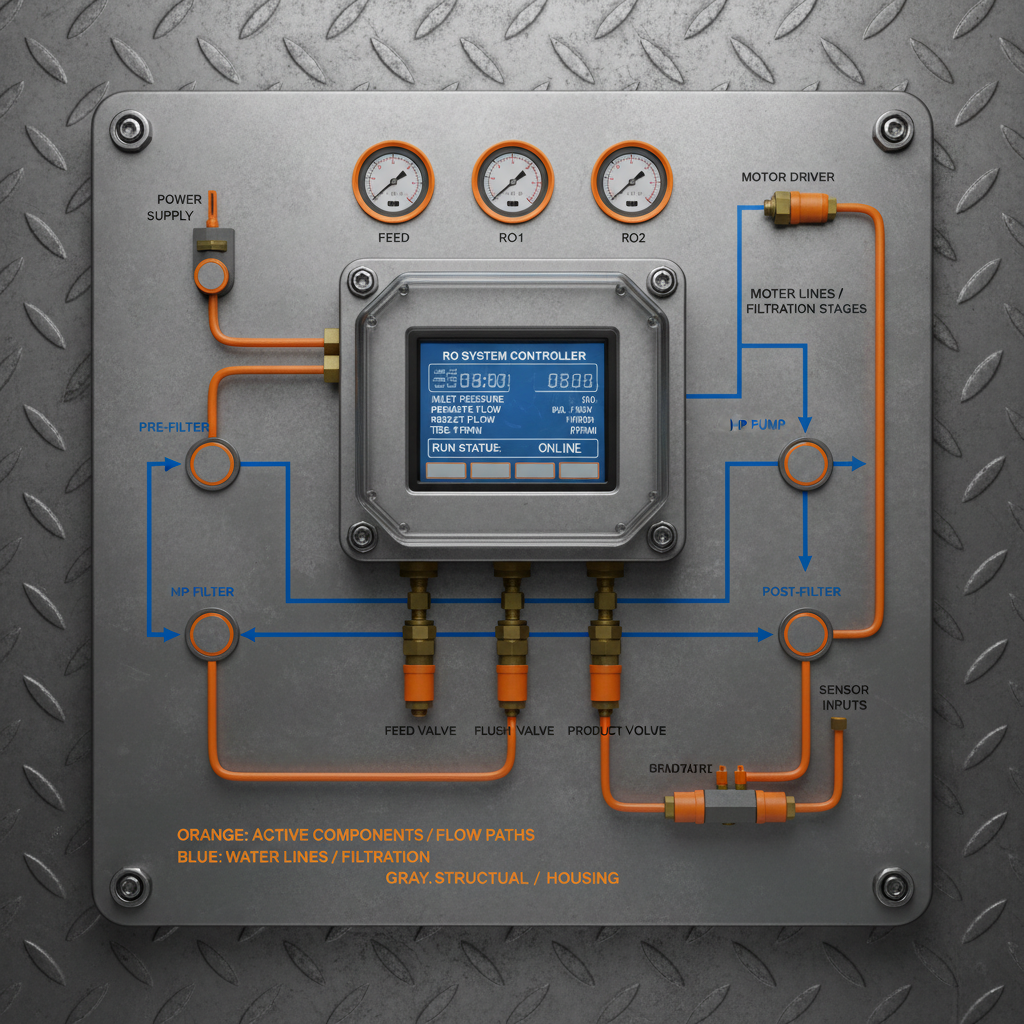
Understanding the Vital Role of an RO System Controller for Optimal PerformanceReverse Osmosis (RO) systems are critical for purifying water across various industries, from residential applications to large-scale industrial processes. At the heart of a well-functioning RO system lies the RO system controller. This intelligent device monitors and regulates all key parameters of the RO process, ensuring optimal performance, efficiency, and water quality. This article delves into the functionalities, benefits, and selection criteria for choosing the right RO system controller, particularly focusing on those offered by Watequipments. Understanding its role is crucial for maximizing the lifespan and effectiveness of your RO investment.
2026-03-24 17:18:24
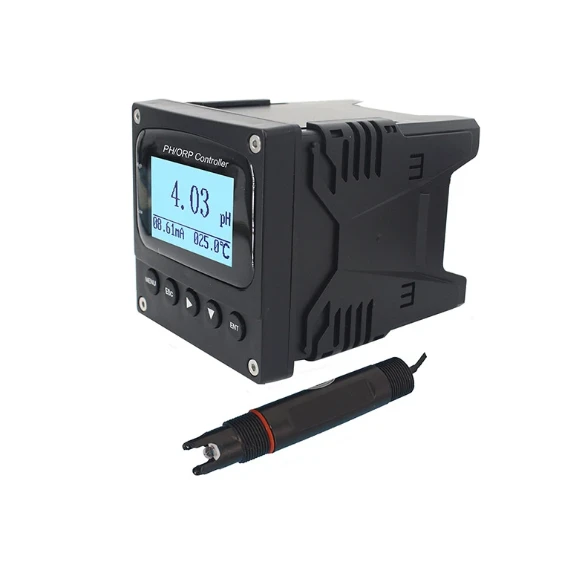
Smart Water Treatment Solutions Using PH ORP Controller SystemsIn modern water treatment and industrial fluid management, maintaining precise chemical balance is essential for safety, efficiency, and regulatory compliance.
2026-03-04 02:55:19
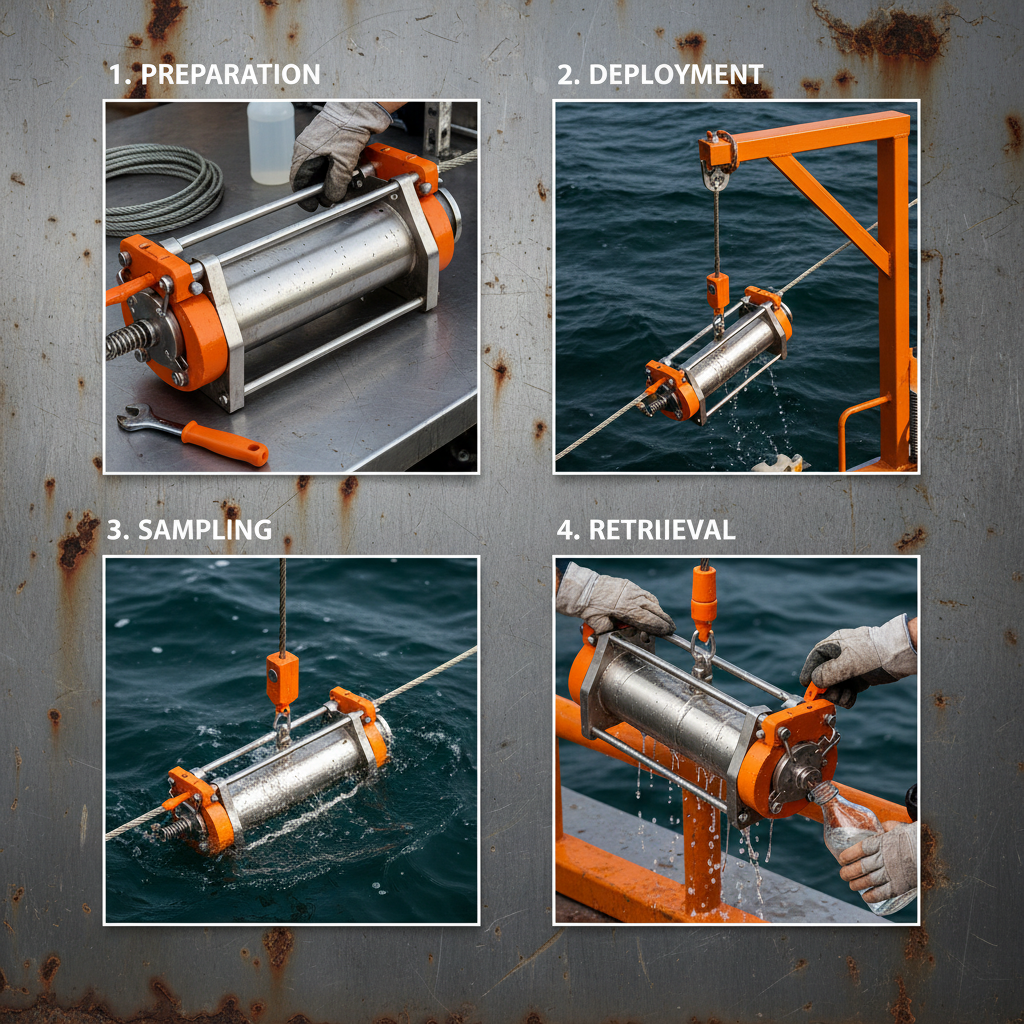
Comprehensive Guide to Water Depth Samplers and Their ApplicationsAccurate water quality monitoring is crucial in various fields, from environmental science and aquaculture to industrial wastewater management. A key tool for this is the water depth sampler. This article provides an in-depth look at water depth samplers, their applications, types, and essential considerations for choosing the right one for your needs. We'll explore the benefits of utilizing this equipment to collect reliable data for analysis and informed decision-making. Selecting the right sampler can significantly improve the precision and efficiency of your water monitoring program. A water depth sampler, also known as a depth-integrated sampler, is a device designed to collect water samples from specific depths within a body of water. Unlike simply dipping a container into the water, a depth sampler allows for collection of a representative sample across a defined depth range. This is critical because water properties (temperature, salinity, pollutants) often vary significantly with depth. The data gathered with a water depth sampler provides a more accurate assessment of water quality than surface samples alone.
2026-03-03 18:55:22
Comprehensive Guide to Horizontal Water Sampler Applications and SelectionCollecting water samples at varying depths is crucial for environmental monitoring, research, and quality control. The horizontal water sampler from Watequipment.com offers a precise and efficient solution for this task. This article provides an in-depth look at horizontal water samplers, their applications, benefits, and key considerations when choosing the right model. We will explore how these samplers contribute to accurate data collection and informed decision-making in various fields. A horizontal water sampler is a device designed to collect water samples from specific depths within a body of water – rivers, lakes, oceans, reservoirs, and even wastewater treatment plants. Unlike vertical samplers which primarily focus on depth, horizontal samplers prioritize collecting samples at a consistent depth while moving along a horizontal plane. This is essential for assessing water quality variations across a waterway or within a specific zone. They are used in applications ranging from environmental monitoring and scientific research to industrial process control and regulatory compliance.
2026-02-28 02:35:09
Comprehensive Guide to Selecting the Right Surface Water Sampler for Your NeedsMonitoring the quality of surface water is critical for environmental protection, public health, and various industrial applications. A surface water sampler is an essential tool for collecting representative samples from rivers, lakes, ponds, and other surface water sources. This article provides a detailed overview of surface water samplers, their types, applications, and key considerations for selecting the right equipment. Accurate water quality data relies on proper sample collection, and choosing the correct sampler is the first step toward achieving reliable results. Surface water samplers come in various designs, each suited to specific sampling needs. Common types include grab samplers, depth-integrating samplers, peristaltic pumps, and automatic samplers. Surface water samplers are used across a broad spectrum of applications, including environmental monitoring, wastewater discharge monitoring, drinking water source monitoring, agricultural runoff analysis, and research studies.

 English