


Solenoid Valve – Fast-Acting, Leak-Tight, Energy-Saving

Solenoid Valve – Fast-Acting, Leak-Tight, Energy-Saving
Nov . 18, 2025
Solenoid Valve is a key solution in the General equipment manufacturing industry, specifically within Manufacturing of pumps, valves, compressors, and similar machinery and Valve manufacturing. This article explores how Hebei JIRS Import & Export Co., Ltd. supports professionals with durable, high-performance products, and explains why this product is an ideal choice for businesses in these sectors.
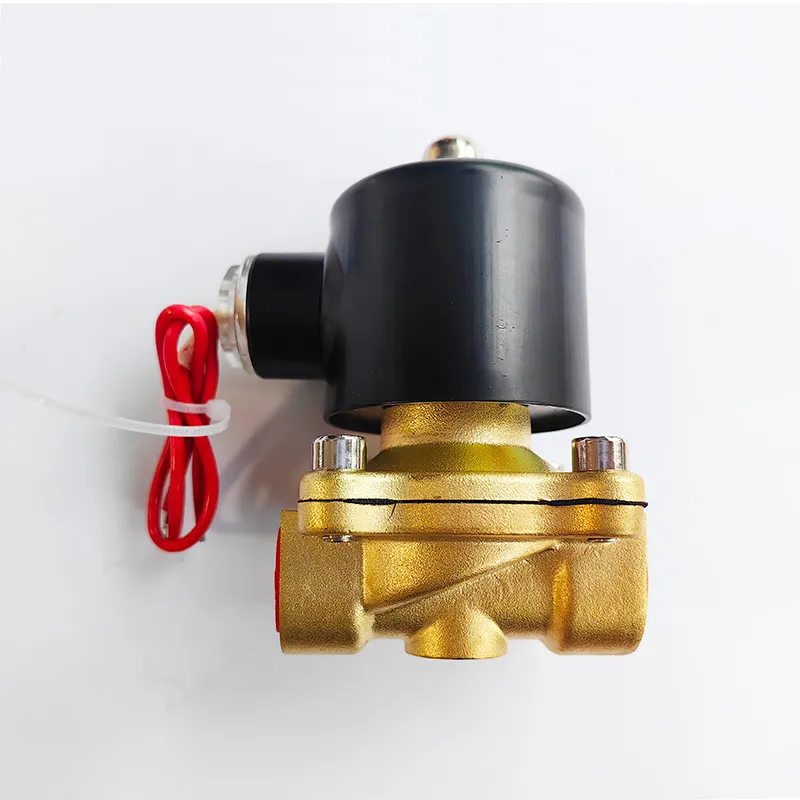
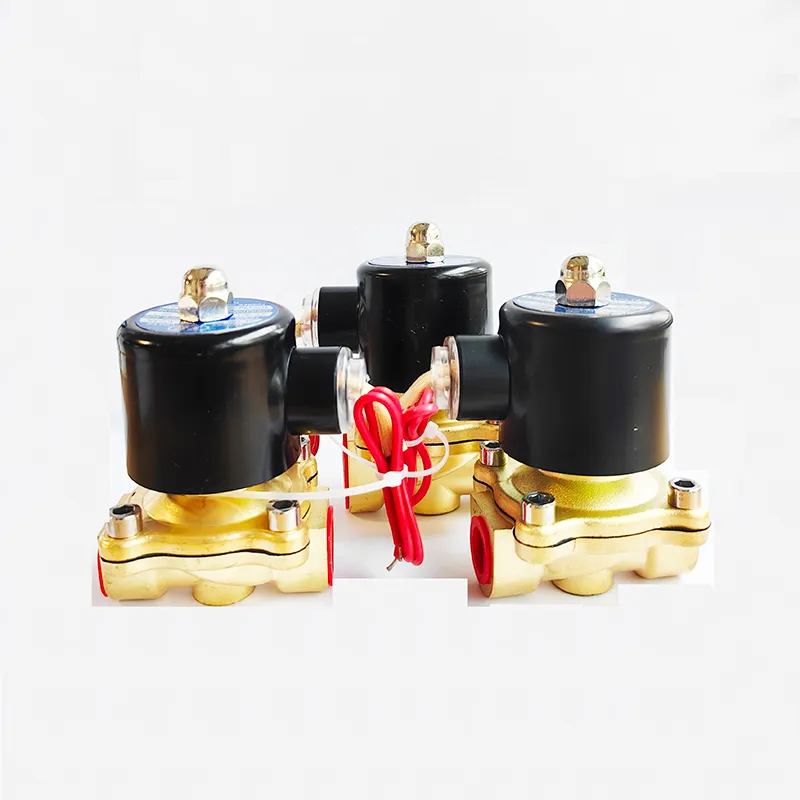
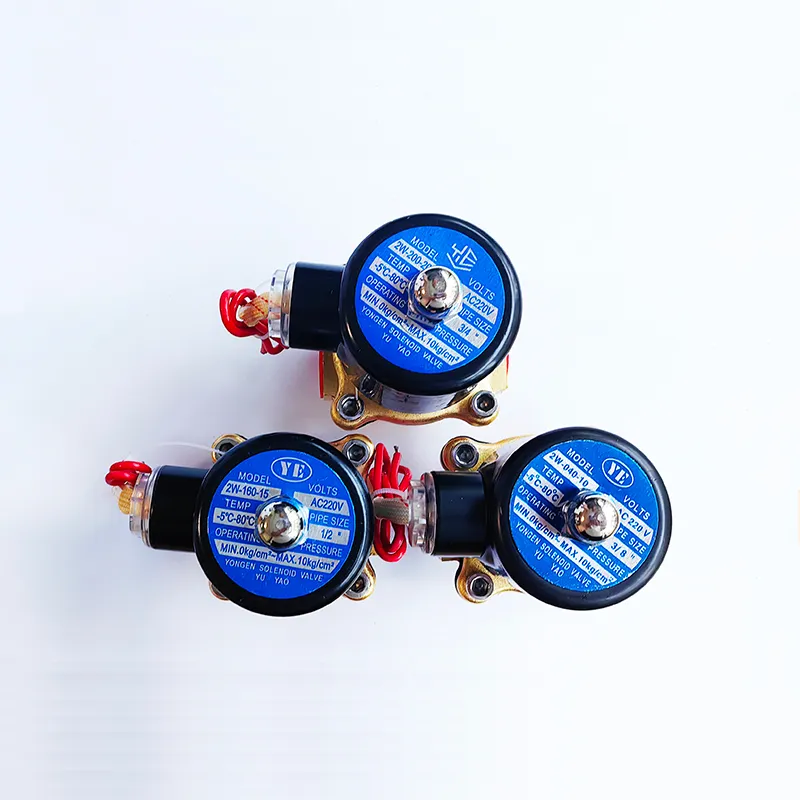
Table of Contents
- Solenoid Valve Overview
- Benefits & Use Cases of Solenoid Valve in Valve manufacturing
- Cost, Maintenance & User Experience
- Sustainability & Market Trends in General equipment manufacturing industry
- Conclusion on Solenoid Valve from Hebei JIRS Import & Export Co., Ltd.
Solenoid Valve Overview
A solenoid valve is an electromechanical device that uses an energized coil to actuate a plunger, opening or closing flow paths with speed and precision. In the General equipment manufacturing industry—especially across pump, valve, and compressor assemblies—solenoid valves act as compact, reliable control elements for liquids, gases, steam, and inert media. Common configurations include direct-acting and pilot-operated mechanisms; 2-way, 3-way, and 5-way flow paths; normally-closed (fail-safe) or normally-open designs; and a wide range of body and seal materials to suit different media and temperatures.
Typical specifications B2B buyers evaluate include port sizes from 1/8” to 2” (NPT/BSP), pressure ratings that can exceed 16 bar for many utilities, temperature ranges aligned with elastomer choices (NBR, EPDM, FKM), coil voltages (12/24 VDC, 110/220 VAC), IP-rated coil encapsulation, and options such as manual overrides and DIN connectors for fast changeouts. Hebei JIRS Import & Export Co., Ltd. supplies configurable Solenoid Valve solutions backed by application engineering, rigorous inspection, and stable supply—helping OEMs and plant operators integrate dependable flow control into automated equipment and process lines with confidence.
Benefits & Use Cases of Solenoid Valve in Valve manufacturing
Within valve manufacturing and related equipment assembly, solenoid valves are essential for test benches (pressure/leak tests), automated actuator control (pneumatic and hydraulic pilot functions), coolant and lubrication circuits in machining centers, wash-down and flushing skids, and utility distribution (air, nitrogen, water). They enable high-cycle, repeatable switching and tight shutoff, improving takt time in production and accuracy in QA procedures. In end-user systems, these valves support water treatment, boiler/steam service (with appropriate materials), chemical dosing, HVAC, irrigation, and compressed air networks.
Key advantages include fast response, compact footprint, low power consumption coils, and modularity—coils can be swapped without removing the valve body, minimizing downtime. Material options such as brass or stainless steel and seal selections ensure compatibility with aggressive or sanitary media. Hebei JIRS Import & Export Co., Ltd. brings sector-specific expertise to match flow coefficients (Cv/Kv), pressure differentials, and duty cycles with the right construction and control mode. The result is stable performance, simplified wiring with DIN connectors, and streamlined OEM integration across manifolds, skids, and panel builds.
Cost, Maintenance & User Experience
Total cost of ownership for a Solenoid Valve is driven by energy use, service life, and maintenance time. Low-watt coils help reduce operating costs—consider a 5 W reduction per valve across 100 valves: that’s roughly 500 W saved continuously, or about 4,380 kWh annually, which compounds into meaningful OPEX savings. Durable plunger assemblies, corrosion-resistant bodies, and appropriate elastomers extend service intervals, while standardized spares (coils, connectors, seal kits) keep inventory lean and changeouts quick. Many B2B users value DIN-connector coils and manual overrides that get lines back online fast after inspections or lockout-tagout events.
Feedback from manufacturers in the pumps/valves/compressors segment highlights the impact of correct sizing and media compatibility: valves specified with proper differential pressure and elastomer selection exhibit longer cycle life and fewer nuisance leaks. Routine practices—adding inlet strainers, flushing lines before commissioning, and monitoring coil temperature during continuous duty—further improve uptime. Hebei JIRS Import & Export Co., Ltd. supports these best practices with clear datasheets, selection guidance, and responsive after-sales service, helping teams achieve predictable ROI from installation through multi-year operation.
Sustainability & Market Trends in General equipment manufacturing industry
Sustainability priorities—energy efficiency, reduced leakage, longer service life, and safer materials—are reshaping specification habits in industrial flow control. Buyers increasingly look for low-power coils to cut emissions, cleanable designs to extend lifespan, and materials strategies aligned with evolving directives (e.g., low-lead brass, options designed to meet RoHS/REACH requirements in applicable markets). At the same time, the market is moving toward smarter, more connected systems: standardized connectors, position indicators, and compatibility with modern control voltages and interfaces simplify integration into PLC/SCADA environments and enable predictive maintenance strategies.
Hebei JIRS Import & Export Co., Ltd. is aligned with these trends, focusing on durable, energy-conscious Solenoid Valve configurations and clear technical documentation that support responsible engineering. By emphasizing reliability, maintainability, and fit-for-purpose material choices, the company helps customers reduce waste from premature replacements and improve resource efficiency across production and operation. This forward-looking approach enables OEMs and plant owners to meet performance goals today while preparing for stricter sustainability targets tomorrow.
Conclusion on Solenoid Valve from Hebei JIRS Import & Export Co., Ltd.
From assembly lines to utility skids, the Solenoid Valve remains a compact, precise, and cost-effective cornerstone of modern flow control in the General equipment manufacturing industry—especially across valve manufacturing and related equipment. Hebei JIRS Import & Export Co., Ltd. delivers dependable, configurable options backed by knowledgeable support, helping B2B decision makers balance performance, compliance, and cost. To specify or request a quote, contact our team today.
- Contact us: email: info@watequipment.com
- Visit our website: https://www.watequipments.com | Product page: Solenoid Valve

Related Products
Related News
2026-04-16 03:20:19
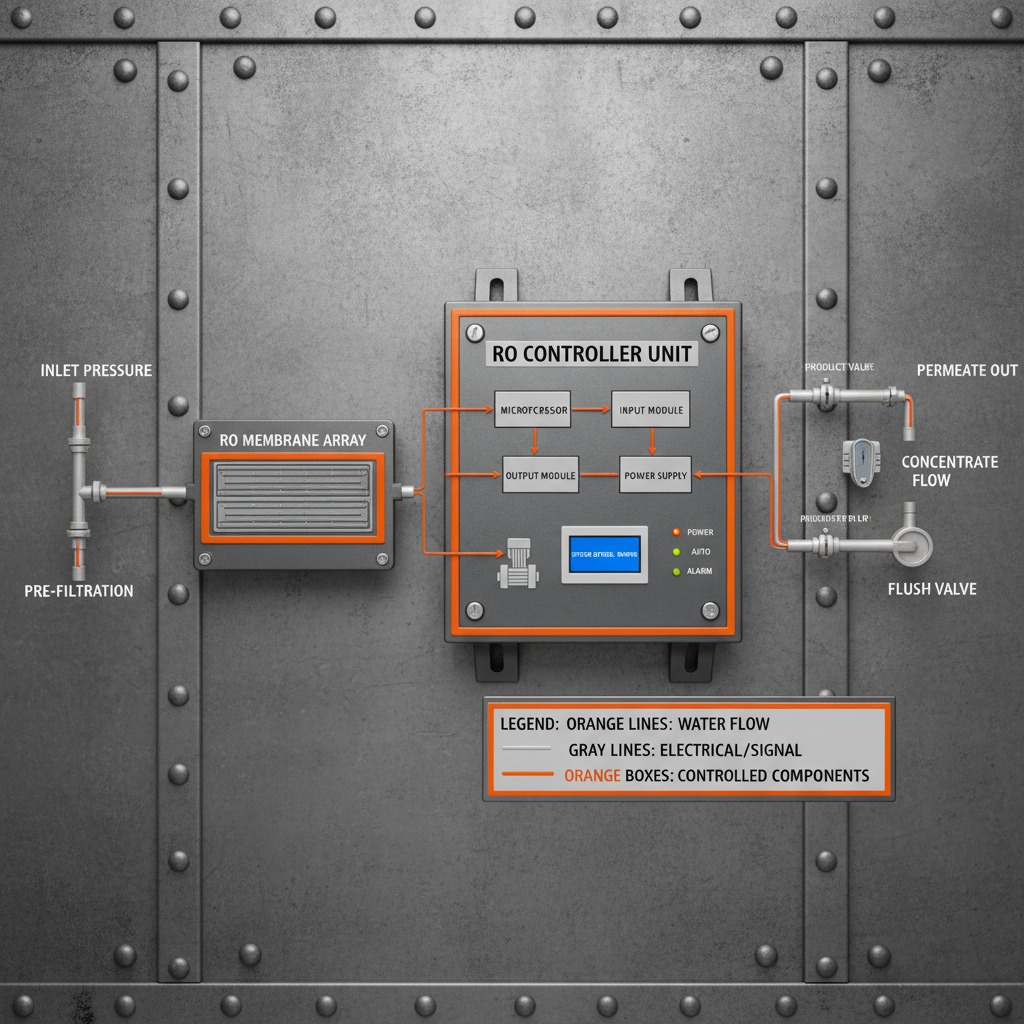
Guide to Choosing the Right RO Controller for Water PurificationMaintaining a high-performance reverse osmosis system requires more than just quality membranes; it demands precise regulation. An ro controller serves as the brain of the entire operation, monitoring critical parameters such as conductivity, temperature, and flow rates to ensure the output water meets stringent purity standards. Without an efficient controller, systems are prone to membrane fouling, inefficient energy use, and inconsistent water quality. In this comprehensive guide, we will explore how these devices optimize water treatment processes and how to select the best model for your specific industrial or commercial needs.
2026-04-09 03:25:47
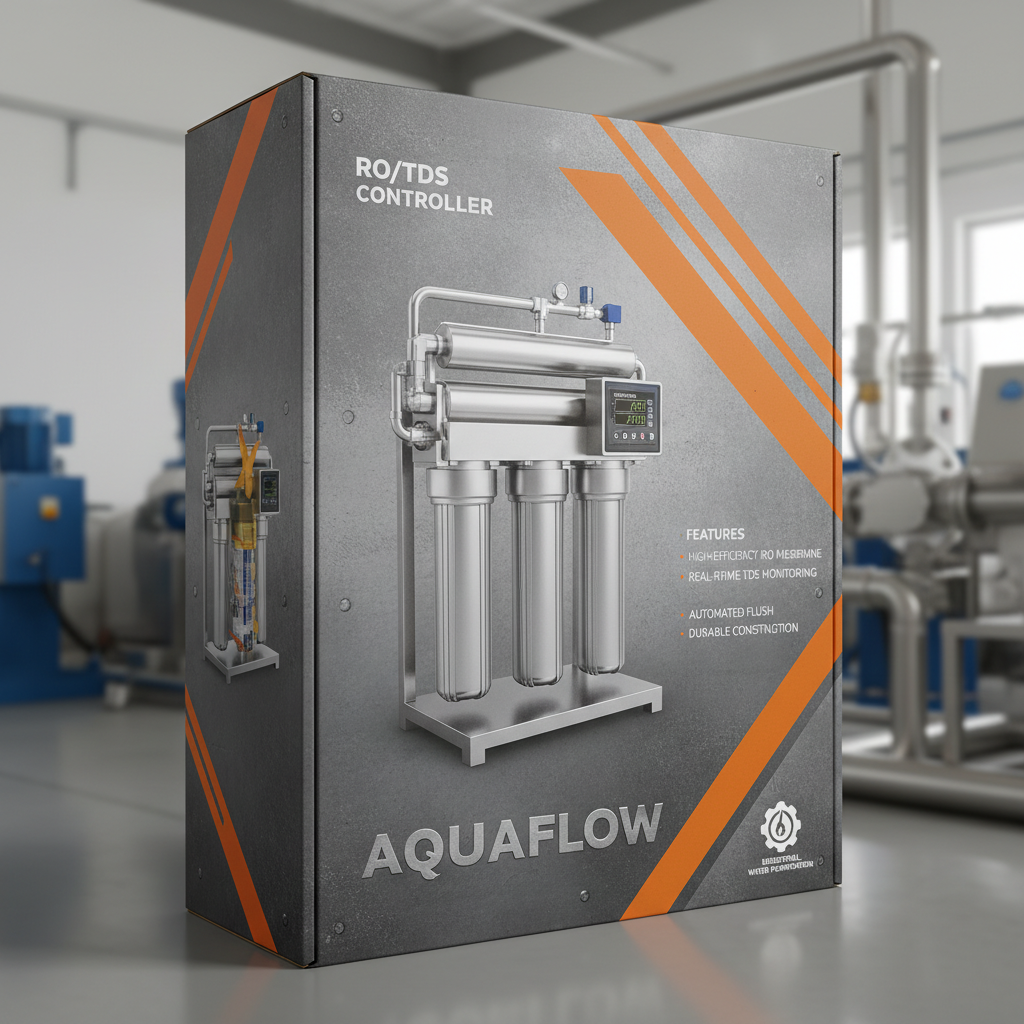
Guide to Water Purity Using RO with TDS Controller SystemsAchieving the perfect balance of mineral content and purity in drinking water is a challenge for many households and industrial facilities. A ro with tds controller offers a sophisticated solution by combining the rigorous filtration of Reverse Osmosis (RO) with the precision of a Total Dissolved Solids (TDS) adjustment system. While standard RO systems remove almost everything, including beneficial minerals, a TDS controller allows users to re-mineralize the water to a desired level. This ensures that the water is not only safe and pure but also tastes better and provides essential nutrients.
2026-04-07 03:17:09
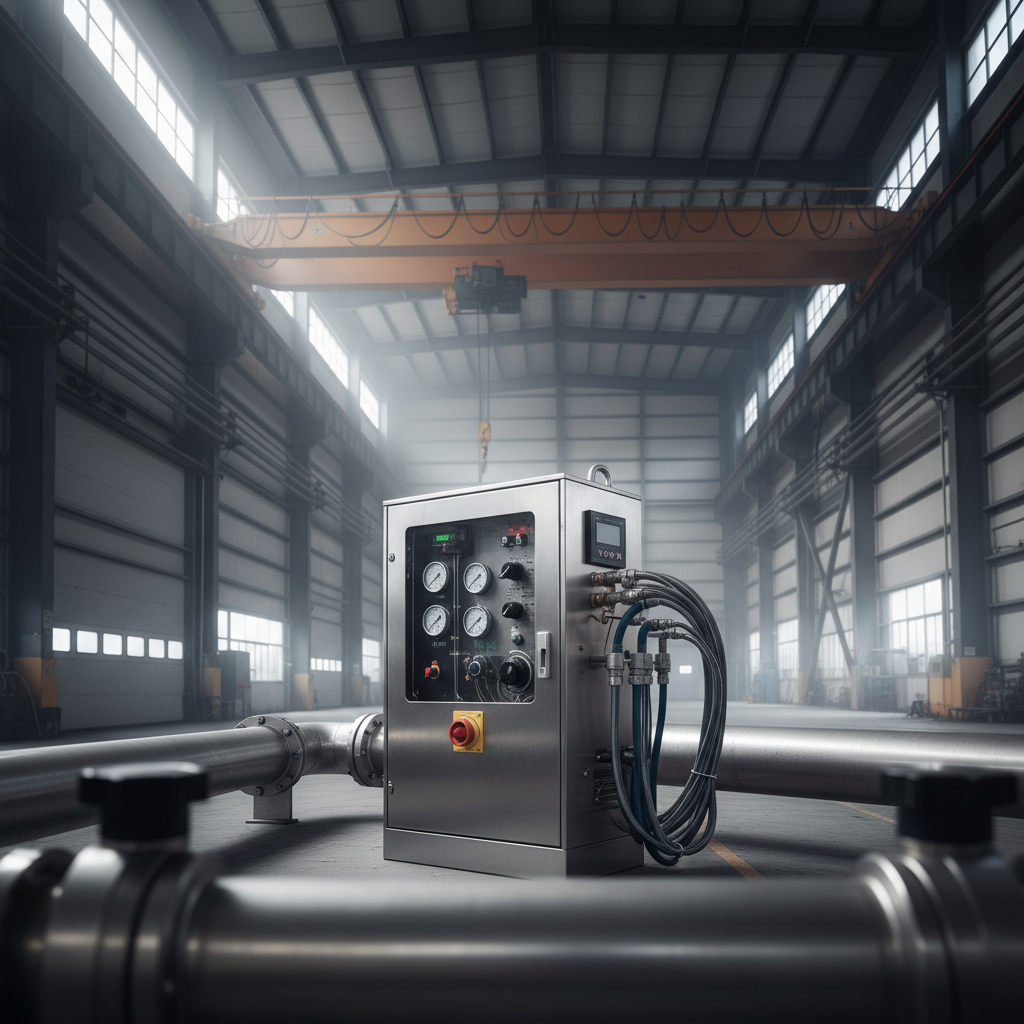
Understanding and Optimizing Reverse Osmosis Systems with a ControllerIn the world of water purification, reverse osmosis (RO) systems are a cornerstone for producing high-quality water for various applications, from drinking water to industrial processes. However, an RO system is only as effective as its control system. This is where the reverse osmosis controller comes into play. This critical component manages and optimizes the RO process, ensuring efficient operation, water quality, and system longevity.
2026-04-04 03:27:19
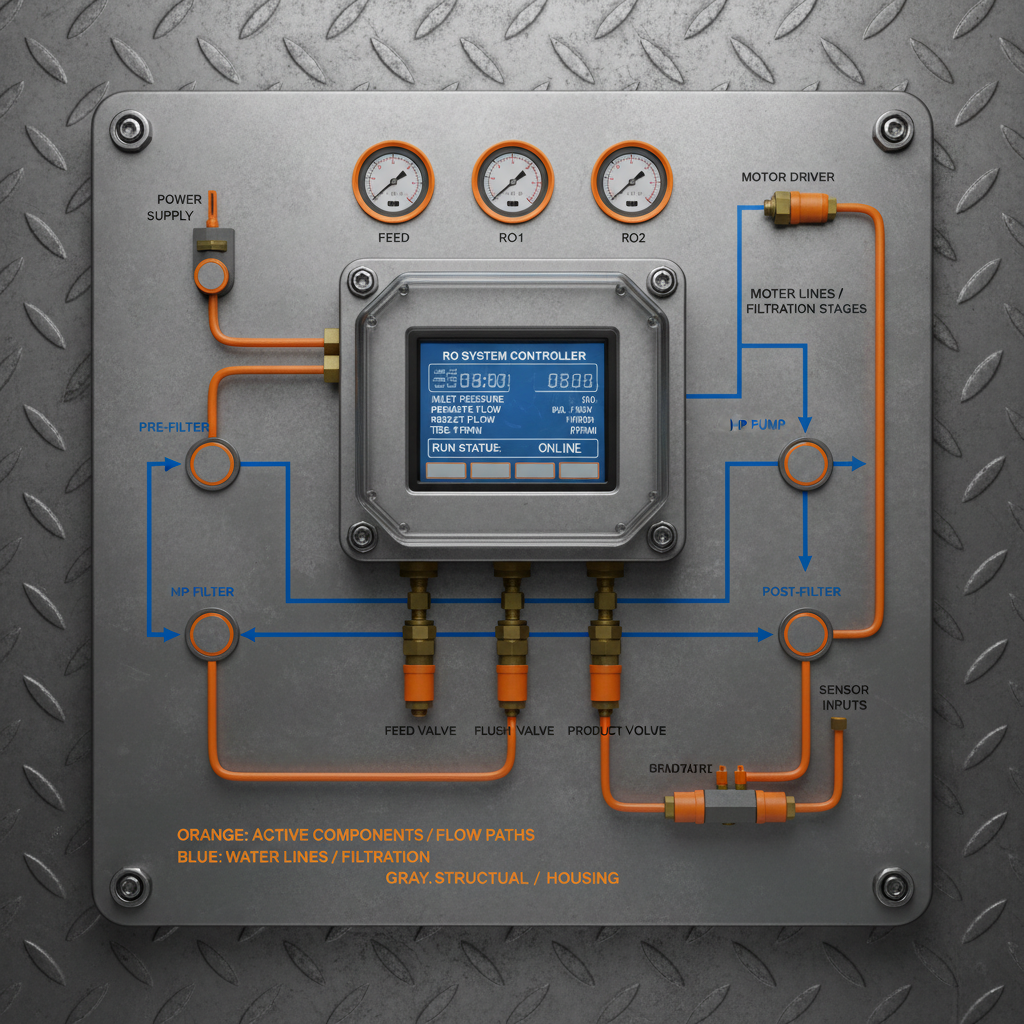
Understanding the Vital Role of an RO System Controller for Optimal PerformanceReverse Osmosis (RO) systems are critical for purifying water across various industries, from residential applications to large-scale industrial processes. At the heart of a well-functioning RO system lies the RO system controller. This intelligent device monitors and regulates all key parameters of the RO process, ensuring optimal performance, efficiency, and water quality. This article delves into the functionalities, benefits, and selection criteria for choosing the right RO system controller, particularly focusing on those offered by Watequipments. Understanding its role is crucial for maximizing the lifespan and effectiveness of your RO investment.
2026-03-24 17:18:24
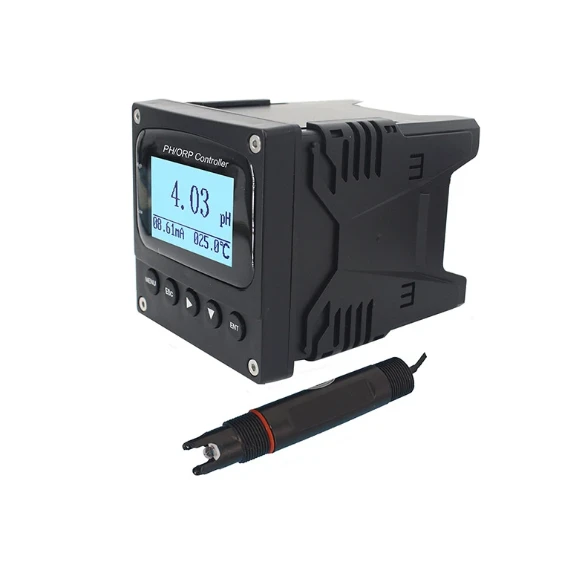
Smart Water Treatment Solutions Using PH ORP Controller SystemsIn modern water treatment and industrial fluid management, maintaining precise chemical balance is essential for safety, efficiency, and regulatory compliance.
2026-03-04 02:55:19
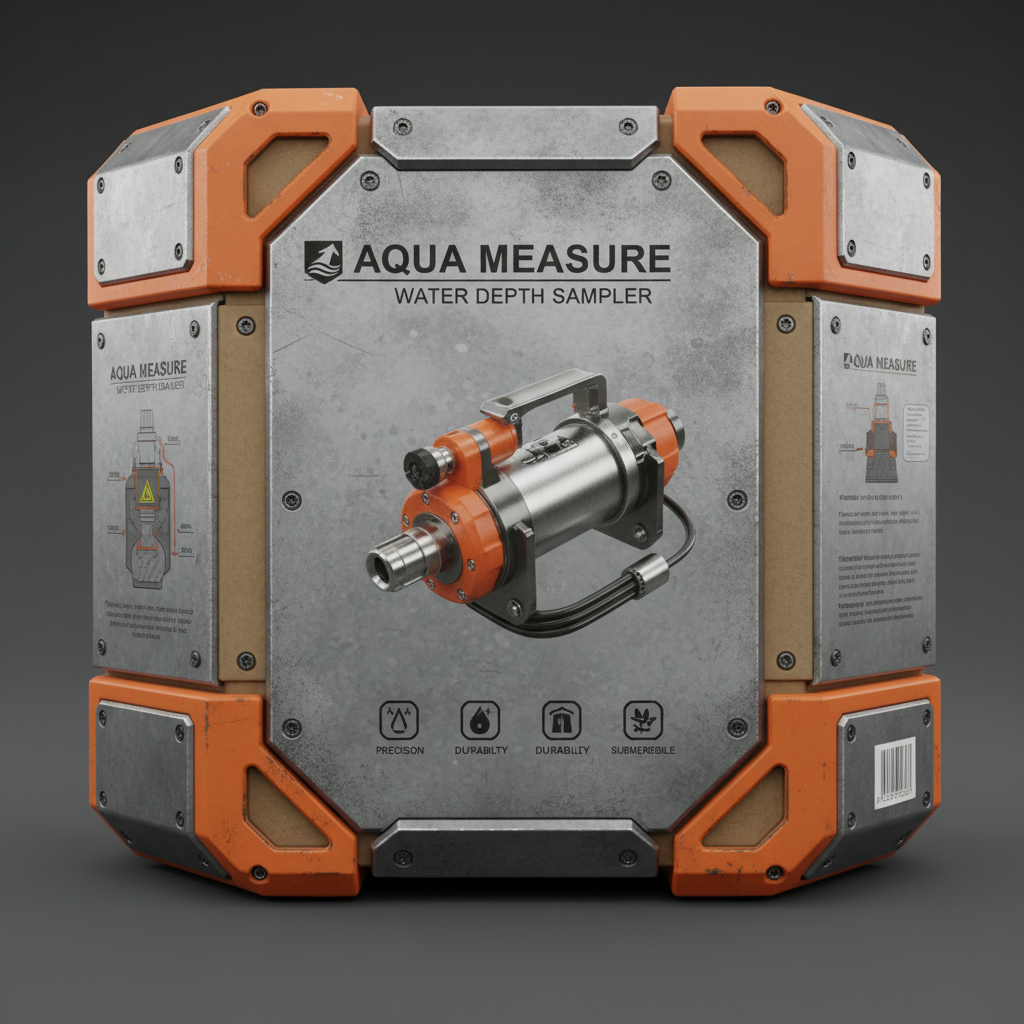
Comprehensive Guide to Water Depth Samplers and Their ApplicationsAccurate water quality monitoring is crucial in various fields, from environmental science and aquaculture to industrial wastewater management. A key tool for this is the water depth sampler. This article provides an in-depth look at water depth samplers, their applications, types, and essential considerations for choosing the right one for your needs. We'll explore the benefits of utilizing this equipment to collect reliable data for analysis and informed decision-making. Selecting the right sampler can significantly improve the precision and efficiency of your water monitoring program. A water depth sampler, also known as a depth-integrated sampler, is a device designed to collect water samples from specific depths within a body of water. Unlike simply dipping a container into the water, a depth sampler allows for collection of a representative sample across a defined depth range. This is critical because water properties (temperature, salinity, pollutants) often vary significantly with depth. The data gathered with a water depth sampler provides a more accurate assessment of water quality than surface samples alone.
2026-03-03 18:55:22
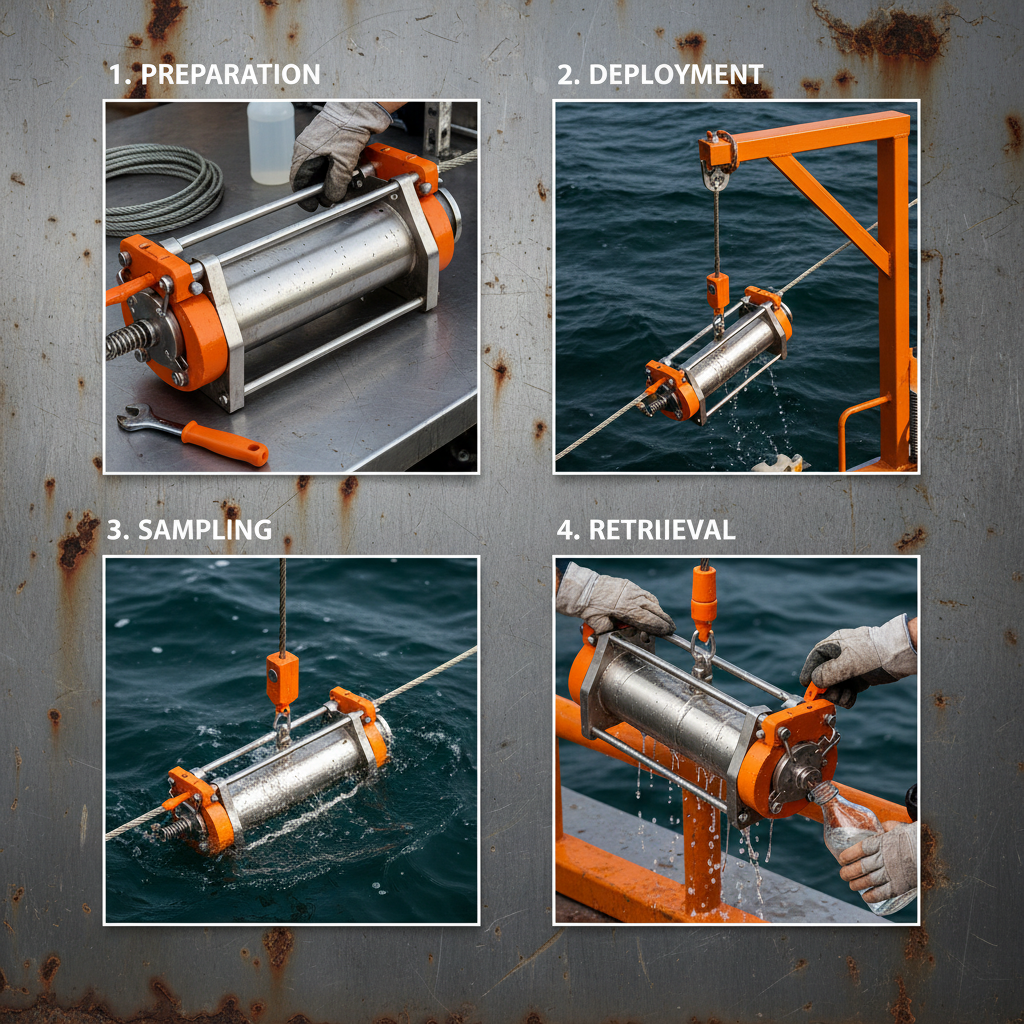
Comprehensive Guide to Horizontal Water Sampler Applications and SelectionCollecting water samples at varying depths is crucial for environmental monitoring, research, and quality control. The horizontal water sampler from Watequipment.com offers a precise and efficient solution for this task. This article provides an in-depth look at horizontal water samplers, their applications, benefits, and key considerations when choosing the right model. We will explore how these samplers contribute to accurate data collection and informed decision-making in various fields. A horizontal water sampler is a device designed to collect water samples from specific depths within a body of water – rivers, lakes, oceans, reservoirs, and even wastewater treatment plants. Unlike vertical samplers which primarily focus on depth, horizontal samplers prioritize collecting samples at a consistent depth while moving along a horizontal plane. This is essential for assessing water quality variations across a waterway or within a specific zone. They are used in applications ranging from environmental monitoring and scientific research to industrial process control and regulatory compliance.
2026-02-28 02:35:09
Comprehensive Guide to Selecting the Right Surface Water Sampler for Your NeedsMonitoring the quality of surface water is critical for environmental protection, public health, and various industrial applications. A surface water sampler is an essential tool for collecting representative samples from rivers, lakes, ponds, and other surface water sources. This article provides a detailed overview of surface water samplers, their types, applications, and key considerations for selecting the right equipment. Accurate water quality data relies on proper sample collection, and choosing the correct sampler is the first step toward achieving reliable results. Surface water samplers come in various designs, each suited to specific sampling needs. Common types include grab samplers, depth-integrating samplers, peristaltic pumps, and automatic samplers. Surface water samplers are used across a broad spectrum of applications, including environmental monitoring, wastewater discharge monitoring, drinking water source monitoring, agricultural runoff analysis, and research studies.

 English