


Accurate Rotameter: Reliable Flow Measurement Instruments

Accurate Rotameter: Reliable Flow Measurement Instruments
Aug . 12, 2025
Understanding Rotameters: Essential Flow Measurement in B2B Applications
In industrial processes, precise flow measurement is critical for efficiency, safety, and product quality. The Rotameter, a variable area flow meter, stands as a cornerstone technology for various B2B applications, offering a reliable and cost-effective solution for measuring liquid and gas flow rates. Its fundamental principle involves a float that rises in a tapered tube, with its height indicating the flow rate, thanks to the increasing annular area between the float and the tube wall. This straightforward yet effective design ensures minimal pressure drop and high visibility of the measurement. Recent industry trends indicate a growing demand for advanced materials and smart integration features in flow measurement devices, driven by the increasing complexity of process automation and the need for enhanced data analytics. The simplicity and robust nature of the Rotameter continue to make it an indispensable tool, especially in environments where electronic complexity might be undesirable or challenging to maintain.
The adaptability of the Rotameter extends across a vast array of sectors, from the rigorous demands of the chemical and petrochemical industries to the delicate precision required in pharmaceutical and laboratory settings. Its inherent design, which allows for visual verification of flow, provides an immediate operational insight that many digital alternatives cannot match without additional displays. Furthermore, advancements in manufacturing techniques have led to more durable and accurate instruments capable of operating under diverse pressure, temperature, and fluid compatibility conditions. As industries strive for greater sustainability and operational excellence, the continuous evolution of flow measurement technologies, including the humble but mighty Rotameter, plays a vital role in optimizing resource utilization and minimizing waste across the globe.
Technical Specifications and Performance Parameters
Understanding the detailed technical specifications of a Rotameter is crucial for proper selection and optimal performance in any industrial setting. Key parameters include flow range, accuracy, connection type, maximum operating pressure, and temperature. Material compatibility is paramount, as the instrument's wetted parts must withstand the chemical properties of the fluid being measured, preventing corrosion or contamination. For instance, common materials for tubes include borosilicate glass, acrylic, or metal (stainless steel, Hastelloy), while floats are often made from stainless steel, PTFE, or other chemically resistant plastics. The table below provides a general overview of typical technical parameters for industrial-grade Rotameters, highlighting the variability to meet specific application needs.
| Parameter | Typical Range/Value | Notes on Variability |
|---|---|---|
| Flow Range | 0.01 - 1000 GPM (Liquid) 0.1 - 5000 SCFM (Gas) |
Varies significantly by tube size and float density. |
| Accuracy | ±1% to ±10% of full scale | Higher accuracy in more precise models, often for specific ranges. |
| Operating Temperature | -40°C to +200°C (-40°F to +392°F) | Limited by tube material (glass vs. metal) and seal materials. |
| Operating Pressure | Up to 250 bar (3625 psi) | Higher for metal tube Rotameters; lower for glass/plastic. |
| Wetted Materials | SS316, PTFE, Borosilicate Glass, PVC, Hastelloy | Chosen based on fluid compatibility and corrosion resistance needs. |
| Connection Types | NPT, Flange (ANSI, DIN), Tri-Clamp | Dictated by piping standards and application requirements. |
The selection process for a Rotameter often involves a detailed assessment of fluid properties, including density, viscosity, and temperature, as these directly influence the float's behavior and thus the accuracy of the measurement. For high-purity applications, such as those in the pharmaceutical or food and beverage industries, specialized sanitary connections and ultra-smooth internal finishes are required to prevent bacterial growth and ensure product integrity. Many modern Rotameters can also be equipped with optional features like flow alarms, transmitters for remote monitoring (e.g., 4-20mA output), or even HART communication protocols, integrating them seamlessly into broader process control systems and enhancing their utility beyond simple visual indication.
Manufacturing Excellence and Quality Assurance
The manufacturing process of a high-quality Rotameter is a testament to precision engineering, ensuring reliable and durable instruments. It typically begins with the careful selection of raw materials, such as certified 316L stainless steel for robust body construction or high-purity borosilicate glass for the tapered tubes, chosen for their superior chemical resistance and transparency. The manufacturing journey often involves several critical stages: initial material preparation, precision machining (e.g., CNC milling for intricate flow meter bodies and end connections), forming of the tapered tube (for glass versions), and the precise fabrication of the float, which is meticulously weighted and balanced. Each component, whether cast, forged, or CNC machined, undergoes rigorous dimensional inspection to meet stringent specifications, ensuring optimal performance and interchangeability.
Quality control is embedded at every stage. For instance, metal components are often subjected to non-destructive testing, such as dye penetrant inspection or X-ray analysis, to detect any internal flaws. Glass tubes undergo visual inspection for clarity and precision calibration of their taper. After assembly, each Rotameter is individually tested for leakage and calibrated against traceable flow standards to verify accuracy across its entire range. Adherence to international standards like ISO 9001 for quality management and ANSI/ASME for pressure vessel design ensures the product's safety and reliability. For applications in critical industries like petrochemicals or nuclear power, additional certifications and material traceability documentation are provided. Our commitment to these stringent processes guarantees a long operational life, typically exceeding 10-15 years under normal conditions, and provides exceptional resistance to corrosive media, thereby reducing maintenance costs and promoting energy efficiency by preventing leaks and ensuring accurate dosing.
Versatile Application Scenarios and Distinct Advantages
The versatility of the Rotameter makes it an indispensable component across a wide spectrum of industrial applications. In the petrochemical industry, they are used for precise dosing of catalysts and additives, ensuring optimal reaction conditions and product quality. In metallurgy, they monitor cooling water flow to furnaces and control gas flows in protective atmospheres, crucial for preventing oxidation and maintaining metal purity. The municipal water and wastewater treatment sectors rely on Rotameters for chemical dosing (e.g., chlorine, coagulants) and monitoring sludge transfer rates, contributing to efficient and safe water purification. Beyond these, their utility extends to laboratories for research and development, medical gas systems for accurate oxygen delivery, and general industrial processes for utility fluid measurement suchability in monitoring cooling water and lubricating oils.
The primary advantage of a Rotameter lies in its simplicity, making it incredibly robust and requiring minimal maintenance. Its purely mechanical operation means no external power is needed, making it ideal for remote or hazardous locations where electrical infrastructure is complex or risky. This also translates to inherent explosion-proof characteristics, a critical safety feature in environments with flammable gases or liquids. Unlike some electronic meters, the Rotameter provides an immediate visual indication of flow, allowing operators to quickly assess process conditions. Furthermore, its relatively low pressure drop contributes to energy savings, as less pump power is required to move fluids through the system. For corrosive applications, the availability of highly resistant materials like PTFE, PVDF, and various grades of stainless steel ensures long-term reliability and chemical compatibility, offering superior resistance against acids, bases, and aggressive solvents. These combined attributes solidify the Rotameter's position as a reliable, cost-effective, and safe flow measurement device.
Choosing Your Rotameter Partner: Custom Solutions and Service Excellence
When selecting a supplier for industrial flow measurement instruments, especially for critical process components like the Rotameter, expertise, experience, and reliability are paramount. Not all manufacturers offer the same level of customization or post-sales support. A reputable provider will possess extensive application knowledge, enabling them to recommend the most suitable Rotameter configuration for specific fluid types, flow rates, pressures, and environmental conditions. This often involves detailed consultation to understand the nuances of a client's process, whether it demands specific material certifications, non-standard connection sizes, or integration with existing control systems through transmitters or alarm switches. We specialize in providing bespoke solutions, ensuring that each Rotameter is precisely tailored to meet unique operational challenges, from ultra-low flow rates in laboratory settings to high-volume demands in large-scale chemical plants.
Our commitment extends beyond product delivery to comprehensive service and support. With over two decades of experience in the water treatment and industrial equipment sectors, we have successfully deployed thousands of Rotameter units globally, serving a diverse client base ranging from Fortune 500 companies to specialized niche manufacturers. Our expertise is backed by ISO certifications and partnerships with leading industry bodies, reinforcing our authoritative standing in the market. We offer robust after-sales support, including installation guidance, calibration services, and prompt technical assistance to maximize the lifespan and efficiency of your instruments. This dedication to client success, coupled with our proven track record and adherence to international quality standards like ISO 9001 and CE, ensures that our partners receive not just a product, but a complete flow measurement solution optimized for their long-term operational needs.
Real-World Application Cases and Performance Insights
The practical utility and reliability of Rotameters are best demonstrated through their successful deployment in diverse industrial scenarios. For instance, a leading pharmaceutical company required precise dosing of a highly corrosive acid into a mixing tank for a new drug synthesis. A standard electronic flow meter struggled with viscosity changes and potential chemical attack. We engineered a custom metal tube Rotameter with Hastelloy-C276 wetted parts and a specialized PTFE float, designed for high chemical resistance and accurate flow readings despite viscosity fluctuations. This solution not only met the stringent accuracy requirements but also offered a visual failsafe, allowing operators to immediately detect anomalies, significantly enhancing process safety and product consistency. The client reported a 15% reduction in material waste due to improved dosing accuracy, showcasing the real-world economic benefits.
In another instance, a large municipal wastewater treatment plant needed to monitor various chemical feed lines for disinfection and pH adjustment. Given the harsh, humid environment and the corrosive nature of the chemicals, a robust yet simple solution was needed. We supplied a series of PVC and acrylic Rotameters, chosen for their excellent resistance to hypochlorite and caustic solutions, coupled with robust mounting hardware for outdoor installation. These units provided reliable, maintenance-free operation over several years, visually confirming flow rates and ensuring precise chemical addition. This resulted in optimized chemical consumption, leading to significant cost savings and compliance with environmental discharge regulations, demonstrating the sustained value and trustworthiness of the Rotameter in critical infrastructure applications.
Frequently Asked Questions (FAQ)
Q: How do I select the right Rotameter for my application?
A: Selection depends on several factors: the type of fluid (liquid or gas), its density and viscosity, the desired flow range, maximum operating pressure and temperature, material compatibility requirements, and connection type. Our technical team can assist you in precisely sizing and specifying the ideal Rotameter for your specific needs, considering all operational parameters to ensure optimal performance and longevity.
Q: Can a Rotameter be used for corrosive chemicals?
A: Yes, absolutely. We offer Rotameters constructed from a wide range of chemically resistant materials, including stainless steel (SS316L), PTFE, PVDF, Hastelloy, and specific plastics like PVC or acrylic. The choice depends on the specific chemical's properties and concentration. These materials ensure durability and accurate measurement even in highly aggressive chemical environments, providing robust anti-corrosion protection.
Q: What is the typical delivery period for a custom Rotameter solution?
A: Standard Rotameter models usually have a lead time of 1-2 weeks. For highly customized solutions involving specialized materials, unique connection types, or integrated transmitters, the delivery period may range from 3-6 weeks, depending on the complexity and component availability. We strive to meet urgent requirements and maintain transparent communication regarding lead times throughout the order process.
Q: What kind of warranty and customer support do you offer?
A: All our Rotameters come with a standard 12-month warranty from the date of shipment, covering manufacturing defects. We also provide comprehensive technical support, including installation guides, troubleshooting assistance, and post-warranty calibration services. Our dedicated customer service team is available to ensure your continued satisfaction and optimal instrument performance, reflecting our commitment to trustworthiness and long-term client relationships.
Authoritative References
- American National Standards Institute (ANSI) / International Organization for Standardization (ISO) standards for flow measurement devices and quality management systems.
- Journal of Flow Measurement and Instrumentation: Insights into variable area flow meter design and application in diverse industries.
- Principles of Industrial Flow Measurement: A comprehensive guide on flow technologies, including the physics and applications of rotameters.
- Chemical Engineering Handbook: Data and methodologies for selecting materials for corrosive fluid handling in process industries.

Related Products
Related News
2026-04-16 03:20:19
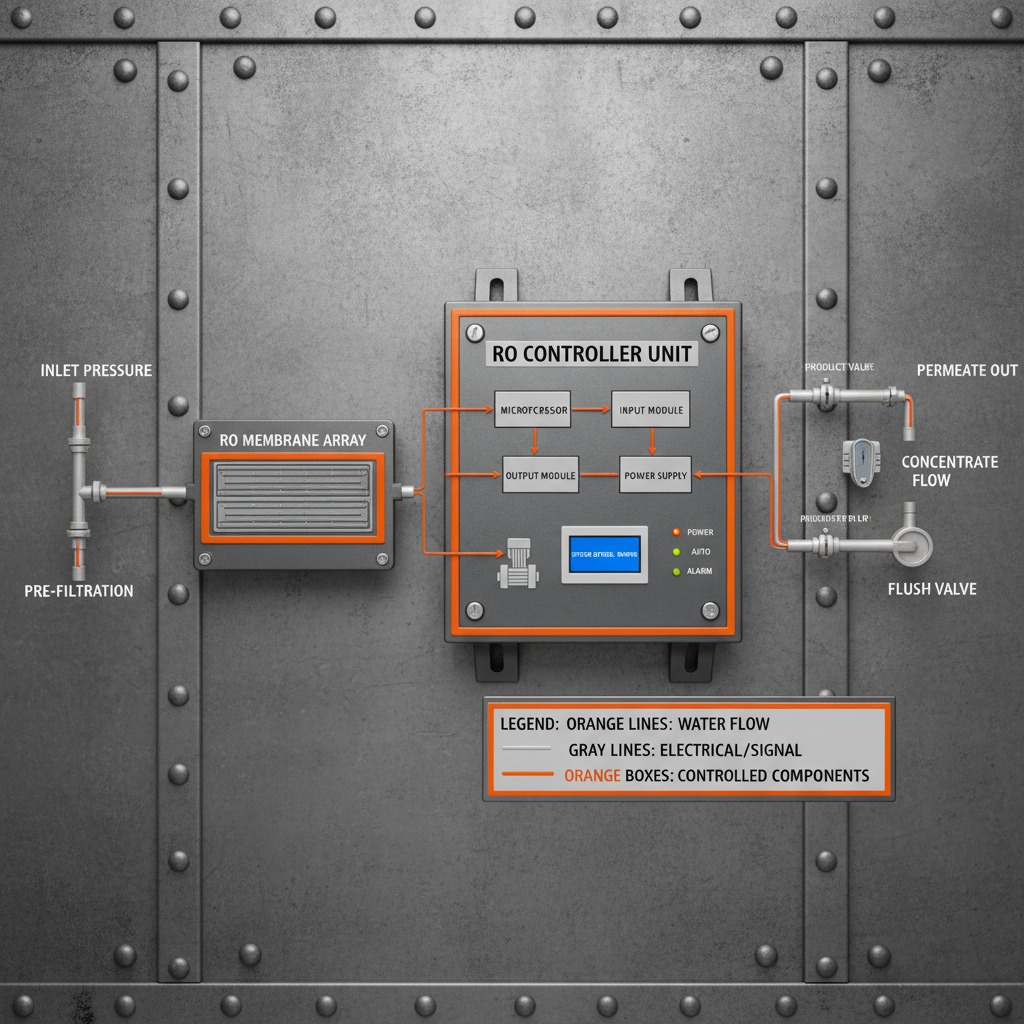
Guide to Choosing the Right RO Controller for Water PurificationMaintaining a high-performance reverse osmosis system requires more than just quality membranes; it demands precise regulation. An ro controller serves as the brain of the entire operation, monitoring critical parameters such as conductivity, temperature, and flow rates to ensure the output water meets stringent purity standards. Without an efficient controller, systems are prone to membrane fouling, inefficient energy use, and inconsistent water quality. In this comprehensive guide, we will explore how these devices optimize water treatment processes and how to select the best model for your specific industrial or commercial needs.
2026-04-09 03:25:47
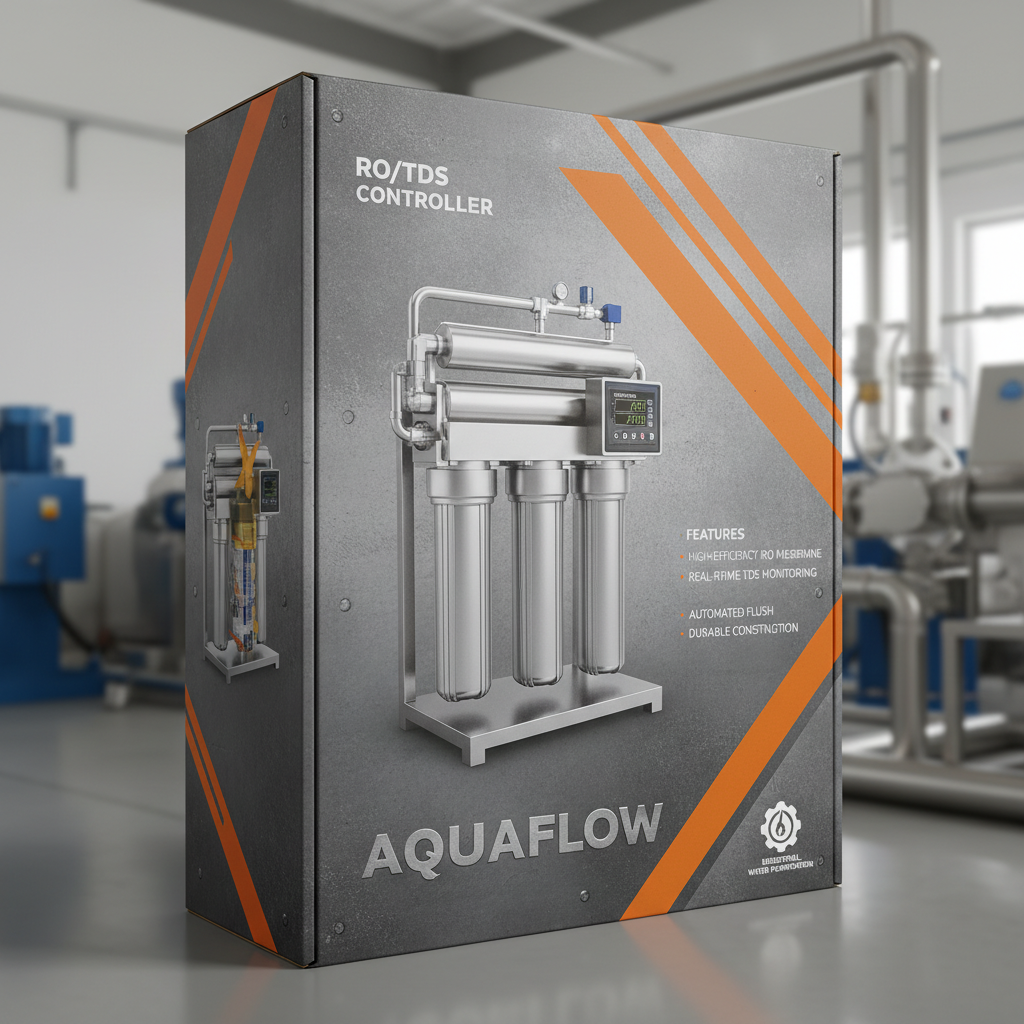
Guide to Water Purity Using RO with TDS Controller SystemsAchieving the perfect balance of mineral content and purity in drinking water is a challenge for many households and industrial facilities. A ro with tds controller offers a sophisticated solution by combining the rigorous filtration of Reverse Osmosis (RO) with the precision of a Total Dissolved Solids (TDS) adjustment system. While standard RO systems remove almost everything, including beneficial minerals, a TDS controller allows users to re-mineralize the water to a desired level. This ensures that the water is not only safe and pure but also tastes better and provides essential nutrients.
2026-04-07 03:17:09
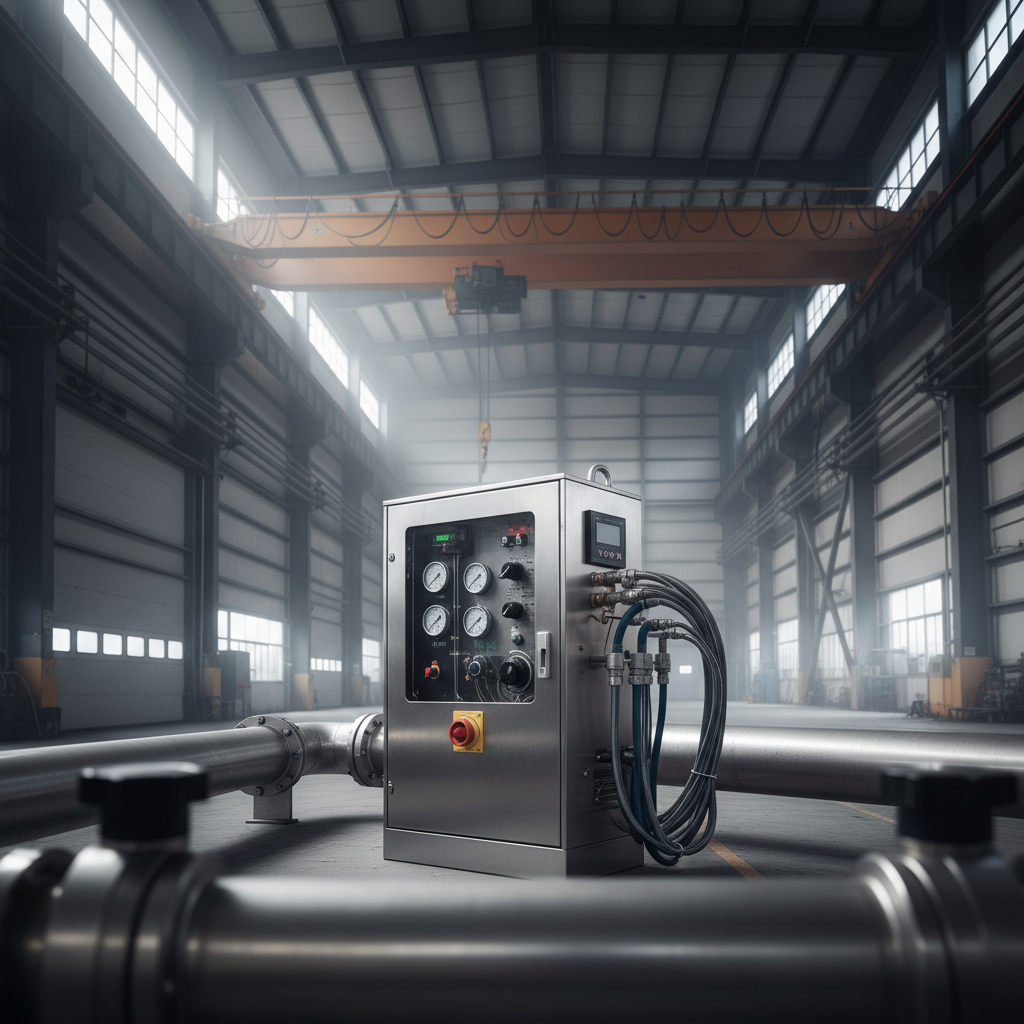
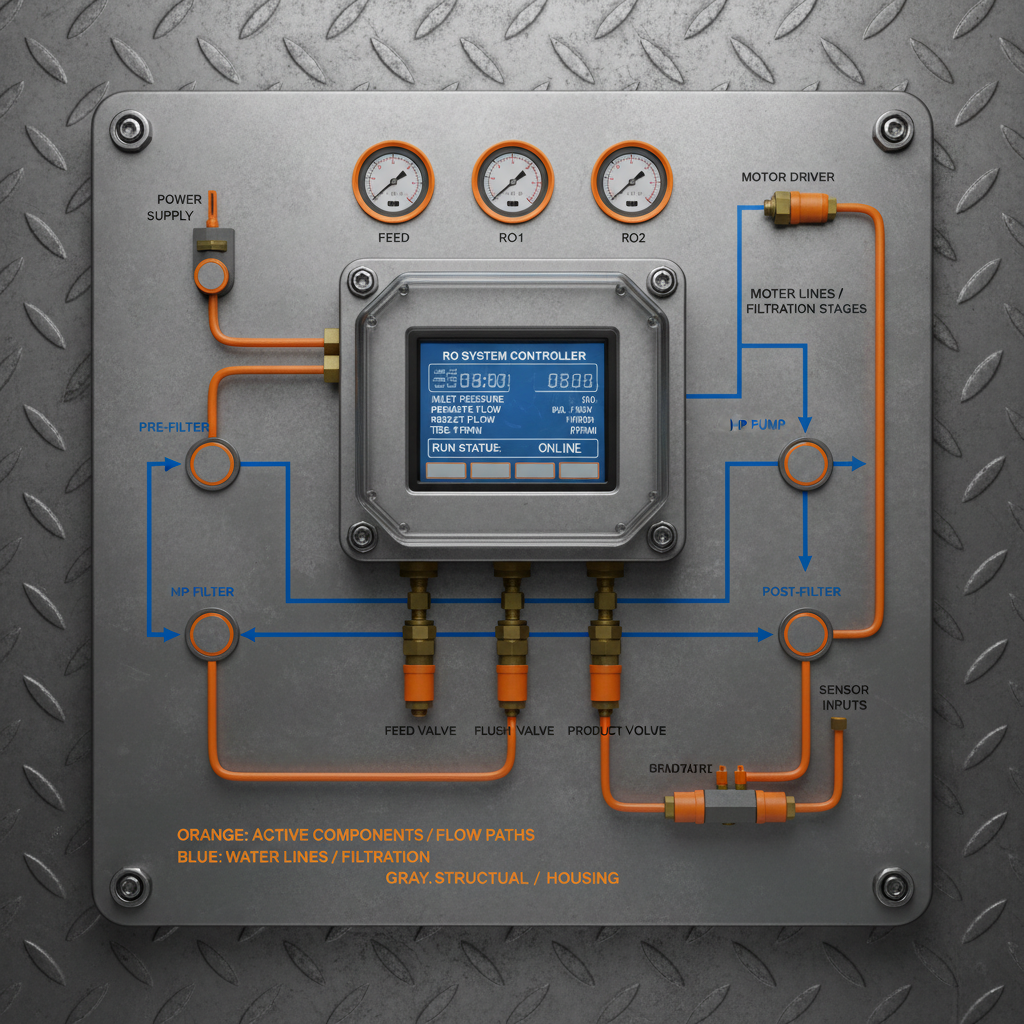
Understanding and Optimizing Reverse Osmosis Systems with a ControllerIn the world of water purification, reverse osmosis (RO) systems are a cornerstone for producing high-quality water for various applications, from drinking water to industrial processes. However, an RO system is only as effective as its control system. This is where the reverse osmosis controller comes into play. This critical component manages and optimizes the RO process, ensuring efficient operation, water quality, and system longevity.
2026-04-04 03:27:19
Understanding the Vital Role of an RO System Controller for Optimal PerformanceReverse Osmosis (RO) systems are critical for purifying water across various industries, from residential applications to large-scale industrial processes. At the heart of a well-functioning RO system lies the RO system controller. This intelligent device monitors and regulates all key parameters of the RO process, ensuring optimal performance, efficiency, and water quality. This article delves into the functionalities, benefits, and selection criteria for choosing the right RO system controller, particularly focusing on those offered by Watequipments. Understanding its role is crucial for maximizing the lifespan and effectiveness of your RO investment.
2026-03-24 17:18:24
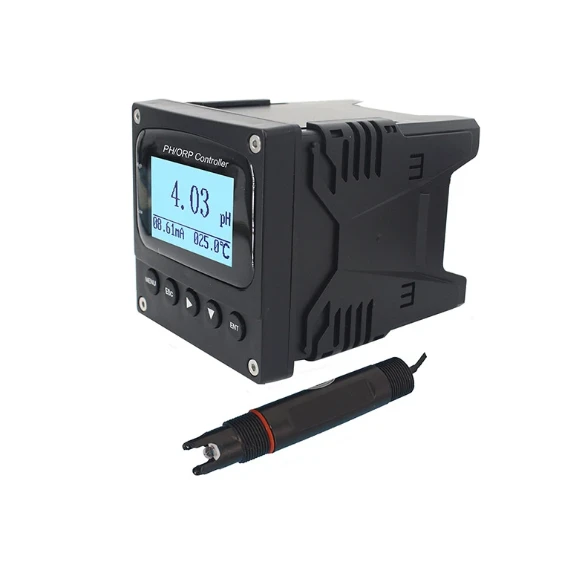
Smart Water Treatment Solutions Using PH ORP Controller SystemsIn modern water treatment and industrial fluid management, maintaining precise chemical balance is essential for safety, efficiency, and regulatory compliance.
2026-03-04 02:55:19
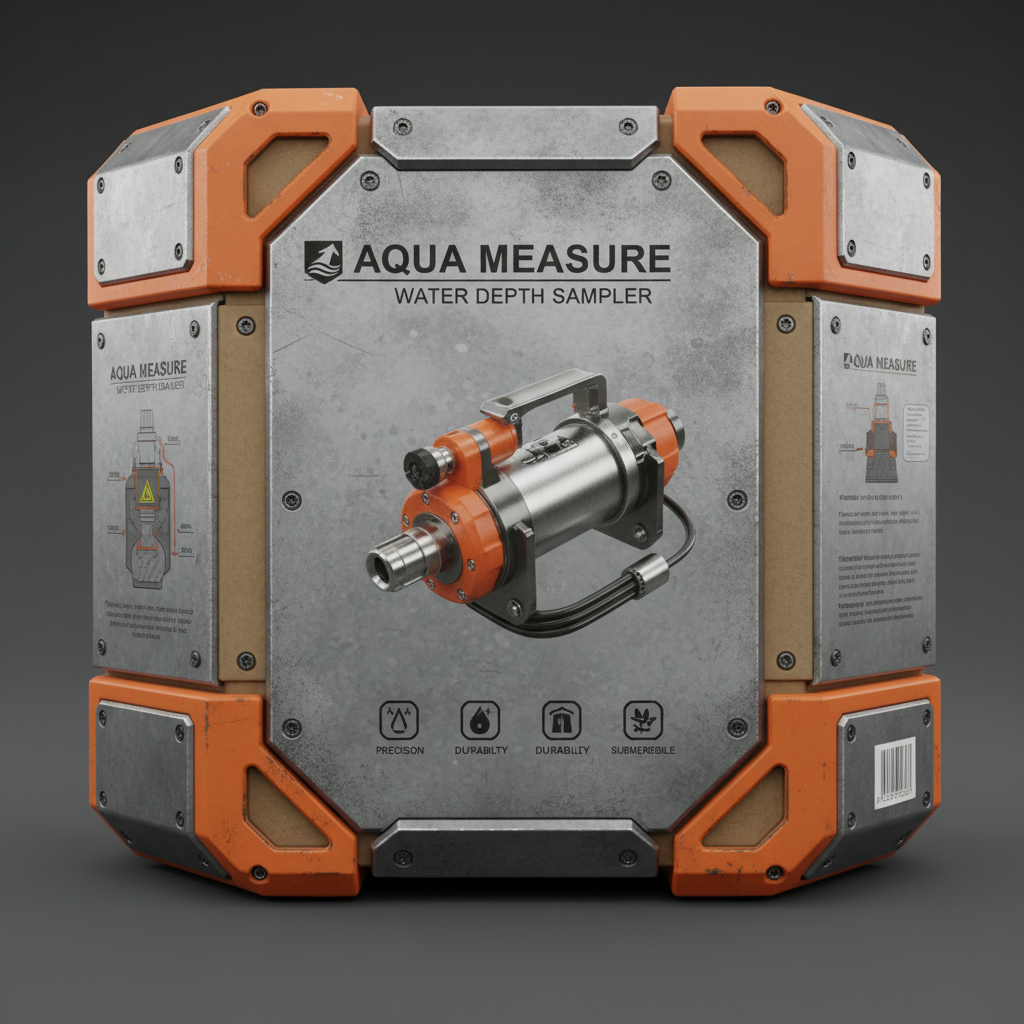
Comprehensive Guide to Water Depth Samplers and Their ApplicationsAccurate water quality monitoring is crucial in various fields, from environmental science and aquaculture to industrial wastewater management. A key tool for this is the water depth sampler. This article provides an in-depth look at water depth samplers, their applications, types, and essential considerations for choosing the right one for your needs. We'll explore the benefits of utilizing this equipment to collect reliable data for analysis and informed decision-making. Selecting the right sampler can significantly improve the precision and efficiency of your water monitoring program. A water depth sampler, also known as a depth-integrated sampler, is a device designed to collect water samples from specific depths within a body of water. Unlike simply dipping a container into the water, a depth sampler allows for collection of a representative sample across a defined depth range. This is critical because water properties (temperature, salinity, pollutants) often vary significantly with depth. The data gathered with a water depth sampler provides a more accurate assessment of water quality than surface samples alone.
2026-03-03 18:55:22
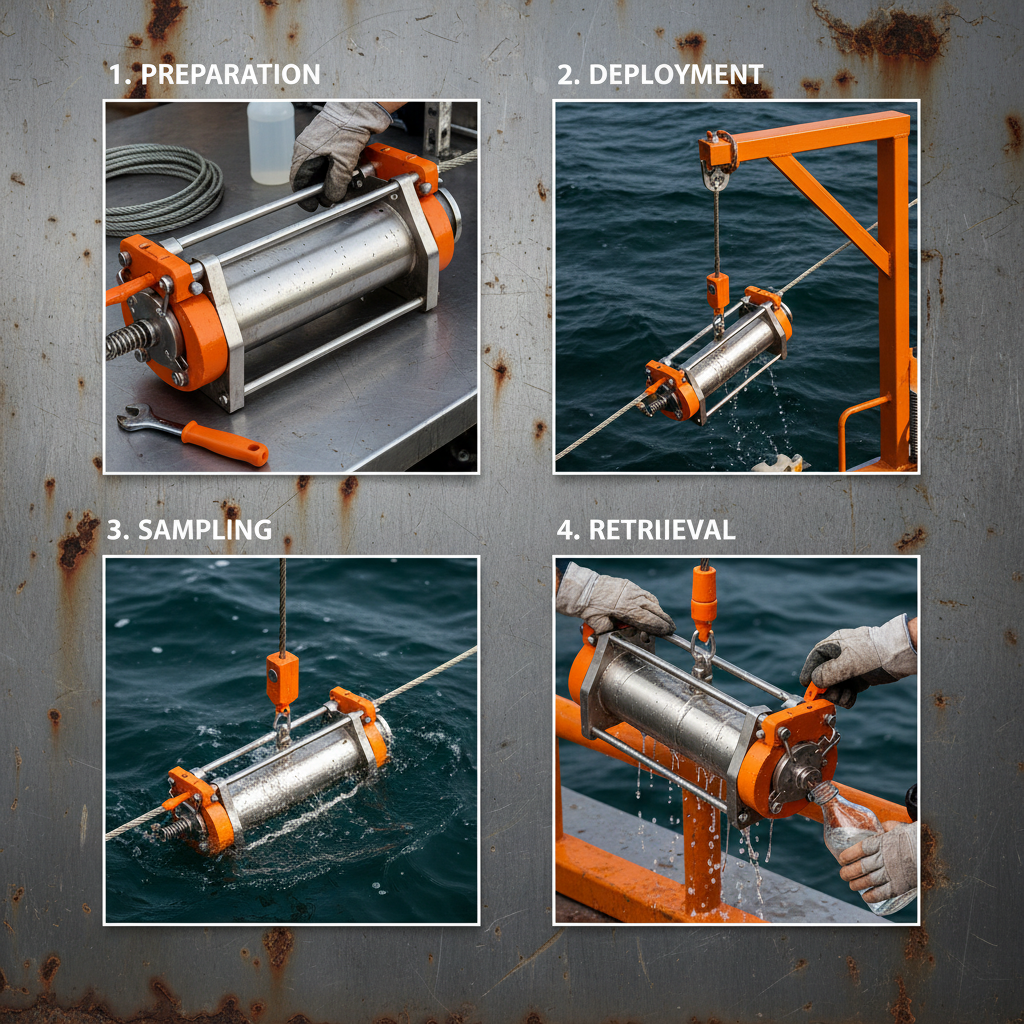
Comprehensive Guide to Horizontal Water Sampler Applications and SelectionCollecting water samples at varying depths is crucial for environmental monitoring, research, and quality control. The horizontal water sampler from Watequipment.com offers a precise and efficient solution for this task. This article provides an in-depth look at horizontal water samplers, their applications, benefits, and key considerations when choosing the right model. We will explore how these samplers contribute to accurate data collection and informed decision-making in various fields. A horizontal water sampler is a device designed to collect water samples from specific depths within a body of water – rivers, lakes, oceans, reservoirs, and even wastewater treatment plants. Unlike vertical samplers which primarily focus on depth, horizontal samplers prioritize collecting samples at a consistent depth while moving along a horizontal plane. This is essential for assessing water quality variations across a waterway or within a specific zone. They are used in applications ranging from environmental monitoring and scientific research to industrial process control and regulatory compliance.
2026-02-28 02:35:09
Comprehensive Guide to Selecting the Right Surface Water Sampler for Your NeedsMonitoring the quality of surface water is critical for environmental protection, public health, and various industrial applications. A surface water sampler is an essential tool for collecting representative samples from rivers, lakes, ponds, and other surface water sources. This article provides a detailed overview of surface water samplers, their types, applications, and key considerations for selecting the right equipment. Accurate water quality data relies on proper sample collection, and choosing the correct sampler is the first step toward achieving reliable results. Surface water samplers come in various designs, each suited to specific sampling needs. Common types include grab samplers, depth-integrating samplers, peristaltic pumps, and automatic samplers. Surface water samplers are used across a broad spectrum of applications, including environmental monitoring, wastewater discharge monitoring, drinking water source monitoring, agricultural runoff analysis, and research studies.

 English