


CR-102S: High-Performance & Reliable Industrial Component

CR-102S: High-Performance & Reliable Industrial Component
Aug . 11, 2025
Precision in Purity: Revolutionizing Liquid Analysis with CR-102S
In diverse industrial sectors, from advanced pharmaceuticals to rigorous power generation, the accurate measurement of liquid conductivity and resistivity is not merely a quality control step but a critical determinant of operational efficiency, product integrity, and regulatory compliance. As industries push the boundaries of purity and process optimization, the demand for highly reliable and precise sensing technologies intensifies. Conductivity, the ability of a solution to conduct an electric current, and its inverse, resistivity, are fundamental parameters used to assess water purity, monitor chemical concentrations, and ensure process stability. Fluctuations in these values can indicate contamination, incorrect dosing, or equipment malfunction, necessitating continuous, real-time monitoring.
The advent of sophisticated sensors like the CR-102S marks a significant leap in addressing these intricate measurement challenges. Designed for unparalleled accuracy and robustness, the CR-102S conductivity/resistivity sensor is engineered to provide reliable data even in the most demanding industrial environments. Its advanced design and material selection ensure longevity and minimal maintenance, making it an indispensable tool for engineers and plant managers focused on maintaining optimal operational parameters and achieving stringent quality benchmarks. This section will delve into the technical prowess and practical applications that position the CR-102S as a leading solution in critical process monitoring.
Technical Prowess: Detailed Specifications of the CR-102S Sensor
The efficacy of any industrial sensor lies in its technical specifications and its ability to consistently deliver accurate measurements under varying conditions. The CR-102S sensor is meticulously engineered with parameters that ensure high performance and reliability across a broad spectrum of applications. Its design integrates cutting-edge materials and precision manufacturing to provide a robust solution for critical process monitoring. Key technical specifications include its wide measurement range, enabling it to accurately assess both highly conductive industrial solutions and ultra-pure water.
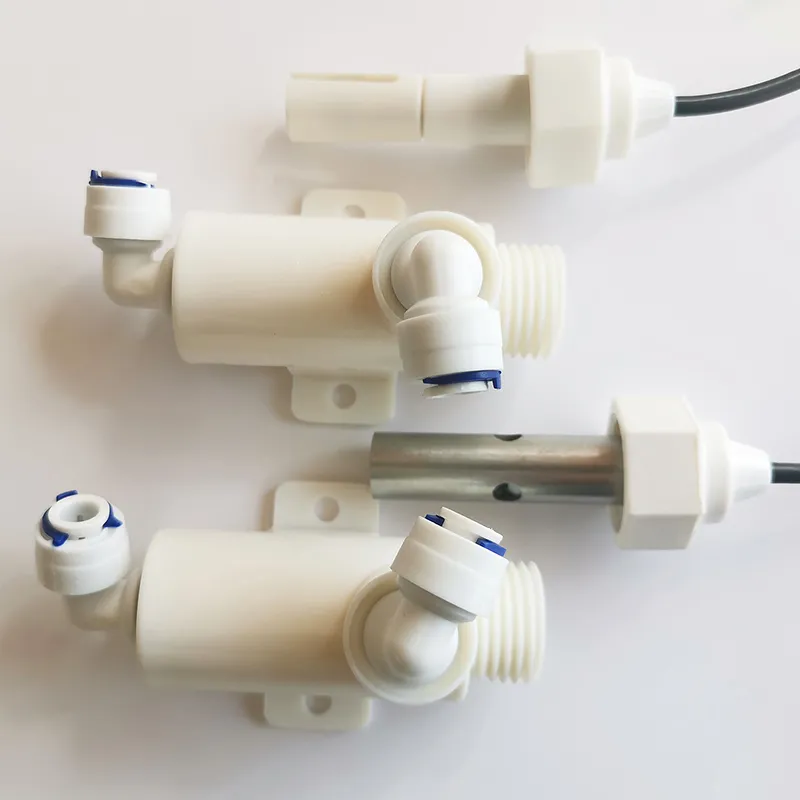
Below is a detailed table outlining the core technical specifications that define the operational capabilities and performance of the CR-102S sensor. These parameters are crucial for engineers when designing and optimizing systems where conductivity and resistivity measurements are paramount.
Crafting Excellence: The Manufacturing Process of the CR-102S
The superior performance and longevity of the CR-102S are directly attributable to its meticulously designed manufacturing process and the selection of premium materials. The journey from raw material to a high-precision sensor involves several critical stages, each governed by stringent quality control protocols. This commitment to engineering precision ensures that every CR-102S unit meets the highest industrial standards, delivering consistent and reliable data in demanding operational environments.
- Material Selection & Preparation: The foundation of the CR-102S's durability lies in its material composition. For highly corrosive environments, the sensor body is typically precision-machined from corrosion-resistant alloys like 316L Stainless Steel or Titanium using advanced CNC machining. For applications requiring chemical inertness and high-temperature resistance, PEEK (Polyether Ether Ketone) is selected, known for its outstanding mechanical and chemical properties. Electrode materials like platinum or graphite are chosen for their excellent conductivity and stability. All materials undergo rigorous incoming inspection to ensure compliance with international standards such as ASTM or ISO for material composition and purity.
- Precision Manufacturing & Assembly: Critical components, especially the sensor electrodes and housing, are produced using high-precision CNC machining to achieve exceptionally tight tolerances. This ensures perfect alignment and optimal cell constant geometry, which is crucial for accurate conductivity measurements. For specific designs, processes like investment casting or precision forging may be employed for robust metallic parts, followed by detailed surface finishing to enhance corrosion resistance and reduce fouling. The assembly takes place in cleanroom environments to prevent contamination that could affect sensor performance, especially for ultra-pure water applications.
- Calibration & Quality Assurance: Post-assembly, every CR-102S sensor undergoes multi-point calibration using certified reference solutions, traceable to NIST (National Institute of Standards and Technology) or equivalent international standards. This ensures the sensor's accuracy across its entire measurement range. Extensive quality checks are performed, including pressure testing (up to 1.5 times the max operating pressure), temperature cycling tests (from 0°C to 130°C), and electrical integrity checks to verify insulation resistance and signal stability. Compliance with ISO 9001 quality management systems is strictly adhered to throughout the process, ensuring consistent product quality.
- Packaging & Certification: Each CR-102S is packaged to protect against environmental damage during transit. Comprehensive documentation, including calibration certificates and material certifications (e.g., DIN EN 10204 Type 3.1 for material traceability), accompanies each unit, providing complete transparency and traceability. This rigorous manufacturing and quality assurance framework ensures that the CR-102S delivers not just a product, but a promise of unwavering performance and reliability in industries like petrochemical, metallurgy, power generation, and water/wastewater treatment, where its anti-corrosion and energy-saving properties are particularly valued.
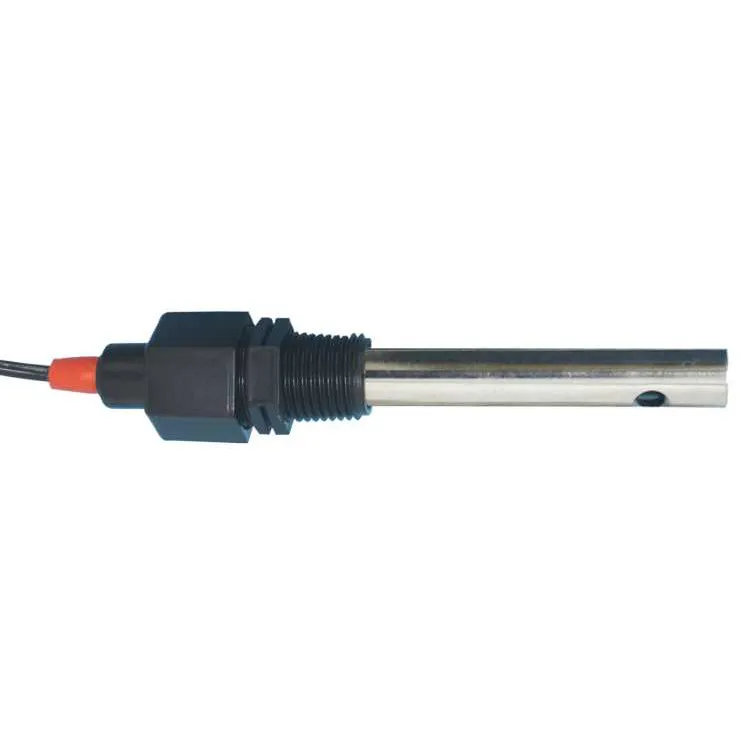
Unlocking Efficiency: Application Scenarios and Advantages of CR-102S
The versatility and robust design of the CR-102S sensor make it an ideal choice for a wide array of industrial applications where precise conductivity and resistivity measurements are paramount. Its ability to perform reliably in harsh conditions, combined with its high accuracy, translates into significant operational advantages for businesses. These advantages extend beyond mere data collection, contributing to enhanced process control, reduced operational costs, and improved product quality.
- Power Generation & Energy Sector: In power plants, particularly nuclear and thermal facilities, the purity of boiler feedwater and condensate is critical to prevent scaling, corrosion, and turbine damage. The CR-102S precisely monitors the ultra-low conductivity of deionized water, ensuring compliance with strict industry standards (e.g., EPRI guidelines). Its rapid response time helps detect contamination events instantly, preventing costly downtime and prolonging equipment lifespan, thereby achieving substantial energy savings by optimizing water treatment chemicals and minimizing blowdown.
- Chemical and Petrochemical Industry: Monitoring chemical concentrations in processes like acid/base neutralization, rinse water management, and cooling tower operations is vital. The robust construction of the CR-102S, often utilizing titanium or PEEK for its body and platinum electrodes, provides exceptional resistance to highly corrosive media, a common challenge in this sector. This prevents sensor degradation and ensures continuous, accurate monitoring, which is essential for optimizing reagent consumption and preventing environmental discharge issues, thus enhancing overall anti-corrosion performance.
- Water and Wastewater Treatment: From municipal water purification plants to industrial effluent treatment facilities, the CR-102S plays a crucial role in monitoring influent and effluent quality, reverse osmosis (RO) system performance, and deionization processes. Its accuracy ensures treated water meets regulatory discharge limits or specific process requirements, such as those for semiconductor manufacturing (ASTM D5391 for ultrapure water). The sensor's long lifespan reduces maintenance burden in geographically dispersed municipal infrastructure.
- Pharmaceutical and Biotechnology: The production of pharmaceuticals requires water of extremely high purity (e.g., USP Purified Water, Water for Injection). The CR-102S with its specialized cell constants and cleanable design, allows for precise online monitoring, ensuring compliance with stringent cGMP (current Good Manufacturing Practice) guidelines and FDA regulations for water systems. This continuous monitoring capability prevents product contamination and ensures batch integrity, minimizing risks and associated costs.
- Food and Beverage Industry: For quality control in beverage mixing, CIP (Clean-in-Place) processes, and final product purity, the CR-102S is invaluable. It can quickly detect residual cleaning agents during CIP cycles, saving rinse water and energy, or monitor the concentration of brines and other solutions for consistent product quality. Its robust design withstands frequent cleaning and sterilization cycles.
In each of these scenarios, the CR-102S contributes significantly to operational efficiency, cost reduction through optimized resource use, and enhanced compliance, making it a strategic investment for process integrity and quality assurance.
Competitive Landscape: CR-102S Versus Industry Alternatives
The market for conductivity and resistivity sensors is competitive, with various manufacturers offering solutions tailored to different industrial needs. However, the CR-102S stands out due to its unique combination of advanced material science, precision engineering, and comprehensive compliance with industry standards. When evaluating sensor options, B2B decision-makers often consider factors such as accuracy, durability, maintenance requirements, and overall cost-effectiveness over the sensor's lifespan. This comparative analysis highlights why the CR-102S represents a superior choice for critical applications.
While "Advanced Lab Sensor Y" may offer slightly higher accuracy in controlled laboratory settings, its fragility and limited pressure/temperature range make it unsuitable for rugged industrial environments. "Standard Industrial Sensor X" offers a basic solution but falls short in terms of material versatility, temperature/pressure resilience, and long-term durability, leading to higher total cost of ownership due to frequent replacement. The CR-102S fills a critical gap by providing laboratory-grade precision with industrial-grade robustness and longevity, minimizing downtime and maintenance costs. Its adaptability to diverse material requirements makes it a superior investment for complex and challenging process environments.
Tailored Solutions and Proven Success with CR-102S
Recognizing that no two industrial processes are identical, the utility of the CR-102S extends beyond its standard specifications through flexible customization options. Our approach is to collaborate closely with clients to develop integrated solutions that perfectly align with their unique operational challenges and regulatory requirements. This capability ensures that businesses can leverage the full potential of the CR-102S, optimizing their systems for maximum efficiency and compliance.
- Customized Material Options: For specific chemical resistances or extreme temperature applications, the CR-102S can be manufactured with specialized alloys (e.g., Hastelloy for exceptional corrosion resistance in specific acids) or advanced polymers beyond standard PEEK, ensuring compatibility with the most aggressive process streams. Our engineers conduct detailed material compatibility assessments based on client process data.
- Application-Specific Cell Constants: While standard cell constants (0.01, 0.1, 1.0, 10.0 cm⁻¹) cover most applications, the CR-102S can be configured with custom cell constants to optimize accuracy for highly specific conductivity ranges, such as those found in highly concentrated chemical baths or specialized ultra-pure water systems. This fine-tuning capability ensures the sensor is precisely matched to the target measurement.
- Output and Integration Flexibility: Beyond standard 4-20mA and Modbus RTU, the CR-102S can be integrated with various communication protocols (e.g., HART, Profibus) to seamlessly fit into existing DCS (Distributed Control Systems) or PLC (Programmable Logic Controller) architectures. This minimizes integration costs and accelerates deployment time.
- Mounting and Installation Adaptations: Custom process connections (e.g., specific flange sizes, sanitary fittings for pharmaceutical applications, or unique thread types) can be accommodated to simplify installation and ensure optimal flow conditions around the sensor, reducing potential fouling and enhancing measurement stability.
Application Case Study: Ultrapure Water System in Semiconductor Manufacturing A leading semiconductor fabrication plant faced challenges in maintaining consistent ultrapure water (UPW) quality, crucial for chip yield. Their existing sensors suffered from drift and required frequent recalibration, leading to production interruptions. After consulting our experts, they implemented the CR-102S sensors with custom PEEK bodies and 0.01 cm⁻¹ cell constants, optimized for UPW applications. The sensors were integrated via Modbus RTU into their existing SCADA system.
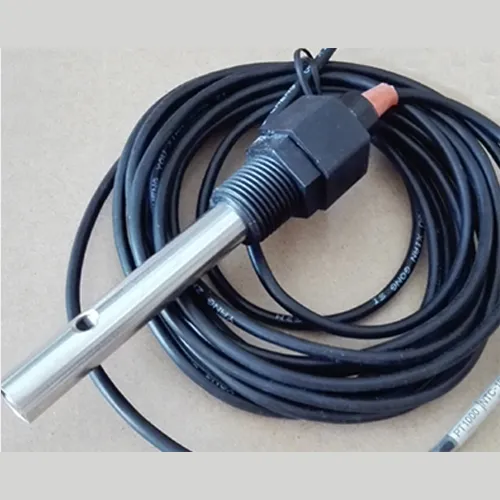
Results: Within six months, the plant reported a 15% reduction in sensor calibration frequency and a 10% improvement in UPW quality consistency, directly contributing to a measurable increase in chip yield rates and a significant reduction in operational expenditure related to maintenance and system upsets. This case underscores the CR-102S's capability to deliver tangible economic benefits through precise and reliable monitoring. Our service experience spans over two decades, working with global industry leaders and holding certifications like ISO 9001 and CE, reflecting our authoritative position in the market.
Ensuring Reliability: Support, Warranty, and Trust with CR-102S
Investing in industrial process instrumentation requires confidence not only in the product's performance but also in the long-term support and reliability of the supplier. We understand that trust is built through transparent policies, consistent service, and a commitment to customer satisfaction. The CR-102S is backed by comprehensive support infrastructure designed to ensure seamless operation and peace of mind for our clients. Our dedication to trustworthiness is reflected in every aspect of our client engagement.
Frequently Asked Questions (FAQ) about CR-102S
-
Q: How often does the CR-102S require calibration?
A: For most industrial applications, the CR-102S typically requires calibration once every 6-12 months. However, in highly critical or rapidly changing process environments, more frequent calibration (e.g., quarterly) may be beneficial. Our sensors hold ISO 17025 compliant calibration certificates. -
Q: Is the CR-102S compatible with hazardous environments?
A: Specific models of the CR-102S are available with intrinsically safe or explosion-proof certifications (e.g., ATEX, IECEx) for use in classified hazardous locations, such as those found in petrochemical plants. Please consult our technical team for certified models. -
Q: Can the CR-102S withstand high-temperature cleaning-in-place (CIP) processes?
A: Yes, the CR-102S is designed with robust materials (e.g., 316L SS, PEEK) and a high operating temperature range (up to 130°C), making it suitable for CIP/SIP (Sterilization-in-Place) applications common in the food & beverage and pharmaceutical industries.
Delivery Cycle and Logistics
We maintain an optimized supply chain and robust production capabilities to ensure timely delivery of your CR-102S sensors.
- Standard Models: Typically 2-4 weeks from order confirmation.
- Customized Solutions: Depending on complexity, 6-10 weeks, with clear communication at each stage.
Quality Assurance and Warranty Promise
Every CR-102S sensor undergoes rigorous quality control and testing before leaving our facility, adhering to international standards such as ISO 9001. We stand behind the quality and performance of our products with a comprehensive warranty.
- Standard Warranty: A 12-month warranty covers manufacturing defects and material failures from the date of shipment.
- Extended Warranty Options: Clients can opt for extended warranty periods, tailored to specific project requirements, ensuring prolonged coverage and peace of mind.
Dedicated Customer Support
Our commitment extends beyond product delivery. We offer dedicated technical support to assist with installation, calibration, troubleshooting, and optimization of your CR-102S sensors. Our team of experienced engineers is available via phone, email, and virtual consultations to provide prompt and expert assistance. This comprehensive support infrastructure ensures that your investment in the CR-102S delivers continuous value and consistent performance throughout its operational lifespan.
References
- American Society for Testing and Materials (ASTM). D1125-14: Standard Test Methods for Electrical Conductivity and Resistivity of Water. ASTM International, West Conshohocken, PA, 2014.
- International Organization for Standardization (ISO). ISO 7888:1985 Water quality – Determination of electrical conductivity. ISO, Geneva, Switzerland, 1985.
- Electric Power Research Institute (EPRI). Guidelines for Chemistry in Thermal Power Plants. EPRI, Palo Alto, CA, various editions.
- United States Pharmacopeia (USP). USP General Chapter <645> Water Conductivity. United States Pharmacopeial Convention, Rockville, MD, current edition.
- National Institute of Standards and Technology (NIST). Standard Reference Materials for Conductivity. NIST, Gaithersburg, MD, various publications.

Related Products
Related News
2026-04-16 03:20:19
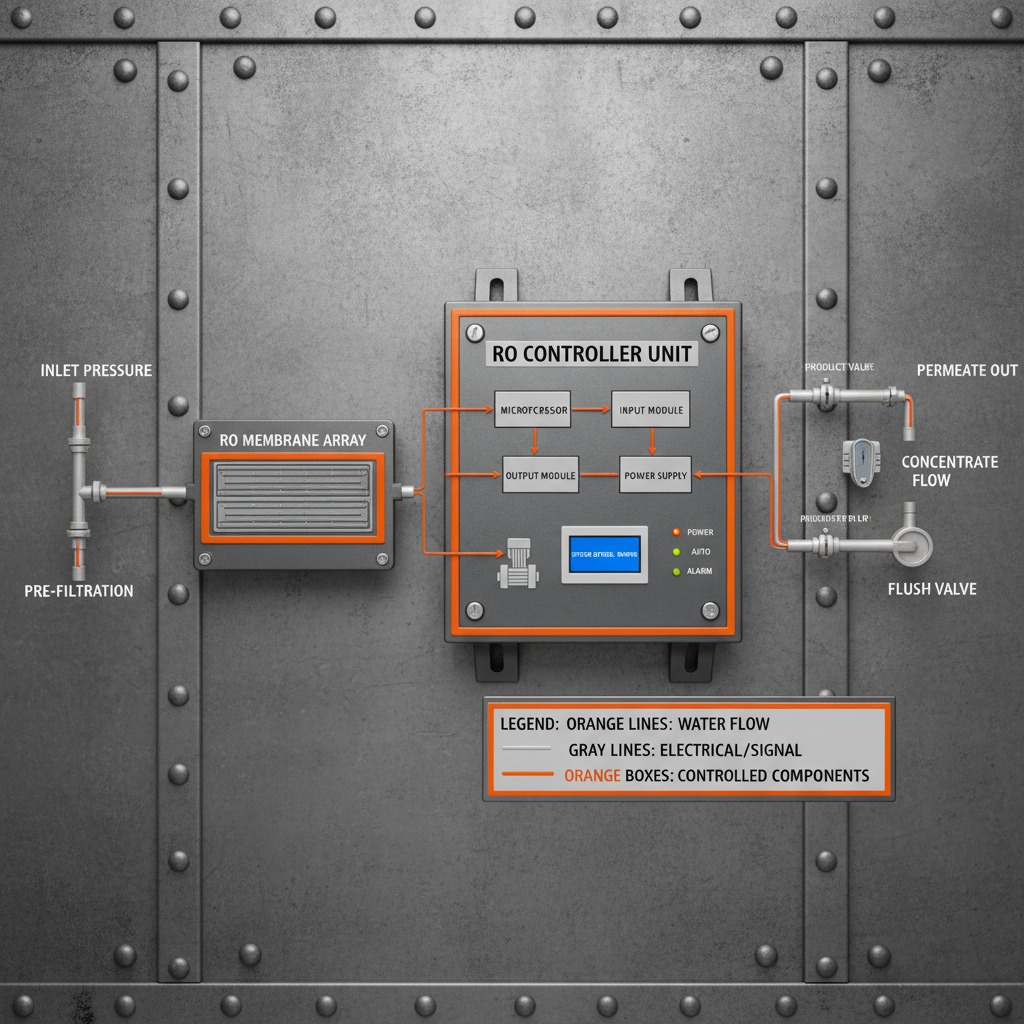
Guide to Choosing the Right RO Controller for Water PurificationMaintaining a high-performance reverse osmosis system requires more than just quality membranes; it demands precise regulation. An ro controller serves as the brain of the entire operation, monitoring critical parameters such as conductivity, temperature, and flow rates to ensure the output water meets stringent purity standards. Without an efficient controller, systems are prone to membrane fouling, inefficient energy use, and inconsistent water quality. In this comprehensive guide, we will explore how these devices optimize water treatment processes and how to select the best model for your specific industrial or commercial needs.
2026-04-09 03:25:47
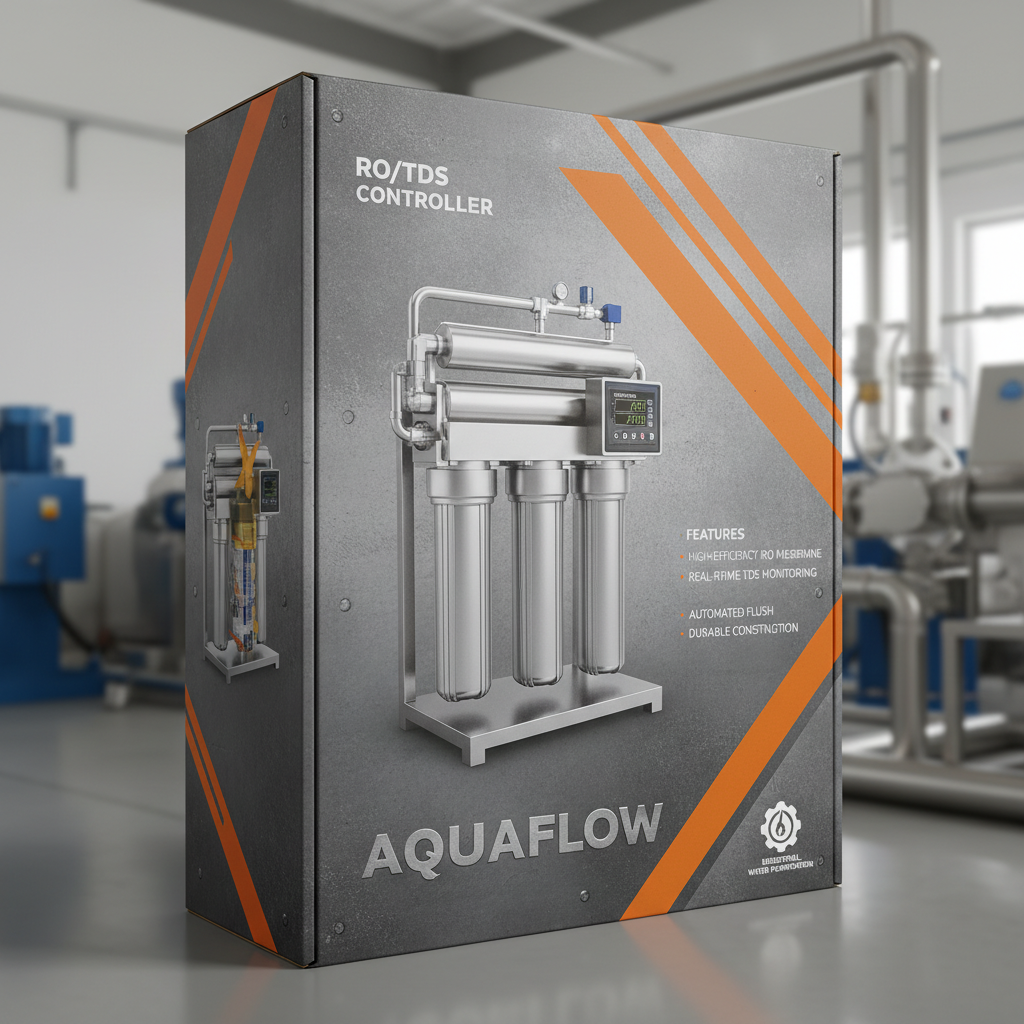
Guide to Water Purity Using RO with TDS Controller SystemsAchieving the perfect balance of mineral content and purity in drinking water is a challenge for many households and industrial facilities. A ro with tds controller offers a sophisticated solution by combining the rigorous filtration of Reverse Osmosis (RO) with the precision of a Total Dissolved Solids (TDS) adjustment system. While standard RO systems remove almost everything, including beneficial minerals, a TDS controller allows users to re-mineralize the water to a desired level. This ensures that the water is not only safe and pure but also tastes better and provides essential nutrients.
2026-04-07 03:17:09
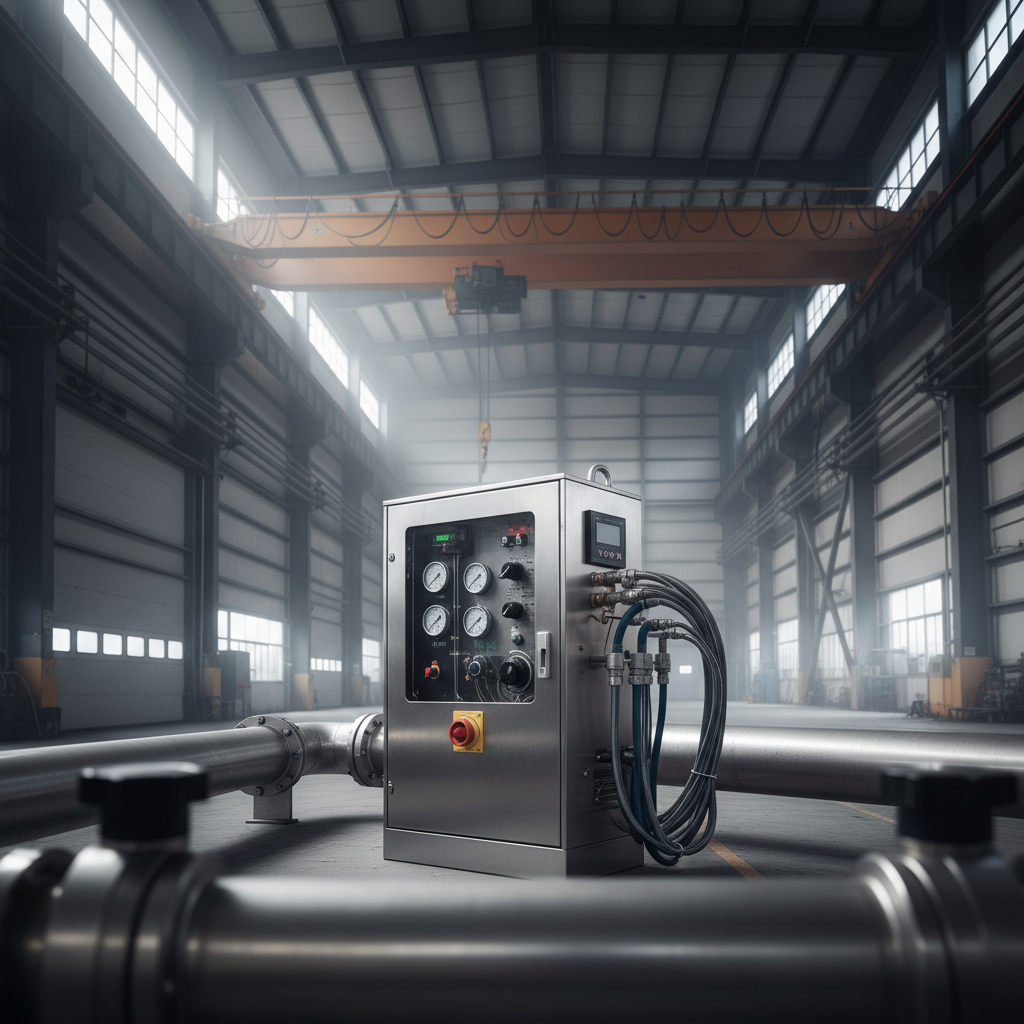
Understanding and Optimizing Reverse Osmosis Systems with a ControllerIn the world of water purification, reverse osmosis (RO) systems are a cornerstone for producing high-quality water for various applications, from drinking water to industrial processes. However, an RO system is only as effective as its control system. This is where the reverse osmosis controller comes into play. This critical component manages and optimizes the RO process, ensuring efficient operation, water quality, and system longevity.
2026-04-04 03:27:19
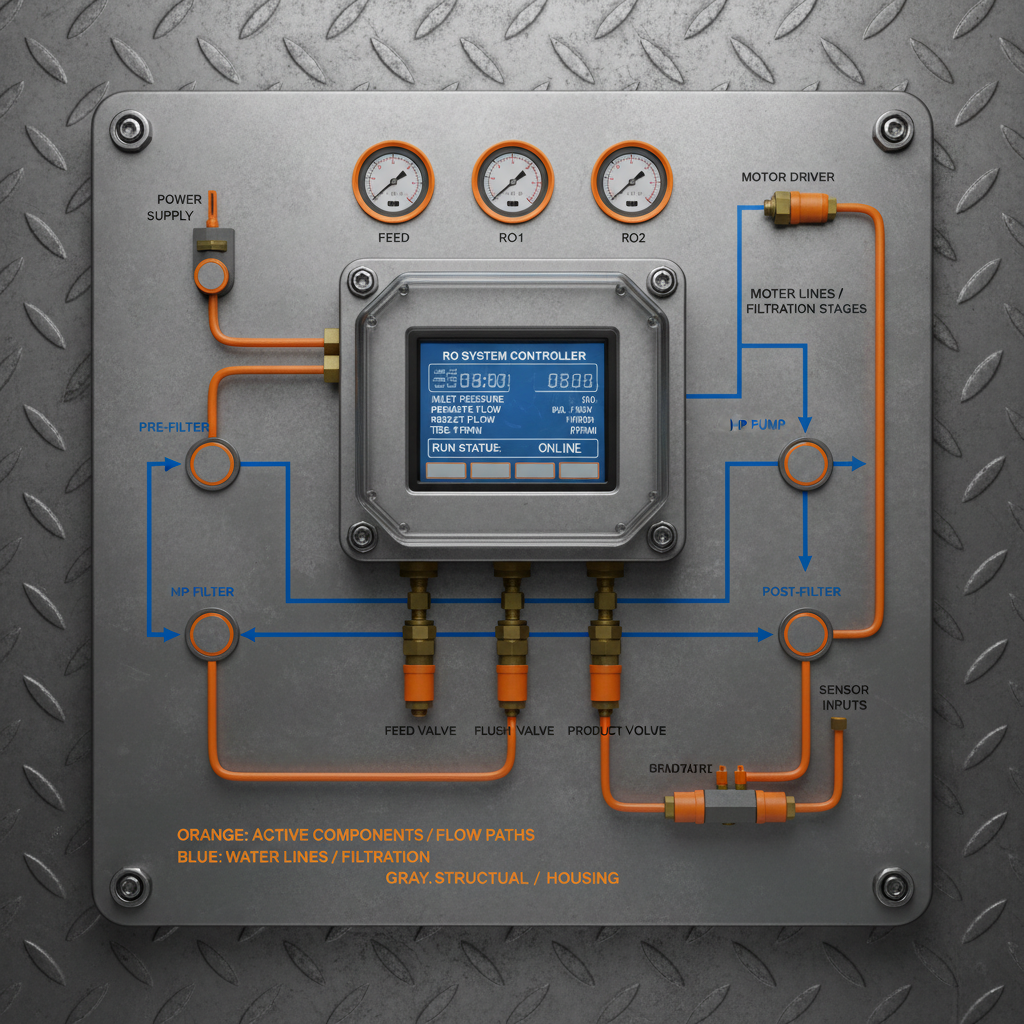
Understanding the Vital Role of an RO System Controller for Optimal PerformanceReverse Osmosis (RO) systems are critical for purifying water across various industries, from residential applications to large-scale industrial processes. At the heart of a well-functioning RO system lies the RO system controller. This intelligent device monitors and regulates all key parameters of the RO process, ensuring optimal performance, efficiency, and water quality. This article delves into the functionalities, benefits, and selection criteria for choosing the right RO system controller, particularly focusing on those offered by Watequipments. Understanding its role is crucial for maximizing the lifespan and effectiveness of your RO investment.
2026-03-24 17:18:24
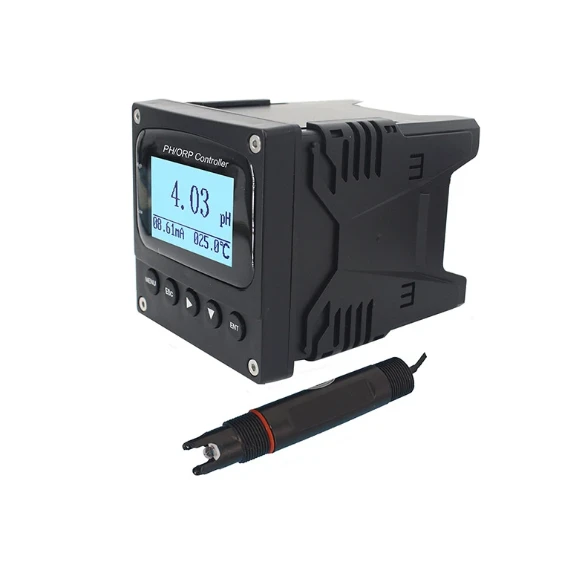
Smart Water Treatment Solutions Using PH ORP Controller SystemsIn modern water treatment and industrial fluid management, maintaining precise chemical balance is essential for safety, efficiency, and regulatory compliance.
2026-03-04 02:55:19
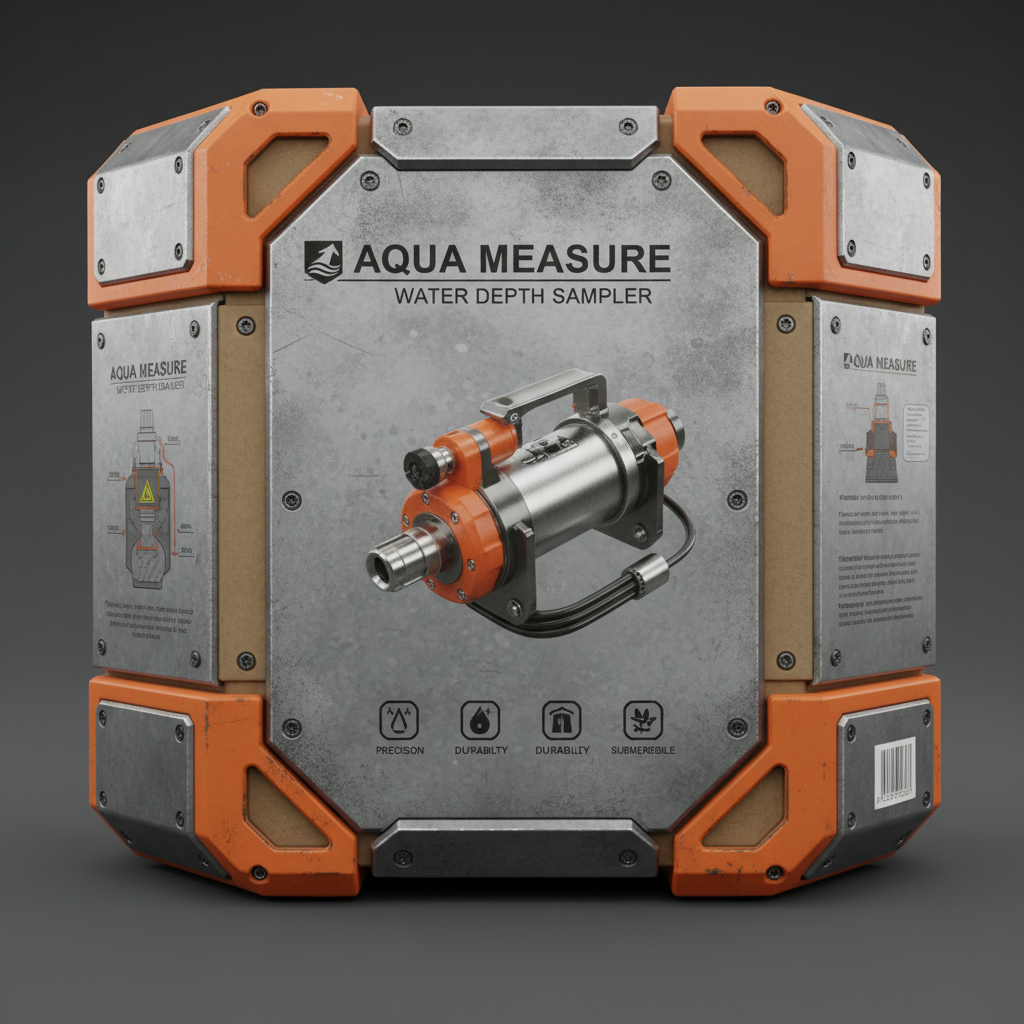
Comprehensive Guide to Water Depth Samplers and Their ApplicationsAccurate water quality monitoring is crucial in various fields, from environmental science and aquaculture to industrial wastewater management. A key tool for this is the water depth sampler. This article provides an in-depth look at water depth samplers, their applications, types, and essential considerations for choosing the right one for your needs. We'll explore the benefits of utilizing this equipment to collect reliable data for analysis and informed decision-making. Selecting the right sampler can significantly improve the precision and efficiency of your water monitoring program. A water depth sampler, also known as a depth-integrated sampler, is a device designed to collect water samples from specific depths within a body of water. Unlike simply dipping a container into the water, a depth sampler allows for collection of a representative sample across a defined depth range. This is critical because water properties (temperature, salinity, pollutants) often vary significantly with depth. The data gathered with a water depth sampler provides a more accurate assessment of water quality than surface samples alone.
2026-03-03 18:55:22
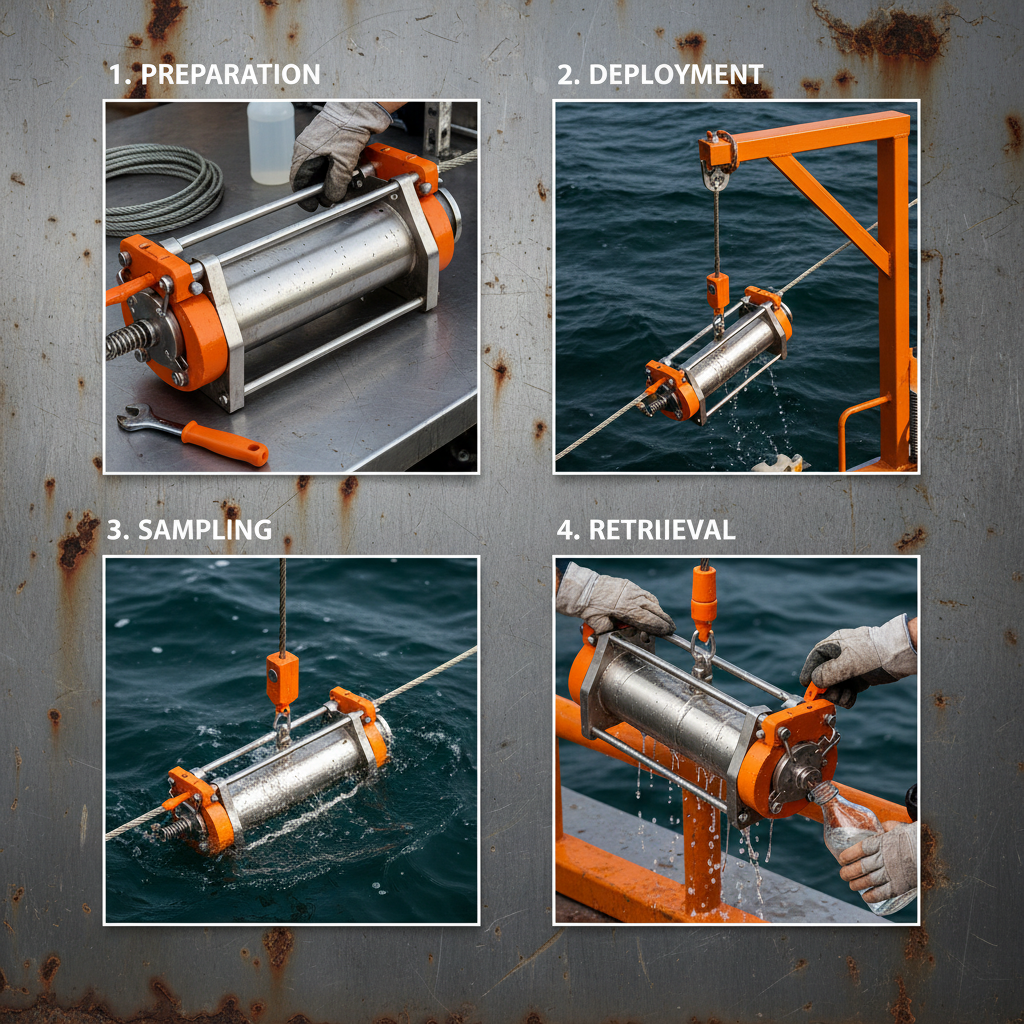
Comprehensive Guide to Horizontal Water Sampler Applications and SelectionCollecting water samples at varying depths is crucial for environmental monitoring, research, and quality control. The horizontal water sampler from Watequipment.com offers a precise and efficient solution for this task. This article provides an in-depth look at horizontal water samplers, their applications, benefits, and key considerations when choosing the right model. We will explore how these samplers contribute to accurate data collection and informed decision-making in various fields. A horizontal water sampler is a device designed to collect water samples from specific depths within a body of water – rivers, lakes, oceans, reservoirs, and even wastewater treatment plants. Unlike vertical samplers which primarily focus on depth, horizontal samplers prioritize collecting samples at a consistent depth while moving along a horizontal plane. This is essential for assessing water quality variations across a waterway or within a specific zone. They are used in applications ranging from environmental monitoring and scientific research to industrial process control and regulatory compliance.
2026-02-28 02:35:09
Comprehensive Guide to Selecting the Right Surface Water Sampler for Your NeedsMonitoring the quality of surface water is critical for environmental protection, public health, and various industrial applications. A surface water sampler is an essential tool for collecting representative samples from rivers, lakes, ponds, and other surface water sources. This article provides a detailed overview of surface water samplers, their types, applications, and key considerations for selecting the right equipment. Accurate water quality data relies on proper sample collection, and choosing the correct sampler is the first step toward achieving reliable results. Surface water samplers come in various designs, each suited to specific sampling needs. Common types include grab samplers, depth-integrating samplers, peristaltic pumps, and automatic samplers. Surface water samplers are used across a broad spectrum of applications, including environmental monitoring, wastewater discharge monitoring, drinking water source monitoring, agricultural runoff analysis, and research studies.

 English