



Best Practices for Calibrating an Optical Dissolved Oxygen Meter

Best Practices for Calibrating an Optical Dissolved Oxygen Meter
Aug . 21, 2025
Calibrating an optical dissolved oxygen meter is a critical step in ensuring accurate measurements of dissolved oxygen levels in water, a parameter vital for industries like aquaculture, environmental monitoring, and water treatment. For wholesalers, guiding clients to master proper calibration practices not only enhances the reliability of their optical dissolved oxygen probe and water dissolved oxygen sensor but also strengthens trust in the equipment’s performance. Hebei JIRS Import & Export Co., Ltd., a leader in water quality management solutions, offers advanced DO-6800 controllers paired with high-precision sensors, designed to simplify calibration while maintaining accuracy. With a focus on quality, technical excellence, and exceptional after-service, the company supports clients worldwide in achieving consistent, reliable dissolved oxygen readings through proper calibration.
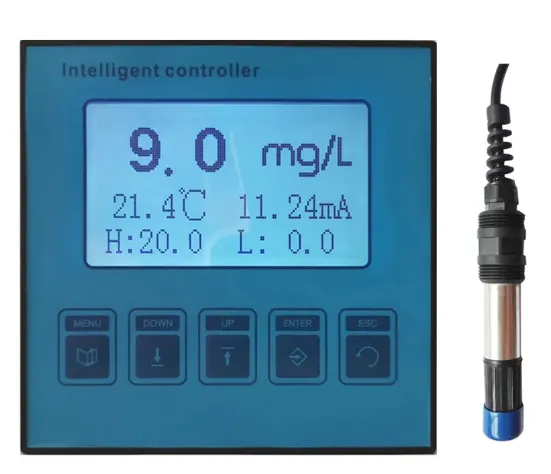
Optical Dissolved Oxygen Meter Calibration: Preparatory Steps
Effective calibration of an optical dissolved oxygen meter begins with thorough preparation, ensuring that both the meter and optical dissolved oxygen probe are ready for accurate adjustments.
|
Preparatory Step |
Purpose |
Relevance to DO-6800 |
|
Gather calibration solutions |
Provides reference points for accurate adjustments |
Supports the meter’s wide measuring range (0.0–20.00 mg/L) |
|
Clean optical dissolved oxygen probe |
Removes contaminants that distort readings |
Protects the sensor’s optical window, maintaining ±2% FS accuracy |
|
Stabilize the meter |
Ensures temperature compensation works effectively |
Aligns with the device’s automatic temp compensation (0–60°C) |
Calibration Techniques for Optical Dissolved Oxygen Probe
The optical dissolved oxygen probe is the heart of the measurement system, and its calibration requires precise techniques to align readings with known oxygen levels.
|
Calibration Method |
Key Action |
Benefit for Measurement Accuracy |
|
Air calibration |
Submerge probe in air-saturated water, avoid bubbles |
Ensures alignment with atmospheric oxygen levels (reliable reference) |
|
Zero-oxygen calibration |
Use sodium sulfite solution, seal container |
Sets accurate baseline for low-oxygen environments |
|
Temperature verification |
Cross-check displayed temp with solution temp |
Validates automatic compensation, critical for solubility adjustments |
Maintaining Water Dissolved Oxygen Sensor Post-Calibration
Proper maintenance of the water dissolved oxygen sensor after calibration prolongs its lifespan and preserves calibration accuracy, ensuring consistent performance between recalibrations.
|
Maintenance Step |
Action |
Impact on Sensor Performance |
|
Post-calibration rinsing |
Rinse with deionized water, mild detergent if needed |
Removes residues, prevents corrosion or reading interference |
|
Proper storage |
Keep probe moist, use protective case |
Prevents membrane drying, extends sensor life |
|
Regular checks |
Compare readings with reference solutions/meter |
Detects drift early, maintains calibration accuracy |
Hebei JIRS’s DO-6800: Supporting Optical Dissolved Oxygen Meter Calibration Excellence
Hebei JIRS Import & Export Co., Ltd.’s DO-6800 optical dissolved oxygen meter is engineered to simplify calibration, with features that align with best practices and support clients across industries.
|
Feature |
Specification |
Calibration Benefit |
|
Measuring Range |
0.0–20.00 mg/L (standard); 0–200.0 ug/L (optional) |
Accommodates diverse calibration needs (wide range of reference solutions) |
|
Accuracy |
±2% FS (mg/L); ±20% FS (ug/L) |
Ensures calibrated readings are reliable for critical applications |
|
Temperature Compensation |
NTC 10K, 0–60°C (0–100°C optional) |
Automatically adjusts for oxygen solubility changes during calibration |
|
Display |
Large-screen multi-parameter LCD |
Clearly shows calibration status, temp, and readings for easy verification |
|
Protection Grade |
IP57 |
Withstands harsh cleaning and environmental conditions post-calibration |
The company’s commitment to quality ensures each meter and sensor undergoes rigorous testing, meeting international standards for calibration precision. Their dedicated online support team assists with calibration troubleshooting, from solution preparation to sensor maintenance, reinforcing their mission to support clients beyond the sale. Whether for aquaculture, environmental monitoring, or industrial treatment, Hebei JIRS’s solutions empower wholesalers to deliver equipment that performs reliably—backed by calibration practices that set industry benchmarks.
Optical Dissolved Oxygen Meter FAQS
How often should an optical dissolved oxygen meter be calibrated?
The calibration frequency of an optical dissolved oxygen meter depends on usage and environment. In high-demand settings like aquaculture, weekly calibration is advisable due to frequent temperature and organic matter fluctuations. For environmental monitoring, biweekly checks suffice, while industrial applications with stable conditions may require monthly calibration. Hebei JIRS Import & Export Co., Ltd. recommends aligning frequency with application sensitivity—harsher environments or critical processes demand more frequent checks to maintain accuracy. Their support team can help clients determine a schedule based on specific use cases, ensuring optimal performance.
What solutions are best for calibrating an optical dissolved oxygen probe?
Air-saturated water and zero-oxygen solutions are the most reliable for calibrating an optical dissolved oxygen probe. Air-saturated water, prepared by stirring water to equilibrate with atmospheric oxygen, serves as a universal high-range reference. Zero-oxygen solutions, which deplete oxygen through chemical reaction, are essential for low-range calibration. Hebei JIRS advises using fresh solutions to avoid degradation, as stale solutions can lead to inaccurate readings. Their technical team can provide detailed preparation guides to ensure clients use effective calibration media.
How does temperature affect the calibration of a water dissolved oxygen sensor?
Temperature significantly affects water dissolved oxygen sensor calibration because oxygen solubility in water decreases as temperature rises. Calibration must account for this to ensure readings reflect actual dissolved oxygen levels, not temperature-induced solubility changes. The DO-6800’s automatic temperature compensation adjusts for this, but users should verify compensation accuracy by cross-checking displayed temperature with the calibration solution’s actual temperature. Mismatches indicate a need to recalibrate the temperature sensor, a service Hebei JIRS supports through their online troubleshooting resources.
Can a poorly maintained optical dissolved oxygen probe affect calibration results?
Yes, a poorly maintained optical dissolved oxygen probe can severely impact calibration results. Fouling on the optical window blocks light transmission, leading to incorrect readings during calibration. Dried or damaged membranes, often caused by improper storage, alter the sensor’s response to oxygen, making calibration adjustments unreliable. Regular cleaning and proper storage prevent these issues. Hebei JIRS Import & Export Co., Ltd. emphasizes maintenance as part of their after-service, providing clients with guidelines to preserve probe integrity between calibrations.
What role does Hebei JIRS Import & Export Co., Ltd. play in supporting optical dissolved oxygen meter calibration?
Hebei JIRS Import & Export Co., Ltd. supports optical dissolved oxygen meter calibration through high-quality equipment, technical resources, and dedicated after-service. Their DO-6800 meter is designed with features like large displays and automatic temperature compensation to simplify calibration. The company provides detailed calibration guides, including solution preparation and step-by-step procedures, tailored to different industries. Their online support team assists with troubleshooting—from drift issues to sensor maintenance—ensuring clients can resolve calibration challenges promptly. By combining reliable equipment with ongoing support, Hebei JIRS Import & Export Co., Ltd. empowers wholesalers and their clients to achieve consistent, accurate calibration results.

Related Products
Related News

2026-04-16 03:20:19
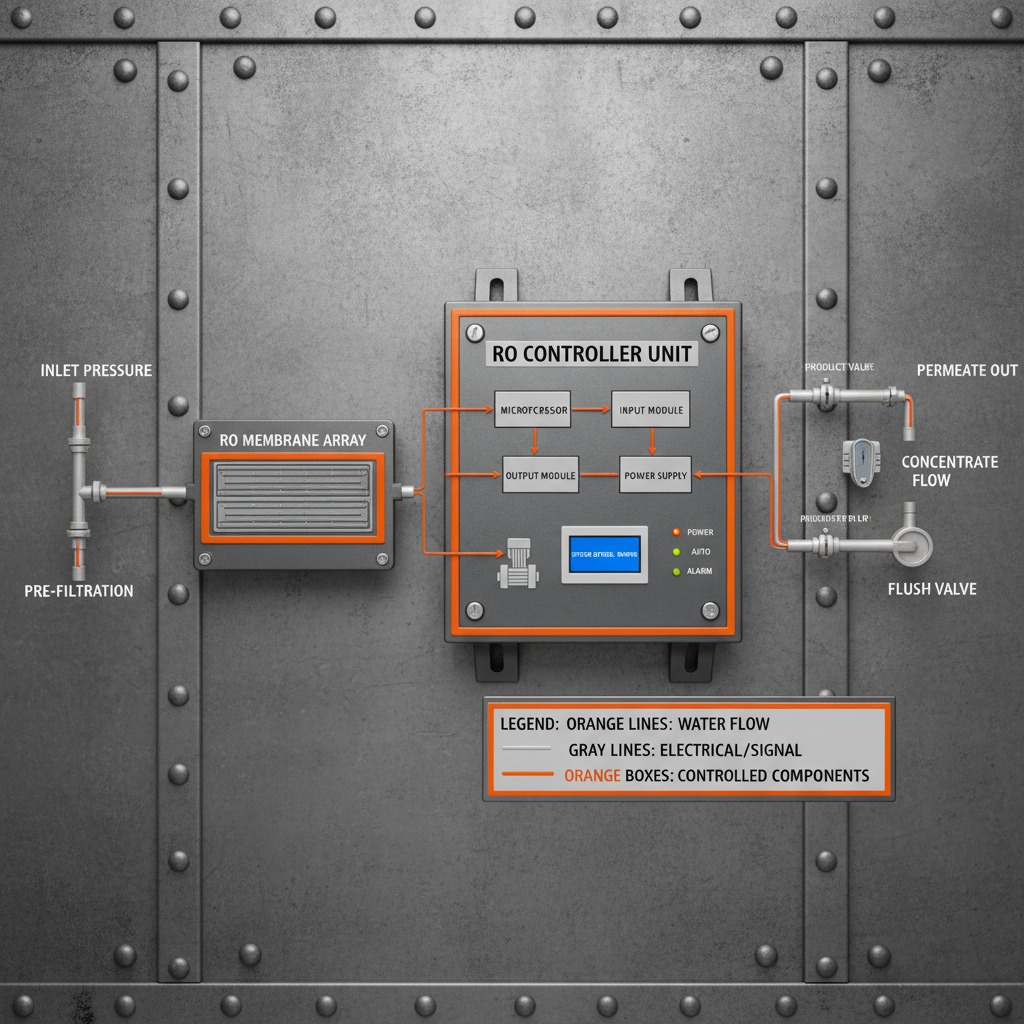
Guide to Choosing the Right RO Controller for Water PurificationMaintaining a high-performance reverse osmosis system requires more than just quality membranes; it demands precise regulation. An ro controller serves as the brain of the entire operation, monitoring critical parameters such as conductivity, temperature, and flow rates to ensure the output water meets stringent purity standards. Without an efficient controller, systems are prone to membrane fouling, inefficient energy use, and inconsistent water quality. In this comprehensive guide, we will explore how these devices optimize water treatment processes and how to select the best model for your specific industrial or commercial needs.
2026-04-09 03:25:47
Guide to Water Purity Using RO with TDS Controller SystemsAchieving the perfect balance of mineral content and purity in drinking water is a challenge for many households and industrial facilities. A ro with tds controller offers a sophisticated solution by combining the rigorous filtration of Reverse Osmosis (RO) with the precision of a Total Dissolved Solids (TDS) adjustment system. While standard RO systems remove almost everything, including beneficial minerals, a TDS controller allows users to re-mineralize the water to a desired level. This ensures that the water is not only safe and pure but also tastes better and provides essential nutrients.
2026-04-07 03:17:09
Understanding and Optimizing Reverse Osmosis Systems with a ControllerIn the world of water purification, reverse osmosis (RO) systems are a cornerstone for producing high-quality water for various applications, from drinking water to industrial processes. However, an RO system is only as effective as its control system. This is where the reverse osmosis controller comes into play. This critical component manages and optimizes the RO process, ensuring efficient operation, water quality, and system longevity.
2026-04-04 03:27:19
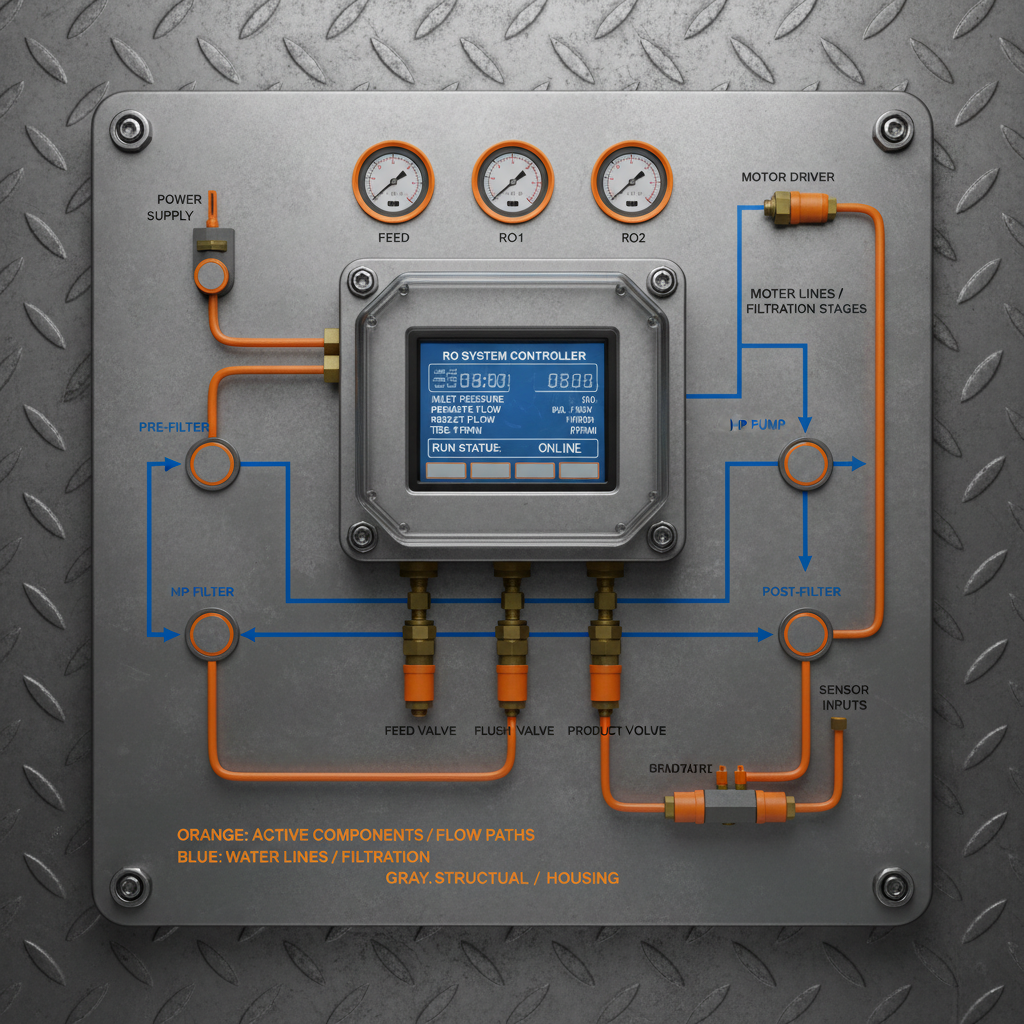
Understanding the Vital Role of an RO System Controller for Optimal PerformanceReverse Osmosis (RO) systems are critical for purifying water across various industries, from residential applications to large-scale industrial processes. At the heart of a well-functioning RO system lies the RO system controller. This intelligent device monitors and regulates all key parameters of the RO process, ensuring optimal performance, efficiency, and water quality. This article delves into the functionalities, benefits, and selection criteria for choosing the right RO system controller, particularly focusing on those offered by Watequipments. Understanding its role is crucial for maximizing the lifespan and effectiveness of your RO investment.
2026-03-24 17:18:24
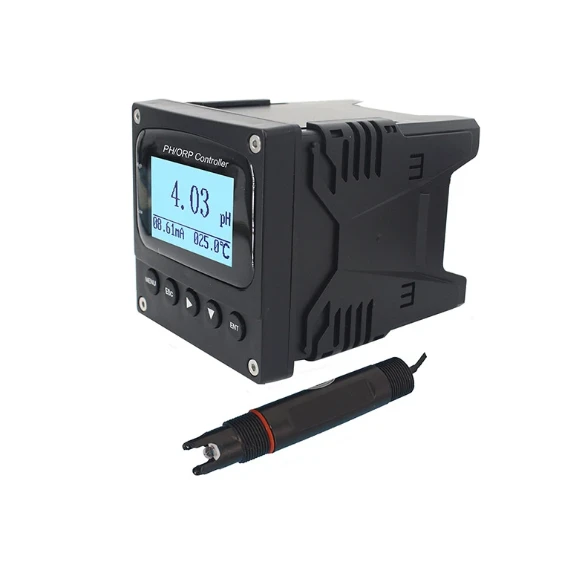
Smart Water Treatment Solutions Using PH ORP Controller SystemsIn modern water treatment and industrial fluid management, maintaining precise chemical balance is essential for safety, efficiency, and regulatory compliance.
2026-03-04 02:55:19
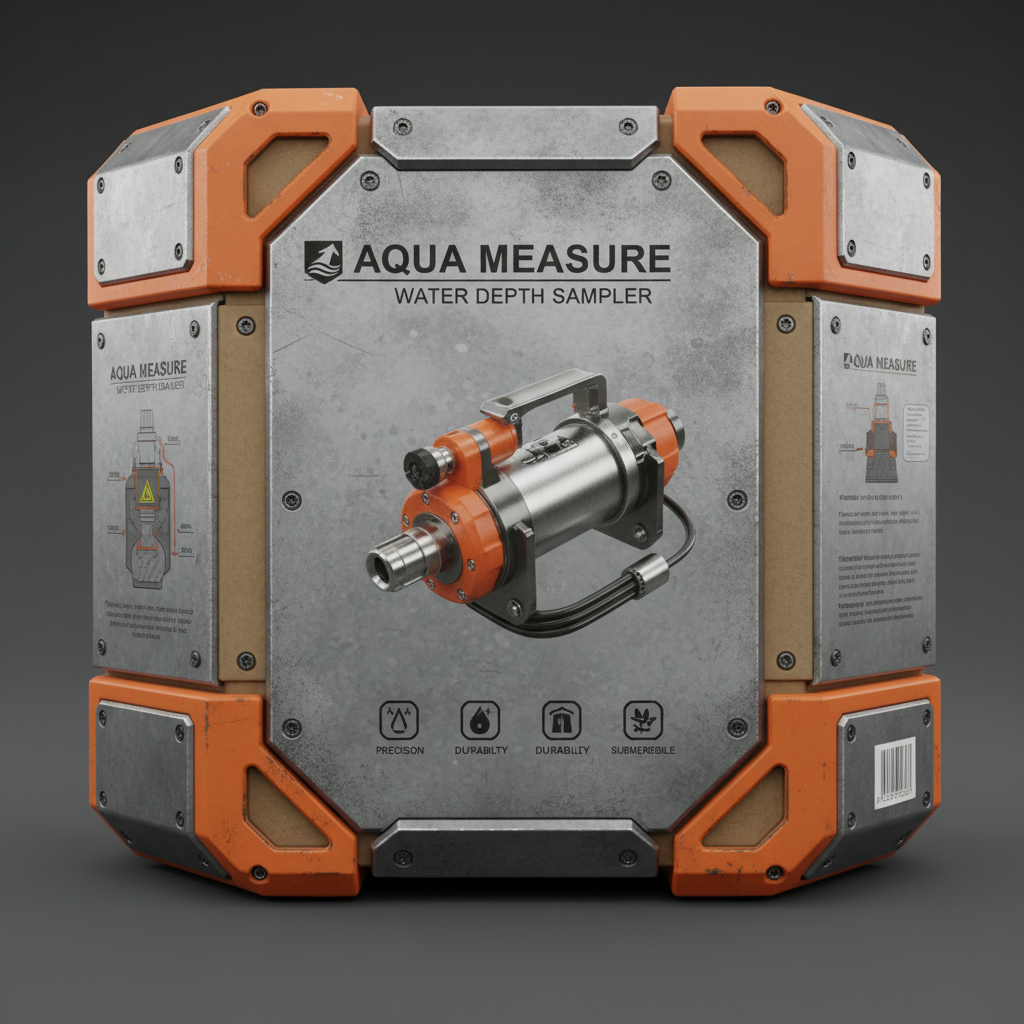
Comprehensive Guide to Water Depth Samplers and Their ApplicationsAccurate water quality monitoring is crucial in various fields, from environmental science and aquaculture to industrial wastewater management. A key tool for this is the water depth sampler. This article provides an in-depth look at water depth samplers, their applications, types, and essential considerations for choosing the right one for your needs. We'll explore the benefits of utilizing this equipment to collect reliable data for analysis and informed decision-making. Selecting the right sampler can significantly improve the precision and efficiency of your water monitoring program. A water depth sampler, also known as a depth-integrated sampler, is a device designed to collect water samples from specific depths within a body of water. Unlike simply dipping a container into the water, a depth sampler allows for collection of a representative sample across a defined depth range. This is critical because water properties (temperature, salinity, pollutants) often vary significantly with depth. The data gathered with a water depth sampler provides a more accurate assessment of water quality than surface samples alone.
2026-03-03 18:55:22
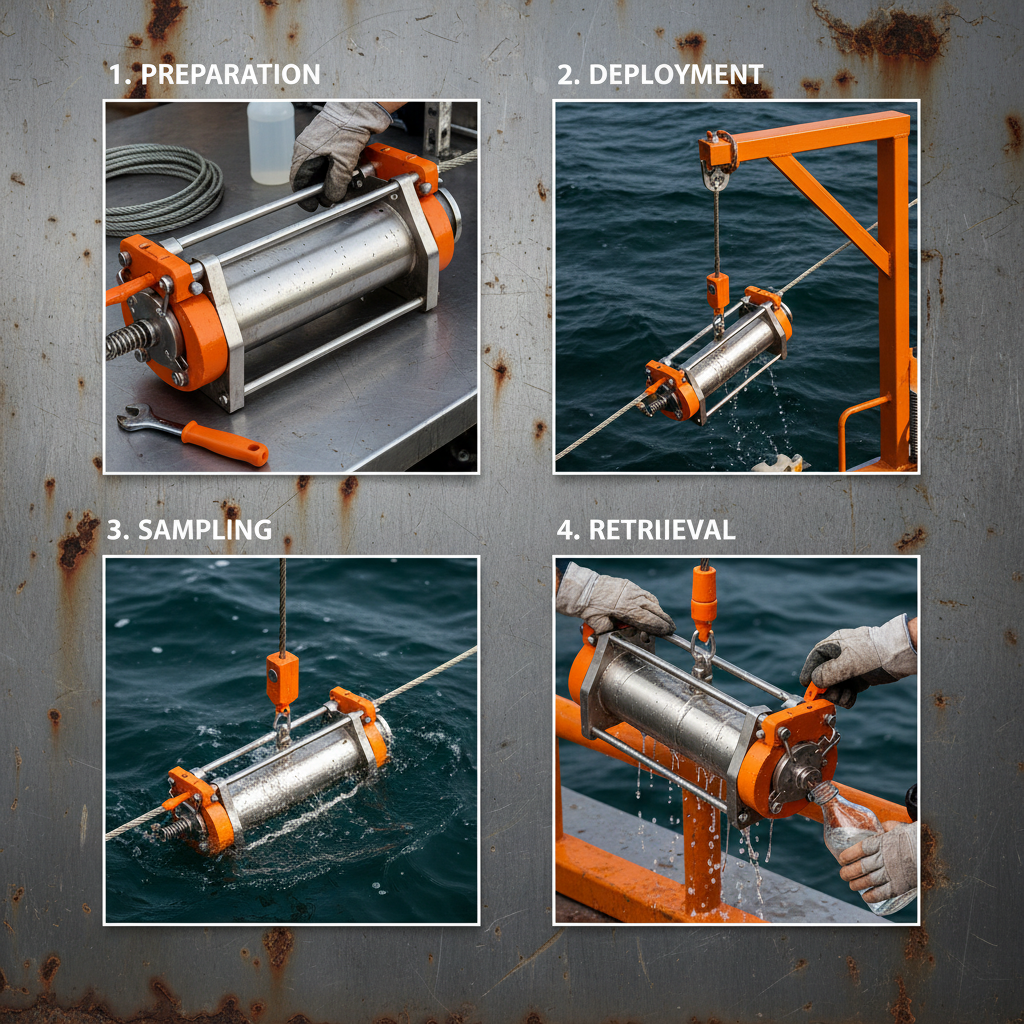
Comprehensive Guide to Horizontal Water Sampler Applications and SelectionCollecting water samples at varying depths is crucial for environmental monitoring, research, and quality control. The horizontal water sampler from Watequipment.com offers a precise and efficient solution for this task. This article provides an in-depth look at horizontal water samplers, their applications, benefits, and key considerations when choosing the right model. We will explore how these samplers contribute to accurate data collection and informed decision-making in various fields. A horizontal water sampler is a device designed to collect water samples from specific depths within a body of water – rivers, lakes, oceans, reservoirs, and even wastewater treatment plants. Unlike vertical samplers which primarily focus on depth, horizontal samplers prioritize collecting samples at a consistent depth while moving along a horizontal plane. This is essential for assessing water quality variations across a waterway or within a specific zone. They are used in applications ranging from environmental monitoring and scientific research to industrial process control and regulatory compliance.
2026-02-28 02:35:09
Comprehensive Guide to Selecting the Right Surface Water Sampler for Your NeedsMonitoring the quality of surface water is critical for environmental protection, public health, and various industrial applications. A surface water sampler is an essential tool for collecting representative samples from rivers, lakes, ponds, and other surface water sources. This article provides a detailed overview of surface water samplers, their types, applications, and key considerations for selecting the right equipment. Accurate water quality data relies on proper sample collection, and choosing the correct sampler is the first step toward achieving reliable results. Surface water samplers come in various designs, each suited to specific sampling needs. Common types include grab samplers, depth-integrating samplers, peristaltic pumps, and automatic samplers. Surface water samplers are used across a broad spectrum of applications, including environmental monitoring, wastewater discharge monitoring, drinking water source monitoring, agricultural runoff analysis, and research studies.

 English