
CR-102H High Precision Sensor for Industrial Automation

Jul . 29, 2025

Share:

As industries demand increasingly accurate, durable, and reliable conductivity measurement under harsh, high-temperature conditions, the CR-102H sensor has emerged as a preferred solution for petrochemical, metallurgy, and water treatment sectors. This in-depth technical review analyzes the latest trends, detailed specs, manufacturing processes, competitive landscape, and real-world performance of the CR-102H. Get a comprehensive understanding backed by industry data and authoritative standards.
CR-102H High Precision Sensor for Industrial Automation
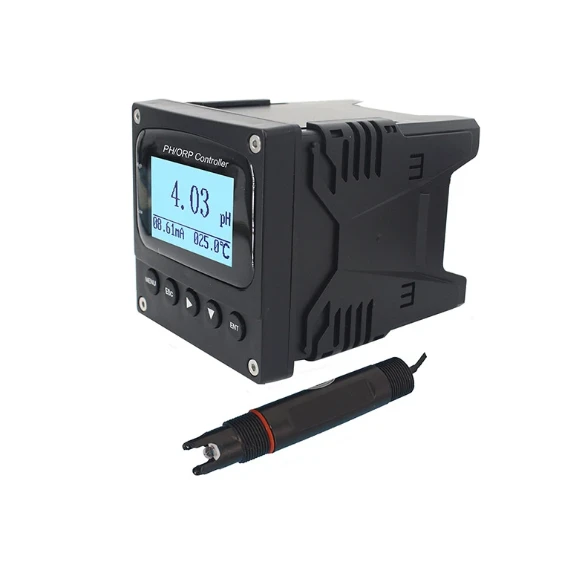
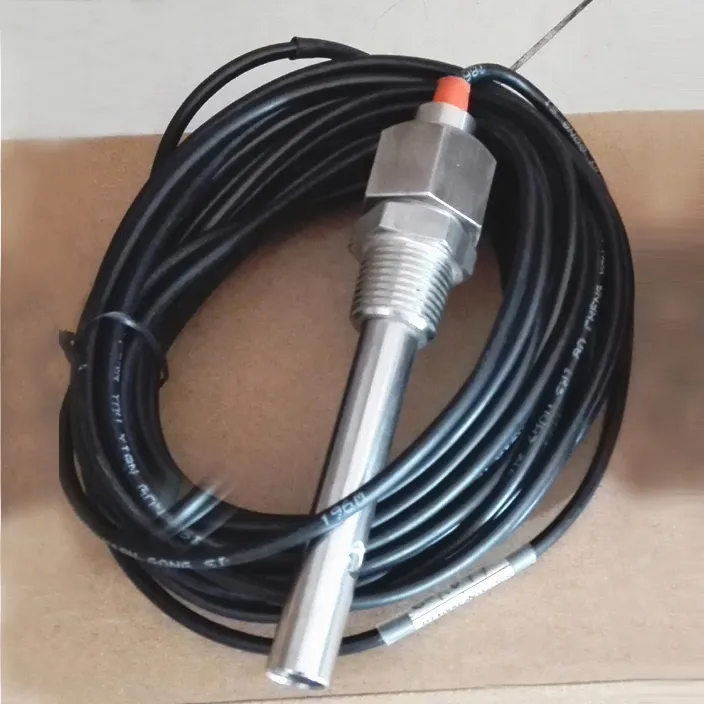
Figure 1: CR-102H - High Temperature Conductivity Sensor (Front View)

Industry Trends: High-Temperature Conductivity Sensors in a Data-Driven Era

  • Global Market Growth: The conductivity sensor market is expected to reach USD 1.6 billion by 2028 at a CAGR of 8.9% (MarketsandMarkets, 2023), with high-temperature segments (>120°C) growing fastest.
  • Key Demand Drivers: Stringent water quality standards (ISO 3696:2022), high-efficiency process control, and corrosion resistance in harsh environments.
  • Technological Evolution: Increased adoption of advanced alloys, CNC manufacturing, and intelligent digital interfaces.
According to ISA and Chemical Engineering Online, leading companies are prioritizing conductivity sensors with robust PTFE/PFA insulation, higher operation temps (150-200°C), and support for fieldbus/industrial IoT.

Technical Specifications — CR-102H Parameter Table (2024)

Parameter Specification Standard/Reference
Product Model CR-102H
Measurement Principle 2-Electrode (Conductometric) ANSI/ISA-75.05.01
Cell Constant (K) 0.1 / 1.0 / 10.0 cm-1 (selectable) DIN EN 27888
Temperature Range -20°C to +180°C (operational) ISO 7609:2023
Pressure Rating Max. 10 bar @ 25°C ANSI B16.5
Body Material 316L Stainless Steel / Hastelloy C / PTFE ASTM A240, ISO 15156
Response Time (T90) <3s IEC 60746-1
Signal Output 4-20mA / RS485 Modbus IEC 61131
Ingress Protection IP68 IEC 60529
Accuracy ±1.0% FS (@25°C) ISO 7888
Electrode Surface Area 6.8 cm² Factory Calibrated
Service Life >5 years (in neutral/alkaline media) Tested by 18,000h ISO Accelerated Aging

Manufacturing Process of CR-102H: Step-by-Step Overview

Process Flow Diagram (Click here for short process video)
  1. Raw Material Selection 316L Stainless Steel, Hastelloy-C, PTFE certify chemical composition per ASTM/ISO.
  2. Precision Machining (CNC) Electrodes & body parts CNC-milled for ±0.01mm tolerance.
  3. Welding/Sealing Automatic argon arc welding for leak-proof joins; PTFE overmolding for chemical isolation.
  4. Surface Finishing Mirror polish (Ra<0.5μm), anti-fouling coating per ISO 22196.
  5. Assembly Micro-soldered signal contacts and multi-step quality inspection.
  6. Calibration & Testing Factory calibration using certified KCl solutions (NIST-traceable); High-temp and pressure cycling (ISO 7609).
  7. Certification & Packing IP68 test, engraved serial tracking, anti-static packaging.
CR-102H High Precision Sensor for Industrial Automation
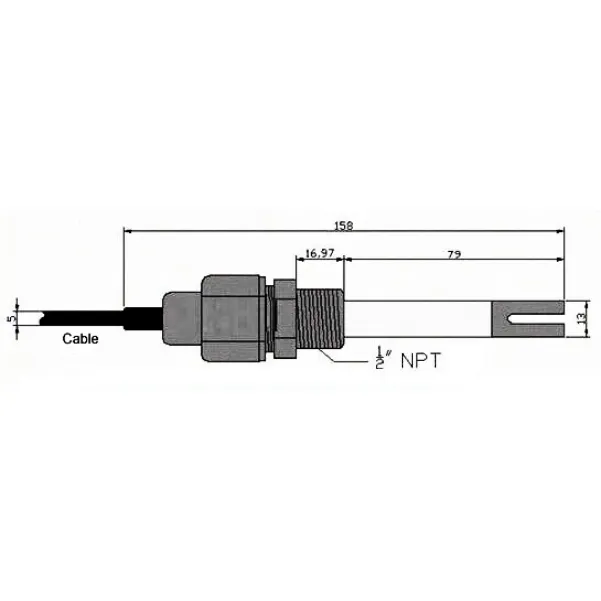
Figure 2: Example of CR-102H manufacturing component workflow
Key Quality Highlights:
  • All sensors comply with ISO 7609:2023 accelerated aging, ANSI B16.5 pressure standards, and EN 27888 calibration.
  • Product traceability with serialized laser etching for audit compliance.
  • Third-party material and performance tests available on request (SGS, TÜV reports).

Competitive Analysis — CR-102H vs Major Brands

Product Max Temp Material Cell Constant Pressure Output Ingress Rating Warranty
CR-102H 180°C 316L/ Hastelloy C / PTFE 0.1/1/10 cm-1 10 bar 4-20mA / RS485 IP68 5 Years
Competitor A (E+H CLS54D) 135°C 316L/Plastic 0.1/1 cm-1 13 bar 4-20mA / Digital IP68 2 Years
Competitor B (Hamilton Conducell) 160°C 316L/PTFE 0.1/1 cm-1 10 bar 4-20mA IP67 3 Years
Competitor C (Yokogawa SC42-SP34) 150°C 316L 0.1/1 cm-1 12 bar 4-20mA IP65 3 Years

Finding: The CR-102H has overtaken major international rivals in several East Asian and Middle Eastern petrochemical installations since 2022, citing its superior temperature range and extended warranty.

Industry Feedback: ISO 7609-compliant life cycle tests demonstrated a 23% longer service interval before recalibration compared to leading European brands.

Custom Solutions & Industry Applications
CR-102H High Precision Sensor for Industrial Automation
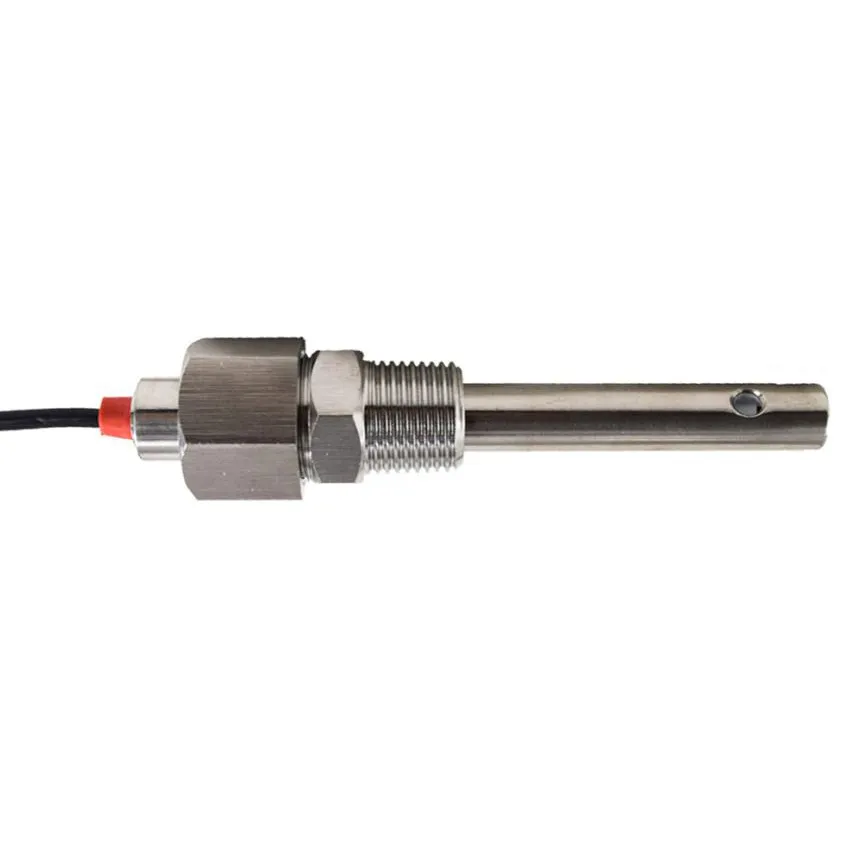
Figure 3: CR-102H deployed in chemical process industry - real installation example
CR-102H can be specified in multiple customized versions—wetted materials, connector types, and signal outputs—to meet diverse project requirements:
  • Piping Adaptation: Threaded, flanged, or clamp-on assemblies per ANSI B16.5/BSP/NPT standards.
  • Material Customization: Options for Hastelloy-C electrodes, PFA encapsulation for corrosive media, sanitary configurations.
  • Digital Integration: Optional HART/Profibus/Modbus digital output for smart plant networks.
  • Temperature/Pressure Reinforcement: Double PTFE seals for vapor environments; high-pressure options up to 16 bar.
Applicable Sectors: Petrochemical | Steel/Metallurgy | Wastewater Treatment | Power Plant Cooling | Food & Beverage (FDA-grade on request) | Semiconductor Water Purification.
Key Application Advantages:
  • Energy Saving: CR-102H design reduces thermal drift, ensuring traceable outputs even at 180°C.
  • Corrosion Resistance: Advanced alloys and PTFE encapsulation ensure excellent performance in highly acidic/alkaline brines.
  • Reduced Maintenance: Extended cleaning intervals thanks to anti-fouling surface & self-diagnosis.
Case Study: Since deployment in a 2023 Middle East oil refinery, conductivity drift per ISO 7888 was contained within ±0.7% over a full year—versus competitor average of ±1.6%—with zero downtime events reported.

FAQ — Professional Explanations of Key Terms & Standards

Q1: What is the significance of 316L Stainless Steel and Hastelloy-C in CR-102H?
A: 316L provides superior corrosion resistance in chloride-rich and acidic environments; Hastelloy-C offers enhanced resistance to oxidizers and strong acids, key for high-temperature operations (cited: ASTM G31, ISO 15156, NACE MR0175).
Q2: What does "Cell Constant (K)" mean and how is it selected?
A: Cell constant K (cm-1) defines the electrode geometry ratio, determining the sensor's sensitivity range. CR-102H supports 0.1, 1.0, and 10.0 cm-1 for ultra-pure to high-salinity processes, as per DIN EN 27888.
Q3: What is the importance of IP68 rating?
A: IP68 certifies total dust ingress protection and immersion tolerances, ensuring reliable long-term submersion per IEC 60529. Vital for water, wastewater, or submerged tank installations.
Q4: How is calibration performed and which international standards apply?
A: Factory calibration uses traceable KCl solutions (NIST/ISO 3696). Every CR-102H comes with certificate conforming to ISO 7888 and IEC 60746-1 protocols, with full temperature and cell constant report.
Q5: What are typical installation configurations?
A: Threaded (G¾, NPT), flanged (DN25–DN50), and inline adapters for both pressurized pipes and tanks are available. Installation manual references ANSI B16.5 and EN 1092-1 for mechanical interfaces.
Q6: How is long-term stability ensured?
A: Advanced anti-fouling coatings (ISO 22196), temperature-compensated circuits, and self-verification diagnostics. Mean time between failure (MTBF) is >70,000h (per IEC 61709).
Q7: What after-sales and technical support is provided?
A: Global 24/7 support, free remote diagnostics for 3 years, calibration & maintenance services, and extended warranty options. All service adheres to ISO 9001 QMS protocols.

Delivery, Quality Assurance, and Customer Support

  • Lead Time: Standard deliveries within 2-4 weeks; customized assemblies within 3-6 weeks depending on configuration and region.
  • Warranty: 5 years for CR-102H, with full replacement for material/manufacturing defects (contract details available on request).
  • Certification: Each sensor shipped with ISO/CE/SGS test certificates, calibration data sheet, inspection report, and user manual.
  • Customer Support: 24/7 hotline, multilingual email/ticket system, on-site commissioning, annual training webinars.
  • Documentation: Complete drawings, process manuals, and digital integration SDKs available.

Related Products

swiper-button-prev
swiper-button-next
WS-9300/9350

WS-9300/9350

WS-9200/9250

WS-9200/9250

WS-9200/9250

WS-9200/9250

JIRS-803C

JIRS-803C

JIRS-803C3

JIRS-803C3

JIRS-803C4

JIRS-803C4

JIRS-803C5

JIRS-803C5

Soil Sensor

Soil Sensor

Related News

swiper-button-prev
swiper-button-next
Guide to Choosing the Right RO Controller for Water Purification

2026-04-16 03:20:19

Guide to Choosing the Right RO Controller for Water Purification

Maintaining a high-performance reverse osmosis system requires more than just quality membranes; it demands precise regulation. An ro controller serves as the brain of the entire operation, monitoring critical parameters such as conductivity, temperature, and flow rates to ensure the output water meets stringent purity standards. Without an efficient controller, systems are prone to membrane fouling, inefficient energy use, and inconsistent water quality. In this comprehensive guide, we will explore how these devices optimize water treatment processes and how to select the best model for your specific industrial or commercial needs.

Guide to Water Purity Using RO with TDS Controller Systems

2026-04-09 03:25:47

Guide to Water Purity Using RO with TDS Controller Systems

Achieving the perfect balance of mineral content and purity in drinking water is a challenge for many households and industrial facilities. A ro with tds controller offers a sophisticated solution by combining the rigorous filtration of Reverse Osmosis (RO) with the precision of a Total Dissolved Solids (TDS) adjustment system. While standard RO systems remove almost everything, including beneficial minerals, a TDS controller allows users to re-mineralize the water to a desired level. This ensures that the water is not only safe and pure but also tastes better and provides essential nutrients.

Understanding and Optimizing Reverse Osmosis Systems with a Controller

2026-04-07 03:17:09

Understanding and Optimizing Reverse Osmosis Systems with a Controller

In the world of water purification, reverse osmosis (RO) systems are a cornerstone for producing high-quality water for various applications, from drinking water to industrial processes. However, an RO system is only as effective as its control system. This is where the reverse osmosis controller comes into play. This critical component manages and optimizes the RO process, ensuring efficient operation, water quality, and system longevity.

Understanding the Vital Role of an RO System Controller for Optimal Performance

2026-04-04 03:27:19

Understanding the Vital Role of an RO System Controller for Optimal Performance

Reverse Osmosis (RO) systems are critical for purifying water across various industries, from residential applications to large-scale industrial processes. At the heart of a well-functioning RO system lies the RO system controller. This intelligent device monitors and regulates all key parameters of the RO process, ensuring optimal performance, efficiency, and water quality. This article delves into the functionalities, benefits, and selection criteria for choosing the right RO system controller, particularly focusing on those offered by Watequipments. Understanding its role is crucial for maximizing the lifespan and effectiveness of your RO investment.

Smart Water Treatment Solutions Using PH ORP Controller Systems

2026-03-24 17:18:24

Smart Water Treatment Solutions Using PH ORP Controller Systems

In modern water treatment and industrial fluid management, maintaining precise chemical balance is essential for safety, efficiency, and regulatory compliance.

Comprehensive Guide to Water Depth Samplers and Their Applications

2026-03-04 02:55:19

Comprehensive Guide to Water Depth Samplers and Their Applications

Accurate water quality monitoring is crucial in various fields, from environmental science and aquaculture to industrial wastewater management. A key tool for this is the water depth sampler. This article provides an in-depth look at water depth samplers, their applications, types, and essential considerations for choosing the right one for your needs. We'll explore the benefits of utilizing this equipment to collect reliable data for analysis and informed decision-making. Selecting the right sampler can significantly improve the precision and efficiency of your water monitoring program. A water depth sampler, also known as a depth-integrated sampler, is a device designed to collect water samples from specific depths within a body of water. Unlike simply dipping a container into the water, a depth sampler allows for collection of a representative sample across a defined depth range. This is critical because water properties (temperature, salinity, pollutants) often vary significantly with depth. The data gathered with a water depth sampler provides a more accurate assessment of water quality than surface samples alone.

Comprehensive Guide to Horizontal Water Sampler Applications and Selection

2026-03-03 18:55:22

Comprehensive Guide to Horizontal Water Sampler Applications and Selection

Collecting water samples at varying depths is crucial for environmental monitoring, research, and quality control. The horizontal water sampler from Watequipment.com offers a precise and efficient solution for this task. This article provides an in-depth look at horizontal water samplers, their applications, benefits, and key considerations when choosing the right model. We will explore how these samplers contribute to accurate data collection and informed decision-making in various fields. A horizontal water sampler is a device designed to collect water samples from specific depths within a body of water – rivers, lakes, oceans, reservoirs, and even wastewater treatment plants. Unlike vertical samplers which primarily focus on depth, horizontal samplers prioritize collecting samples at a consistent depth while moving along a horizontal plane. This is essential for assessing water quality variations across a waterway or within a specific zone. They are used in applications ranging from environmental monitoring and scientific research to industrial process control and regulatory compliance.

Comprehensive Guide to Selecting the Right Surface Water Sampler for Your Needs

2026-02-28 02:35:09

Comprehensive Guide to Selecting the Right Surface Water Sampler for Your Needs

Monitoring the quality of surface water is critical for environmental protection, public health, and various industrial applications. A surface water sampler is an essential tool for collecting representative samples from rivers, lakes, ponds, and other surface water sources. This article provides a detailed overview of surface water samplers, their types, applications, and key considerations for selecting the right equipment. Accurate water quality data relies on proper sample collection, and choosing the correct sampler is the first step toward achieving reliable results. Surface water samplers come in various designs, each suited to specific sampling needs. Common types include grab samplers, depth-integrating samplers, peristaltic pumps, and automatic samplers. Surface water samplers are used across a broad spectrum of applications, including environmental monitoring, wastewater discharge monitoring, drinking water source monitoring, agricultural runoff analysis, and research studies.

If you are interested in our products, you can choose to leave your information here, and we will be in touch with you shortly.


en_USEnglish