


CR-102P | High-Performance, Reliable, Easy Integration

CR-102P | High-Performance, Reliable, Easy Integration
Nov . 18, 2025
Field Notes on the CR-102P Conductivity/TDS Sensor
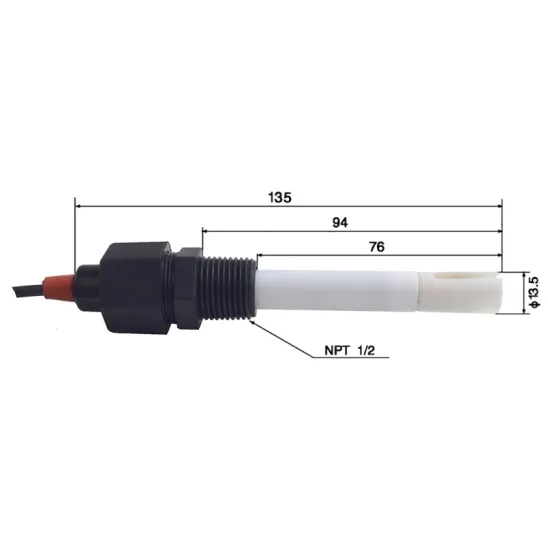
I’ve been watching the quiet revolution in water analytics: smarter probes, tougher housings, and fewer headaches for operators. The CR-102P fits squarely into this trend—practical, temperature-compensated, and honestly, refreshingly straightforward to deploy. It’s assembled in Hebei (No.188, Fengshou Road, Chang'an district, Shijiazhuang City, 050041, China), and the pitch is simple: easy to use, stable readings, and a housing that shrugs off acids and alkalis. To be honest, that’s what most plants actually need.
Where it’s used (and why it’s trending)
Conductivity and TDS monitoring is booming in RO systems, wastewater polishing, cooling towers, hydroponics, aquaculture, and beverage rinse lines. Two industry currents drive this: tighter QA/QC and the march toward continuous, IoT-style monitoring. The CR-102P leans in with integrated NTC 10K temp compensation and an ABS engineering plastic body—less weight, more chemical resilience, fewer corroded surprises.
Specification snapshot
| Measurement | Electrical conductivity (EC) / TDS (via factor) |
| Temperature sensor | NTC 10K thermistor (integrated) |
| Housing material | ABS engineering plastic; anti-acid/anti-alkaline character |
| Cell constant (K) | ≈1.0 cm⁻¹ (typical for general-purpose; verify configuration) |
| Typical range | 0–10 mS/cm (real-world use may vary with calibration and K) |
| Operating temp | ≈0–50°C, limited by ABS; use within process safety margins |
| Service life | ~18–36 months continuous immersion in neutral water; harsher media may shorten |
Process flow, materials, and testing
- Materials: ABS housing; electrode options typically graphite or platinum-plated (check order spec).
- Manufacturing: precision molding for the body; sealed thermistor integration; potting for strain relief.
- Methods: two- or four-electrode style depending on build; linear temperature compensation via NTC 10K.
- Testing standards: ASTM D1125 for conductivity; ISO 7888 for water conductivity; IEC 60746 for analyzers.
- Calibration: 1413 µS/cm and 12.88 mS/cm standards commonly used; TDS factor ≈0.5–0.7 (application-defined).
- QC checks: drift
Advantages users actually notice
Many customers say the CR-102P “just works”—quick wet-up, stable readings, and fewer fouling issues in mildly aggressive waters. The NTC 10K temp input is convenient for controllers that expect it, and ABS is forgiving when maintenance gets, let’s say, real-world.
Vendor landscape (quick compare)
| Model | Housing | Temp sensor | Range (≈) | Notes |
|---|---|---|---|---|
| CR-102P | ABS | NTC 10K | 0–10 mS/cm | Value-focused; stable; anti-acid/alkaline character |
| Hanna HI76xx series (example) | PPS/PEI | NTC/Pt100/Pt1000 (varies) | Up to 50 mS/cm | Broad portfolio; strong documentation |
| Sensorex CS1xx (example) | CPVC/PPS | Optional | 0–200 mS/cm | Industrial options; multiple K-values |
Customization and integration
- K-value choices for ultrapure to high-conductivity waters.
- Cable length and connector types (terminal lugs, BNC, tinned leads).
- Thread/adaptor fittings for in-line tees or submersion assemblies.
- Controller compatibility: many PLCs/IoT gateways accept NTC 10K temp input.
Mini case files
- Hydroponics farm: two-point calibration weekly; reported ±2% drift over a month—nutrient EC held steadier, fewer burn complaints.
- Craft brewery: CIP rinse verification via conductivity thresholds; reduced water use by ≈12% quarter-over-quarter.
- Small WWTP: installed post-RO; alarms on breakthrough events helped operators intervene 20–30 minutes earlier.
Compliance, certificates, and what to ask
Request RoHS/REACH conformity, materials declarations, and calibration certificates. For regulated sites, align procedures to ASTM D1125 and ISO 7888. If you need pharmaceutical documentation, ask explicitly—paperwork trails matter more than we like to admit.
Bottom line
If you need a dependable EC/TDS probe with built-in temperature compensation and a tough ABS body, the CR-102P is a sensible pick. Not flashy, just solid—actually, that’s the point.
- ASTM D1125 – Standard Test Methods for Electrical Conductivity and Resistivity of Water.
- ISO 7888 – Water quality — Determination of electrical conductivity.
- IEC 60746 series – Expression of performance of analyzers (electrolytic conductivity).
- WHO Guidelines for Drinking-water Quality: TDS and conductivity context for potable systems.

Related Products
Related News
2026-04-16 03:20:19
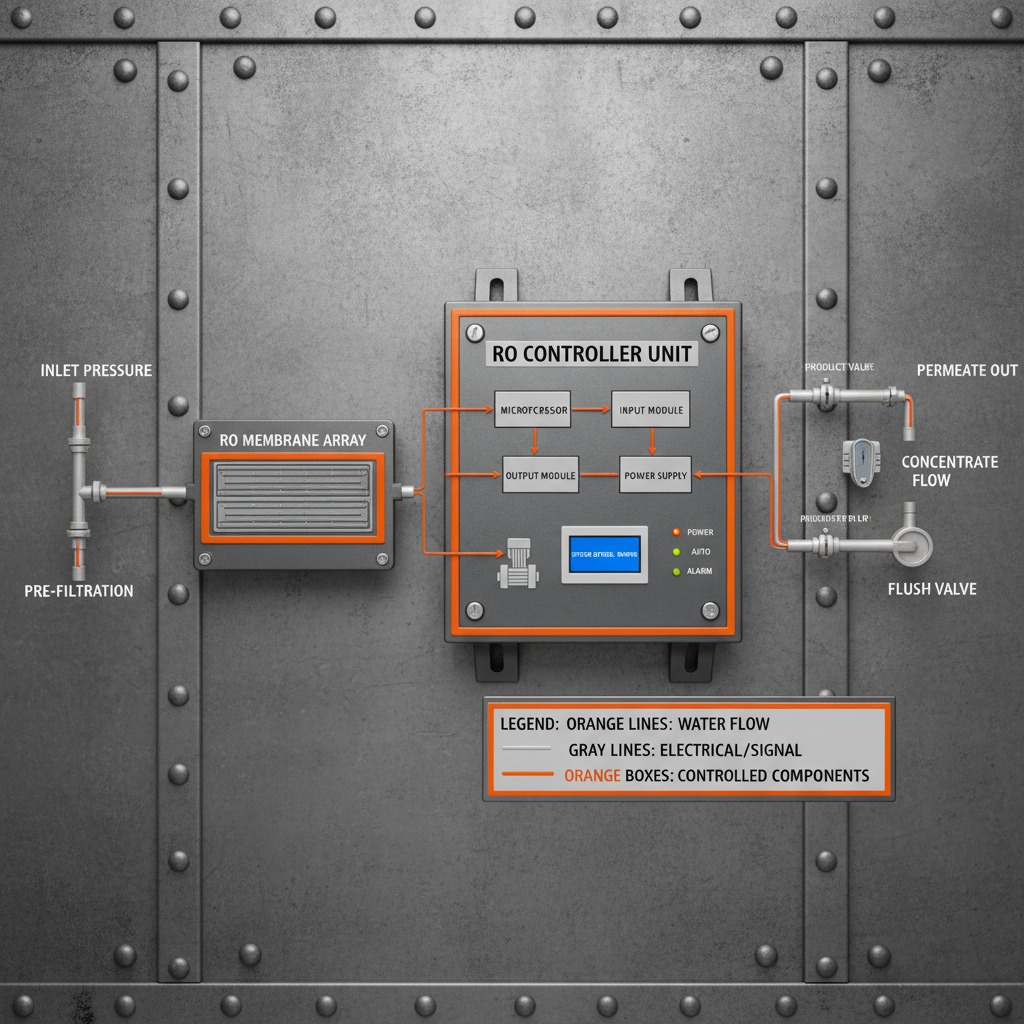
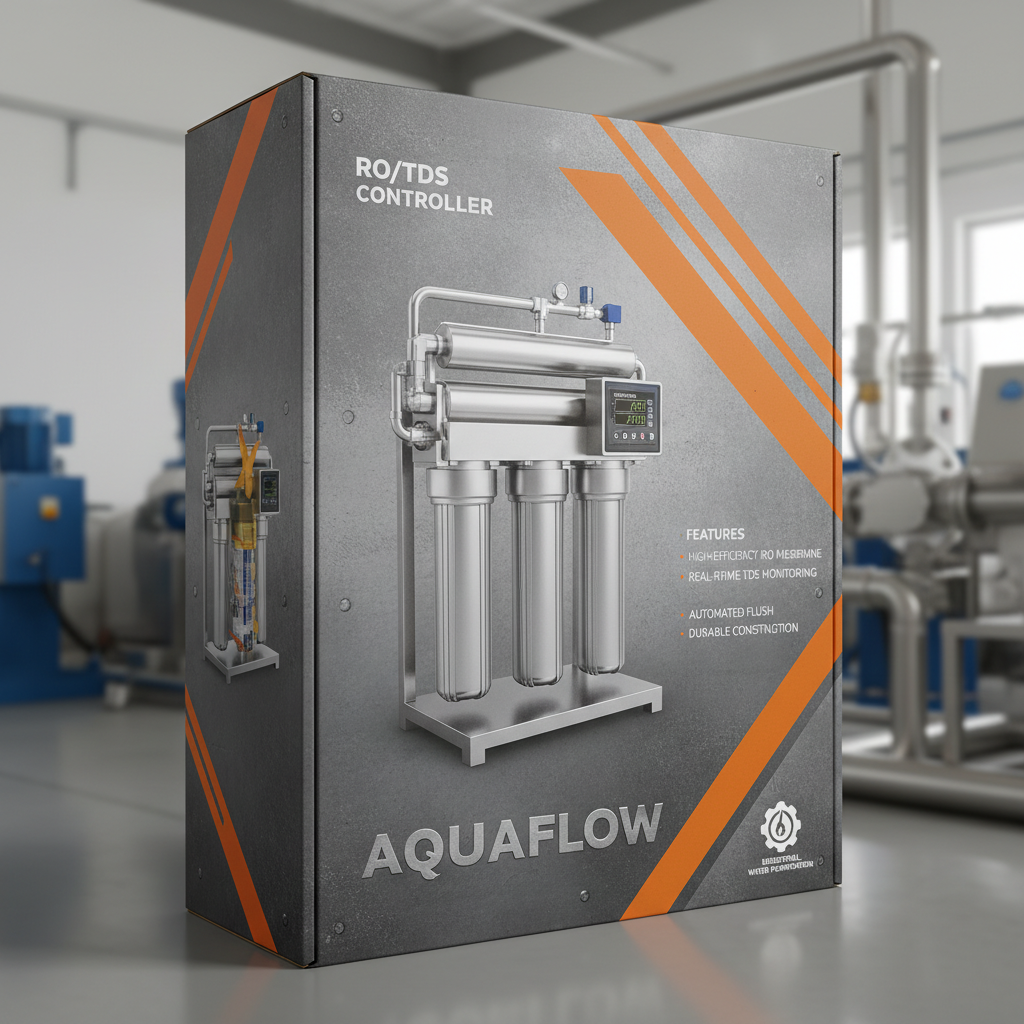
Guide to Choosing the Right RO Controller for Water PurificationMaintaining a high-performance reverse osmosis system requires more than just quality membranes; it demands precise regulation. An ro controller serves as the brain of the entire operation, monitoring critical parameters such as conductivity, temperature, and flow rates to ensure the output water meets stringent purity standards. Without an efficient controller, systems are prone to membrane fouling, inefficient energy use, and inconsistent water quality. In this comprehensive guide, we will explore how these devices optimize water treatment processes and how to select the best model for your specific industrial or commercial needs.
2026-04-09 03:25:47
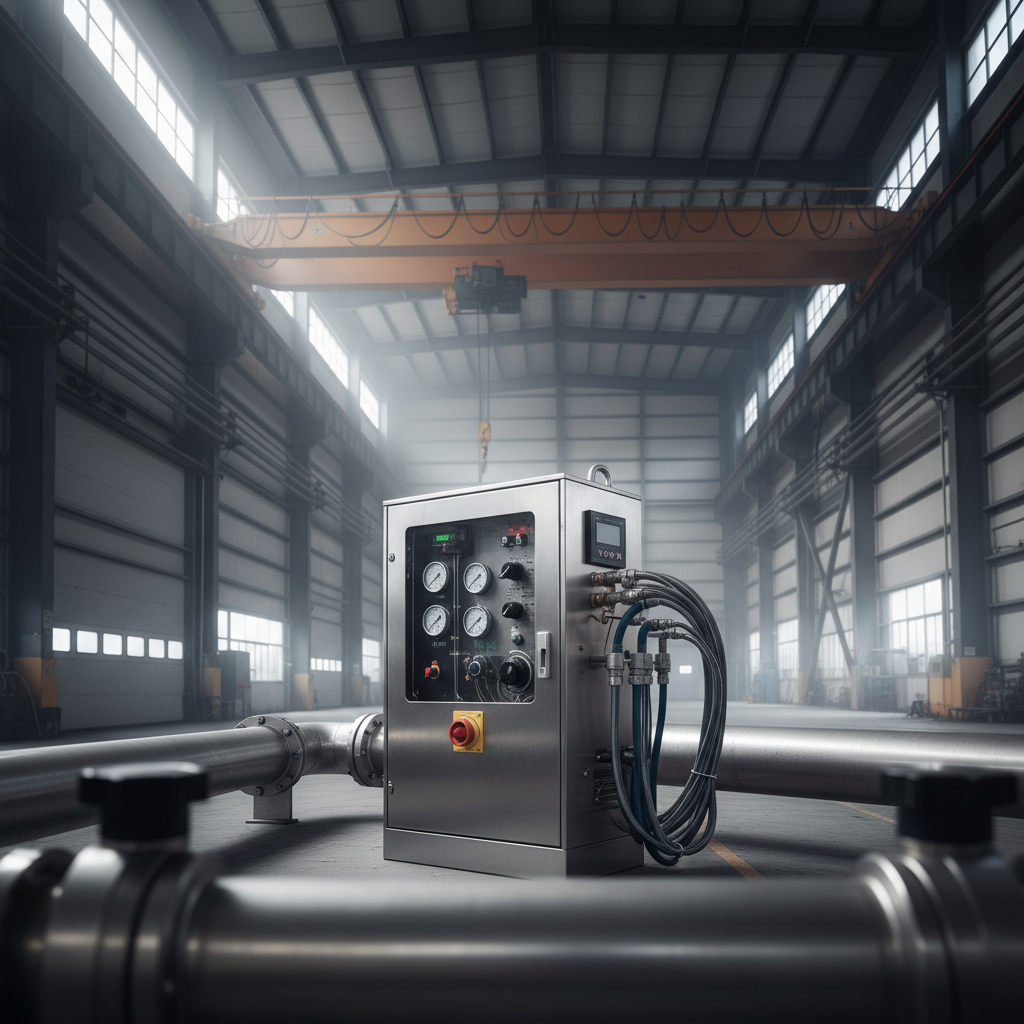
Guide to Water Purity Using RO with TDS Controller SystemsAchieving the perfect balance of mineral content and purity in drinking water is a challenge for many households and industrial facilities. A ro with tds controller offers a sophisticated solution by combining the rigorous filtration of Reverse Osmosis (RO) with the precision of a Total Dissolved Solids (TDS) adjustment system. While standard RO systems remove almost everything, including beneficial minerals, a TDS controller allows users to re-mineralize the water to a desired level. This ensures that the water is not only safe and pure but also tastes better and provides essential nutrients.
2026-04-07 03:17:09
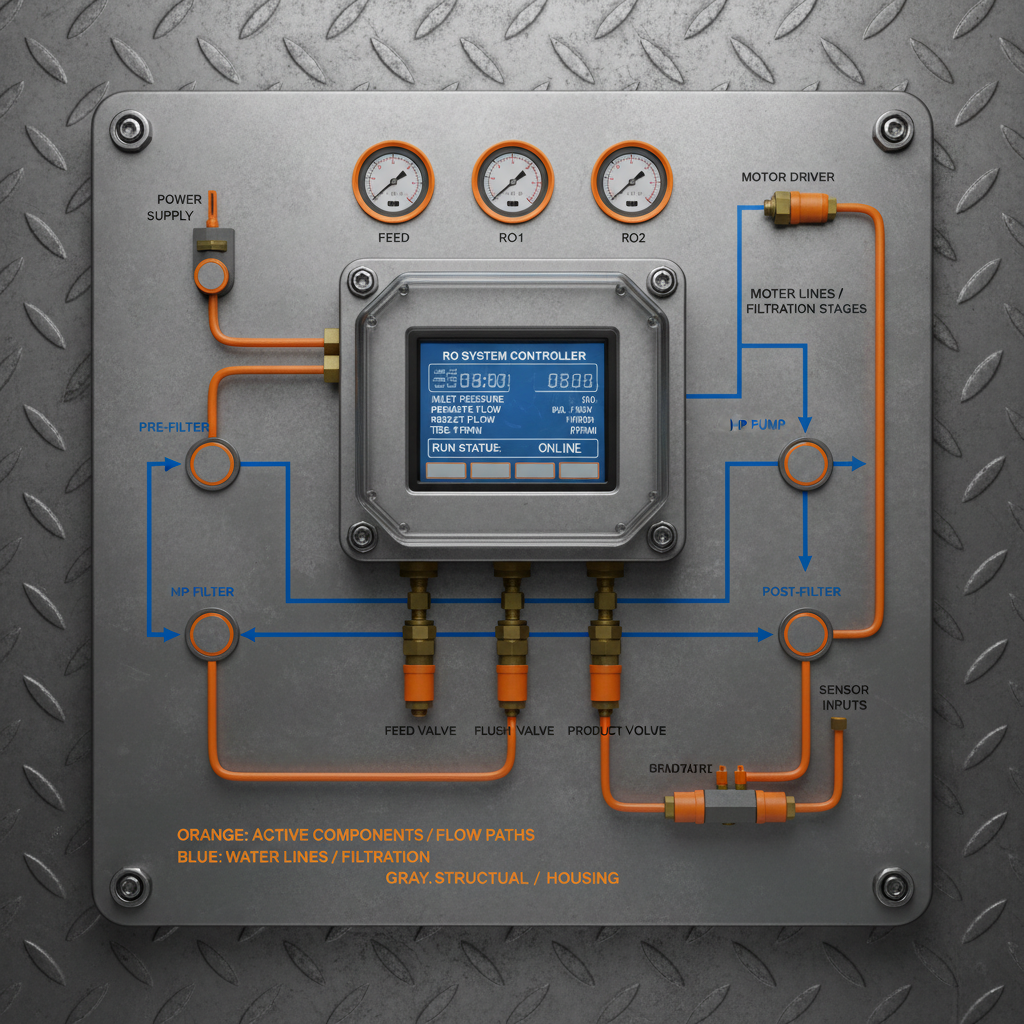
Understanding and Optimizing Reverse Osmosis Systems with a ControllerIn the world of water purification, reverse osmosis (RO) systems are a cornerstone for producing high-quality water for various applications, from drinking water to industrial processes. However, an RO system is only as effective as its control system. This is where the reverse osmosis controller comes into play. This critical component manages and optimizes the RO process, ensuring efficient operation, water quality, and system longevity.
2026-04-04 03:27:19
Understanding the Vital Role of an RO System Controller for Optimal PerformanceReverse Osmosis (RO) systems are critical for purifying water across various industries, from residential applications to large-scale industrial processes. At the heart of a well-functioning RO system lies the RO system controller. This intelligent device monitors and regulates all key parameters of the RO process, ensuring optimal performance, efficiency, and water quality. This article delves into the functionalities, benefits, and selection criteria for choosing the right RO system controller, particularly focusing on those offered by Watequipments. Understanding its role is crucial for maximizing the lifespan and effectiveness of your RO investment.
2026-03-24 17:18:24
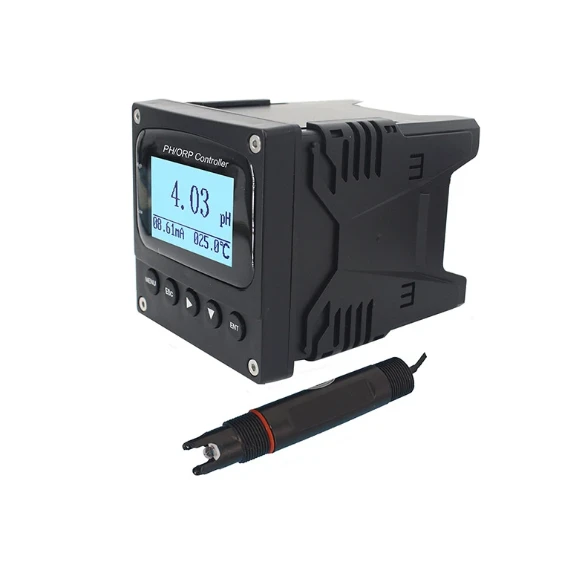
Smart Water Treatment Solutions Using PH ORP Controller SystemsIn modern water treatment and industrial fluid management, maintaining precise chemical balance is essential for safety, efficiency, and regulatory compliance.
2026-03-04 02:55:19
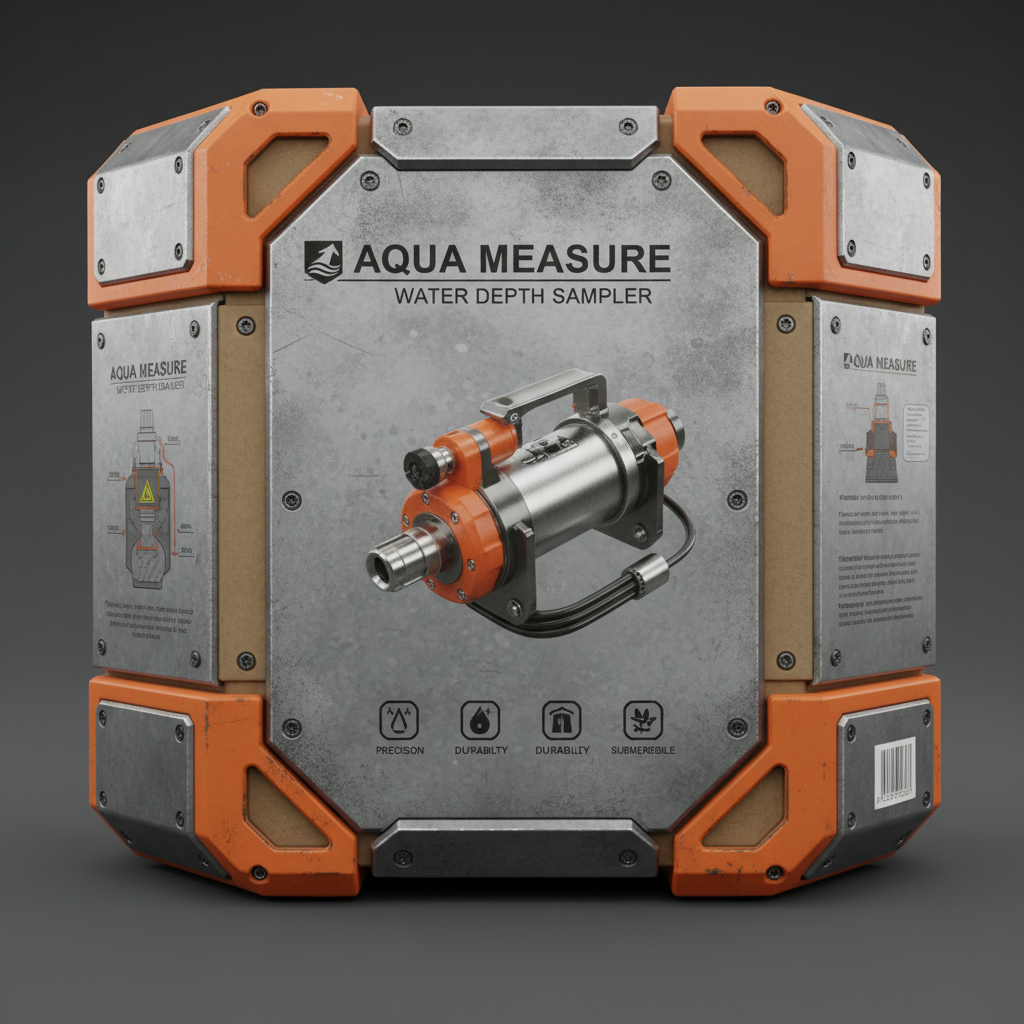
Comprehensive Guide to Water Depth Samplers and Their ApplicationsAccurate water quality monitoring is crucial in various fields, from environmental science and aquaculture to industrial wastewater management. A key tool for this is the water depth sampler. This article provides an in-depth look at water depth samplers, their applications, types, and essential considerations for choosing the right one for your needs. We'll explore the benefits of utilizing this equipment to collect reliable data for analysis and informed decision-making. Selecting the right sampler can significantly improve the precision and efficiency of your water monitoring program. A water depth sampler, also known as a depth-integrated sampler, is a device designed to collect water samples from specific depths within a body of water. Unlike simply dipping a container into the water, a depth sampler allows for collection of a representative sample across a defined depth range. This is critical because water properties (temperature, salinity, pollutants) often vary significantly with depth. The data gathered with a water depth sampler provides a more accurate assessment of water quality than surface samples alone.
2026-03-03 18:55:22
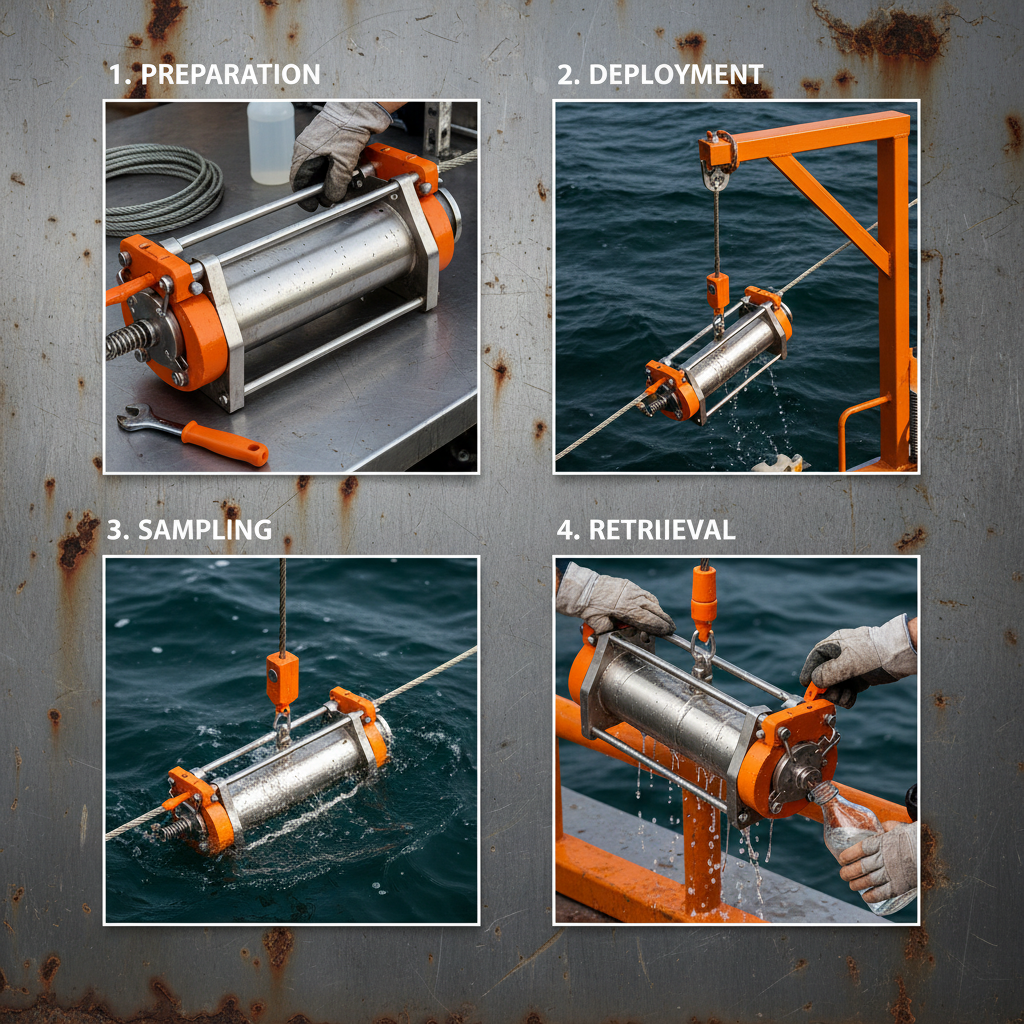
Comprehensive Guide to Horizontal Water Sampler Applications and SelectionCollecting water samples at varying depths is crucial for environmental monitoring, research, and quality control. The horizontal water sampler from Watequipment.com offers a precise and efficient solution for this task. This article provides an in-depth look at horizontal water samplers, their applications, benefits, and key considerations when choosing the right model. We will explore how these samplers contribute to accurate data collection and informed decision-making in various fields. A horizontal water sampler is a device designed to collect water samples from specific depths within a body of water – rivers, lakes, oceans, reservoirs, and even wastewater treatment plants. Unlike vertical samplers which primarily focus on depth, horizontal samplers prioritize collecting samples at a consistent depth while moving along a horizontal plane. This is essential for assessing water quality variations across a waterway or within a specific zone. They are used in applications ranging from environmental monitoring and scientific research to industrial process control and regulatory compliance.
2026-02-28 02:35:09
Comprehensive Guide to Selecting the Right Surface Water Sampler for Your NeedsMonitoring the quality of surface water is critical for environmental protection, public health, and various industrial applications. A surface water sampler is an essential tool for collecting representative samples from rivers, lakes, ponds, and other surface water sources. This article provides a detailed overview of surface water samplers, their types, applications, and key considerations for selecting the right equipment. Accurate water quality data relies on proper sample collection, and choosing the correct sampler is the first step toward achieving reliable results. Surface water samplers come in various designs, each suited to specific sampling needs. Common types include grab samplers, depth-integrating samplers, peristaltic pumps, and automatic samplers. Surface water samplers are used across a broad spectrum of applications, including environmental monitoring, wastewater discharge monitoring, drinking water source monitoring, agricultural runoff analysis, and research studies.

 English