



Dissolved Oxygen Meter: A Key Tool for Accurately Measuring Dissolved Oxygen Levels in Aquatic Environments

Dissolved Oxygen Meter: A Key Tool for Accurately Measuring Dissolved Oxygen Levels in Aquatic Environments
May . 22, 2025
Dissolved oxygen is one of the important indicators for measuring water quality. It refers to the amount of oxygen dissolved in water, which is crucial for the survival of aquatic organisms, the self purification ability of water bodies, and various hydrochemical processes. In order to accurately assess the health status of aquatic environments, Dissolved Oxygen Meter plays an increasingly important role as a key tool in various fields.
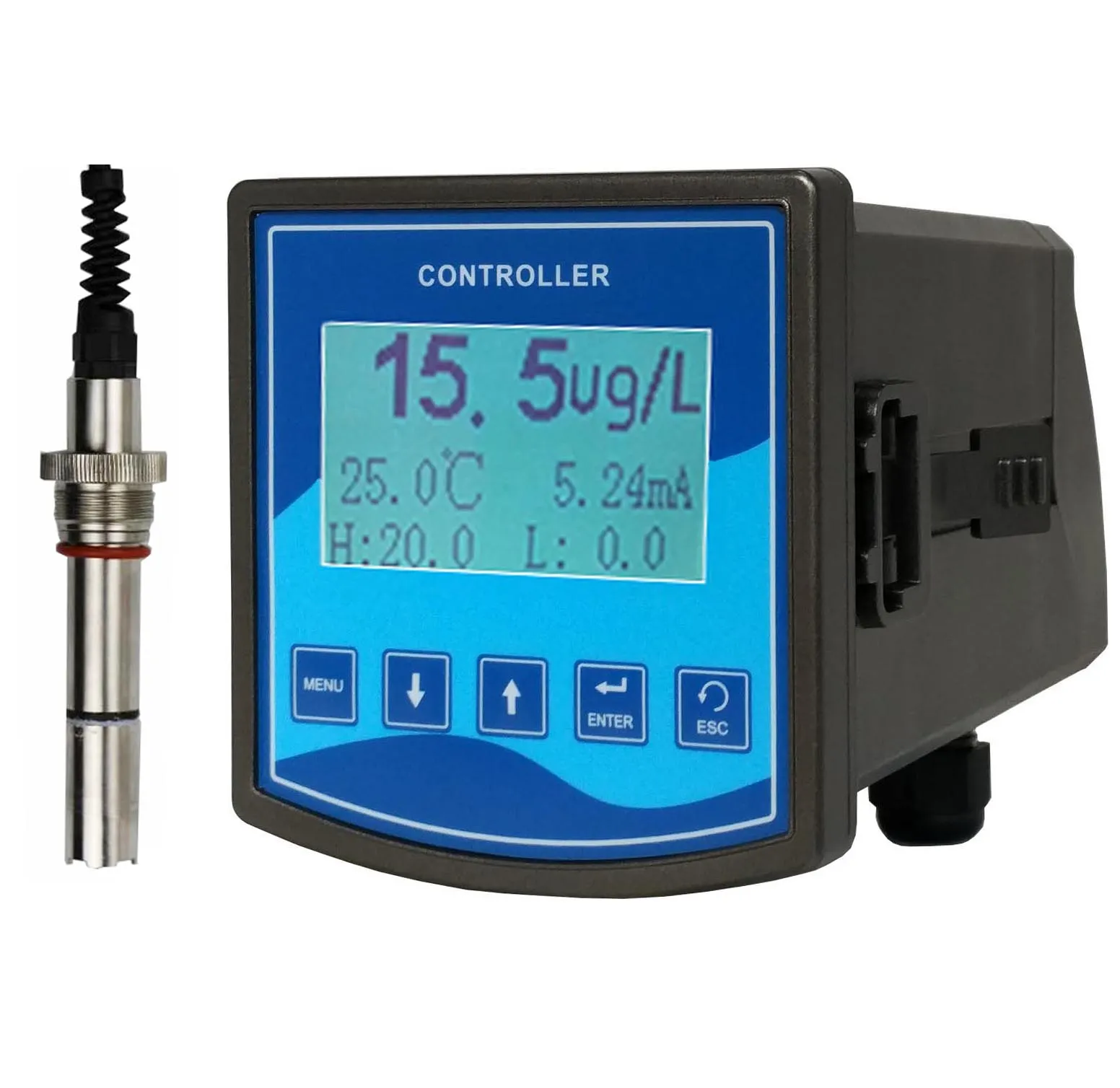
Dissolved Oxygen Meter uses different principles to detect the concentration of dissolved oxygen in water. Currently, common methods include polarography and optical methods
The polarographic method determines the dissolved oxygen concentration by measuring the reduction current of oxygen molecules on the electrode, while the optical method calculates the dissolved oxygen concentration by measuring the degree to which light of a specific wavelength is absorbed by the dissolved oxygen molecules. Regardless of the method, advanced dissolved oxygen probes have the advantages of easy operation, fast measurement, and high accuracy, which can meet the needs of different application scenarios.
Dissolved Oxygen Meter plays an indispensable role in many aquatic environments
In aquaculture, dissolved oxygen levels directly affect the growth rate and survival rate of fish and shrimp. By regularly monitoring the dissolved oxygen concentration in water using a dissolved oxygen analyzer, farmers can take timely measures to increase oxygen levels and avoid losses caused by hypoxia. In the process of sewage treatment, dissolved oxygen is an important condition for microorganisms to decompose organic matter. Using a Dissolved Oxygen Meter to monitor the concentration of dissolved oxygen in the aeration tank can optimize the aeration process and improve the efficiency of sewage treatment. In the monitoring of natural water bodies such as rivers and lakes, dissolved oxygen level is an important indicator for evaluating the degree of water pollution. By measuring the dissolved oxygen concentration in different regions, the sources, scope, and impacts of water pollution can be understood, providing scientific basis for environmental protection and water resource management.
To ensure the accuracy and reliability of Dissolved Oxygen Meter measurement, the following points need to be noted
Firstly, it is necessary to regularly calibrate the dissolved oxygen sensor to ensure that the instrument is in optimal working condition; Secondly, during the measurement process, it is necessary to avoid the interference of bubbles and the influence of temperature changes; Finally, it is necessary to choose appropriate measuring probes and methods to adapt to the characteristics of different aquatic environments.
In summary, dissolved oxygen meter for water are important tools for accurately measuring dissolved oxygen levels in various aquatic environments. It not only plays an important role in aquaculture, sewage treatment and other fields, but also provides important technical support in environmental protection and water resource management. With the continuous development of technology, the performance of Dissolved Oxygen Meter will continue to improve, contributing greater strength to our better understanding and protection of aquatic environments.
Dissolved Oxygen Meter FAQs
What is the working principle of Dissolved Oxygen Meter?
Dissolved Oxygen Meter mainly measures the dissolved oxygen (DO) content in water through the following two techniques:
Electrochemical method (membrane electrode method):
Using a polarographic (Clark electrode) or galvanic cell sensor, oxygen reacts with the electrode through a selective thin film to generate a current, which is proportional to the concentration of dissolved oxygen (DO).
Advantages: Fast response, suitable for laboratory and field use.
Optical method (fluorescence method):
Based on the principle of fluorescence quenching, specific wavelengths of light excite fluorescent substances, and oxygen concentration affects the fluorescence intensity and lifetime.
Advantages: No need for electrolyte, simple maintenance, good long-term stability.
Why is Dissolved Oxygen Meter crucial in aquaculture?
Dissolved oxygen is a key indicator for the survival of aquatic organisms, directly affecting:
Fish health: DO below 3mg/L may lead to suffocation and death (such as salmon requiring>5mg/L).
Feed efficiency: Low oxygen environment reduces fish metabolism, leading to slow growth.
Water quality management: When photosynthesis stops at night, it is necessary to monitor DO to prevent hypoxia (it is recommended to maintain 46mg/L).
How to calibrate Dissolved Oxygen Meter to ensure data accuracy?
Calibration is a crucial step in ensuring accuracy, and commonly used methods include:
Zero calibration: adjust the instrument to 0mg/L in an oxygen free environment (such as sodium sulfite solution).
Slope calibration:
Air calibration: Under saturated humidity, the instrument display value should be consistent with the saturated DO value under local atmospheric pressure (such as 8.24mg/L at 25 ℃).
Water saturation method: calibrate with a standard solution of known dissolved oxygen (such as Winkler method calibration).
Attention: Optical sensors require regular cleaning of the fluorescent cap, while electrochemical sensors require replacement of electrolyte and membrane.
What factors can affect the measurement results of Dissolved Oxygen Meter? How to avoid errors?
Main interference factors and solutions:
Temperature: The solubility of dissolved oxygen decreases with increasing temperature, and automatic temperature compensation function must be used.
Salinity: High salinity (such as seawater) will reduce DO, and the instrument needs to support salinity correction.
Water flow rate: Electrochemical sensors require a certain flow rate (>0.3m/s) to ensure response, and static water can be stirred using a stirrer.
Membrane fouling: Regularly clean or replace sensor membranes (especially in wastewater or algae rich environments).
How to optimize the process using Dissolved Oxygen Meter data in industrial wastewater treatment?
Activated sludge process: Control DO at 24mg/L to balance microbial oxygen consumption (excessive waste of energy and insufficient sludge expansion).
Anaerobic/Aerobic Reactor: Switch process stages through DO monitoring (e.g. anaerobic stage DO<0.5mg/L).
Real time control: linked with the aeration system, adjust the fan speed as needed to save energy and reduce consumption.

Related Products
Related News
2026-04-16 03:20:19
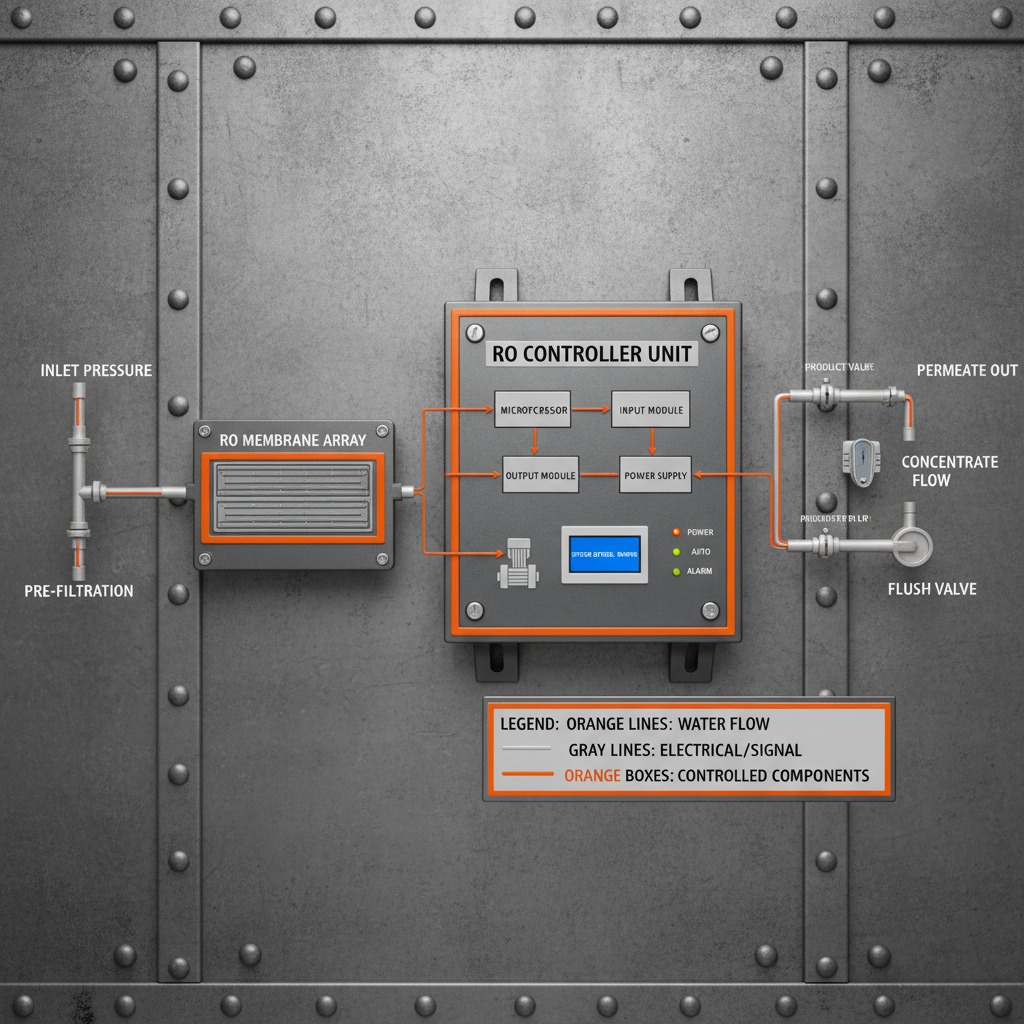
Guide to Choosing the Right RO Controller for Water PurificationMaintaining a high-performance reverse osmosis system requires more than just quality membranes; it demands precise regulation. An ro controller serves as the brain of the entire operation, monitoring critical parameters such as conductivity, temperature, and flow rates to ensure the output water meets stringent purity standards. Without an efficient controller, systems are prone to membrane fouling, inefficient energy use, and inconsistent water quality. In this comprehensive guide, we will explore how these devices optimize water treatment processes and how to select the best model for your specific industrial or commercial needs.
2026-04-09 03:25:47
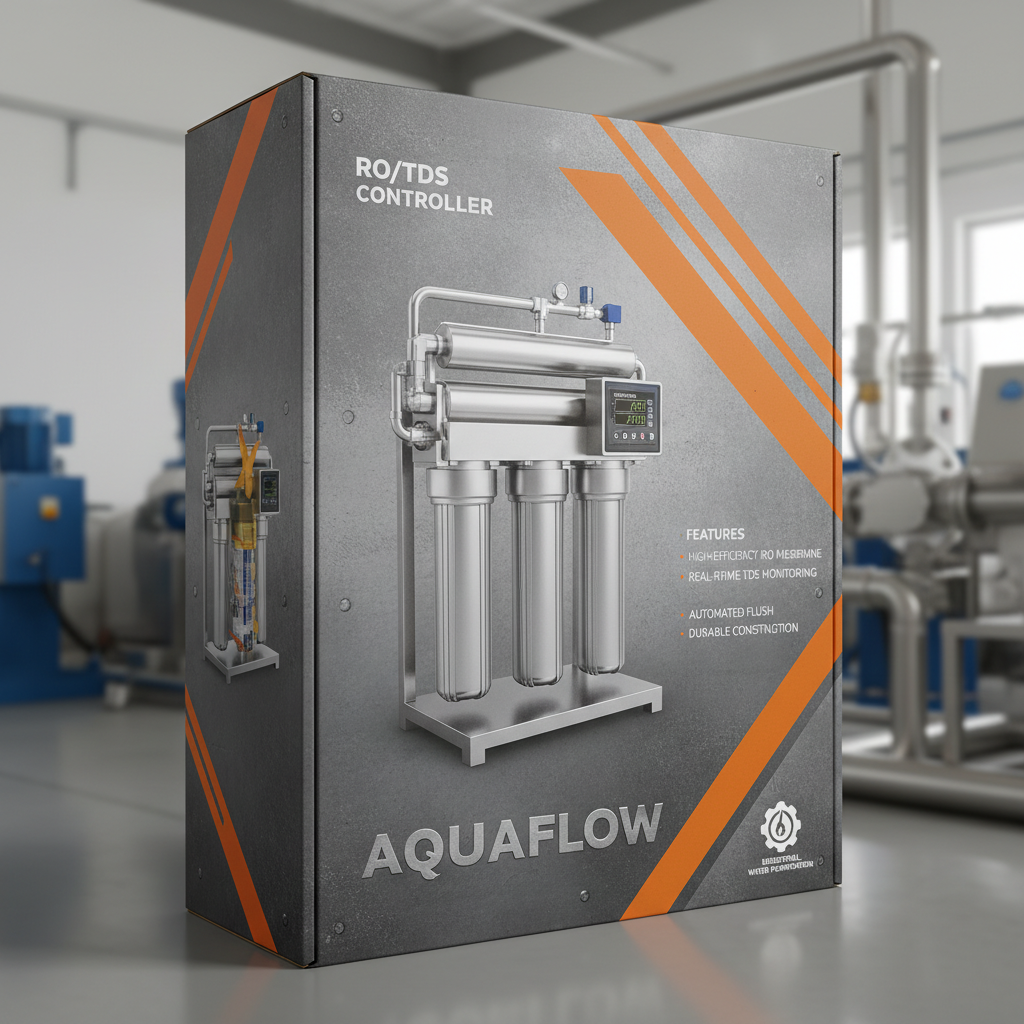
Guide to Water Purity Using RO with TDS Controller SystemsAchieving the perfect balance of mineral content and purity in drinking water is a challenge for many households and industrial facilities. A ro with tds controller offers a sophisticated solution by combining the rigorous filtration of Reverse Osmosis (RO) with the precision of a Total Dissolved Solids (TDS) adjustment system. While standard RO systems remove almost everything, including beneficial minerals, a TDS controller allows users to re-mineralize the water to a desired level. This ensures that the water is not only safe and pure but also tastes better and provides essential nutrients.
2026-04-07 03:17:09
Understanding and Optimizing Reverse Osmosis Systems with a ControllerIn the world of water purification, reverse osmosis (RO) systems are a cornerstone for producing high-quality water for various applications, from drinking water to industrial processes. However, an RO system is only as effective as its control system. This is where the reverse osmosis controller comes into play. This critical component manages and optimizes the RO process, ensuring efficient operation, water quality, and system longevity.
2026-04-04 03:27:19
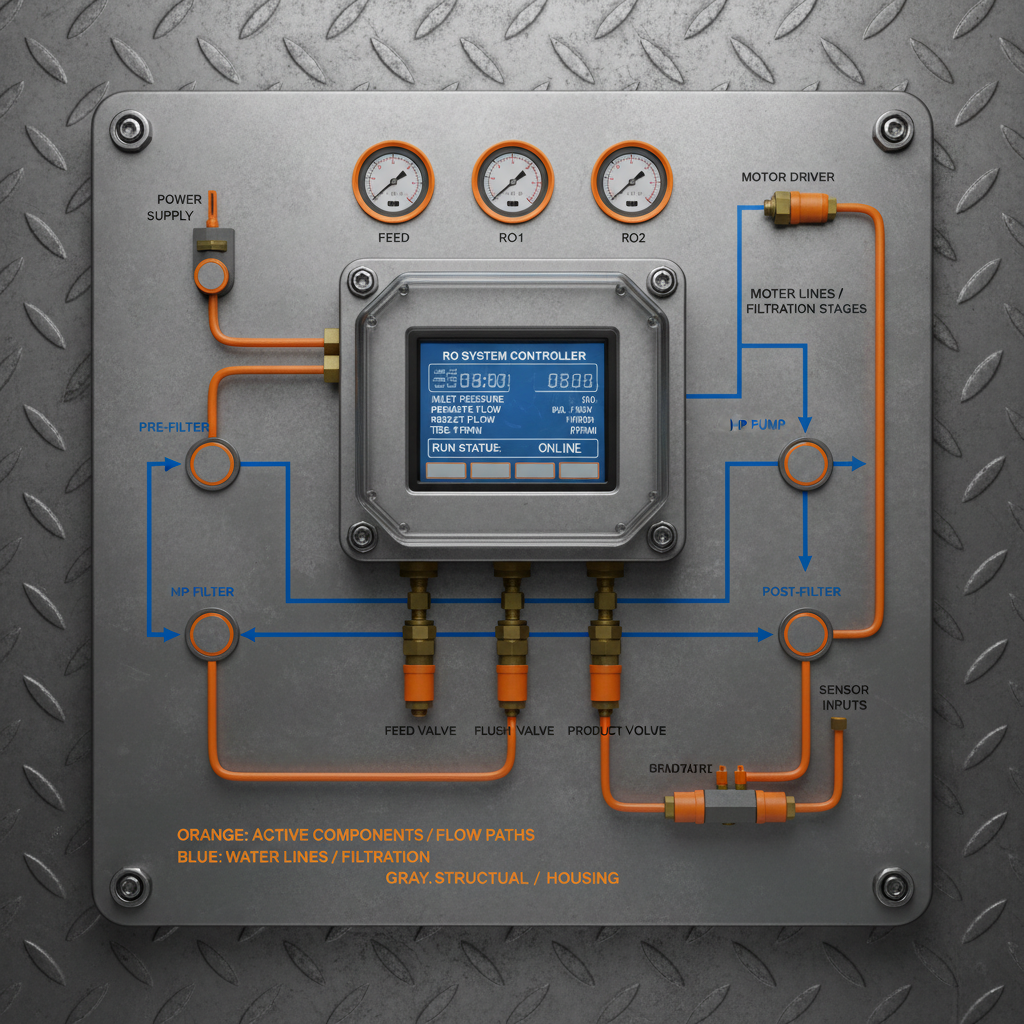
Understanding the Vital Role of an RO System Controller for Optimal PerformanceReverse Osmosis (RO) systems are critical for purifying water across various industries, from residential applications to large-scale industrial processes. At the heart of a well-functioning RO system lies the RO system controller. This intelligent device monitors and regulates all key parameters of the RO process, ensuring optimal performance, efficiency, and water quality. This article delves into the functionalities, benefits, and selection criteria for choosing the right RO system controller, particularly focusing on those offered by Watequipments. Understanding its role is crucial for maximizing the lifespan and effectiveness of your RO investment.
2026-03-24 17:18:24
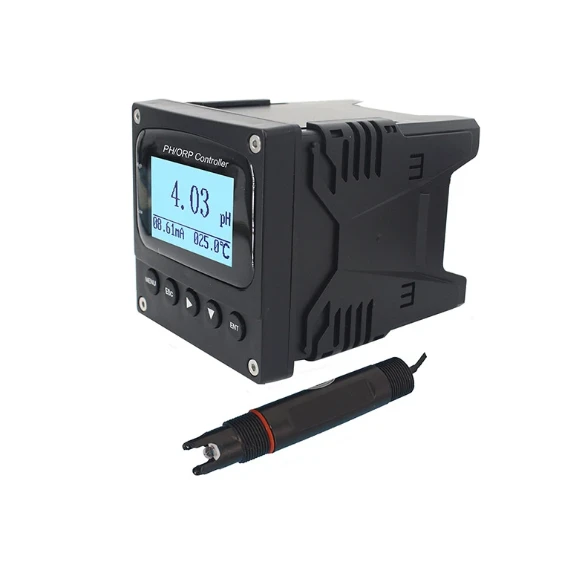
Smart Water Treatment Solutions Using PH ORP Controller SystemsIn modern water treatment and industrial fluid management, maintaining precise chemical balance is essential for safety, efficiency, and regulatory compliance.
2026-03-04 02:55:19
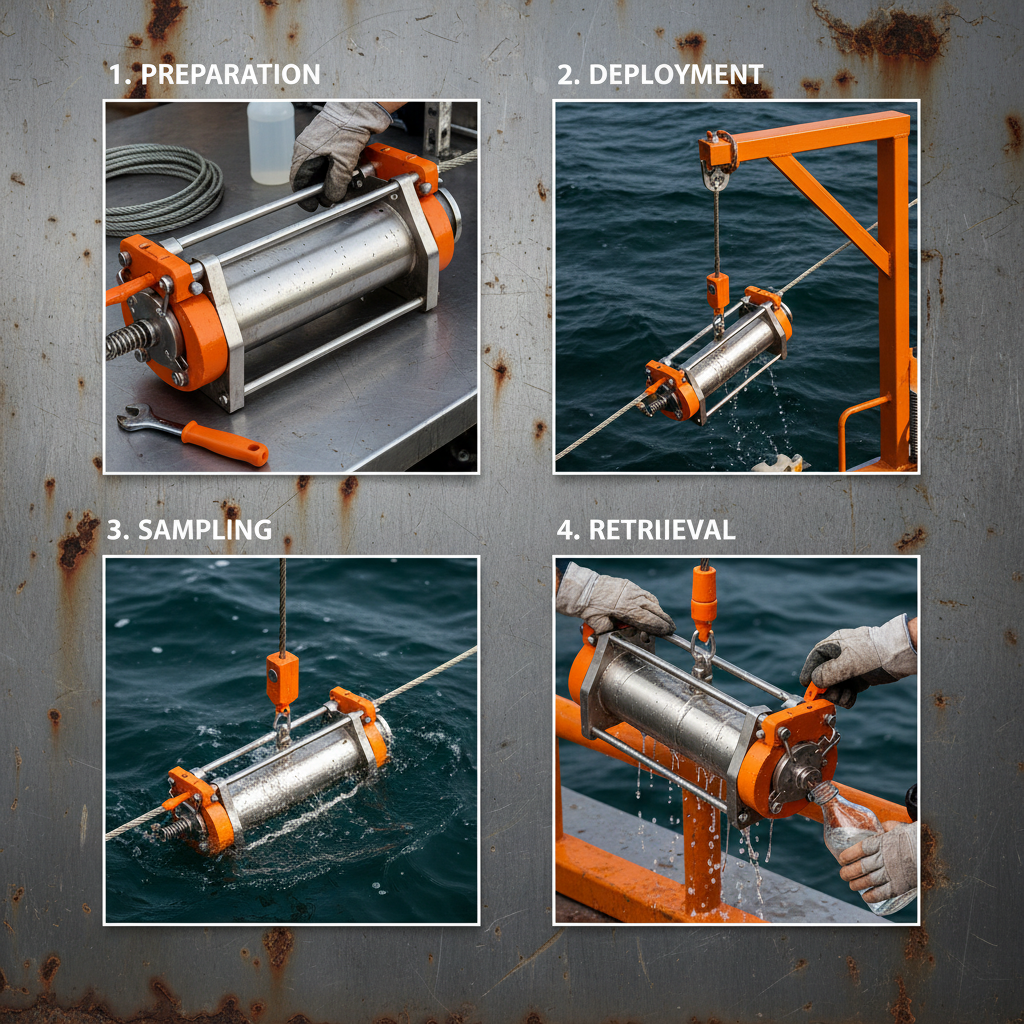
Comprehensive Guide to Water Depth Samplers and Their ApplicationsAccurate water quality monitoring is crucial in various fields, from environmental science and aquaculture to industrial wastewater management. A key tool for this is the water depth sampler. This article provides an in-depth look at water depth samplers, their applications, types, and essential considerations for choosing the right one for your needs. We'll explore the benefits of utilizing this equipment to collect reliable data for analysis and informed decision-making. Selecting the right sampler can significantly improve the precision and efficiency of your water monitoring program. A water depth sampler, also known as a depth-integrated sampler, is a device designed to collect water samples from specific depths within a body of water. Unlike simply dipping a container into the water, a depth sampler allows for collection of a representative sample across a defined depth range. This is critical because water properties (temperature, salinity, pollutants) often vary significantly with depth. The data gathered with a water depth sampler provides a more accurate assessment of water quality than surface samples alone.
2026-03-03 18:55:22
Comprehensive Guide to Horizontal Water Sampler Applications and SelectionCollecting water samples at varying depths is crucial for environmental monitoring, research, and quality control. The horizontal water sampler from Watequipment.com offers a precise and efficient solution for this task. This article provides an in-depth look at horizontal water samplers, their applications, benefits, and key considerations when choosing the right model. We will explore how these samplers contribute to accurate data collection and informed decision-making in various fields. A horizontal water sampler is a device designed to collect water samples from specific depths within a body of water – rivers, lakes, oceans, reservoirs, and even wastewater treatment plants. Unlike vertical samplers which primarily focus on depth, horizontal samplers prioritize collecting samples at a consistent depth while moving along a horizontal plane. This is essential for assessing water quality variations across a waterway or within a specific zone. They are used in applications ranging from environmental monitoring and scientific research to industrial process control and regulatory compliance.
2026-02-28 02:35:09
Comprehensive Guide to Selecting the Right Surface Water Sampler for Your NeedsMonitoring the quality of surface water is critical for environmental protection, public health, and various industrial applications. A surface water sampler is an essential tool for collecting representative samples from rivers, lakes, ponds, and other surface water sources. This article provides a detailed overview of surface water samplers, their types, applications, and key considerations for selecting the right equipment. Accurate water quality data relies on proper sample collection, and choosing the correct sampler is the first step toward achieving reliable results. Surface water samplers come in various designs, each suited to specific sampling needs. Common types include grab samplers, depth-integrating samplers, peristaltic pumps, and automatic samplers. Surface water samplers are used across a broad spectrum of applications, including environmental monitoring, wastewater discharge monitoring, drinking water source monitoring, agricultural runoff analysis, and research studies.

 English