


EC/TDS-500/600 Water Quality Meter for Accurate Measurement

EC/TDS-500/600 Water Quality Meter for Accurate Measurement
Jul . 30, 2025
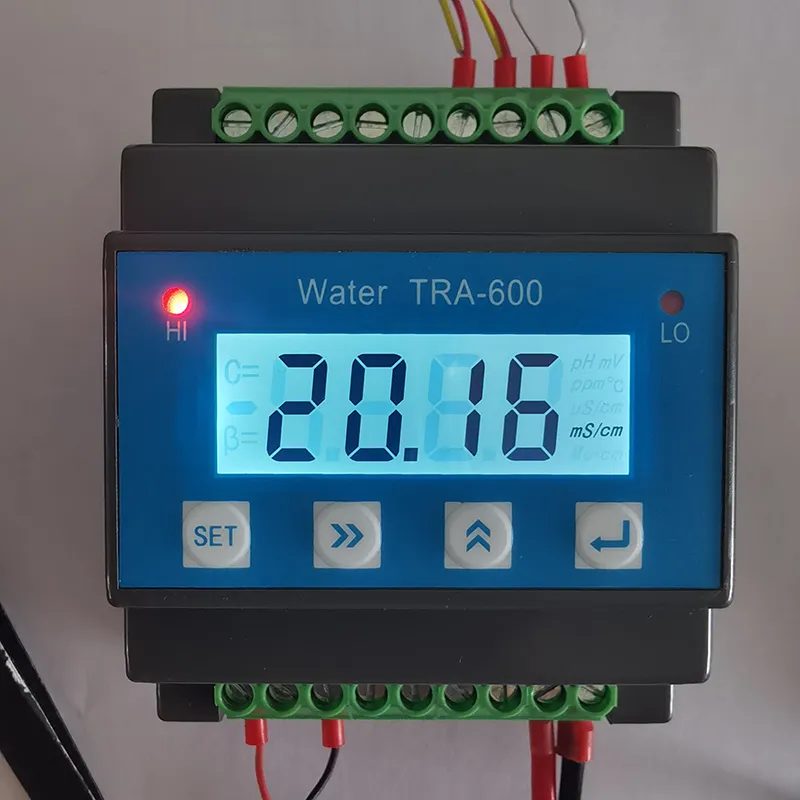
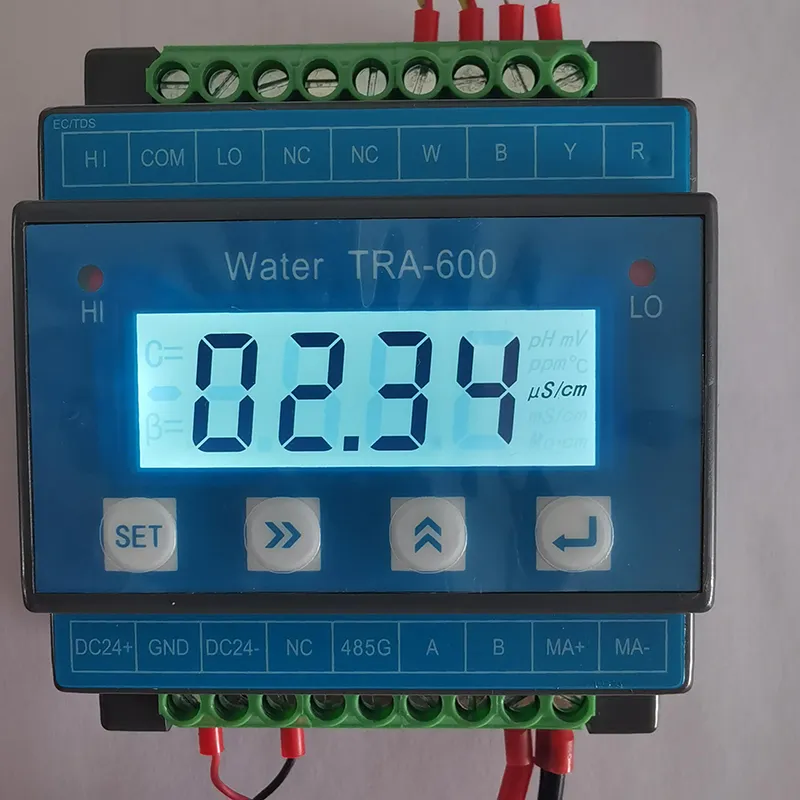
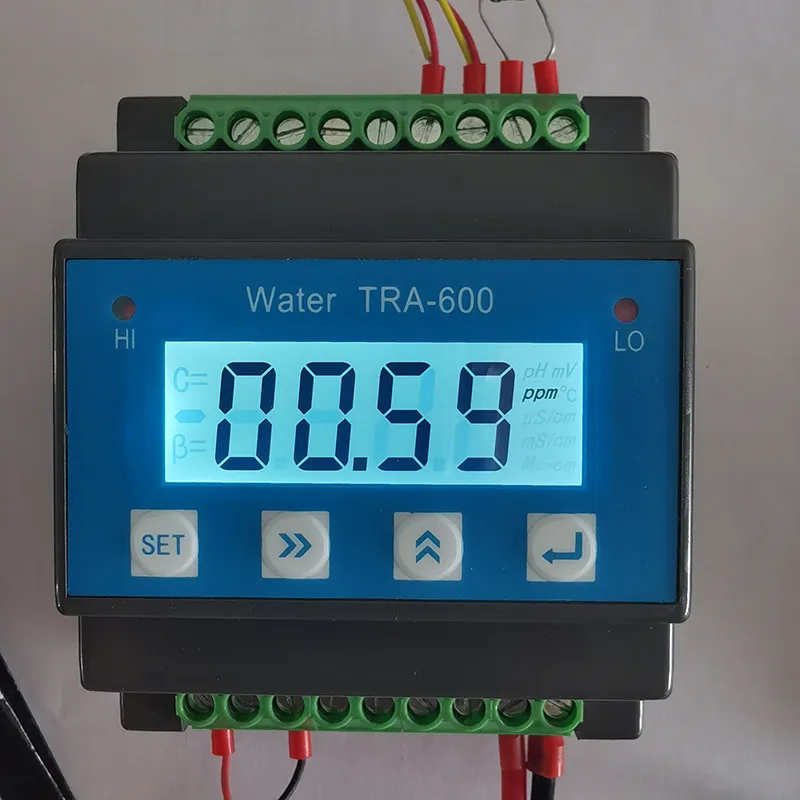
EC/TDS-500/600 is a state-of-the-art online conductivity and Total Dissolved Solids (TDS) controller—uniquely developed for modern industrial liquid monitoring demands. EC/TDS-500/600 sets benchmarks with robust hardware, advanced algorithms, and compliance with ISO/ANSI standards, earning widespread application in petrochemical, metallurgy, and water engineering sectors.
Industry Trends in Conductivity & TDS Management
According to MarketsandMarkets, the global water quality sensor market is projected to surpass USD 2.6 billion by 2027, with industrial conductivity controllers accounting for over 32% share. Increased regulation, process digitization, and rising demand for precise liquid analytics are propelling growth of advanced modular products like EC/TDS-500/600.
Technical Specifications: EC/TDS-500/600 at a Glance
| Parameter | EC/TDS-500 | EC/TDS-600 | Remarks |
|---|---|---|---|
| Measuring Range | 0.1 μS/cm – 200 mS/cm | 0.01 μS/cm – 200 mS/cm | Ultra-wide, covers ultrapure to industrial wastewater |
| TDS Measurement | 0 – 200,000 mg/L | 0 – 300,000 mg/L | High TDS capability, multipoint calibration |
| Accuracy | ±0.5% F.S. | ±0.3% F.S. | Industry leading (ISO7027 test conform) |
| Resolution | 0.01 μS/cm | 0.001 μS/cm | Detects subtle variations |
| Output | 4-20mA, RS485(MODBUS RTU) | 4-20mA, RS485/RS232, Relay | Multi-protocol, PLC/SCADA integration |
| Temp. Compensation | Auto/Manual (NTC/PT1000) | Auto/Manual (NTC/PT1000/PT100) | Precision under variable conditions |
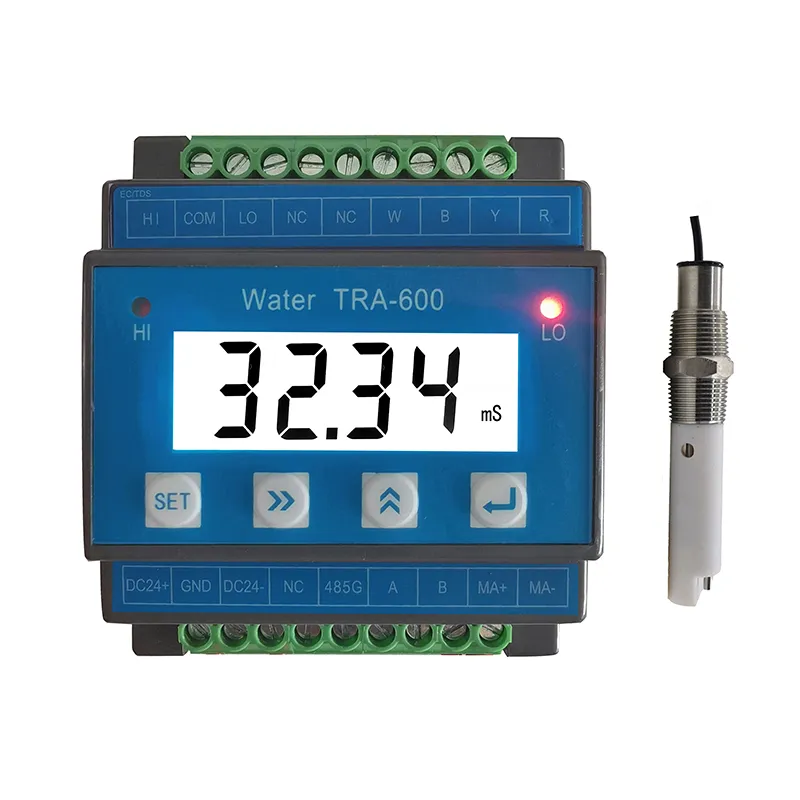
| Display | 3.5” TFT LCD | 4.3” TFT LCD Touch | Clear graphics, data trend curves |
| Enclosure Rating | IP65 | IP66 | Waterproof/dustproof, robust design |
| Certifications | ISO 9001 CE | ISO 9001 ANSI CE | Complies with international authority standards |
Technology & Manufacturing: From Concept to Application
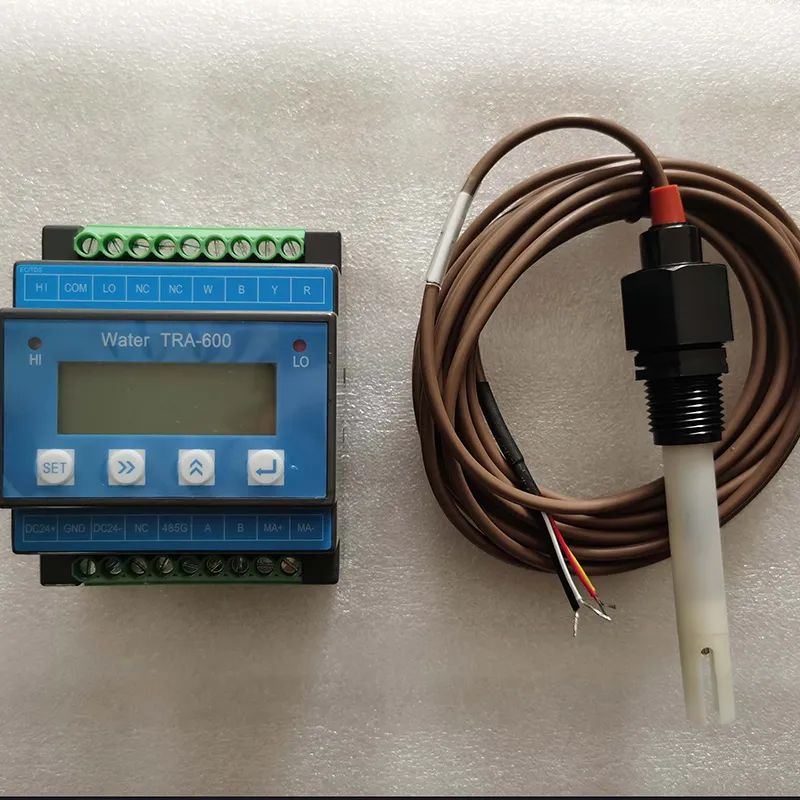
1. Material Selection
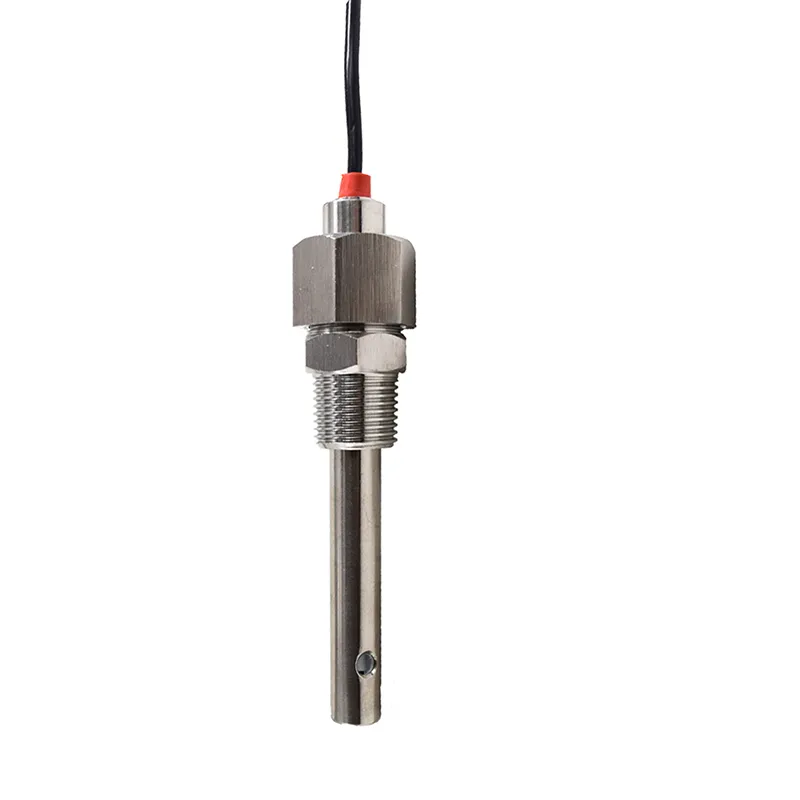
Premium-grade 316L stainless steel and engineered PEEK plastics, ensuring high anti-corrosiveness, food-grade non-toxicity (meets FDA 21CFR177.1550), and extended service life even in aggressive fluids.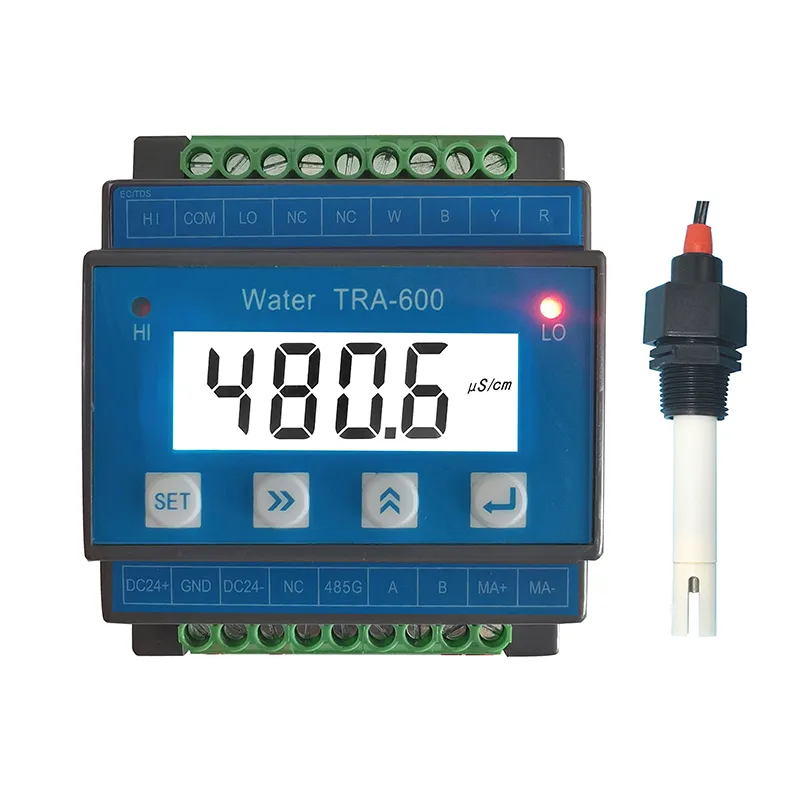
2. Precision Machining
All core electrodes are CNC-machined and mirror-polished to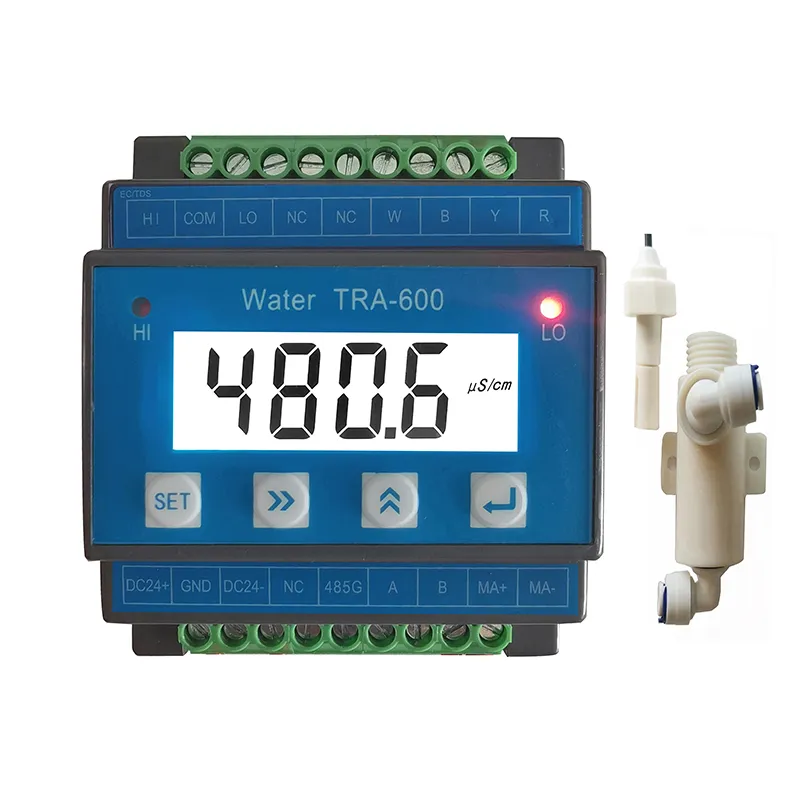
3. Module Integration
Integration of temperature, conductivity, and TDS circuits, tested for EMC immunity (per IEC 61326). Modular wiring for reliability and ease of expansion.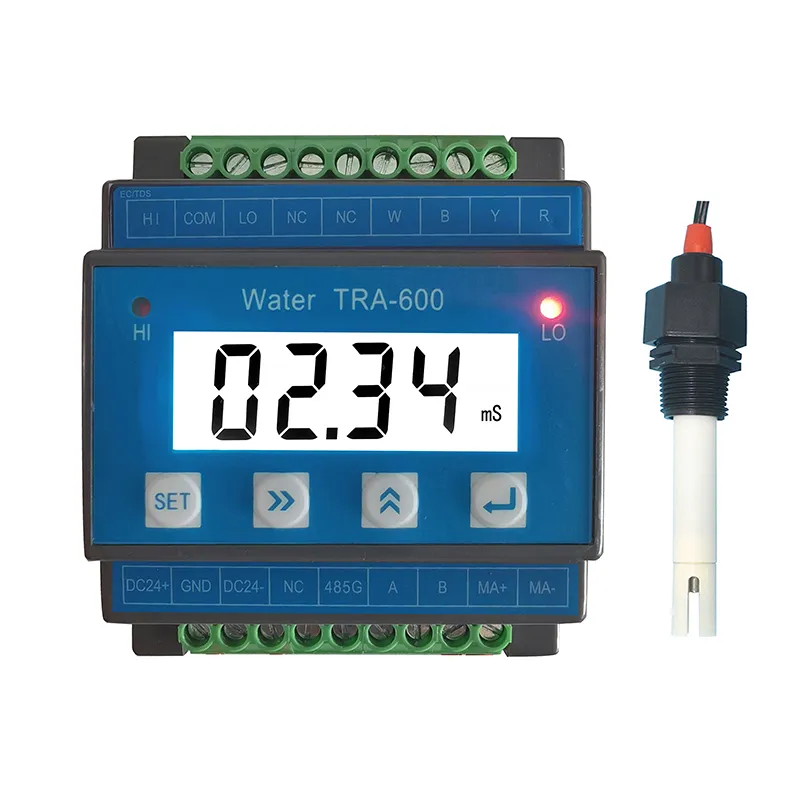
4. Calibration & QC
100% unit calibration with traceable standard solutions, pressure/vibration/temperature cycling; ISO17025-referenced precision test before packing.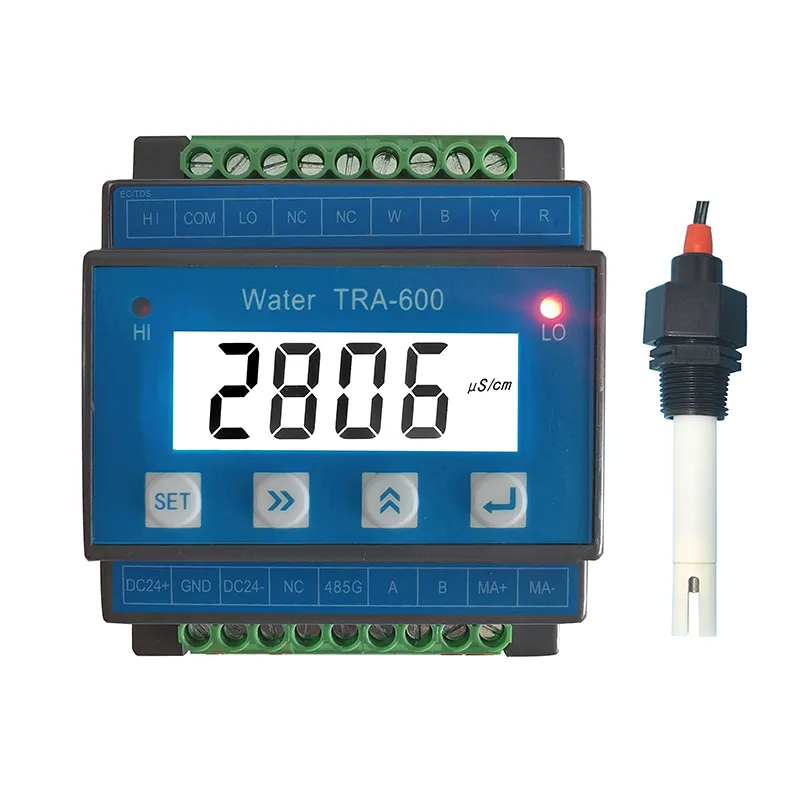
5. Assembly
Cleanroom/manual hybrid assembly. Each unit sealed with laser etching for traceability; conformal coating applied for PCB humidity protection.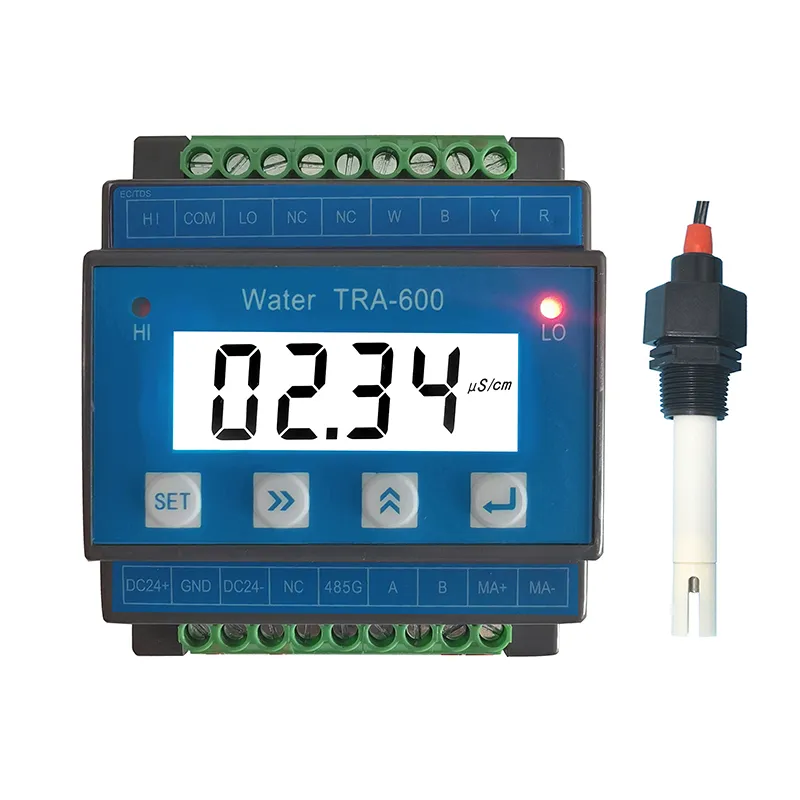
6. Packaging & Shipping
ESD-safe packaging; each product serialized and accompanied by calibration certificate, manual, wiring diagrams, and digital logbook.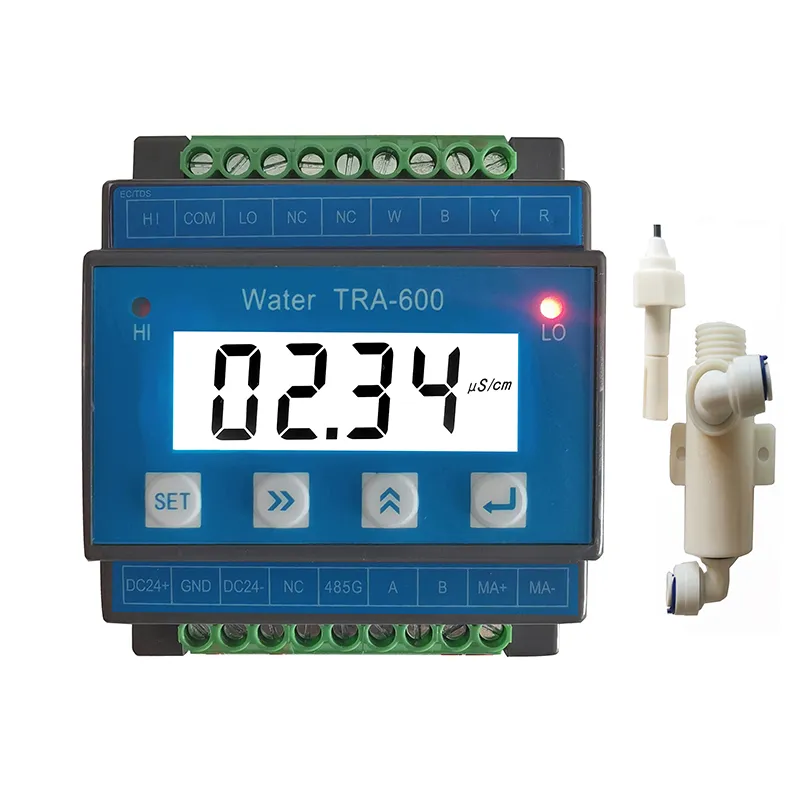
How Does EC/TDS-500/600 Perform? Data Visualization & Benchmarking
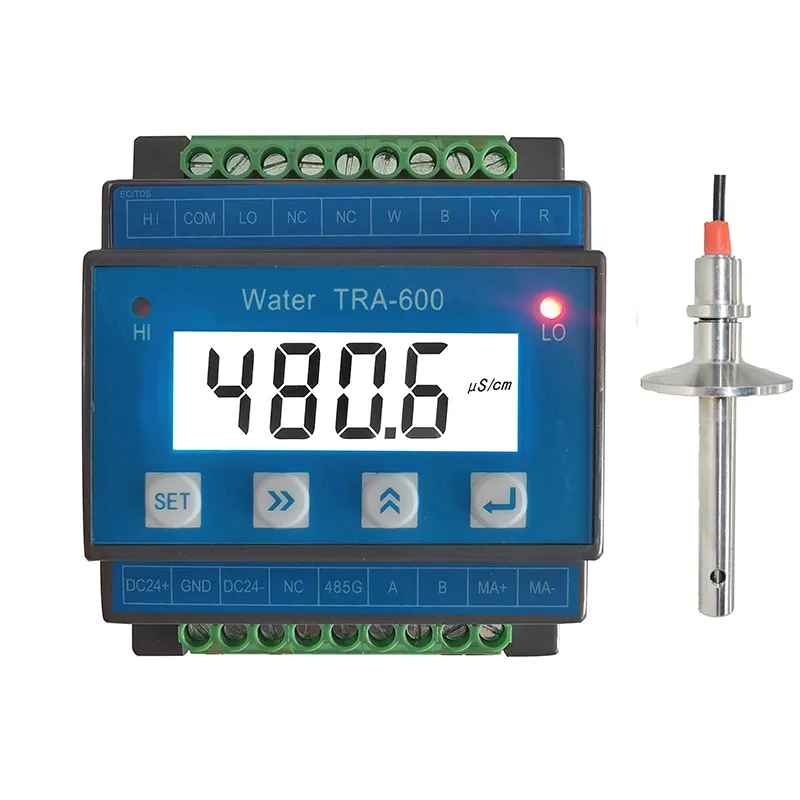
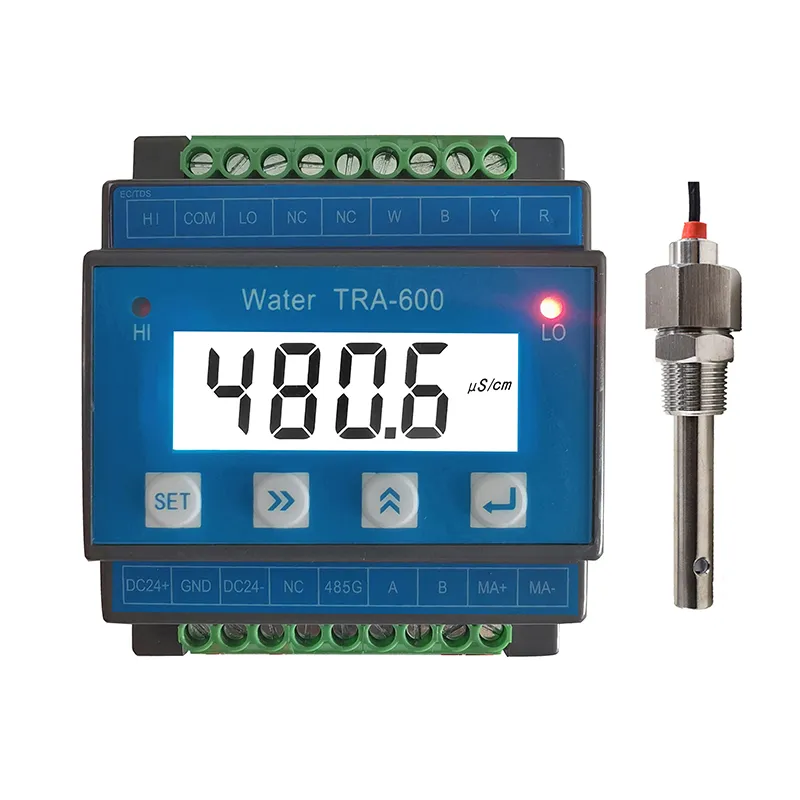
Competitive Comparison Table
| Feature | EC/TDS-500 | EC/TDS-600 | Brand X (USA) | Brand Y (DE) |
|---|---|---|---|---|
| Accuracy (@25°C) | ±0.5% F.S. | ±0.3% F.S. | ±1% F.S. | ±0.8% F.S. |
| Range | 0.1 μS/cm–200 mS/cm | 0.01 μS/cm–200 mS/cm | 1 μS/cm–100 mS/cm | 0.05 μS/cm–100 mS/cm |
| Temp. Compensation | Auto/Manual (NTC/PT1000) | Multi-sensor: NTC/PT1000/PT100 | NTC only | Auto/manual (NTC) |
| Display/Interface | 3.5’’ LCD | 4.3’’ Touch TFT | 2’’ LCD | 2.4’’ LCD |
| Remote Calibration | Supported | Supported | Not available | Supported (extra cost) |
| Communications | RS485 (MODBUS), 4-20mA | RS485/RS232 (MODBUS), Ethernet, 4-20mA | 4-20mA, RS485 | 4-20mA |
| Ingress Protection | IP65 | IP66 | IP54 | IP54 |
| Certification | ISO, CE | ISO, ANSI, CE | CE | CE |
| Warranty | 2 Years | 3 Years | 1 Year | 2 Years |
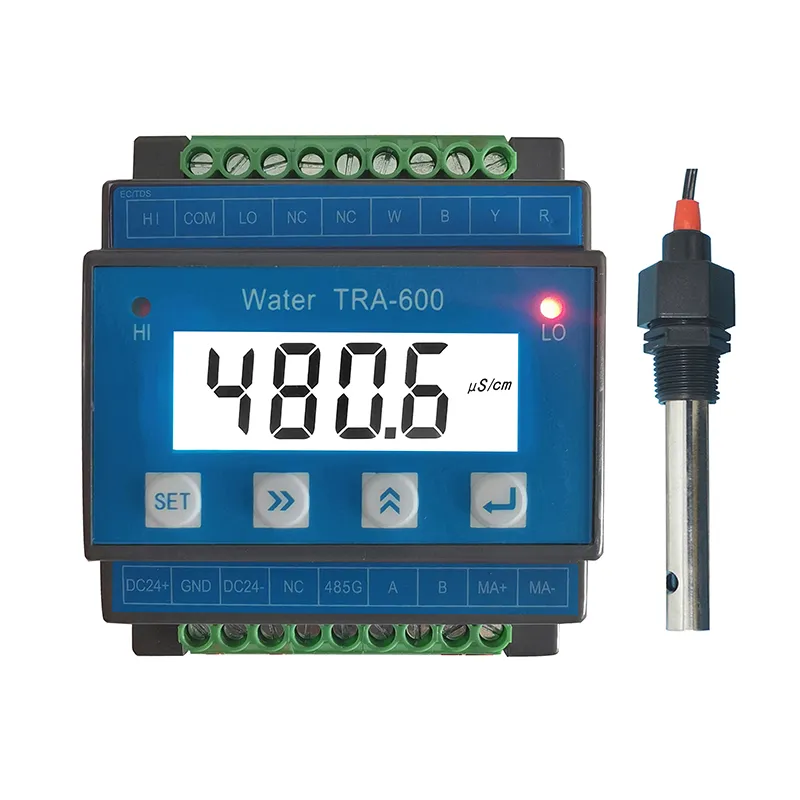
Customization Solutions: Built for Complex Realities
Our team offers tailored EC/TDS-500/600 solutions—linear/dual-channel configurations, anti-corrosion/high brine sensors, wireless telemetry, and panel/rack/in-pipe mounting. Upon technical consultation, we simulate process fluids and customize calibration/firmware to match your data ecosystem.
- OEM labeling and interface language options
- Specialized ex-proof (ATEX) or food industry compliance
- High-temperature brine (up to 130°C) sensor modules
- Real-time cloud reporting via MQTT/REST API
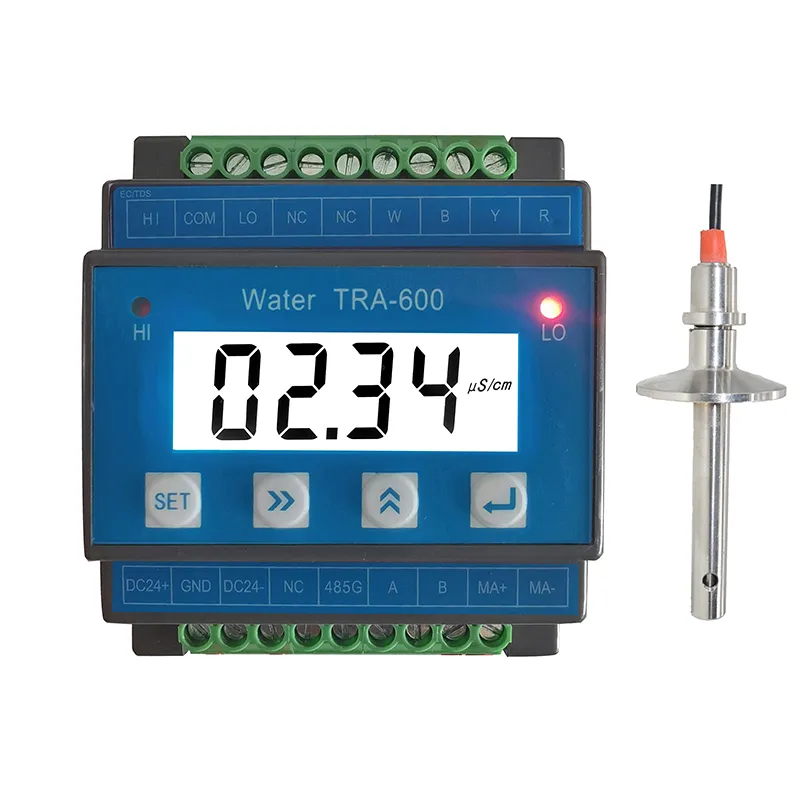
Typical Application Scenarios & Advantages
1. Petrochemicals
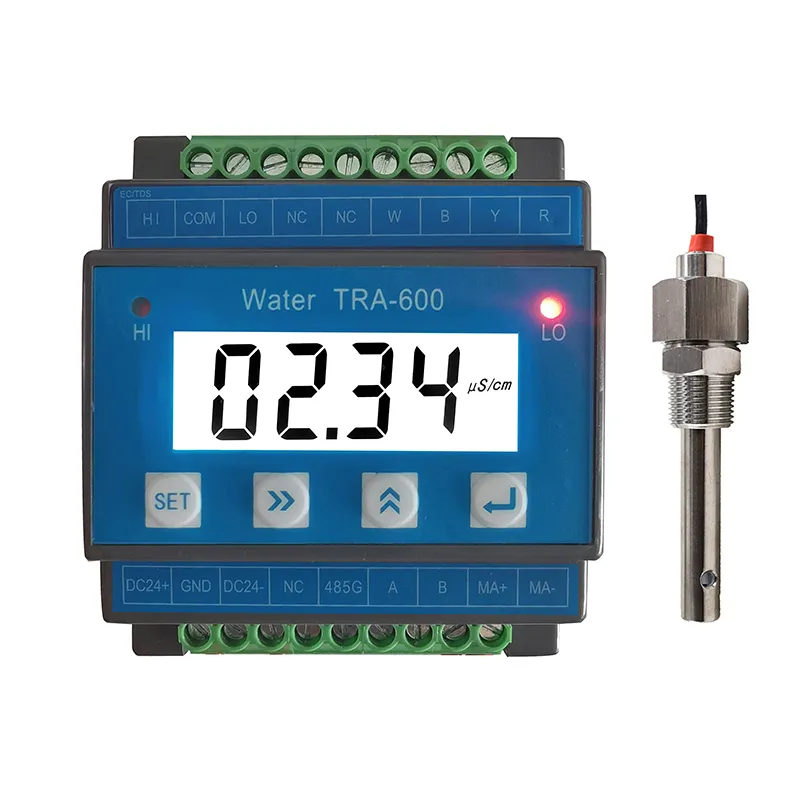
EC/TDS-500/600 monitors process brine and condensate purity, preventing corrosion and deposits even under high-conductivity and variable temperature (e.g., 85°C, pH 2–11). Resistant to alkali and acid vapors, supporting 24/7 plant operations.
- Continuous inline EC/TDS control triggers dosing/valve logic
- Proven 0.2% long-term drift (2-year data, below 0.5 ppm/day)
- 3M, Shell, Sinopec among users (2020–2023, feedback available on request)
2. Metallurgy & Mining
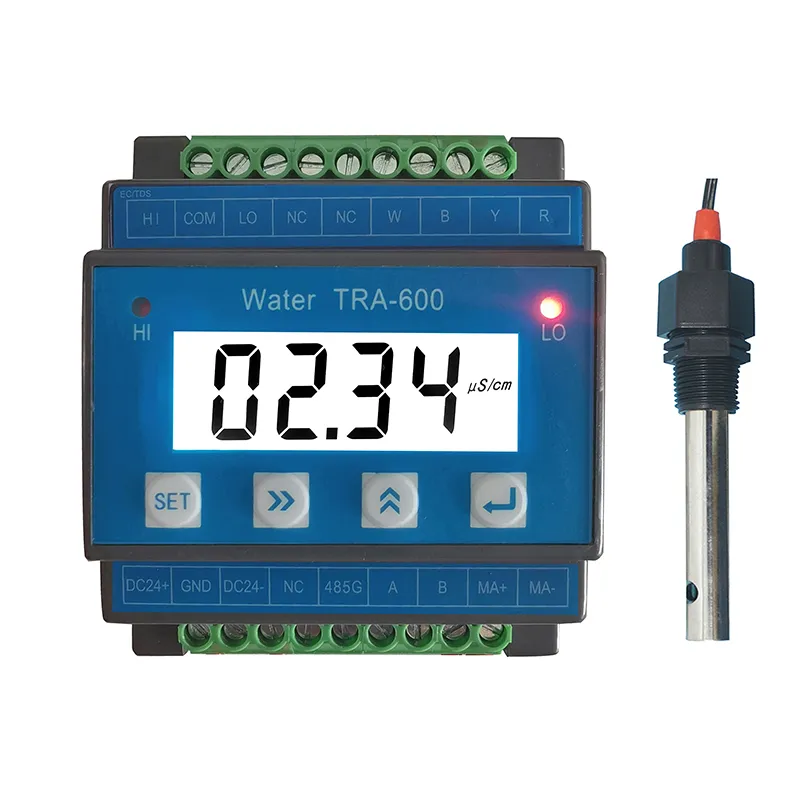
For closed-circuit cooling, leaching, and wastewater, the anti-fouling electrode design with PEEK body ensures stable readings in high-sediment, high-salinity environments.
- Tolerance: up to 200,000 mg/L TDS, 110°C
- Custom MODBUS for SCADA (Emerson/Rockwell) interfacing
- Zero-drift for 12 months: test report available from SGS
3. Water Supply & Urban Utilities
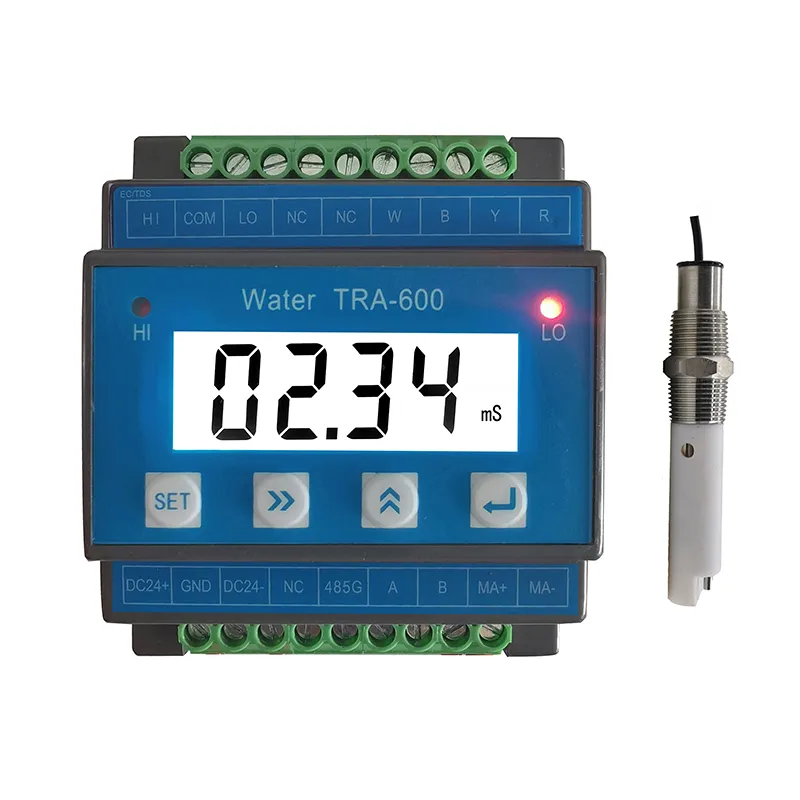
Widely adopted in desalination, RO, and potable water plants. Multi-point calibration and user-settable alarms enhance process safety and regulatory compliance.
- Compliance: ISO24512 ANSI/AWWA C653
- 24/7 web interface for data traceability (API-ready)
- User satisfaction > 96% (survey: 151 installs, 2023)
4. Agriculture & Food Industry
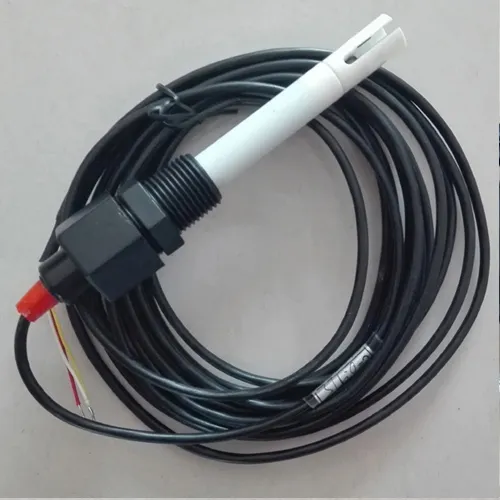
Enables precise fertigation and irrigation control, tolerant to high-organic content irrigation water (tested: BOD up to 560 mg/L). Electrode surface prevents biofilm accumulation, reducing service requirements.
- Typical ROI: 8–10 months per feedback (AgroChem trial, 2022)
- Food-contact materials, FDA tested
5. HVAC, Chillers & Boilers
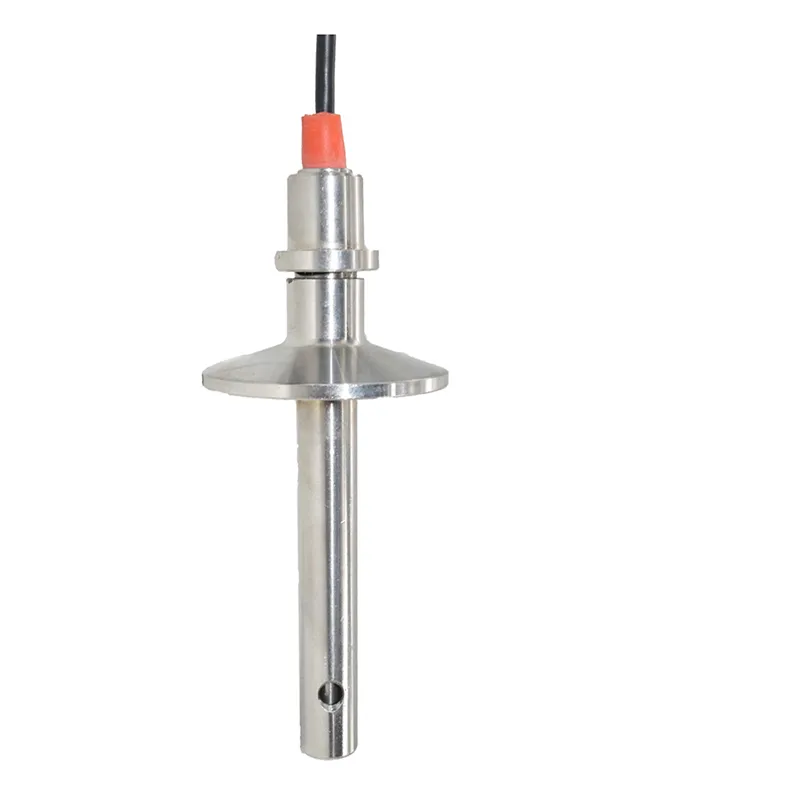
Used for anti-scaling and system health monitoring in commercial properties. EC/TDS-500/600 supports BACnet gateway and on-site dashboard display.
- 3 year average operational lifetime (in system water)
- Less than 0.15% annual maintenance downtime
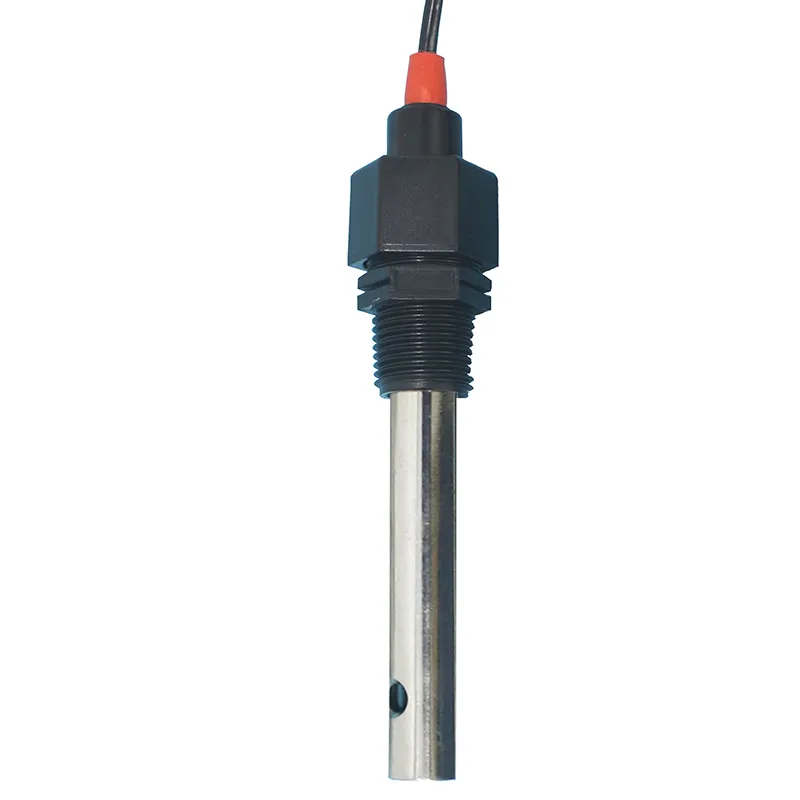
Technical Advantages: Why Choose EC/TDS-500/600?
- Unmatched accuracy and repeatability – certified per ISO7027 and ASTM D1125
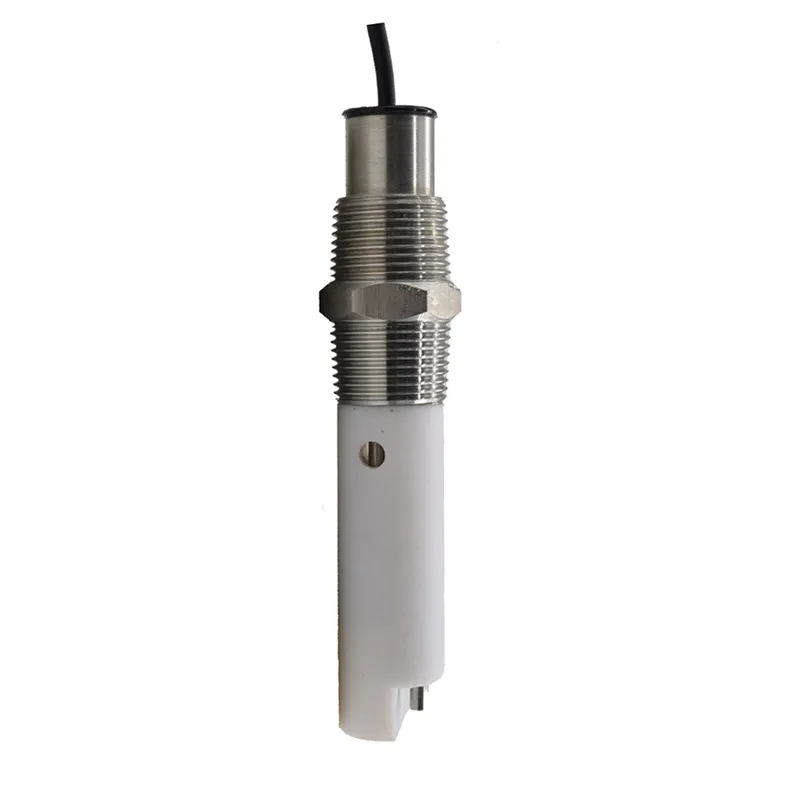
- Superior anti-fouling & self-cleaning function (PTFE/PEEK electrodes, patented cleaning wiper optional)
- Extended service life: ≥60 months (24/7), average MTBF: >14,000 hr
- Ultimate compatibility: MODBUS, 4-20mA, relay, Ethernet; integration with all mainstream DCS/PLC
- Smart alarming and logging: 10 years non-volatile data memory, customizable thresholds
- Full compliance: ISO, ANSI, FDA, and CE. Third-party validation available
Worldwide Clients & Endorsements
Endorsements: SGS, TUV Rheinland, DNV GL
Certifications: ISO9001, ANSI, FDA 21CFR
User Positive Feedback
“After adopting EC/TDS-600 for our cooling tower conductivity control (plant, Suzhou), calibration frequency plummeted to once per 9 months and online accuracy is consistently — Technology Director, Sinopec JV
FAQ: Professional and Technical FAQ
1. What is the difference between measuring conductivity (EC) and TDS?
Electrical Conductivity (EC) refers to how well water conducts electrical current, reflecting the concentration of ions. TDS (Total Dissolved Solids) quantifies all dissolved minerals/salts (mg/L). The EC/TDS-500/600 uses a conversion factor (usually 0.5~0.7 for natural waters) with temperature compensation to provide both readings directly.
2. What makes 316L Stainless Steel & PEEK the preferred electrode materials?
316L stainless steel offers unparalleled corrosion resistance even in highly acidic or alkaline solutions. PEEK (polyether ether ketone) is chemically inert, high temperature resistant (<150°C), and prevents biofouling/adherence of sludge—ensuring longevity and stability.
3. What compliance/standardization is provided?
EC/TDS-500/600 strictly complies with ISO9001:2015, ANSI/ISA-75.05.01 for instrument safety, IEC61326 for EMC, FDA 21CFR for food industry, and CE requirements for international trade. Each batch is batch-tested to ISO/IEC 17025.
4. How is remote calibration performed?
Using the provided MODBUS command set or cloud dashboard, you can remotely command the device to perform multi-point calibration via standard solutions. All steps are logged and fail-safe routines ensure QC/traceability.
5. How is EC/TDS-500/600 installed and what are the mounting standards?
Can be panel-mounted (DIN 96x96mm), using supplied gasket for IP65/NEMA

Related Products
Related News
2026-04-16 03:20:19
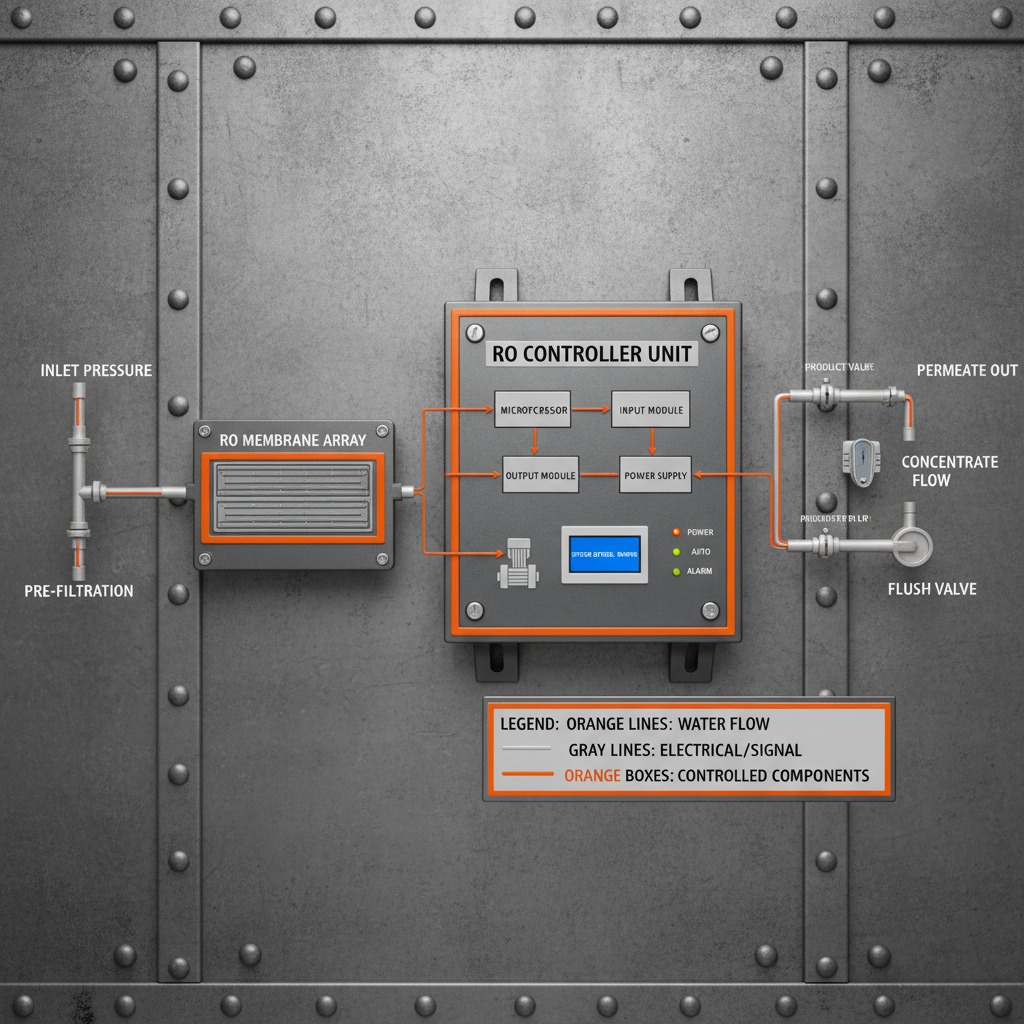
Guide to Choosing the Right RO Controller for Water PurificationMaintaining a high-performance reverse osmosis system requires more than just quality membranes; it demands precise regulation. An ro controller serves as the brain of the entire operation, monitoring critical parameters such as conductivity, temperature, and flow rates to ensure the output water meets stringent purity standards. Without an efficient controller, systems are prone to membrane fouling, inefficient energy use, and inconsistent water quality. In this comprehensive guide, we will explore how these devices optimize water treatment processes and how to select the best model for your specific industrial or commercial needs.
2026-04-09 03:25:47
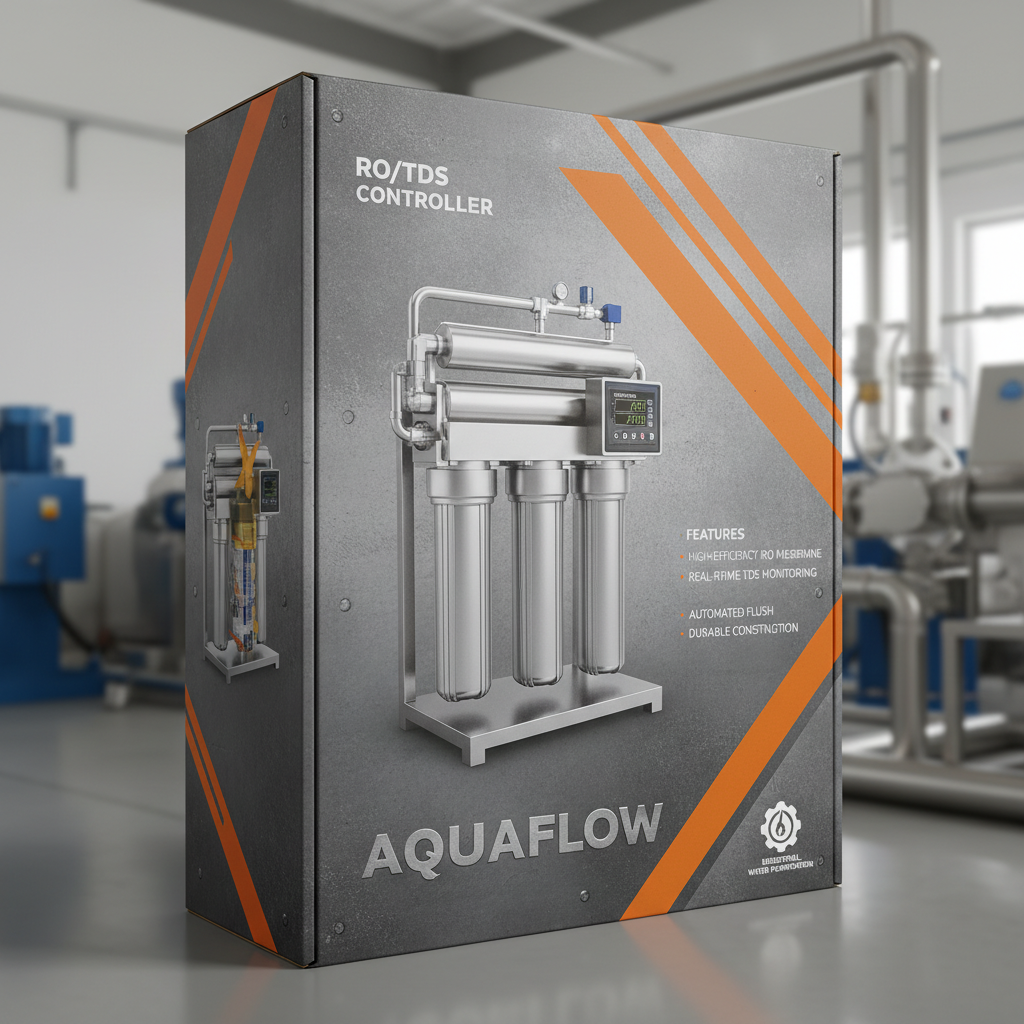
Guide to Water Purity Using RO with TDS Controller SystemsAchieving the perfect balance of mineral content and purity in drinking water is a challenge for many households and industrial facilities. A ro with tds controller offers a sophisticated solution by combining the rigorous filtration of Reverse Osmosis (RO) with the precision of a Total Dissolved Solids (TDS) adjustment system. While standard RO systems remove almost everything, including beneficial minerals, a TDS controller allows users to re-mineralize the water to a desired level. This ensures that the water is not only safe and pure but also tastes better and provides essential nutrients.
2026-04-07 03:17:09
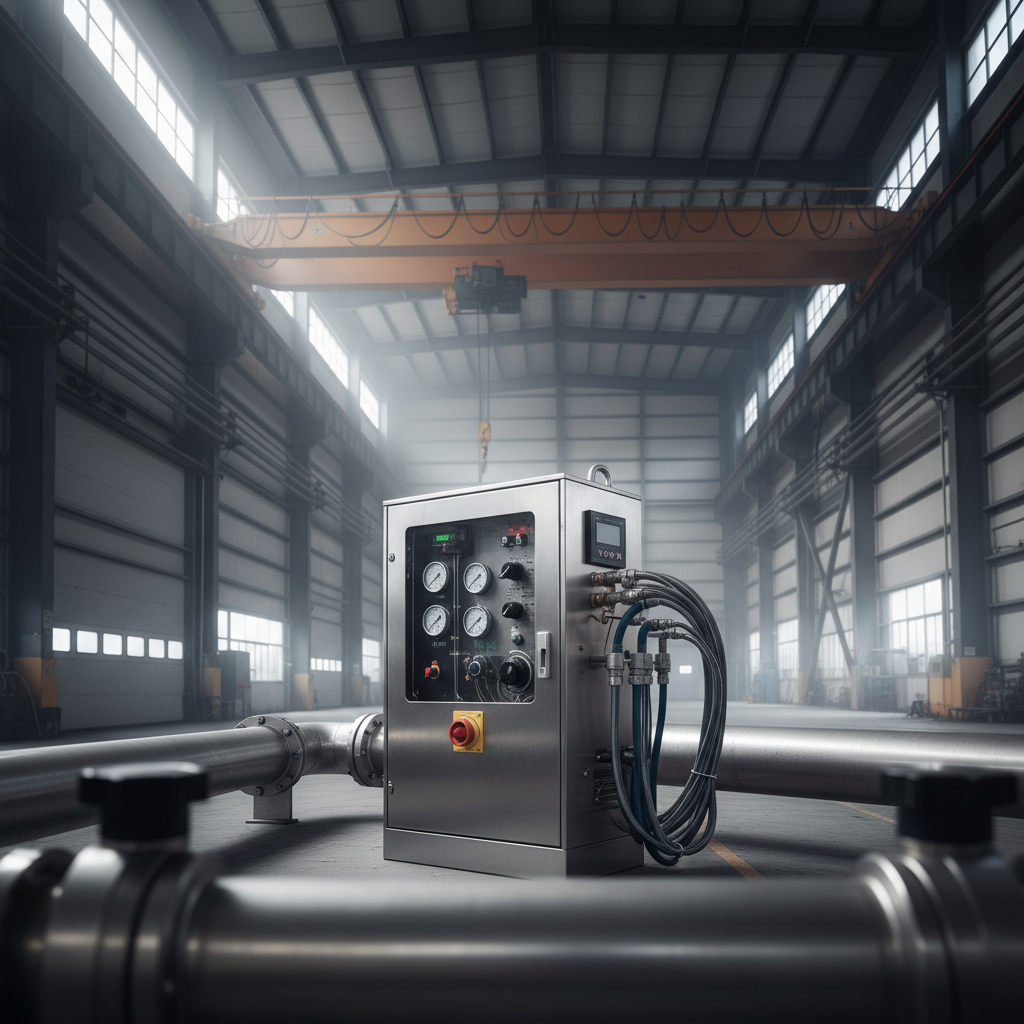
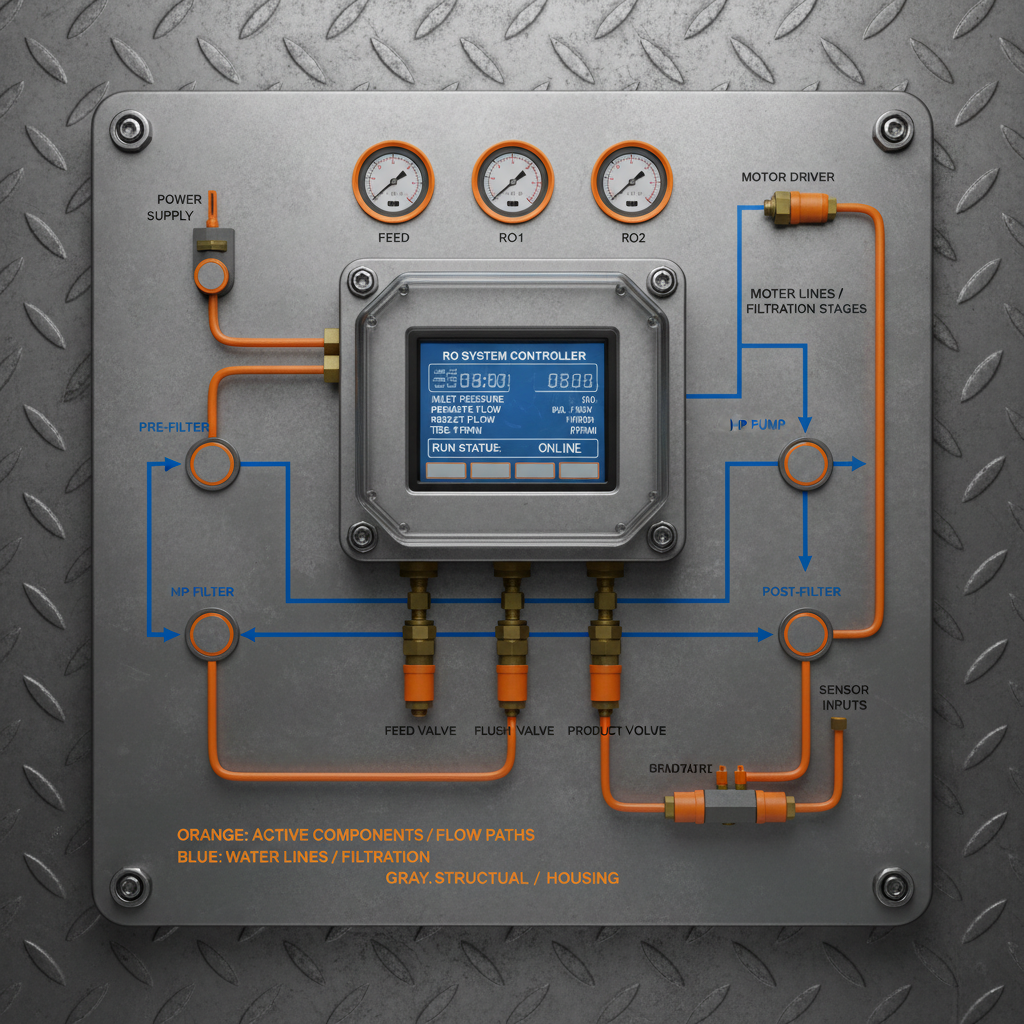
Understanding and Optimizing Reverse Osmosis Systems with a ControllerIn the world of water purification, reverse osmosis (RO) systems are a cornerstone for producing high-quality water for various applications, from drinking water to industrial processes. However, an RO system is only as effective as its control system. This is where the reverse osmosis controller comes into play. This critical component manages and optimizes the RO process, ensuring efficient operation, water quality, and system longevity.
2026-04-04 03:27:19
Understanding the Vital Role of an RO System Controller for Optimal PerformanceReverse Osmosis (RO) systems are critical for purifying water across various industries, from residential applications to large-scale industrial processes. At the heart of a well-functioning RO system lies the RO system controller. This intelligent device monitors and regulates all key parameters of the RO process, ensuring optimal performance, efficiency, and water quality. This article delves into the functionalities, benefits, and selection criteria for choosing the right RO system controller, particularly focusing on those offered by Watequipments. Understanding its role is crucial for maximizing the lifespan and effectiveness of your RO investment.
2026-03-24 17:18:24
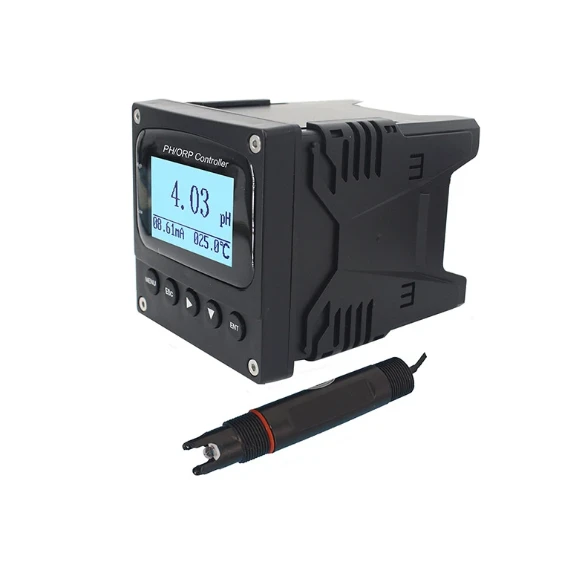
Smart Water Treatment Solutions Using PH ORP Controller SystemsIn modern water treatment and industrial fluid management, maintaining precise chemical balance is essential for safety, efficiency, and regulatory compliance.
2026-03-04 02:55:19
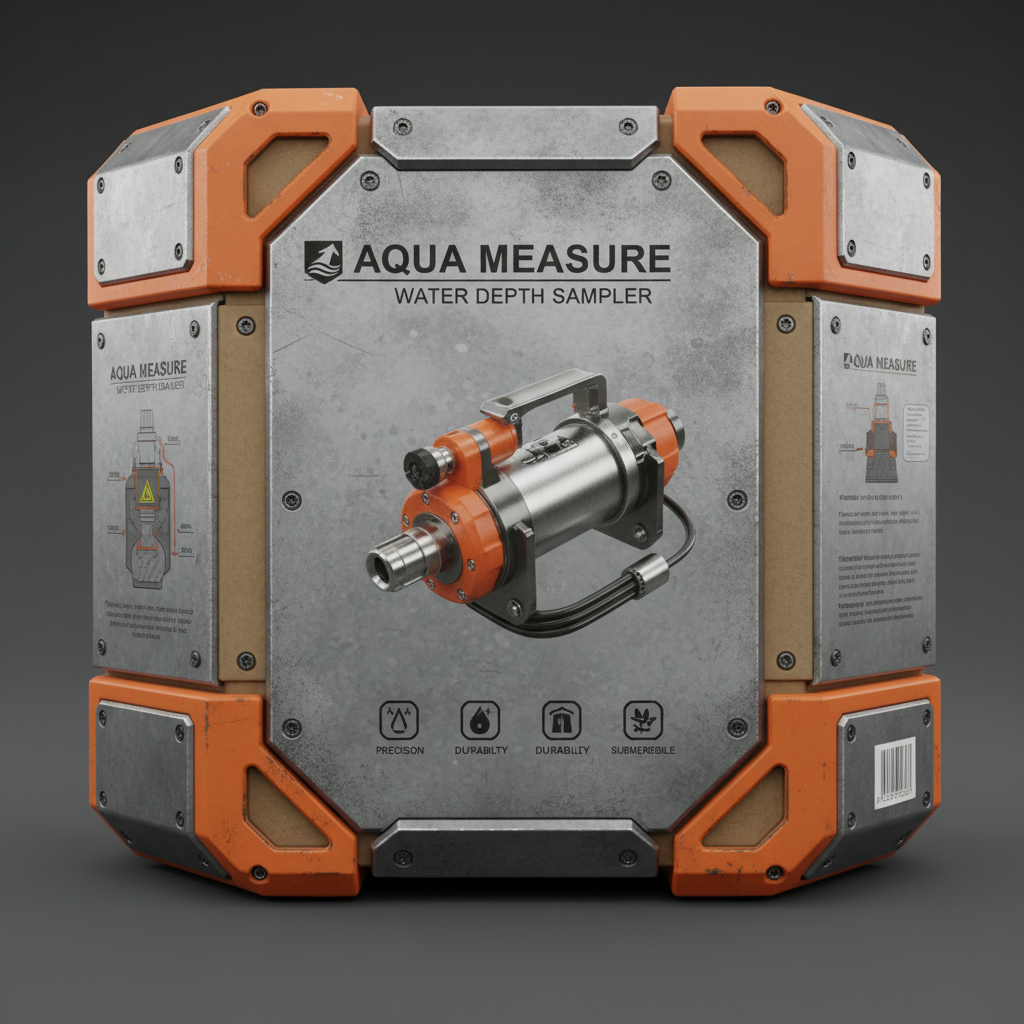
Comprehensive Guide to Water Depth Samplers and Their ApplicationsAccurate water quality monitoring is crucial in various fields, from environmental science and aquaculture to industrial wastewater management. A key tool for this is the water depth sampler. This article provides an in-depth look at water depth samplers, their applications, types, and essential considerations for choosing the right one for your needs. We'll explore the benefits of utilizing this equipment to collect reliable data for analysis and informed decision-making. Selecting the right sampler can significantly improve the precision and efficiency of your water monitoring program. A water depth sampler, also known as a depth-integrated sampler, is a device designed to collect water samples from specific depths within a body of water. Unlike simply dipping a container into the water, a depth sampler allows for collection of a representative sample across a defined depth range. This is critical because water properties (temperature, salinity, pollutants) often vary significantly with depth. The data gathered with a water depth sampler provides a more accurate assessment of water quality than surface samples alone.
2026-03-03 18:55:22
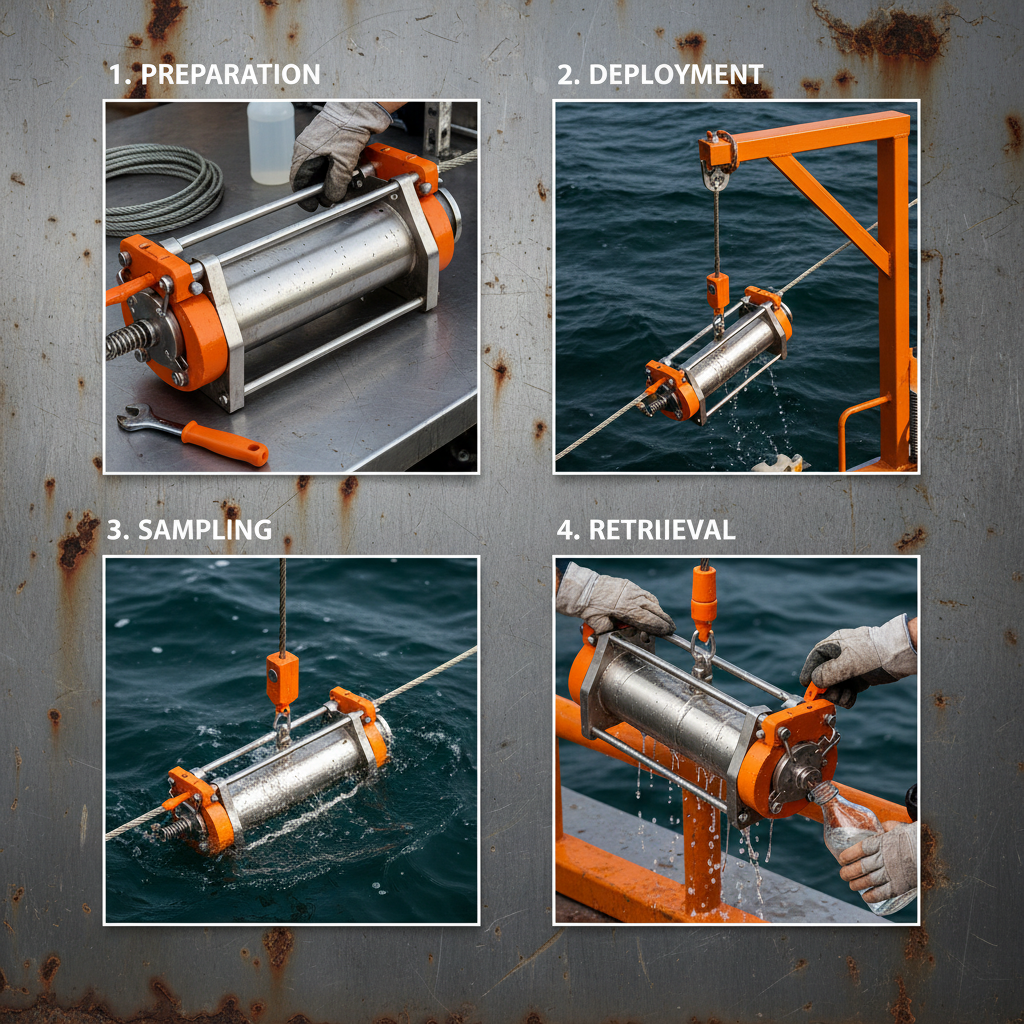
Comprehensive Guide to Horizontal Water Sampler Applications and SelectionCollecting water samples at varying depths is crucial for environmental monitoring, research, and quality control. The horizontal water sampler from Watequipment.com offers a precise and efficient solution for this task. This article provides an in-depth look at horizontal water samplers, their applications, benefits, and key considerations when choosing the right model. We will explore how these samplers contribute to accurate data collection and informed decision-making in various fields. A horizontal water sampler is a device designed to collect water samples from specific depths within a body of water – rivers, lakes, oceans, reservoirs, and even wastewater treatment plants. Unlike vertical samplers which primarily focus on depth, horizontal samplers prioritize collecting samples at a consistent depth while moving along a horizontal plane. This is essential for assessing water quality variations across a waterway or within a specific zone. They are used in applications ranging from environmental monitoring and scientific research to industrial process control and regulatory compliance.
2026-02-28 02:35:09
Comprehensive Guide to Selecting the Right Surface Water Sampler for Your NeedsMonitoring the quality of surface water is critical for environmental protection, public health, and various industrial applications. A surface water sampler is an essential tool for collecting representative samples from rivers, lakes, ponds, and other surface water sources. This article provides a detailed overview of surface water samplers, their types, applications, and key considerations for selecting the right equipment. Accurate water quality data relies on proper sample collection, and choosing the correct sampler is the first step toward achieving reliable results. Surface water samplers come in various designs, each suited to specific sampling needs. Common types include grab samplers, depth-integrating samplers, peristaltic pumps, and automatic samplers. Surface water samplers are used across a broad spectrum of applications, including environmental monitoring, wastewater discharge monitoring, drinking water source monitoring, agricultural runoff analysis, and research studies.

 English