



EC/TDS/RM-6850: High-Precision Water Quality Meter for Industrial Use

EC/TDS/RM-6850: High-Precision Water Quality Meter for Industrial Use
Sep . 09, 2025
Article Outline
- Industry Trends in Process Monitoring
- The Precision Engineering Behind EC/TDS/RM-6850
- Technical Specifications of EC/TDS/RM-6850
- Versatile Application Scenarios
- Key Technical Advantages of EC/TDS/RM-6850
- Strategic Vendor Comparison
- Tailored Solutions with EC/TDS/RM-6850
- Real-World Application Case Studies
- Commitment to Quality and Reliability ( Module)
- Why Choose EC/TDS/RM-6850 for Your Operations
- References
Industry Trends in Process Monitoring
In today's rapidly evolving industrial landscape, the accurate and continuous monitoring of water quality parameters such as Electrical Conductivity (EC), Total Dissolved Solids (TDS), and Resistivity (RM) is paramount. Industries ranging from petrochemicals to pharmaceuticals increasingly rely on advanced instrumentation to ensure product quality, operational efficiency, regulatory compliance, and environmental stewardship. The shift towards smart manufacturing and Industry 4.0 paradigms necessitates robust, reliable, and intelligent sensors and controllers capable of seamless integration into complex automation systems.
The demand for ultra-pure water in sectors like semiconductor manufacturing and power generation has driven the need for instruments with exceptional precision in measuring resistivity at very low conductivity levels. Conversely, in wastewater treatment and environmental monitoring, the focus is on robust sensors that can accurately determine conductivity and TDS in challenging, high-concentration matrices. This dual demand for extreme precision and rugged reliability defines current industry trends. Furthermore, the push for energy efficiency and reduced chemical consumption in cooling towers and boiler systems highlights the importance of real-time monitoring to optimize blowdown cycles and chemical dosing, thereby minimizing operational costs and environmental impact.
It is within this context that the EC/TDS/RM-6850 controller emerges as a critical tool, designed to meet these diverse and stringent requirements. Its multi-parameter measurement capabilities, coupled with advanced data output options, position it as a cornerstone for modern process control strategies.
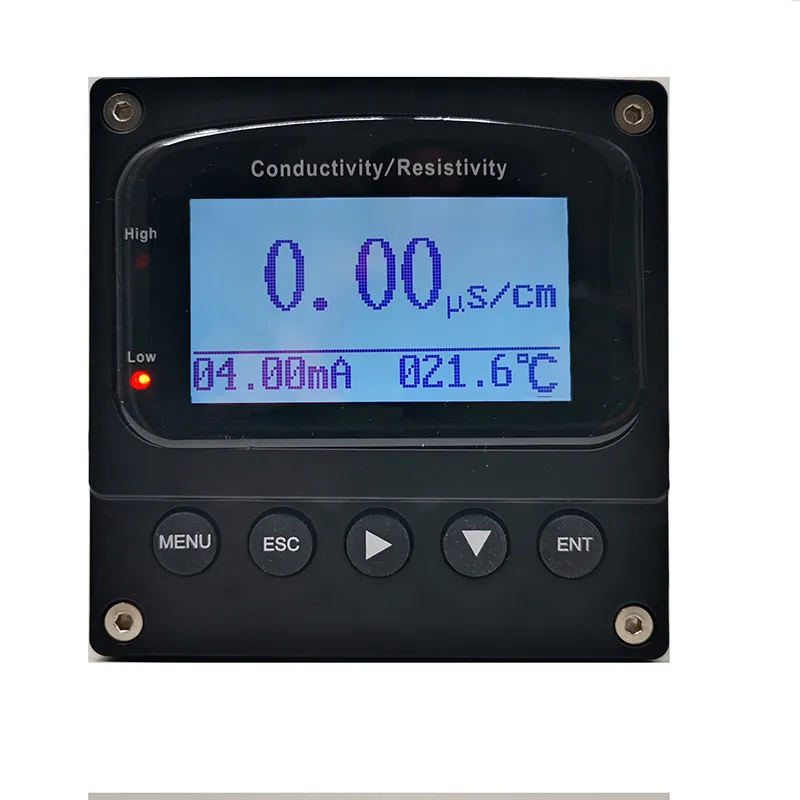
The Precision Engineering Behind EC/TDS/RM-6850
The manufacturing process of the EC/TDS/RM-6850 controller is a testament to precision engineering, adhering to stringent quality control standards such as ISO 9001. This ensures a product that delivers consistent accuracy and exceptional longevity in demanding industrial environments. The lifecycle begins with meticulous material selection, crucial for instruments exposed to various media.
Materials and Fabrication:
- Housing: The robust IP65-rated enclosure is typically constructed from durable ABS or reinforced PC plastic, processed via advanced injection molding techniques. This provides excellent resistance against dust, moisture, and chemical splashes, ensuring reliable operation even in harsh industrial settings.
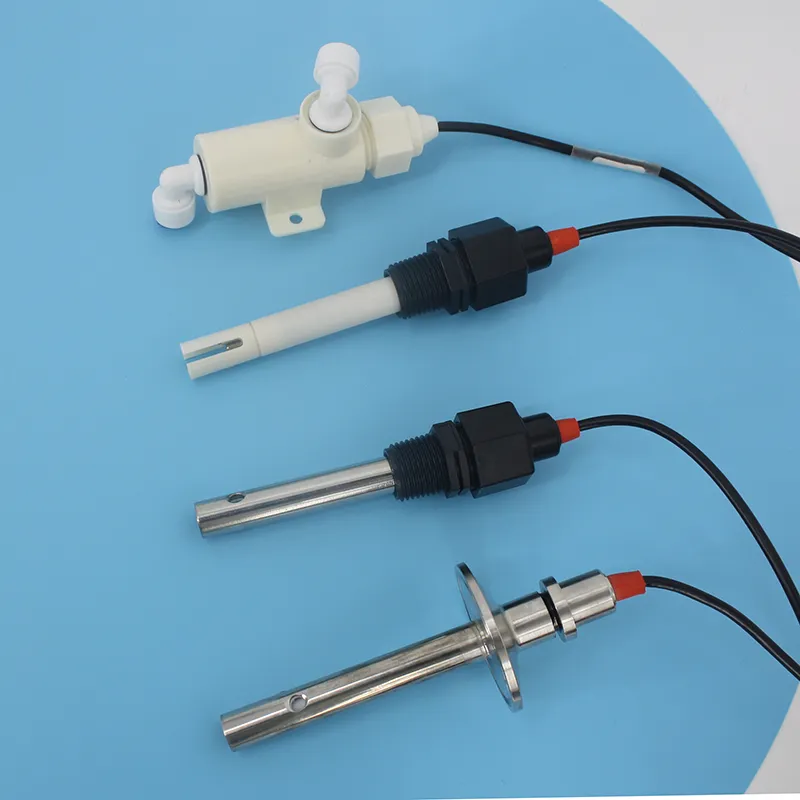
- Electrodes: The core of the measurement system relies on high-grade materials. For general applications, 316L stainless steel or titanium electrodes are utilized, offering superior corrosion resistance and inertness. For ultra-pure water applications, specialized graphite or platinum black electrodes are employed, minimizing polarization effects and ensuring high sensitivity and accuracy at low conductivity ranges. These are often manufactured through precision casting and CNC machining processes to achieve exact geometries and surface finishes.
- Internal Components: High-quality, industrial-grade electronic components are selected for their stability, low drift, and wide operating temperature range. PCBs are fabricated using automated pick-and-place technology, followed by stringent visual and functional inspections.
Manufacturing Process Flow:
1. Component Sourcing & Fabrication
Strict supplier vetting, precision CNC machining of electrode cells, injection molding for housing parts.
2. PCB Assembly & Integration
Automated SMT, component soldering, initial electrical testing, firmware loading.
3. Final Assembly & Wiring
Enclosure assembly, sensor integration, internal wiring, sealing to IP65 standards.
4. Calibration & Burn-in
Multi-point calibration using certified conductivity standards, extended burn-in testing to identify infant mortality.
5. Final Testing & Quality Assurance
Functional tests, environmental stress tests (temperature, humidity), vibration tests, final calibration verification against ANSI standards.
Target Industries and Advantages:
The robust design and precision manufacturing ensure a service life typically exceeding 5-7 years with proper maintenance, significantly reducing total cost of ownership. The EC/TDS/RM-6850 is ideally suited for:
- Petrochemical: Monitoring cooling tower water to prevent scaling and corrosion, optimizing blowdown to achieve energy saving, and ensuring process water quality.
- Metallurgy: Management of rinse water in plating baths, effluent treatment to meet discharge limits, and process water for anti-corrosion applications.
- Water Supply & Drainage: Monitoring raw water intake, treated drinking water quality, and wastewater discharge compliance, ensuring public health and environmental protection.
- Power Generation: Crucial for boiler feedwater and condensate purity control, preventing turbine damage and improving thermal efficiency, leading to substantial energy saving.
- Pharmaceuticals: Ensuring USP/EP compliance for Purified Water (PW) and Water for Injection (WFI) systems, where precise resistivity measurements are non-negotiable.
Technical Specifications of EC/TDS/RM-6850
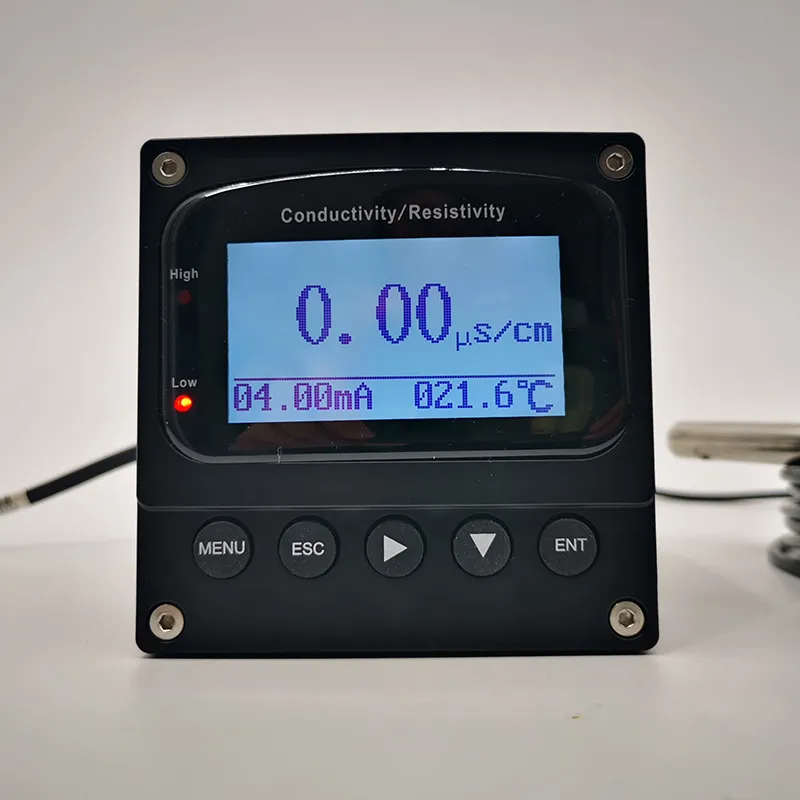
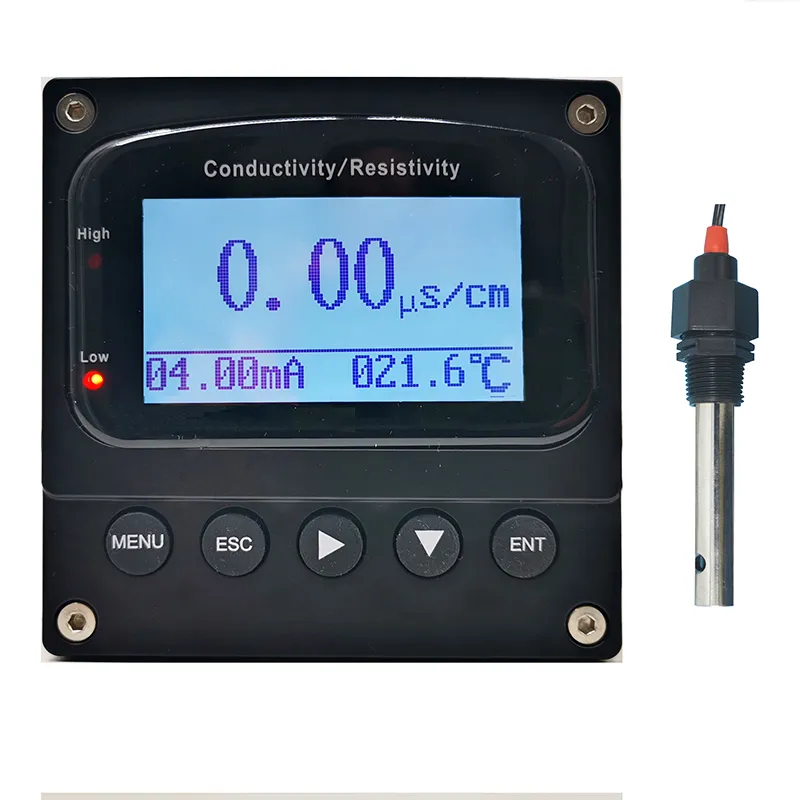
The EC/TDS/RM-6850 controller is engineered with a comprehensive set of features and parameters to deliver highly accurate and reliable measurements across a broad spectrum of industrial applications. Its robust design ensures performance stability even under challenging operational conditions.
Product Specification Table:
| Parameter | Specification |
|---|---|
| Measurement Range (EC) | 0.00 μS/cm to 200.0 mS/cm (auto-ranging) |
| Measurement Range (TDS) | 0.00 mg/L to 100.0 g/L (auto-ranging) |
| Measurement Range (Resistivity) | 0.00 MΩ·cm to 18.25 MΩ·cm |
| Accuracy | ±1% F.S. (Full Scale) |
| Resolution | 0.01 μS/cm (EC), 0.01 mg/L (TDS), 0.01 MΩ·cm (Resistivity) |
| Temperature Compensation | Automatic, Pt1000/NTC10K, Range: -10 to 130°C, Adjustable coefficient |
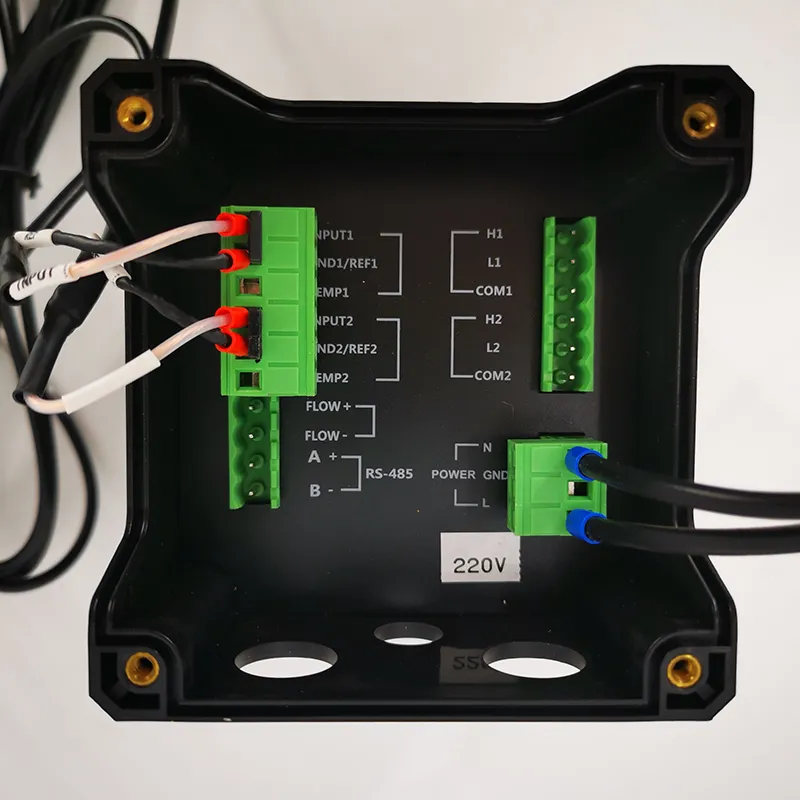
| Output Signals | 2 x 4-20mA isolated, RS485 (Modbus RTU), 2 x Relay outputs (configurable) |
| Power Supply | 90-260VAC, 50/60Hz; Optional 24VDC |
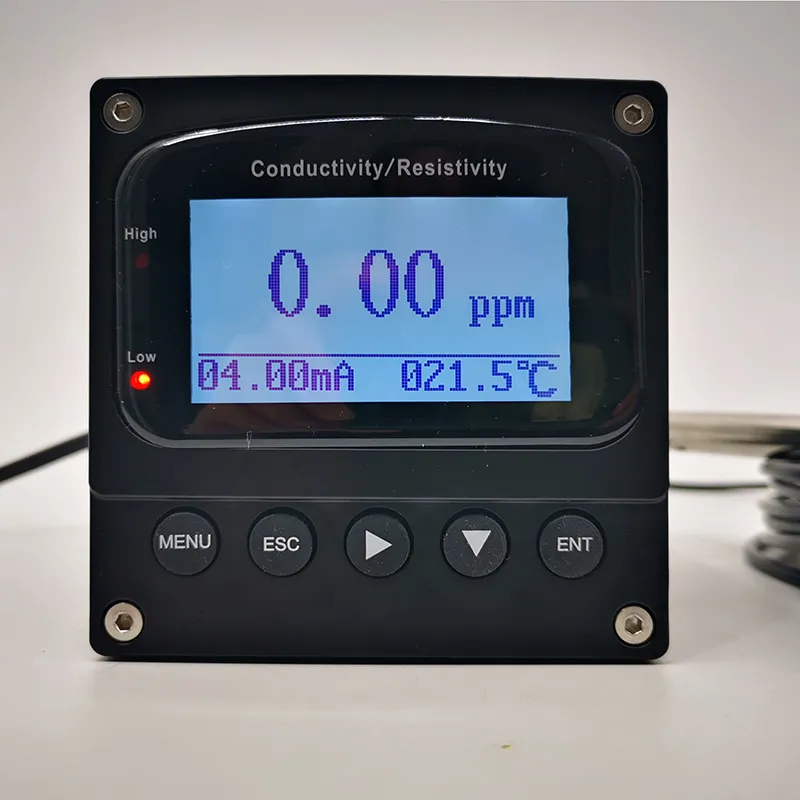
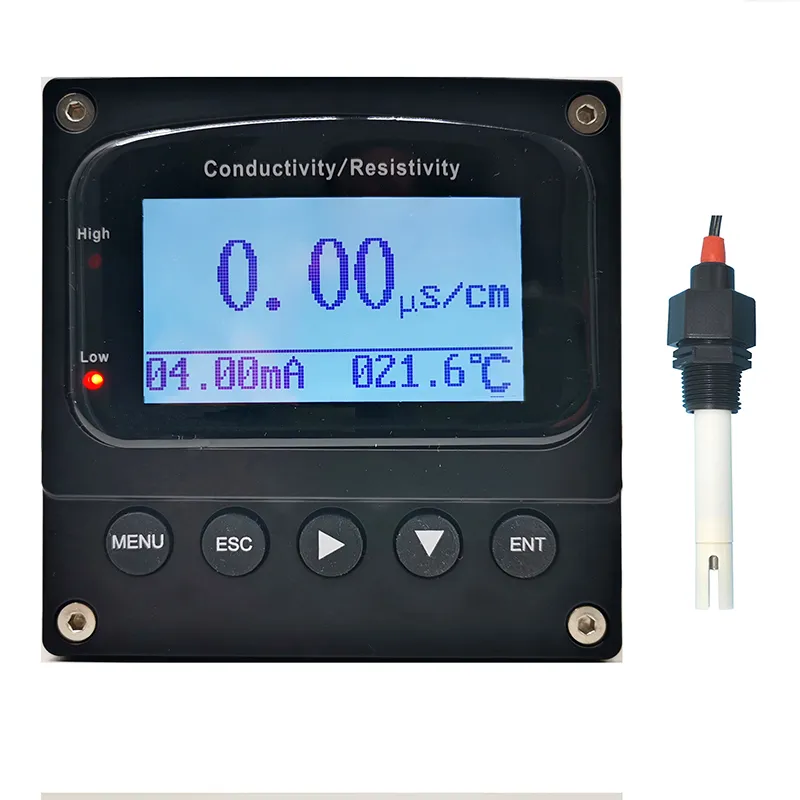
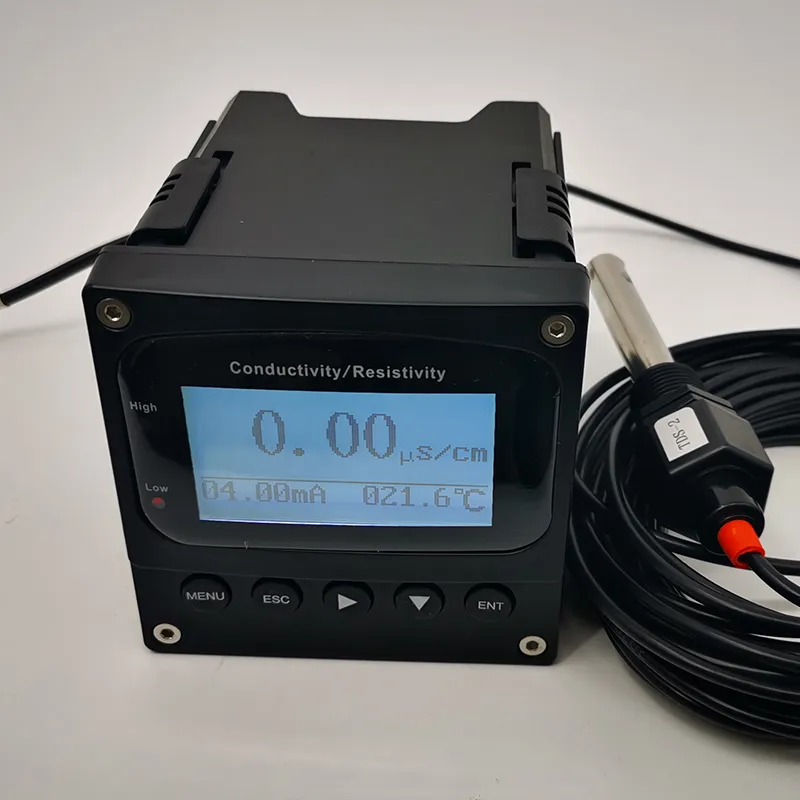
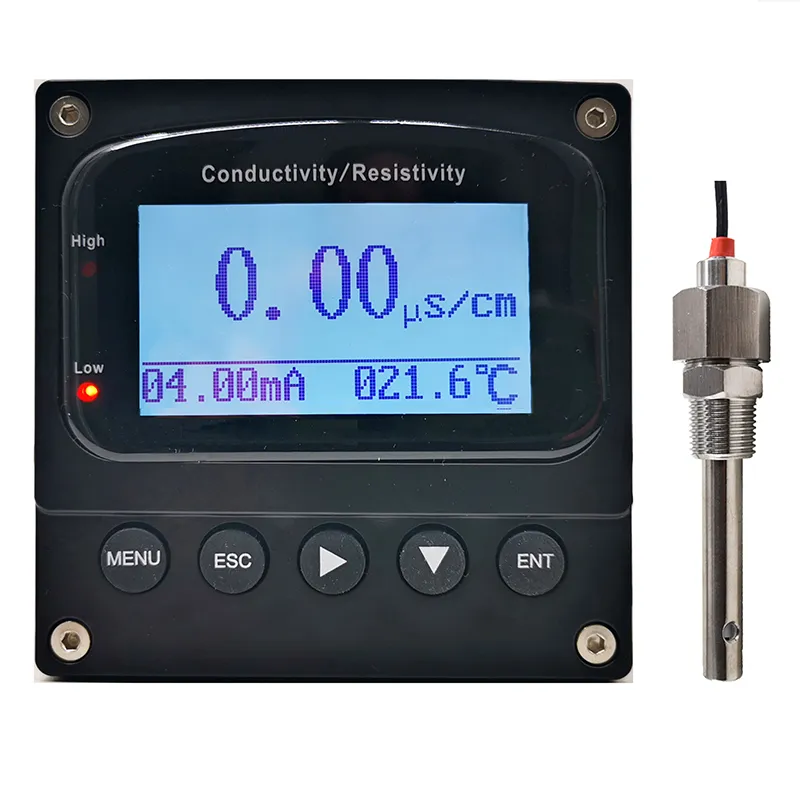
| Display | Large LCD with backlight, simultaneous display of multiple parameters |
| Enclosure Rating | IP65 (NEMA 4X equivalent) |
| Operating Temperature | -20°C to 60°C (-4°F to 140°F) |
| Mounting | Wall-mount, Panel-mount (optional) |
| Certifications | CE, ISO 9001, RoHS |
Versatile Application Scenarios
The adaptability of the EC/TDS/RM-6850 controller makes it indispensable across a multitude of industrial processes requiring precise liquid conductivity, TDS, or resistivity measurements. Its capability to handle a broad range of values from ultra-pure water to highly concentrated solutions underscores its versatility.
- Ultrapure Water (UPW) Systems: Critical in semiconductor manufacturing, pharmaceutical production, and power generation (boiler feed water). The EC/TDS/RM-6850 accurately monitors resistivity, ensuring water quality meets the stringent MΩ·cm requirements, preventing contamination, and extending equipment lifespan.
- Wastewater Treatment Plants: Essential for monitoring effluent quality, especially the concentration of dissolved solids before discharge. This ensures compliance with environmental regulations and optimizes the chemical dosing processes, contributing to lower operational costs.
- Cooling Towers and Boilers: Maintaining optimal conductivity levels in cooling tower water prevents scale formation, reduces corrosion, and minimizes water blowdown, leading to significant water and energy savings. In boilers, it protects against carryover and maintains steam purity.
- Chemical Processing: Monitoring chemical concentrations in various stages, such as rinsing, mixing, and batch processes. The controller's corrosion-resistant electrodes and robust housing are vital for reliable operation in aggressive chemical environments.
- Food & Beverage Industry: Used for quality control in ingredient water, ensuring consistent product taste and shelf life, and for monitoring CIP (Clean-In-Place) solutions to confirm proper rinsing, preventing product contamination.
- Desalination Plants: Monitoring the efficiency of reverse osmosis (RO) membranes by comparing the conductivity of feed water and permeate water. Early detection of membrane fouling or damage helps maintain high efficiency and reduces maintenance downtime.
Key Technical Advantages of EC/TDS/RM-6850
The EC/TDS/RM-6850 controller stands out in the competitive industrial instrumentation market due to several distinct technical advantages that enhance performance, reliability, and ease of use.
- Multi-Parameter Measurement: Unlike single-function devices, this unit offers simultaneous and accurate measurement of EC, TDS, and Resistivity. This integrated capability simplifies system design, reduces installation costs, and provides a holistic view of water quality from a single device.
- Wide Measurement Range with Auto-Ranging: Its expansive measurement range, coupled with automatic range switching, ensures consistent precision across varying conductivity levels—from the ultra-low conductivity of deionized water to highly concentrated industrial solutions. This eliminates the need for manual adjustments and safeguards against measurement errors.
- Advanced Temperature Compensation: Equipped with Pt1000 or NTC10K temperature sensors and an adjustable temperature coefficient, the controller provides highly accurate, temperature-compensated readings. This is critical as conductivity is significantly influenced by temperature, ensuring that readings are reliable and comparable regardless of process temperature fluctuations. This feature directly contributes to consistent product quality and optimized chemical use.
- Robust and Corrosion-Resistant Design: The IP65-rated enclosure and selection of high-grade electrode materials (e.g., 316L stainless steel, titanium, platinum black) ensure exceptional resistance to harsh industrial environments, including corrosive chemicals and high humidity. This extends the service life and reduces maintenance requirements.
- Flexible Output and Integration: With multiple isolated 4-20mA outputs, RS485 Modbus RTU communication, and configurable relay outputs, the EC/TDS/RM-6850 seamlessly integrates with various PLC, DCS, and SCADA systems. This facilitates real-time data acquisition, remote control, and advanced automation, leading to improved operational efficiency and faster response times.
- User-Friendly Interface: The large, backlit LCD display provides clear, simultaneous readings of multiple parameters, along with intuitive menu navigation. This design prioritizes ease of setup, calibration, and routine operation, minimizing the learning curve for operators.
- Diagnostic Capabilities: Integrated self-diagnostic functions provide real-time status updates and alert operators to potential issues, such as electrode fouling or sensor drift. This proactive approach helps in predictive maintenance and prevents unscheduled downtime.
Strategic Vendor Comparison
When investing in critical process control instrumentation, a thorough vendor comparison is essential. While many providers offer conductivity/TDS/resistivity controllers, the EC/TDS/RM-6850 distinguishes itself through a blend of advanced features, robust build quality, and comprehensive support, often surpassing generic alternatives.
Product Comparison Table:
| Feature/Metric | Generic Competitor A (Basic) | Mid-Range Competitor B | EC/TDS/RM-6850 (Superior) |
|---|---|---|---|
| Parameters Measured | EC or TDS (single) | EC, TDS (dual) | EC, TDS, Resistivity (triple) |
| Measurement Range | Limited (e.g., 0-10 mS/cm) | Moderate with manual switching | Broad (0-200 mS/cm, 0-18.25 MΩ·cm) with auto-ranging |
| Accuracy | ±2-3% F.S. | ±1.5% F.S. | ±1% F.S. (Superior) |
| Temperature Compensation | Fixed, non-adjustable | Basic, limited range | Advanced, Pt1000/NTC10K, adjustable coefficient |
| Communication | 1 x 4-20mA | 1-2 x 4-20mA, optional Modbus | 2 x 4-20mA isolated, RS485 Modbus RTU, 2 x Relay |
| Enclosure Rating | IP54/IP55 (Splash-proof) | IP65 (Dust & water jet resistant) | IP65 (Superior protection) |
| Cost of Ownership (TCO) | Low initial, high maintenance/replacement | Medium initial, moderate maintenance | Competitive initial, low maintenance (due to reliability) |
This comparison highlights that while cheaper alternatives might offer a lower initial investment, they often compromise on critical features like measurement range, accuracy, and robust environmental protection. Mid-range competitors offer improvements but may still lack the comprehensive integration and advanced compensation mechanisms found in the EC/TDS/RM-6850. For B2B decision-makers, the long-term reliability, reduced maintenance, and superior performance of the EC/TDS/RM-6850 often translate to a lower total cost of ownership and greater operational stability.
Tailored Solutions with EC/TDS/RM-6850
Recognizing that no two industrial applications are identical, the EC/TDS/RM-6850 controller is designed with a high degree of flexibility to accommodate customized solutions. Our engineering team collaborates closely with clients to configure the instrument to meet specific operational demands and integration requirements, ensuring optimal performance and maximum value.
Customization options for the EC/TDS/RM-6850 include, but are not limited to:
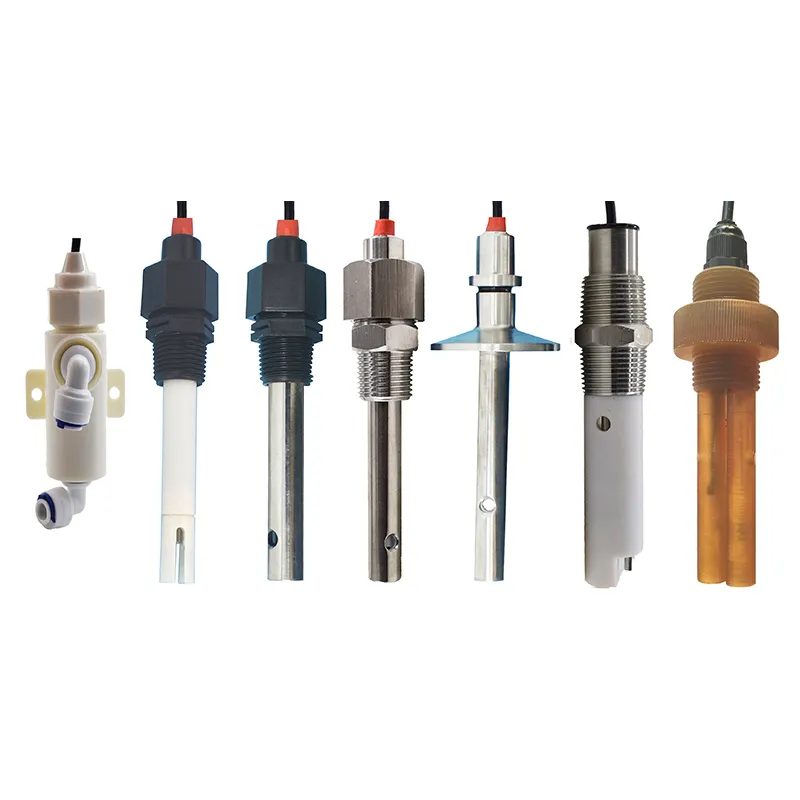
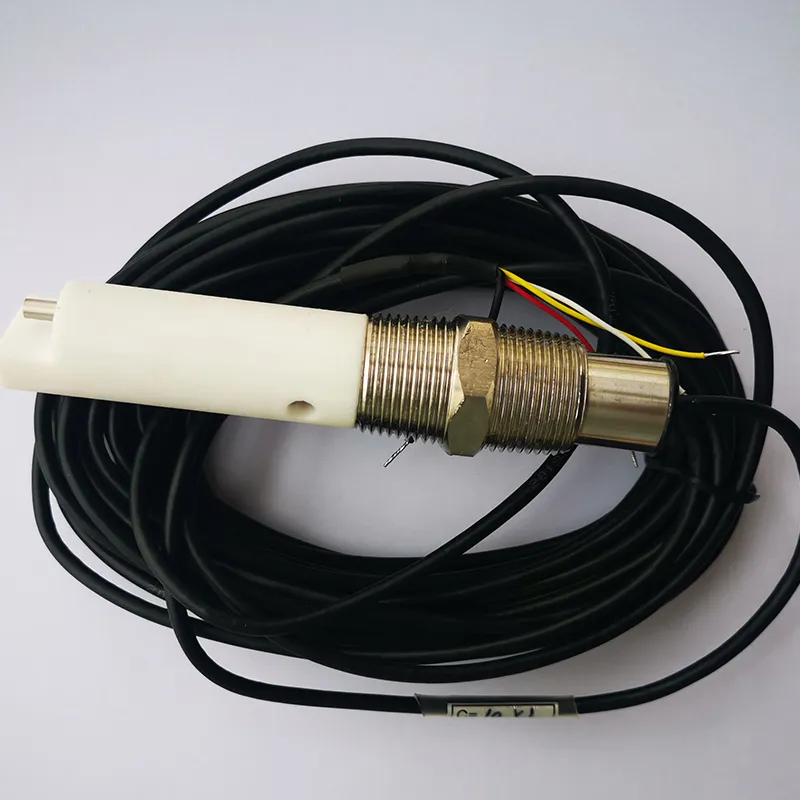
- Specialized Electrode Materials and Cell Constants: For highly aggressive chemicals or specific measurement ranges, alternative electrode materials (e.g., Hastelloy, various plastics like PEEK or PVDF) and custom cell constants (K=0.01, K=0.1, K=1.0, K=10.0) can be specified to ensure chemical compatibility and optimized performance.
- Custom Output Configurations: While standard with 4-20mA and Modbus RTU, specific industrial protocols or additional relay outputs can be integrated to interface seamlessly with legacy or proprietary control systems. This includes custom scaling for 4-20mA ranges to match existing PLC inputs.
- Mounting Options: Beyond standard wall-mount, options for panel mounting, pipe mounting, or flow-through cell designs are available to suit diverse installation environments and flow conditions.
- Software and Firmware Adaptations: For highly specialized applications, custom firmware adjustments can be made to incorporate unique algorithms, alarm logic, or data logging functionalities. This allows the controller to perform specific calculations or respond to unique process events.
- Environmental Enhancements: For extreme temperatures or hazardous areas (e.g., ATEX/IECEx compliance), the enclosure and internal components can be upgraded to withstand more severe conditions, ensuring safety and reliability.
Our goal is to provide a solution that not only meets current demands but also offers scalability for future expansion and evolving operational needs. This collaborative approach minimizes integration challenges and maximizes the return on investment for our clients.
Real-World Application Case Studies
The deployment of the EC/TDS/RM-6850 has consistently yielded significant operational improvements and cost savings for our clients across various industries. Below are illustrative case studies demonstrating its impact.
Case Study 1: Pharmaceutical Water for Injection (WFI) System
Client: Large pharmaceutical manufacturer in the Midwest.
Challenge: Maintaining ultra-pure water quality for Water for Injection (WFI) systems, which requires continuous and highly accurate resistivity monitoring to meet stringent USP and EP pharmacopeia standards. Their existing system frequently showed drift, leading to false alarms and costly batch rejections.
Solution: The pharmaceutical plant integrated two EC/TDS/RM-6850 controllers with high-purity platinum black electrodes into their WFI loop and final polishing stages. The controllers provided real-time resistivity measurements with superior stability and resolution.
Results: Within three months, the plant reported a 90% reduction in false alarms related to water quality. The consistent accuracy of the EC/TDS/RM-6850 enabled precise control of their deionization system, reducing resin regeneration frequency by 15% and saving approximately $25,000 annually in operational costs. Product quality compliance was maintained effortlessly.
Case Study 2: Industrial Wastewater Treatment Optimization
Client: Large-scale textile manufacturing facility in Southeast Asia.
Challenge: The facility struggled with inconsistent effluent discharge quality, particularly high TDS levels, leading to regulatory fines. Their manual sampling and lab analysis approach was slow and reactive, making real-time process adjustments impossible.
Solution: Four EC/TDS/RM-6850 units were installed at critical points within the wastewater treatment stream, including the primary sedimentation, biological treatment, and final discharge points. These controllers, equipped with robust 316L stainless steel electrodes, provided continuous, real-time TDS and EC data, which was fed to their central SCADA system via Modbus RTU.
Results: The real-time data allowed operators to immediately identify process upsets and optimize chemical coagulant and flocculant dosing. Within six months, the facility achieved 100% compliance with local discharge limits, eliminating all fines. Furthermore, optimized chemical usage resulted in a 20% reduction in chemical costs and a 10% reduction in sludge volume, leading to an overall annual saving of approximately $40,000.
Commitment to Quality and Reliability
Our dedication to excellence is rooted in rigorous adherence to international quality standards and a steadfast commitment to customer satisfaction. The production of the EC/TDS/RM-6850 is backed by comprehensive quality assurance protocols and robust after-sales support.
Authoritativeness and Certifications:
- ISO 9001 Certified Manufacturing: Our manufacturing facilities operate under the stringent guidelines of ISO 9001, ensuring consistent product quality, continuous improvement, and customer-centric processes.
- CE and RoHS Compliance: The EC/TDS/RM-6850 is CE marked, confirming its conformity with European safety, health, and environmental protection requirements, and is RoHS compliant, restricting the use of hazardous substances.
- Industry Partnerships: We are a trusted provider to numerous leading companies in the petrochemical, power generation, and pharmaceutical sectors, demonstrating our proven track record and reliability.
- Extensive Experience: With decades of experience in process instrumentation, our expertise translates into products that are not only technically superior but also designed for real-world industrial challenges.
- Verifiable Test Data: All units undergo multi-point calibration using NIST-traceable standards and rigorous burn-in tests, with detailed test data available upon request for quality audits.
Trustworthiness and Support:
Frequently Asked Questions (FAQ):
Q: What is the typical service life of the EC/TDS/RM-6850?
A: With proper installation and routine maintenance, the controller itself has a service life exceeding 5-7 years. Electrode lifespan varies based on application, typically 1-3 years in standard conditions, with replaceable options available.
Q: Can the unit be integrated into an existing SCADA system?
A: Absolutely. The EC/TDS/RM-6850 features isolated 4-20mA outputs and RS485 (Modbus RTU) communication, making it highly compatible with most industrial control and data acquisition systems.
Q: How often does the EC/TDS/RM-6850 require calibration?
A: While factory calibrated, we recommend field calibration every 3-6 months, or as dictated by your process requirements and regulatory standards, to maintain optimal accuracy. Automated calibration features simplify this process.
Lead Time and Fulfillment:
Standard lead time for the EC/TDS/RM-6850 is typically 2-4 weeks, depending on order volume and customization requirements. Expedited shipping and production options are available for urgent project timelines. We maintain a robust supply chain to ensure timely delivery.
Warranty Commitments:
The EC/TDS/RM-6850 is backed by a comprehensive 12-month warranty covering manufacturing defects and material failures. Extended warranty options are also available. Our commitment is to provide products that perform reliably.
Customer Support and After-Sales Service:
Our dedicated customer support team offers 24/7 technical assistance, troubleshooting, and application guidance. We provide comprehensive documentation, online resources, and factory-trained service engineers for on-site support, ensuring your operations run smoothly with minimal disruption.
Why Choose EC/TDS/RM-6850 for Your Operations
The EC/TDS/RM-6850 multi-parameter controller represents a significant advancement in industrial water quality monitoring. Its unparalleled accuracy, robust construction, and versatile functionality make it an indispensable tool for B2B enterprises seeking to optimize their processes, ensure regulatory compliance, and achieve substantial operational savings.
By integrating this advanced instrument, industries can gain real-time insights into crucial water parameters, allowing for proactive adjustments that reduce chemical consumption, minimize wastewater generation, enhance product quality, and extend equipment lifespan. The investment in EC/TDS/RM-6850 is an investment in reliability, efficiency, and future-proof process control, solidifying its position as a preferred choice for discerning engineers and operations managers.
References
- ISO 9001:2015 Quality Management Systems – Requirements. International Organization for Standardization.
- ASTM D1125-14 Standard Test Methods for Electrical Conductivity and Resistivity of Water. ASTM International.
- United States Pharmacopeia (USP) General Chapter Water Conductivity. U.S. Pharmacopeial Convention.
- European Pharmacopoeia (EP) General Chapter 2.2.38 Conductivity. Council of Europe.
- Modbus Organization, Inc. Modbus Application Protocol Specification V1.1b.

Related Products
Related News

2026-04-16 03:20:19
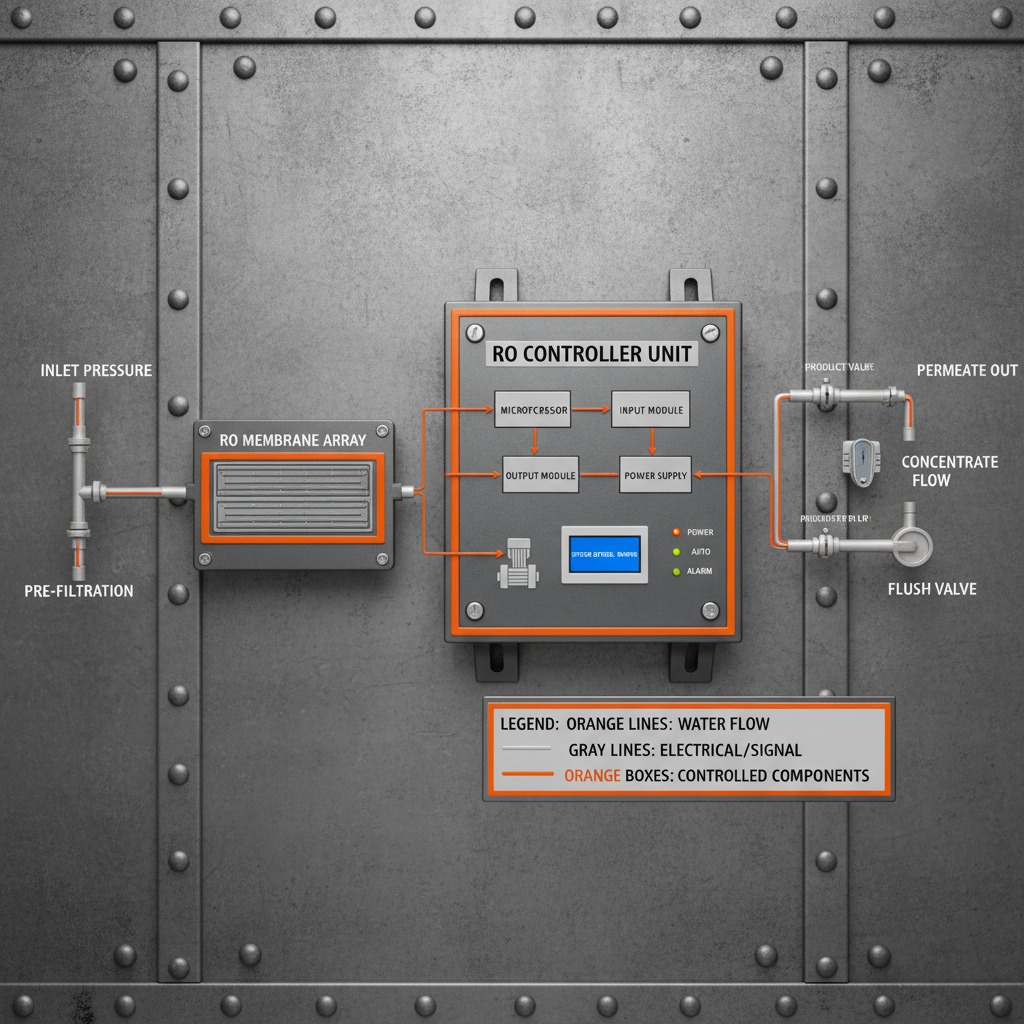
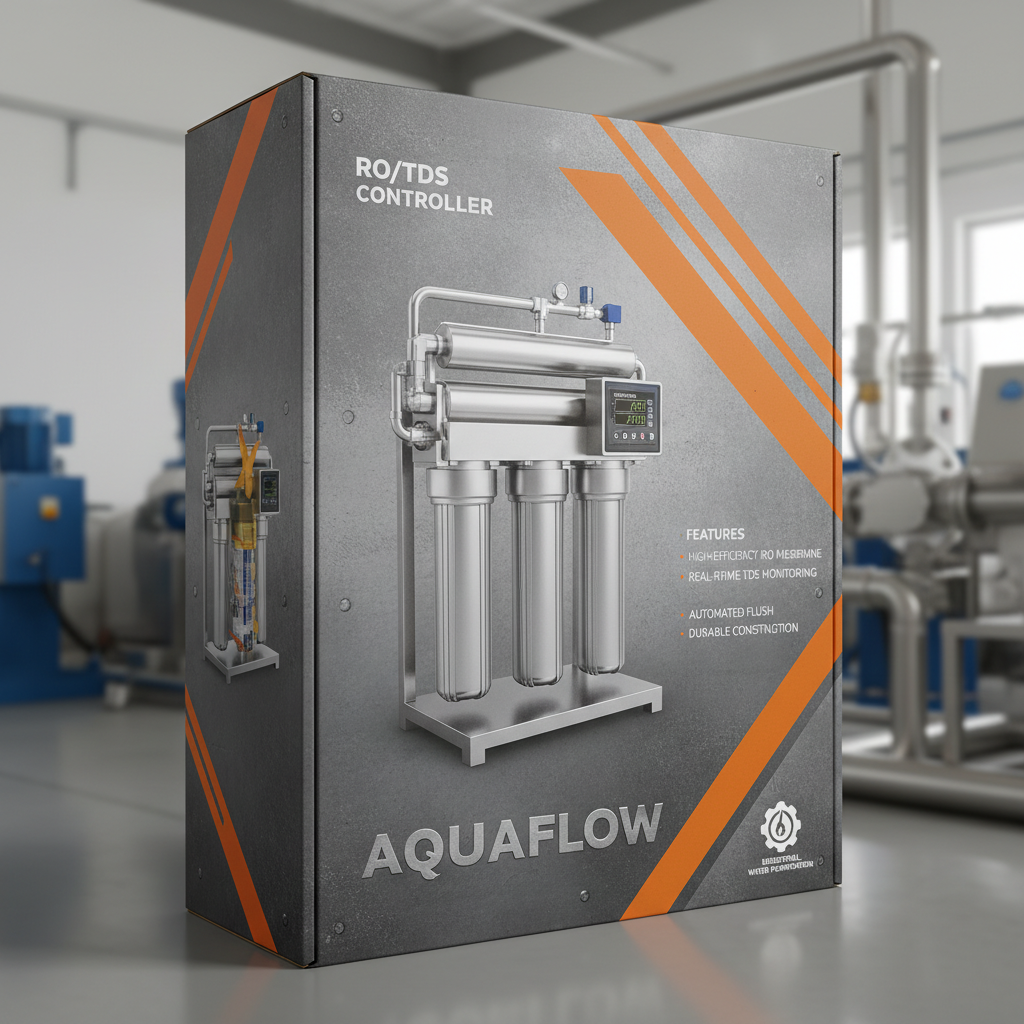
Guide to Choosing the Right RO Controller for Water PurificationMaintaining a high-performance reverse osmosis system requires more than just quality membranes; it demands precise regulation. An ro controller serves as the brain of the entire operation, monitoring critical parameters such as conductivity, temperature, and flow rates to ensure the output water meets stringent purity standards. Without an efficient controller, systems are prone to membrane fouling, inefficient energy use, and inconsistent water quality. In this comprehensive guide, we will explore how these devices optimize water treatment processes and how to select the best model for your specific industrial or commercial needs.
2026-04-09 03:25:47
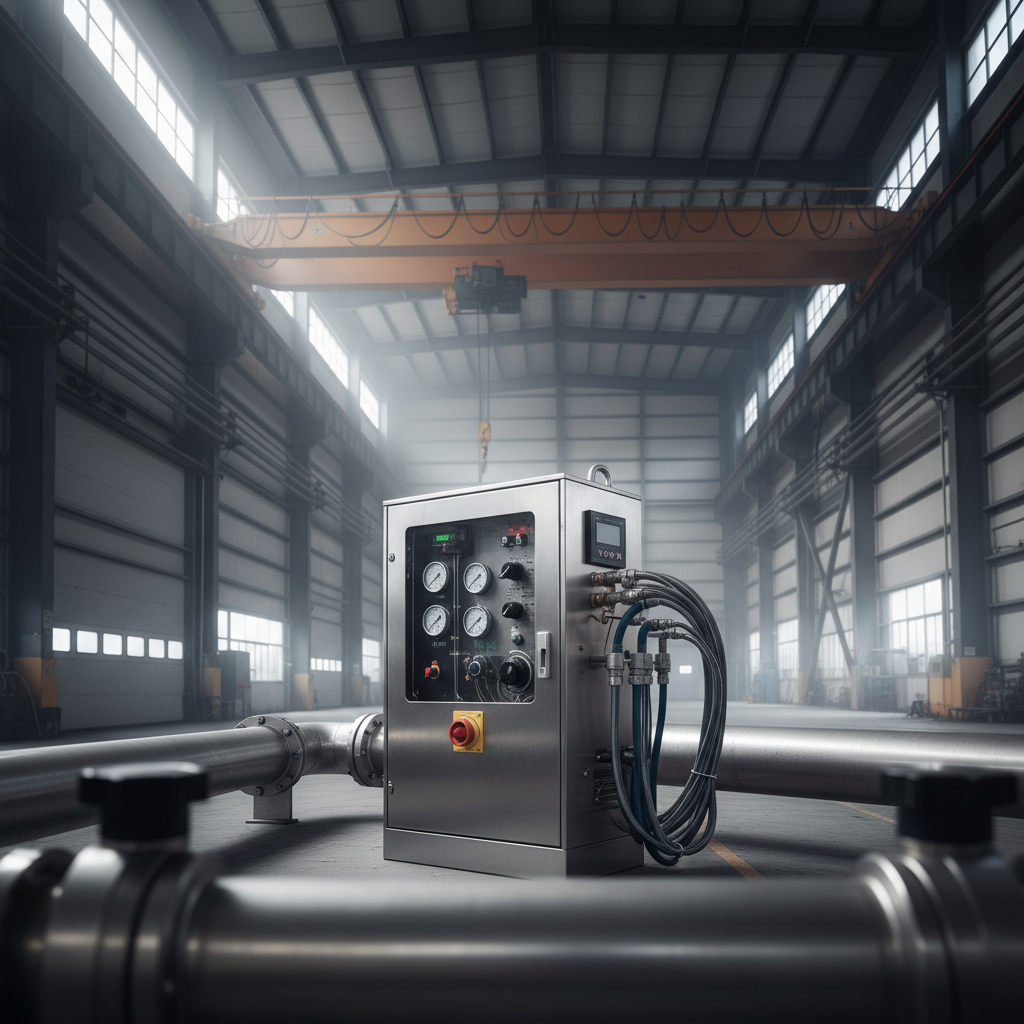
Guide to Water Purity Using RO with TDS Controller SystemsAchieving the perfect balance of mineral content and purity in drinking water is a challenge for many households and industrial facilities. A ro with tds controller offers a sophisticated solution by combining the rigorous filtration of Reverse Osmosis (RO) with the precision of a Total Dissolved Solids (TDS) adjustment system. While standard RO systems remove almost everything, including beneficial minerals, a TDS controller allows users to re-mineralize the water to a desired level. This ensures that the water is not only safe and pure but also tastes better and provides essential nutrients.
2026-04-07 03:17:09
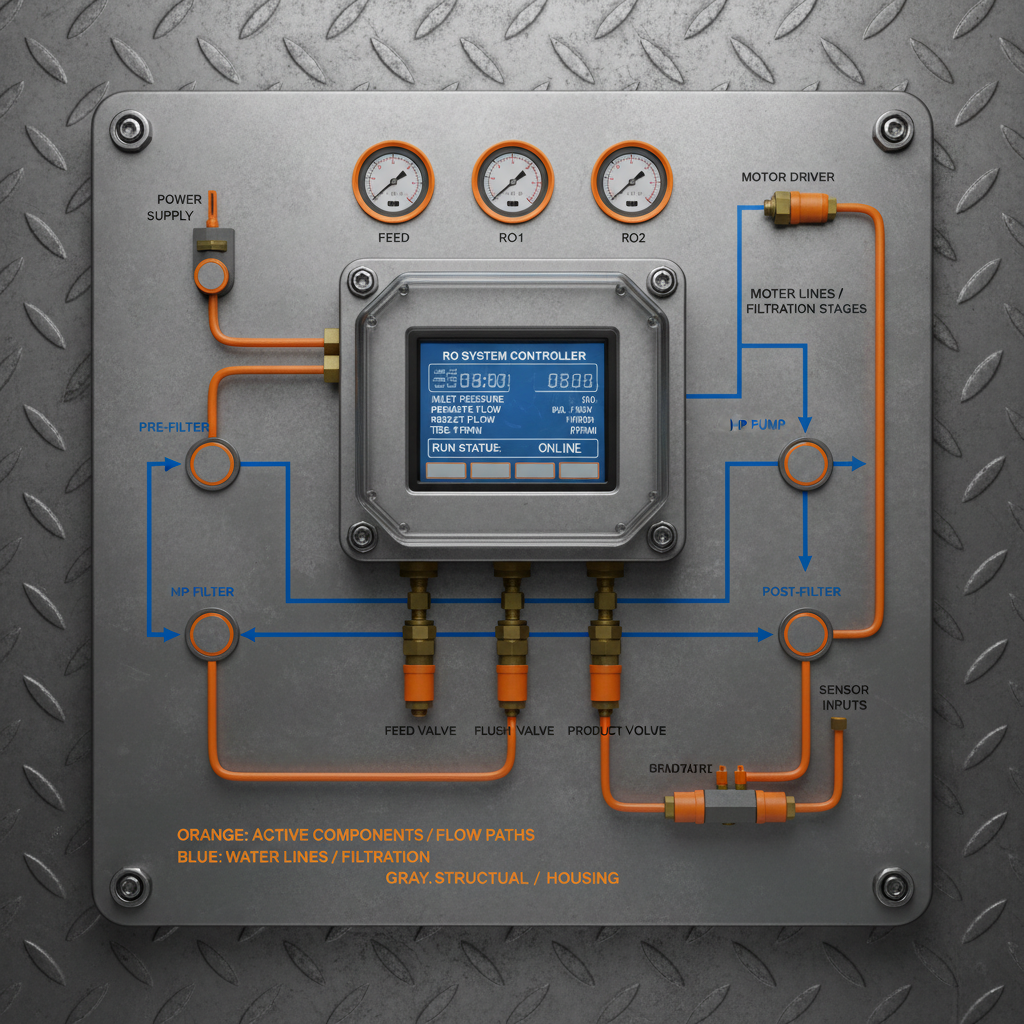
Understanding and Optimizing Reverse Osmosis Systems with a ControllerIn the world of water purification, reverse osmosis (RO) systems are a cornerstone for producing high-quality water for various applications, from drinking water to industrial processes. However, an RO system is only as effective as its control system. This is where the reverse osmosis controller comes into play. This critical component manages and optimizes the RO process, ensuring efficient operation, water quality, and system longevity.
2026-04-04 03:27:19
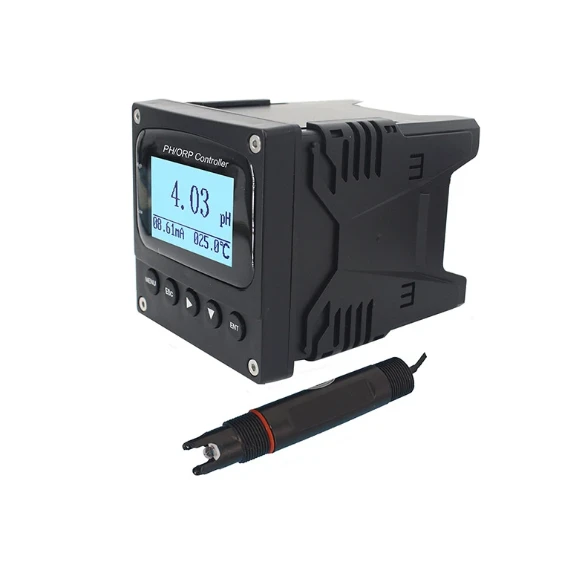
Understanding the Vital Role of an RO System Controller for Optimal PerformanceReverse Osmosis (RO) systems are critical for purifying water across various industries, from residential applications to large-scale industrial processes. At the heart of a well-functioning RO system lies the RO system controller. This intelligent device monitors and regulates all key parameters of the RO process, ensuring optimal performance, efficiency, and water quality. This article delves into the functionalities, benefits, and selection criteria for choosing the right RO system controller, particularly focusing on those offered by Watequipments. Understanding its role is crucial for maximizing the lifespan and effectiveness of your RO investment.
2026-03-24 17:18:24
Smart Water Treatment Solutions Using PH ORP Controller SystemsIn modern water treatment and industrial fluid management, maintaining precise chemical balance is essential for safety, efficiency, and regulatory compliance.
2026-03-04 02:55:19
Comprehensive Guide to Water Depth Samplers and Their ApplicationsAccurate water quality monitoring is crucial in various fields, from environmental science and aquaculture to industrial wastewater management. A key tool for this is the water depth sampler. This article provides an in-depth look at water depth samplers, their applications, types, and essential considerations for choosing the right one for your needs. We'll explore the benefits of utilizing this equipment to collect reliable data for analysis and informed decision-making. Selecting the right sampler can significantly improve the precision and efficiency of your water monitoring program. A water depth sampler, also known as a depth-integrated sampler, is a device designed to collect water samples from specific depths within a body of water. Unlike simply dipping a container into the water, a depth sampler allows for collection of a representative sample across a defined depth range. This is critical because water properties (temperature, salinity, pollutants) often vary significantly with depth. The data gathered with a water depth sampler provides a more accurate assessment of water quality than surface samples alone.
2026-03-03 18:55:22
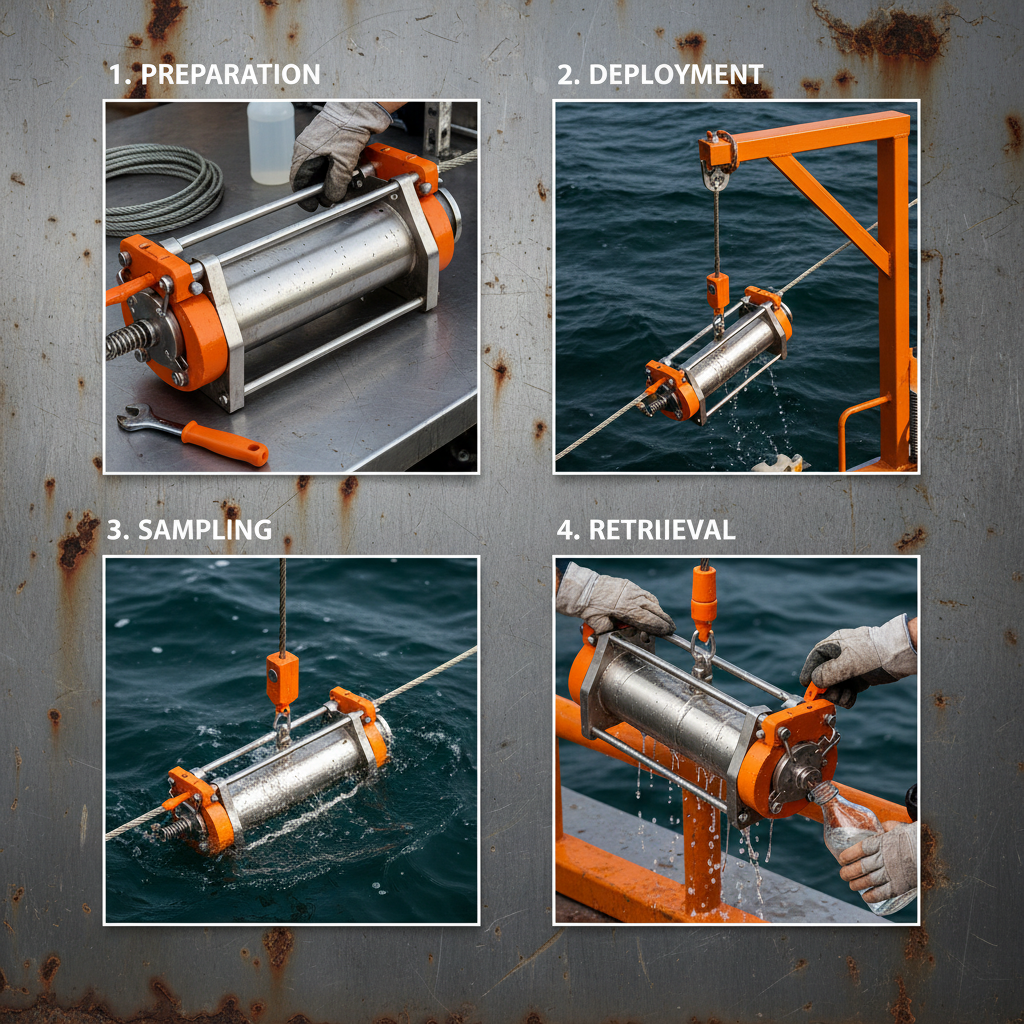
Comprehensive Guide to Horizontal Water Sampler Applications and SelectionCollecting water samples at varying depths is crucial for environmental monitoring, research, and quality control. The horizontal water sampler from Watequipment.com offers a precise and efficient solution for this task. This article provides an in-depth look at horizontal water samplers, their applications, benefits, and key considerations when choosing the right model. We will explore how these samplers contribute to accurate data collection and informed decision-making in various fields. A horizontal water sampler is a device designed to collect water samples from specific depths within a body of water – rivers, lakes, oceans, reservoirs, and even wastewater treatment plants. Unlike vertical samplers which primarily focus on depth, horizontal samplers prioritize collecting samples at a consistent depth while moving along a horizontal plane. This is essential for assessing water quality variations across a waterway or within a specific zone. They are used in applications ranging from environmental monitoring and scientific research to industrial process control and regulatory compliance.
2026-02-28 02:35:09
Comprehensive Guide to Selecting the Right Surface Water Sampler for Your NeedsMonitoring the quality of surface water is critical for environmental protection, public health, and various industrial applications. A surface water sampler is an essential tool for collecting representative samples from rivers, lakes, ponds, and other surface water sources. This article provides a detailed overview of surface water samplers, their types, applications, and key considerations for selecting the right equipment. Accurate water quality data relies on proper sample collection, and choosing the correct sampler is the first step toward achieving reliable results. Surface water samplers come in various designs, each suited to specific sampling needs. Common types include grab samplers, depth-integrating samplers, peristaltic pumps, and automatic samplers. Surface water samplers are used across a broad spectrum of applications, including environmental monitoring, wastewater discharge monitoring, drinking water source monitoring, agricultural runoff analysis, and research studies.
EC/TDS/RM-6850: High-Precision Water Quality Meter for Industrial Use
EC/TDS/RM-6850: High-Precision Water Quality Meter for Industrial Use
Sep . 08, 2025
Article Outline
- Industry Trends in Process Monitoring
- The Precision Engineering Behind EC/TDS/RM-6850
- Technical Specifications of EC/TDS/RM-6850
- Versatile Application Scenarios
- Key Technical Advantages of EC/TDS/RM-6850
- Strategic Vendor Comparison
- Tailored Solutions with EC/TDS/RM-6850
- Real-World Application Case Studies
- Commitment to Quality and Reliability ( Module)
- Why Choose EC/TDS/RM-6850 for Your Operations
- References
Industry Trends in Process Monitoring
In today's rapidly evolving industrial landscape, the accurate and continuous monitoring of water quality parameters such as Electrical Conductivity (EC), Total Dissolved Solids (TDS), and Resistivity (RM) is paramount. Industries ranging from petrochemicals to pharmaceuticals increasingly rely on advanced instrumentation to ensure product quality, operational efficiency, regulatory compliance, and environmental stewardship. The shift towards smart manufacturing and Industry 4.0 paradigms necessitates robust, reliable, and intelligent sensors and controllers capable of seamless integration into complex automation systems.
The demand for ultra-pure water in sectors like semiconductor manufacturing and power generation has driven the need for instruments with exceptional precision in measuring resistivity at very low conductivity levels. Conversely, in wastewater treatment and environmental monitoring, the focus is on robust sensors that can accurately determine conductivity and TDS in challenging, high-concentration matrices. This dual demand for extreme precision and rugged reliability defines current industry trends. Furthermore, the push for energy efficiency and reduced chemical consumption in cooling towers and boiler systems highlights the importance of real-time monitoring to optimize blowdown cycles and chemical dosing, thereby minimizing operational costs and environmental impact.
It is within this context that the EC/TDS/RM-6850 controller emerges as a critical tool, designed to meet these diverse and stringent requirements. Its multi-parameter measurement capabilities, coupled with advanced data output options, position it as a cornerstone for modern process control strategies.
The Precision Engineering Behind EC/TDS/RM-6850
The manufacturing process of the EC/TDS/RM-6850 controller is a testament to precision engineering, adhering to stringent quality control standards such as ISO 9001. This ensures a product that delivers consistent accuracy and exceptional longevity in demanding industrial environments. The lifecycle begins with meticulous material selection, crucial for instruments exposed to various media.
Materials and Fabrication:
- Housing: The robust IP65-rated enclosure is typically constructed from durable ABS or reinforced PC plastic, processed via advanced injection molding techniques. This provides excellent resistance against dust, moisture, and chemical splashes, ensuring reliable operation even in harsh industrial settings.
- Electrodes: The core of the measurement system relies on high-grade materials. For general applications, 316L stainless steel or titanium electrodes are utilized, offering superior corrosion resistance and inertness. For ultra-pure water applications, specialized graphite or platinum black electrodes are employed, minimizing polarization effects and ensuring high sensitivity and accuracy at low conductivity ranges. These are often manufactured through precision casting and CNC machining processes to achieve exact geometries and surface finishes.
- Internal Components: High-quality, industrial-grade electronic components are selected for their stability, low drift, and wide operating temperature range. PCBs are fabricated using automated pick-and-place technology, followed by stringent visual and functional inspections.
Manufacturing Process Flow:
1. Component Sourcing & Fabrication
Strict supplier vetting, precision CNC machining of electrode cells, injection molding for housing parts.
2. PCB Assembly & Integration
Automated SMT, component soldering, initial electrical testing, firmware loading.
3. Final Assembly & Wiring
Enclosure assembly, sensor integration, internal wiring, sealing to IP65 standards.
4. Calibration & Burn-in
Multi-point calibration using certified conductivity standards, extended burn-in testing to identify infant mortality.
5. Final Testing & Quality Assurance
Functional tests, environmental stress tests (temperature, humidity), vibration tests, final calibration verification against ANSI standards.
Target Industries and Advantages:
The robust design and precision manufacturing ensure a service life typically exceeding 5-7 years with proper maintenance, significantly reducing total cost of ownership. The EC/TDS/RM-6850 is ideally suited for:
- Petrochemical: Monitoring cooling tower water to prevent scaling and corrosion, optimizing blowdown to achieve energy saving, and ensuring process water quality.
- Metallurgy: Management of rinse water in plating baths, effluent treatment to meet discharge limits, and process water for anti-corrosion applications.
- Water Supply & Drainage: Monitoring raw water intake, treated drinking water quality, and wastewater discharge compliance, ensuring public health and environmental protection.
- Power Generation: Crucial for boiler feedwater and condensate purity control, preventing turbine damage and improving thermal efficiency, leading to substantial energy saving.
- Pharmaceuticals: Ensuring USP/EP compliance for Purified Water (PW) and Water for Injection (WFI) systems, where precise resistivity measurements are non-negotiable.
Technical Specifications of EC/TDS/RM-6850
The EC/TDS/RM-6850 controller is engineered with a comprehensive set of features and parameters to deliver highly accurate and reliable measurements across a broad spectrum of industrial applications. Its robust design ensures performance stability even under challenging operational conditions.
Product Specification Table:
| Parameter | Specification |
|---|---|
| Measurement Range (EC) | 0.00 μS/cm to 200.0 mS/cm (auto-ranging) |
| Measurement Range (TDS) | 0.00 mg/L to 100.0 g/L (auto-ranging) |
| Measurement Range (Resistivity) | 0.00 MΩ·cm to 18.25 MΩ·cm |
| Accuracy | ±1% F.S. (Full Scale) |
| Resolution | 0.01 μS/cm (EC), 0.01 mg/L (TDS), 0.01 MΩ·cm (Resistivity) |
| Temperature Compensation | Automatic, Pt1000/NTC10K, Range: -10 to 130°C, Adjustable coefficient |
| Output Signals | 2 x 4-20mA isolated, RS485 (Modbus RTU), 2 x Relay outputs (configurable) |
| Power Supply | 90-260VAC, 50/60Hz; Optional 24VDC |
| Display | Large LCD with backlight, simultaneous display of multiple parameters |
| Enclosure Rating | IP65 (NEMA 4X equivalent) |
| Operating Temperature | -20°C to 60°C (-4°F to 140°F) |
| Mounting | Wall-mount, Panel-mount (optional) |
| Certifications | CE, ISO 9001, RoHS |
Versatile Application Scenarios
The adaptability of the EC/TDS/RM-6850 controller makes it indispensable across a multitude of industrial processes requiring precise liquid conductivity, TDS, or resistivity measurements. Its capability to handle a broad range of values from ultra-pure water to highly concentrated solutions underscores its versatility.
- Ultrapure Water (UPW) Systems: Critical in semiconductor manufacturing, pharmaceutical production, and power generation (boiler feed water). The EC/TDS/RM-6850 accurately monitors resistivity, ensuring water quality meets the stringent MΩ·cm requirements, preventing contamination, and extending equipment lifespan.
- Wastewater Treatment Plants: Essential for monitoring effluent quality, especially the concentration of dissolved solids before discharge. This ensures compliance with environmental regulations and optimizes the chemical dosing processes, contributing to lower operational costs.
- Cooling Towers and Boilers: Maintaining optimal conductivity levels in cooling tower water prevents scale formation, reduces corrosion, and minimizes water blowdown, leading to significant water and energy savings. In boilers, it protects against carryover and maintains steam purity.
- Chemical Processing: Monitoring chemical concentrations in various stages, such as rinsing, mixing, and batch processes. The controller's corrosion-resistant electrodes and robust housing are vital for reliable operation in aggressive chemical environments.
- Food & Beverage Industry: Used for quality control in ingredient water, ensuring consistent product taste and shelf life, and for monitoring CIP (Clean-In-Place) solutions to confirm proper rinsing, preventing product contamination.
- Desalination Plants: Monitoring the efficiency of reverse osmosis (RO) membranes by comparing the conductivity of feed water and permeate water. Early detection of membrane fouling or damage helps maintain high efficiency and reduces maintenance downtime.
Key Technical Advantages of EC/TDS/RM-6850
The EC/TDS/RM-6850 controller stands out in the competitive industrial instrumentation market due to several distinct technical advantages that enhance performance, reliability, and ease of use.
- Multi-Parameter Measurement: Unlike single-function devices, this unit offers simultaneous and accurate measurement of EC, TDS, and Resistivity. This integrated capability simplifies system design, reduces installation costs, and provides a holistic view of water quality from a single device.
- Wide Measurement Range with Auto-Ranging: Its expansive measurement range, coupled with automatic range switching, ensures consistent precision across varying conductivity levels—from the ultra-low conductivity of deionized water to highly concentrated industrial solutions. This eliminates the need for manual adjustments and safeguards against measurement errors.
- Advanced Temperature Compensation: Equipped with Pt1000 or NTC10K temperature sensors and an adjustable temperature coefficient, the controller provides highly accurate, temperature-compensated readings. This is critical as conductivity is significantly influenced by temperature, ensuring that readings are reliable and comparable regardless of process temperature fluctuations. This feature directly contributes to consistent product quality and optimized chemical use.
- Robust and Corrosion-Resistant Design: The IP65-rated enclosure and selection of high-grade electrode materials (e.g., 316L stainless steel, titanium, platinum black) ensure exceptional resistance to harsh industrial environments, including corrosive chemicals and high humidity. This extends the service life and reduces maintenance requirements.
- Flexible Output and Integration: With multiple isolated 4-20mA outputs, RS485 Modbus RTU communication, and configurable relay outputs, the EC/TDS/RM-6850 seamlessly integrates with various PLC, DCS, and SCADA systems. This facilitates real-time data acquisition, remote control, and advanced automation, leading to improved operational efficiency and faster response times.
- User-Friendly Interface: The large, backlit LCD display provides clear, simultaneous readings of multiple parameters, along with intuitive menu navigation. This design prioritizes ease of setup, calibration, and routine operation, minimizing the learning curve for operators.
- Diagnostic Capabilities: Integrated self-diagnostic functions provide real-time status updates and alert operators to potential issues, such as electrode fouling or sensor drift. This proactive approach helps in predictive maintenance and prevents unscheduled downtime.
Strategic Vendor Comparison
When investing in critical process control instrumentation, a thorough vendor comparison is essential. While many providers offer conductivity/TDS/resistivity controllers, the EC/TDS/RM-6850 distinguishes itself through a blend of advanced features, robust build quality, and comprehensive support, often surpassing generic alternatives.
Product Comparison Table:
| Feature/Metric | Generic Competitor A (Basic) | Mid-Range Competitor B | EC/TDS/RM-6850 (Superior) |
|---|---|---|---|
| Parameters Measured | EC or TDS (single) | EC, TDS (dual) | EC, TDS, Resistivity (triple) |
| Measurement Range | Limited (e.g., 0-10 mS/cm) | Moderate with manual switching | Broad (0-200 mS/cm, 0-18.25 MΩ·cm) with auto-ranging |
| Accuracy | ±2-3% F.S. | ±1.5% F.S. | ±1% F.S. (Superior) |
| Temperature Compensation | Fixed, non-adjustable | Basic, limited range | Advanced, Pt1000/NTC10K, adjustable coefficient |
| Communication | 1 x 4-20mA | 1-2 x 4-20mA, optional Modbus | 2 x 4-20mA isolated, RS485 Modbus RTU, 2 x Relay |
| Enclosure Rating | IP54/IP55 (Splash-proof) | IP65 (Dust & water jet resistant) | IP65 (Superior protection) |
| Cost of Ownership (TCO) | Low initial, high maintenance/replacement | Medium initial, moderate maintenance | Competitive initial, low maintenance (due to reliability) |
This comparison highlights that while cheaper alternatives might offer a lower initial investment, they often compromise on critical features like measurement range, accuracy, and robust environmental protection. Mid-range competitors offer improvements but may still lack the comprehensive integration and advanced compensation mechanisms found in the EC/TDS/RM-6850. For B2B decision-makers, the long-term reliability, reduced maintenance, and superior performance of the EC/TDS/RM-6850 often translate to a lower total cost of ownership and greater operational stability.
Tailored Solutions with EC/TDS/RM-6850
Recognizing that no two industrial applications are identical, the EC/TDS/RM-6850 controller is designed with a high degree of flexibility to accommodate customized solutions. Our engineering team collaborates closely with clients to configure the instrument to meet specific operational demands and integration requirements, ensuring optimal performance and maximum value.
Customization options for the EC/TDS/RM-6850 include, but are not limited to:
- Specialized Electrode Materials and Cell Constants: For highly aggressive chemicals or specific measurement ranges, alternative electrode materials (e.g., Hastelloy, various plastics like PEEK or PVDF) and custom cell constants (K=0.01, K=0.1, K=1.0, K=10.0) can be specified to ensure chemical compatibility and optimized performance.
- Custom Output Configurations: While standard with 4-20mA and Modbus RTU, specific industrial protocols or additional relay outputs can be integrated to interface seamlessly with legacy or proprietary control systems. This includes custom scaling for 4-20mA ranges to match existing PLC inputs.
- Mounting Options: Beyond standard wall-mount, options for panel mounting, pipe mounting, or flow-through cell designs are available to suit diverse installation environments and flow conditions.
- Software and Firmware Adaptations: For highly specialized applications, custom firmware adjustments can be made to incorporate unique algorithms, alarm logic, or data logging functionalities. This allows the controller to perform specific calculations or respond to unique process events.
- Environmental Enhancements: For extreme temperatures or hazardous areas (e.g., ATEX/IECEx compliance), the enclosure and internal components can be upgraded to withstand more severe conditions, ensuring safety and reliability.
Our goal is to provide a solution that not only meets current demands but also offers scalability for future expansion and evolving operational needs. This collaborative approach minimizes integration challenges and maximizes the return on investment for our clients.
Real-World Application Case Studies
The deployment of the EC/TDS/RM-6850 has consistently yielded significant operational improvements and cost savings for our clients across various industries. Below are illustrative case studies demonstrating its impact.
Case Study 1: Pharmaceutical Water for Injection (WFI) System
Client: Large pharmaceutical manufacturer in the Midwest.
Challenge: Maintaining ultra-pure water quality for Water for Injection (WFI) systems, which requires continuous and highly accurate resistivity monitoring to meet stringent USP and EP pharmacopeia standards. Their existing system frequently showed drift, leading to false alarms and costly batch rejections.
Solution: The pharmaceutical plant integrated two EC/TDS/RM-6850 controllers with high-purity platinum black electrodes into their WFI loop and final polishing stages. The controllers provided real-time resistivity measurements with superior stability and resolution.
Results: Within three months, the plant reported a 90% reduction in false alarms related to water quality. The consistent accuracy of the EC/TDS/RM-6850 enabled precise control of their deionization system, reducing resin regeneration frequency by 15% and saving approximately $25,000 annually in operational costs. Product quality compliance was maintained effortlessly.
Case Study 2: Industrial Wastewater Treatment Optimization
Client: Large-scale textile manufacturing facility in Southeast Asia.
Challenge: The facility struggled with inconsistent effluent discharge quality, particularly high TDS levels, leading to regulatory fines. Their manual sampling and lab analysis approach was slow and reactive, making real-time process adjustments impossible.
Solution: Four EC/TDS/RM-6850 units were installed at critical points within the wastewater treatment stream, including the primary sedimentation, biological treatment, and final discharge points. These controllers, equipped with robust 316L stainless steel electrodes, provided continuous, real-time TDS and EC data, which was fed to their central SCADA system via Modbus RTU.
Results: The real-time data allowed operators to immediately identify process upsets and optimize chemical coagulant and flocculant dosing. Within six months, the facility achieved 100% compliance with local discharge limits, eliminating all fines. Furthermore, optimized chemical usage resulted in a 20% reduction in chemical costs and a 10% reduction in sludge volume, leading to an overall annual saving of approximately $40,000.
Commitment to Quality and Reliability
Our dedication to excellence is rooted in rigorous adherence to international quality standards and a steadfast commitment to customer satisfaction. The production of the EC/TDS/RM-6850 is backed by comprehensive quality assurance protocols and robust after-sales support.
Authoritativeness and Certifications:
- ISO 9001 Certified Manufacturing: Our manufacturing facilities operate under the stringent guidelines of ISO 9001, ensuring consistent product quality, continuous improvement, and customer-centric processes.
- CE and RoHS Compliance: The EC/TDS/RM-6850 is CE marked, confirming its conformity with European safety, health, and environmental protection requirements, and is RoHS compliant, restricting the use of hazardous substances.
- Industry Partnerships: We are a trusted provider to numerous leading companies in the petrochemical, power generation, and pharmaceutical sectors, demonstrating our proven track record and reliability.
- Extensive Experience: With decades of experience in process instrumentation, our expertise translates into products that are not only technically superior but also designed for real-world industrial challenges.
- Verifiable Test Data: All units undergo multi-point calibration using NIST-traceable standards and rigorous burn-in tests, with detailed test data available upon request for quality audits.
Trustworthiness and Support:
Frequently Asked Questions (FAQ):
Q: What is the typical service life of the EC/TDS/RM-6850?
A: With proper installation and routine maintenance, the controller itself has a service life exceeding 5-7 years. Electrode lifespan varies based on application, typically 1-3 years in standard conditions, with replaceable options available.
Q: Can the unit be integrated into an existing SCADA system?
A: Absolutely. The EC/TDS/RM-6850 features isolated 4-20mA outputs and RS485 (Modbus RTU) communication, making it highly compatible with most industrial control and data acquisition systems.
Q: How often does the EC/TDS/RM-6850 require calibration?
A: While factory calibrated, we recommend field calibration every 3-6 months, or as dictated by your process requirements and regulatory standards, to maintain optimal accuracy. Automated calibration features simplify this process.
Lead Time and Fulfillment:
Standard lead time for the EC/TDS/RM-6850 is typically 2-4 weeks, depending on order volume and customization requirements. Expedited shipping and production options are available for urgent project timelines. We maintain a robust supply chain to ensure timely delivery.
Warranty Commitments:
The EC/TDS/RM-6850 is backed by a comprehensive 12-month warranty covering manufacturing defects and material failures. Extended warranty options are also available. Our commitment is to provide products that perform reliably.
Customer Support and After-Sales Service:
Our dedicated customer support team offers 24/7 technical assistance, troubleshooting, and application guidance. We provide comprehensive documentation, online resources, and factory-trained service engineers for on-site support, ensuring your operations run smoothly with minimal disruption.
Why Choose EC/TDS/RM-6850 for Your Operations
The EC/TDS/RM-6850 multi-parameter controller represents a significant advancement in industrial water quality monitoring. Its unparalleled accuracy, robust construction, and versatile functionality make it an indispensable tool for B2B enterprises seeking to optimize their processes, ensure regulatory compliance, and achieve substantial operational savings.
By integrating this advanced instrument, industries can gain real-time insights into crucial water parameters, allowing for proactive adjustments that reduce chemical consumption, minimize wastewater generation, enhance product quality, and extend equipment lifespan. The investment in EC/TDS/RM-6850 is an investment in reliability, efficiency, and future-proof process control, solidifying its position as a preferred choice for discerning engineers and operations managers.
References
- ISO 9001:2015 Quality Management Systems – Requirements. International Organization for Standardization.
- ASTM D1125-14 Standard Test Methods for Electrical Conductivity and Resistivity of Water. ASTM International.
- United States Pharmacopeia (USP) General Chapter <645> Water Conductivity. U.S. Pharmacopeial Convention.
- European Pharmacopoeia (EP) General Chapter 2.2.38 Conductivity. Council of Europe.
- Modbus Organization, Inc. Modbus Application Protocol Specification V1.1b.
Related Products
Related News
2026-04-16 03:20:19
Guide to Choosing the Right RO Controller for Water PurificationMaintaining a high-performance reverse osmosis system requires more than just quality membranes; it demands precise regulation. An ro controller serves as the brain of the entire operation, monitoring critical parameters such as conductivity, temperature, and flow rates to ensure the output water meets stringent purity standards. Without an efficient controller, systems are prone to membrane fouling, inefficient energy use, and inconsistent water quality. In this comprehensive guide, we will explore how these devices optimize water treatment processes and how to select the best model for your specific industrial or commercial needs.
2026-04-09 03:25:47
Guide to Water Purity Using RO with TDS Controller SystemsAchieving the perfect balance of mineral content and purity in drinking water is a challenge for many households and industrial facilities. A ro with tds controller offers a sophisticated solution by combining the rigorous filtration of Reverse Osmosis (RO) with the precision of a Total Dissolved Solids (TDS) adjustment system. While standard RO systems remove almost everything, including beneficial minerals, a TDS controller allows users to re-mineralize the water to a desired level. This ensures that the water is not only safe and pure but also tastes better and provides essential nutrients.
2026-04-07 03:17:09
Understanding and Optimizing Reverse Osmosis Systems with a ControllerIn the world of water purification, reverse osmosis (RO) systems are a cornerstone for producing high-quality water for various applications, from drinking water to industrial processes. However, an RO system is only as effective as its control system. This is where the reverse osmosis controller comes into play. This critical component manages and optimizes the RO process, ensuring efficient operation, water quality, and system longevity.
2026-04-04 03:27:19
Understanding the Vital Role of an RO System Controller for Optimal PerformanceReverse Osmosis (RO) systems are critical for purifying water across various industries, from residential applications to large-scale industrial processes. At the heart of a well-functioning RO system lies the RO system controller. This intelligent device monitors and regulates all key parameters of the RO process, ensuring optimal performance, efficiency, and water quality. This article delves into the functionalities, benefits, and selection criteria for choosing the right RO system controller, particularly focusing on those offered by Watequipments. Understanding its role is crucial for maximizing the lifespan and effectiveness of your RO investment.
2026-03-24 17:18:24
Smart Water Treatment Solutions Using PH ORP Controller SystemsIn modern water treatment and industrial fluid management, maintaining precise chemical balance is essential for safety, efficiency, and regulatory compliance.
2026-03-04 02:55:19
Comprehensive Guide to Water Depth Samplers and Their ApplicationsAccurate water quality monitoring is crucial in various fields, from environmental science and aquaculture to industrial wastewater management. A key tool for this is the water depth sampler. This article provides an in-depth look at water depth samplers, their applications, types, and essential considerations for choosing the right one for your needs. We'll explore the benefits of utilizing this equipment to collect reliable data for analysis and informed decision-making. Selecting the right sampler can significantly improve the precision and efficiency of your water monitoring program. A water depth sampler, also known as a depth-integrated sampler, is a device designed to collect water samples from specific depths within a body of water. Unlike simply dipping a container into the water, a depth sampler allows for collection of a representative sample across a defined depth range. This is critical because water properties (temperature, salinity, pollutants) often vary significantly with depth. The data gathered with a water depth sampler provides a more accurate assessment of water quality than surface samples alone.
2026-03-03 18:55:22
Comprehensive Guide to Horizontal Water Sampler Applications and SelectionCollecting water samples at varying depths is crucial for environmental monitoring, research, and quality control. The horizontal water sampler from Watequipment.com offers a precise and efficient solution for this task. This article provides an in-depth look at horizontal water samplers, their applications, benefits, and key considerations when choosing the right model. We will explore how these samplers contribute to accurate data collection and informed decision-making in various fields. A horizontal water sampler is a device designed to collect water samples from specific depths within a body of water – rivers, lakes, oceans, reservoirs, and even wastewater treatment plants. Unlike vertical samplers which primarily focus on depth, horizontal samplers prioritize collecting samples at a consistent depth while moving along a horizontal plane. This is essential for assessing water quality variations across a waterway or within a specific zone. They are used in applications ranging from environmental monitoring and scientific research to industrial process control and regulatory compliance.
2026-02-28 02:35:09
Comprehensive Guide to Selecting the Right Surface Water Sampler for Your NeedsMonitoring the quality of surface water is critical for environmental protection, public health, and various industrial applications. A surface water sampler is an essential tool for collecting representative samples from rivers, lakes, ponds, and other surface water sources. This article provides a detailed overview of surface water samplers, their types, applications, and key considerations for selecting the right equipment. Accurate water quality data relies on proper sample collection, and choosing the correct sampler is the first step toward achieving reliable results. Surface water samplers come in various designs, each suited to specific sampling needs. Common types include grab samplers, depth-integrating samplers, peristaltic pumps, and automatic samplers. Surface water samplers are used across a broad spectrum of applications, including environmental monitoring, wastewater discharge monitoring, drinking water source monitoring, agricultural runoff analysis, and research studies.

 English