


High-Precision RM-6850 EC/TDS Online Controller

High-Precision RM-6850 EC/TDS Online Controller
Aug . 06, 2025
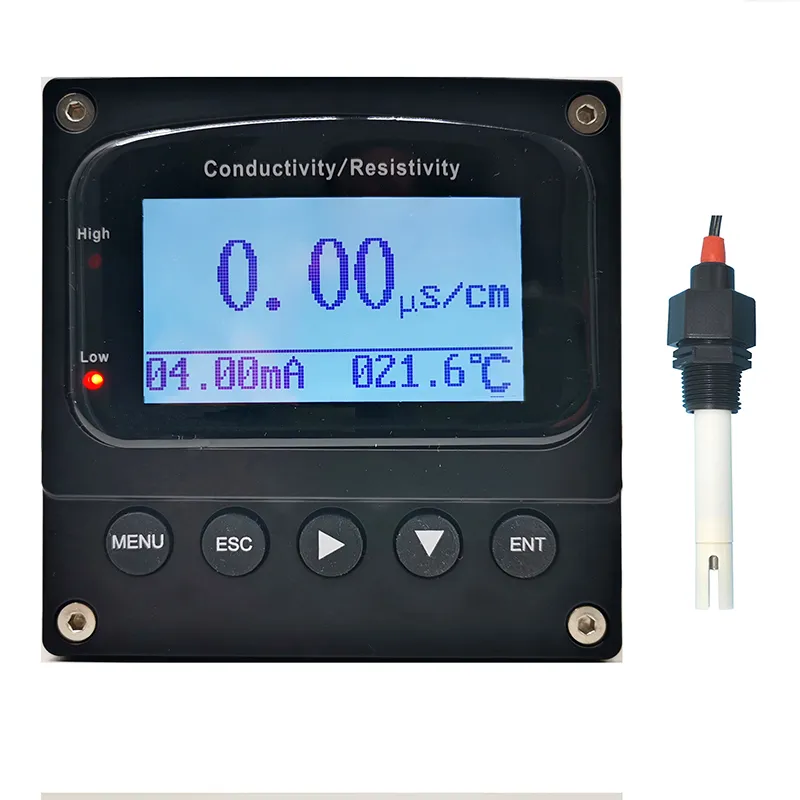
In today's data-driven industrial landscape, precise and reliable water quality monitoring is not just a regulatory requirement—it's a cornerstone of operational efficiency, product quality, and asset protection. The EC/TDS/RM-6850 stands at the forefront of this technological wave, offering a robust, all-in-one solution for measuring Electrical Conductivity (EC), Total Dissolved Solids (TDS), and Resistivity. This intelligent controller is engineered for demanding environments, providing unparalleled accuracy and control for a vast array of applications, from reverse osmosis (RO) systems to pharmaceutical manufacturing.
This comprehensive guide will delve into every facet of the EC/TDS/RM-6850, exploring its technical prowess, manufacturing excellence, and real-world applications to demonstrate why it is the superior choice for professionals who refuse to compromise on quality.
Explore Product Details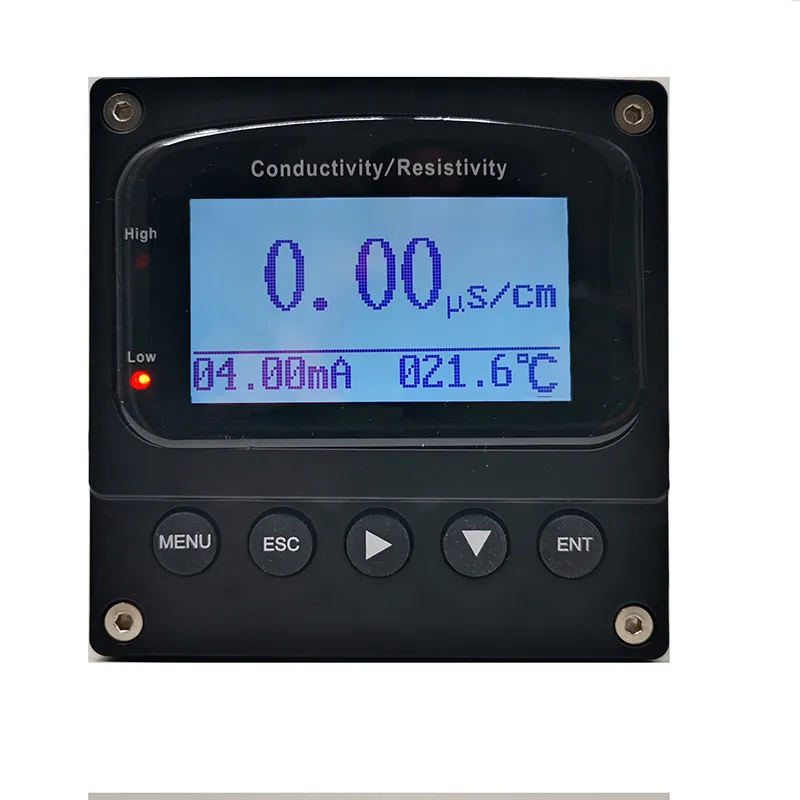
Industry Trends: The Rising Demand for Smart Water Quality Controllers
The global water and wastewater treatment market is projected to reach USD 465.3 billion by 2028, growing at a CAGR of 6.7%, according to a report by Fortune Business Insights. This growth is fueled by stringent environmental regulations, increasing industrialization, and a growing awareness of water scarcity. Within this market, the demand for smart monitoring devices like the EC/TDS/RM-6850 is surging. Modern facilities require controllers that not only measure accurately but also integrate seamlessly into existing PLC and SCADA systems, provide real-time data for process optimization, and offer predictive maintenance alerts to minimize downtime.
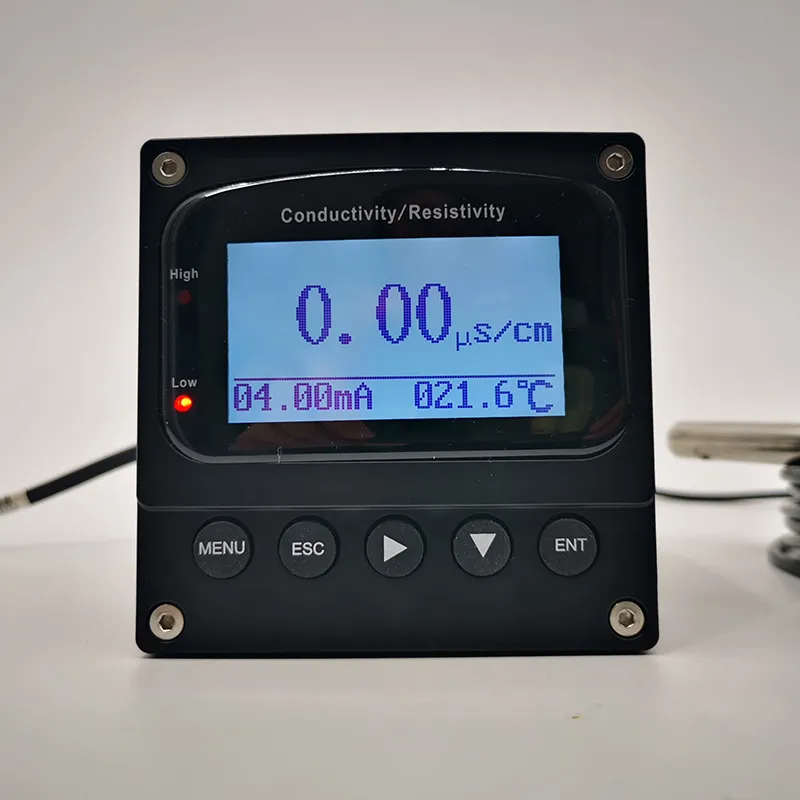
Technical Deep Dive: EC/TDS/RM-6850 Specifications
Understanding the technical specifications of the EC/TDS/RM-6850 is crucial to appreciating its capabilities. Below is a detailed breakdown of its key parameters, which are a testament to its superior engineering and design, adhering to international standards like ISO 7888:2020 for water quality analysis.
| Core Specifications of the EC/TDS/RM-6850 Controller | |
|---|---|
| Parameter | Specification |
| Measurement Modes | Conductivity (EC), Total Dissolved Solids (TDS), Resistivity |
| Conductivity Range | 0.01μS/cm to 2000 mS/cm (auto-ranging) |
| TDS Range | 0.01 ppm to 1000 ppt (auto-ranging) |
| Resistivity Range | 0 MΩ·cm to 100 MΩ·cm |
| Accuracy | ±1% of Full Scale |
| Resolution | 0.01μS/cm, 0.01 ppm, 0.01 MΩ·cm |
| Temperature Compensation | Automatic (ATC) & Manual (MTC) with PT1000/NTC10K sensor, 0-100°C |
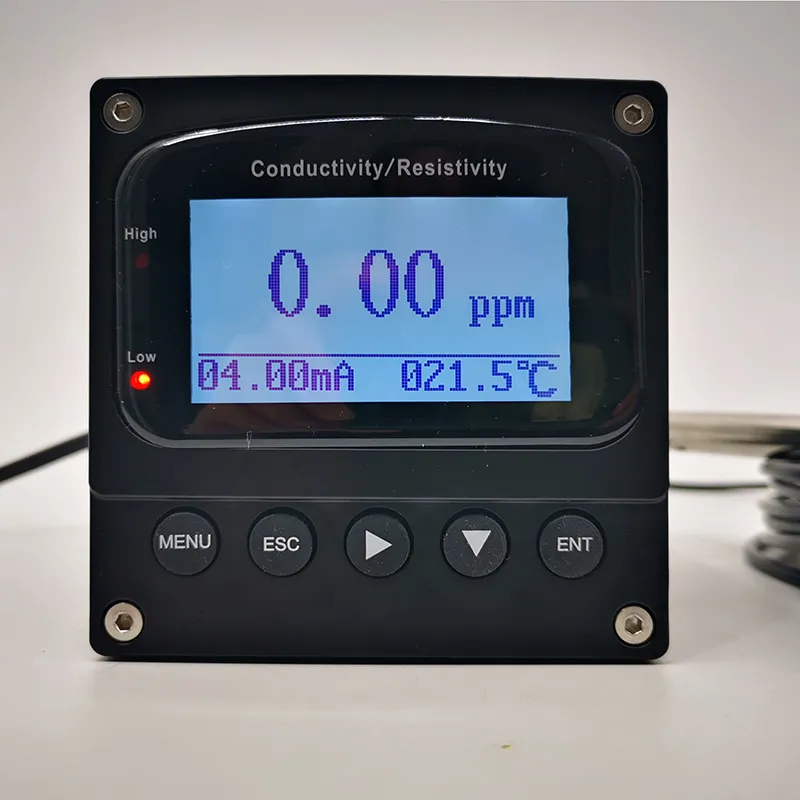
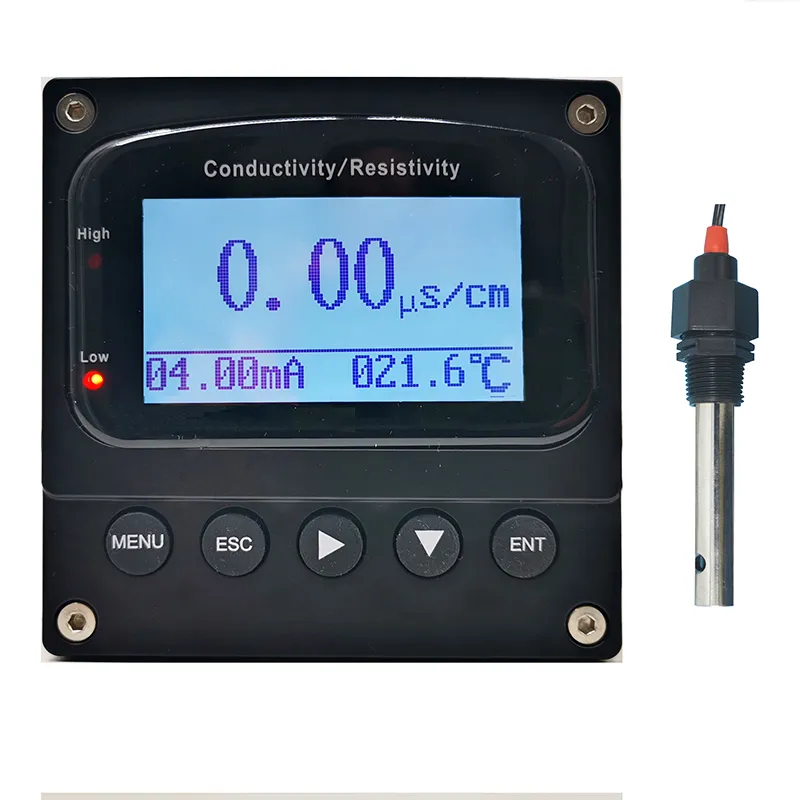
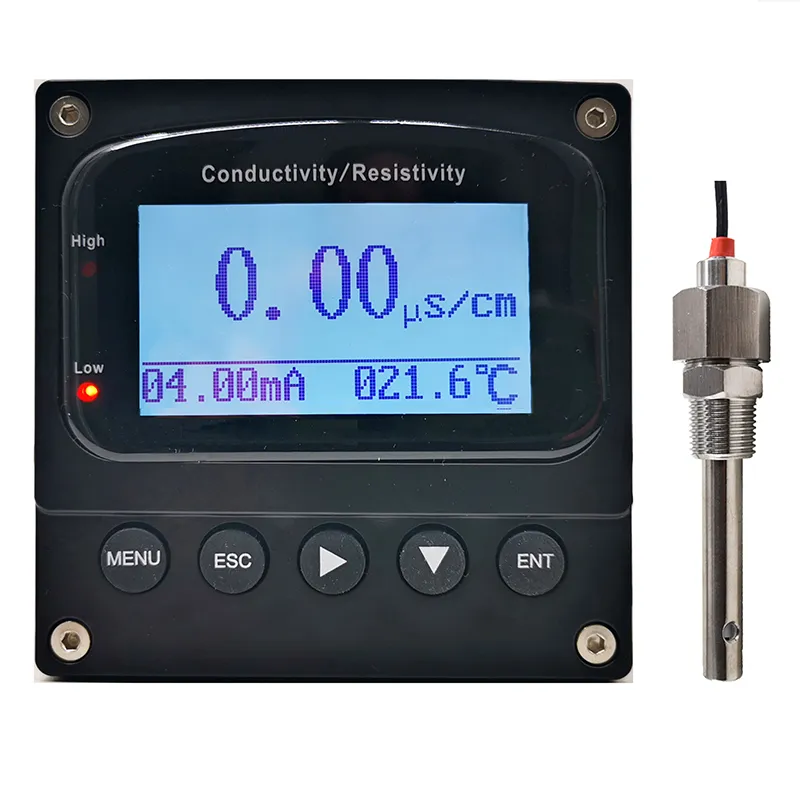
| Display | Large backlit LCD with simultaneous display of measurement, temperature, and relay status |
| Output Signal | Isolated, reversible 4-20mA analog output (max load 750Ω) |
| Relay Control | Two SPST relays, user-programmable for high/low setpoints with hysteresis |
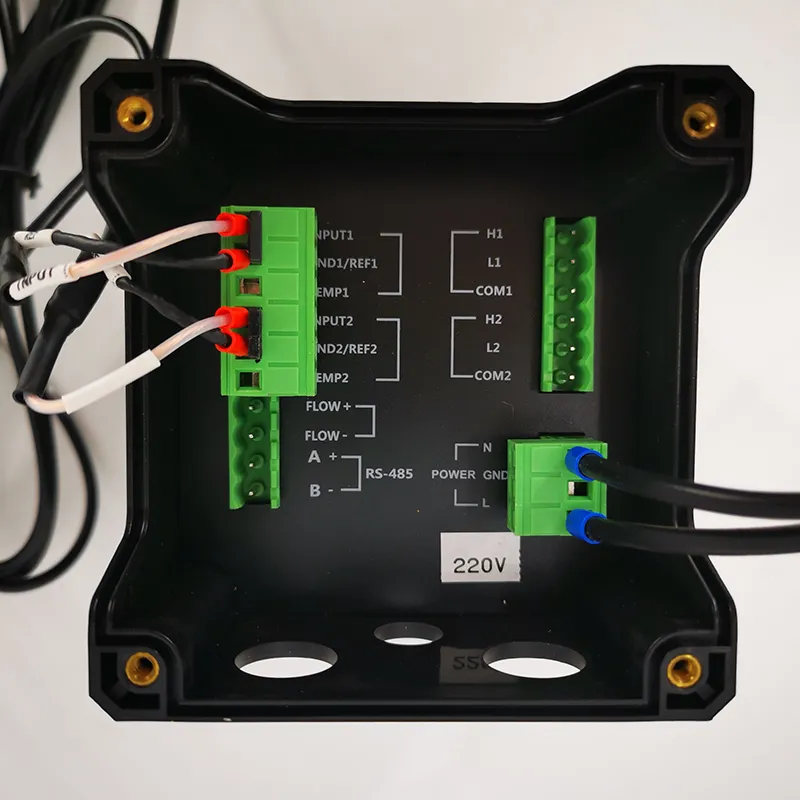
| Communication | Standard RS-485 (MODBUS-RTU protocol) |
| Power Supply | 90-260V AC, 50/60Hz or 24V DC (optional) |
| Housing Material | IP65 rated, corrosion-resistant ABS plastic |
| Dimensions | 96 x 96 x 130mm (1/4 DIN) |
| Certifications | CE, ISO 9001:2015 Compliant Manufacturing |
Data Visualized: Performance & Application Insights
Data visualization provides a clearer understanding of the EC/TDS/RM-6850's performance and its place in the market. The following charts illustrate key metrics.
Feature Comparison: EC/TDS/RM-6850 vs. Competitors
The EC/TDS/RM-6850 excels in accuracy, output options, and communication capabilities compared to standard market offerings.
Primary Application Distribution
Demonstrating its versatility, the controller is most widely adopted in critical RO systems and industrial wastewater treatment.
Manufacturing Excellence: The Journey of an EC/TDS/RM-6850
The reliability of the EC/TDS/RM-6850 is not accidental; it is the result of a meticulous, quality-controlled manufacturing process that adheres to the highest international standards, such as ISO 9001 for quality management systems.
Design & Engineering
3D CAD modeling, circuit design, and firmware development focusing on signal stability and user experience.
Material Sourcing
Sourcing of high-grade ABS for housing (corrosion resistance) and premium electronic components for longevity.
PCB Assembly
Automated SMT (Surface-Mount Technology) for precise component placement, ensuring high reliability and minimal signal interference.
Housing Injection Molding
Precision injection molding to create the IP65-rated housing, ensuring protection against dust and water ingress.
Final Assembly
Skilled technicians assemble the PCB, LCD display, and connectors into the housing, following strict ESD protocols.
Firmware & Calibration
Firmware flashing followed by a multi-point calibration against certified standard solutions traceable to NIST.
Quality Control & Testing
Rigorous 72-hour burn-in test, IP rating verification, and functional checks (relay, 4-20mA output) according to CE standards.
This process guarantees that every EC/TDS/RM-6850 unit leaving our facility offers an exceptional lifespan (MTBF > 25,000 hours) and is ready for the rigors of industries like Petrochemical, Metallurgy, Power Generation, and Municipal Water Treatment.
Unmatched Technical Advantages
The EC/TDS/RM-6850 isn't just another controller; it's a comprehensive process control tool. Its advantages stem from a combination of advanced technology and user-centric design.
High-Precision Measurement Engine
Utilizing an advanced microprocessor and sophisticated signal processing algorithms, the device delivers ±1% F.S. accuracy across its entire measurement range, ensuring reliable data for critical process decisions.
Superior Temperature Compensation
Water conductivity is highly temperature-dependent. The EC/TDS/RM-6850's advanced ATC with a choice of PT1000 or NTC10K sensors normalizes readings to the reference temperature (typically 25°C), eliminating temperature as a variable and ensuring true process analysis.
Robust & Versatile Connectivity
With isolated 4-20mA output and RS-485 (MODBUS), the controller integrates flawlessly into any modern automation architecture. This facilitates centralized monitoring, data logging, and remote control, aligning with Industry 4.0 principles.
Engineered for Harsh Environments
The IP65-rated ABS housing is designed to withstand corrosive atmospheres, humidity, and dust common in industrial settings. This robust construction ensures a long service life and minimizes maintenance costs, a key advantage in sectors like chemical processing and desalination.
Competitive Landscape: Why Choose the EC/TDS/RM-6850?
When selecting a controller, it's essential to compare features that directly impact performance and total cost of ownership. Here's how the EC/TDS/RM-6850 stacks up against typical market alternatives.
| Feature | EC/TDS/RM-6850 | Standard Competitor A | Basic Competitor B |
|---|---|---|---|
| Measurement Modes | EC / TDS / Resistivity (All-in-one) | EC / TDS only | EC only |
| Accuracy | ±1% F.S. | ±2% F.S. | ±3% F.S. |
| Communication | RS-485 (MODBUS) + 4-20mA | 4-20mA only | Relay only |
| Housing Protection | IP65 | IP65 | IP54 |
| Display | Large LCD, Multi-parameter | Segment LCD, Single value | Basic LED indicators |
| Calibration | Multi-point, User-guided | Single-point | Fixed / Potentiometer |
Customization and Turnkey Solutions
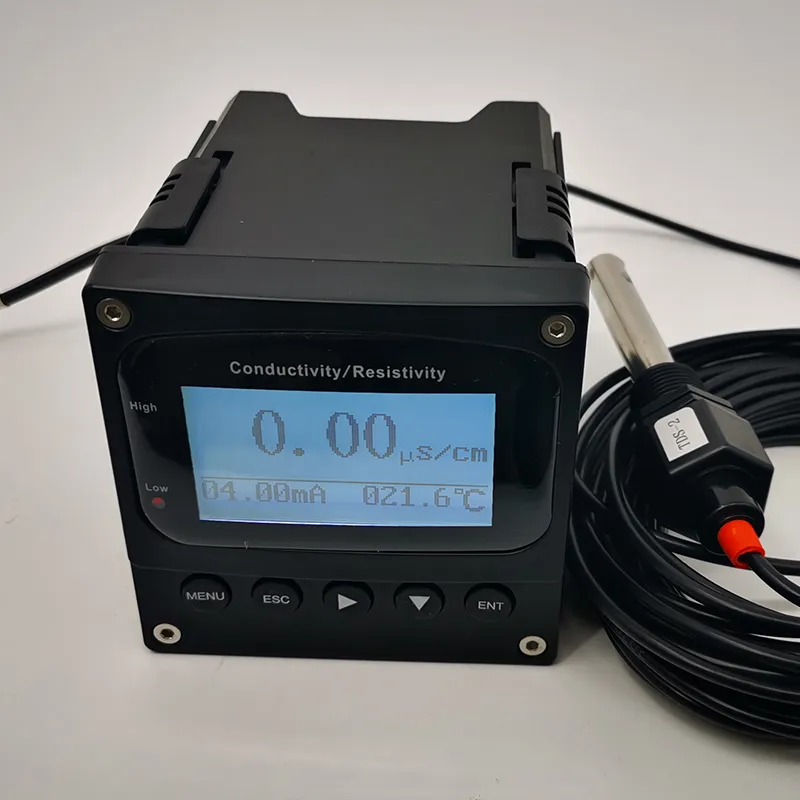
We understand that one size does not fit all. Our team of application engineers has over 15 years of experience in water treatment and can provide customized solutions built around the EC/TDS/RM-6850. This includes:
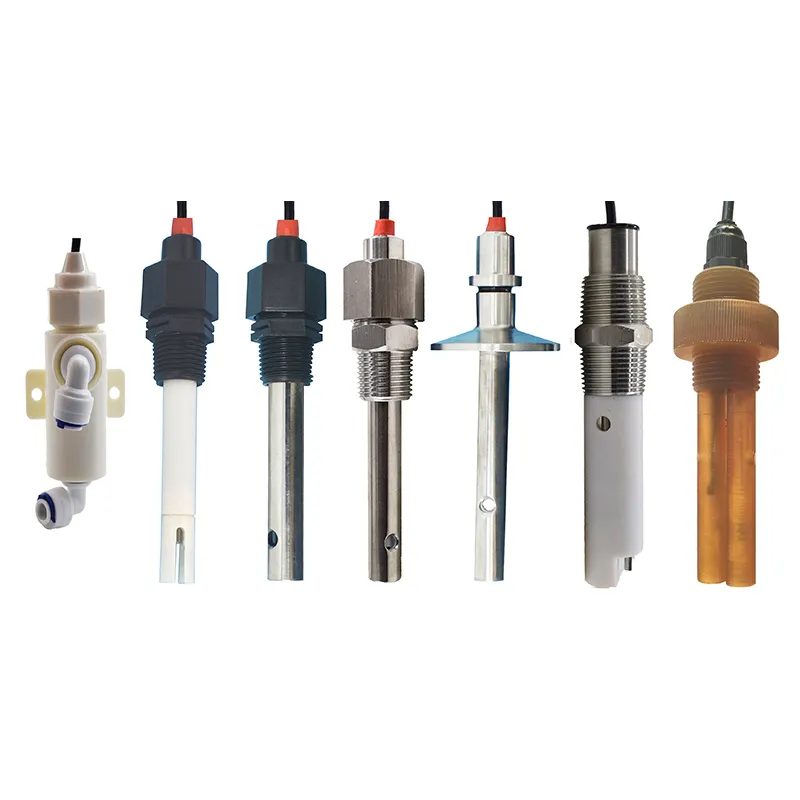
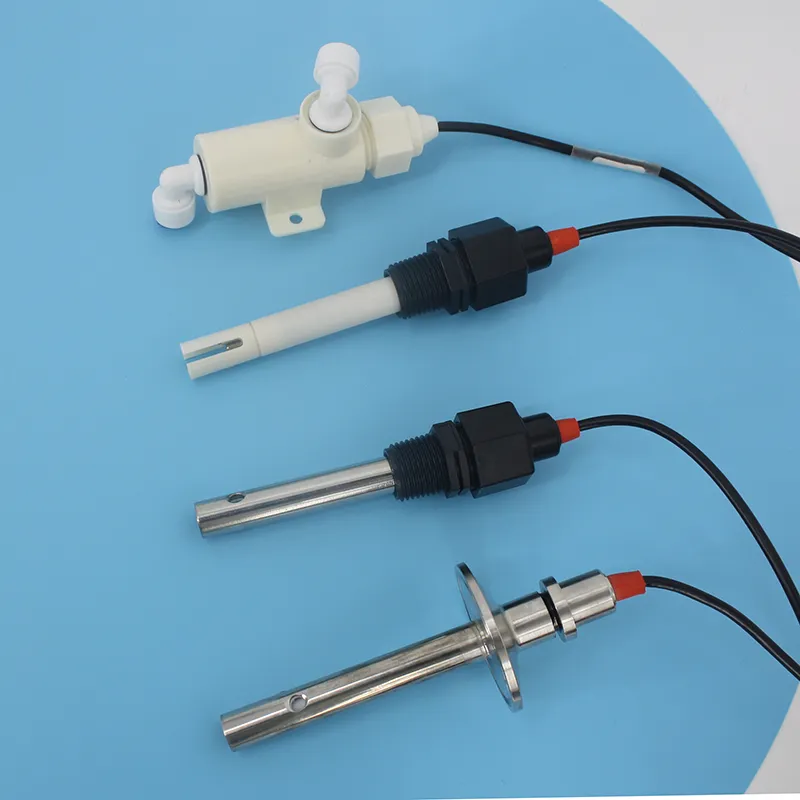
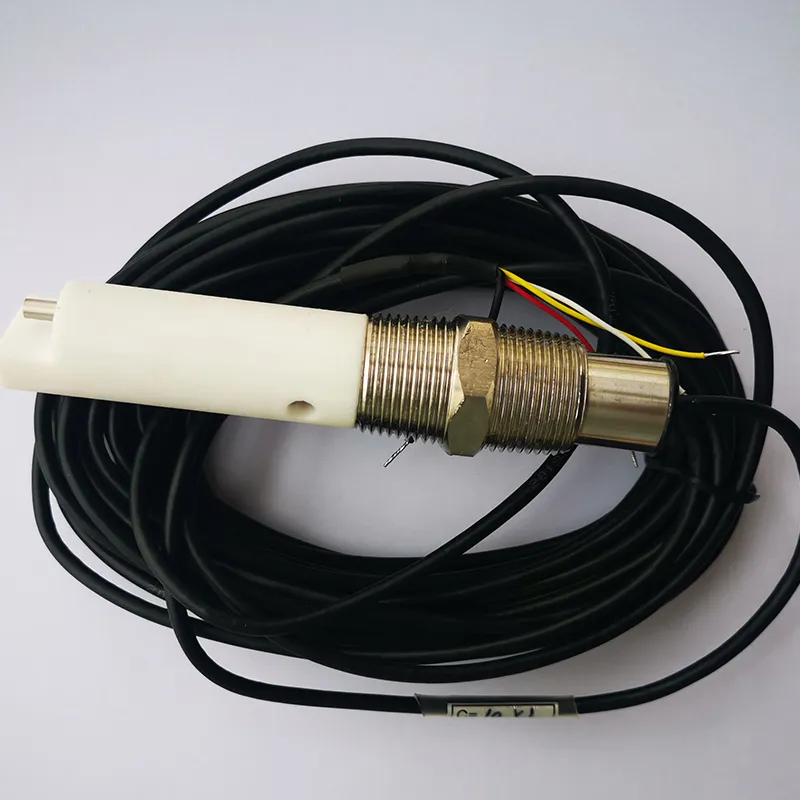
- Sensor Pairing: Recommending the ideal conductivity sensor (2-electrode, 4-electrode, or toroidal) based on your water matrix (from ultrapure water to high-conductivity wastewater).
- Panel Integration: Pre-installing and wiring the controller into a NEMA-rated enclosure with circuit breakers and power supplies for a plug-and-play solution.
- Firmware Adjustments: Customizing TDS conversion factors or temperature compensation coefficients for unique applications.
- System Integration Support: Providing documentation and direct support to help your team integrate the EC/TDS/RM-6850 into your existing SCADA or DCS system via MODBUS.
Application Case Studies: Real-World Success
The true measure of a product's value is its performance in the field. Here are some examples of how the EC/TDS/RM-6850 has delivered tangible results for our clients.
Case Study 1: Optimizing RO Permeate Quality in a Beverage Plant
Challenge: A major bottling company was experiencing inconsistent RO permeate quality, leading to variations in final product taste and occasional batch rejections. Their existing basic conductivity meter lacked the precision and alarming capabilities to preemptively address membrane fouling.
Solution: They upgraded to the EC/TDS/RM-6850, monitoring the permeate conductivity. The high and low relay setpoints were configured to trigger an alarm when TDS levels (calculated from conductivity) deviated from the acceptable range, and a separate relay initiated a cleaning-in-place (CIP) cycle.
Result:
"The EC/TDS/RM-6850 gave us the tight control we needed. We've seen a 95% reduction in batch deviations and optimized our membrane cleaning schedule, saving us significant costs in both rejected product and chemical usage. The data logging via MODBUS has been invaluable for our quality audits." - Plant Manager
Case Study 2: Ensuring Compliance in an Electroplating Wastewater Discharge
Challenge: An electroplating facility needed to continuously monitor their final effluent to ensure TDS levels were below the stringent limits set by the environmental protection agency (EPA). Manual sampling was inefficient and carried the risk of non-compliance fines.
Solution: An EC/TDS/RM-6850 was installed at the final discharge point. The 4-20mA output was fed directly into their compliance monitoring system, providing a continuous, tamper-proof record of water quality. The high-level alarm relay was connected to a diverter valve, automatically redirecting non-compliant water back to a holding tank for re-treatment.
Result: The facility achieved 100% compliance with discharge regulations, avoiding potential fines. The automated system reduced labor costs associated with manual sampling and provided peace of mind for the environmental manager.
E-E-A-T: Our Commitment to Trust and Authority
We believe in transparency and building trust. Our expertise and authority are demonstrated not just by our products, but by our commitment to quality, support, and verifiable standards.
Industry Certifications
Our manufacturing facilities are ISO 9001:2015 certified, and the EC/TDS/RM-6850 is CE marked, confirming its compliance with European health, safety, and environmental protection standards.
Global Partnerships
We are a trusted supplier to leading system integrators and Fortune 500 companies in the water treatment, pharmaceutical, and chemical industries, with over a decade of proven service.
Comprehensive Warranty
The EC/TDS/RM-6850 comes with a 24-month manufacturer's warranty against defects, backed by our responsive customer support team.
Reliable Delivery
With an optimized supply chain, standard models have a typical delivery cycle of 5-7 business days. We provide tracking and dedicated logistics support for all orders.
Frequently Asked Questions (FAQ)
Here are answers to some common technical questions about the EC/TDS/RM-6850.
They are all measures of ionic content in water but are used in different contexts. EC (Electrical Conductivity) is the direct measurement of how well a solution conducts electricity, measured in Siemens/cm (S/cm). TDS (Total Dissolved Solids) is an estimation of the total mass of dissolved ions, calculated from EC using a conversion factor (e.g., TDS ppm = EC μS/cm * 0.5). It's commonly used in drinking water and agriculture. Resistivity is the inverse of conductivity (R = 1/C) and measures how strongly a solution resists electrical flow, measured in Ohm-cm (Ω·cm). It is primarily used for high-purity and ultrapure water applications like in semiconductor and pharmaceutical industries.
The EC/TDS/RM-6850 controller housing is made from high-impact, chemically resistant ABS plastic, rated at IP65 for dust and water protection. The compatible sensors we offer feature various wetted materials to suit different applications: 316L Stainless Steel for general purpose, Graphite for aggressive media, and PVDF/PEEK with platinum electrodes for high-purity or high-temperature applications.
Proper sensor installation is key. The sensor should be fully submerged in the process liquid, avoiding air bubbles. For pipeline installations, it's best to install it in a vertical pipe with upward flow or in a T-fitting off the main line to ensure it remains wet. It should be placed away from pumps and elbows to avoid turbulence. The EC/TDS/RM-6850 manual provides detailed diagrams for various installation standards (e.g., insertion, submersion, flow-through cell).
The controller features a simple, menu-driven calibration process. For optimal accuracy, a two-point calibration is recommended. You will need certified conductivity standard solutions that bracket your expected measurement range. The process involves rinsing the sensor, placing it in the first standard solution, and letting the controller automatically recognize and accept the value. Repeat for the second point. The device will then calculate and store the cell constant.
Conductivity of a solution can change by about 2% for every 1°C change in temperature. ATC is a function where the integrated temperature sensor (like a PT1000) measures the liquid's temperature and the EC/TDS/RM-6850's microprocessor automatically corrects the conductivity reading to a standard reference temperature (usually 25°C). This is critical because it ensures that you are measuring changes in the solution's ionic content, not just fluctuations in temperature, leading to far more accurate and comparable process control data.
The EC/TDS/RM-6850 is designed for a long operational life, with a Mean Time Between Failures (MTBF) exceeding 25,000 hours under normal operating conditions. We provide a comprehensive 24-month warranty covering any manufacturing defects. The robust construction and high-quality components ensure reliability in demanding industrial environments.
Absolutely. The EC/TDS/RM-6850 provides a fully isolated 4-20mA current loop output, which is the industry standard for connecting to PLCs, SCADA systems, or data loggers. The output range is user-programmable, meaning you can scale the 4mA and 20mA signals to correspond to any part of the measurement range (e.g., 4mA = 0 µS/cm, 20mA = 2000 µS/cm). This provides high-resolution data for your automation system.
Conclusion & Further Reading
The EC/TDS/RM-6850 is more than a measurement device; it is a critical asset for modern industrial processes. By combining high precision, robust construction, versatile connectivity, and user-friendly operation, it provides unmatched value and reliability. Its adoption translates directly into improved product quality, enhanced operational efficiency, and confident regulatory compliance. Investing in the EC/TDS/RM-6850 is an investment in the certainty and control of your water-dependent processes.
For more in-depth knowledge on the principles and applications discussed, we recommend the following authoritative resources:
- "Standard Methods for the Examination of Water and Wastewater" by APHA, AWWA, WEF - The definitive guide for water analysis methods, including conductivity (Method 2510).
- Journal of Water Process Engineering (Elsevier): A peer-reviewed journal for advanced research in water treatment technologies where precise monitoring is paramount. Visit Journal
- The Water Treatment Plant Operator's Forum on WaterWorld: A community for professionals to discuss practical challenges and solutions in water treatment, including instrumentation. Explore Forums

Related Products
Related News
2026-04-16 03:20:19
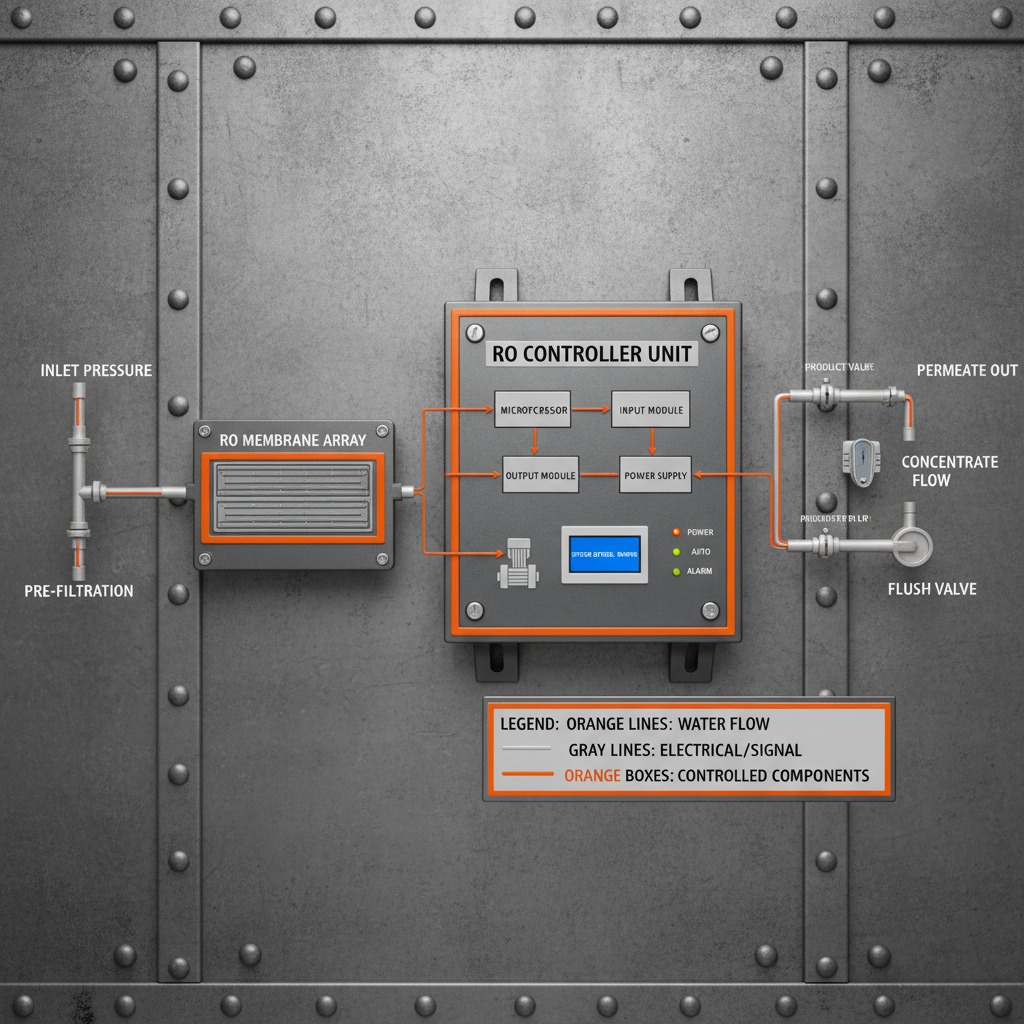
Guide to Choosing the Right RO Controller for Water PurificationMaintaining a high-performance reverse osmosis system requires more than just quality membranes; it demands precise regulation. An ro controller serves as the brain of the entire operation, monitoring critical parameters such as conductivity, temperature, and flow rates to ensure the output water meets stringent purity standards. Without an efficient controller, systems are prone to membrane fouling, inefficient energy use, and inconsistent water quality. In this comprehensive guide, we will explore how these devices optimize water treatment processes and how to select the best model for your specific industrial or commercial needs.
2026-04-09 03:25:47
Guide to Water Purity Using RO with TDS Controller SystemsAchieving the perfect balance of mineral content and purity in drinking water is a challenge for many households and industrial facilities. A ro with tds controller offers a sophisticated solution by combining the rigorous filtration of Reverse Osmosis (RO) with the precision of a Total Dissolved Solids (TDS) adjustment system. While standard RO systems remove almost everything, including beneficial minerals, a TDS controller allows users to re-mineralize the water to a desired level. This ensures that the water is not only safe and pure but also tastes better and provides essential nutrients.
2026-04-07 03:17:09
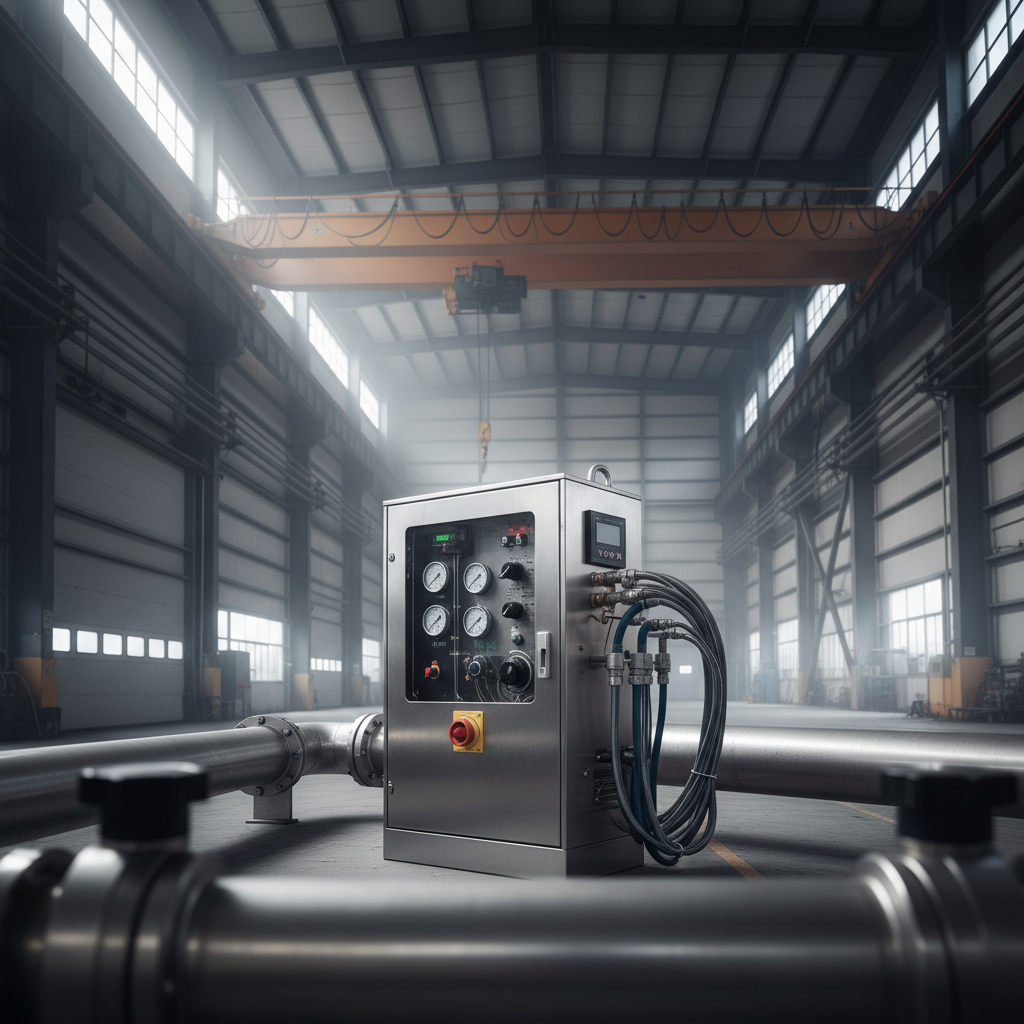
Understanding and Optimizing Reverse Osmosis Systems with a ControllerIn the world of water purification, reverse osmosis (RO) systems are a cornerstone for producing high-quality water for various applications, from drinking water to industrial processes. However, an RO system is only as effective as its control system. This is where the reverse osmosis controller comes into play. This critical component manages and optimizes the RO process, ensuring efficient operation, water quality, and system longevity.
2026-04-04 03:27:19
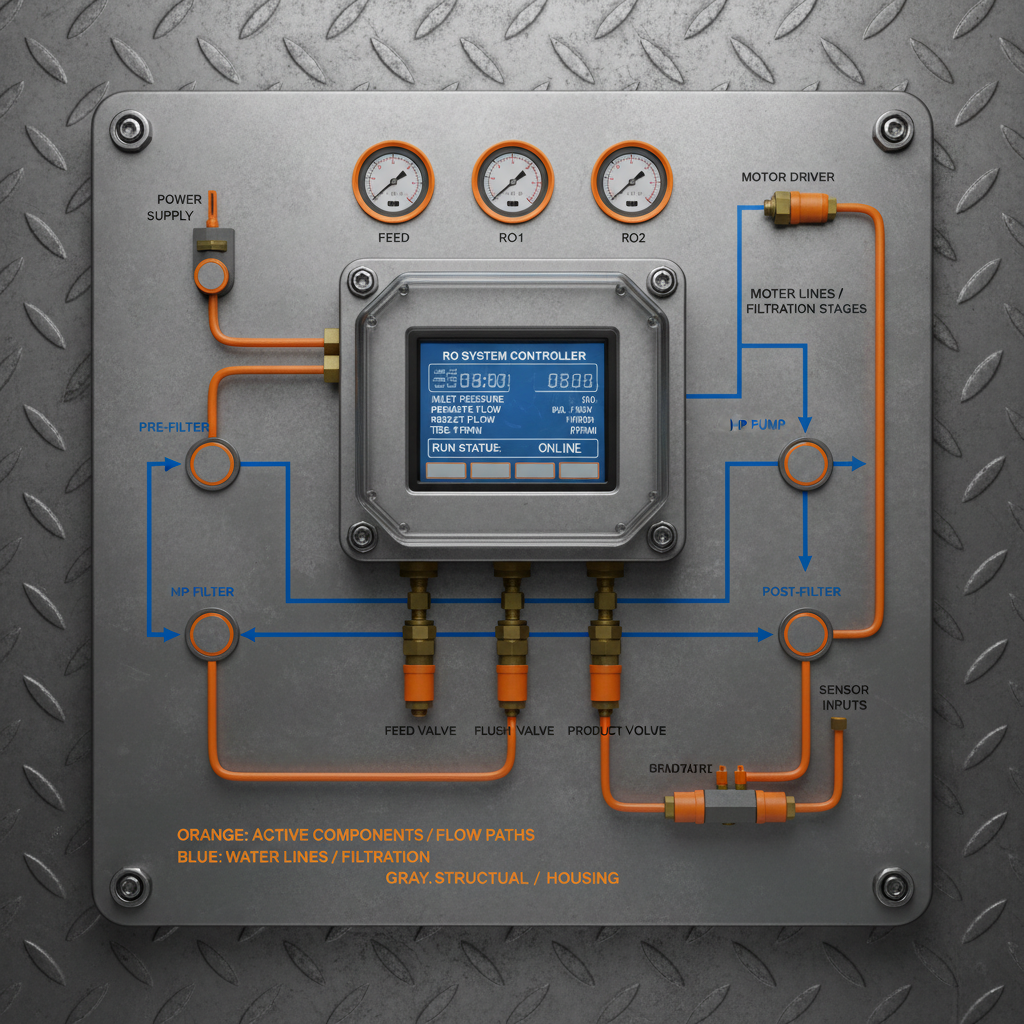
Understanding the Vital Role of an RO System Controller for Optimal PerformanceReverse Osmosis (RO) systems are critical for purifying water across various industries, from residential applications to large-scale industrial processes. At the heart of a well-functioning RO system lies the RO system controller. This intelligent device monitors and regulates all key parameters of the RO process, ensuring optimal performance, efficiency, and water quality. This article delves into the functionalities, benefits, and selection criteria for choosing the right RO system controller, particularly focusing on those offered by Watequipments. Understanding its role is crucial for maximizing the lifespan and effectiveness of your RO investment.
2026-03-24 17:18:24
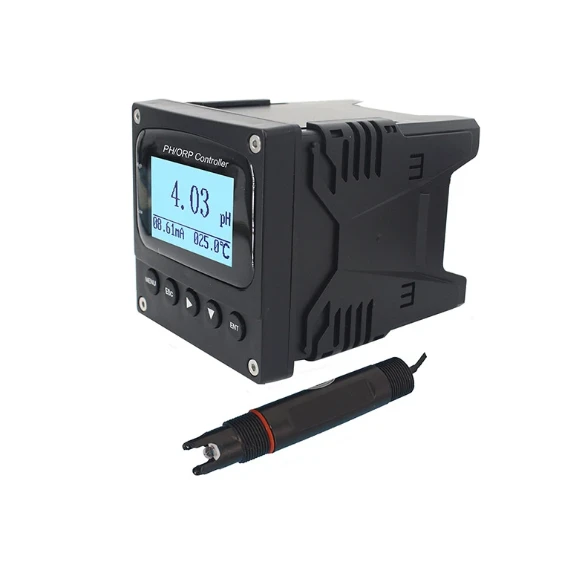
Smart Water Treatment Solutions Using PH ORP Controller SystemsIn modern water treatment and industrial fluid management, maintaining precise chemical balance is essential for safety, efficiency, and regulatory compliance.
2026-03-04 02:55:19
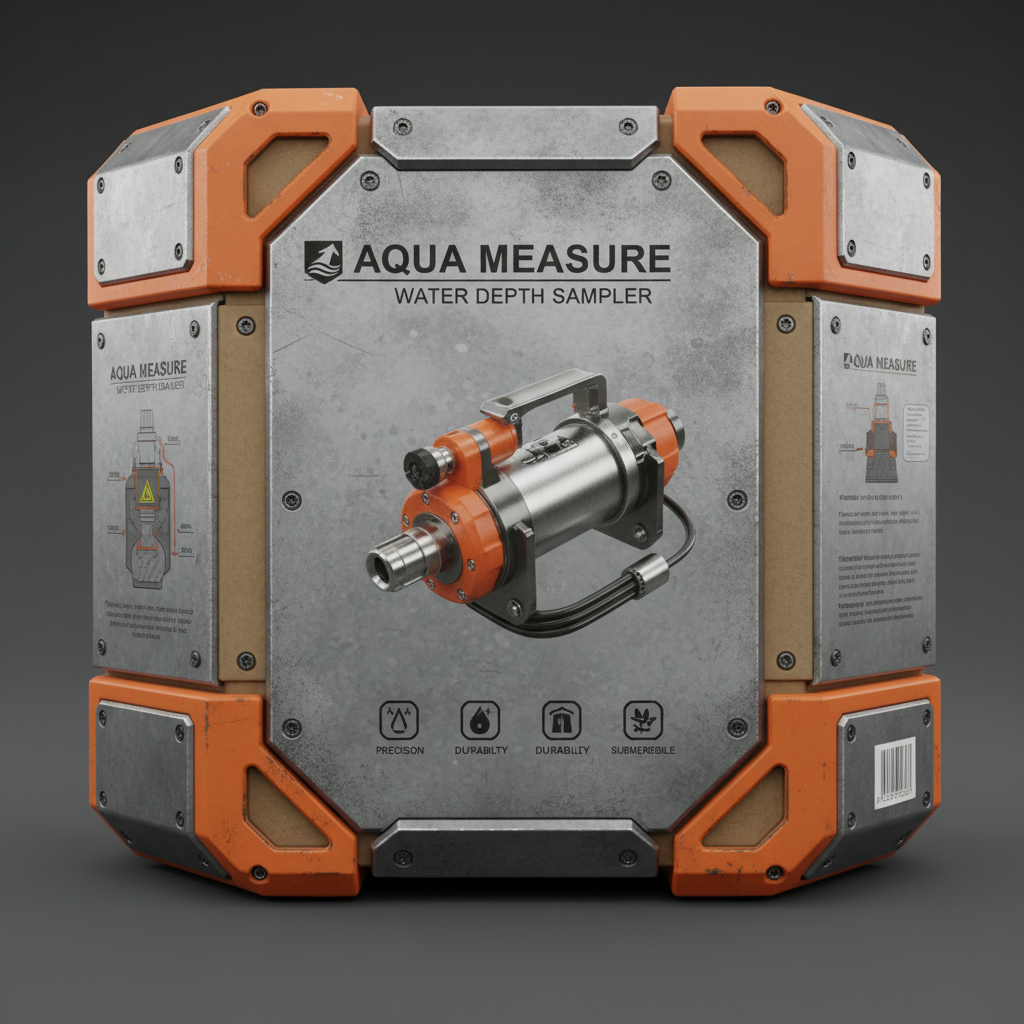
Comprehensive Guide to Water Depth Samplers and Their ApplicationsAccurate water quality monitoring is crucial in various fields, from environmental science and aquaculture to industrial wastewater management. A key tool for this is the water depth sampler. This article provides an in-depth look at water depth samplers, their applications, types, and essential considerations for choosing the right one for your needs. We'll explore the benefits of utilizing this equipment to collect reliable data for analysis and informed decision-making. Selecting the right sampler can significantly improve the precision and efficiency of your water monitoring program. A water depth sampler, also known as a depth-integrated sampler, is a device designed to collect water samples from specific depths within a body of water. Unlike simply dipping a container into the water, a depth sampler allows for collection of a representative sample across a defined depth range. This is critical because water properties (temperature, salinity, pollutants) often vary significantly with depth. The data gathered with a water depth sampler provides a more accurate assessment of water quality than surface samples alone.
2026-03-03 18:55:22
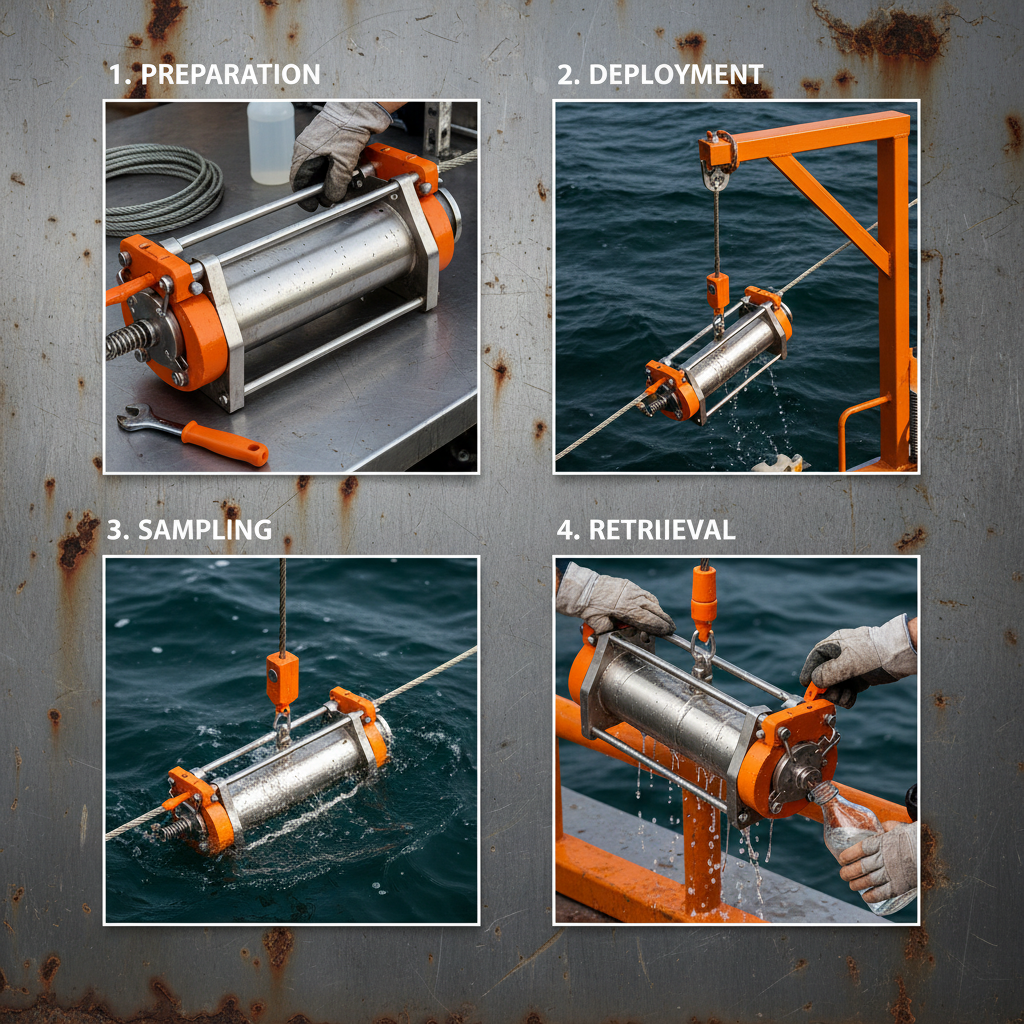
Comprehensive Guide to Horizontal Water Sampler Applications and SelectionCollecting water samples at varying depths is crucial for environmental monitoring, research, and quality control. The horizontal water sampler from Watequipment.com offers a precise and efficient solution for this task. This article provides an in-depth look at horizontal water samplers, their applications, benefits, and key considerations when choosing the right model. We will explore how these samplers contribute to accurate data collection and informed decision-making in various fields. A horizontal water sampler is a device designed to collect water samples from specific depths within a body of water – rivers, lakes, oceans, reservoirs, and even wastewater treatment plants. Unlike vertical samplers which primarily focus on depth, horizontal samplers prioritize collecting samples at a consistent depth while moving along a horizontal plane. This is essential for assessing water quality variations across a waterway or within a specific zone. They are used in applications ranging from environmental monitoring and scientific research to industrial process control and regulatory compliance.
2026-02-28 02:35:09
Comprehensive Guide to Selecting the Right Surface Water Sampler for Your NeedsMonitoring the quality of surface water is critical for environmental protection, public health, and various industrial applications. A surface water sampler is an essential tool for collecting representative samples from rivers, lakes, ponds, and other surface water sources. This article provides a detailed overview of surface water samplers, their types, applications, and key considerations for selecting the right equipment. Accurate water quality data relies on proper sample collection, and choosing the correct sampler is the first step toward achieving reliable results. Surface water samplers come in various designs, each suited to specific sampling needs. Common types include grab samplers, depth-integrating samplers, peristaltic pumps, and automatic samplers. Surface water samplers are used across a broad spectrum of applications, including environmental monitoring, wastewater discharge monitoring, drinking water source monitoring, agricultural runoff analysis, and research studies.

 English