



Key Considerations for Selecting Turbidity Testing Devices

Key Considerations for Selecting Turbidity Testing Devices
Aug . 21, 2025
In water quality management, accurate measurement of turbidity—cloudiness caused by suspended particles—is essential across industries. For wholesalers, providing clients with reliable turbidity testing device solutions, including turbidity transmitter and turbidity tester systems, ensures they meet regulatory standards and operational needs. Hebei JIRS Import & Export Co., Ltd., a leader in water quality monitoring, offers advanced turbidity measurement tools designed for diverse applications, from municipal water treatment to aquaculture. With a focus on precision, durability, and exceptional after-service, the company empowers wholesalers to deliver solutions that excel in performance and reliability.
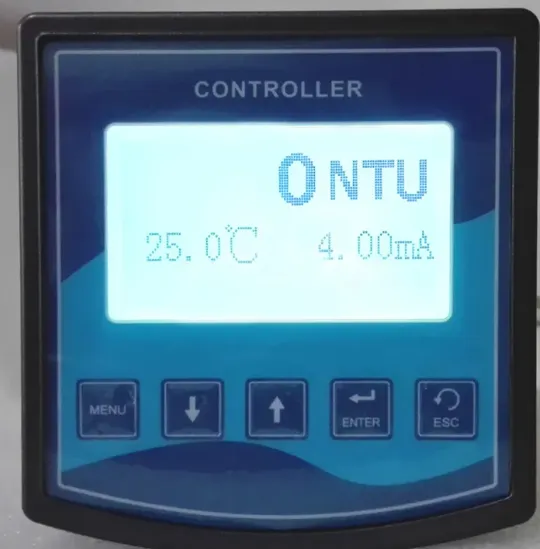
Turbidity Testing Device: Core Features for Reliable Measurement
A high-quality turbidity testing device combines accuracy, versatility, and user-friendliness to meet the demands of various water monitoring scenarios.
|
Feature |
Specification |
Advantage for Users |
|
Measuring Range |
0-1000NTU, 0-3000NTU (custom ranges available) |
Adapts to diverse applications, from clear to highly turbid water |
|
Accuracy & Repeatability |
±2.5% F.S. accuracy; ±1.0% repeatability |
Ensures reliable data for compliance and process control |
|
Design |
Large LCD display, panel-mounted installation |
Enhances usability and integration into existing setups |
Turbidity Transmitter: Real-Time Monitoring in Dynamic Environments
A turbidity transmitter is critical for continuous, real-time turbidity monitoring, enabling immediate response to fluctuations in water quality.
|
Application |
Turbidity Transmitter Benefit |
Hebei JIRS Feature Supporting This |
|
Municipal Water Treatment |
Immediate detection of turbidity spikes |
Real-time 4-20mA output for automated alerts |
|
Industrial Wastewater |
Withstands harsh, high-turbidity conditions |
Durable sensor design, wide temperature range |
|
Aquaculture |
Maintains stable water quality |
Consistent readings for optimal aquatic health |
Turbidity Tester: Versatility Across Industries
A turbidity tester must adapt to the unique needs of different industries, from precise laboratory measurements to on-site field monitoring.
|
Industry |
Turbidity Monitoring Requirement |
Hebei JIRS Feature Addressing Need |
|
Municipal Water |
Strict regulatory compliance for turbidity |
±2.5% accuracy, broad measuring range |
|
Aquaculture |
Maintain optimal turbidity for aquatic health |
Real-time monitoring, reliable data |
|
Swimming Pools |
Ensure clarity and safety |
Rapid response to turbidity changes via relay outputs |
Hebei JIRS Import & Export Co., Ltd., Turbidity Transmitter Measurement Systems: Technical Specifications
These specifications reflect Hebei JIRS Import & Export Co., Ltd., commitment to quality, with each system undergoing rigorous testing to ensure durability and accuracy. The company’s focus on integration—such as panel mounting and compatibility with existing control networks—makes their turbidity testing devices easy to implement for end-users.
|
Component |
Specification |
Role in Turbidity Measurement |
|
Controller |
Size: 100×106×168mm (H×W×D); Weight: 0.8kgs |
Processes data, displays readings, and enables user control |
|
Sensor |
Size: 210×50mm (L×Dia.); Weight: 1.5kgs; G3/4” mounting thread |
Submerged measurement, captures turbidity data |
|
Outputs |
4-20mA analog output (load <750Ω); 2 relays (3A 220V AC/24V DC) |
Transmits data to control systems; triggers alerts/adjustments |
|
Power & Environment |
220V AC ±10%; ≤10W power consumption; 0-60℃ ambient temp. |
Ensures stable operation in diverse settings |
Turbidity Testing Device FAQS
How does a turbidity testing device handle varying water temperatures?
A turbidity testing device must account for temperature variations to maintain accuracy, as water temperature can affect particle behavior and sensor performance. Hebei JIRS Import & Export Co., Ltd. devices are designed to operate within a 0-60℃ ambient temperature range, ensuring stable readings even in fluctuating conditions. This temperature resilience makes them suitable for outdoor applications like river monitoring or industrial cooling water systems, where temperatures can vary significantly. The company’s engineering ensures that temperature changes do not compromise the device’s accuracy or repeatability, providing reliable data across operational conditions.
What makes a turbidity transmitter suitable for continuous monitoring in wastewater treatment?
A turbidity transmitter is ideal for continuous wastewater monitoring due to its durability, real-time data output, and ability to handle high turbidity levels. Hebei JIRS Import & Export Co., Ltd., transmitters are built with robust materials to resist corrosion from chemicals and fouling from suspended particles, a common challenge in wastewater. Their broad measuring range covers the high turbidity levels typical in industrial effluent. Additionally, the 4-20mA output ensures that data is continuously streamed to control systems, enabling immediate adjustments to treatment processes. This combination of durability and real-time monitoring makes them indispensable for maintaining compliance and efficiency in wastewater treatment.
Can a turbidity tester be customized for specific measuring ranges?
Yes, Hebei JIRS Import & Export Co., Ltd. turbidity tester can be customized to meet specific measuring range requirements. This flexibility is crucial for clients with unique applications, such as monitoring ultra-clear water in pharmaceutical production or extremely turbid water in mining operations. Wholesalers can work with Hebei JIRS Import & Export Co., Ltd. technical team to specify custom ranges, ensuring the turbidity tester aligns with the client’s operational needs. This customization capability enhances the versatility of the device, making it suitable for niche or specialized water monitoring scenarios.
How does Hebei JIRS Import & Export Co., Ltd. ensure the accuracy of its turbidity testing device over time?
Hebei JIRS Import & Export Co., Ltd. ensures long-term accuracy of its turbidity testing device through meticulous design, high-quality components, and calibration support. The devices are built with stable optical sensors and electronic components that resist drift, maintaining precision over extended use. Additionally, the company provides guidance on regular calibration procedures, ensuring that readings remain accurate. Their technical support team assists with calibration checks and troubleshooting, helping clients maintain optimal performance. Hebei JIRS Import & Export Co., Ltd.commitment to quality extends to rigorous testing during manufacturing, ensuring each device meets strict accuracy standards before delivery.
What support is available for troubleshooting turbidity transmitter issues?
Hebei JIRS Import & Export Co., Ltd. offers comprehensive support for troubleshooting turbidity transmitter issues through their dedicated online support team. This team assists with installation challenges, calibration problems, and technical malfunctions, providing timely solutions to minimize downtime. The company’s after-service includes guidance on maintenance practices to prevent issues, such as cleaning procedures for sensors in high-fouling environments. Additionally, the devices are designed with user-friendly diagnostics, such as error codes on the LCD display, to simplify issue identification. Wholesalers can rely on Hebei JIRS to provide the expertise needed to resolve problems efficiently, ensuring client satisfaction and system reliability.

Related Products
Related News

2026-04-16 03:20:19
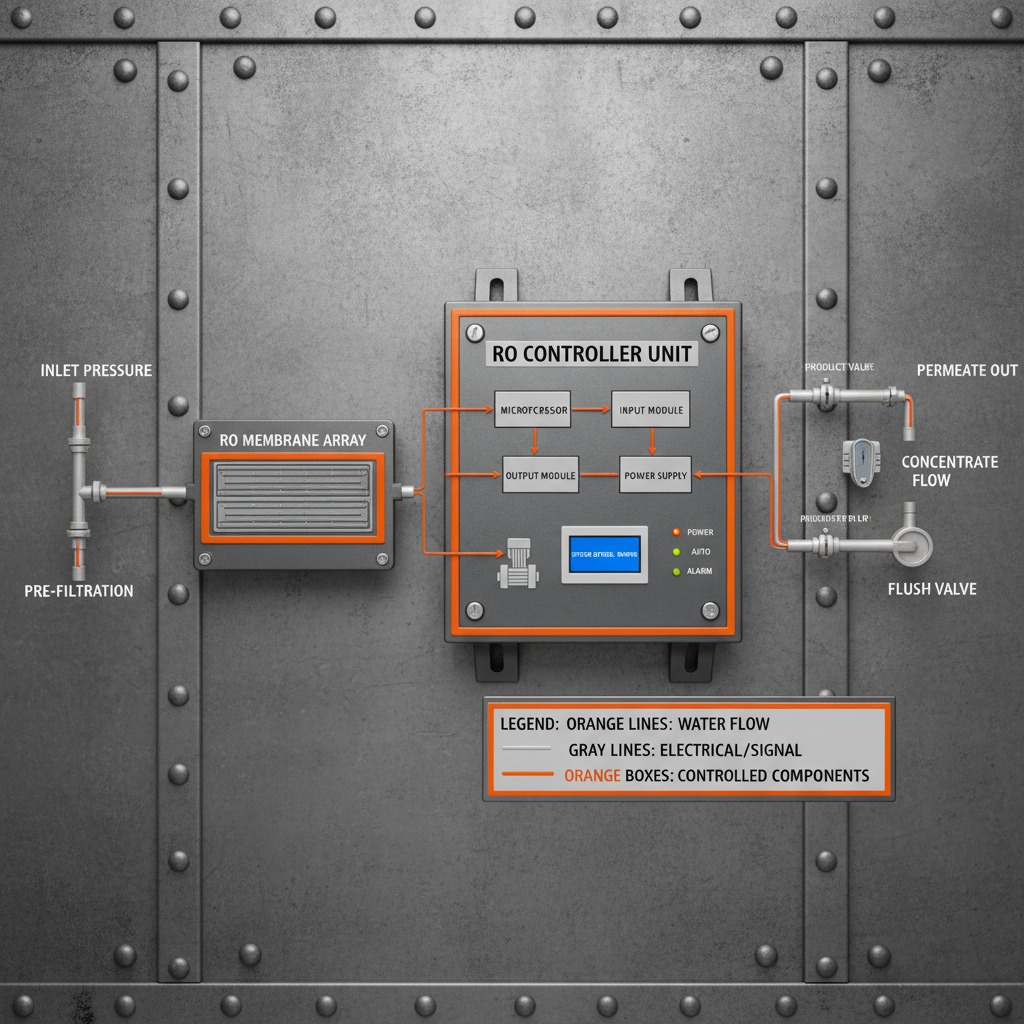
Guide to Choosing the Right RO Controller for Water PurificationMaintaining a high-performance reverse osmosis system requires more than just quality membranes; it demands precise regulation. An ro controller serves as the brain of the entire operation, monitoring critical parameters such as conductivity, temperature, and flow rates to ensure the output water meets stringent purity standards. Without an efficient controller, systems are prone to membrane fouling, inefficient energy use, and inconsistent water quality. In this comprehensive guide, we will explore how these devices optimize water treatment processes and how to select the best model for your specific industrial or commercial needs.
2026-04-09 03:25:47
Guide to Water Purity Using RO with TDS Controller SystemsAchieving the perfect balance of mineral content and purity in drinking water is a challenge for many households and industrial facilities. A ro with tds controller offers a sophisticated solution by combining the rigorous filtration of Reverse Osmosis (RO) with the precision of a Total Dissolved Solids (TDS) adjustment system. While standard RO systems remove almost everything, including beneficial minerals, a TDS controller allows users to re-mineralize the water to a desired level. This ensures that the water is not only safe and pure but also tastes better and provides essential nutrients.
2026-04-07 03:17:09
Understanding and Optimizing Reverse Osmosis Systems with a ControllerIn the world of water purification, reverse osmosis (RO) systems are a cornerstone for producing high-quality water for various applications, from drinking water to industrial processes. However, an RO system is only as effective as its control system. This is where the reverse osmosis controller comes into play. This critical component manages and optimizes the RO process, ensuring efficient operation, water quality, and system longevity.
2026-04-04 03:27:19
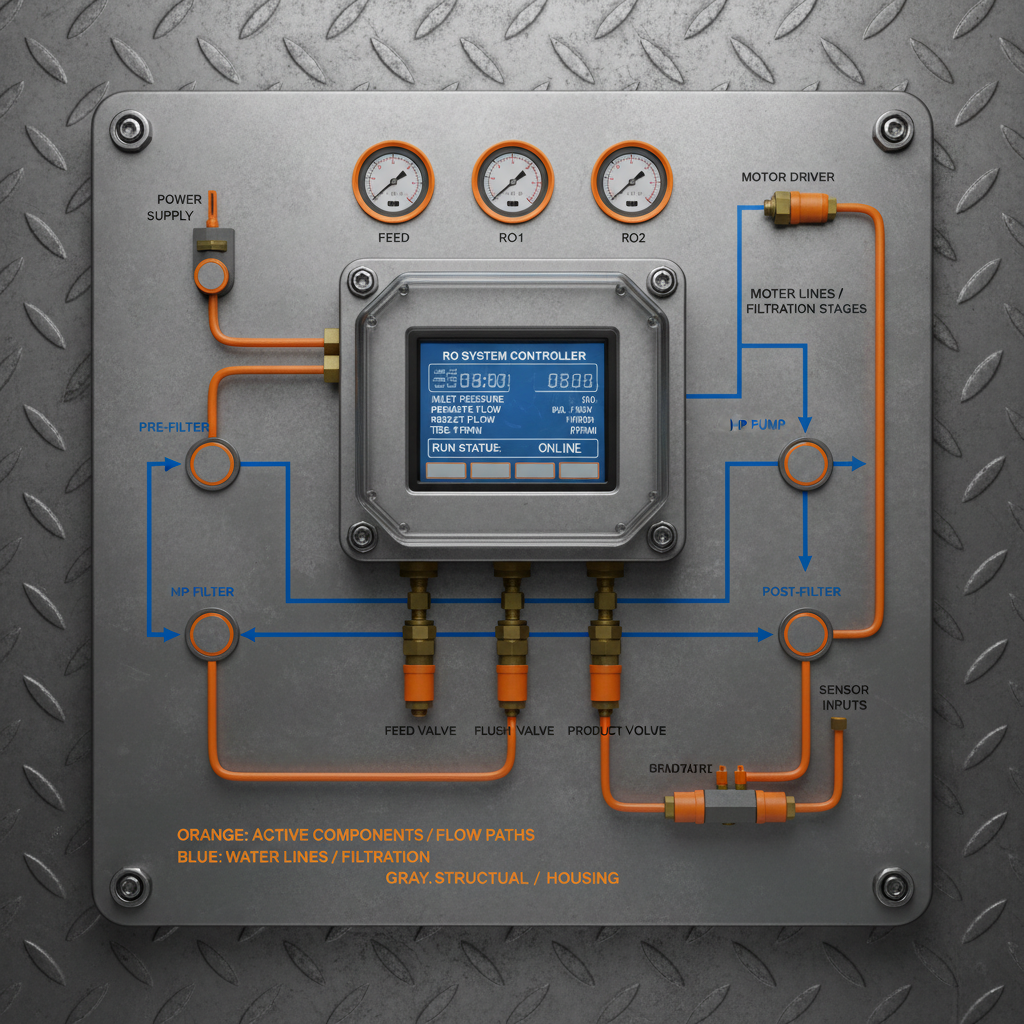
Understanding the Vital Role of an RO System Controller for Optimal PerformanceReverse Osmosis (RO) systems are critical for purifying water across various industries, from residential applications to large-scale industrial processes. At the heart of a well-functioning RO system lies the RO system controller. This intelligent device monitors and regulates all key parameters of the RO process, ensuring optimal performance, efficiency, and water quality. This article delves into the functionalities, benefits, and selection criteria for choosing the right RO system controller, particularly focusing on those offered by Watequipments. Understanding its role is crucial for maximizing the lifespan and effectiveness of your RO investment.
2026-03-24 17:18:24
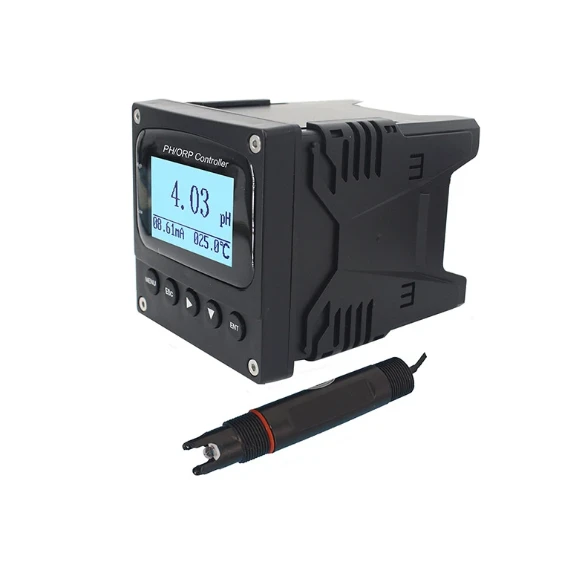
Smart Water Treatment Solutions Using PH ORP Controller SystemsIn modern water treatment and industrial fluid management, maintaining precise chemical balance is essential for safety, efficiency, and regulatory compliance.
2026-03-04 02:55:19
Comprehensive Guide to Water Depth Samplers and Their ApplicationsAccurate water quality monitoring is crucial in various fields, from environmental science and aquaculture to industrial wastewater management. A key tool for this is the water depth sampler. This article provides an in-depth look at water depth samplers, their applications, types, and essential considerations for choosing the right one for your needs. We'll explore the benefits of utilizing this equipment to collect reliable data for analysis and informed decision-making. Selecting the right sampler can significantly improve the precision and efficiency of your water monitoring program. A water depth sampler, also known as a depth-integrated sampler, is a device designed to collect water samples from specific depths within a body of water. Unlike simply dipping a container into the water, a depth sampler allows for collection of a representative sample across a defined depth range. This is critical because water properties (temperature, salinity, pollutants) often vary significantly with depth. The data gathered with a water depth sampler provides a more accurate assessment of water quality than surface samples alone.
2026-03-03 18:55:22
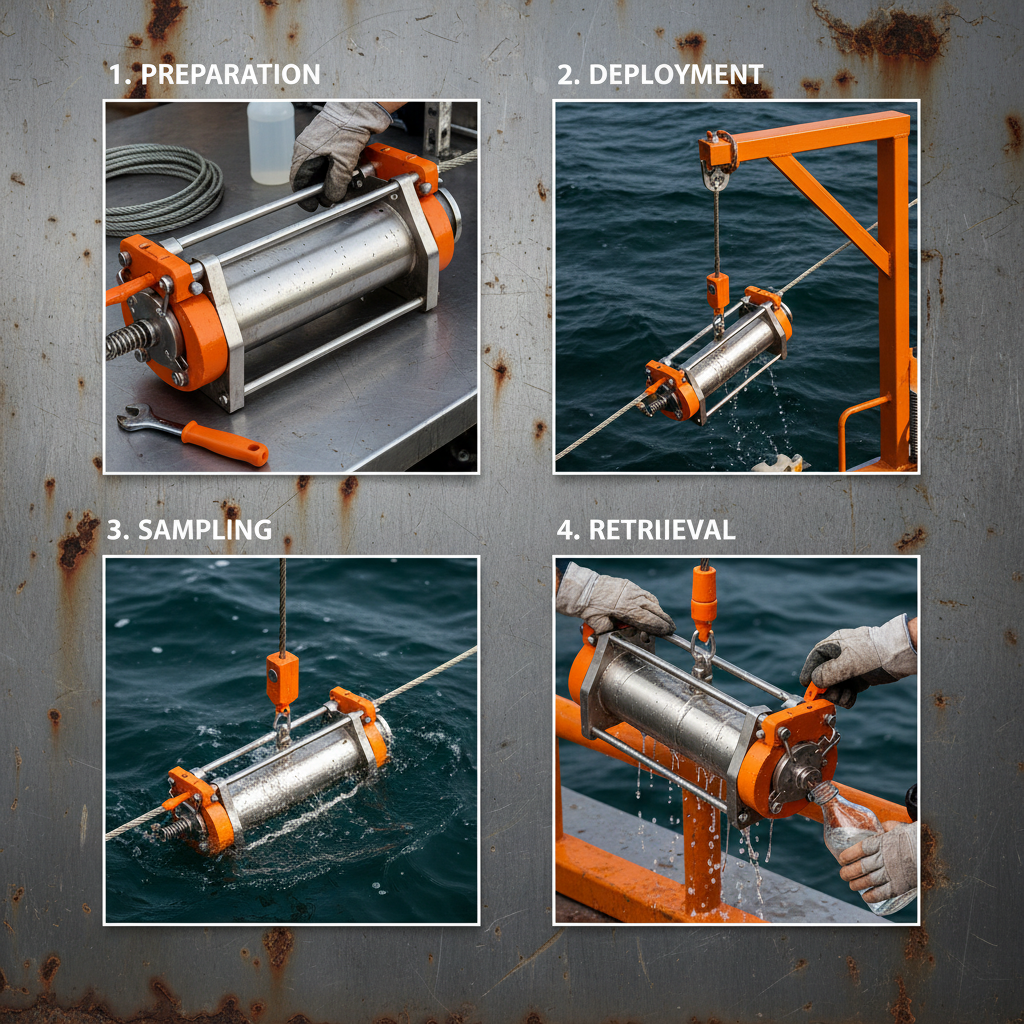
Comprehensive Guide to Horizontal Water Sampler Applications and SelectionCollecting water samples at varying depths is crucial for environmental monitoring, research, and quality control. The horizontal water sampler from Watequipment.com offers a precise and efficient solution for this task. This article provides an in-depth look at horizontal water samplers, their applications, benefits, and key considerations when choosing the right model. We will explore how these samplers contribute to accurate data collection and informed decision-making in various fields. A horizontal water sampler is a device designed to collect water samples from specific depths within a body of water – rivers, lakes, oceans, reservoirs, and even wastewater treatment plants. Unlike vertical samplers which primarily focus on depth, horizontal samplers prioritize collecting samples at a consistent depth while moving along a horizontal plane. This is essential for assessing water quality variations across a waterway or within a specific zone. They are used in applications ranging from environmental monitoring and scientific research to industrial process control and regulatory compliance.
2026-02-28 02:35:09
Comprehensive Guide to Selecting the Right Surface Water Sampler for Your NeedsMonitoring the quality of surface water is critical for environmental protection, public health, and various industrial applications. A surface water sampler is an essential tool for collecting representative samples from rivers, lakes, ponds, and other surface water sources. This article provides a detailed overview of surface water samplers, their types, applications, and key considerations for selecting the right equipment. Accurate water quality data relies on proper sample collection, and choosing the correct sampler is the first step toward achieving reliable results. Surface water samplers come in various designs, each suited to specific sampling needs. Common types include grab samplers, depth-integrating samplers, peristaltic pumps, and automatic samplers. Surface water samplers are used across a broad spectrum of applications, including environmental monitoring, wastewater discharge monitoring, drinking water source monitoring, agricultural runoff analysis, and research studies.

 English