



LF55 Pressure Switch - Hebei JIRS | SPDT Switch, Durable Construction, International Standards

LF55 Pressure Switch - Hebei JIRS | SPDT Switch, Durable Construction, International Standards
Sep . 22, 2025
Introduction
The LF55 pressure switch is a critical component in modern industrial systems, designed to monitor and regulate pressure levels with exceptional accuracy and durability. As a safety-critical device, it ensures the efficient operation of pumps, hydraulic systems, and machinery by responding to pressure signals and initiating appropriate actions. This article provides an in-depth analysis of the LF55 pressure switch, covering its features, technical specifications, applications, and the company behind its development: Hebei JIRS Import & Export Co., Ltd..
Product Overview
The LF55 pressure switch is engineered to meet the demands of diverse industrial environments. It serves as an automatic control device that detects pressure changes and activates predefined responses, such as shutting down equipment or triggering alarms. This functionality makes it indispensable in applications where maintaining optimal pressure levels is crucial for safety and efficiency.
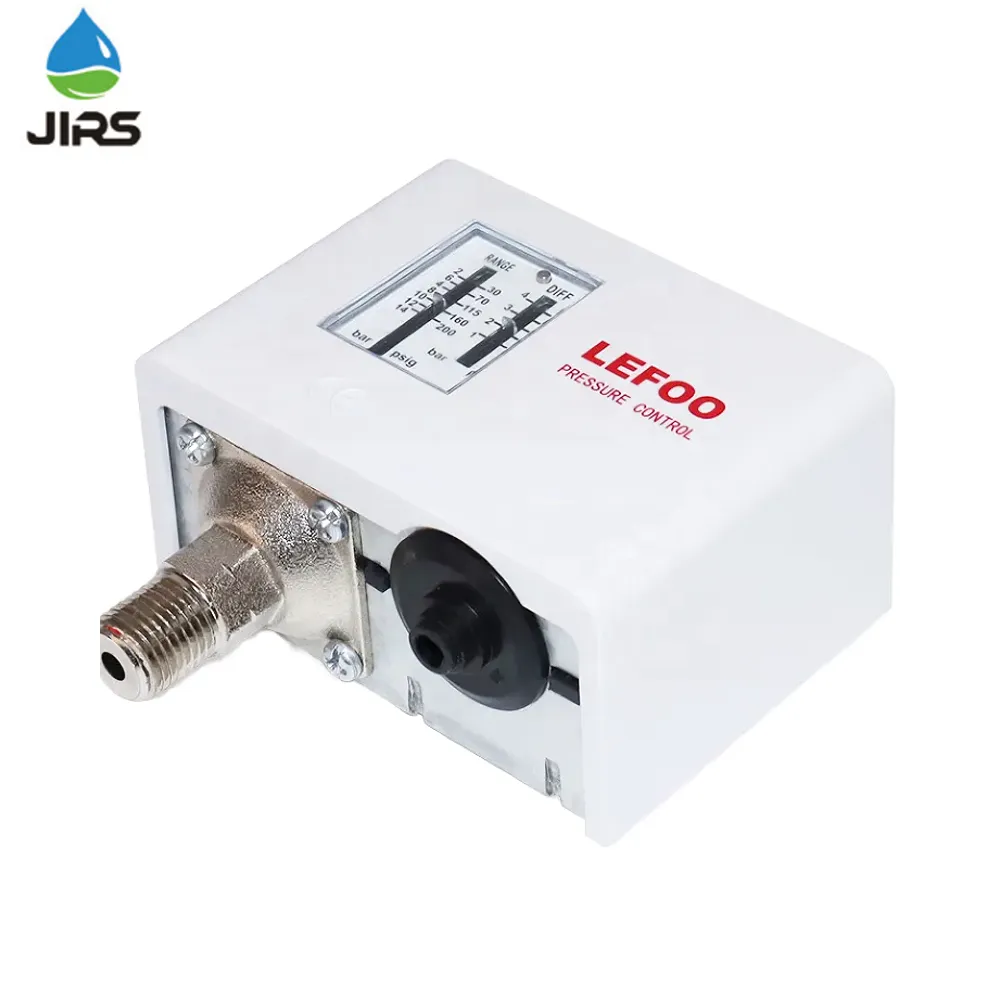
Figure 1: LF55 Pressure Switch in Action
Key Features and Advantages
1. SPDT Switch for Reliable Contact Switching
The LF55 pressure switch utilizes a Single Pole Double Throw (SPDT) mechanism, ensuring reliable contact switching. This design allows the switch to control two separate circuits, making it ideal for applications requiring dual-action control. The SPDT configuration enhances the device's versatility, enabling it to handle both high and low-pressure scenarios effectively.
2. Phosphor Bronze Bellows for Durability
The standard model of the LF55 features phosphor bronze bellows, a material chosen for its excellent resistance to corrosion and fatigue. This ensures long-term performance even in harsh environments, reducing the need for frequent maintenance and replacements.
3. Brass Pressure Port for Robustness
The pressure port is constructed from brass, a material known for its strength and resistance to wear. This design choice ensures the switch can withstand high-pressure conditions without compromising integrity, making it suitable for demanding industrial applications.
4. International Standard Mounting Bracket
One of the standout features of the LF55 is its compatibility with international standard mounting brackets. This universal design simplifies installation and integration into existing systems, reducing downtime and ensuring seamless operation across different machinery and equipment.
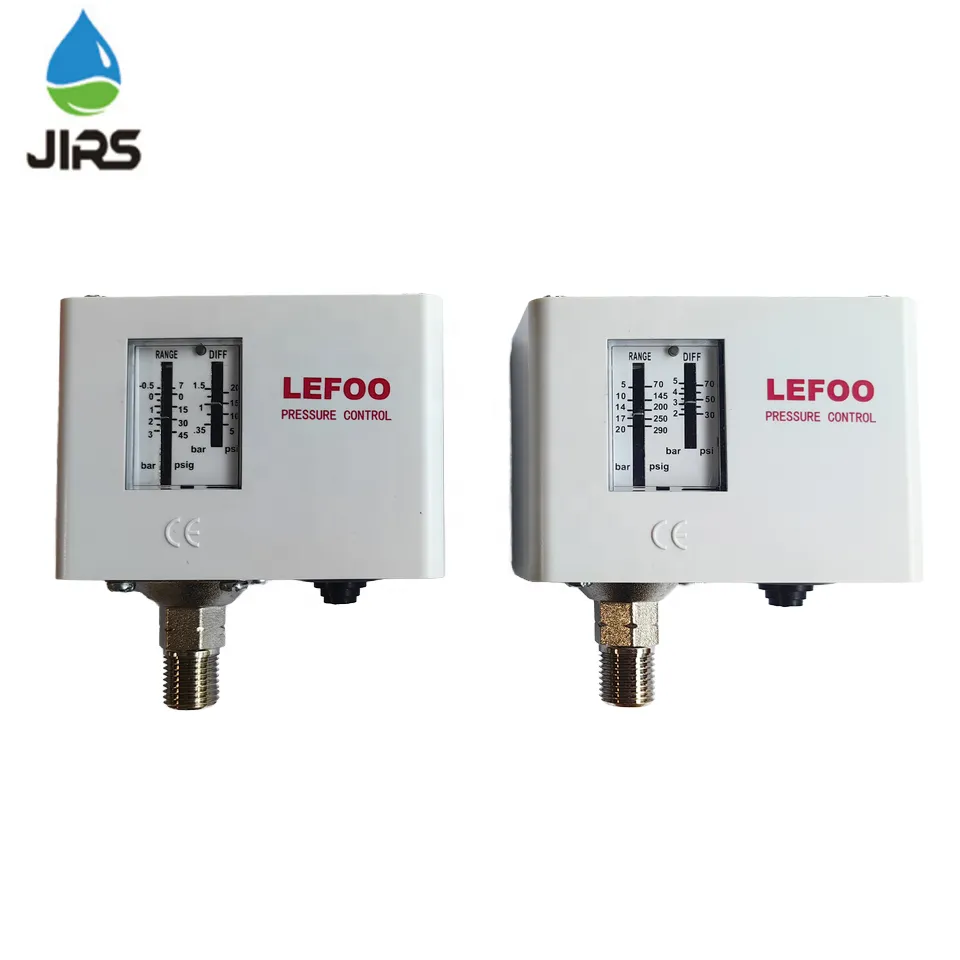
Figure 2: Detailed View of the Pressure Port and Bellows
Technical Specifications
| Parameter | Specification |
|---|---|
| Pressure Range | 0.1 to 100 bar (depending on model) |
| Switch Type | SPDT (Single Pole Double Throw) |
| Material of Bellows | Phosphor Bronze |
| Pressure Port Material | Brass |
| Mounting Standard | International Standard (e.g., ISO 228/1) |
| Operating Temperature Range | -20°C to 80°C |
| Electrical Rating | 10A at 250V AC |
Applications in Industrial Systems
The LF55 pressure switch is widely used in various industries, including:
- Pumps: Ensuring optimal pressure levels in water pumps, hydraulic pumps, and centrifugal pumps.
- Hydraulic Systems: Monitoring pressure to prevent overloads and system failures.
- Industrial Machinery: Providing safety protection in equipment such as compressors, conveyors, and automated systems.
- Process Control: Regulating pressure in chemical processing, food and beverage production, and pharmaceutical manufacturing.
According to the National Institute of Standards and Technology (NIST), pressure switches like the LF55 are critical in maintaining the accuracy and safety of industrial processes. NIST emphasizes the importance of reliable pressure control in preventing equipment damage and ensuring operational efficiency.
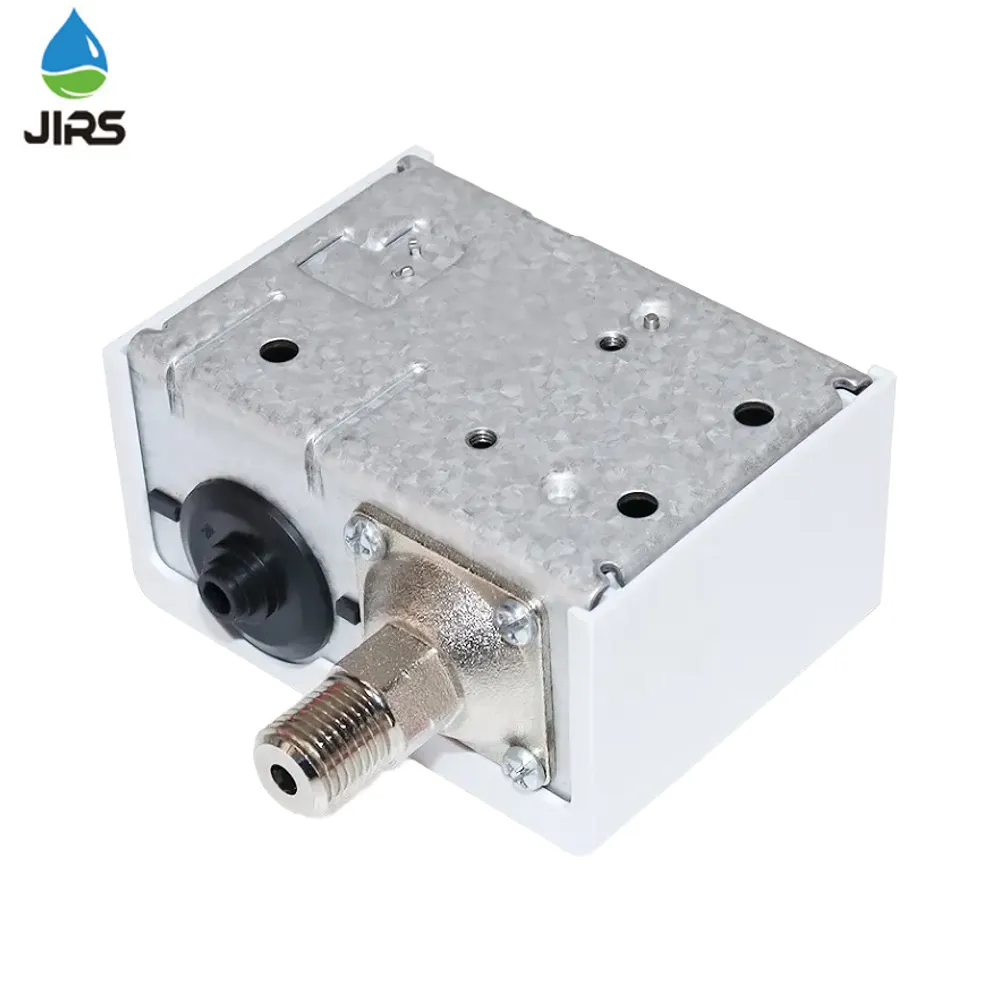
Figure 3: LF55 Pressure Switch in a Hydraulic System
Company Background: Hebei JIRS Import & Export Co., Ltd.
Hebei JIRS Import & Export Co., Ltd., based in Hebei, China, is a reputable manufacturer and supplier of industrial equipment and components. With a focus on quality and innovation, the company has established itself as a trusted partner for businesses seeking reliable solutions for their operational needs.
Hebei JIRS adheres to international standards, ensuring that its products, including the LF55 pressure switch, meet the highest levels of performance and safety. The company's commitment to excellence is reflected in its product design, rigorous testing, and customer-centric approach.
For more information about Hebei JIRS and its product portfolio, visit the company's official website: Hebei JIRS Import & Export Co., Ltd..
Conclusion
The LF55 pressure switch exemplifies the perfect blend of precision, durability, and reliability. Its advanced features, such as the SPDT switch, phosphor bronze bellows, and brass pressure port, make it a versatile solution for a wide range of industrial applications. By adhering to international standards and prioritizing quality, Hebei JIRS Import & Export Co., Ltd. ensures that the LF55 meets the evolving needs of modern industrial systems.
As industries continue to rely on automated and efficient processes, the role of pressure switches like the LF55 becomes increasingly vital. Whether in pumps, hydraulic systems, or machinery, the LF55 provides the necessary safety and control to safeguard operations and prevent costly failures.
References
National Institute of Standards and Technology (NIST). "Pressure Switches in Industrial Applications." Retrieved from https://www.nist.gov/.

Related Products
Related News

2026-04-16 03:20:19
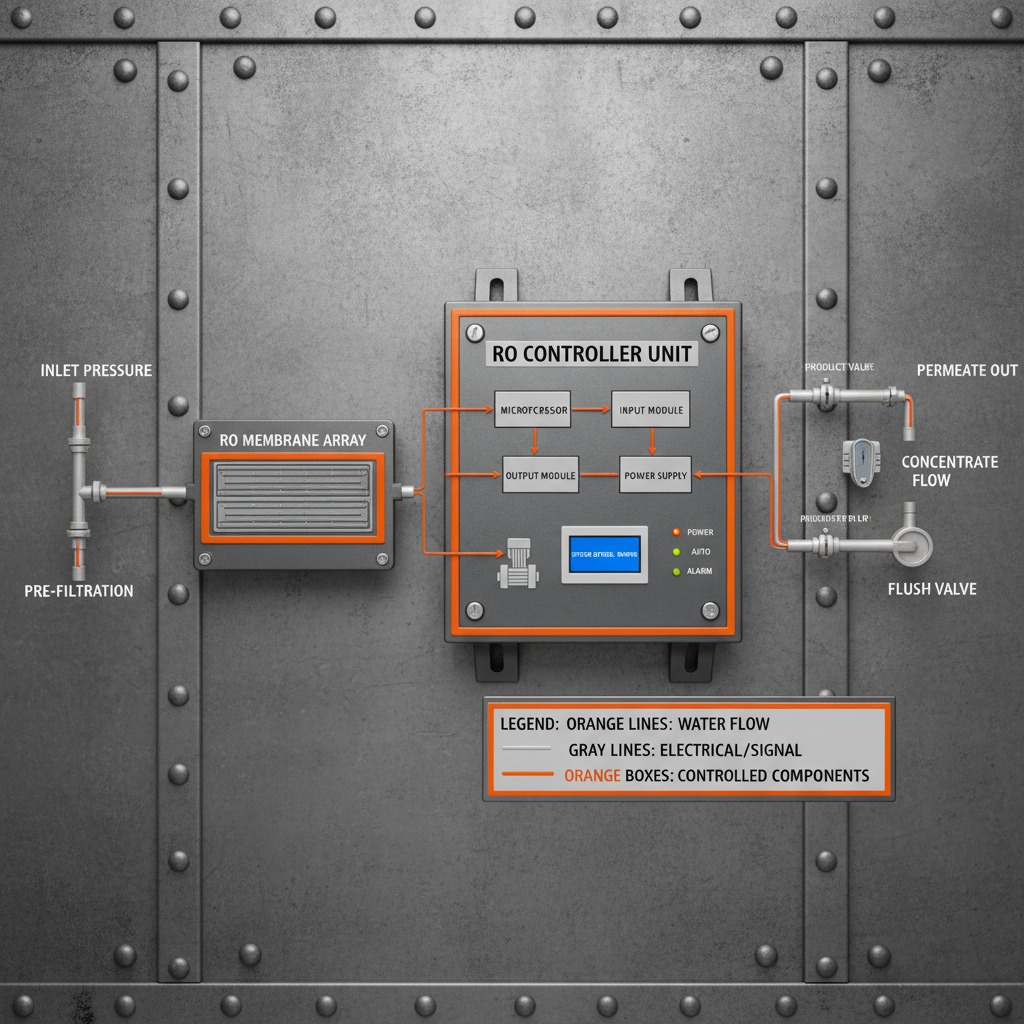
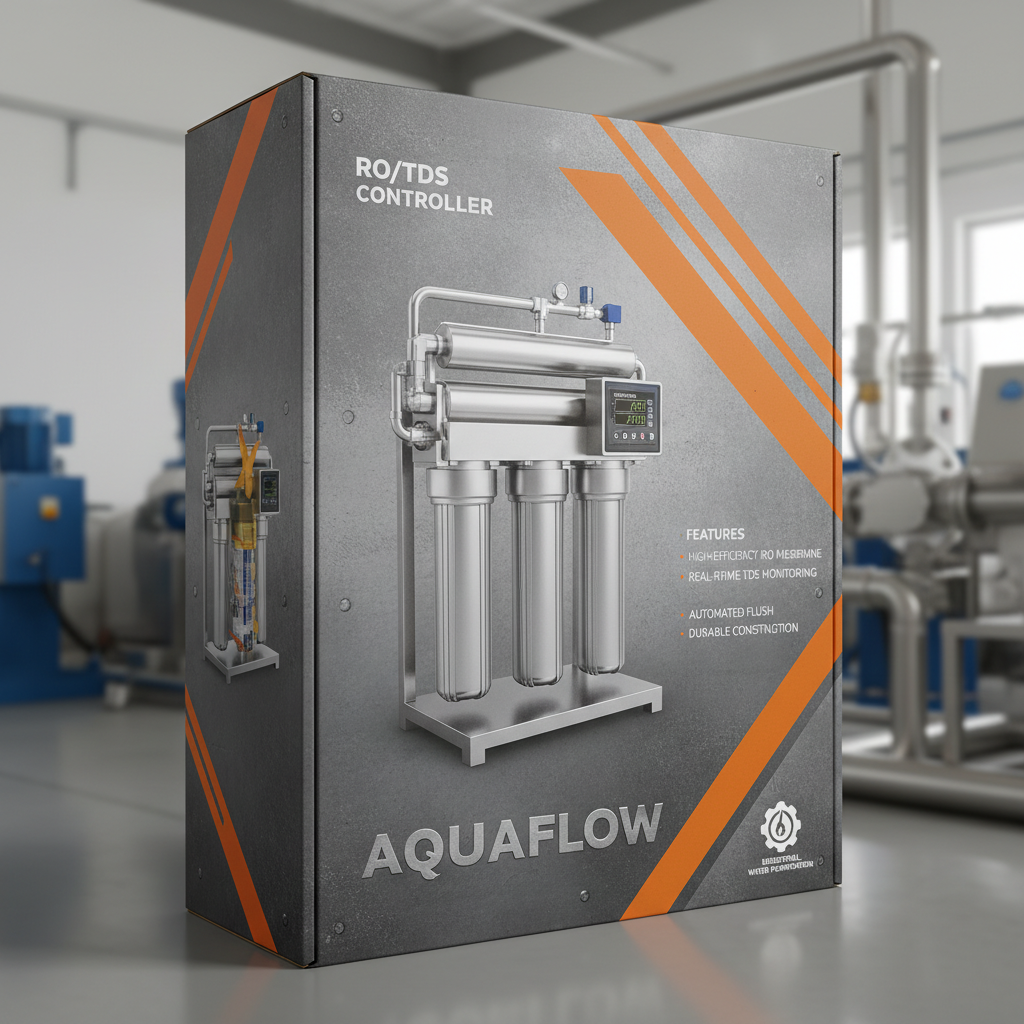
Guide to Choosing the Right RO Controller for Water PurificationMaintaining a high-performance reverse osmosis system requires more than just quality membranes; it demands precise regulation. An ro controller serves as the brain of the entire operation, monitoring critical parameters such as conductivity, temperature, and flow rates to ensure the output water meets stringent purity standards. Without an efficient controller, systems are prone to membrane fouling, inefficient energy use, and inconsistent water quality. In this comprehensive guide, we will explore how these devices optimize water treatment processes and how to select the best model for your specific industrial or commercial needs.
2026-04-09 03:25:47
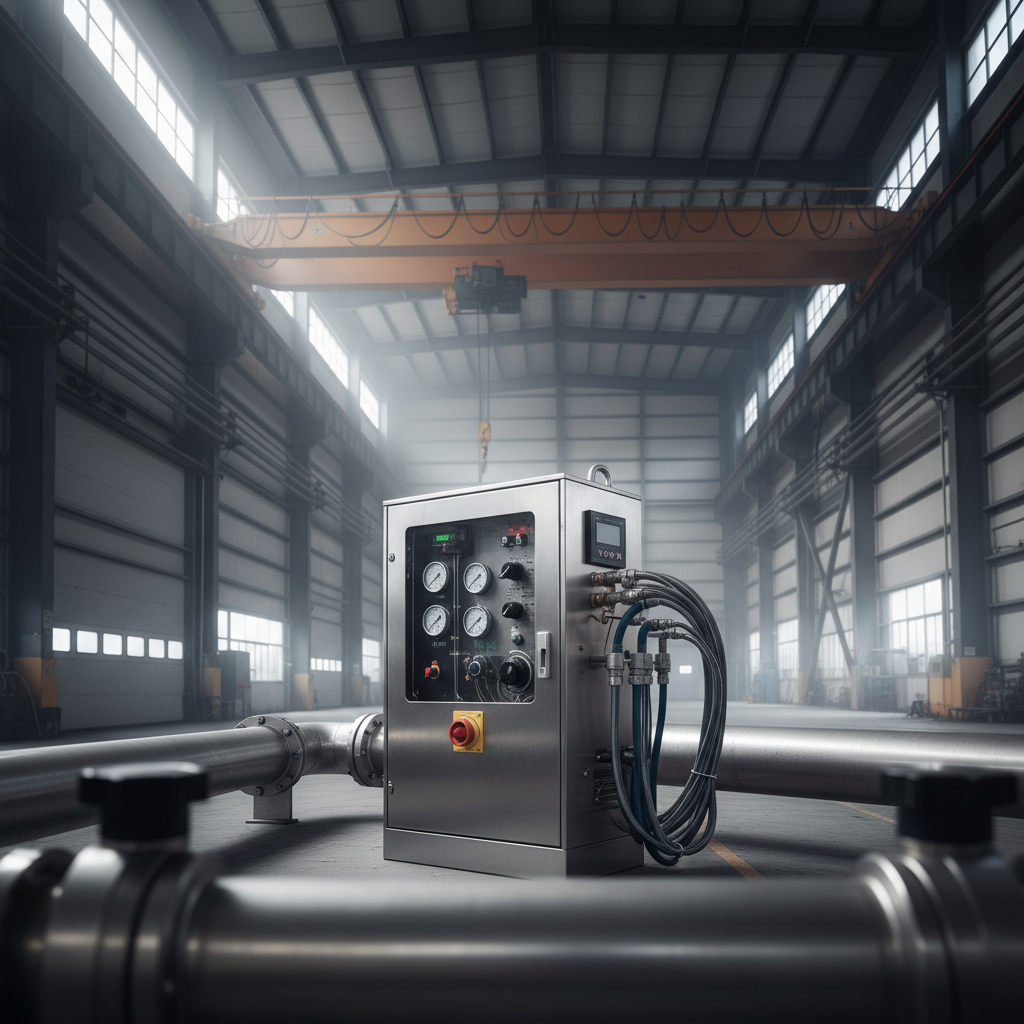
Guide to Water Purity Using RO with TDS Controller SystemsAchieving the perfect balance of mineral content and purity in drinking water is a challenge for many households and industrial facilities. A ro with tds controller offers a sophisticated solution by combining the rigorous filtration of Reverse Osmosis (RO) with the precision of a Total Dissolved Solids (TDS) adjustment system. While standard RO systems remove almost everything, including beneficial minerals, a TDS controller allows users to re-mineralize the water to a desired level. This ensures that the water is not only safe and pure but also tastes better and provides essential nutrients.
2026-04-07 03:17:09
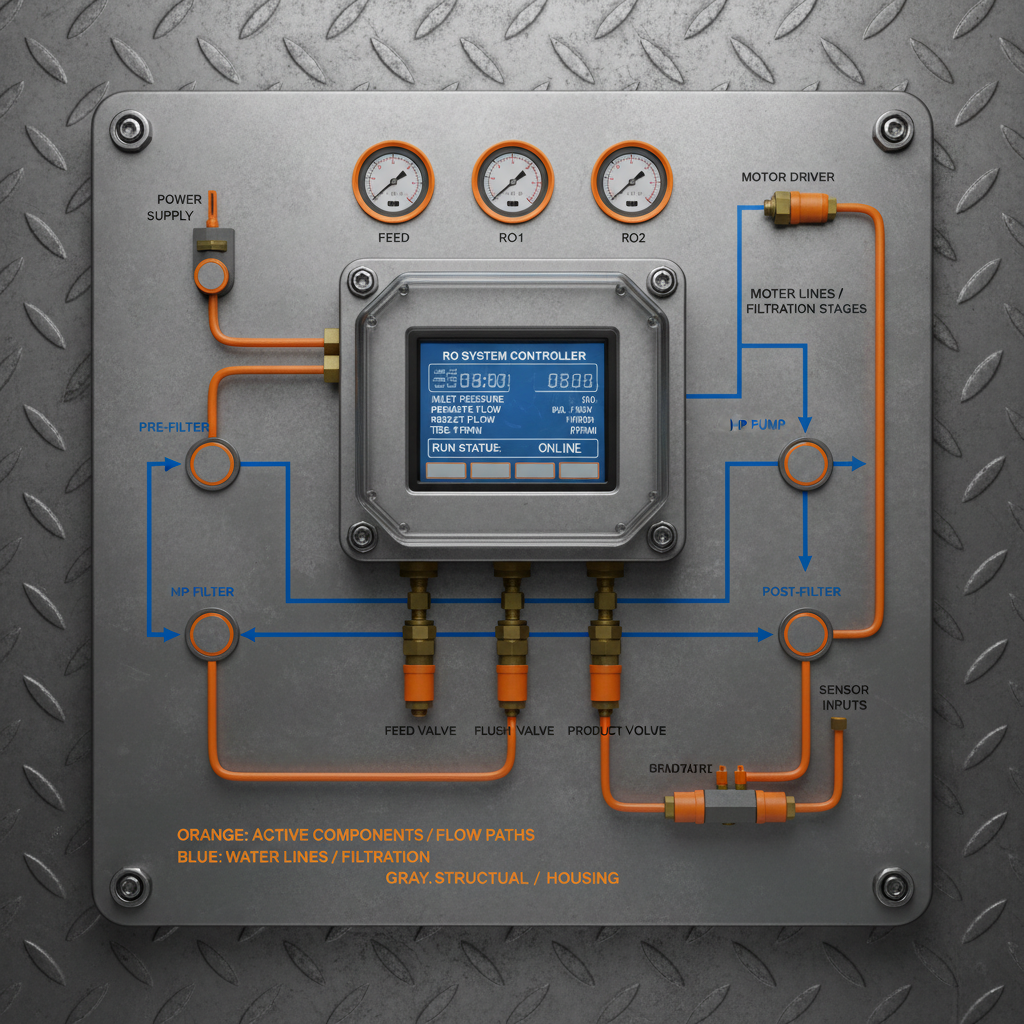
Understanding and Optimizing Reverse Osmosis Systems with a ControllerIn the world of water purification, reverse osmosis (RO) systems are a cornerstone for producing high-quality water for various applications, from drinking water to industrial processes. However, an RO system is only as effective as its control system. This is where the reverse osmosis controller comes into play. This critical component manages and optimizes the RO process, ensuring efficient operation, water quality, and system longevity.
2026-04-04 03:27:19
Understanding the Vital Role of an RO System Controller for Optimal PerformanceReverse Osmosis (RO) systems are critical for purifying water across various industries, from residential applications to large-scale industrial processes. At the heart of a well-functioning RO system lies the RO system controller. This intelligent device monitors and regulates all key parameters of the RO process, ensuring optimal performance, efficiency, and water quality. This article delves into the functionalities, benefits, and selection criteria for choosing the right RO system controller, particularly focusing on those offered by Watequipments. Understanding its role is crucial for maximizing the lifespan and effectiveness of your RO investment.
2026-03-24 17:18:24
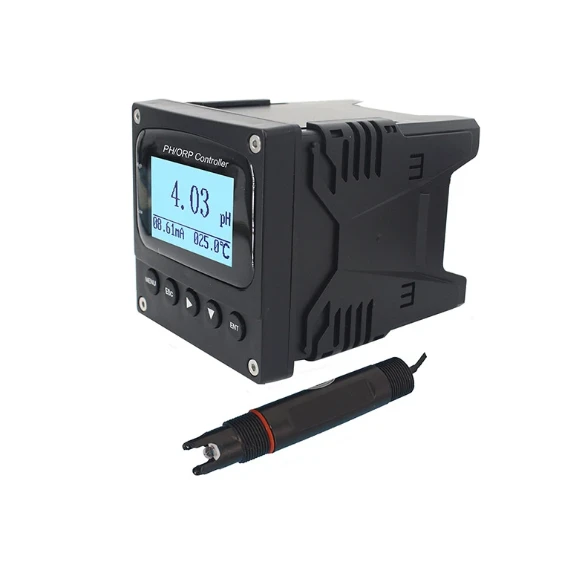
Smart Water Treatment Solutions Using PH ORP Controller SystemsIn modern water treatment and industrial fluid management, maintaining precise chemical balance is essential for safety, efficiency, and regulatory compliance.
2026-03-04 02:55:19
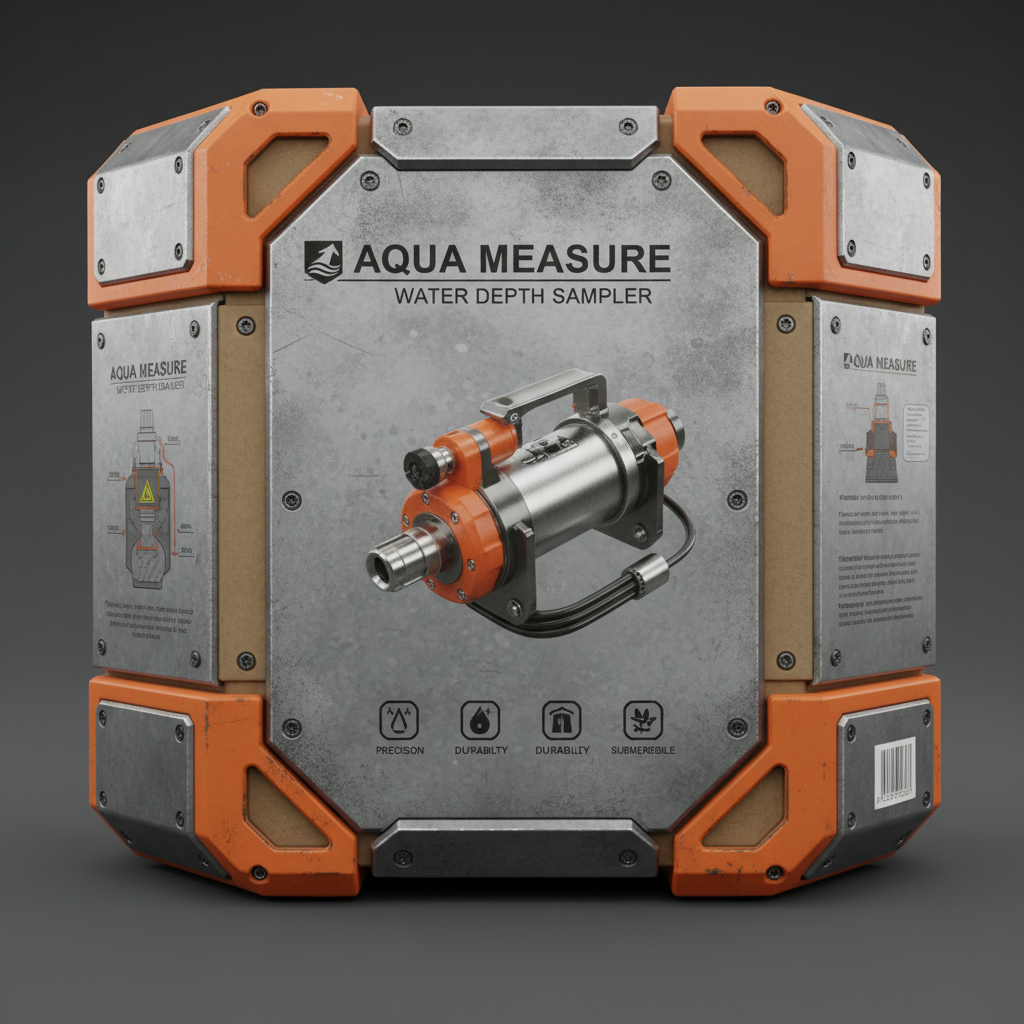
Comprehensive Guide to Water Depth Samplers and Their ApplicationsAccurate water quality monitoring is crucial in various fields, from environmental science and aquaculture to industrial wastewater management. A key tool for this is the water depth sampler. This article provides an in-depth look at water depth samplers, their applications, types, and essential considerations for choosing the right one for your needs. We'll explore the benefits of utilizing this equipment to collect reliable data for analysis and informed decision-making. Selecting the right sampler can significantly improve the precision and efficiency of your water monitoring program. A water depth sampler, also known as a depth-integrated sampler, is a device designed to collect water samples from specific depths within a body of water. Unlike simply dipping a container into the water, a depth sampler allows for collection of a representative sample across a defined depth range. This is critical because water properties (temperature, salinity, pollutants) often vary significantly with depth. The data gathered with a water depth sampler provides a more accurate assessment of water quality than surface samples alone.
2026-03-03 18:55:22
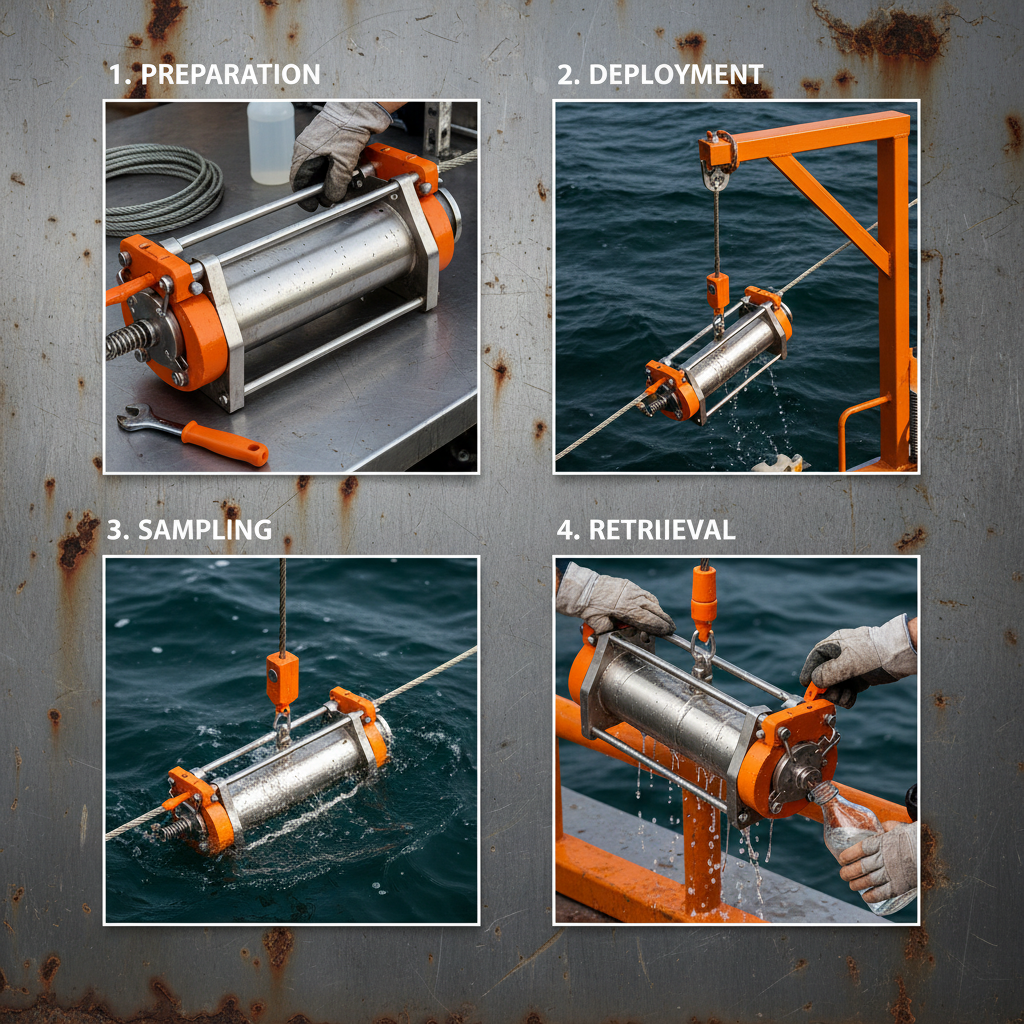
Comprehensive Guide to Horizontal Water Sampler Applications and SelectionCollecting water samples at varying depths is crucial for environmental monitoring, research, and quality control. The horizontal water sampler from Watequipment.com offers a precise and efficient solution for this task. This article provides an in-depth look at horizontal water samplers, their applications, benefits, and key considerations when choosing the right model. We will explore how these samplers contribute to accurate data collection and informed decision-making in various fields. A horizontal water sampler is a device designed to collect water samples from specific depths within a body of water – rivers, lakes, oceans, reservoirs, and even wastewater treatment plants. Unlike vertical samplers which primarily focus on depth, horizontal samplers prioritize collecting samples at a consistent depth while moving along a horizontal plane. This is essential for assessing water quality variations across a waterway or within a specific zone. They are used in applications ranging from environmental monitoring and scientific research to industrial process control and regulatory compliance.
2026-02-28 02:35:09
Comprehensive Guide to Selecting the Right Surface Water Sampler for Your NeedsMonitoring the quality of surface water is critical for environmental protection, public health, and various industrial applications. A surface water sampler is an essential tool for collecting representative samples from rivers, lakes, ponds, and other surface water sources. This article provides a detailed overview of surface water samplers, their types, applications, and key considerations for selecting the right equipment. Accurate water quality data relies on proper sample collection, and choosing the correct sampler is the first step toward achieving reliable results. Surface water samplers come in various designs, each suited to specific sampling needs. Common types include grab samplers, depth-integrating samplers, peristaltic pumps, and automatic samplers. Surface water samplers are used across a broad spectrum of applications, including environmental monitoring, wastewater discharge monitoring, drinking water source monitoring, agricultural runoff analysis, and research studies.

 English