


ORP Monitor Insights for Industrial Water Treatment

ORP Monitor Insights for Industrial Water Treatment
Nov . 13, 2025
Understanding the Role of an ORP Monitor in Industrial Water Treatment
Having spent a good part of my career around industrial water systems, I’ve learned that the small instruments often hold the biggest sway. One such device, the ORP monitor—or oxidation-reduction potential monitor—may not sound flashy, but it is crucial in understanding water chemistry in processes ranging from wastewater treatment to chemical manufacturing.
Oddly enough, it’s not just about the numbers but how you interpret them in real time. Many engineers will tell you it’s the ORP reading that often acts like an early warning system, signaling when something in the water’s oxidative state shifts—sometimes by as little as a few millivolts—before it becomes a full-blown problem.
What Makes a Good ORP Monitor? Insights and Specs
Over time, the key characteristics I look for in ORP monitors boil down to reliability, ease of calibration, and stability in harsh industrial environments. It’s pretty common for these devices to sit submerged in water or coupled with pipes for months or even years, so corrosion resistance and low maintenance are a must.
| Specification | Typical Value | Why It Matters |
|---|---|---|
| Measurement Range | -1000 to +1000 mV | Captures full spectrum of redox conditions |
| Response Time | Less than 15 seconds | Fast feedback for process control |
| Operating Temperature | 0°C to 80°C | Suitable for most industrial waters |
| Calibration Interval | Every 1-3 months | Maintains accuracy over time |
| Sensor Type | Platinum or Gold electrode | Ensures longevity and precise sensing |
Choosing the Right ORP Monitor: A Vendor Comparison
Over the years, I’ve seen a handful of suppliers bring different spin to the ORP monitor market—some leaning into ruggedness, others into connectivity. Here’s a quick look at some key players I’ve had on my radar. Spoiler: each has its quirks, and sometimes what you lose in bells and whistles, you gain in sheer dependability.
| Vendor | Durability | Calibration Ease | Connectivity Options | Price Range |
|---|---|---|---|---|
| Hach | High – IP68 rated | Straightforward, auto-calibration available | Analog, Modbus, Wireless options | $$$ |
| Endress+Hauser | Robust build | Manual, requires expertise | Analog, HART protocol | $$$$ |
| Omega | Moderate, less waterproof | Easy, guided calibration | Analog only | $ |
Real-World Insight: How an ORP Monitor Helped a Local Plant Avoid Trouble
Years ago, at a small chemical processing plant I visited, the ORP monitor caught my eye. The operators joked that the sensor was their "canary in the coal mine." One afternoon, it flagged a sudden dip in ORP readings, indicating the reduction of disinfectant residuals. Had they missed this, it could have meant a contamination event or regulatory breach. Instead, a quick adjustment to the dosing pump stopped the issue dead in its tracks.
What struck me was how the device didn’t just sit there as a passive meter but was part of an active feedback loop with operational decisions. That’s the beauty of these monitors — when you integrate them properly, they become silent sentinels.
In real terms, I’ve noticed a shift recently towards ORP monitors that integrate more easily with SCADA systems, facilitating remote monitoring. This connectivity isn’t just a tech trend; it actually helps maintenance teams react faster, even from miles away.
Of course, the market will keep evolving, but the fundamental truth remains that without a dependable oxidative state measurement, water processes are flying blind.
In wrapping up, if you’re considering an ORP monitor for your setup, focus on sensor longevity, ease of calibration, and how well the monitor plays with your existing control systems. Sometimes the simplest sensor is the one you trust to keep things humming smoothly for years.
Hope these reflections help — I like to think the humble ORP monitor doesn’t get enough spotlight, but it quietly keeps the gears turning below the surface.
References and thoughts:
- Personal industry experience and field visits.
- Discussions with plant operators about sensor integration.
- Technical datasheets and product manuals from leading ORP monitor vendors.

Related Products
Related News
2026-04-16 03:20:19
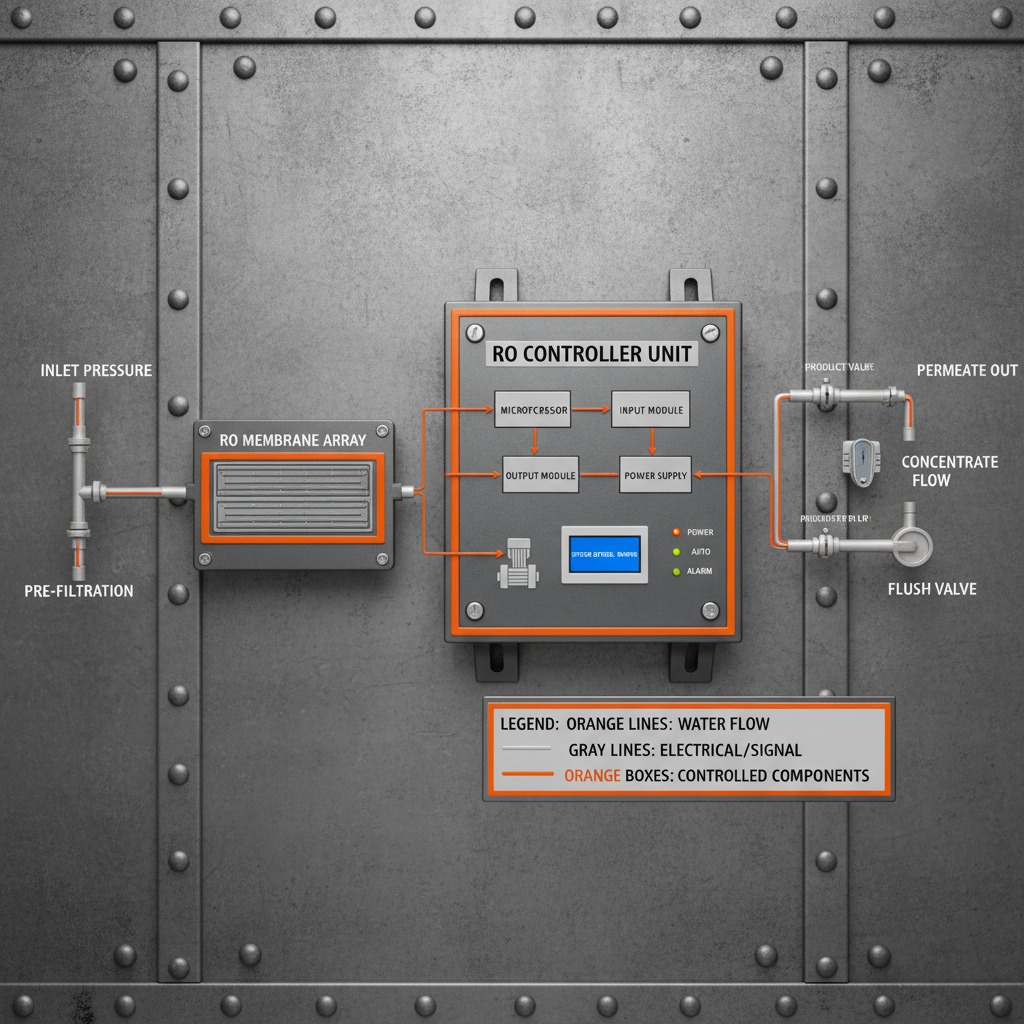
Guide to Choosing the Right RO Controller for Water PurificationMaintaining a high-performance reverse osmosis system requires more than just quality membranes; it demands precise regulation. An ro controller serves as the brain of the entire operation, monitoring critical parameters such as conductivity, temperature, and flow rates to ensure the output water meets stringent purity standards. Without an efficient controller, systems are prone to membrane fouling, inefficient energy use, and inconsistent water quality. In this comprehensive guide, we will explore how these devices optimize water treatment processes and how to select the best model for your specific industrial or commercial needs.
2026-04-09 03:25:47
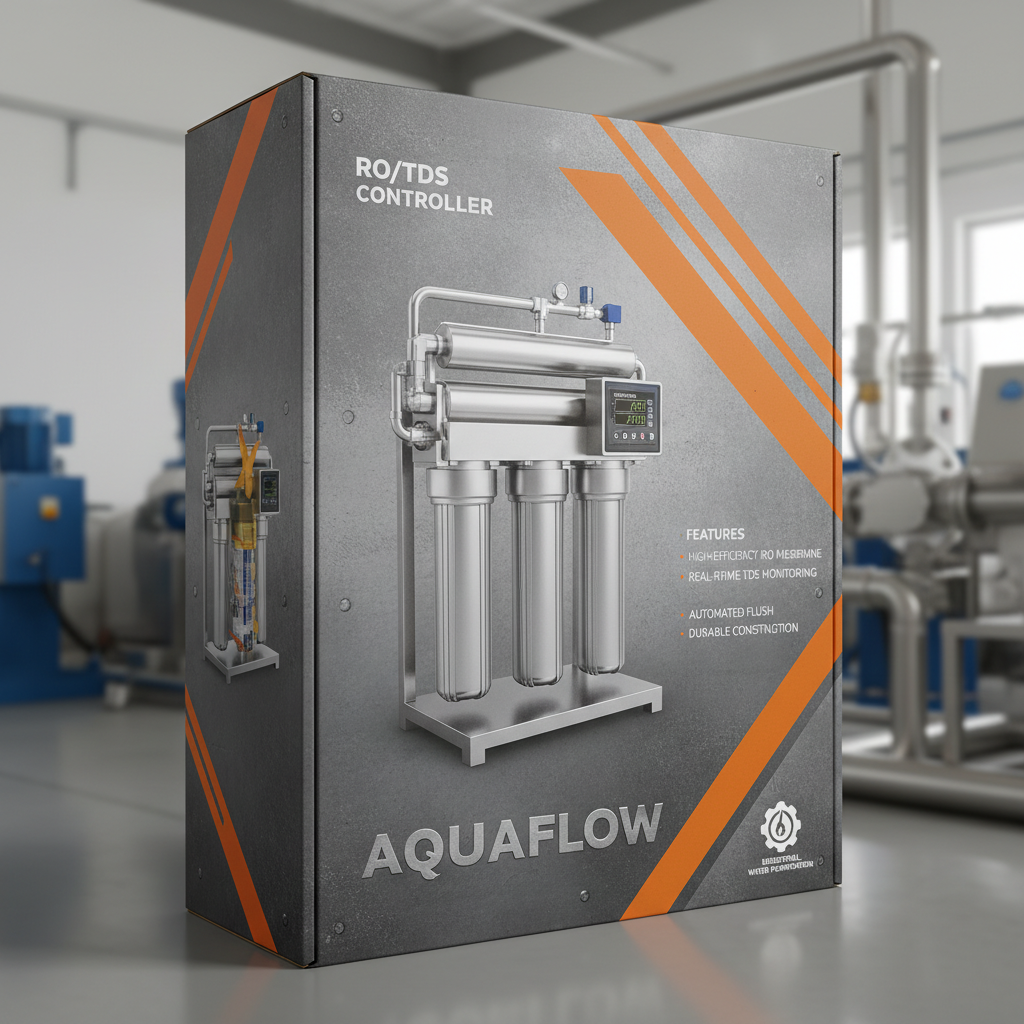
Guide to Water Purity Using RO with TDS Controller SystemsAchieving the perfect balance of mineral content and purity in drinking water is a challenge for many households and industrial facilities. A ro with tds controller offers a sophisticated solution by combining the rigorous filtration of Reverse Osmosis (RO) with the precision of a Total Dissolved Solids (TDS) adjustment system. While standard RO systems remove almost everything, including beneficial minerals, a TDS controller allows users to re-mineralize the water to a desired level. This ensures that the water is not only safe and pure but also tastes better and provides essential nutrients.
2026-04-07 03:17:09
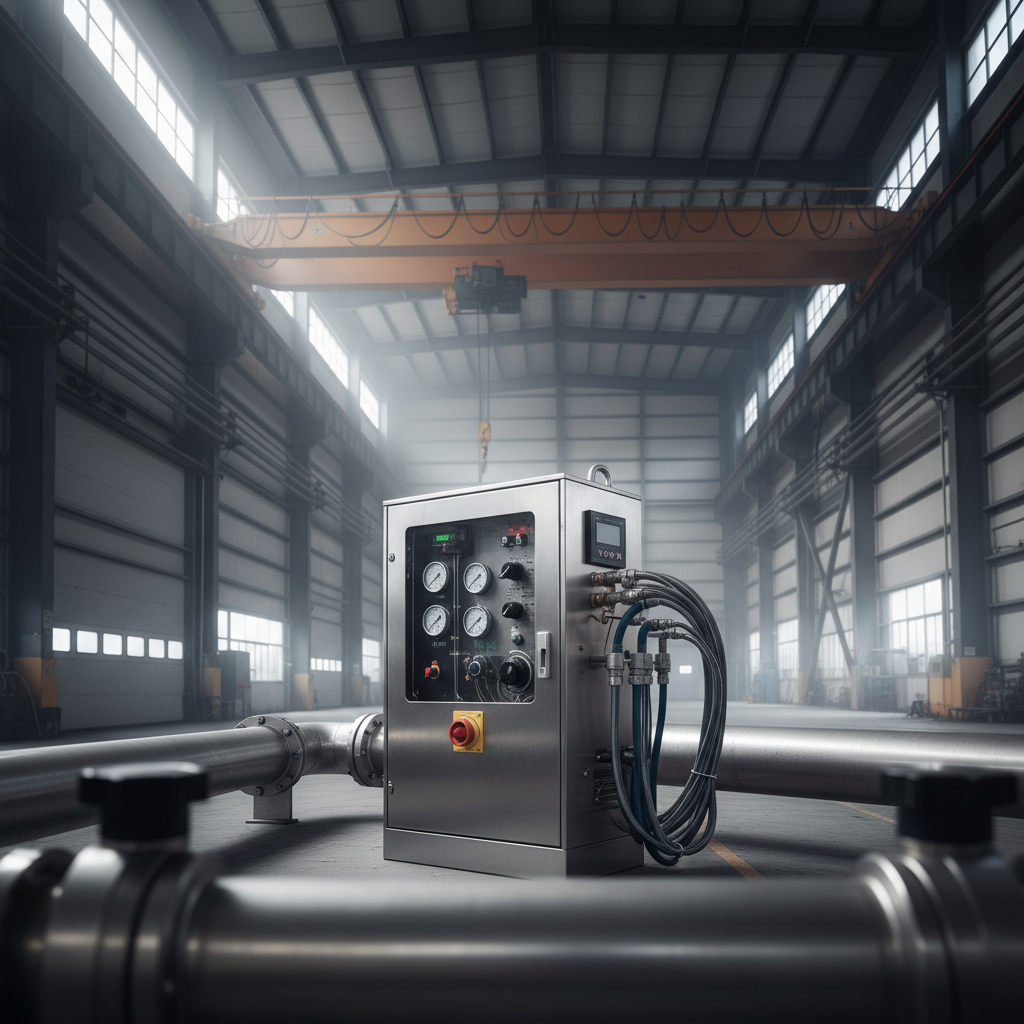
Understanding and Optimizing Reverse Osmosis Systems with a ControllerIn the world of water purification, reverse osmosis (RO) systems are a cornerstone for producing high-quality water for various applications, from drinking water to industrial processes. However, an RO system is only as effective as its control system. This is where the reverse osmosis controller comes into play. This critical component manages and optimizes the RO process, ensuring efficient operation, water quality, and system longevity.
2026-04-04 03:27:19
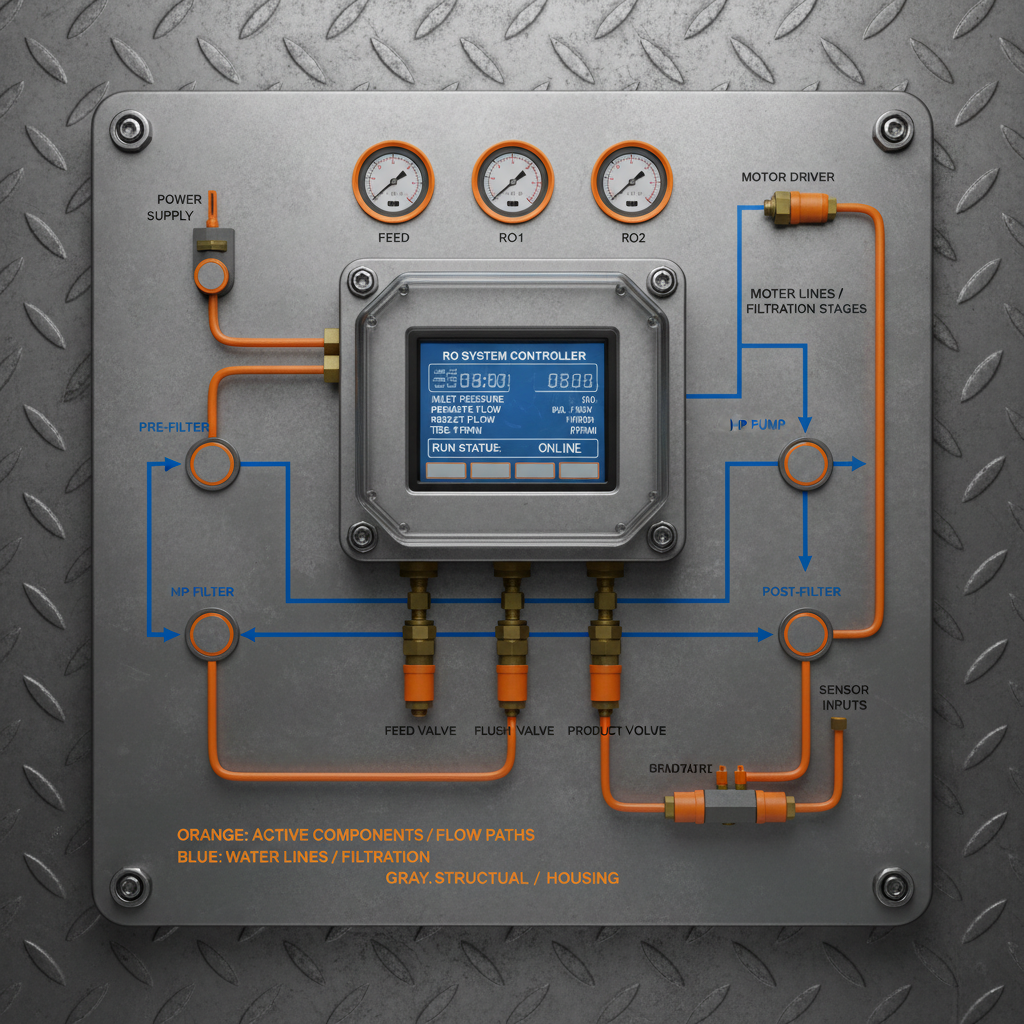
Understanding the Vital Role of an RO System Controller for Optimal PerformanceReverse Osmosis (RO) systems are critical for purifying water across various industries, from residential applications to large-scale industrial processes. At the heart of a well-functioning RO system lies the RO system controller. This intelligent device monitors and regulates all key parameters of the RO process, ensuring optimal performance, efficiency, and water quality. This article delves into the functionalities, benefits, and selection criteria for choosing the right RO system controller, particularly focusing on those offered by Watequipments. Understanding its role is crucial for maximizing the lifespan and effectiveness of your RO investment.
2026-03-24 17:18:24
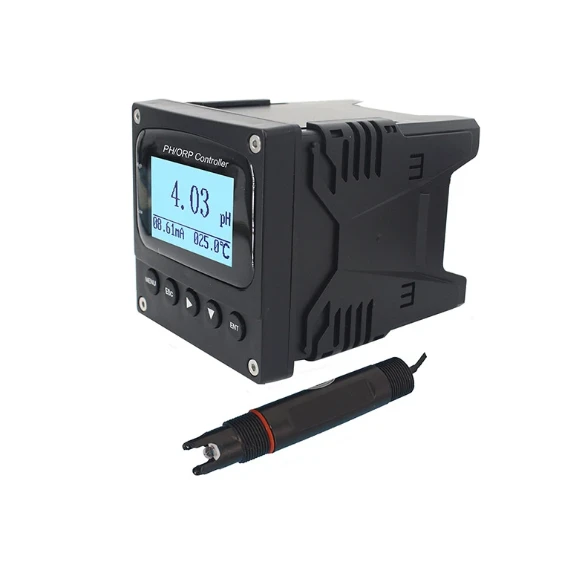
Smart Water Treatment Solutions Using PH ORP Controller SystemsIn modern water treatment and industrial fluid management, maintaining precise chemical balance is essential for safety, efficiency, and regulatory compliance.
2026-03-04 02:55:19
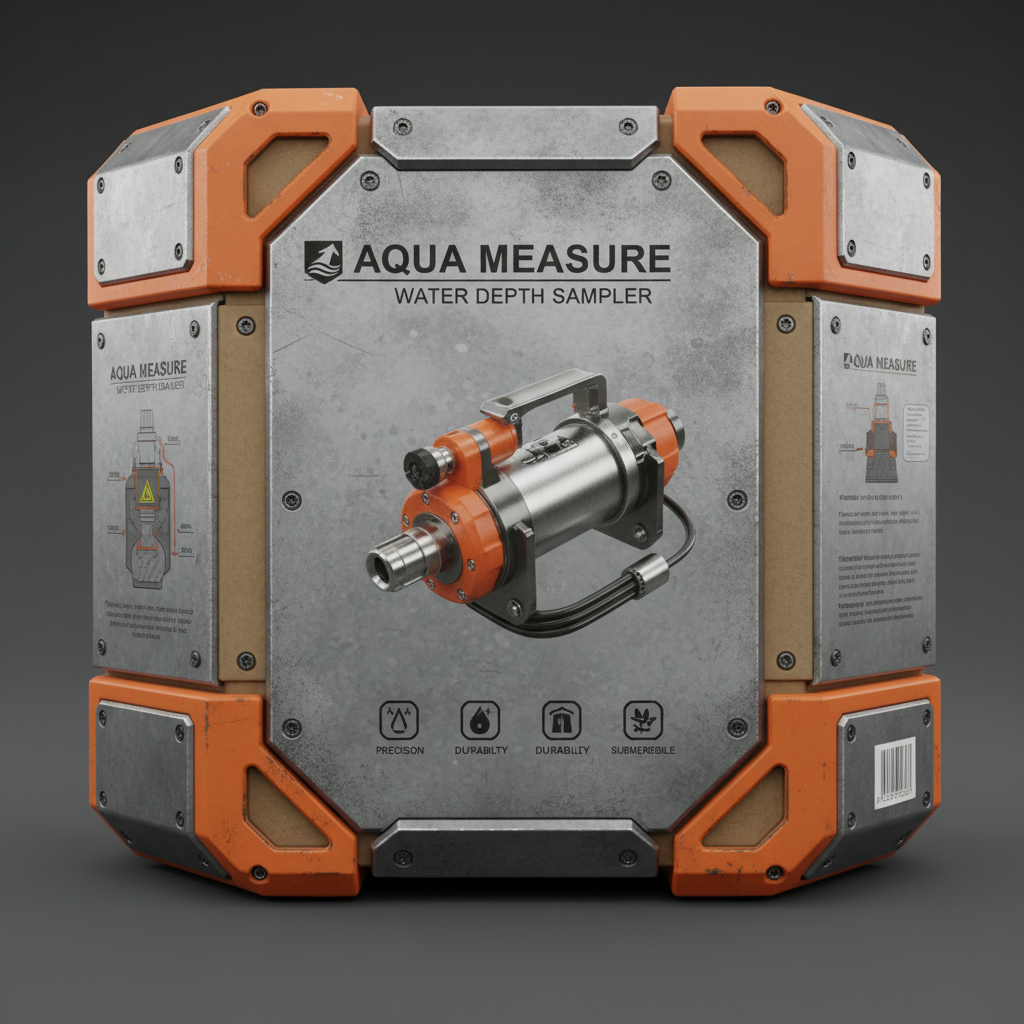
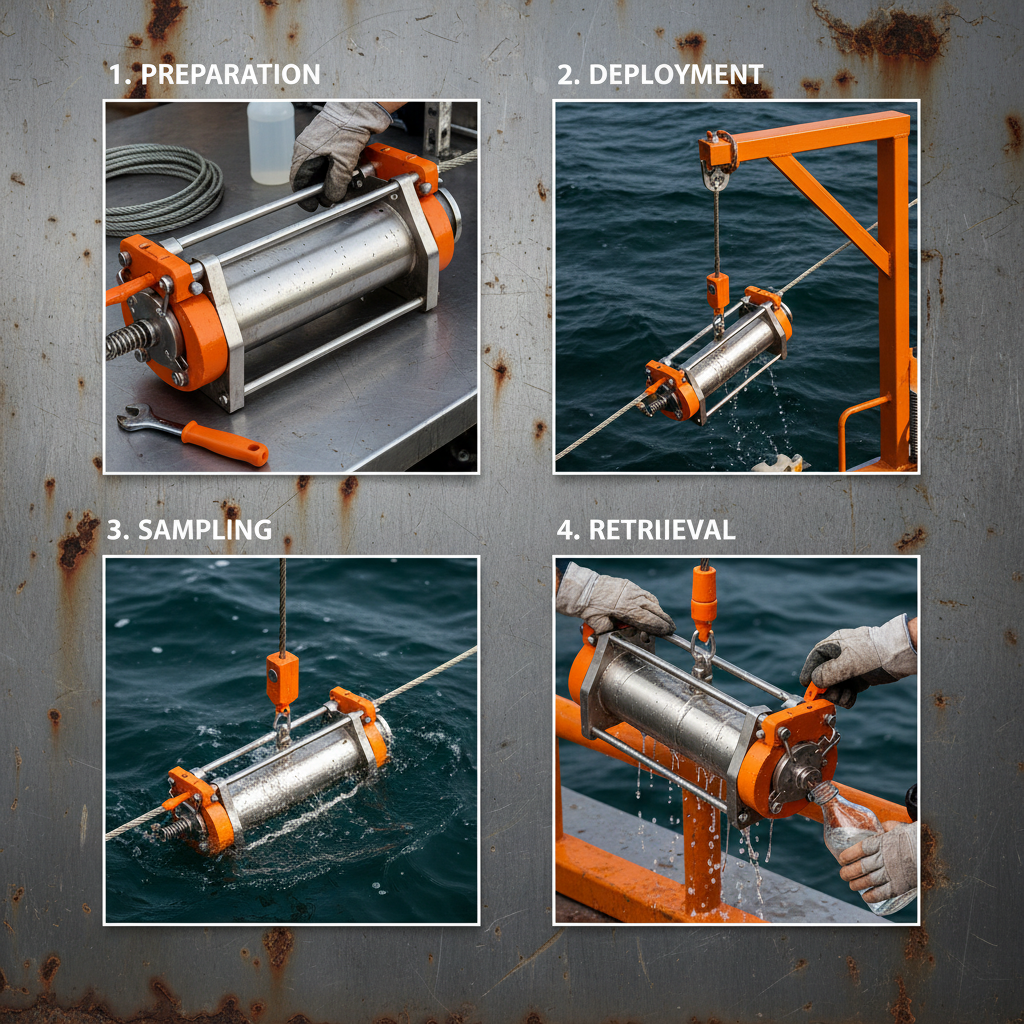
Comprehensive Guide to Water Depth Samplers and Their ApplicationsAccurate water quality monitoring is crucial in various fields, from environmental science and aquaculture to industrial wastewater management. A key tool for this is the water depth sampler. This article provides an in-depth look at water depth samplers, their applications, types, and essential considerations for choosing the right one for your needs. We'll explore the benefits of utilizing this equipment to collect reliable data for analysis and informed decision-making. Selecting the right sampler can significantly improve the precision and efficiency of your water monitoring program. A water depth sampler, also known as a depth-integrated sampler, is a device designed to collect water samples from specific depths within a body of water. Unlike simply dipping a container into the water, a depth sampler allows for collection of a representative sample across a defined depth range. This is critical because water properties (temperature, salinity, pollutants) often vary significantly with depth. The data gathered with a water depth sampler provides a more accurate assessment of water quality than surface samples alone.
2026-03-03 18:55:22
Comprehensive Guide to Horizontal Water Sampler Applications and SelectionCollecting water samples at varying depths is crucial for environmental monitoring, research, and quality control. The horizontal water sampler from Watequipment.com offers a precise and efficient solution for this task. This article provides an in-depth look at horizontal water samplers, their applications, benefits, and key considerations when choosing the right model. We will explore how these samplers contribute to accurate data collection and informed decision-making in various fields. A horizontal water sampler is a device designed to collect water samples from specific depths within a body of water – rivers, lakes, oceans, reservoirs, and even wastewater treatment plants. Unlike vertical samplers which primarily focus on depth, horizontal samplers prioritize collecting samples at a consistent depth while moving along a horizontal plane. This is essential for assessing water quality variations across a waterway or within a specific zone. They are used in applications ranging from environmental monitoring and scientific research to industrial process control and regulatory compliance.
2026-02-28 02:35:09
Comprehensive Guide to Selecting the Right Surface Water Sampler for Your NeedsMonitoring the quality of surface water is critical for environmental protection, public health, and various industrial applications. A surface water sampler is an essential tool for collecting representative samples from rivers, lakes, ponds, and other surface water sources. This article provides a detailed overview of surface water samplers, their types, applications, and key considerations for selecting the right equipment. Accurate water quality data relies on proper sample collection, and choosing the correct sampler is the first step toward achieving reliable results. Surface water samplers come in various designs, each suited to specific sampling needs. Common types include grab samplers, depth-integrating samplers, peristaltic pumps, and automatic samplers. Surface water samplers are used across a broad spectrum of applications, including environmental monitoring, wastewater discharge monitoring, drinking water source monitoring, agricultural runoff analysis, and research studies.

 English