


Orp Redox Monitor – Reliable Water Quality Control for Industry

Orp Redox Monitor – Reliable Water Quality Control for Industry
Nov . 13, 2025
Orp Redox Monitor is a key solution in the industry, specifically within water quality management and process control sectors. This article explores how https://www.watequipments.com supports professionals with durable, high-performance products, and explains why this product is an ideal choice for businesses in these sectors.
Table of Contents
- Orp Redox Monitor Overview
- Benefits & Use Cases of Orp Redox Monitor
- Cost, Maintenance & User Experience
- Sustainability & Market Trends
- Frequently Asked Questions
- Conclusion on Orp Redox Monitor from China
Orp Redox Monitor Overview
At its core, the Orp Redox Monitor is a precision instrument designed to measure the oxidation-reduction potential (ORP) of water — essentially gauging how oxidizing or reducing a solution is. Now, if you think about why that matters in industries like wastewater treatment, chemical manufacturing, or food processing, it boils down to real-time control over water chemistry, which directly affects product quality and regulatory compliance.
- The device works through electrodes measuring electron transfer activity in water, outputting an ORP value in millivolts (mV).
- Typical specs: measurement range from −1000 to +1000 mV, accuracy around ±2 mV, and a rugged design to withstand industrial environments.
- Case studies note improved disinfection control and reduced chemical usage when integrating reliable ORP monitoring.
Benefits & Use Cases of Orp Redox Monitor
From managing chlorine levels in swimming pools to optimizing oxidative conditions in pharmaceutical production, the Orp Redox Monitor shines across sectors. Its real strength lies in providing reliable, continuous feedback that helps prevent over- or under-dosing of chemicals — a win for cost control and environmental responsibility. Oddly enough, many engineers I've talked to say it also helps spot process anomalies early — like a sentinel watching quietly in the background.
- Ideal in potable water treatment plants where oxidant levels must be tightly controlled.
- Features digital outputs compatible with SCADA systems — making integration in automated setups straightforward.
- Competitive edge: low maintenance, long sensor life, and strong resistance to fouling.
| Specification | Detail |
|---|---|
| Measurement Range | −1000 to +1000 mV |
| Accuracy | ±2 mV |
| Response Time | |
| Operating Temperature | 0 to 60°C |
| Output Signal | 4–20 mA / Digital RS485 |
| Sensor Life Expectancy | Typically 12–18 months |
Cost, Maintenance & User Experience
In terms of cost, the Orp Redox Monitor represents a sensible investment. While initial purchase prices vary depending on specs and volume, many decision-makers find the total cost of ownership quite appealing. After all, downtime is expensive, and a reliable monitor keeps processes stable and compliant. Maintenance routines are mostly straightforward, involving periodic sensor cleaning and calibration. Feedback from customers in water treatment plants highlights the durability of the units even in challenging conditions — a testament to quality manufacturing and thoughtful design.
What’s interesting is how some users report improved ROI not only from fewer chemical surprises but also from reduced labor time in manual testing. It feels like a subtle but profound shift in operational mindset — from reactive to proactive. And honestly, these subtle shifts sometimes move mountains within plant teams.
| Vendor | Price Range | Sensor Life | Integration | Customer Ratings |
|---|---|---|---|---|
| Watequipment | $$$ | 12–18 months | SCADA & PLC compatible | 4.5/5 |
| Competitor A | $$ | 10–12 months | Limited digital output | 3.8/5 |
| Competitor B | $$$ | 14 months | Full automation support | 4.2/5 |
Sustainability & Market Trends
Sustainability has become the name of the game in industrial processes, especially where water treatment is concerned. The Orp Redox Monitor plays its part by enabling real-time tracking that supports optimized chemical dosing, lowering waste and minimizing environmental impact. Regulations globally are tightening — from the EU’s Water Framework Directive to US EPA standards — pushing companies to adopt smarter monitoring tools. I find it intriguing how these instruments, once considered optional luxury, are now essential for compliance and brand reputation alike.
Market demand for reliable, integrated ORP sensors is growing, spurred by digitization trends and the push toward Industry 4.0. So you get this kind of beautiful convergence: sustainability meets automation meets smarter decision-making. And frankly, that’s where the real value sits.
Frequently Asked Questions about Orp Redox Monitor
- What is Orp Redox Monitor and how does it work?
- It’s an instrument measuring the water’s oxidation-reduction potential via electrodes, indicating the water’s ability to accept or donate electrons—key information for controlling water treatment processes.
- What are the main benefits of using Orp Redox Monitor in industrial applications?
- Benefits include precise chemical dosing, extended sensor life, reduced maintenance efforts, and improvement in overall process efficiency and compliance adherence.
- How does Orp Redox Monitor compare to traditional alternatives?
- Compared to older models, it offers better accuracy, enhanced durability, and seamless digital integration, which reduces manual interventions and improves data reliability.
- What industries can benefit most from Orp Redox Monitor implementation?
- Water treatment, chemical processing, food & beverage, pharmaceuticals, and aquaculture are sectors that derive significant value from continuous ORP monitoring to ensure safety and efficiency.
Conclusion on Orp Redox Monitor from china
To wrap things up, the Orp Redox Monitor is more than just a sensor — it’s a key enabler for industrial water quality management, combining precision, resilience, and convenient digital features. Whether you're dealing with tight regulations or aiming to optimize processes, it’s a solid contender that offers both operational and environmental benefits. For anyone interested in exploring these solutions further, I definitely recommend checking out the official Watequipment site — plenty of good options and detailed info there.
- Reliable monitoring combined with thoughtful design creates real business value.
- Visit our website: https://www.watequipments.com
References & Personal Notes:
- Insights from industry whitepapers on ORP sensor deployment in municipal water treatment facilities.
- Customer feedback compiled during interviews with water plant operators in the US and Europe.
- Observations on integration trends and sustainability requirements from recent trade shows and reports.

Related Products
Related News
2026-04-16 03:20:19
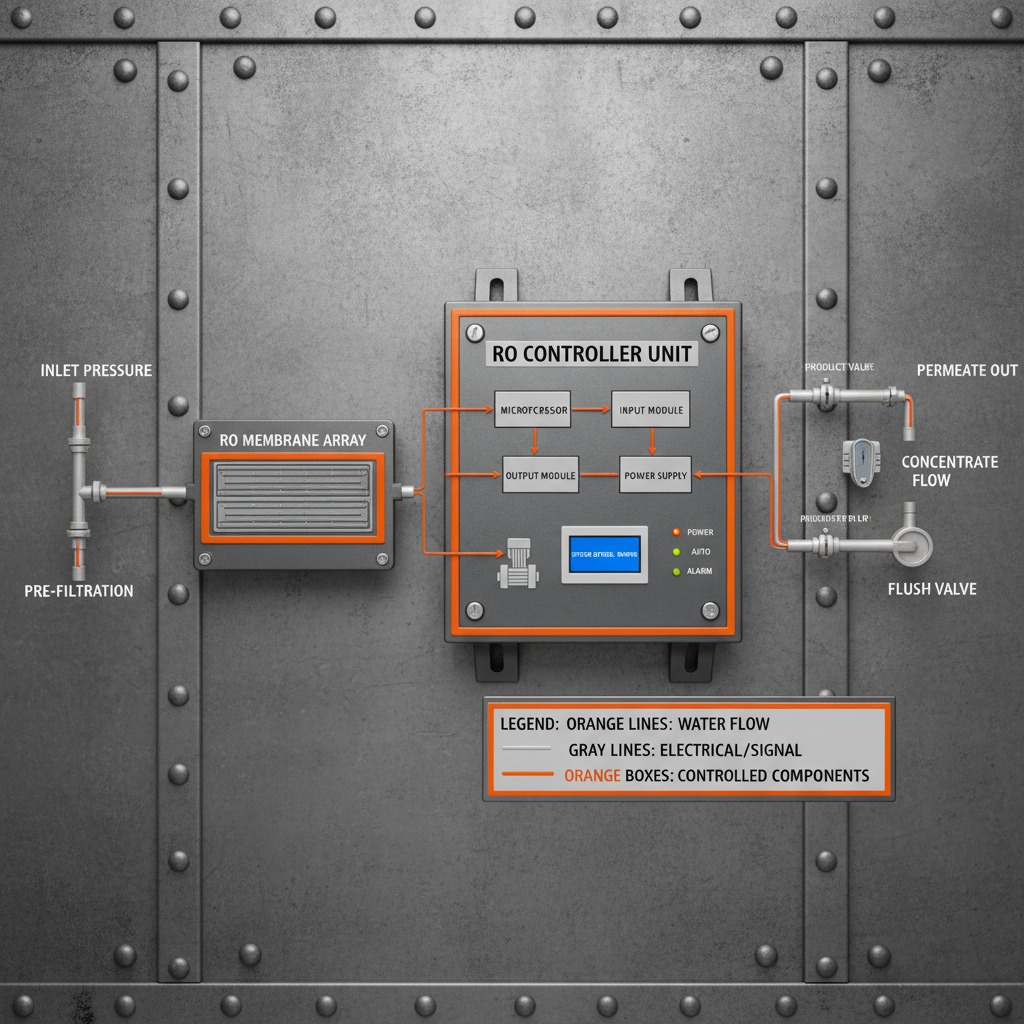
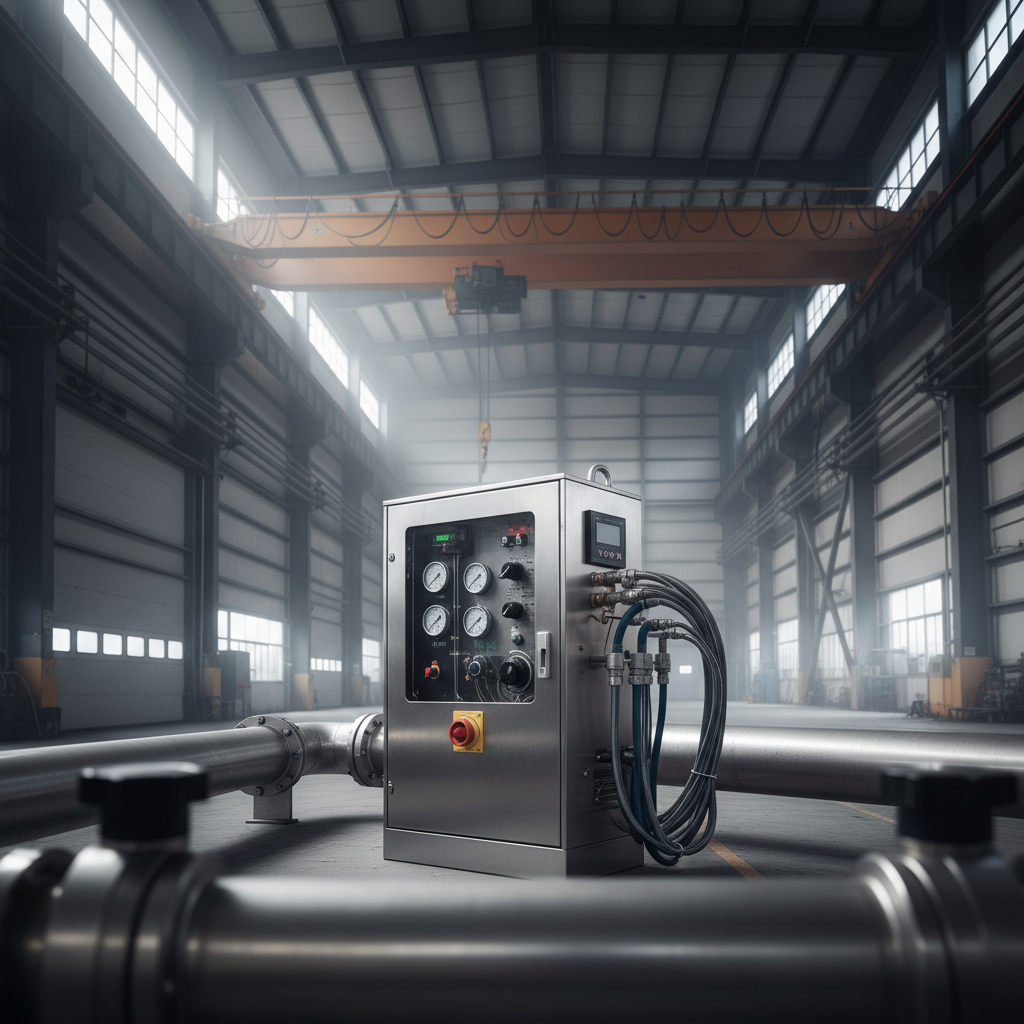
Guide to Choosing the Right RO Controller for Water PurificationMaintaining a high-performance reverse osmosis system requires more than just quality membranes; it demands precise regulation. An ro controller serves as the brain of the entire operation, monitoring critical parameters such as conductivity, temperature, and flow rates to ensure the output water meets stringent purity standards. Without an efficient controller, systems are prone to membrane fouling, inefficient energy use, and inconsistent water quality. In this comprehensive guide, we will explore how these devices optimize water treatment processes and how to select the best model for your specific industrial or commercial needs.
2026-04-09 03:25:47
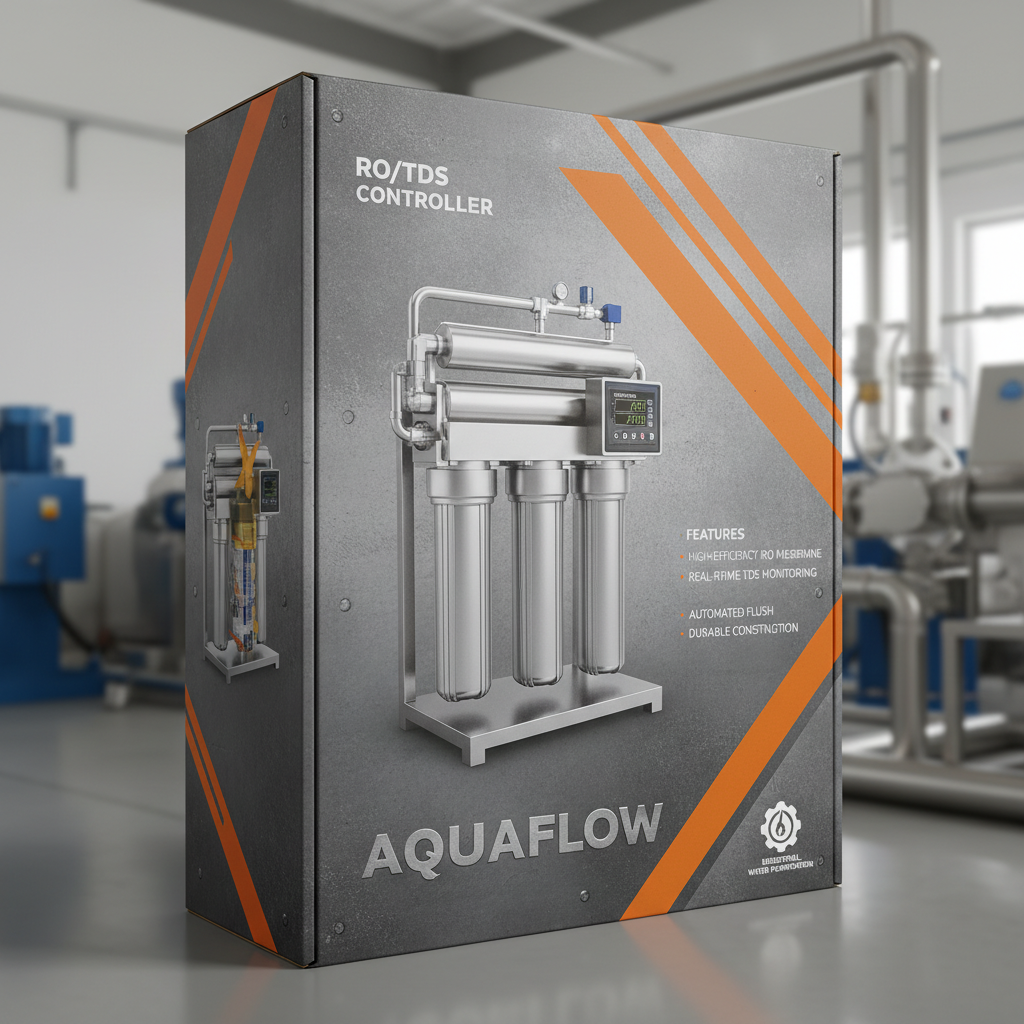
Guide to Water Purity Using RO with TDS Controller SystemsAchieving the perfect balance of mineral content and purity in drinking water is a challenge for many households and industrial facilities. A ro with tds controller offers a sophisticated solution by combining the rigorous filtration of Reverse Osmosis (RO) with the precision of a Total Dissolved Solids (TDS) adjustment system. While standard RO systems remove almost everything, including beneficial minerals, a TDS controller allows users to re-mineralize the water to a desired level. This ensures that the water is not only safe and pure but also tastes better and provides essential nutrients.
2026-04-07 03:17:09
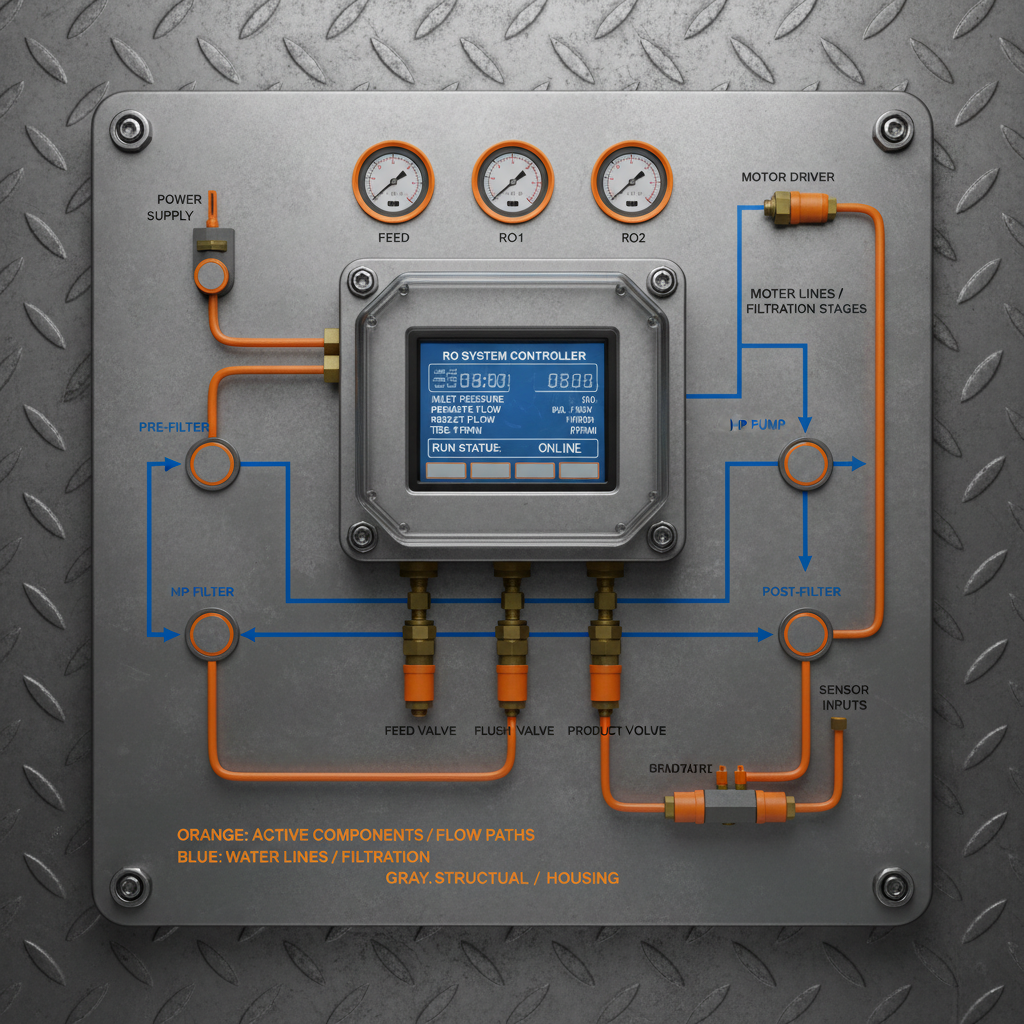
Understanding and Optimizing Reverse Osmosis Systems with a ControllerIn the world of water purification, reverse osmosis (RO) systems are a cornerstone for producing high-quality water for various applications, from drinking water to industrial processes. However, an RO system is only as effective as its control system. This is where the reverse osmosis controller comes into play. This critical component manages and optimizes the RO process, ensuring efficient operation, water quality, and system longevity.
2026-04-04 03:27:19
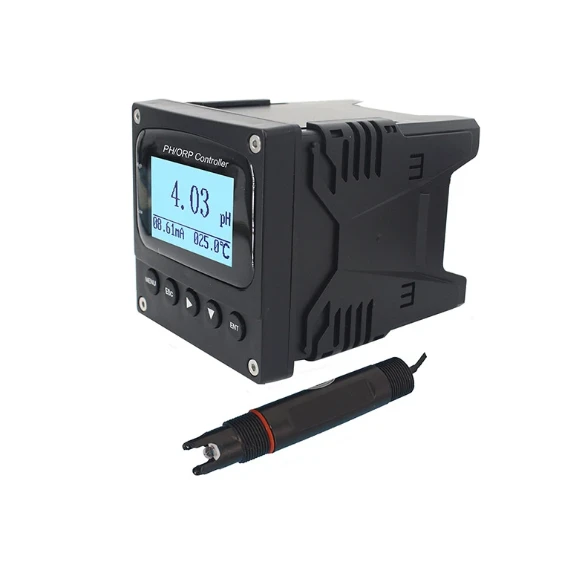
Understanding the Vital Role of an RO System Controller for Optimal PerformanceReverse Osmosis (RO) systems are critical for purifying water across various industries, from residential applications to large-scale industrial processes. At the heart of a well-functioning RO system lies the RO system controller. This intelligent device monitors and regulates all key parameters of the RO process, ensuring optimal performance, efficiency, and water quality. This article delves into the functionalities, benefits, and selection criteria for choosing the right RO system controller, particularly focusing on those offered by Watequipments. Understanding its role is crucial for maximizing the lifespan and effectiveness of your RO investment.
2026-03-24 17:18:24
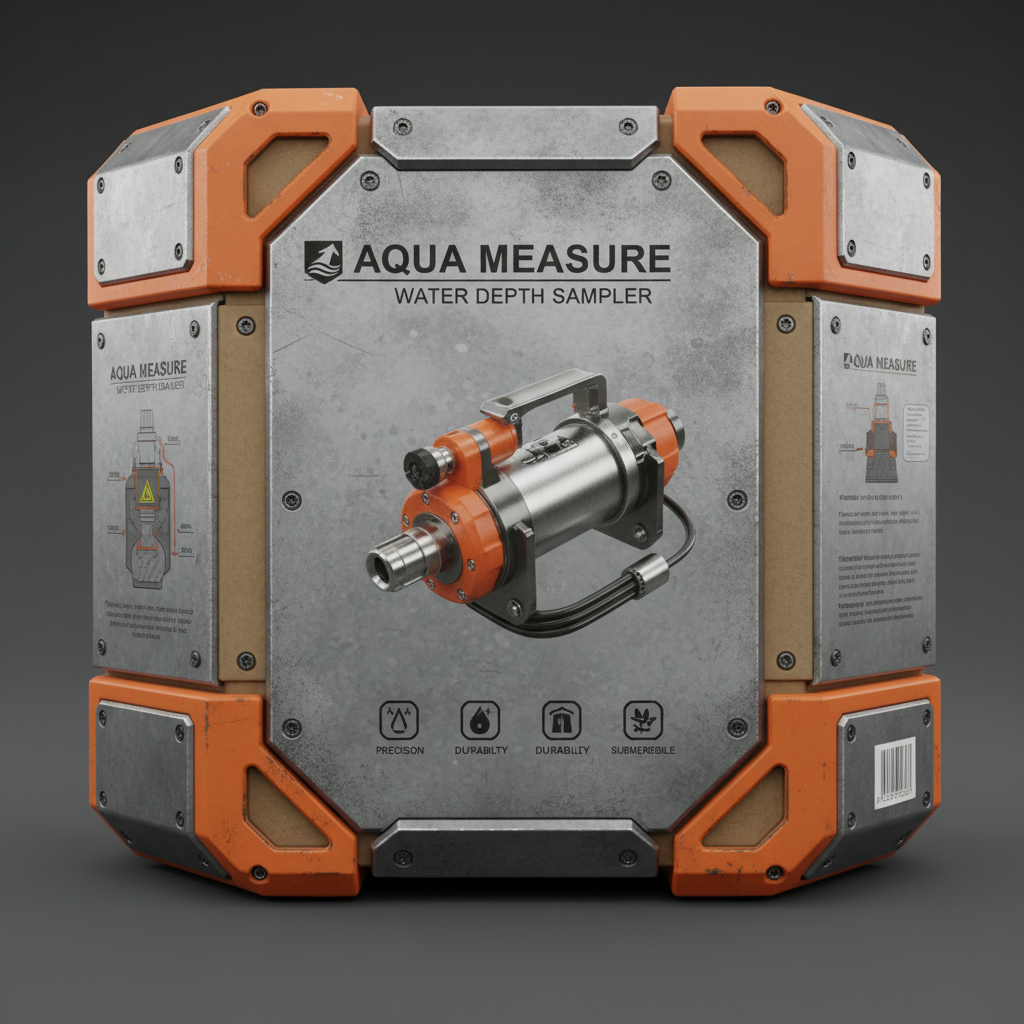
Smart Water Treatment Solutions Using PH ORP Controller SystemsIn modern water treatment and industrial fluid management, maintaining precise chemical balance is essential for safety, efficiency, and regulatory compliance.
2026-03-04 02:55:19
Comprehensive Guide to Water Depth Samplers and Their ApplicationsAccurate water quality monitoring is crucial in various fields, from environmental science and aquaculture to industrial wastewater management. A key tool for this is the water depth sampler. This article provides an in-depth look at water depth samplers, their applications, types, and essential considerations for choosing the right one for your needs. We'll explore the benefits of utilizing this equipment to collect reliable data for analysis and informed decision-making. Selecting the right sampler can significantly improve the precision and efficiency of your water monitoring program. A water depth sampler, also known as a depth-integrated sampler, is a device designed to collect water samples from specific depths within a body of water. Unlike simply dipping a container into the water, a depth sampler allows for collection of a representative sample across a defined depth range. This is critical because water properties (temperature, salinity, pollutants) often vary significantly with depth. The data gathered with a water depth sampler provides a more accurate assessment of water quality than surface samples alone.
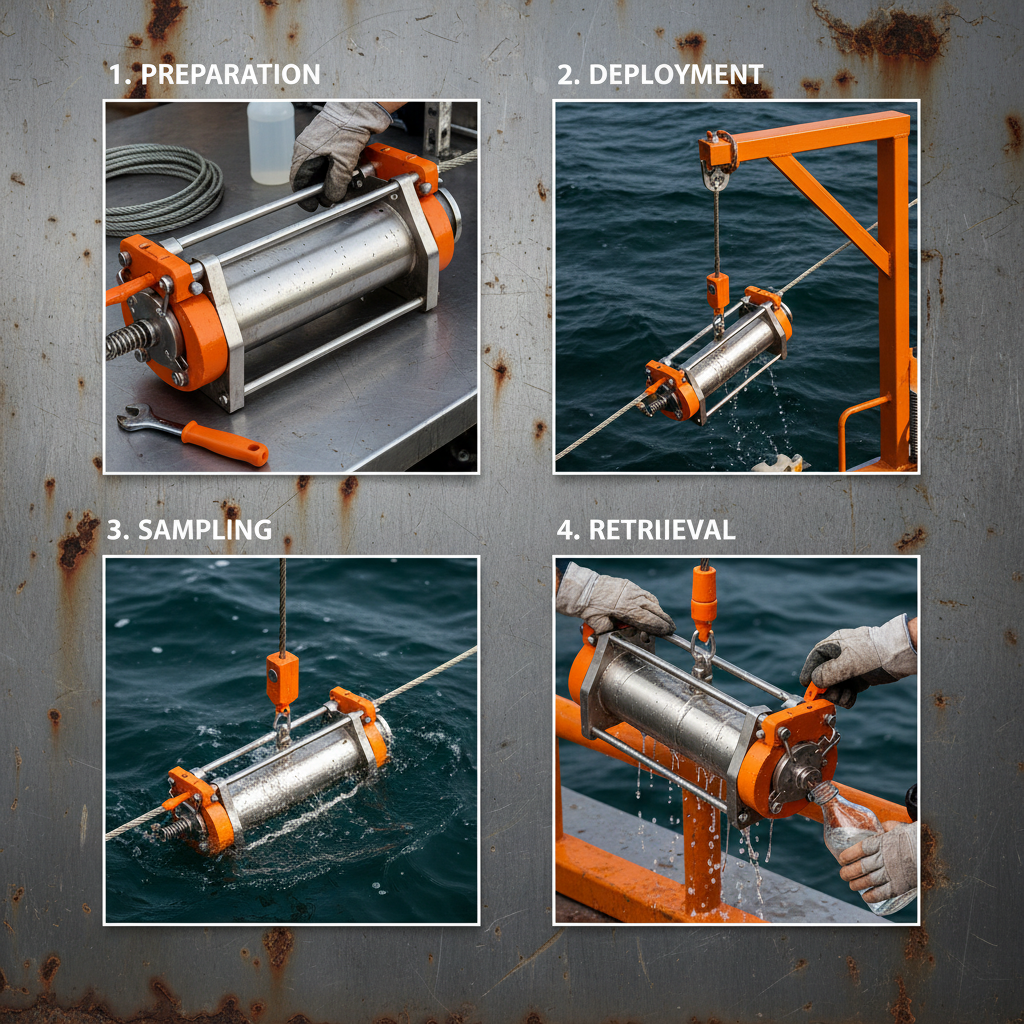
2026-03-03 18:55:22
Comprehensive Guide to Horizontal Water Sampler Applications and SelectionCollecting water samples at varying depths is crucial for environmental monitoring, research, and quality control. The horizontal water sampler from Watequipment.com offers a precise and efficient solution for this task. This article provides an in-depth look at horizontal water samplers, their applications, benefits, and key considerations when choosing the right model. We will explore how these samplers contribute to accurate data collection and informed decision-making in various fields. A horizontal water sampler is a device designed to collect water samples from specific depths within a body of water – rivers, lakes, oceans, reservoirs, and even wastewater treatment plants. Unlike vertical samplers which primarily focus on depth, horizontal samplers prioritize collecting samples at a consistent depth while moving along a horizontal plane. This is essential for assessing water quality variations across a waterway or within a specific zone. They are used in applications ranging from environmental monitoring and scientific research to industrial process control and regulatory compliance.
2026-02-28 02:35:09
Comprehensive Guide to Selecting the Right Surface Water Sampler for Your NeedsMonitoring the quality of surface water is critical for environmental protection, public health, and various industrial applications. A surface water sampler is an essential tool for collecting representative samples from rivers, lakes, ponds, and other surface water sources. This article provides a detailed overview of surface water samplers, their types, applications, and key considerations for selecting the right equipment. Accurate water quality data relies on proper sample collection, and choosing the correct sampler is the first step toward achieving reliable results. Surface water samplers come in various designs, each suited to specific sampling needs. Common types include grab samplers, depth-integrating samplers, peristaltic pumps, and automatic samplers. Surface water samplers are used across a broad spectrum of applications, including environmental monitoring, wastewater discharge monitoring, drinking water source monitoring, agricultural runoff analysis, and research studies.

 English