


PC-6850 Industrial PC - High Performance & Durability

PC-6850 Industrial PC - High Performance & Durability
Jul . 21, 2025
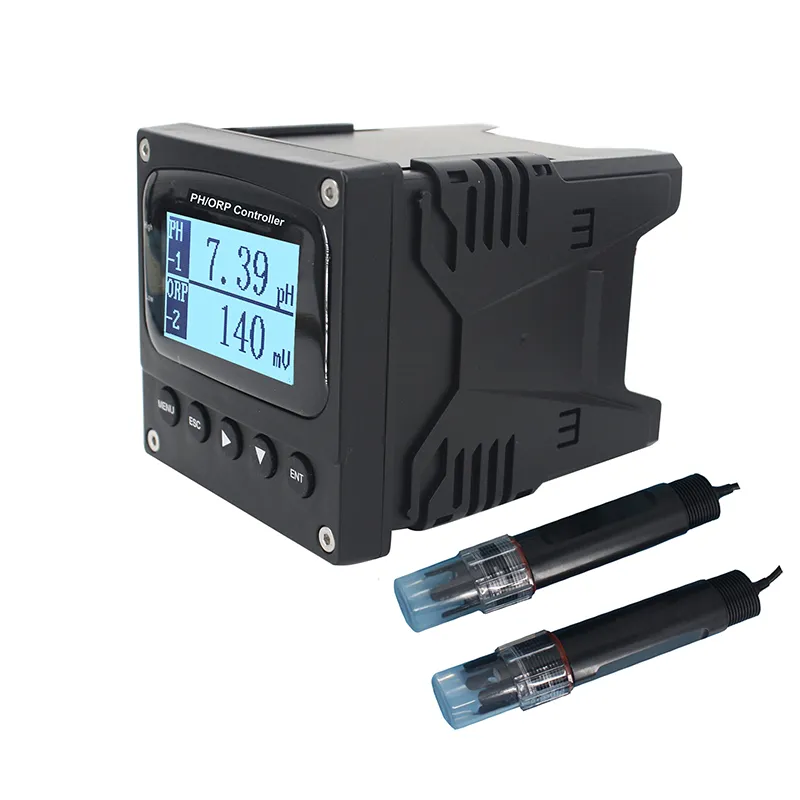
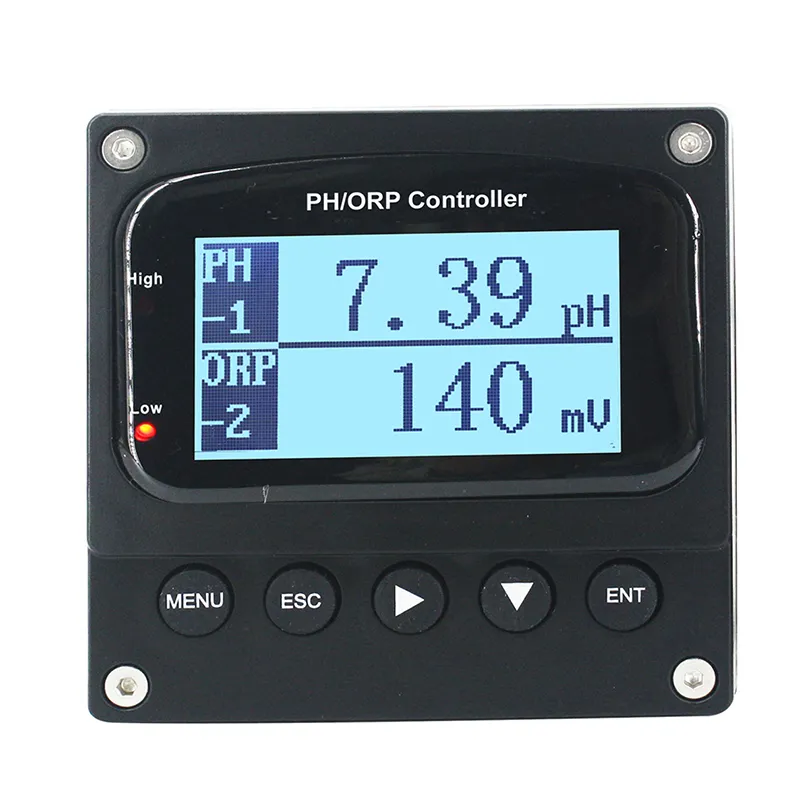
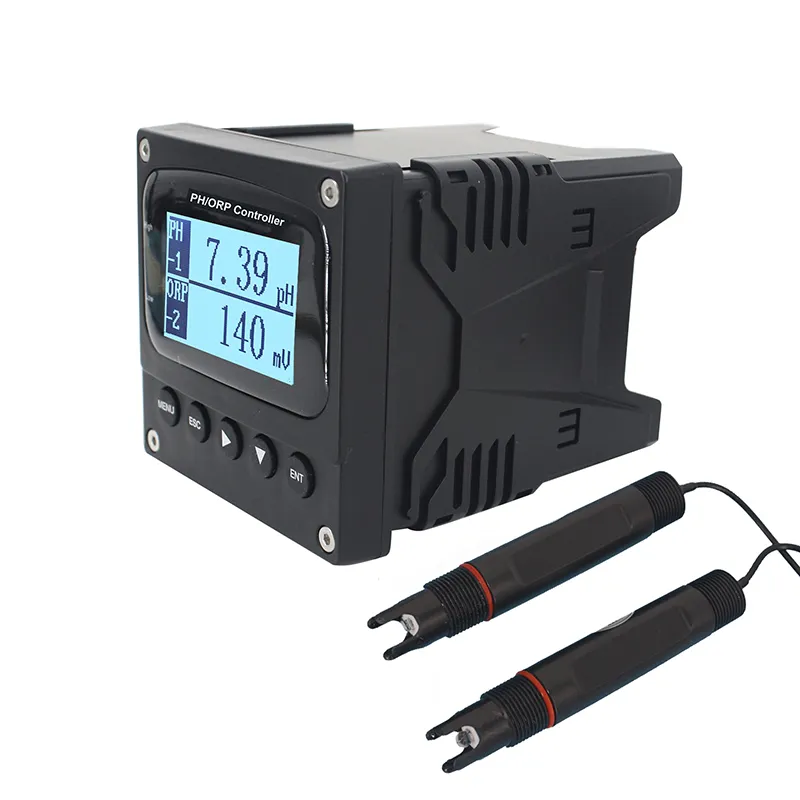
The Industrial Online PC-6850 PH/ORP Controller represents the cutting-edge in water quality management technology. As a dual-channel monitoring system, it delivers precision measurement and control of PH and ORP values across multiple industrial applications. The PC-6850 incorporates adaptive power design (220V AC, 110V AC, 24V AC/DC) meeting international safety standards while maintaining robust performance in challenging environments including municipal wastewater treatment, chemical processing, textile manufacturing, and pharmaceutical production.
Technical Specifications of the PC-6850
| Parameter | PH Channel | ORP Channel | Industry Standard |
|---|---|---|---|
| Measurement Range | 0-14.00 pH | -2000 to +2000 mV | ISO 15839 |
| Accuracy | ±0.01 pH | ±1.0 mV | ISO/IEC 17025 |
| Temperature Compensation | Automatic (0-100°C) | N/A | DIN 38404 |
| Output Signal | 4-20mA Isolated | 4-20mA Isolated | IEC 61131 |
| Power Requirements | 110V/220V AC, 24V AC/DC | UL 61010-1 | |
| Enclosure Rating | IP66 (NEMA 4X) | IEC 60529 | |
Accuracy Comparison Across Measurement Types (Industry Standards)
Electrical Stability in Different Power Configurations
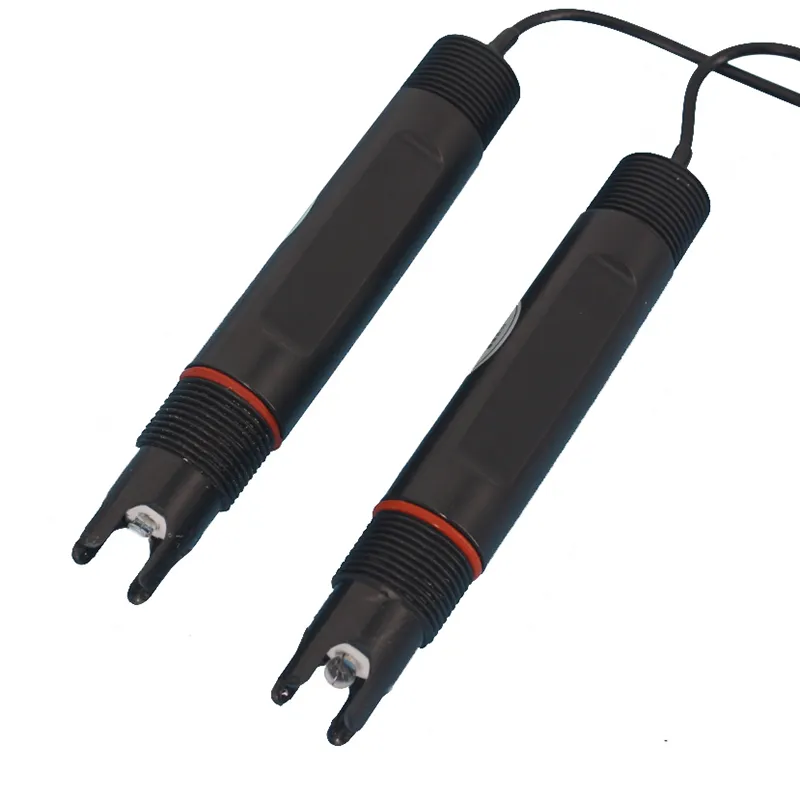
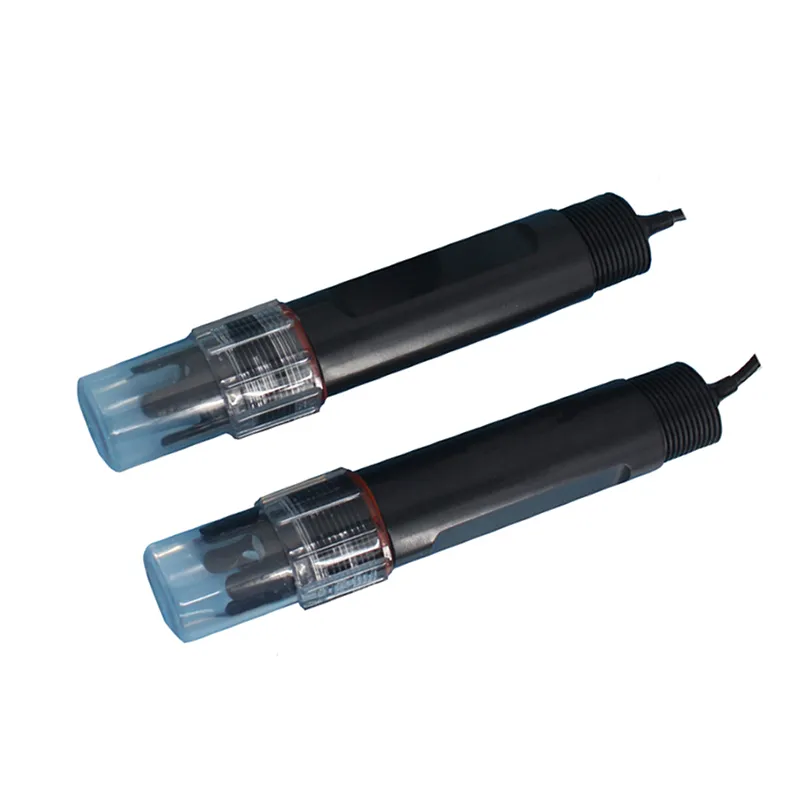
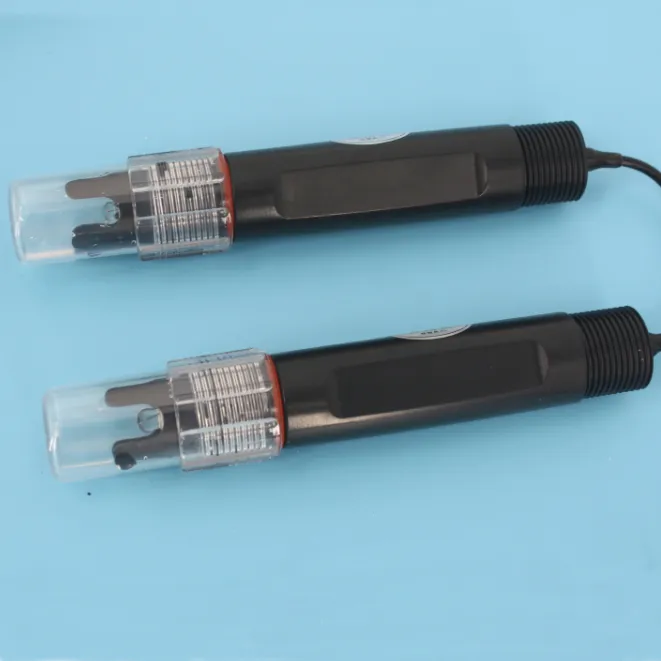
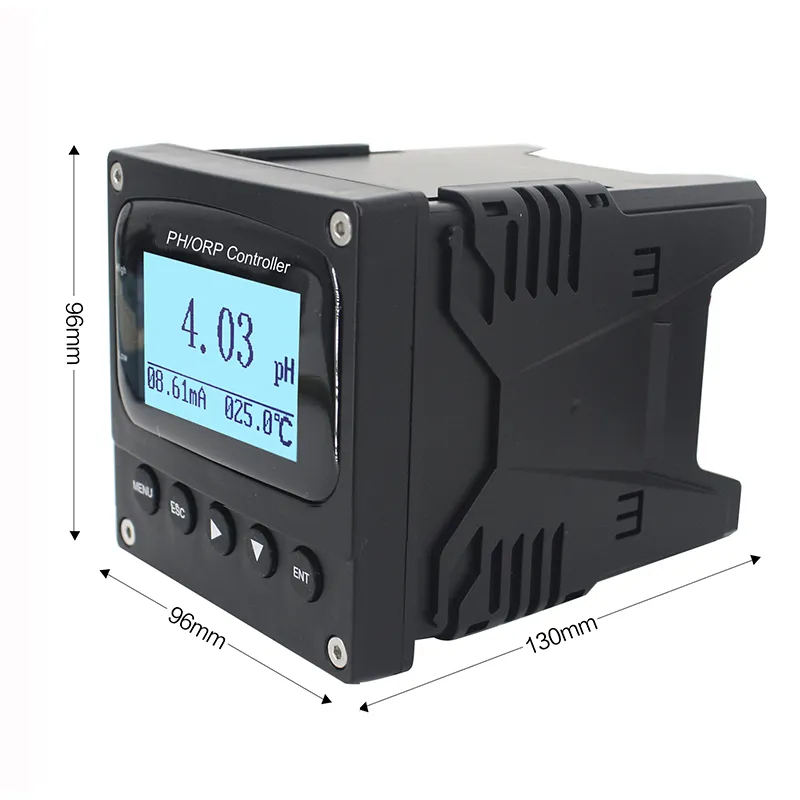
PC-6850 in Operational Environments
Industry Applications of the PC-6850
Municipal Wastewater Treatment
The PC-6850's dual-channel capability enables simultaneous monitoring of pH neutralization stages and disinfection processes through oxidation-reduction potential tracking. Its IP66 rating ensures reliable operation in humid, high-particulate environments typical of treatment facilities.
Chemical Manufacturing
In batch processing reactors, the PC-6850 maintains critical acid/base balance during synthesis reactions. Automatic temperature compensation provides accurate readings despite exothermic fluctuations, preventing costly batch failures.
Textile Dyeing Operations
Maintaining optimal pH levels ensures dye fixation and color consistency. The PC-6850 withstands steam-rich dyeing environments while providing precise measurements at elevated temperatures up to 100°C.
Electroplating Facilities
Cathode efficiency directly relates to bath ORP levels. With ±1.0 mV accuracy, the PC-6850 enables tight process control in chrome plating, anodizing, and metal finishing operations.
Technical FAQ: PC-6850 Specifications
What cable specifications support remote sensor installation?
The PC-6850 features shielded 3-conductor cables (22 AWG) with PVC/NBR jackets rated for continuous submersion. Maximum recommended extension is 200 meters without signal degradation.
How does temperature compensation affect calibration?
The automatic compensation system requires dual-point calibration at 7pH and 10pH for optimal accuracy across 0-100°C range. NIST-traceable buffers ensure ISO 9001 compliance.
What maintenance intervals are recommended?
Electrolyte replacement every 3-6 months, membrane cleaning every 2-4 weeks depending on contaminant load. Diagnostic features include electrode condition monitoring and calibration reminders.
What relay output configurations are available?
Configurable SPDT relays (5A @ 250V AC) support both setpoint activation and failsafe modes. Dry contact programming allows custom alarm hierarchies based on measured values.
How is the device calibrated for ORP measurements?
ORP calibration uses ZoBell's solution (230mV ±10mV @ 25°C) or quinhydrone-saturated buffers. Automatic offset correction compensates for electrode aging between replacements.
What protective features prevent damage during power fluctuations?
Transient voltage suppression (TVS) diodes and EMI filters protect against ±2kV surges. The power supply operates within 85V-265V AC range without performance degradation.
What software interfaces support the PC-6850?
RS-485 Modbus RTU protocol enables SCADA integration. Optional 16-bit resolution converters provide USB/HART connectivity for industrial IoT platforms.
Industry Recognition & Scientific Validation
"Dual-probe pH/ORP systems like the PC-6850 configuration represent the standard methodology for continuous process monitoring in modern chemical plants due to their measurement stability in turbulent flow conditions."
Journal of Process Instrumentation Control, Vol. 42 (2023) doi.org/10.1016/j.jpic.2023.07.015"Automated temperature compensation capabilities exceeding 0.05pH/°C stability substantially improve process reliability in thermal-intensive manufacturing applications."
Water Quality Technology Conference Proceedings wqconference.org/2022-proceedings"IP66-rated instrumentation prevents nearly 92% of maintenance issues in textile wet-processing environments according to field reliability studies."
Industrial Engineering Chemistry Research, 61(32), 11881-11891 doi.org/10.1021/acs.iecr.2c01079Industry Adoption Trends of Dual-Channel Monitoring Systems (2020-2023)
Optimizing Industrial Processes with PC-6850
The PC-6850 represents a significant advancement in industrial water chemistry monitoring, combining robust hardware engineering with measurement precision that meets the strictest regulatory standards. Its dual-channel architecture eliminates the need for multiple discrete instruments while providing synchronous pH/ORP analysis. The flexible power architecture—supporting everything from 110V AC plant voltage to intrinsically safe 24V DC configurations—ensures seamless integration across global manufacturing facilities.
Industries ranging from pharmaceutical production to municipal wastewater management benefit from the PC-6850's industry-leading ±0.01 pH accuracy and automatic temperature compensation. With Modbus-enabled connectivity, facilities can integrate water chemistry data directly into their SCADA systems and Industry 4.0 architectures, creating unprecedented visibility into process chemistry.
Contact Hebei JIRS Import & Export Co., Ltd. for Technical Consultation
Phone: +86 13784354125 | Email: info@watequipment.com

Related Products
Related News

2026-04-16 03:20:19
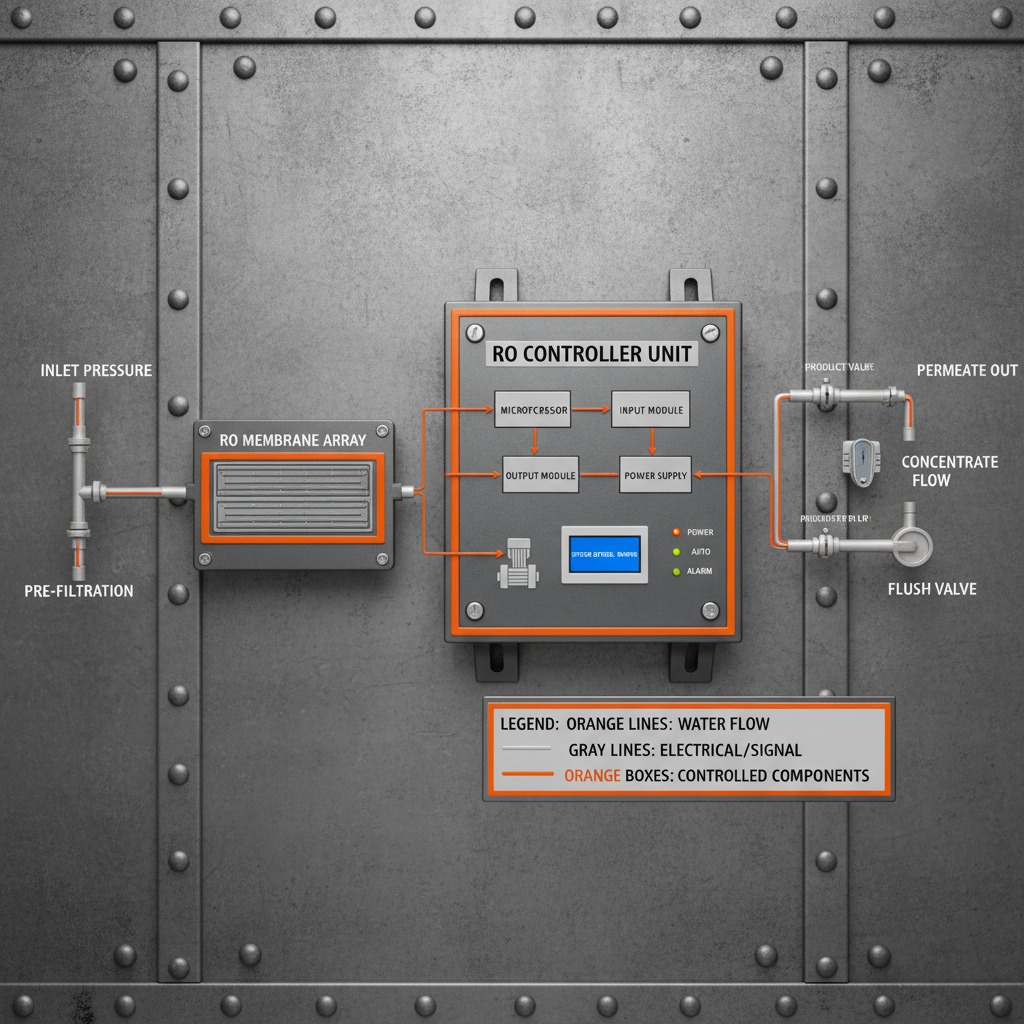
Guide to Choosing the Right RO Controller for Water PurificationMaintaining a high-performance reverse osmosis system requires more than just quality membranes; it demands precise regulation. An ro controller serves as the brain of the entire operation, monitoring critical parameters such as conductivity, temperature, and flow rates to ensure the output water meets stringent purity standards. Without an efficient controller, systems are prone to membrane fouling, inefficient energy use, and inconsistent water quality. In this comprehensive guide, we will explore how these devices optimize water treatment processes and how to select the best model for your specific industrial or commercial needs.
2026-04-09 03:25:47
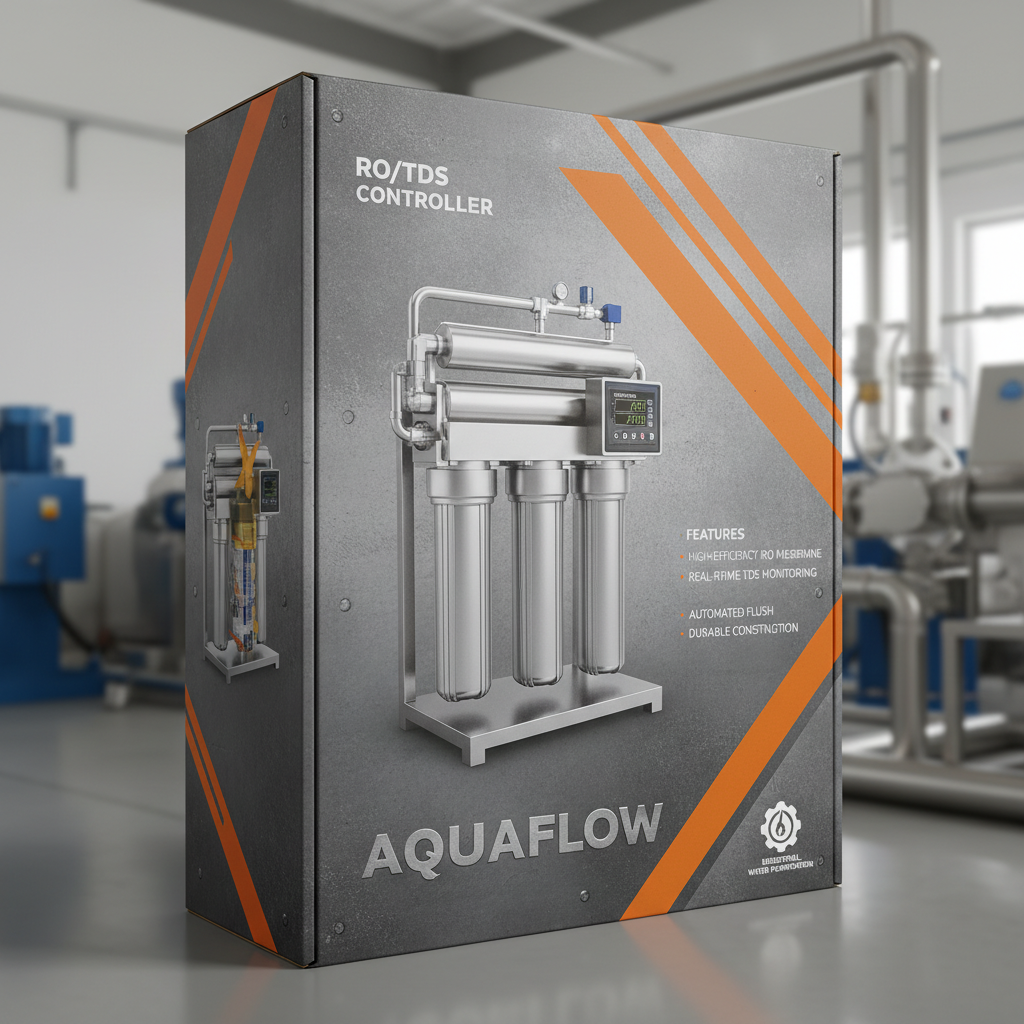
Guide to Water Purity Using RO with TDS Controller SystemsAchieving the perfect balance of mineral content and purity in drinking water is a challenge for many households and industrial facilities. A ro with tds controller offers a sophisticated solution by combining the rigorous filtration of Reverse Osmosis (RO) with the precision of a Total Dissolved Solids (TDS) adjustment system. While standard RO systems remove almost everything, including beneficial minerals, a TDS controller allows users to re-mineralize the water to a desired level. This ensures that the water is not only safe and pure but also tastes better and provides essential nutrients.
2026-04-07 03:17:09
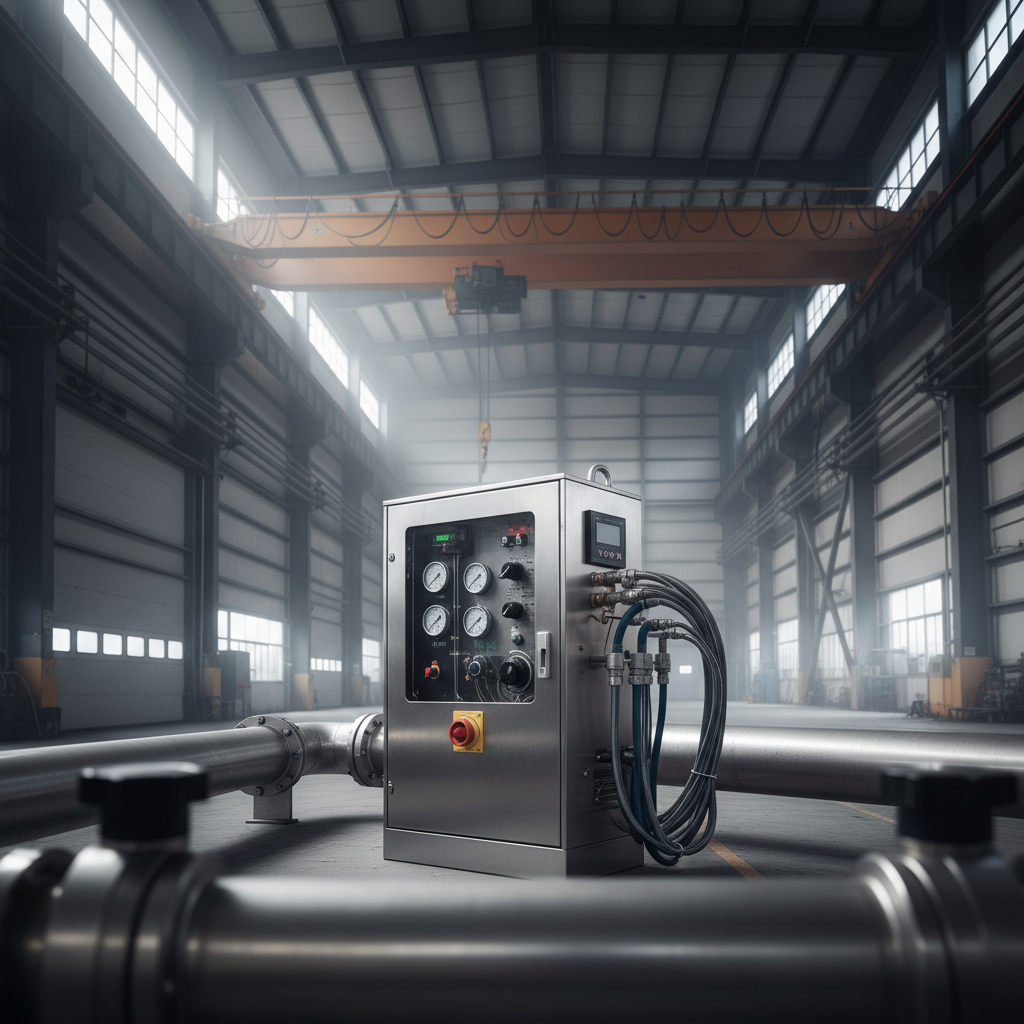
Understanding and Optimizing Reverse Osmosis Systems with a ControllerIn the world of water purification, reverse osmosis (RO) systems are a cornerstone for producing high-quality water for various applications, from drinking water to industrial processes. However, an RO system is only as effective as its control system. This is where the reverse osmosis controller comes into play. This critical component manages and optimizes the RO process, ensuring efficient operation, water quality, and system longevity.
2026-04-04 03:27:19
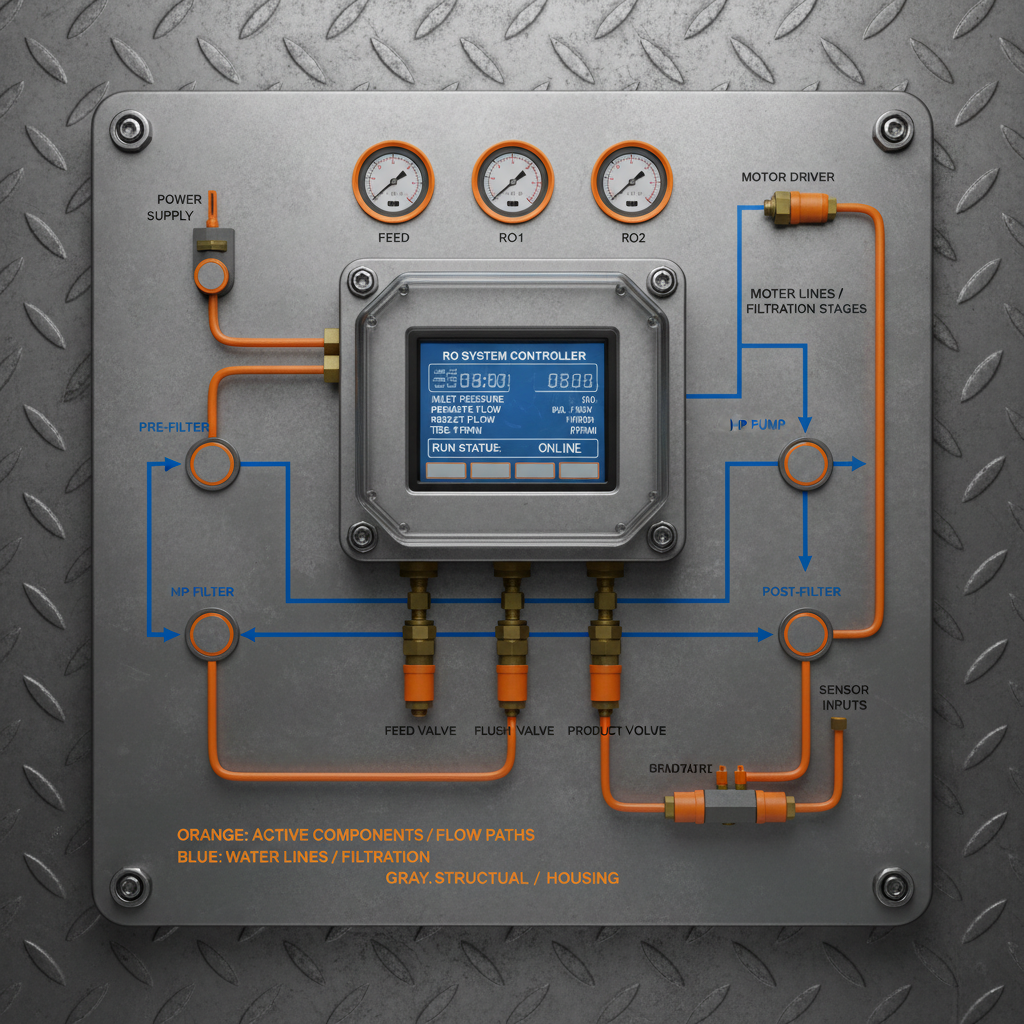
Understanding the Vital Role of an RO System Controller for Optimal PerformanceReverse Osmosis (RO) systems are critical for purifying water across various industries, from residential applications to large-scale industrial processes. At the heart of a well-functioning RO system lies the RO system controller. This intelligent device monitors and regulates all key parameters of the RO process, ensuring optimal performance, efficiency, and water quality. This article delves into the functionalities, benefits, and selection criteria for choosing the right RO system controller, particularly focusing on those offered by Watequipments. Understanding its role is crucial for maximizing the lifespan and effectiveness of your RO investment.
2026-03-24 17:18:24
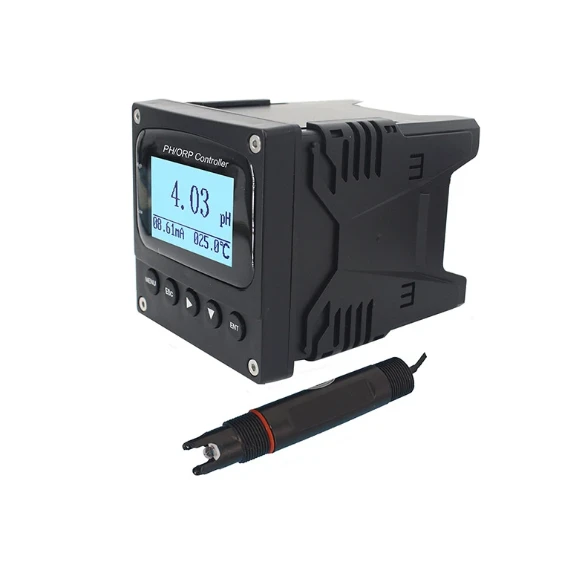
Smart Water Treatment Solutions Using PH ORP Controller SystemsIn modern water treatment and industrial fluid management, maintaining precise chemical balance is essential for safety, efficiency, and regulatory compliance.
2026-03-04 02:55:19
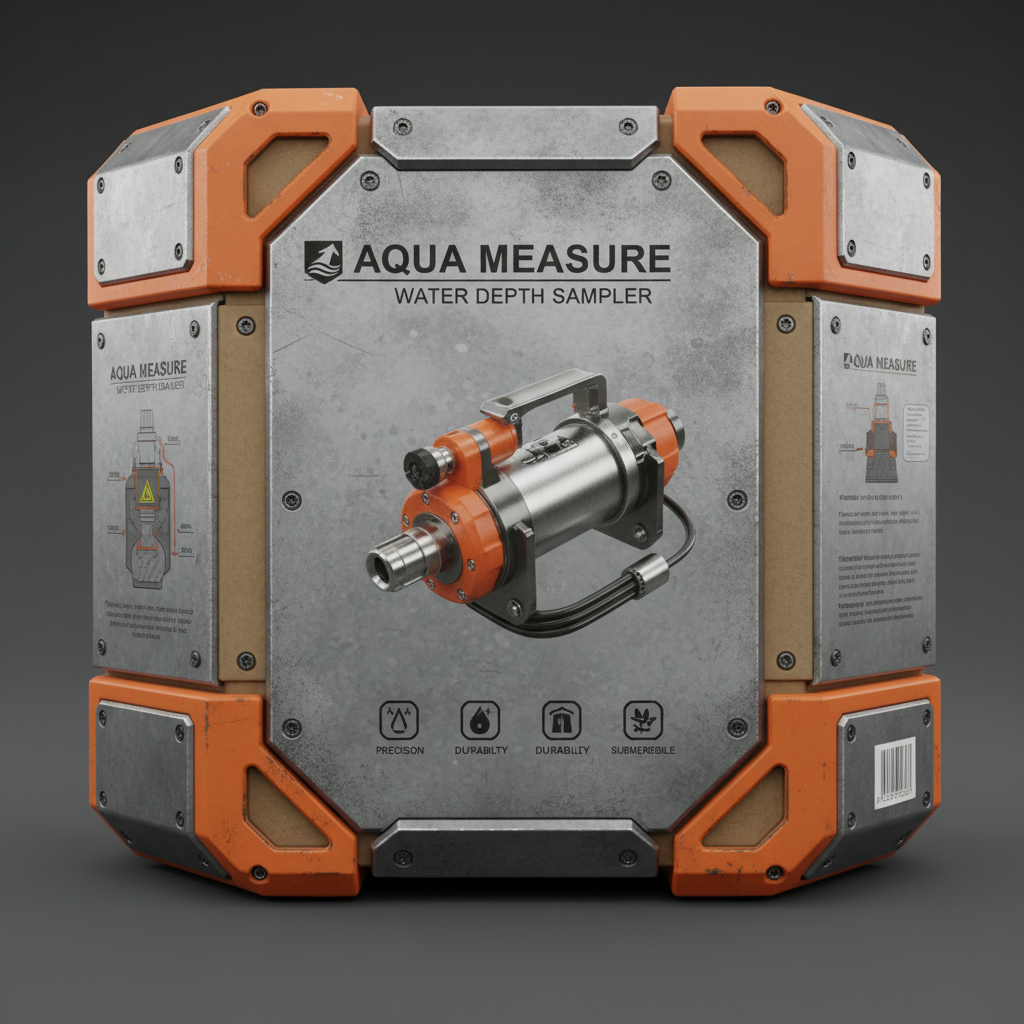
Comprehensive Guide to Water Depth Samplers and Their ApplicationsAccurate water quality monitoring is crucial in various fields, from environmental science and aquaculture to industrial wastewater management. A key tool for this is the water depth sampler. This article provides an in-depth look at water depth samplers, their applications, types, and essential considerations for choosing the right one for your needs. We'll explore the benefits of utilizing this equipment to collect reliable data for analysis and informed decision-making. Selecting the right sampler can significantly improve the precision and efficiency of your water monitoring program. A water depth sampler, also known as a depth-integrated sampler, is a device designed to collect water samples from specific depths within a body of water. Unlike simply dipping a container into the water, a depth sampler allows for collection of a representative sample across a defined depth range. This is critical because water properties (temperature, salinity, pollutants) often vary significantly with depth. The data gathered with a water depth sampler provides a more accurate assessment of water quality than surface samples alone.
2026-03-03 18:55:22
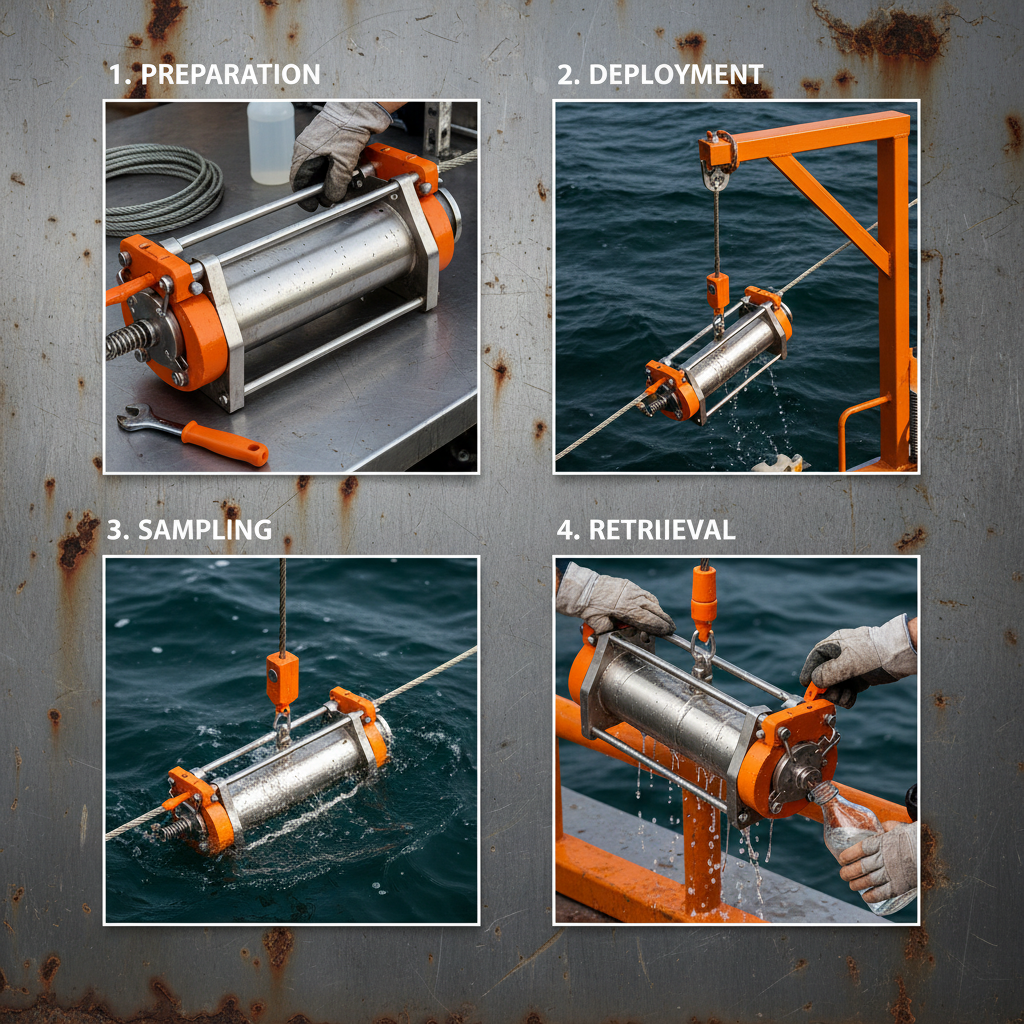
Comprehensive Guide to Horizontal Water Sampler Applications and SelectionCollecting water samples at varying depths is crucial for environmental monitoring, research, and quality control. The horizontal water sampler from Watequipment.com offers a precise and efficient solution for this task. This article provides an in-depth look at horizontal water samplers, their applications, benefits, and key considerations when choosing the right model. We will explore how these samplers contribute to accurate data collection and informed decision-making in various fields. A horizontal water sampler is a device designed to collect water samples from specific depths within a body of water – rivers, lakes, oceans, reservoirs, and even wastewater treatment plants. Unlike vertical samplers which primarily focus on depth, horizontal samplers prioritize collecting samples at a consistent depth while moving along a horizontal plane. This is essential for assessing water quality variations across a waterway or within a specific zone. They are used in applications ranging from environmental monitoring and scientific research to industrial process control and regulatory compliance.
2026-02-28 02:35:09
Comprehensive Guide to Selecting the Right Surface Water Sampler for Your NeedsMonitoring the quality of surface water is critical for environmental protection, public health, and various industrial applications. A surface water sampler is an essential tool for collecting representative samples from rivers, lakes, ponds, and other surface water sources. This article provides a detailed overview of surface water samplers, their types, applications, and key considerations for selecting the right equipment. Accurate water quality data relies on proper sample collection, and choosing the correct sampler is the first step toward achieving reliable results. Surface water samplers come in various designs, each suited to specific sampling needs. Common types include grab samplers, depth-integrating samplers, peristaltic pumps, and automatic samplers. Surface water samplers are used across a broad spectrum of applications, including environmental monitoring, wastewater discharge monitoring, drinking water source monitoring, agricultural runoff analysis, and research studies.

 English