


Polyaspartic Acid (PASP) for Agricultural Fertilizer Efficiency | ThinkDo Chemicals

Polyaspartic Acid (PASP) for Agricultural Fertilizer Efficiency | ThinkDo Chemicals
Jul . 12, 2025
Polyaspartic Acid (PASP) for Agricultural Fertilizer Efficiency | ThinkDo Chemicals

Unlock the Power of Polyaspartic Acid (PASP) for Sustainable Agriculture
As global agricultural demands rise, the need for efficient and eco-friendly solutions has never been more critical. ThinkDo Chemicals offers Polyaspartic Acid (PASP), a cutting-edge fertilizer additive designed to revolutionize crop production while minimizing environmental impact. This article explores the science, applications, and benefits of PASP, supported by real-world case studies and expert insights.
What is Polyaspartic Acid (PASP)?
Polyaspartic Acid (PASP) is a biodegradable, water-soluble polymer derived from aspartic acid, a naturally occurring amino acid. Its unique molecular structure enables it to chelate nutrients, enhance soil fertility, and improve nutrient uptake in plants. PASP is a cornerstone of modern green chemistry, aligning with the global shift toward sustainable agricultural practices.

Unlike traditional fertilizers, which often lead to nutrient runoff and soil degradation, PASP acts as a natural chelator. It binds essential nutrients like nitrogen, phosphorus, and potassium, preventing them from being washed away by irrigation or rainfall. This not only maximizes fertilizer efficiency but also reduces the risk of water pollution, making it a preferred choice for environmentally conscious farmers.
Key Benefits of PASP in Agriculture
1. Enhanced Nutrient Uptake
Studies show that PASP increases nutrient absorption by up to 40% in various crops. Its ability to form stable complexes with micronutrients ensures they remain available to plants for extended periods. This is particularly beneficial in sandy or alkaline soils, where nutrient leaching is a common challenge.
2. Cost Savings for Farmers
By improving fertilizer efficiency, PASP allows farmers to reduce their input costs. A 2022 field trial by the University of California, Davis, found that crops treated with PASP required 25% less nitrogen fertilizer while maintaining the same yield. This translates to significant long-term savings for agricultural businesses.
3. Environmental Sustainability
As a biodegradable polymer, PASP breaks down naturally in soil within 6-12 months, leaving no toxic residues. It also reduces the need for synthetic fertilizers, which are major contributors to greenhouse gas emissions. ThinkDo Chemicals’ PASP complies with ISO 14001 standards, ensuring it meets global environmental regulations.
Market Demand and Industry Challenges
The global agricultural fertilizer market is projected to reach $320 billion by 2027, driven by the need to feed a growing population. However, traditional fertilizers face criticism for their inefficiency and environmental impact. According to the Food and Agriculture Organization (FAO), 30-50% of applied fertilizers are lost to the environment, leading to economic losses and ecological damage.

PASP addresses these challenges by optimizing nutrient use and reducing waste. Its application is especially critical in regions with water scarcity, where efficient resource management is essential. For example, in California’s Central Valley, farmers using PASP have reported a 35% reduction in irrigation water requirements due to improved soil moisture retention.
Why Choose ThinkDo Chemicals?
Company Overview
Founded in 2005, ThinkDo Chemicals is a leading manufacturer of green agricultural solutions, headquartered in Hebei, China. With over 15 years of expertise in polymer chemistry, we specialize in developing products that balance productivity with environmental stewardship. Our commitment to innovation has earned us a global client base, including major agribusinesses in North America, Europe, and Asia.

Our state-of-the-art facilities are equipped with advanced R&D labs and ISO-certified production lines, ensuring consistent quality and safety. We adhere to strict environmental standards, as evidenced by our ISO 9001 and ISO 14001 certifications. ThinkDo Chemicals is also a proud member of the Global AgriTech Alliance, collaborating with industry leaders to advance sustainable farming practices.
Technological Innovation
Our R&D team has developed proprietary formulations of PASP that cater to diverse agricultural needs. These include:
- High-Performance PASP: Ideal for high-yield crops like corn and soybeans.
- Slow-Release PASP: Designed for long-term soil enrichment in perennial crops.
- Organic PASP: Formulated for organic farming, meeting USDA and EU organic standards.
These innovations are backed by over 50 patents, solidifying our position as a pioneer in agricultural polymer technology.
Technical Specifications of PASP
| Parameter | Specification |
|---|---|
| Chemical Name | Polyaspartic Acid (PASP) |
| Formulation | 50% aqueous solution |
| pH Range | 6.5-8.0 |
| Viscosity | 100-200 cP |
| Biodegradability | 95% within 12 months |
| Storage Stability | 12 months at 15-25°C |
Applications in Modern Agriculture
1. Fertilizer Formulation
PASP is widely used as a soil conditioner and fertilizer enhancer. When mixed with traditional fertilizers, it improves their efficacy by 20-40%. For example, in a 2021 trial by the Chinese Academy of Agricultural Sciences, PASP-treated wheat fields showed a 30% increase in grain yield compared to control groups.
2. Hydroponics and Greenhouse Cultivation
In controlled environments, PASP ensures optimal nutrient delivery to plants. Its ability to stabilize pH levels and prevent clogging in irrigation systems makes it ideal for hydroponic setups. Farmers in the Netherlands have reported a 25% reduction in nutrient waste using PASP in their greenhouse operations.
3. Soil Remediation
PASP can rehabilitate degraded soils by improving their structure and microbial activity. It is particularly effective in areas affected by salinization or heavy metal contamination. A case study in India’s Punjab region demonstrated a 40% improvement in soil fertility after three growing seasons with PASP application.
Customer Testimonials
"Since integrating PASP into our fertilizer program, we’ve seen a 35% reduction in nitrogen use and a 20% increase in crop yield. The environmental benefits are equally impressive." – John M., Farm Manager, California AgriCo
"As a certified organic farm, PASP’s organic formulation has been a game-changer. It aligns perfectly with our sustainability goals while boosting productivity." – Sarah L., Owner, GreenHarvest Farms
Implementation Guide and Custom Solutions
Usage Instructions
For optimal results, follow these steps:
- Dilution Ratio: Mix 1-2 liters of PASP per 100 liters of water, depending on soil type and crop requirements.
- Application Timing: Apply during the early growth stages or during irrigation cycles for maximum absorption.
- Compatibility: PASP works well with most fertilizers, but a small-scale test is recommended before large-scale use.

For specific crop recommendations, consult our product technical sheet.
Customized Solutions
ThinkDo Chemicals offers tailored PASP formulations to meet the unique needs of your agricultural operations. Our team of agronomists and chemists works closely with clients to:
- Design fertilization schedules
- Optimize soil health
- Reduce water usage
Whether you’re managing a small family farm or a large-scale agribusiness, we provide scalable solutions that adapt to your requirements.
Quality Assurance and Safety
All PASP products undergo rigorous testing to ensure compliance with international standards. Key safety features include:
- Non-toxic to humans and animals
- Safe for aquatic ecosystems
- Free from heavy metals and harmful additives
Our products are certified by the International Organization for Standardization (ISO) and meet the U.S. Food and Drug Administration (FDA) safety guidelines.
Packaging and Logistics
We offer flexible packaging options to suit your operational needs:
- 25kg Plastic Drums (ideal for small to medium farms)
- 250kg IBC Tanks (suitable for large-scale applications)
- Custom Bulk Solutions (for direct tank truck delivery)
Our global logistics network ensures timely delivery, with options for air, sea, and land freight. For urgent orders, we provide express shipping services to major agricultural hubs.
Support and Technical Assistance
Our dedicated customer support team is available 24/7 to assist with:
- Product inquiries
- Application troubleshooting
- Custom formulation consultations
Visit our contact page to schedule a free consultation with our agricultural experts.
Conclusion and Call to Action
Polyaspartic Acid (PASP) is more than just a fertilizer additive—it’s a transformative solution for modern agriculture. By enhancing nutrient efficiency, reducing costs, and protecting the environment, PASP empowers farmers to achieve sustainable growth. ThinkDo Chemicals is committed to delivering innovative, high-quality products that meet the evolving needs of the agricultural industry.
Ready to experience the benefits of PASP? Explore our product range or contact us today to discuss your specific requirements.
Frequently Asked Questions (FAQ)
Q1: How does PASP improve fertilizer efficiency?
A: PASP acts as a chelating agent, binding nutrients to prevent leaching and ensuring they remain available to plants. This increases nutrient uptake by 20-40%, reducing the need for excessive fertilizer application.
Q2: Is PASP safe for organic farming?
A: Yes, our organic PASP formulation meets USDA and EU organic standards, making it suitable for certified organic operations.
Q3: What are the environmental benefits of using PASP?
A: PASP is biodegradable and reduces fertilizer runoff, minimizing water pollution. It also lowers greenhouse gas emissions by decreasing the reliance on synthetic fertilizers.
Q4: Can PASP be used with other fertilizers?
A: Yes, PASP is compatible with most nitrogen, phosphorus, and potassium-based fertilizers. However, a small-scale test is recommended to ensure optimal results.
Q5: How long does PASP last in the soil?
A: PASP degrades naturally within 6-12 months, depending on environmental conditions. Its biodegradability ensures no long-term soil contamination.
For more information, visit our official website or contact our team at sales@thinkdochemicals.com.

Related Products

Related News

2026-04-16 03:20:19
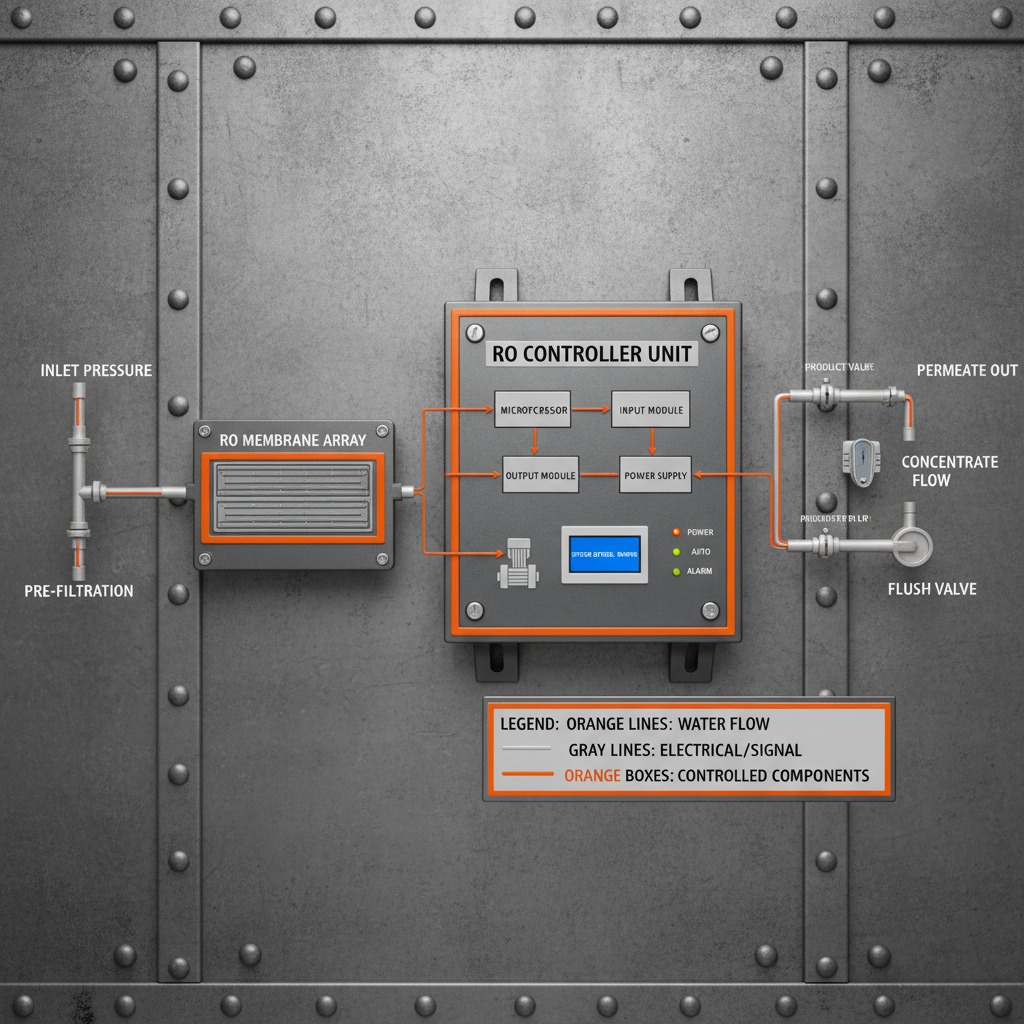
Guide to Choosing the Right RO Controller for Water PurificationMaintaining a high-performance reverse osmosis system requires more than just quality membranes; it demands precise regulation. An ro controller serves as the brain of the entire operation, monitoring critical parameters such as conductivity, temperature, and flow rates to ensure the output water meets stringent purity standards. Without an efficient controller, systems are prone to membrane fouling, inefficient energy use, and inconsistent water quality. In this comprehensive guide, we will explore how these devices optimize water treatment processes and how to select the best model for your specific industrial or commercial needs.
2026-04-09 03:25:47
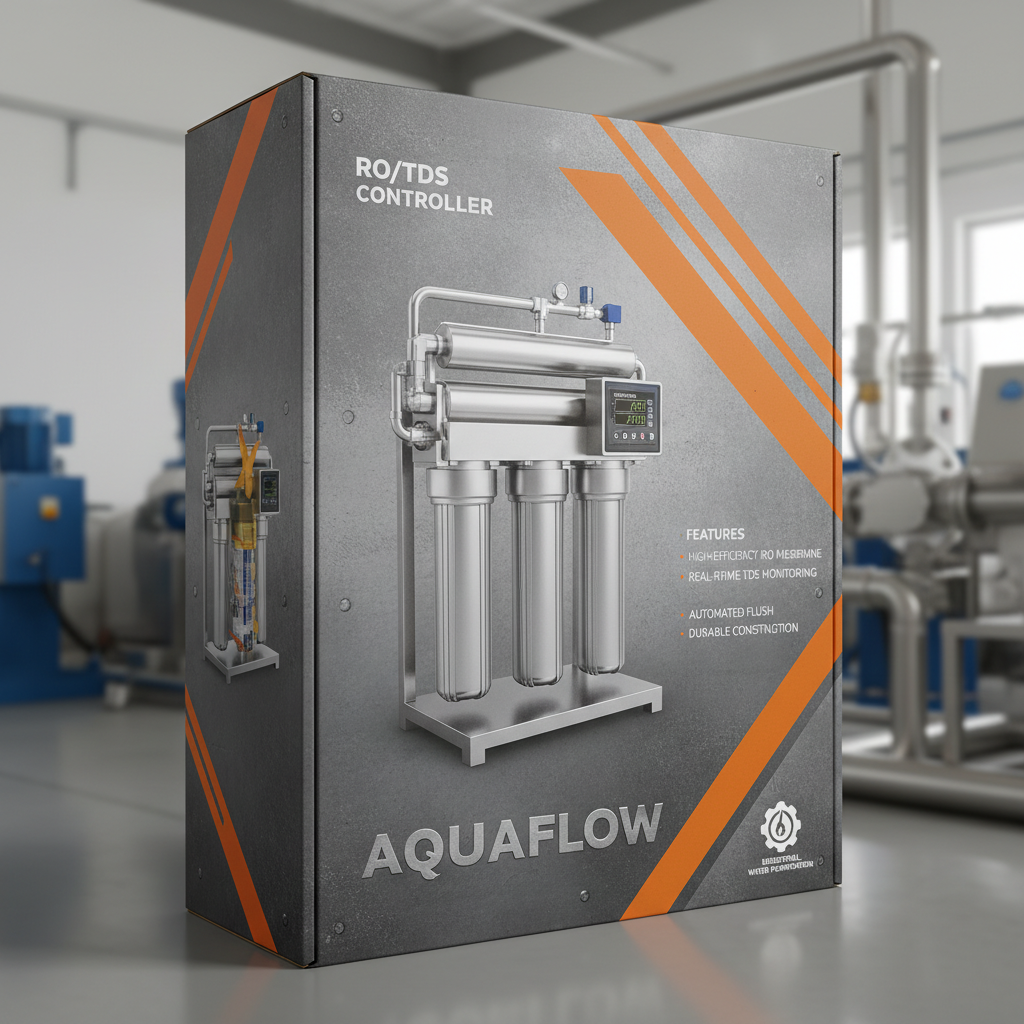
Guide to Water Purity Using RO with TDS Controller SystemsAchieving the perfect balance of mineral content and purity in drinking water is a challenge for many households and industrial facilities. A ro with tds controller offers a sophisticated solution by combining the rigorous filtration of Reverse Osmosis (RO) with the precision of a Total Dissolved Solids (TDS) adjustment system. While standard RO systems remove almost everything, including beneficial minerals, a TDS controller allows users to re-mineralize the water to a desired level. This ensures that the water is not only safe and pure but also tastes better and provides essential nutrients.

2026-04-07 03:17:09
Understanding and Optimizing Reverse Osmosis Systems with a ControllerIn the world of water purification, reverse osmosis (RO) systems are a cornerstone for producing high-quality water for various applications, from drinking water to industrial processes. However, an RO system is only as effective as its control system. This is where the reverse osmosis controller comes into play. This critical component manages and optimizes the RO process, ensuring efficient operation, water quality, and system longevity.

2026-04-04 03:27:19
Understanding the Vital Role of an RO System Controller for Optimal PerformanceReverse Osmosis (RO) systems are critical for purifying water across various industries, from residential applications to large-scale industrial processes. At the heart of a well-functioning RO system lies the RO system controller. This intelligent device monitors and regulates all key parameters of the RO process, ensuring optimal performance, efficiency, and water quality. This article delves into the functionalities, benefits, and selection criteria for choosing the right RO system controller, particularly focusing on those offered by Watequipments. Understanding its role is crucial for maximizing the lifespan and effectiveness of your RO investment.
2026-03-24 17:18:24
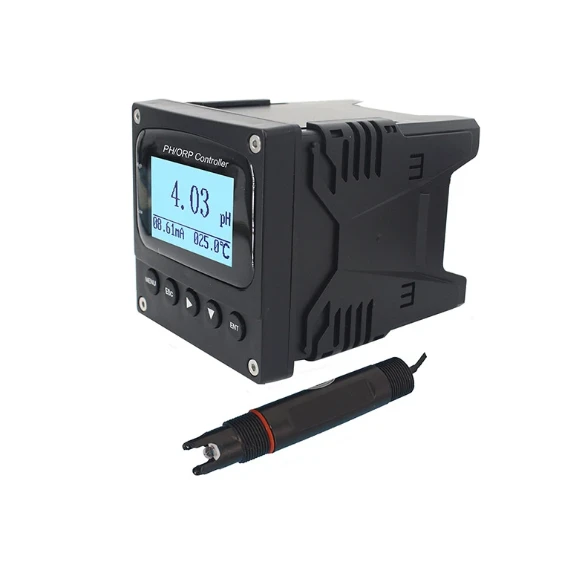
Smart Water Treatment Solutions Using PH ORP Controller SystemsIn modern water treatment and industrial fluid management, maintaining precise chemical balance is essential for safety, efficiency, and regulatory compliance.
2026-03-04 02:55:19
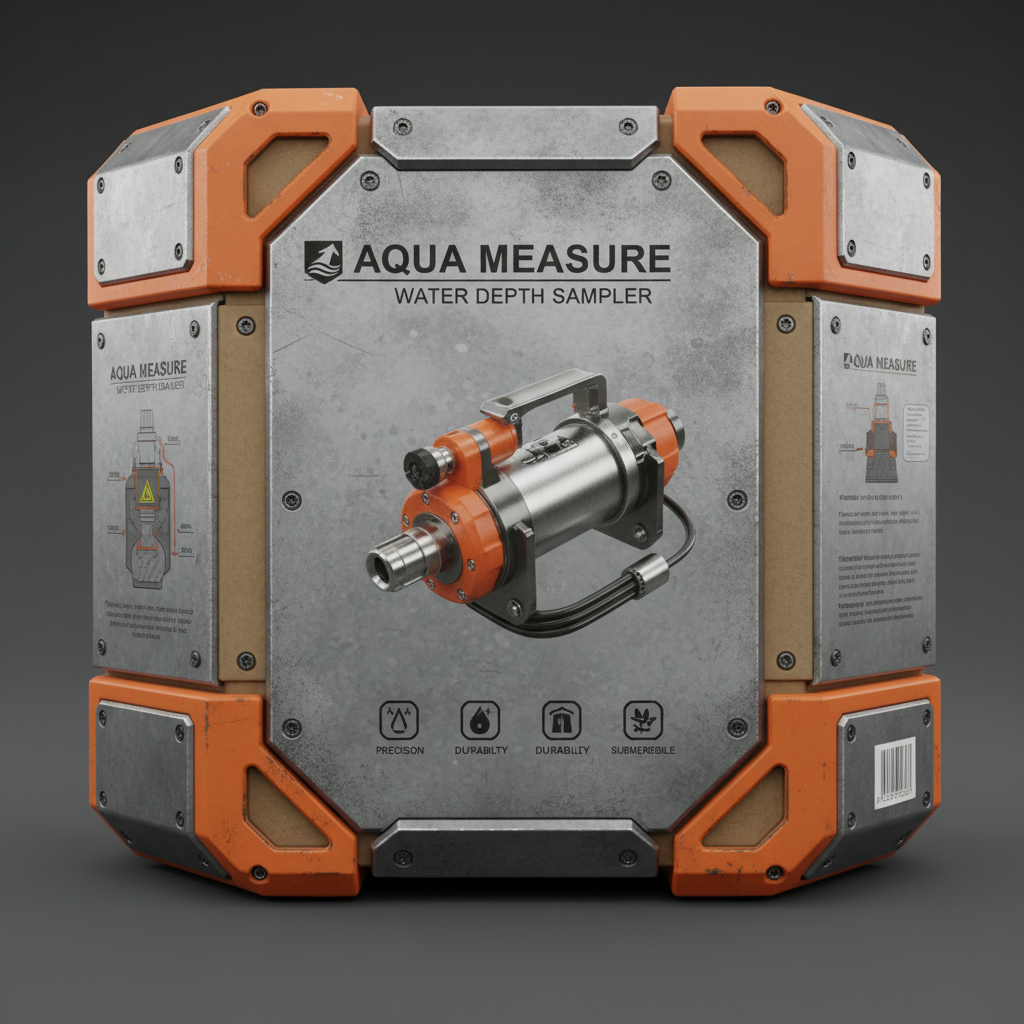
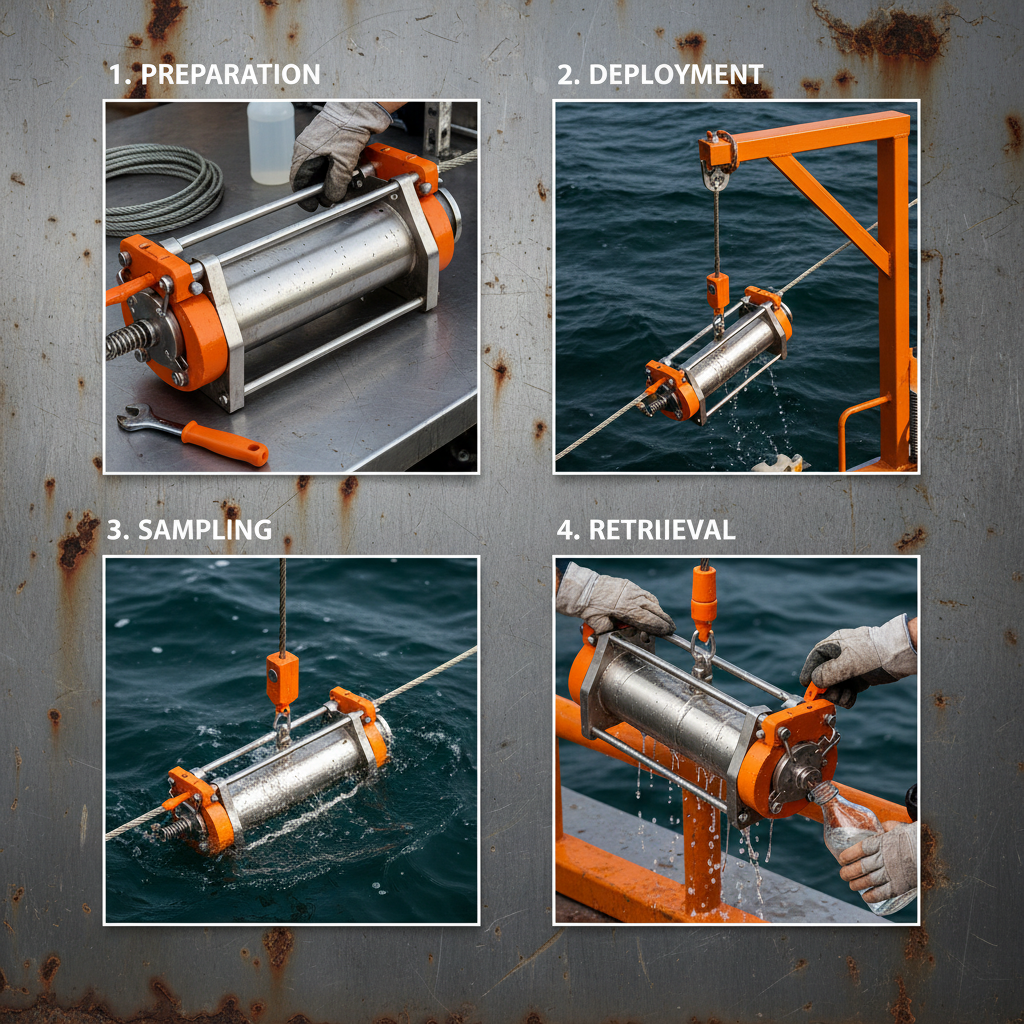
Comprehensive Guide to Water Depth Samplers and Their ApplicationsAccurate water quality monitoring is crucial in various fields, from environmental science and aquaculture to industrial wastewater management. A key tool for this is the water depth sampler. This article provides an in-depth look at water depth samplers, their applications, types, and essential considerations for choosing the right one for your needs. We'll explore the benefits of utilizing this equipment to collect reliable data for analysis and informed decision-making. Selecting the right sampler can significantly improve the precision and efficiency of your water monitoring program. A water depth sampler, also known as a depth-integrated sampler, is a device designed to collect water samples from specific depths within a body of water. Unlike simply dipping a container into the water, a depth sampler allows for collection of a representative sample across a defined depth range. This is critical because water properties (temperature, salinity, pollutants) often vary significantly with depth. The data gathered with a water depth sampler provides a more accurate assessment of water quality than surface samples alone.
2026-03-03 18:55:22
Comprehensive Guide to Horizontal Water Sampler Applications and SelectionCollecting water samples at varying depths is crucial for environmental monitoring, research, and quality control. The horizontal water sampler from Watequipment.com offers a precise and efficient solution for this task. This article provides an in-depth look at horizontal water samplers, their applications, benefits, and key considerations when choosing the right model. We will explore how these samplers contribute to accurate data collection and informed decision-making in various fields. A horizontal water sampler is a device designed to collect water samples from specific depths within a body of water – rivers, lakes, oceans, reservoirs, and even wastewater treatment plants. Unlike vertical samplers which primarily focus on depth, horizontal samplers prioritize collecting samples at a consistent depth while moving along a horizontal plane. This is essential for assessing water quality variations across a waterway or within a specific zone. They are used in applications ranging from environmental monitoring and scientific research to industrial process control and regulatory compliance.
2026-02-28 02:35:09
Comprehensive Guide to Selecting the Right Surface Water Sampler for Your NeedsMonitoring the quality of surface water is critical for environmental protection, public health, and various industrial applications. A surface water sampler is an essential tool for collecting representative samples from rivers, lakes, ponds, and other surface water sources. This article provides a detailed overview of surface water samplers, their types, applications, and key considerations for selecting the right equipment. Accurate water quality data relies on proper sample collection, and choosing the correct sampler is the first step toward achieving reliable results. Surface water samplers come in various designs, each suited to specific sampling needs. Common types include grab samplers, depth-integrating samplers, peristaltic pumps, and automatic samplers. Surface water samplers are used across a broad spectrum of applications, including environmental monitoring, wastewater discharge monitoring, drinking water source monitoring, agricultural runoff analysis, and research studies.

 English