


PC-6850: High-Performance, Reliable Computing Solutions

PC-6850: High-Performance, Reliable Computing Solutions
Aug . 28, 2025
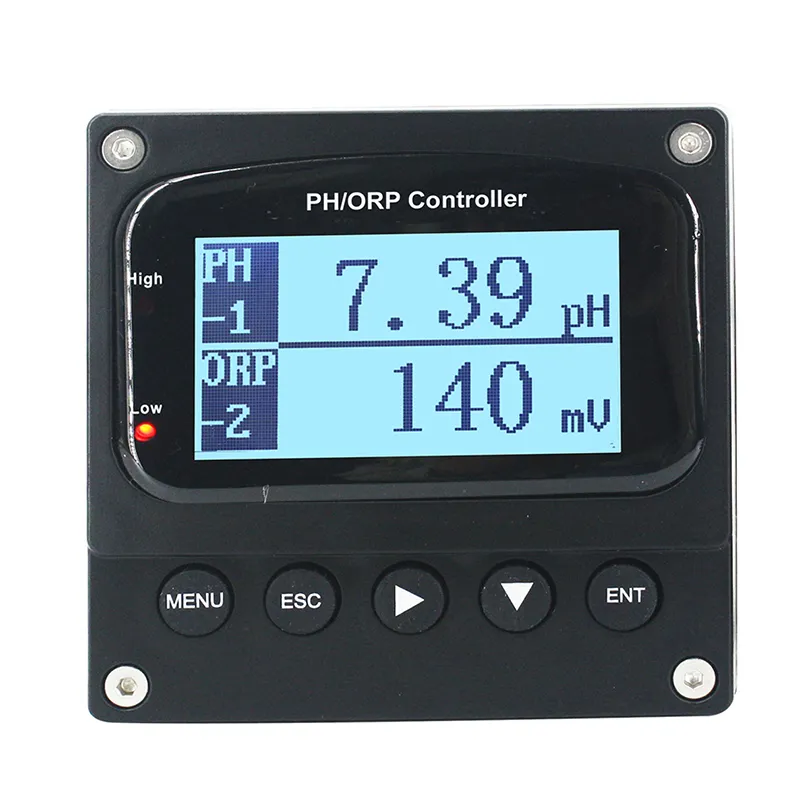
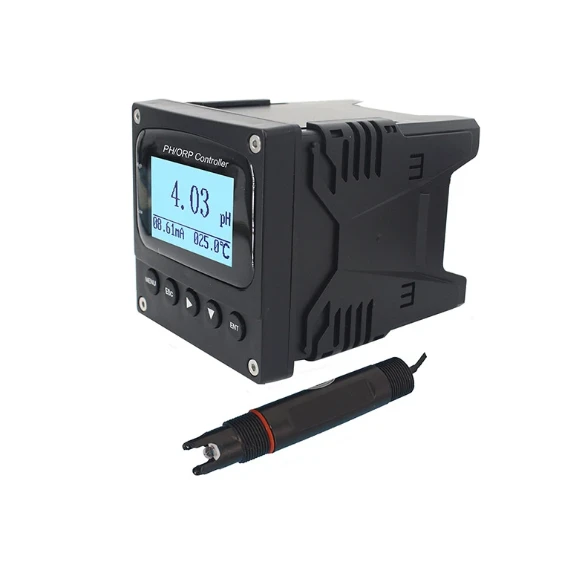
Introduction to the PC-6850 Double-Channel pH and ORP Controller
In the realm of industrial process control, the precise monitoring and management of pH and Oxidation-Reduction Potential (ORP) are paramount for ensuring operational efficiency, product quality, and environmental compliance. The PC-6850 stands as a sophisticated, double-channel pH and ORP controller designed to meet these stringent demands across a multitude of B2B applications. Engineered for robust performance and high accuracy, this instrument provides real-time data and advanced control capabilities essential for critical industrial processes.
Developed with a focus on reliability and ease of integration, the PC-6850 offers an intelligent solution for complex water treatment, chemical processing, and environmental monitoring tasks. Its dual-channel architecture allows for simultaneous measurement and control of both pH and ORP, optimizing resource utilization and streamlining operational workflows. This section will delve into the technical prowess, application versatility, and strategic advantages that position the PC-6850 as a leading solution in modern industrial automation.
Industry Trends in pH and ORP Control
The industrial landscape is continuously evolving, driven by increasing regulatory scrutiny, the push for sustainable practices, and the imperative for enhanced operational efficiency. In pH and ORP control, several key trends are shaping demand and technological innovation:
- Digitalization and IoT Integration: The shift towards Industry 4.0 necessitates intelligent devices capable of seamless integration into SCADA and DCS systems. Modern controllers like the PC-6850 incorporate advanced communication protocols (e.g., Modbus RTU) to facilitate data acquisition and remote monitoring, enabling predictive maintenance and optimized process control.
- Enhanced Accuracy and Stability: Industries demand ever-higher precision from their analytical instrumentation. Innovations in sensor technology, coupled with advanced signal processing algorithms within controllers, reduce drift and improve measurement stability, even in challenging environments.
- Energy Efficiency: As operational costs rise, there's a growing emphasis on energy-efficient solutions. Controllers that optimize chemical dosing based on real-time data, like the PC-6850, minimize reagent consumption and associated energy for pumping and mixing, contributing to significant cost savings.
- Robustness and Longevity: Industrial environments often expose equipment to harsh conditions, including corrosive chemicals, extreme temperatures, and mechanical stress. The trend is towards instruments built with superior materials and protective designs, ensuring extended service life and reduced maintenance.
- Environmental Compliance: Stricter environmental regulations drive the need for reliable and accurate control systems to prevent pollutant discharge. pH and ORP controllers are critical for effluent treatment processes, ensuring compliance with discharge limits for various industries.
Technical Specifications of the PC-6850
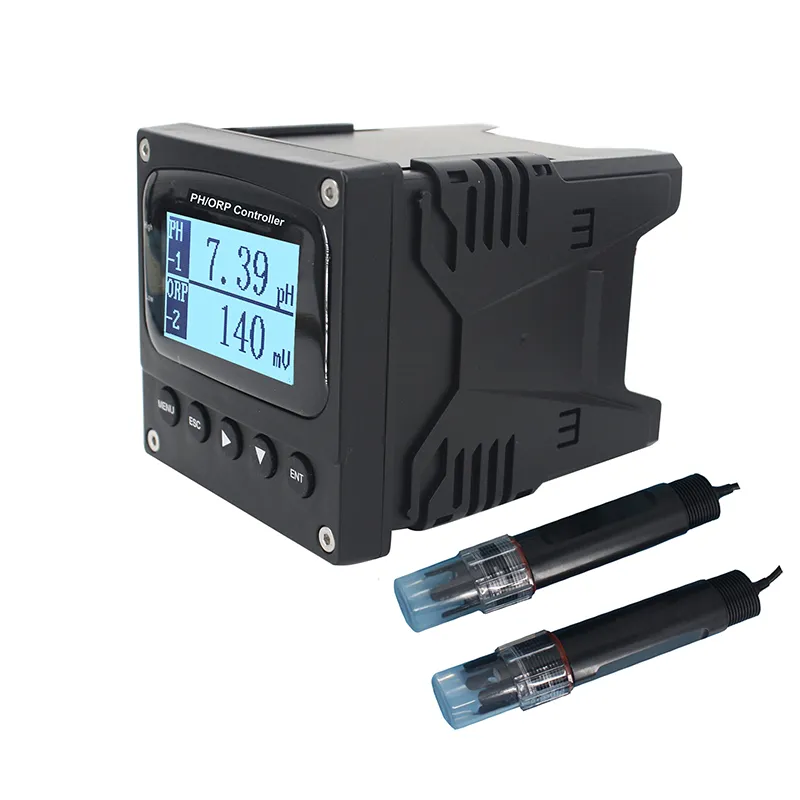
The PC-6850 is engineered with precision components and advanced functionalities, making it ideal for demanding industrial applications. Its robust design and comprehensive feature set ensure reliable operation and accurate measurements.
Key Technical Parameters:
| Parameter | Specification |
|---|---|
| Measurement Range (pH) | 0.00 to 14.00 pH |
| Measurement Range (ORP) | -1999 mV to +1999 mV |
| Resolution (pH) | 0.01 pH |
| Resolution (ORP) | 1 mV |
| Accuracy (pH) | ±0.05 pH |
| Accuracy (ORP) | ±5 mV |
| Temperature Compensation | Automatic (ATC) 0 to 100°C |
| Outputs | 2 x 4-20mA isolated, 2 x Relay contacts (configurable) |
| Communication Interface | RS485 (Modbus RTU) |
| Display | Large LCD with backlight |
| Power Supply | 220V AC ±10%, 50/60Hz (optional 110V AC, 24V DC) |
| Enclosure Rating | IP65 (NEMA 4X equivalent) |
| Operating Temperature | 0 to 50°C |
The dual 4-20mA isolated outputs provide robust signal integrity, crucial for integration with PLC/DCS systems, minimizing electrical noise interference. The RS485 (Modbus RTU) interface enables seamless digital communication, enhancing data logging and remote control capabilities, which are essential for modern smart factories. The IP65-rated enclosure ensures protection against dust and water jets, confirming the PC-6850's suitability for harsh industrial environments.
Manufacturing Process Flow of the PC-6850
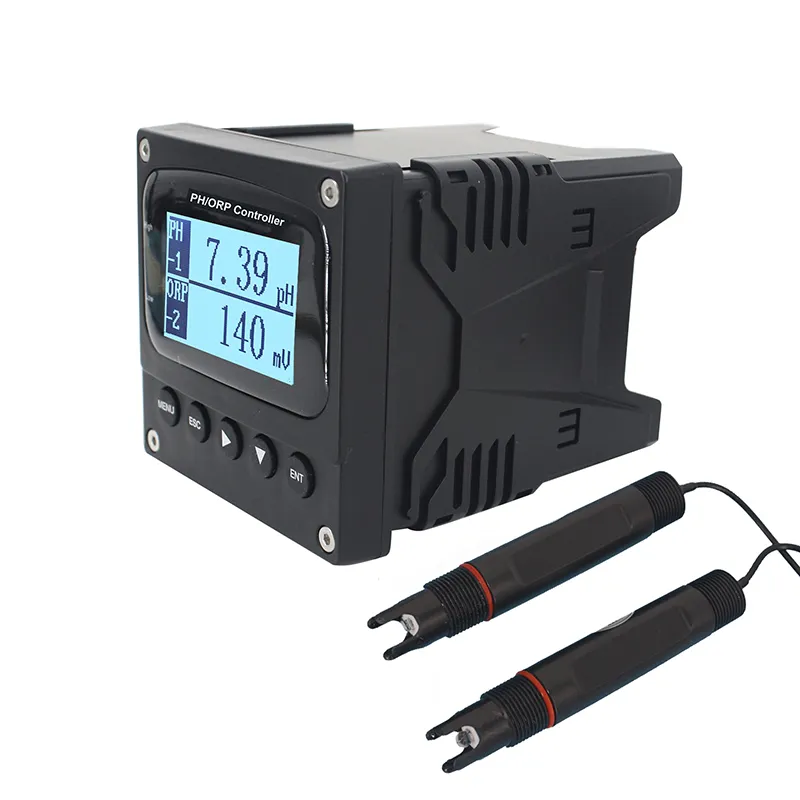
The production of the PC-6850 controller follows a rigorous multi-stage manufacturing process, emphasizing precision, quality control, and adherence to international standards. This commitment ensures each unit delivers unparalleled performance and reliability.
Process Stages:
-
Material Sourcing & Inspection:
High-grade industrial plastics (e.g., ABS, PC for the enclosure, ensuring IP65 rating) and marine-grade stainless steel (for sensor fittings, offering superior corrosion resistance) are procured from certified suppliers. Critical electronic components undergo stringent incoming quality control (IQC) based on international standards like JEDEC for semiconductors and IPC for PCBs.
-
Enclosure Fabrication:
The robust IP65 enclosure is manufactured using precision injection molding for the polymer components, ensuring tight tolerances and effective sealing. Metal components, if any, are typically fabricated via CNC machining from corrosion-resistant alloys, ensuring precise fitment and long-term durability in challenging environments.
-
Printed Circuit Board (PCB) Assembly:
State-of-the-art automated pick-and-place machines assemble surface-mount components onto multi-layer PCBs. Reflow soldering processes are precisely controlled to ensure optimal joint integrity. All PCBs undergo automated optical inspection (AOI) and in-circuit testing (ICT) to verify component placement and electrical functionality.
-
Sensor Integration & Calibration:
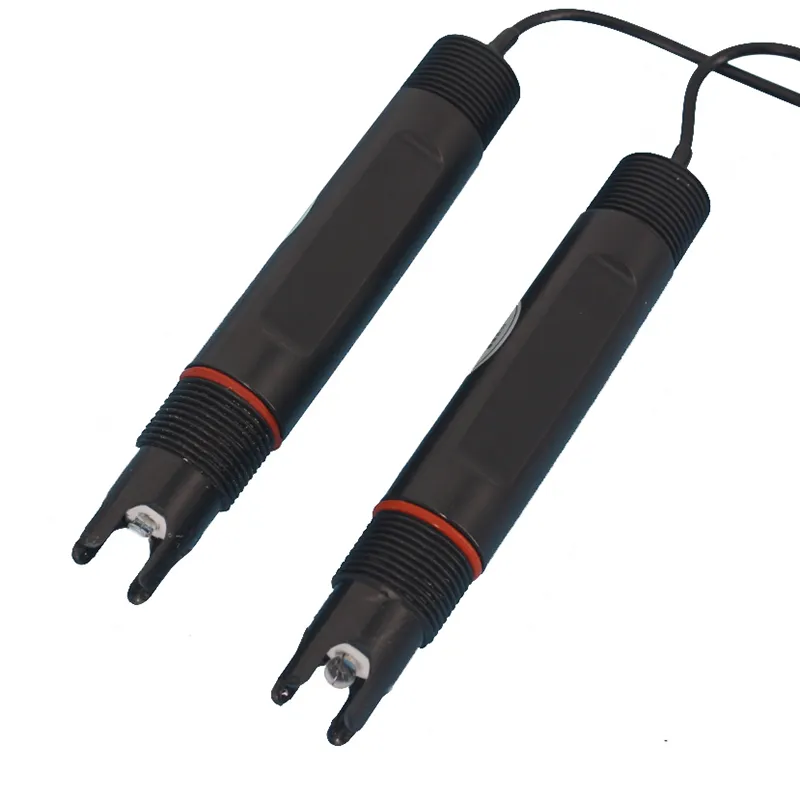
High-performance pH and ORP electrodes, often featuring robust glass membranes and platinum/gold redox surfaces, are integrated. Each sensor is meticulously calibrated against NIST-traceable buffer solutions (e.g., pH 4.01, 7.00, 10.00; ORP 220 mV, 468 mV) under controlled environmental conditions to ensure maximum accuracy and linearity across their specified ranges.
-
Final Assembly & Wiring:
The calibrated sensor sub-assemblies, PCBs, display units, and power supply modules are integrated into the enclosure. Internal wiring adheres to IPC/WHMA-A-620 standards for cable and wire harness assemblies, ensuring electrical integrity and safety. Sealing gaskets are carefully applied to maintain the IP65 rating.
-
Functional and Performance Testing:
Each PC-6850 undergoes comprehensive functional testing to verify all input/output operations, display functions, communication protocols (RS485), and relay controls. Performance testing validates measurement accuracy (pH and ORP), stability, temperature compensation, and response time against established benchmarks.
-
Environmental and Durability Testing:
Batch samples are subjected to environmental stress screening, including temperature cycling, vibration testing (per IEC 60068 standards), and ingress protection (IP) tests to confirm the IP65 rating. This ensures the device's resilience and service life of typically 5-7 years, even in harsh industrial settings.
-
Final Quality Assurance & Packaging:
A final quality assurance check verifies cosmetic appearance, documentation, and accessory completeness. Products are packaged securely for transit, minimizing the risk of damage. All manufacturing processes adhere to ISO 9001:2015 quality management system standards.
The meticulous process ensures that the PC-6850 delivers superior performance in target industries such as petrochemical, metallurgy, power generation, and water supply & drainage. Its robust construction ensures exceptional corrosion resistance, crucial for aggressive chemical environments, contributing to extended service life and reduced total cost of ownership. For instance, in a typical wastewater treatment plant, the PC-6850's precision control of chemical dosing for pH neutralization directly translates into energy savings by optimizing pump cycles and reagent consumption, while simultaneously meeting stringent discharge limits.
Technical Advantages of the PC-6850
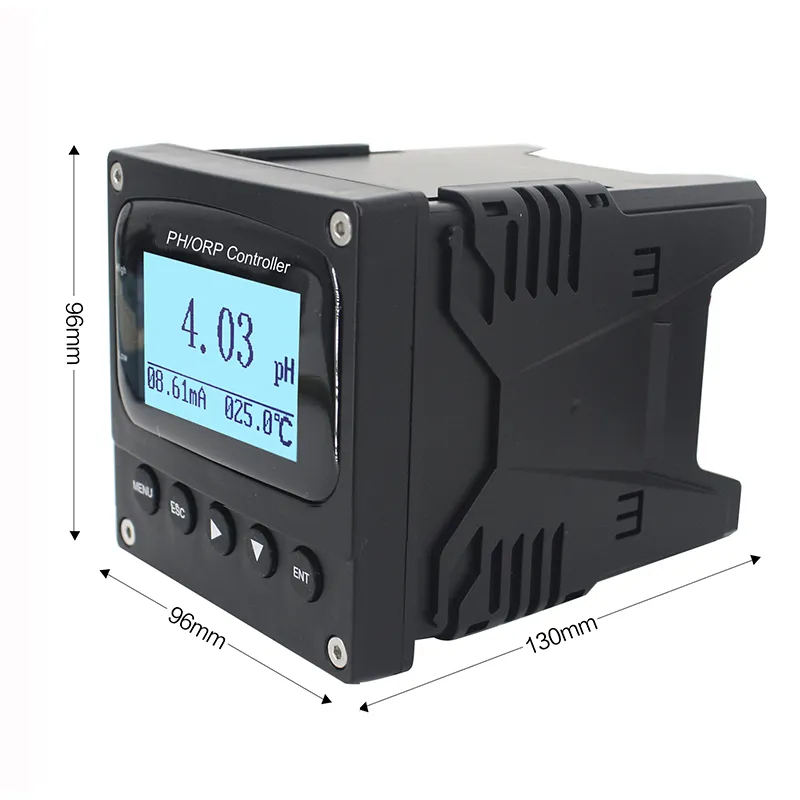
The PC-6850 offers a suite of technical advantages that differentiate it in a competitive market, providing tangible benefits to industrial operators:
- Dual-Channel Simultaneous Measurement: The ability to simultaneously monitor and control both pH and ORP significantly enhances process understanding and control. This eliminates the need for two separate controllers, reducing installation complexity, footprint, and capital expenditure.
- High Accuracy and Stability: Equipped with advanced analog-to-digital converters and robust signal conditioning, the PC-6850 delivers highly accurate and stable measurements, critical for maintaining tight process control windows. This translates to consistent product quality and reduced rework.
- Robust Industrial Design (IP65): Its enclosure provides superior protection against dust and water ingress, making it suitable for deployment in challenging environments where other instruments might fail prematurely. This ensures extended operational lifespan and reduced downtime.
- Flexible Control Outputs: Two isolated 4-20mA outputs and two configurable relay contacts offer versatile control options, enabling seamless integration with existing PLCs, DCS, and dosing pumps. This flexibility simplifies system design and optimizes automated control strategies.
- RS485 Modbus RTU Communication: The built-in digital communication interface allows for remote monitoring, data logging, and seamless integration into industrial automation networks. This enhances data accessibility, facilitates predictive maintenance, and supports Industry 4.0 initiatives.
- User-Friendly Interface: A large, backlit LCD display and intuitive menu navigation ensure ease of operation and calibration, minimizing training requirements and potential for operator error.
- Automatic Temperature Compensation (ATC): Essential for accurate pH measurements, the integrated ATC function automatically adjusts for temperature variations, ensuring measurement integrity across a broad operational temperature range.
Application Scenarios and Case Studies for the PC-6850
The versatility and robust design of the PC-6850 make it an indispensable tool across diverse industrial sectors. Below are typical application scenarios and illustrative case studies demonstrating its value:
Typical Application Scenarios:
- Wastewater Treatment: Critical for pH neutralization prior to discharge or further treatment, and ORP control for disinfection (e.g., chlorination/dechlorination) and heavy metal precipitation. The PC-6850 ensures compliance with environmental regulations by precisely dosing acids/bases or oxidizers/reducers.
- Chemical Processing: Maintaining specific pH levels is vital for reaction kinetics, product yield, and quality in various chemical syntheses. ORP monitoring is crucial in redox reactions, such as electroplating or chemical oxidation processes.
- Power Generation: Used in boiler feedwater treatment to prevent scaling and corrosion by controlling pH, and in cooling towers for biocide dosing (ORP) and corrosion inhibition.
- Food & Beverage Industry: Essential for hygiene processes (CIP/SIP), fermentation control (pH), and ensuring water quality throughout production.
- Mining & Metallurgy: pH control is critical in flotation processes, leaching, and effluent treatment to optimize mineral recovery and mitigate environmental impact. ORP is key for cyanide detoxification.
- Electronics Manufacturing: In ultra-pure water systems and wastewater treatment from etching processes, precise pH and ORP control prevent contamination and ensure environmental compliance.
Application Case Study: Industrial Wastewater Treatment Plant
A large petrochemical complex faced challenges in consistently meeting discharge limits for pH in its effluent stream. Manual sampling and batch adjustments led to inconsistent treatment, high reagent consumption, and occasional regulatory fines. The plant implemented a network of PC-6850 controllers at critical points in their neutralization basins.
- Challenge: Variable influent pH, inconsistent neutralization, excessive chemical usage, and non-compliance risks.
- Solution: Installation of multiple PC-6850 units, equipped with specialized pH sensors resistant to fouling, integrated with automatic dosing pumps via their 4-20mA outputs. The Modbus RTU interface connected the controllers to the central SCADA system for real-time monitoring and data logging.
- Results:
- Achieved 98% compliance with discharge pH limits (pH 6.0-9.0), eliminating fines.
- Reduced chemical reagent consumption by 18% due to precise, automated dosing, leading to significant cost savings.
- Improved operational efficiency and reduced manual intervention by 30%.
- Real-time data enabled proactive adjustments and predictive maintenance, enhancing overall plant reliability.
Vendor Comparison: PC-6850 vs. Competing Solutions
When selecting a pH/ORP controller, industrial buyers evaluate factors such as cost, features, durability, and support. The PC-6850 consistently demonstrates a compelling value proposition against established competitors by balancing advanced features with cost-effectiveness and robust build quality.
Comparative Analysis Table:
| Feature/Parameter | PC-6850 (This Product) | Competitor A (Premium Brand) | Competitor B (Economy Brand) |
|---|---|---|---|
| Measurement Channels | Dual (pH & ORP) | Dual (pH & ORP) | Single (pH or ORP) |
| Enclosure Rating | IP65 | IP66/NEMA 4X | IP54 |
| Digital Communication | RS485 Modbus RTU | HART, Modbus TCP/RTU | None/Limited |
| Analog Outputs | 2 x 4-20mA isolated | 2-4 x 4-20mA isolated | 1 x 4-20mA non-isolated |
| Accuracy (pH) | ±0.05 pH | ±0.02 pH | ±0.1 pH |
| Estimated Price Range (Relative) | Medium | High | Low |
| Sensor Compatibility | Standard pH/ORP electrodes | Proprietary digital sensors | Basic pH/ORP electrodes |
The PC-6850 positions itself as an optimal choice for industrial applications requiring precise dual-channel control without the prohibitive costs associated with ultra-premium brands. While some high-end competitors might offer slightly higher accuracy or more communication options (e.g., HART), the PC-6850 provides a robust set of essential features, excellent reliability, and a strong price-to-performance ratio, making it a superior choice over basic, single-channel or less durable economy options.
Customized Solutions with the PC-6850
Understanding that every industrial process has unique requirements, customization options for the PC-6850 are available to ensure seamless integration and optimized performance for specific applications. Our engineering team collaborates closely with clients to tailor solutions.
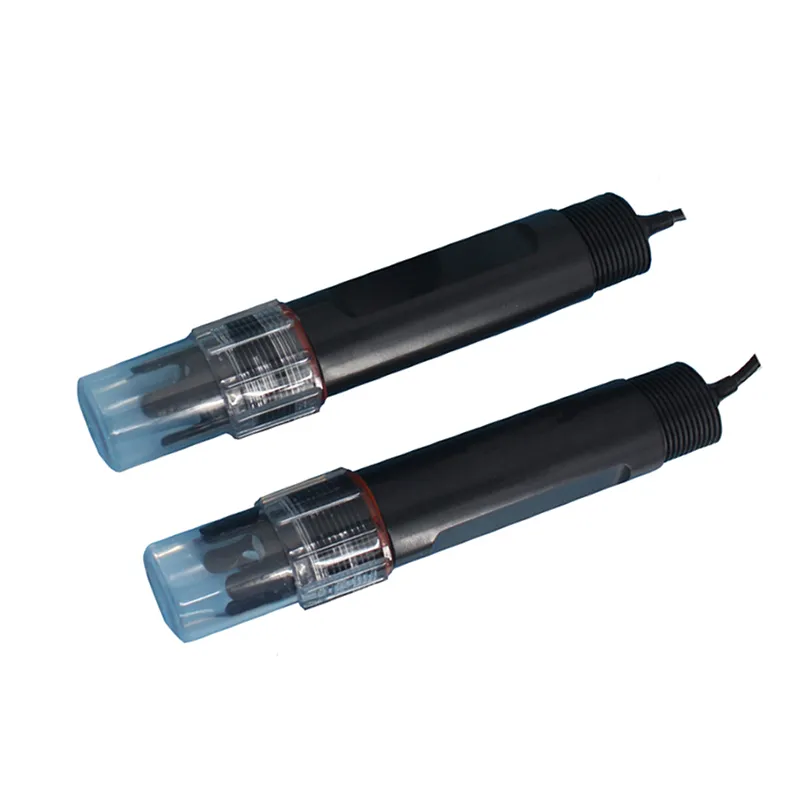
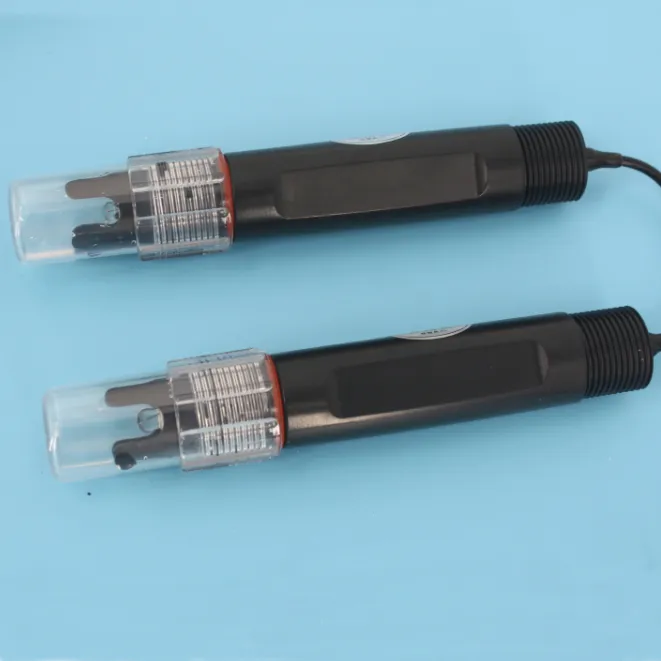
- Sensor Selection: Depending on the process medium (e.g., high temperature, highly corrosive, high solids, low conductivity), specialized pH and ORP electrodes can be recommended or supplied. Options include flat-surface sensors for self-cleaning, robust reference junctions for dirty applications, or high-purity sensors for ultrapure water.
- Mounting Hardware: Custom mounting solutions such as immersion assemblies, flow-through cells, or retractable holders can be designed to suit specific tank geometries, pipe sizes, or operational needs.
- Communication Protocols: While Modbus RTU is standard, integration with other industrial protocols (e.g., Profibus, Ethernet IP via gateways) can be facilitated to ensure compatibility with existing plant-wide control systems.
- Software Customization: For complex control logic or specific data visualization requirements, software adjustments can be explored to provide enhanced alarm management, historical trending, or specialized PID control parameters.
- Power Supply Variants: In addition to the standard 220V AC, options for 110V AC or 24V DC power supplies are available to match diverse regional electrical standards and application environments.
Our commitment to flexibility ensures that the PC-6850 can be perfectly adapted to address specific challenges, maximizing operational efficiency and return on investment for our clients.
Commitment to : Expertise, Experience, Authoritativeness, Trustworthiness
Our organization is dedicated to upholding the highest standards of Expertise, Experience, Authoritativeness, and Trustworthiness () in every aspect of our operations, particularly concerning products like the PC-6850.
Expertise:
Our team comprises seasoned engineers and technical specialists with decades of combined experience in industrial instrumentation, fluid dynamics, and process control. We continuously invest in R&D to stay ahead of technological advancements and industry best practices. The PC-6850 embodies this expertise, featuring carefully selected components and meticulously designed firmware to deliver superior analytical performance.
Experience:
With over 20 years in the industry, we have amassed extensive experience serving a global client base across challenging sectors such as petrochemical, pharmaceutical, and municipal water treatment. Our products, including the PC-6850, are refined through real-world application feedback and continuous improvement cycles. Customer testimonials frequently highlight the ease of integration and reliable performance in diverse operational settings.
Authoritativeness:
Our manufacturing facilities and processes are certified under ISO 9001:2015, ensuring consistent quality management. The PC-6850 adheres to relevant international electrical safety standards (e.g., CE marking). We partner with recognized industry leaders and research institutions to validate our product performance. All calibration data provided with each unit is traceable to international standards (e.g., NIST equivalents).
Trustworthiness:
- FAQ Module:
- Q: What is the typical lead time for a PC-6850 unit?
A: Standard units typically ship within 5-7 business days. Customized configurations may require 2-3 weeks, depending on component availability. - Q: What kind of warranty is offered?
A: The PC-6850 comes with a standard 12-month limited warranty covering manufacturing defects. Extended warranty options are available. Sensors are consumable items and typically carry a 6-month warranty. - Q: How often should the sensors be calibrated?
A: Calibration frequency depends on the application and process conditions. For most industrial applications, a monthly or bi-weekly calibration is recommended. In very stable conditions, quarterly might suffice. The PC-6850 has built-in calibration reminders. - Q: Is technical support available after purchase?
A: Yes, we provide comprehensive after-sales support including telephone, email, and remote diagnostics assistance. Our technical support team is available during business hours to assist with installation, troubleshooting, and calibration queries.
- Q: What is the typical lead time for a PC-6850 unit?
- Lead Time & Fulfillment: We maintain a lean inventory management system to ensure prompt fulfillment of standard orders. For large projects or custom solutions, detailed project timelines and delivery schedules are provided transparently.
- Warranty Commitments: Our warranty policy is clearly stated and designed to protect your investment, ensuring peace of mind regarding product longevity and performance.
- Customer Support: Our dedicated support team is equipped to handle installation queries, operational challenges, and maintenance advice, ensuring optimal uptime for your critical processes.
Conclusion
The PC-6850 double-channel pH and ORP controller represents a pinnacle of industrial instrumentation, offering precise, reliable, and versatile control for a broad spectrum of demanding B2B applications. Its robust technical specifications, meticulous manufacturing process, and comprehensive advantages – from dual-channel capability to advanced communication – position it as an indispensable asset for optimizing process efficiency, ensuring environmental compliance, and safeguarding product quality. By choosing the PC-6850, industries invest in a solution that not only meets current operational needs but also aligns with future trends in industrial automation and sustainability, backed by a strong commitment to principles.
References
- International Organization for Standardization (ISO) official website. www.iso.org
- Instrument Society of America (ISA) standards and practices. www.isa.org
- National Institute of Standards and Technology (NIST) analytical reference materials. www.nist.gov
- International Electrotechnical Commission (IEC) for electrical safety and environmental testing. www.iec.ch
- IPC Association Connecting Electronics Industries for manufacturing standards. www.ipc.org

Related Products
Related News

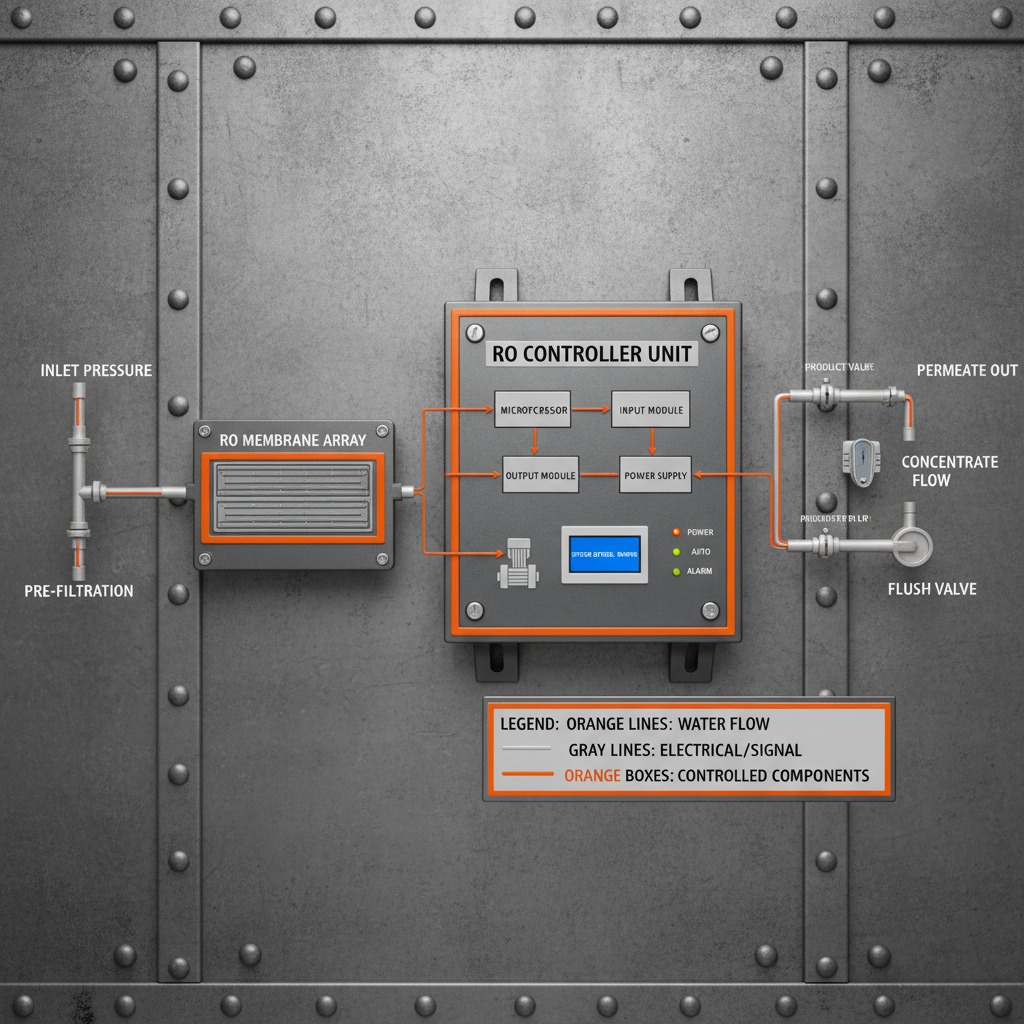
2026-04-16 03:20:19
Guide to Choosing the Right RO Controller for Water PurificationMaintaining a high-performance reverse osmosis system requires more than just quality membranes; it demands precise regulation. An ro controller serves as the brain of the entire operation, monitoring critical parameters such as conductivity, temperature, and flow rates to ensure the output water meets stringent purity standards. Without an efficient controller, systems are prone to membrane fouling, inefficient energy use, and inconsistent water quality. In this comprehensive guide, we will explore how these devices optimize water treatment processes and how to select the best model for your specific industrial or commercial needs.
2026-04-09 03:25:47
Guide to Water Purity Using RO with TDS Controller SystemsAchieving the perfect balance of mineral content and purity in drinking water is a challenge for many households and industrial facilities. A ro with tds controller offers a sophisticated solution by combining the rigorous filtration of Reverse Osmosis (RO) with the precision of a Total Dissolved Solids (TDS) adjustment system. While standard RO systems remove almost everything, including beneficial minerals, a TDS controller allows users to re-mineralize the water to a desired level. This ensures that the water is not only safe and pure but also tastes better and provides essential nutrients.
2026-04-07 03:17:09
Understanding and Optimizing Reverse Osmosis Systems with a ControllerIn the world of water purification, reverse osmosis (RO) systems are a cornerstone for producing high-quality water for various applications, from drinking water to industrial processes. However, an RO system is only as effective as its control system. This is where the reverse osmosis controller comes into play. This critical component manages and optimizes the RO process, ensuring efficient operation, water quality, and system longevity.
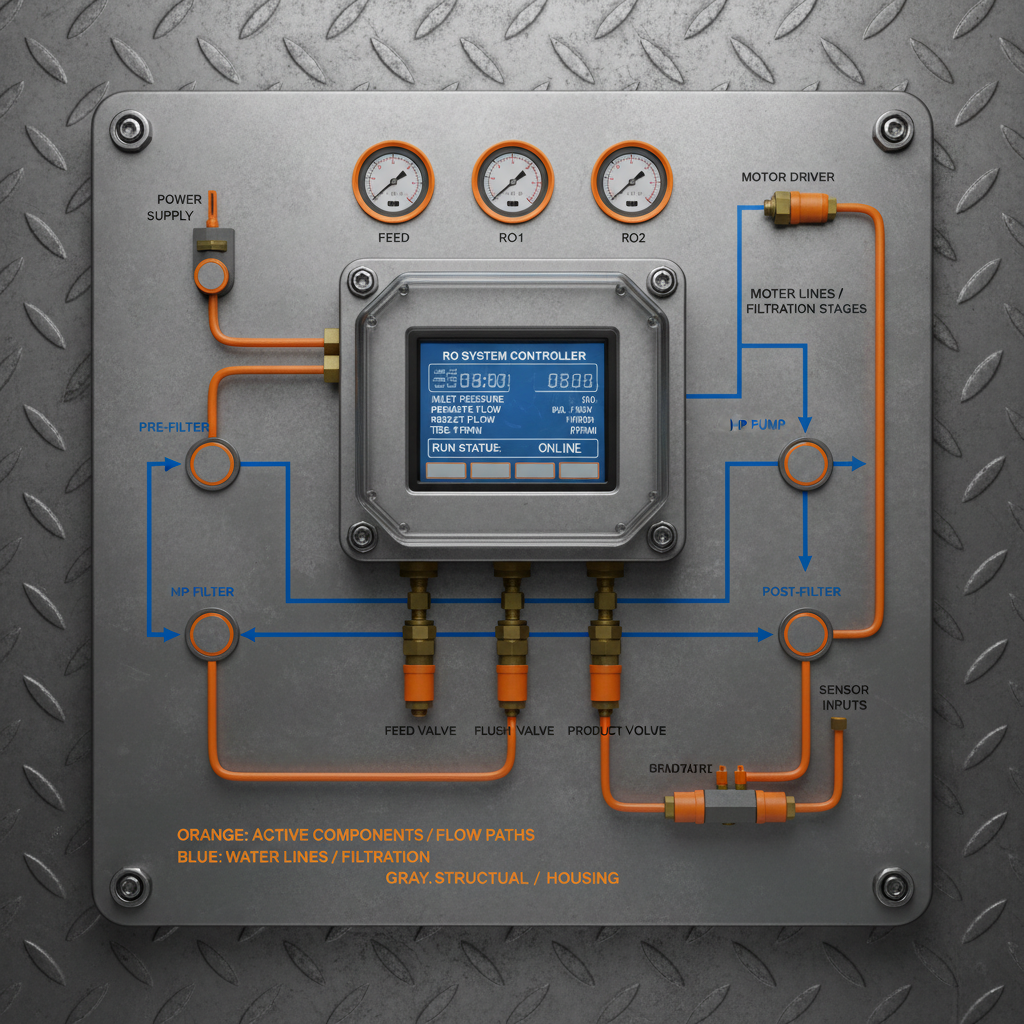
2026-04-04 03:27:19
Understanding the Vital Role of an RO System Controller for Optimal PerformanceReverse Osmosis (RO) systems are critical for purifying water across various industries, from residential applications to large-scale industrial processes. At the heart of a well-functioning RO system lies the RO system controller. This intelligent device monitors and regulates all key parameters of the RO process, ensuring optimal performance, efficiency, and water quality. This article delves into the functionalities, benefits, and selection criteria for choosing the right RO system controller, particularly focusing on those offered by Watequipments. Understanding its role is crucial for maximizing the lifespan and effectiveness of your RO investment.
2026-03-24 17:18:24
Smart Water Treatment Solutions Using PH ORP Controller SystemsIn modern water treatment and industrial fluid management, maintaining precise chemical balance is essential for safety, efficiency, and regulatory compliance.
2026-03-04 02:55:19
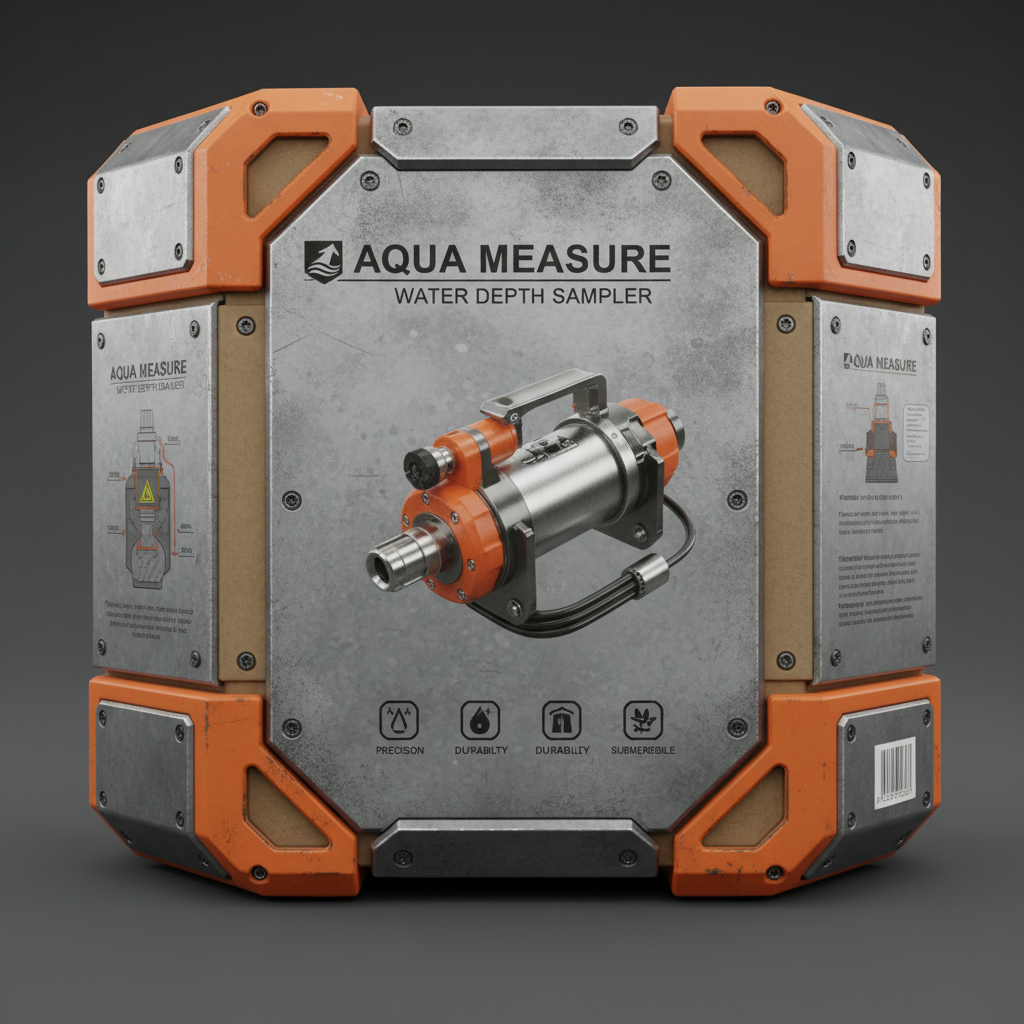
Comprehensive Guide to Water Depth Samplers and Their ApplicationsAccurate water quality monitoring is crucial in various fields, from environmental science and aquaculture to industrial wastewater management. A key tool for this is the water depth sampler. This article provides an in-depth look at water depth samplers, their applications, types, and essential considerations for choosing the right one for your needs. We'll explore the benefits of utilizing this equipment to collect reliable data for analysis and informed decision-making. Selecting the right sampler can significantly improve the precision and efficiency of your water monitoring program. A water depth sampler, also known as a depth-integrated sampler, is a device designed to collect water samples from specific depths within a body of water. Unlike simply dipping a container into the water, a depth sampler allows for collection of a representative sample across a defined depth range. This is critical because water properties (temperature, salinity, pollutants) often vary significantly with depth. The data gathered with a water depth sampler provides a more accurate assessment of water quality than surface samples alone.
2026-03-03 18:55:22
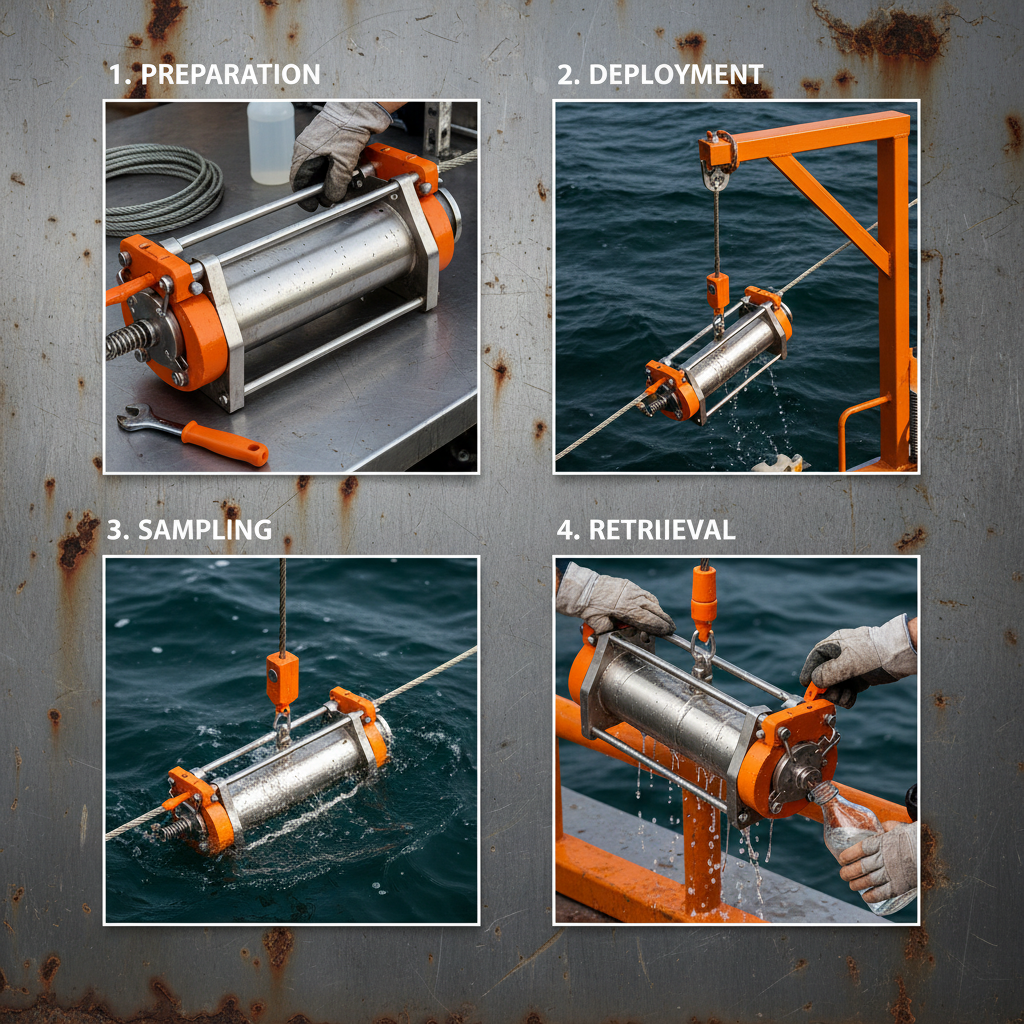
Comprehensive Guide to Horizontal Water Sampler Applications and SelectionCollecting water samples at varying depths is crucial for environmental monitoring, research, and quality control. The horizontal water sampler from Watequipment.com offers a precise and efficient solution for this task. This article provides an in-depth look at horizontal water samplers, their applications, benefits, and key considerations when choosing the right model. We will explore how these samplers contribute to accurate data collection and informed decision-making in various fields. A horizontal water sampler is a device designed to collect water samples from specific depths within a body of water – rivers, lakes, oceans, reservoirs, and even wastewater treatment plants. Unlike vertical samplers which primarily focus on depth, horizontal samplers prioritize collecting samples at a consistent depth while moving along a horizontal plane. This is essential for assessing water quality variations across a waterway or within a specific zone. They are used in applications ranging from environmental monitoring and scientific research to industrial process control and regulatory compliance.
2026-02-28 02:35:09
Comprehensive Guide to Selecting the Right Surface Water Sampler for Your NeedsMonitoring the quality of surface water is critical for environmental protection, public health, and various industrial applications. A surface water sampler is an essential tool for collecting representative samples from rivers, lakes, ponds, and other surface water sources. This article provides a detailed overview of surface water samplers, their types, applications, and key considerations for selecting the right equipment. Accurate water quality data relies on proper sample collection, and choosing the correct sampler is the first step toward achieving reliable results. Surface water samplers come in various designs, each suited to specific sampling needs. Common types include grab samplers, depth-integrating samplers, peristaltic pumps, and automatic samplers. Surface water samplers are used across a broad spectrum of applications, including environmental monitoring, wastewater discharge monitoring, drinking water source monitoring, agricultural runoff analysis, and research studies.

 English