


Precision Solenoid Valves: Reliable Fluid Control Solutions

Precision Solenoid Valves: Reliable Fluid Control Solutions
Aug . 27, 2025
Introduction to Advanced Solenoid Valve Technology
In the realm of industrial automation and fluid control, the Solenoid Valve stands as a critical component, enabling precise, rapid, and reliable management of liquids and gases. These electromechanically operated valves play an indispensable role across a vast spectrum of B2B applications, from complex hydraulic systems to intricate pneumatic controls. Their fundamental principle involves converting electrical energy into mechanical motion, allowing for the opening or closing of a fluid pathway. This introductory section delves into the evolving landscape of Solenoid Valve technology, highlighting its foundational importance and setting the stage for a comprehensive exploration of its manufacturing, technical specifications, diverse applications, and strategic advantages in modern industrial environments.
The demand for more efficient, durable, and intelligent fluid control solutions is driving significant innovation within the Solenoid Valve sector. Industries are increasingly seeking valves that offer enhanced energy efficiency, superior corrosion resistance, extended service life, and seamless integration with advanced control systems. This article aims to provide B2B decision-makers and technical engineers with an authoritative resource, covering the intricate manufacturing processes, detailed technical parameters, a wide array of application scenarios, strategic advantages, and crucial factors for vendor selection and customized solutions. Through data-driven insights and real-world case studies, we will underscore the immense value that high-performance Solenoid Valve solutions bring to optimize operational efficiency and reliability.
Manufacturing Process and Quality Assurance
The production of a high-performance Solenoid Valve is a meticulously controlled process, beginning with material selection and extending through precision manufacturing to rigorous testing. This section details the typical process flow, emphasizing the critical stages that ensure product quality, durability, and compliance with international standards.
Process Flow Overview:
- Material Selection & Preparation: Components are chosen based on the intended application, fluid compatibility, and required pressure/temperature ratings. Common materials include brass, stainless steel (304, 316L), aluminum, and various engineering plastics for the valve body, with elastomers like NBR, FKM (Viton), and EPDM for seals. Advanced alloys are used for corrosive or high-temperature environments.
- Body Manufacturing (Casting/Forging/CNC Machining):
- Casting: For larger volumes and complex shapes, molten metal is poured into molds.
- Forging: For higher strength and reduced porosity, metal is heated and shaped under pressure.
- CNC Machining: Precision machining from solid bar stock ensures tight tolerances and superior surface finishes, crucial for sealing integrity and flow characteristics. This method is increasingly preferred for high-performance applications.
- Coil Winding & Encapsulation: The electromagnetic coil, central to the valve's operation, is precisely wound with copper wire and then encapsulated in a robust material (e.g., epoxy resin) to protect against moisture, vibration, and thermal stress.
- Armature & Plunger Assembly: The magnetic core (armature) and plunger are manufactured to tight tolerances to ensure smooth, low-friction movement within the coil field. Surface treatments may be applied to enhance durability.
- Seal and Diaphragm Integration: Elastomeric seals and diaphragms are carefully integrated to ensure leak-proof operation. Material compatibility with the media and operating temperatures is paramount.
- Final Assembly: All components are meticulously assembled in a clean environment to prevent contamination. This includes springs, O-rings, and other small parts.
- Testing and Quality Control:
- Pressure Testing: Each valve undergoes hydrostatic and pneumatic pressure tests to verify structural integrity and leak-tightness.
- Functional Testing: Electrical parameters (voltage, current, resistance), opening/closing times, and flow rates are checked against specifications.
- Life Cycle Testing: Random samples undergo extended cycle testing to validate the specified service life, often exceeding millions of cycles.
- Environmental Testing: For specific applications, valves may be tested under extreme temperature, humidity, or vibration conditions.
- Certification & Packaging: Valves are certified according to relevant standards (e.g., ISO 9001 for quality management, CE for European conformity, UL for safety), then securely packaged for shipment.
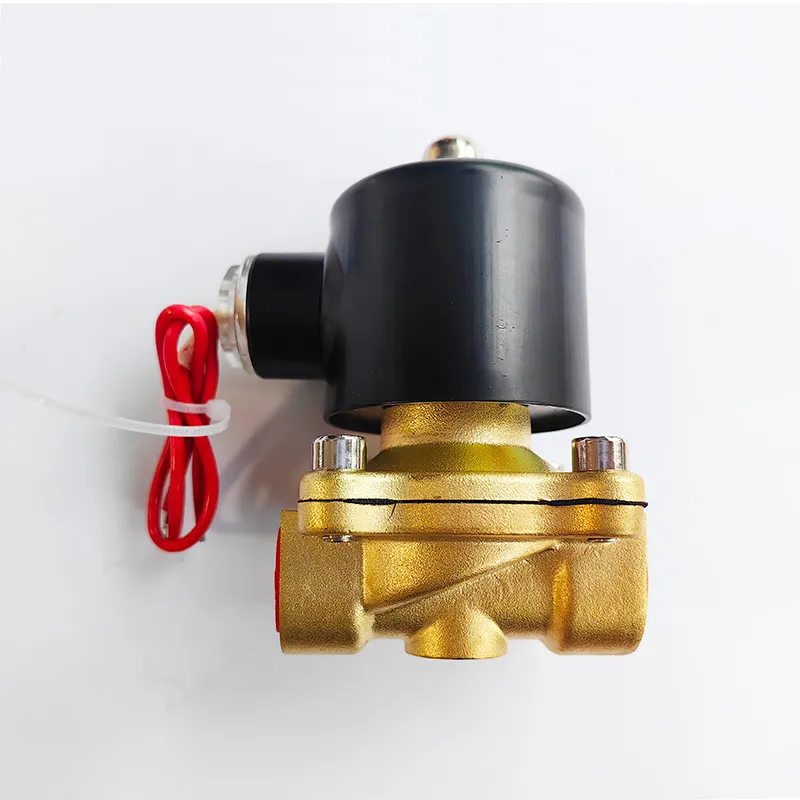
Figure 1: Internal components and design of a high-performance Solenoid Valve.
Testing Standards and Service Life:
Adherence to international standards such as ISO (International Organization for Standardization), ANSI (American National Standards Institute), and NEMA (National Electrical Manufacturers Association) is paramount. These standards govern everything from thread types and material specifications to electrical safety and environmental enclosures. A typical industrial-grade Solenoid Valve is engineered for a service life of several million cycles, with some specialized models designed for tens of millions, ensuring long-term reliability and reduced maintenance overhead.
Target Industries and Key Advantages:
The robust manufacturing process and stringent quality control make these valves ideal for demanding sectors:
- Petrochemical: Valves manufactured from 316L stainless steel with FKM seals offer exceptional corrosion resistance against aggressive chemicals, crucial for process control in refineries and chemical plants. Energy-saving pilot-operated designs reduce power consumption in continuous operation.
- Metallurgy: High-temperature and high-pressure valves with special alloy bodies and robust sealing materials withstand the extreme conditions found in metal processing, ensuring reliable operation of cooling and lubrication systems.
- Water Supply & Drainage: NSF-certified valves with lead-free brass or PVC bodies prevent contamination and are vital for potable water systems, offering reliable control in municipal water treatment plants and distribution networks. Their long service life reduces the frequency of replacements in hard-to-access infrastructure.
- Food & Beverage: Sanitary designs (e.g., polished 316L stainless steel) prevent bacterial growth and comply with FDA regulations, making them essential for hygiene-critical applications.
- HVAC & Refrigeration: Energy-efficient, low-power consumption valves are used for precise refrigerant flow control, optimizing system performance and reducing operational costs.
The advantages in these scenarios often include significant energy savings through optimized designs, superior corrosion resistance for extended operational life in harsh environments, and enhanced safety through rapid and precise control, minimizing downtime and maintenance costs.
Technical Parameters and Specifications
Understanding the technical parameters of a Solenoid Valve is crucial for proper selection and integration into any system. These specifications define the valve's operational envelope and performance characteristics.
Key Technical Parameters:
- Operating Principle: Direct-acting (for small flows, rapid response), Pilot-operated (for larger flows, typically requiring a minimum pressure differential), or Semi-direct acting (combining features of both).
- Number of Ways/Positions: 2-way (normally open/closed), 3-way (diverting/mixing), 4-way (actuator control).
- Port Size: Ranging from 1/8" NPT/BSP to several inches, affecting flow capacity.
- Orifice Size: Internal diameter that fluid passes through, directly impacting flow rate.
- Pressure Range: Minimum and maximum operating pressures (e.g., 0-10 bar, 0-150 psi).
- Temperature Range: Permissible fluid and ambient temperatures.
- Voltage & Power Consumption: AC (24V, 120V, 240V) or DC (12V, 24V), and the power required for actuation (e.g., 8W, 12VA). Low power options are critical for energy efficiency.
- Body Material: Brass, Stainless Steel (304, 316, 316L), PVC, CPVC, Aluminum, Bronze.
- Seal Material: NBR (Buna-N), FKM (Viton), EPDM, PTFE (Teflon), Neoprene.
- Response Time: The speed at which the valve opens or closes, typically in milliseconds.
- Flow Coefficient (Cv/Kv): A measure of the valve's flow capacity. Cv is the flow of water in GPM at 1 psi pressure drop; Kv is flow in m³/h at 1 bar pressure drop.
- IP Rating: Ingress Protection rating (e.g., IP65, IP67) for protection against dust and water.
Typical Product Specification Table:
| Parameter | Industrial Grade Solenoid Valve (Standard) | High-Performance Solenoid Valve (Premium) |
|---|---|---|
| Operating Principle | Pilot-Operated Diaphragm | Pilot-Operated Piston or Direct-Acting |
| Body Material | Forged Brass or 304 SS | 316L Stainless Steel or Hastelloy |
| Port Size Range | 1/2" NPT to 2" NPT | 1/4" NPT to 4" NPT/Flanged |
| Max. Operating Pressure | 10 Bar (145 psi) | 25 Bar (360 psi) for General, 200 Bar (2900 psi) for High-Pressure |
| Temperature Range (Media) | -10°C to 90°C (14°F to 194°F) | -40°C to 180°C (-40°F to 356°F) |
| Coil Voltage Options | 12V DC, 24V DC, 120V AC, 240V AC | 12V DC, 24V DC (low power), 120V AC, 240V AC (intrinsically safe options) |
| Seal Material Options | NBR, EPDM, Viton | Viton (FKM), PTFE, PEEK, Kalrez |
| Flow Coefficient (Cv) | Up to 25 Cv (for 2" valve) | Up to 100 Cv (for 4" valve) |
| Response Time | 50-100 ms | 10-30 ms |
| Ingress Protection | IP65 | IP67, NEMA 4/4X (Explosion-proof options) |
| Approvals | CE, ISO 9001 | CE, UL, ATEX, CSA, RoHS, NSF |
These parameters, often derived from rigorous testing and validated through industry certifications, empower engineers to select the exact Solenoid Valve that aligns with their system's demands, ensuring optimal performance and longevity. The choice between a standard and a high-performance valve depends heavily on the specific application's severity, required precision, and regulatory environment.
Diverse Application Scenarios
The versatility of the Solenoid Valve allows its deployment across an extensive range of industrial and commercial applications, where precise fluid control is paramount. Each scenario leverages specific characteristics of the valve to achieve optimal operational efficiency and safety.
Industrial Automation and Process Control:
- Robotics & Pneumatics: In automated assembly lines, miniature solenoid valves control the flow of compressed air to pneumatic cylinders, enabling rapid and precise movement of robotic arms and grippers. Their fast response times are crucial for synchronous operations.
- Chemical Dosing Systems: In water treatment, chemical manufacturing, and agricultural spraying, proportional solenoid valves accurately control the precise volume of chemicals, ensuring correct mixture ratios and preventing waste.
- Cooling & Heating Systems: Regulating the flow of cooling water, refrigerants, or steam in industrial chillers, boilers, and heat exchangers to maintain optimal operating temperatures and energy efficiency.
- Vacuum Systems: Specialized vacuum solenoid valves are used in semiconductor manufacturing, scientific instruments, and food packaging to maintain precise vacuum levels.
Utilities and Infrastructure:
- Water Management: In irrigation systems, municipal water distribution, and wastewater treatment plants, large-bore solenoid valves manage water flow for efficient resource allocation and pollution control.
- Gas Distribution: Controlling the flow of natural gas, propane, and other industrial gases in pipelines, burners, and safety shut-off systems. Explosion-proof solenoid valves are essential here.
- Building Management Systems (BMS): Integrated into HVAC systems to control zone heating/cooling, ventilation, and fire suppression systems, optimizing occupant comfort and safety.
Specialized and OEM Applications:
- Medical Equipment: Miniature, highly reliable solenoid valves are vital in respirators, dialysis machines, diagnostic equipment, and drug delivery systems for precise control of air, oxygen, and other medical gases/liquids.
- Automotive Industry: Used in fuel injection systems, transmission control, emission control, and braking systems (ABS/ESP) for rapid and accurate fluid/gas metering.
- Commercial Appliances: Found in coffee machines, dishwashers, washing machines, and vending machines for controlling water and other liquid flows.
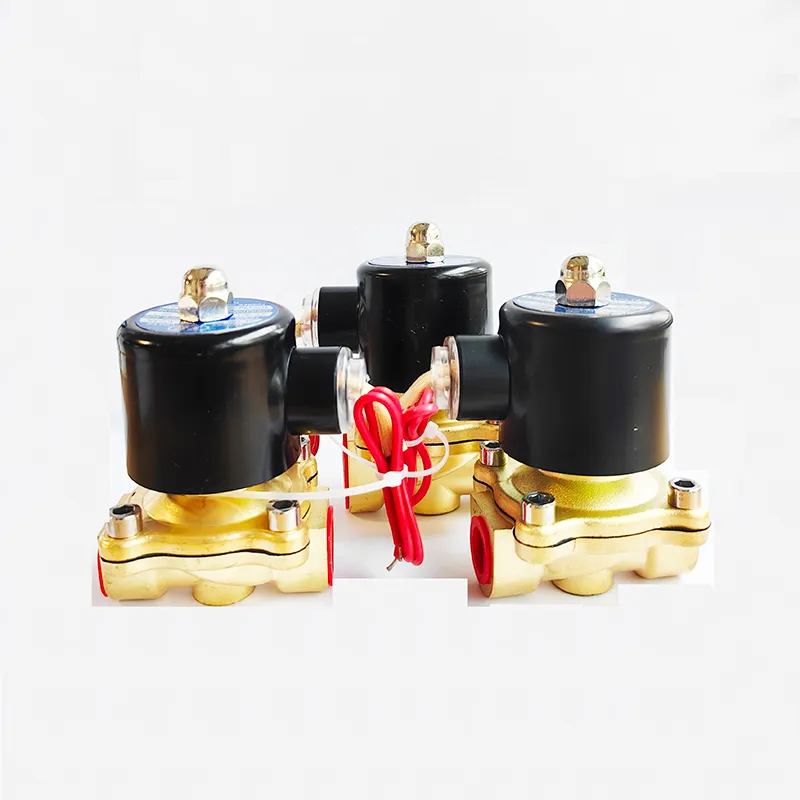
Figure 2: Solenoid Valves integrated into a complex industrial fluid control manifold.
The ability of a Solenoid Valve to provide remote, automated control, combined with its high reliability and customizable options, makes it an indispensable component across these diverse sectors. The choice of valve type—whether direct-acting, pilot-operated, or proportional—is always dictated by the specific requirements of the fluid, pressure, flow rate, and response time of the application.
Technical Advantages and Industry Trends
The ongoing evolution of Solenoid Valve technology is driven by persistent industry demands for higher efficiency, greater reliability, and advanced integration capabilities. These advancements offer significant technical advantages to B2B users.
Key Technical Advantages:
- Rapid Response and Precision: Modern solenoid valves can open or close in milliseconds, providing instant control over fluid flow. Proportional solenoid valves further enhance precision, allowing for variable flow rates based on electrical input.
- High Reliability and Durability: Constructed from robust materials like stainless steel and high-performance elastomers, and subjected to stringent manufacturing processes, these valves offer extended operational lifespans, minimizing maintenance and replacement costs.
- Energy Efficiency: Advancements in coil design, such as latching solenoids (which only require a pulse to switch state and then hold position without continuous power) and low-power coils, significantly reduce energy consumption, crucial for sustainable operations and reducing operational expenditures.
- Compact Design: Miniaturization allows for integration into space-constrained applications, particularly in medical devices, analytical instruments, and complex manifolds.
- Wide Range of Media Compatibility: With various body and seal material options, solenoid valves can handle a vast array of fluids, including aggressive chemicals, high-temperature steam, and cryogenic gases.
- Automated Control & Integration: Seamless integration with PLCs, DCS, and other control systems allows for fully automated processes, reducing human error and improving overall system efficiency.
Emerging Industry Trends:
- Smart Valve Technology (IoT Integration): The incorporation of sensors and communication modules (e.g., Modbus, Ethernet/IP) into solenoid valves for real-time monitoring of performance parameters, predictive maintenance, and remote control. This enables proactive problem-solving and reduces unscheduled downtime.
- Enhanced Miniaturization and Microfluidics: The demand for smaller, more precise valves for micro-dosing, portable medical devices, and laboratory automation is driving innovation in micro-solenoid valve technology, often utilizing MEMS (Micro-Electro-Mechanical Systems) principles.
- Advanced Material Science: Development of new body and seal materials that offer superior chemical resistance, higher temperature ratings, and longer flex life, extending valve applicability to even more extreme environments.
- Energy Harvesting & Wireless Power: Research into valves that can operate on harvested energy (e.g., from fluid flow or ambient temperature differences) or wireless power transfer, reducing the need for wired power infrastructure, especially in remote or hazardous locations.
- Additive Manufacturing (3D Printing): Utilizing 3D printing for rapid prototyping and production of complex valve geometries, especially for customized or low-volume specialized applications, allowing for optimized internal flow paths and reduced assembly complexity.
These trends underscore a move towards more intelligent, efficient, and adaptable fluid control solutions, positioning the Solenoid Valve as a cornerstone of Industry 4.0 initiatives and advanced automation strategies.
Vendor Comparison and Customized Solutions
Selecting the right Solenoid Valve vendor is a strategic decision that goes beyond mere price comparison. It involves evaluating technical capabilities, customization options, and long-term support. This section provides a framework for vendor comparison and highlights the importance of tailored solutions.
Key Criteria for Vendor Comparison:
| Criterion | Description | Importance for B2B |
|---|---|---|
| Product Range & Specialization | Does the vendor offer a broad portfolio or specialize in niche applications (e.g., high-pressure, cryogenic)? | Ensures availability of suitable valves for diverse needs, or deep expertise for specific challenges. |
| Quality & Certifications | ISO 9001, CE, UL, ATEX, RoHS, NSF, FDA compliance. Material certifications and traceability. | Guarantees product reliability, safety, and compliance with industry and regional regulations. |
| Technical Support & Expertise | Access to application engineers, detailed documentation, and prompt technical assistance. | Crucial for correct valve selection, troubleshooting, and system optimization, minimizing downtime. |
| Customization Capabilities | Ability to modify standard products or design entirely new solutions for unique application requirements. | Essential for highly specialized processes where off-the-shelf solutions are inadequate. |
| Lead Time & Fulfillment | Consistency in delivery schedules, ability to handle urgent orders, global logistics capabilities. | Impacts project timelines, inventory management, and operational continuity. |
| Warranty & After-Sales Service | Comprehensive warranty, availability of spare parts, repair services, and post-installation support. | Ensures long-term product performance and customer satisfaction, reducing total cost of ownership. |
| Price & Total Cost of Ownership (TCO) | Initial purchase price vs. long-term costs including energy consumption, maintenance, and lifespan. | Balancing upfront investment with operational costs and reliability for maximum ROI. |
The Value of Customized Solenoid Valve Solutions:
Many advanced industrial applications encounter unique challenges that standard Solenoid Valve offerings cannot fully address. This is where customized solutions become invaluable. A reputable manufacturer works closely with clients to tailor valves to exact specifications, optimizing performance and integration. Examples include:
- Specialized Materials: For highly corrosive or abrasive media, custom valves can be manufactured from exotic alloys (e.g., Hastelloy, Monel) or lined with specific polymers.
- Unique Porting & Manifold Designs: Integrated manifold solutions can reduce piping, leak points, and assembly time, often designed specifically for an OEM's system.
- Optimized Electrical Parameters: Custom coils for specific voltage requirements, low power consumption, or specific duty cycles (e.g., continuous operation at elevated ambient temperatures).
- Extreme Environmental Ratings: Valves designed to operate reliably in ultra-high vacuum, high radiation, or exceptionally wide temperature ranges (e.g., cryogenics).
- Integrated Sensors & Feedback: Customized valves can include built-in pressure sensors, temperature sensors, or position feedback for enhanced diagnostics and control.
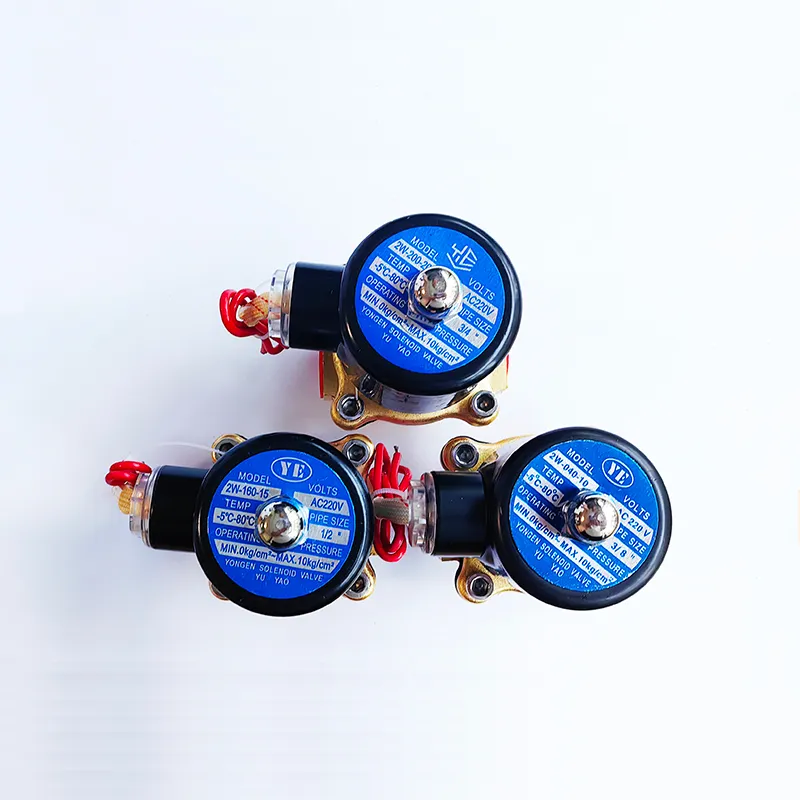
Figure 3: A customized Solenoid Valve manifold designed for precision medical gas delivery.
Partnering with a vendor capable of providing comprehensive engineering support for customized Solenoid Valve solutions ensures that the final product perfectly aligns with the application's demands, offering superior performance, extended life, and ultimately a lower total cost of ownership.
Application Case Studies and Customer Success
Real-world application case studies provide tangible evidence of the impact of high-quality Solenoid Valve solutions. These examples demonstrate how strategic deployment of advanced valve technology leads to significant operational improvements and cost efficiencies.
Case Study 1: Enhanced Efficiency in Wastewater Treatment
Client: A major municipal wastewater treatment plant in North America.
Challenge: The plant faced issues with inconsistent chemical dosing for pH neutralization and flocculation, leading to suboptimal treatment results and increased chemical consumption. Their existing solenoid valves were prone to clogging and had slow response times, resulting in inefficient process control.
Solution: The plant upgraded to a series of high-flow, corrosion-resistant Solenoid Valve units made from 316L stainless steel with FKM seals, featuring rapid response proportional control capabilities. These valves were integrated with the plant's SCADA system for precise, real-time control.
Outcome: Within six months, the plant reported a 15% reduction in chemical consumption due to more accurate dosing. The faster response times improved pH stabilization by 20%, leading to higher quality effluent discharge and compliance with stringent environmental regulations. The robust construction also reduced maintenance intervals by 30%, significantly lowering operational costs. The client highlighted the "unwavering reliability" and "immediate impact on our bottom line."
Case Study 2: Precision Control in Semiconductor Manufacturing
Client: A leading global semiconductor fabrication facility.
Challenge: The precise control of ultra-pure gases during the etching and deposition phases is critical for chip yield and quality. The facility was experiencing minor fluctuations in gas flow due to hysteresis in their existing miniature solenoid valves, leading to a small but significant percentage of defective wafers.
Solution: Custom-designed micro-solenoid valves with extremely low hysteresis and sub-millisecond response times were developed. These valves featured advanced PTFE wetted parts for ultimate chemical compatibility and were tested under cleanroom conditions, complying with stringent semi-conductor industry standards.
Outcome: The implementation of these specialized Solenoid Valve units resulted in a 7% increase in chip yield for the affected processes. The enhanced precision minimized gas wastage and improved process stability. The customer praised the "unparalleled accuracy" and "instrumental role in our yield improvement initiatives," directly impacting their competitive edge.
Case Study 3: Energy Savings in Industrial HVAC Systems
Client: A large manufacturing plant seeking to optimize its HVAC energy consumption.
Challenge: The plant's existing HVAC system utilized conventional ball valves that required constant motor power for modulation, leading to high electricity bills. Manual adjustments were frequent and lacked the precision for true energy optimization.
Solution: The client replaced traditional valves with intelligent, low-power latching solenoid valves for chilled water and hot water loops. These valves only require a brief electrical pulse to switch position and maintain it without continuous power draw. They were integrated with smart building management system controllers.
Outcome: The plant achieved an average of 18% reduction in HVAC energy consumption within the first year. The precise digital control improved temperature regulation and occupant comfort. The client provided feedback, "The energy savings were immediate and substantial, and the reliability of the latching Solenoid Valve units exceeded our expectations, contributing to our sustainability goals."
Trustworthiness: FAQ, Lead Time, Warranty & Support
Building trust with B2B clients requires transparency, clear commitments, and robust support systems. This section addresses common inquiries and outlines the standard operational commitments.
Frequently Asked Questions (FAQ):
- Q1: How do I select the correct Solenoid Valve for my application?
- A1: Selection depends on several factors: fluid type, pressure range (min/max), temperature range (fluid/ambient), flow rate (Cv/Kv), required response time, electrical voltage, port size, and application environment (e.g., hazardous area, cleanroom). Our technical team can assist in a detailed consultation.
- Q2: What is the typical service life of your solenoid valves?
- A2: Our industrial-grade valves are designed for millions of cycles, typically 5-10 million cycles under specified operating conditions. High-performance and customized valves can achieve even longer lifespans. Specific product datasheets provide exact figures.
- Q3: Are your valves compatible with hazardous or corrosive media?
- A3: Yes, we offer a range of valves manufactured from specialized materials such as 316L stainless steel, PVC, PVDF, and exotic alloys, with sealing options like FKM (Viton), PTFE, and Kalrez, specifically designed for corrosive or hazardous media. We also provide ATEX and UL certified explosion-proof options.
- Q4: Can you provide customized Solenoid Valve solutions?
- A4: Absolutely. We specialize in engineering bespoke solutions for unique application requirements, including custom materials, porting, electrical configurations, and integrated manifold designs. Our engineering team works closely with clients from concept to production.
- Q5: What is the power consumption of your solenoid valves?
- A5: We offer a range of power consumption options, from standard AC/DC coils to highly energy-efficient low-power and latching coil designs. Power consumption figures (Watts or VA) are detailed in each product's specification sheet.
Lead Time and Fulfillment:
Standard Solenoid Valve products are typically available with a lead time of 2-4 weeks, depending on volume and current stock levels. For urgent requirements, expedited shipping options are available. Customized solutions or valves requiring specific material certifications may have a lead time of 6-12 weeks, as they involve dedicated manufacturing and testing phases. We maintain transparent communication regarding order status and expected delivery dates.
Warranty Commitments:
All our Solenoid Valve products come with a comprehensive 12-month warranty from the date of purchase, covering manufacturing defects and material failures under normal operating conditions. Extended warranty options are available for critical applications or long-term projects, providing peace of mind and protecting your investment.
Customer Support and After-Sales Service:
Our commitment extends beyond product delivery. We provide robust after-sales support, including:
- Technical Assistance: A dedicated team of application engineers is available to provide troubleshooting, installation guidance, and performance optimization advice.
- Spare Parts Availability: We maintain a comprehensive inventory of genuine spare parts (coils, seals, plungers) to ensure quick repairs and minimize downtime.
- Training: On-site or remote training sessions can be arranged for your operational and maintenance staff to ensure optimal utilization of our valve solutions.
- Global Network: Through our network of distributors and service partners, we offer localized support and service worldwide.
Our goal is to be a trusted partner, providing not just high-quality Solenoid Valve products, but also the expertise and support necessary for your long-term success.
Conclusion
The Solenoid Valve remains a foundational technology in fluid control, continuously evolving to meet the complex demands of modern industrial processes. From precision manufacturing and rigorous testing to integration within smart systems and provision of customized solutions, the journey of this critical component reflects a relentless pursuit of efficiency, reliability, and technological advancement. By understanding the intricate technical specifications, diverse application scenarios, and the strategic advantages offered by cutting-edge Solenoid Valve solutions, B2B decision-makers and engineers can make informed choices that drive operational excellence, enhance safety, and contribute to sustainable industrial practices. As industries continue to innovate, the role of intelligent, high-performance fluid control will only grow, cementing the Solenoid Valve's position as an indispensable asset.
References:
- Fluid Power Journal. "Advances in Solenoid Valve Design for Energy Efficiency." [Access: www.fluidpowerjournal.com]
- Instrumentation & Control Magazine. "The Role of Solenoid Valves in Smart Manufacturing (Industry 4.0)." [Access: www.controleng.com]
- American Society of Mechanical Engineers (ASME). "Standards for Pressure Vessels and Piping." [Access: www.asme.org]
- International Organization for Standardization (ISO). "ISO 9001: Quality management systems." [Access: www.iso.org]
- National Fluid Power Association (NFPA). "Technical Standards and Best Practices for Fluid Power Components." [Access: www.nfpa.com]

Related Products
Related News

2026-04-16 03:20:19
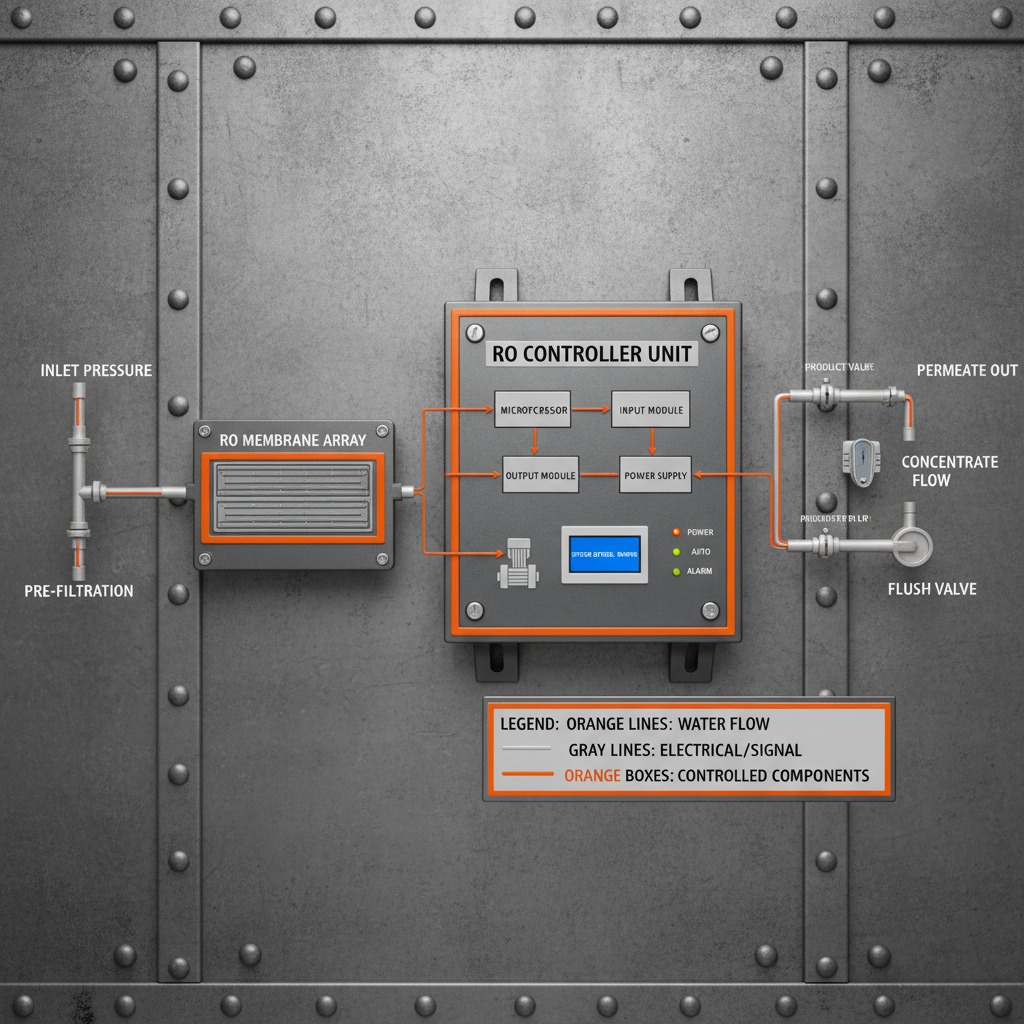
Guide to Choosing the Right RO Controller for Water PurificationMaintaining a high-performance reverse osmosis system requires more than just quality membranes; it demands precise regulation. An ro controller serves as the brain of the entire operation, monitoring critical parameters such as conductivity, temperature, and flow rates to ensure the output water meets stringent purity standards. Without an efficient controller, systems are prone to membrane fouling, inefficient energy use, and inconsistent water quality. In this comprehensive guide, we will explore how these devices optimize water treatment processes and how to select the best model for your specific industrial or commercial needs.
2026-04-09 03:25:47
Guide to Water Purity Using RO with TDS Controller SystemsAchieving the perfect balance of mineral content and purity in drinking water is a challenge for many households and industrial facilities. A ro with tds controller offers a sophisticated solution by combining the rigorous filtration of Reverse Osmosis (RO) with the precision of a Total Dissolved Solids (TDS) adjustment system. While standard RO systems remove almost everything, including beneficial minerals, a TDS controller allows users to re-mineralize the water to a desired level. This ensures that the water is not only safe and pure but also tastes better and provides essential nutrients.
2026-04-07 03:17:09
Understanding and Optimizing Reverse Osmosis Systems with a ControllerIn the world of water purification, reverse osmosis (RO) systems are a cornerstone for producing high-quality water for various applications, from drinking water to industrial processes. However, an RO system is only as effective as its control system. This is where the reverse osmosis controller comes into play. This critical component manages and optimizes the RO process, ensuring efficient operation, water quality, and system longevity.
2026-04-04 03:27:19
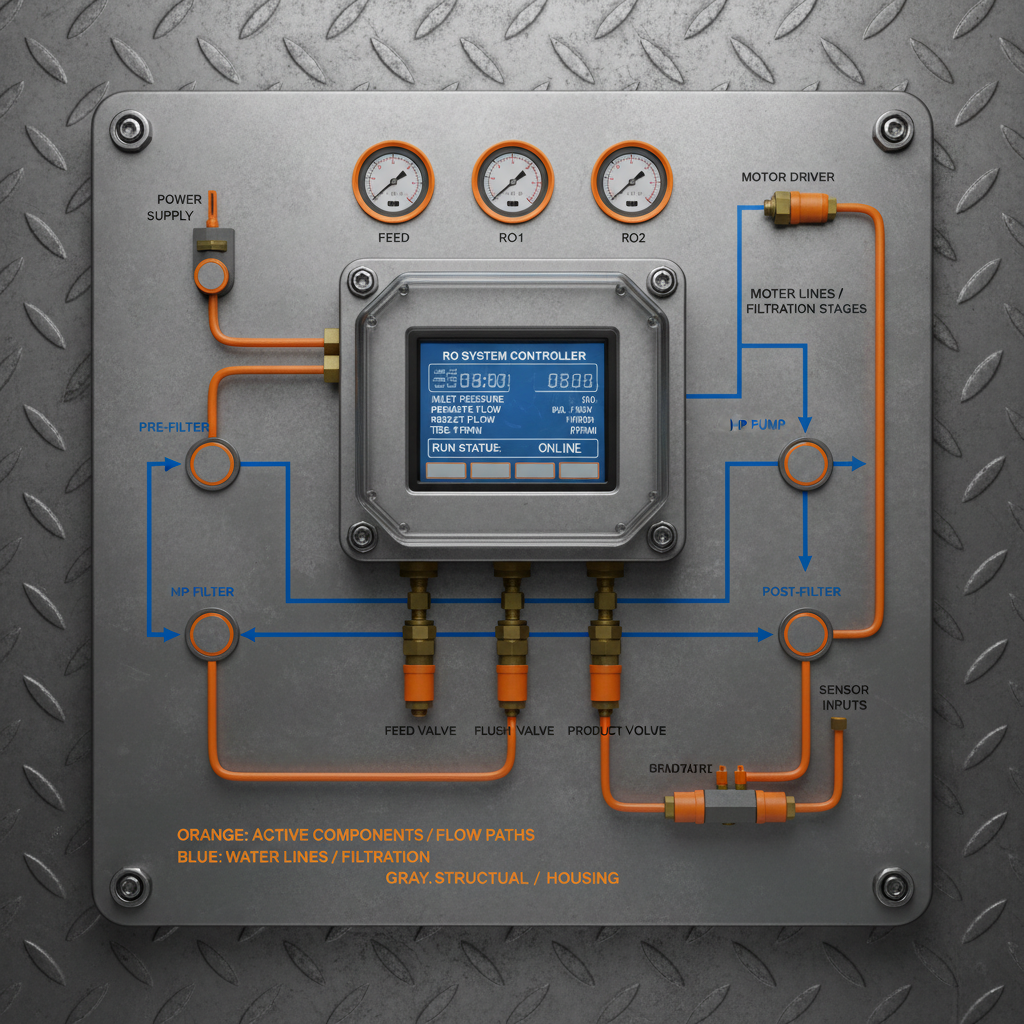
Understanding the Vital Role of an RO System Controller for Optimal PerformanceReverse Osmosis (RO) systems are critical for purifying water across various industries, from residential applications to large-scale industrial processes. At the heart of a well-functioning RO system lies the RO system controller. This intelligent device monitors and regulates all key parameters of the RO process, ensuring optimal performance, efficiency, and water quality. This article delves into the functionalities, benefits, and selection criteria for choosing the right RO system controller, particularly focusing on those offered by Watequipments. Understanding its role is crucial for maximizing the lifespan and effectiveness of your RO investment.
2026-03-24 17:18:24
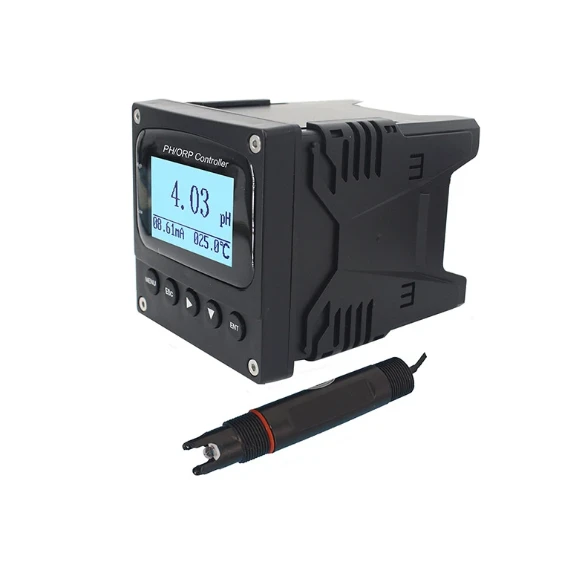
Smart Water Treatment Solutions Using PH ORP Controller SystemsIn modern water treatment and industrial fluid management, maintaining precise chemical balance is essential for safety, efficiency, and regulatory compliance.
2026-03-04 02:55:19
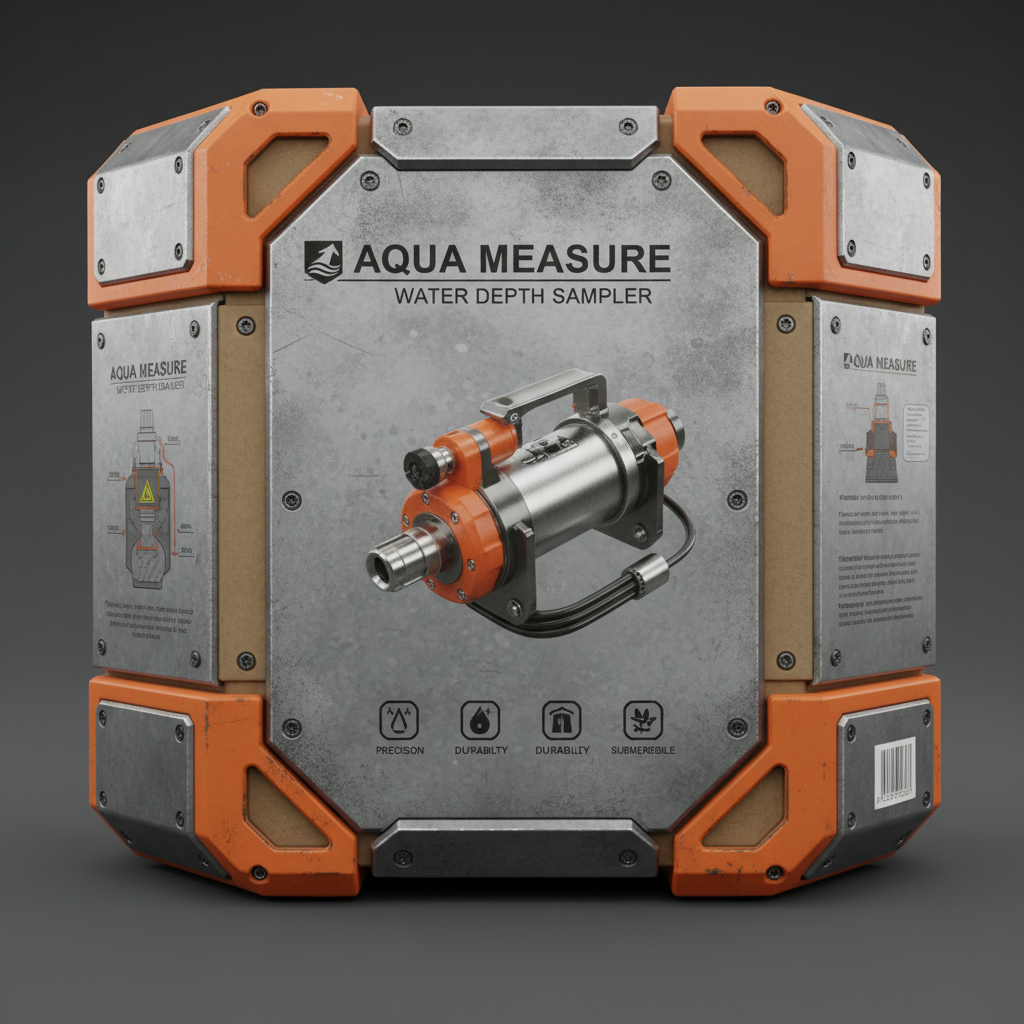
Comprehensive Guide to Water Depth Samplers and Their ApplicationsAccurate water quality monitoring is crucial in various fields, from environmental science and aquaculture to industrial wastewater management. A key tool for this is the water depth sampler. This article provides an in-depth look at water depth samplers, their applications, types, and essential considerations for choosing the right one for your needs. We'll explore the benefits of utilizing this equipment to collect reliable data for analysis and informed decision-making. Selecting the right sampler can significantly improve the precision and efficiency of your water monitoring program. A water depth sampler, also known as a depth-integrated sampler, is a device designed to collect water samples from specific depths within a body of water. Unlike simply dipping a container into the water, a depth sampler allows for collection of a representative sample across a defined depth range. This is critical because water properties (temperature, salinity, pollutants) often vary significantly with depth. The data gathered with a water depth sampler provides a more accurate assessment of water quality than surface samples alone.
2026-03-03 18:55:22
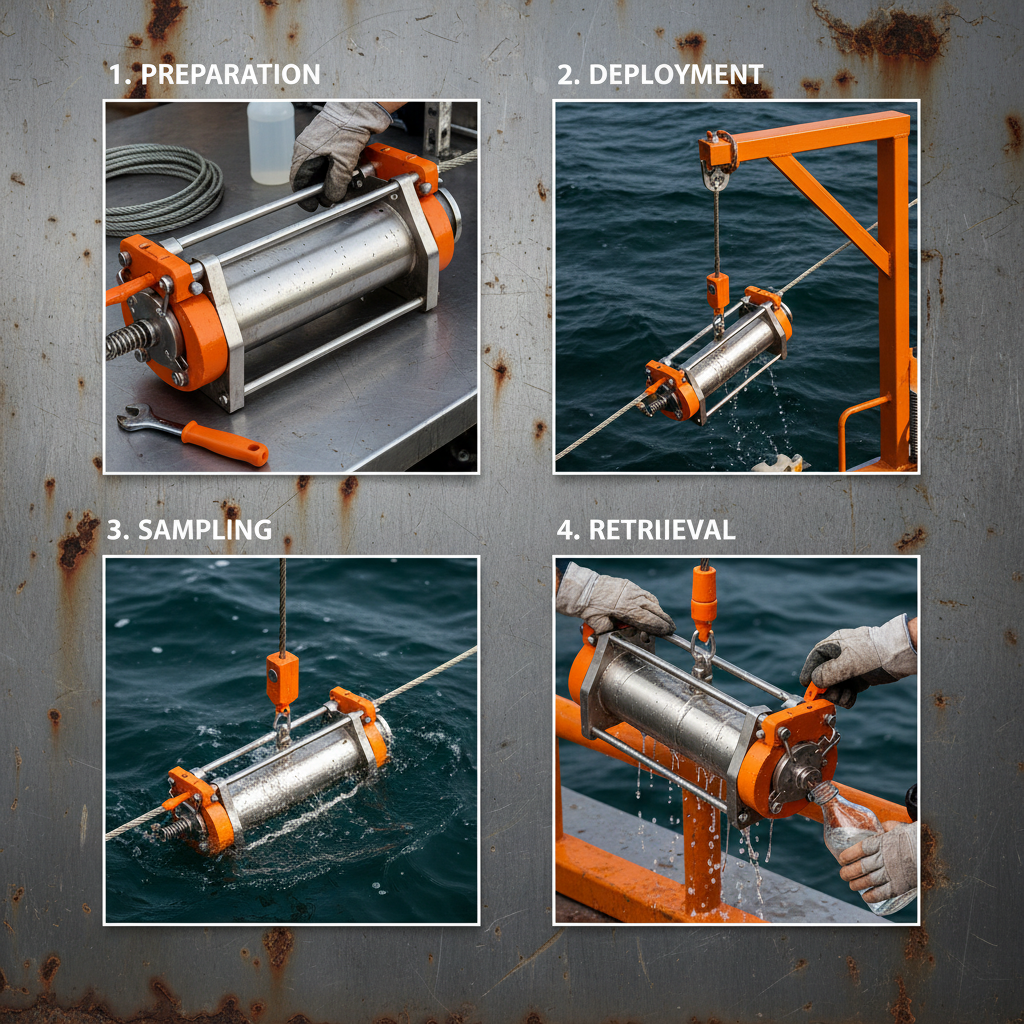
Comprehensive Guide to Horizontal Water Sampler Applications and SelectionCollecting water samples at varying depths is crucial for environmental monitoring, research, and quality control. The horizontal water sampler from Watequipment.com offers a precise and efficient solution for this task. This article provides an in-depth look at horizontal water samplers, their applications, benefits, and key considerations when choosing the right model. We will explore how these samplers contribute to accurate data collection and informed decision-making in various fields. A horizontal water sampler is a device designed to collect water samples from specific depths within a body of water – rivers, lakes, oceans, reservoirs, and even wastewater treatment plants. Unlike vertical samplers which primarily focus on depth, horizontal samplers prioritize collecting samples at a consistent depth while moving along a horizontal plane. This is essential for assessing water quality variations across a waterway or within a specific zone. They are used in applications ranging from environmental monitoring and scientific research to industrial process control and regulatory compliance.
2026-02-28 02:35:09
Comprehensive Guide to Selecting the Right Surface Water Sampler for Your NeedsMonitoring the quality of surface water is critical for environmental protection, public health, and various industrial applications. A surface water sampler is an essential tool for collecting representative samples from rivers, lakes, ponds, and other surface water sources. This article provides a detailed overview of surface water samplers, their types, applications, and key considerations for selecting the right equipment. Accurate water quality data relies on proper sample collection, and choosing the correct sampler is the first step toward achieving reliable results. Surface water samplers come in various designs, each suited to specific sampling needs. Common types include grab samplers, depth-integrating samplers, peristaltic pumps, and automatic samplers. Surface water samplers are used across a broad spectrum of applications, including environmental monitoring, wastewater discharge monitoring, drinking water source monitoring, agricultural runoff analysis, and research studies.

 English