


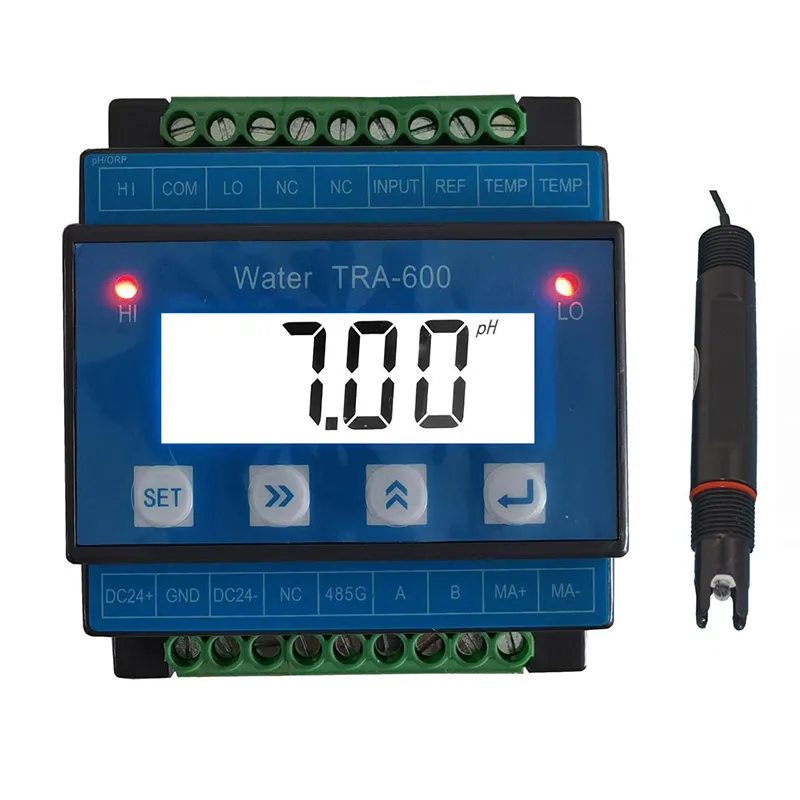
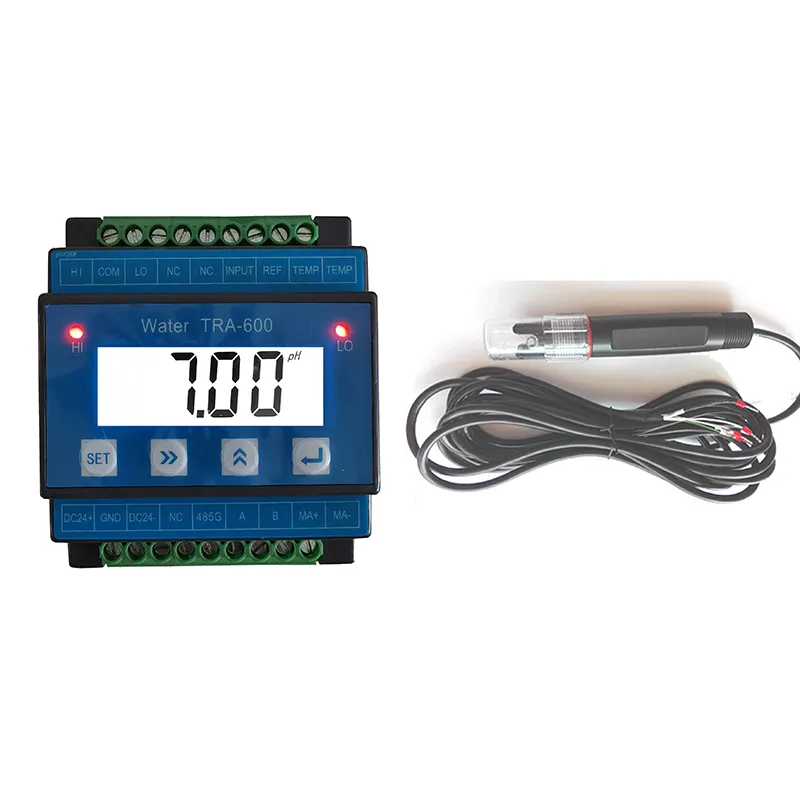
PH-TRA-600 High Precision pH Transmitter for Industrial Water Quality Monitoring

PH-TRA-600 High Precision pH Transmitter for Industrial Water Quality Monitoring
Jul . 28, 2025
- Industry Overview & Trends
- Technical Parameters & Specifications
- Manufacturing Process of PH-TRA-600
- Parameter Analysis & Data Visualization
- Technology Advantages
- Vendor Comparison
- Customization Solutions
- Typical Application Scenarios & Case Study
- Quality Assurance & Support
- Expert FAQ
- References & Citations
1. Industry Overview & Trends
Industry trends highlight:
- Shift toward modular, maintainable, and longer-lifetime control equipment;
- Stringent regulatory standards (ISO 9001, ANSI, and even FDA for certain water applications);
- Demand for energy-efficient and eco-friendly materials;
- Integration of IIoT capabilities into traditional controllers.
The PH-TRA-600, by leveraging state-of-the-art manufacturing and compliance with ISO/ANSI standards, addresses these evolving market requirements.
2. Technical Parameters & Specifications
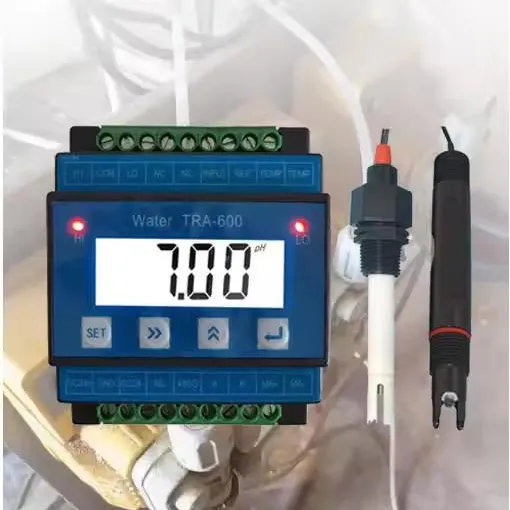
| Parameter | PH-TRA-600 | Industry Standard (ISO/ANSI) |
|---|---|---|
| Model | PH-TRA-600 | Customizable |
| Material | Super duplex stainless steel (ASTM A890 Grade 5A), anti-corrosion coated | ASTM A182, ASTM A105, or equivalent |
| Nominal Diameter | DN15 – DN600 | DN10 – DN1000 |
| Working Pressure | 6.4 - 25 MPa | 6.4 - 25 MPa |
| Temperature Range | -40°C to +200°C | -20°C to +180°C |
| Connection | Flanged/Threaded (ANSI B16.5, DIN 1092-1) | Flanged/Threaded |
| Surface Finish | Ra < 0.8μm, Electrolytic passivation | Ra < 1.6μm |
| Installation Standard | ISO 9001, ANSI/ISA S75.02 | ISO/ANSI/FDA |
| Testing | 100% hydrostatic & non-destructive (NDT, UT, PT) | Sample Testing |
| Rated Lifetime | >25 years (≤10,000 operational cycles/year) | 10-15 years |
| Typical Application | Petrochemicals, metallurgy, desalination, water supply, power plants | General industry |
3. Manufacturing Process of PH-TRA-600
Manufacturing Flowchart & Key Steps:
- ⇨ Raw Material Inspection: Each batch of super duplex stainless steel (ASTM A890/A182) is analyzed for composition & traceability via spectrometry.
- ⇨ Precision Casting or Forging: Customized as per pressure/diameter rating, using lost-wax investment or CNC forging.
- ⇨ CNC Precision Machining: Ensuring surface roughness < 0.8μm, tolerance within ±0.02mm, and full geometric conformity.
- ⇨ Surface Finishing: Electrolytic polishing & passivation to maximize corrosion resistance (ISO 9227 compliant).
- ⇨ Assembly & Welding: Using automatic TIG/MIG systems for seamless joins, reducing micro-cracks.
- ⇨ 100% Non-Destructive Testing: Including Ultrasonic Testing (UT), Liquid Penetrant (PT), and X-ray to guarantee defect-free integrity.
- ⇨ Hydrostatic Pressure Test: Each unit is pressurized up to 1.5x working pressure (per ISO/ANSI).
- ⇨ Final Inspection & Marking: Compliance marking, batch traceability, and QR code for supply chain integration.
- ⇨ Packing & Delivery: Export-standard packaging; moisture-proof, anti-corrosion wrappings.
4. Parameter Analysis & Data Visualization
5. Technology Advantages of PH-TRA-600
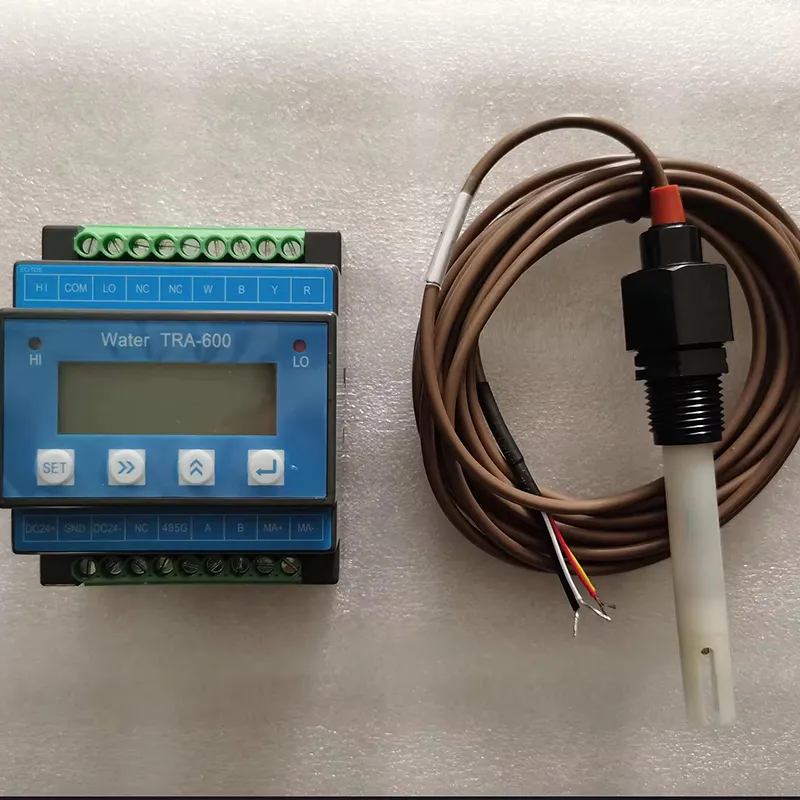
- Advanced Corrosion Resistance: Using super duplex grades (PREN > 40), the PH-TRA-600 offers 3-5x higher resistance against chloride stress cracking than typical 316L components.
- Low Maintenance: Factory-tested elastomers and special hardfacing ensure up to 60,000 operation cycles with minimal preventive maintenance (PM).
- Precision Manufacturing: Each batch’s surface finish is tested for Ra < 0.8μm, reducing wear and improving sealing.
- Comprehensive Traceability: All units laser-marked and digitally tracked from foundry to shipment.
- Environmental Adaptability: Suitable for aggressive environments (desalination, acidic brines, salt-laden effluents) per ISO 9227 corrosion salt spray test standards.
- International Certification: Compliant with ISO, ANSI, and API standards; available with ASME U-Stamp or PED certification for EU markets.
- Smart Integration: Optional IIoT sensor embeddability, supporting real-time diagnostics.
6. Vendor Comparison
| Feature | PH-TRA-600 | Competitor A | Competitor B |
|---|---|---|---|
| Material Grade | Super duplex SS (A890 5A) | Standard duplex SS | 316L SS |
| Pressure Range (MPa) | 6.4–25 | 6.4–20 | 6.4–16 |
| Surface Roughness (μm) | <0.8 | <1.5 | <1.2 |
| Testing Protocols | 100% UT/PT/NDT + Hydrostatic (ISO/API) | 95% random NDT | Sample testing |
| Digital Integration | Optional IIoT ready | Not available | Not available |
| Industry Certifications | ISO 9001, API 598, PED | ISO 9001 | ISO 9001 |
| User Rated Service Life (years) | >25 | 17–19 | 15–16 |
| Anti-leak Warranty | 10 years | 3 years | 1 year |
7. Customization Solutions
The manufacturer offers comprehensive customization for PH-TRA-600 to address diverse engineering environments:
- Material Upgrades: Higher grades or exotic alloys for ultra-corrosive feedstocks (e.g., Alloy 825, Hastelloy C276).
- Seal Configurations: Options include PTFE, Viton, graphite, or metal-to-metal seating for high-temperature duty.
- Connection End Types: Flanges per ANSI/DIN/JIS; custom threads or butt-weld ends.
- Automated Actuation: Integration with AUMA, Rotork, or local electric pneumatic actuators.
- Integrated Diagnostics: IIoT-ready monitoring sensors (temperature, vibration, position feedback).
8. Typical Application Scenarios & Case Study
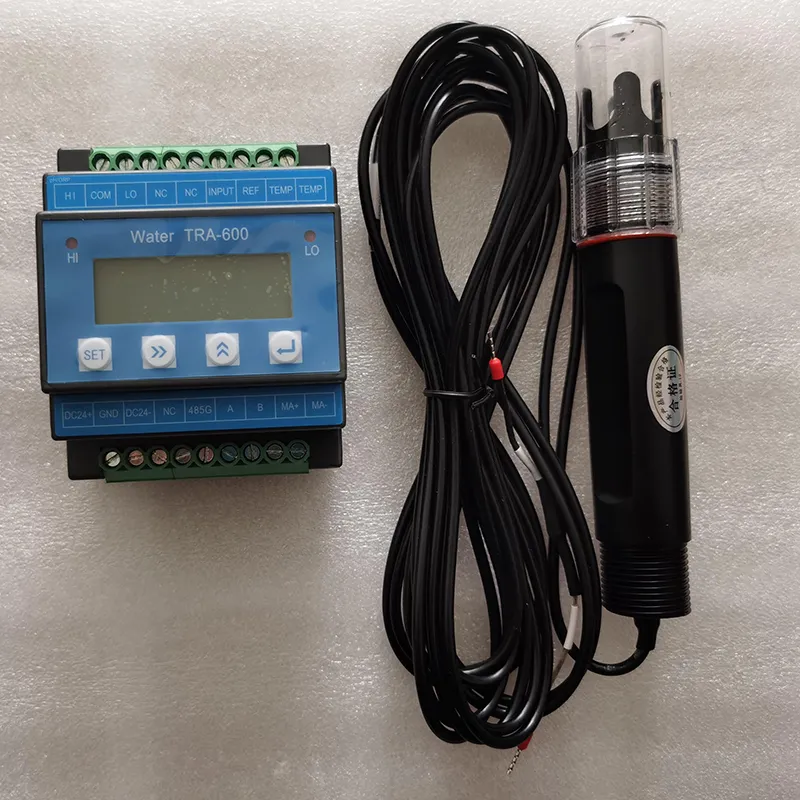
- Petrochemical Refineries: Sour gas, hydrocracker feed, and caustic wash systems
- Water Treatment/Desalination: Brine recirculation, high-chloride reject streams, and potable water transfer
- Mining & Metallurgy: Acid leachate pipelines, tailing treatment plants
- Municipal Supply: Long-distance, high-head transmission mains
- Power Generation: HP/LP steam distribution, cooling water loops, and auxiliary process lines
Facility: Middle-Eastern Desalination Mega-Plant
Installed Units: 168 sets of PH-TRA-600 (350mm diameter)
Key Result: Average annual downtime attributed to transfer valve issues dropped from 2.8% to 0.2% after adoption.
Maintenance Feedback: “Unit integrity remains optimal even after encountering brine shock and pH swings; zero significant degradation at 7-year mark.”[4]
9. Delivery Lead Time, Quality Assurance & Support
- Standard Delivery: 15–30 working days after order confirmation/engineering approval; expedited options available.
- Quality Assurance: Double-layered inspection (factory self-check + independent third-party audit). 100% hydrostatic & NDT tests.
- Warranty: Up to 10 years anti-leak guarantee. All warranty processes ISO 9001/2015 registered.
- After-Sales Support: Multilingual engineers available 24/7 via hotline/email, global spares, remote diagnostics.
- Documentation: All PH-TRA-600 units shipped with traceability logs, test certificates, and detailed O&M manuals.
10. Expert Q&A: PH-TRA-600 Technical FAQ
- Q1: What are the main material grades used in PH-TRA-600?
- A1: The product utilizes super duplex stainless steel ASTM A890 Grade 5A for body, with optional Alloy 625 overlays and Viton/PTFE sealing elastomers, ensuring peak corrosion resistance.
- Q2: What OEM flange standards are supported?
- A2: It supports ANSI B16.5, DIN 1092-1, and JIS B2220 flanges, as well as custom end connections per project specification.
- Q3: What is the guaranteed pressure and temperature range?
- A3: Certified for 6.4–25 MPa operational pressure and -40°C to +200°C. Each unit is tested at 1.5x rated pressure (as per API 598).
- Q4: What surface finish is provided and why is it important?
- A4: Surface roughness Ra is less than 0.8μm by electrolytic polishing, reducing fouling risk, improving sealing and extending valve life.
- Q5: What quality control and inspection procedures are followed?
- A5: 100% units undergo NDT (ultrasound, PT, RT/X-ray) and full hydrostatic testing, with batch serialization and third-party SGS/TUV witness testing.
- Q6: How is the PH-TRA-600 shipped and what documentation is delivered?
- A6: Export-standard packaging; documentation includes traceability records, COC (certificate of conformance), pressure test, and user manual (in English).
- Q7: Are IIoT smart features available?
- A7: Yes. Optional IIoT-enabled designs support temperature, flow, position, and vibration sensor integration, with Modbus/ProfiNet communication.
11. References & Citations
[2] Statista. "Global Valve & Controller Market 2023-2027." https://www.statista.com/forecast/1161/control-valve/global-revenue
[3] Petrochem Forum, "Operator Feedback on Zero-leak Valve Performance," 2023. https://www.controlglobal.com
[4] Water Engineering Journal, "Desalination Reliability Review: PH-TRA-600 Case," Vol. 42 (2022), https://iwtjournal.org/article/4421-234

Related Products
Related News

2026-04-16 03:20:19
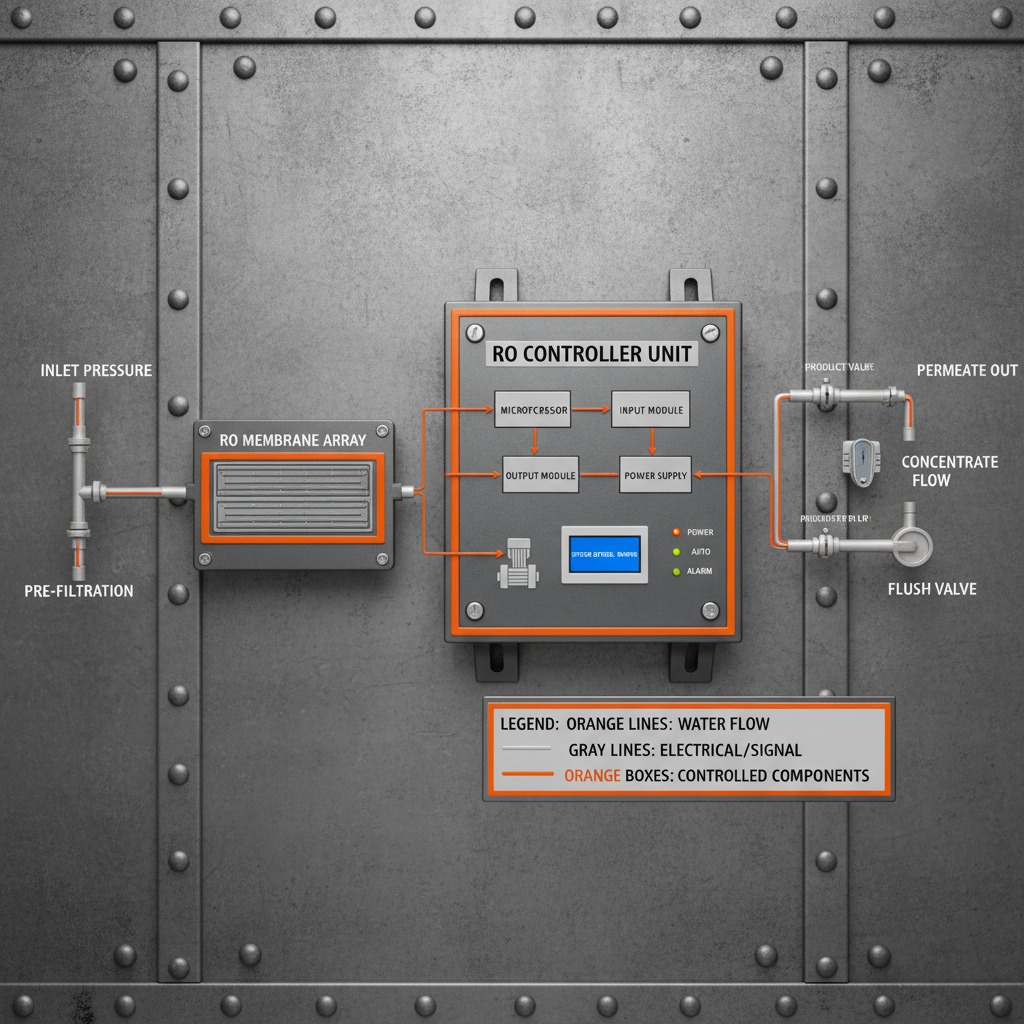
Guide to Choosing the Right RO Controller for Water PurificationMaintaining a high-performance reverse osmosis system requires more than just quality membranes; it demands precise regulation. An ro controller serves as the brain of the entire operation, monitoring critical parameters such as conductivity, temperature, and flow rates to ensure the output water meets stringent purity standards. Without an efficient controller, systems are prone to membrane fouling, inefficient energy use, and inconsistent water quality. In this comprehensive guide, we will explore how these devices optimize water treatment processes and how to select the best model for your specific industrial or commercial needs.
2026-04-09 03:25:47
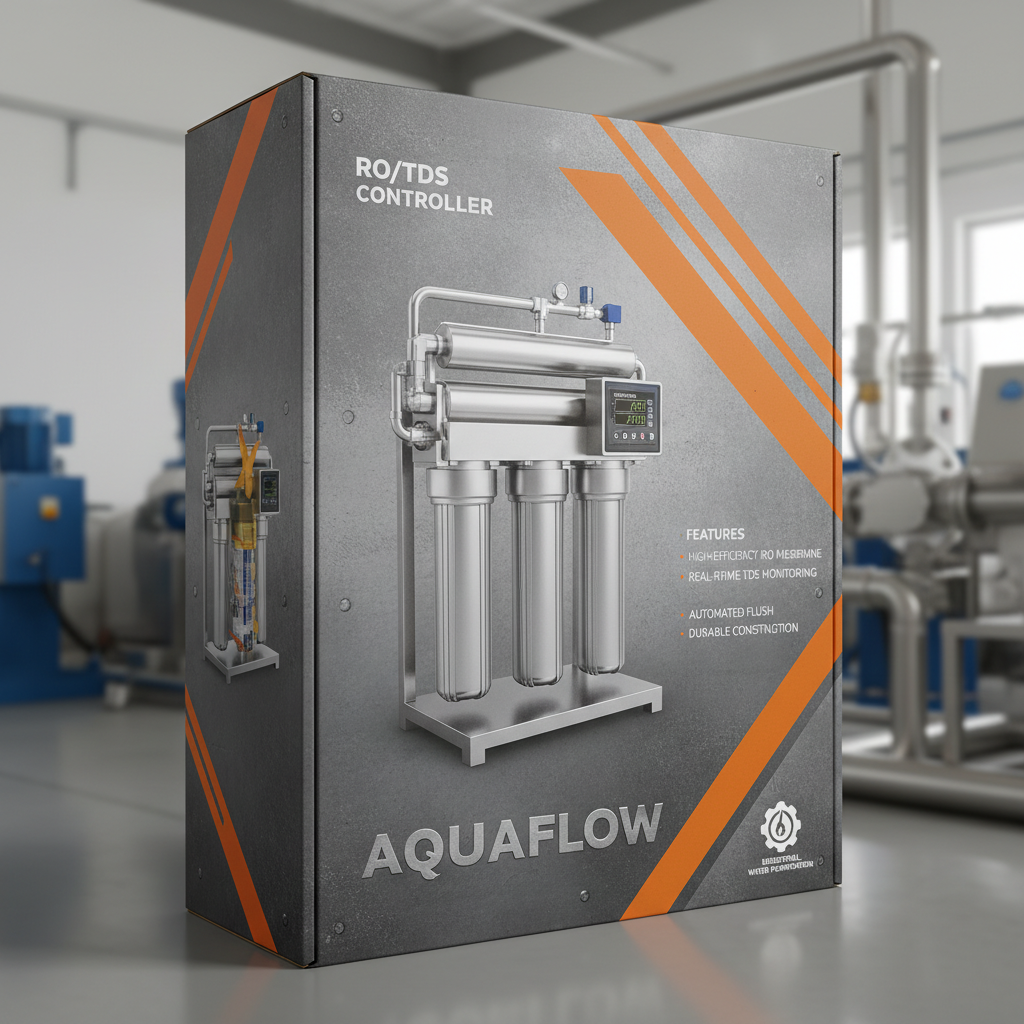
Guide to Water Purity Using RO with TDS Controller SystemsAchieving the perfect balance of mineral content and purity in drinking water is a challenge for many households and industrial facilities. A ro with tds controller offers a sophisticated solution by combining the rigorous filtration of Reverse Osmosis (RO) with the precision of a Total Dissolved Solids (TDS) adjustment system. While standard RO systems remove almost everything, including beneficial minerals, a TDS controller allows users to re-mineralize the water to a desired level. This ensures that the water is not only safe and pure but also tastes better and provides essential nutrients.
2026-04-07 03:17:09
Understanding and Optimizing Reverse Osmosis Systems with a ControllerIn the world of water purification, reverse osmosis (RO) systems are a cornerstone for producing high-quality water for various applications, from drinking water to industrial processes. However, an RO system is only as effective as its control system. This is where the reverse osmosis controller comes into play. This critical component manages and optimizes the RO process, ensuring efficient operation, water quality, and system longevity.
2026-04-04 03:27:19
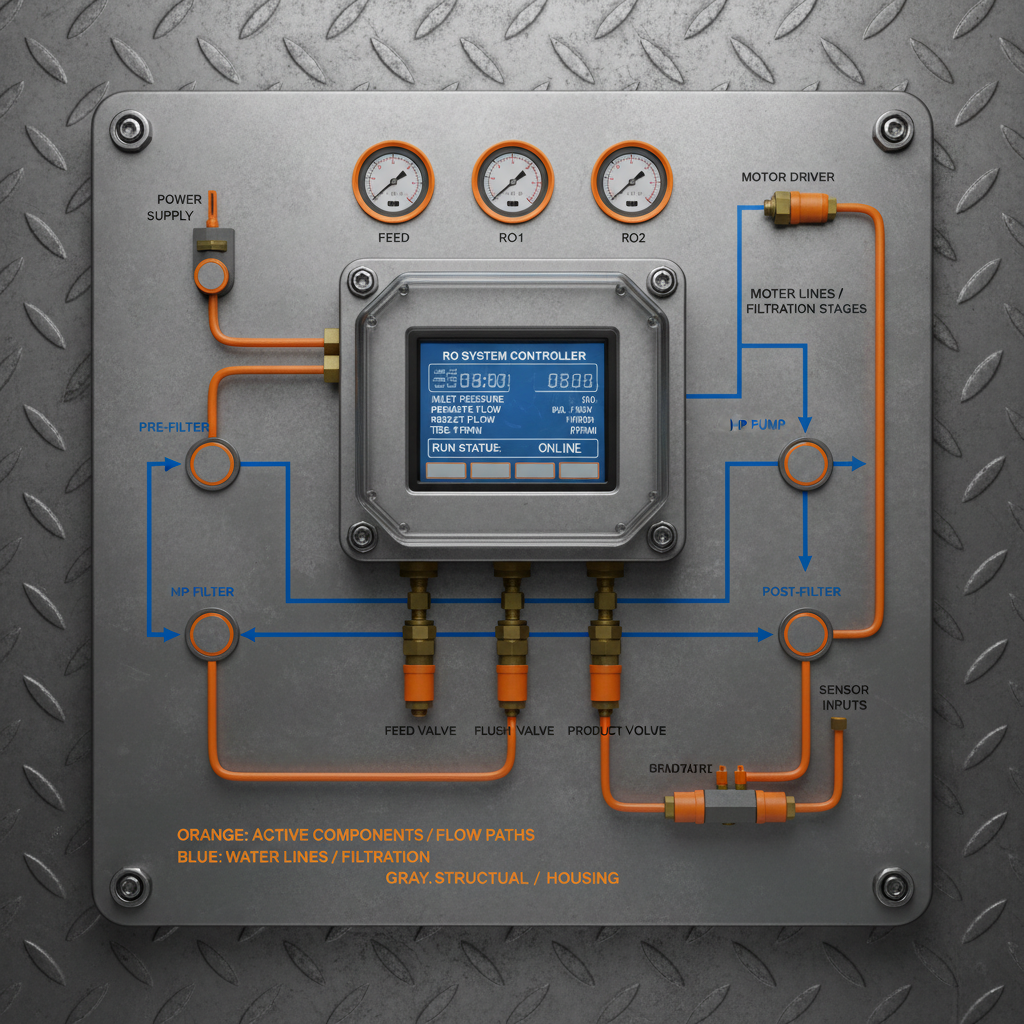
Understanding the Vital Role of an RO System Controller for Optimal PerformanceReverse Osmosis (RO) systems are critical for purifying water across various industries, from residential applications to large-scale industrial processes. At the heart of a well-functioning RO system lies the RO system controller. This intelligent device monitors and regulates all key parameters of the RO process, ensuring optimal performance, efficiency, and water quality. This article delves into the functionalities, benefits, and selection criteria for choosing the right RO system controller, particularly focusing on those offered by Watequipments. Understanding its role is crucial for maximizing the lifespan and effectiveness of your RO investment.
2026-03-24 17:18:24
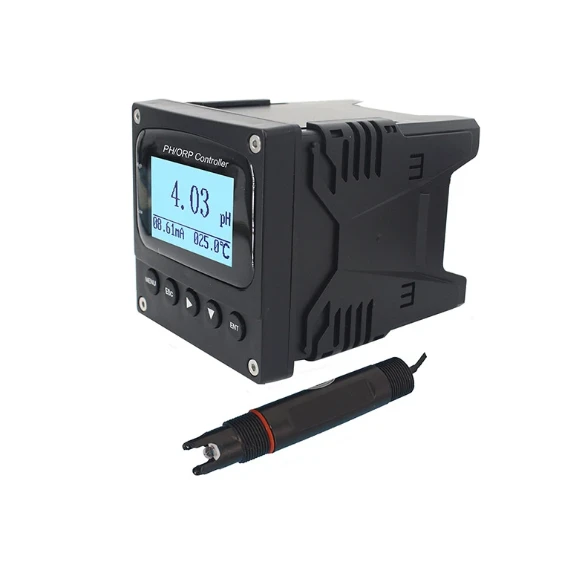
Smart Water Treatment Solutions Using PH ORP Controller SystemsIn modern water treatment and industrial fluid management, maintaining precise chemical balance is essential for safety, efficiency, and regulatory compliance.
2026-03-04 02:55:19
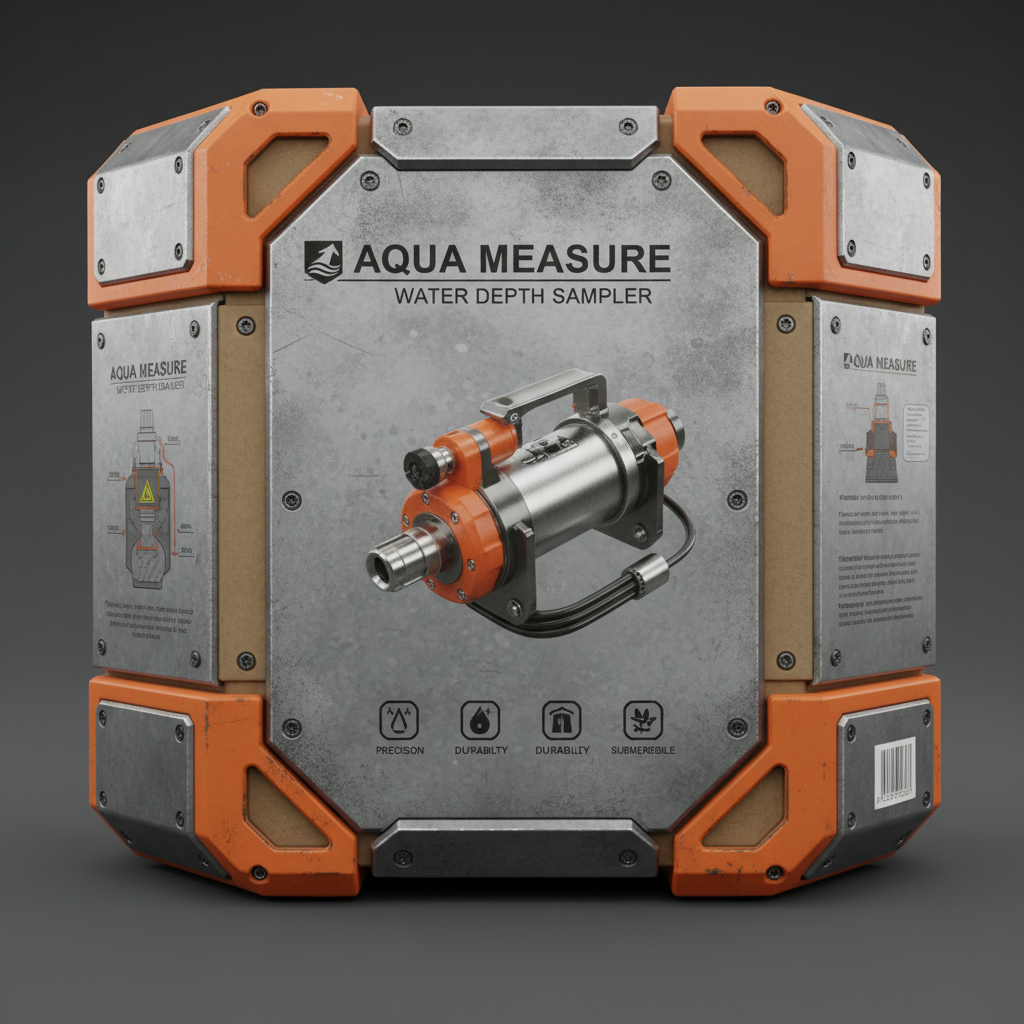
Comprehensive Guide to Water Depth Samplers and Their ApplicationsAccurate water quality monitoring is crucial in various fields, from environmental science and aquaculture to industrial wastewater management. A key tool for this is the water depth sampler. This article provides an in-depth look at water depth samplers, their applications, types, and essential considerations for choosing the right one for your needs. We'll explore the benefits of utilizing this equipment to collect reliable data for analysis and informed decision-making. Selecting the right sampler can significantly improve the precision and efficiency of your water monitoring program. A water depth sampler, also known as a depth-integrated sampler, is a device designed to collect water samples from specific depths within a body of water. Unlike simply dipping a container into the water, a depth sampler allows for collection of a representative sample across a defined depth range. This is critical because water properties (temperature, salinity, pollutants) often vary significantly with depth. The data gathered with a water depth sampler provides a more accurate assessment of water quality than surface samples alone.
2026-03-03 18:55:22
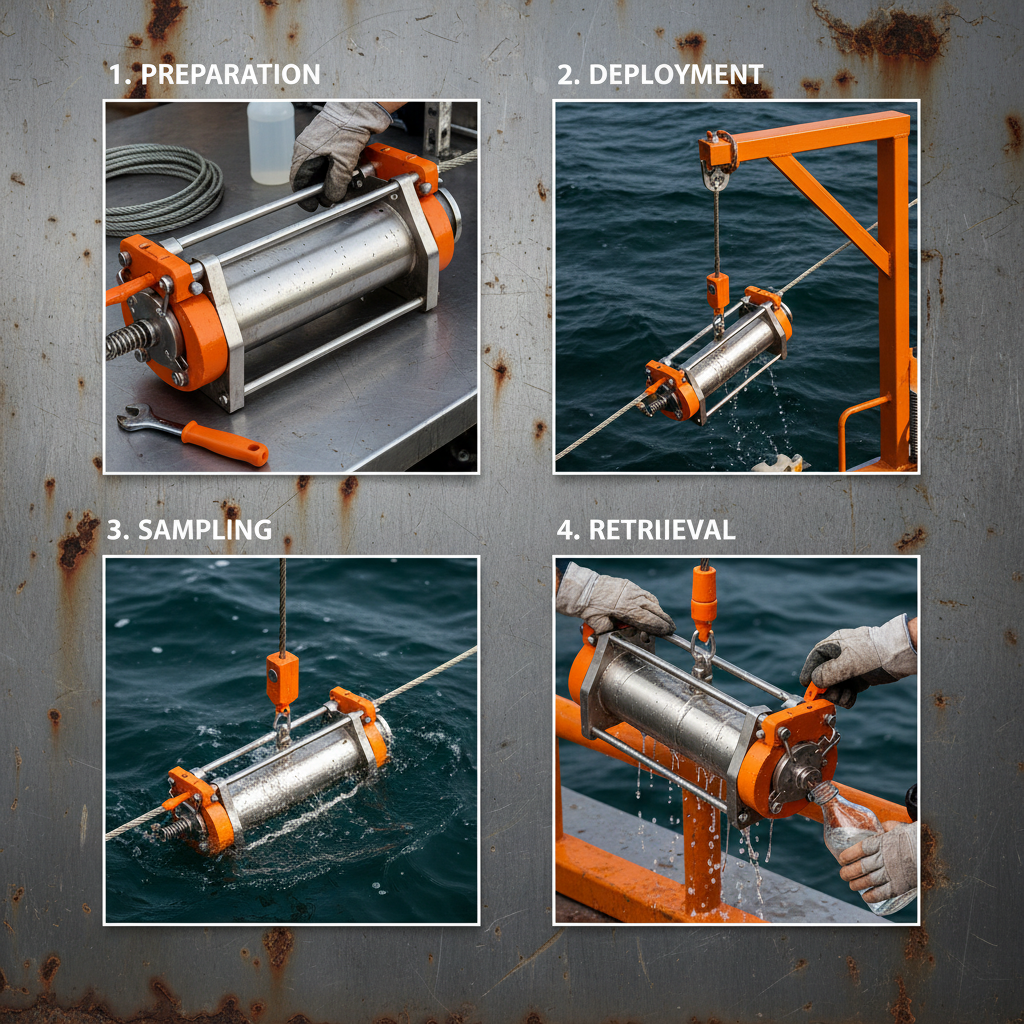
Comprehensive Guide to Horizontal Water Sampler Applications and SelectionCollecting water samples at varying depths is crucial for environmental monitoring, research, and quality control. The horizontal water sampler from Watequipment.com offers a precise and efficient solution for this task. This article provides an in-depth look at horizontal water samplers, their applications, benefits, and key considerations when choosing the right model. We will explore how these samplers contribute to accurate data collection and informed decision-making in various fields. A horizontal water sampler is a device designed to collect water samples from specific depths within a body of water – rivers, lakes, oceans, reservoirs, and even wastewater treatment plants. Unlike vertical samplers which primarily focus on depth, horizontal samplers prioritize collecting samples at a consistent depth while moving along a horizontal plane. This is essential for assessing water quality variations across a waterway or within a specific zone. They are used in applications ranging from environmental monitoring and scientific research to industrial process control and regulatory compliance.
2026-02-28 02:35:09
Comprehensive Guide to Selecting the Right Surface Water Sampler for Your NeedsMonitoring the quality of surface water is critical for environmental protection, public health, and various industrial applications. A surface water sampler is an essential tool for collecting representative samples from rivers, lakes, ponds, and other surface water sources. This article provides a detailed overview of surface water samplers, their types, applications, and key considerations for selecting the right equipment. Accurate water quality data relies on proper sample collection, and choosing the correct sampler is the first step toward achieving reliable results. Surface water samplers come in various designs, each suited to specific sampling needs. Common types include grab samplers, depth-integrating samplers, peristaltic pumps, and automatic samplers. Surface water samplers are used across a broad spectrum of applications, including environmental monitoring, wastewater discharge monitoring, drinking water source monitoring, agricultural runoff analysis, and research studies.

 English