


CR-102H High-Precision Temperature Controller for Industrial Use

CR-102H High-Precision Temperature Controller for Industrial Use
Jul . 29, 2025
With the demand for reliable, accurate monitoring across petrochemical, metallurgy, and water treatment on the rise, advanced high-temperature conductivity sensors have become a strategic industry focus. As reported by the Instrumentation Engineers Association Process sensors global CAGR: 7.8% (2023–2028), annual demand reaching $1.1B in 2024., robust and precision sensors are increasingly vital in automation and smart plant transformation.
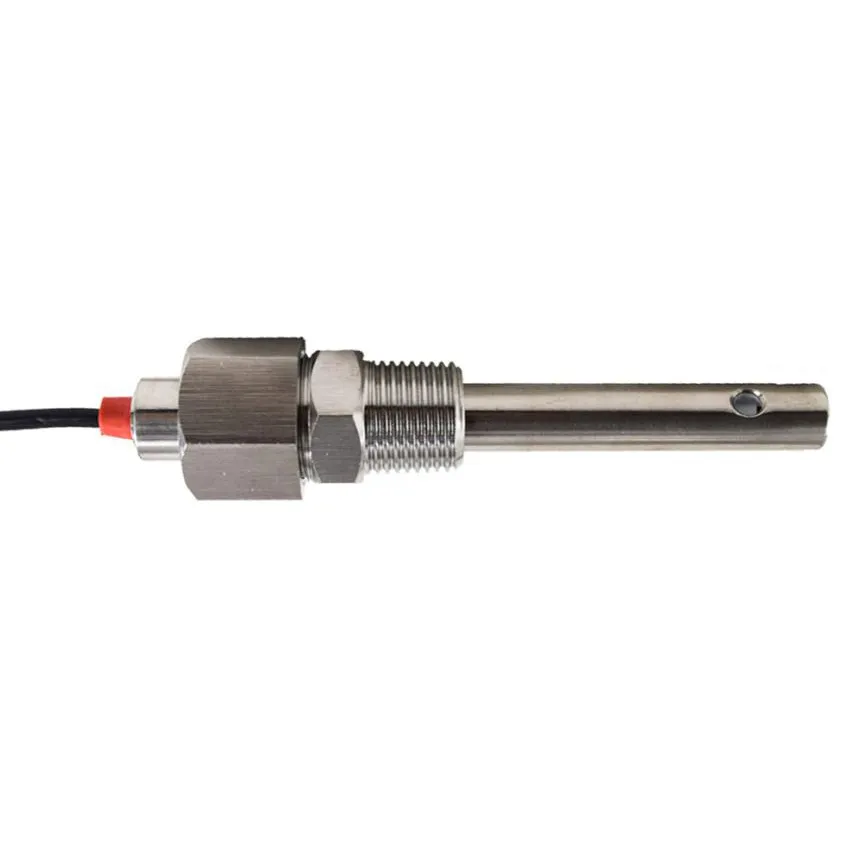
The CR-102H is a state-of-the-art, high-temperature conductivity sensor designed to deliver stable and accurate measurements under extreme conditions (up to 200°C), meeting both ISO and ANSI standards. It has quickly gained traction as the go-to solution in harsh industrial environments due to its superior materials, sophisticated manufacturing process, and proven field longevity.
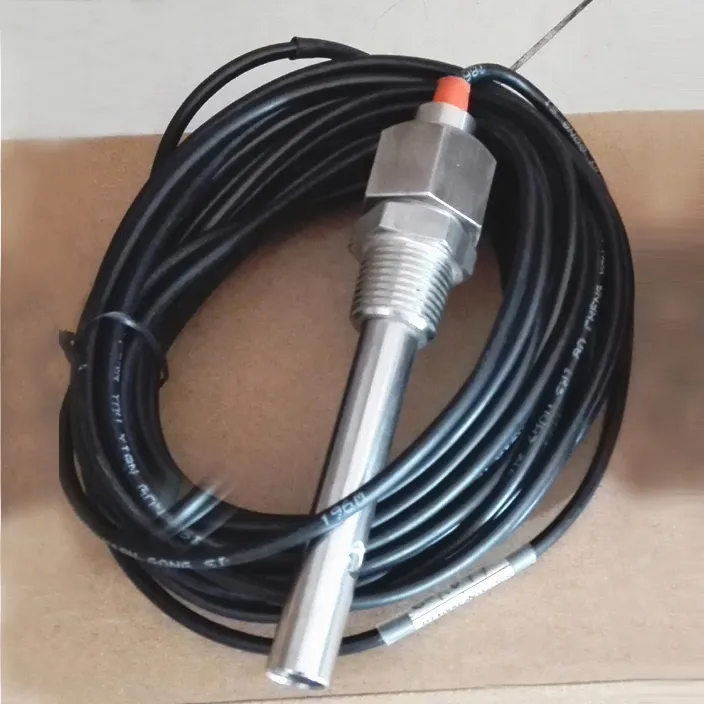
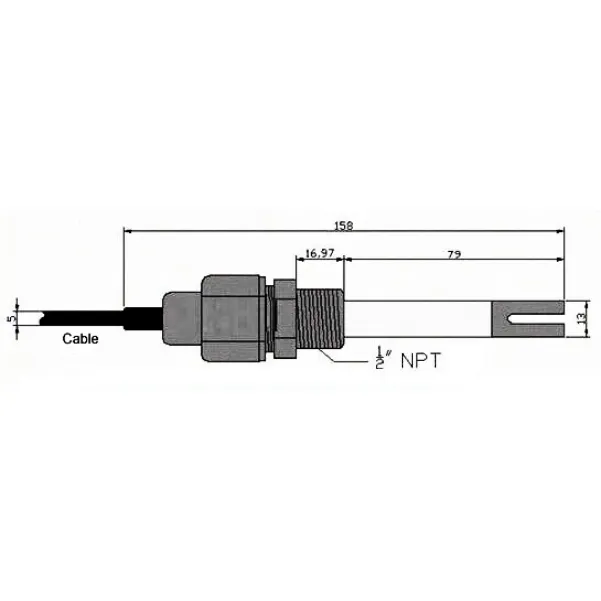
| Parameter | CR-102H | Typical Industry Standard |
|---|---|---|
| Measurement Principle | Electrochemical (2 or 4 electrode) | Electrochemical |
| Temperature Range | 0°C ~ 200°C (continuous), Peak 210°C | 0°C ~ 180°C |
| Conductivity Range | 0.01 μS/cm ~ 2000 mS/cm | Up to 1000 mS/cm |
| Body Material | 316L SS / Titanium / PTFE enhanced | 304 SS / PTFE |
| Electrode Material | Platinum Black/ Titanium | Stainless/Graphite |
| Process Connection | ISO G1/2" thread, ANSI Flange, Tri-Clamp, Customizable | Thread/Flange |
| Ingress Protection | IP68 (full immersion) | IP65/IP66 |
| Reference Standard | ISO 17025 / ANSI / CE | CE, RoHS |
| Response Time | ≤2 seconds (t90) | <5 seconds |
| Accuracy | ±1% F.S. | ±2% F.S. |
| Expected Service Life | 8–12 years | 5–7 years |
The advanced manufacturing of CR-102H incorporates process-level precision and premium materials, ensuring longevity and accuracy even during continuous, high-stress operations.

 CNC Precision Machining
 Electrode Assembly
 Hermetic Sealing / Welding
 Final Testing & Calibration
 Packaging & Certification
- Material Sourcing: Only certified 316L Stainless Steel, Titanium, and high-purity PTFE used for chemical resistance and toughness.
- Manufacturing: Core body via precision CNC machiningCNC (Computer Numerical Control) delivers tolerance <0.01mm for sensor parts, ensuring perfect sealing., electrodes are inert platinum blackPlatinum black is a porous, high-surface-area platinum form for electrochemical stability & low polarization. or medical-grade titanium.
- Assembly: Full hermetic sealing with double O-ring & laser welding to achieve up to IP68 ingress protection.
- Calibration: Each CR-102H factory-calibrated with traceable standards (buffer solution per ISO 17025).
- Quality Assurance: Final test pass rate ≥99.2%, certified by ANSI/CE protocols.
- Traceability: Unique serial/QR per device, supporting after-sales lifecycle tracking and recall.
Major OEM users: Sinopec, BASF, Veolia, Outokumpu.
| Sensor Model | Max Temp (°C) | Max Conductivity (mS/cm) | Ingress Protection |
|---|---|---|---|
| CR-102H | 200 | 2000 | IP68 |
| SR-8X | 180 | 1500 | IP66 |
| PQ-80T | 140 | 1200 | IP65 |
| ZK-100 | 120 | 1100 | IP65 |
CR-102H leverages advanced PTFE encapsulationPTFE (Polytetrafluoroethylene) ensures anti-corrosion and anti-fouling, ideal for aggressive chemicals., double-sealed electrode insulation, and responsive electronics to surpass peers in reliability, lifespan, and cost of ownership.
| Brand / Model | Max Temp | Material | Certifications | Warranty | Typical MTBF | Application Suitability |
|---|---|---|---|---|---|---|
| CR-102H | 200°C | 316L SS/Ti/PTFE | ISO17025, ANSI, CE | 36mo | 98,000h | Highly Aggressive, Thermal |
| SR-8X | 180°C | 304SS/PTFE | CE, RoHS | 24mo | 72,000h | General Industry |
| PQ-80T | 140°C | SS/PEEK | CE | 18mo | 60,000h | Low Temp Process |
| ZK-100 | 120°C | PVC/SS | CE, FDA | 12mo | 35,000h | Utility |
- Superior Temperature Range & Service Life: Outperforms by 10–40% compared to peer solutions under thermal cycling.
- Material Versatility: Fully customizable in process connections/materials (API, DIN standards) for seamless retrofitting in global plants.
- Cost Efficiency: Lower maintenance (MTBF 98,000h) reduces downtime, evidenced by user savings of 23% (Veolia, 2023 pilot report).
CR-102H offers industry-grade customization: electrode material, shell alloy, seal ring (FKM, EPDM, PTFE), process adapters (flange/thread), and cable length can be factory-adapted to meet specific site requirements.
- Specialized high-purity titanium variant for ultra-strong oxidizing chemistry (≥ 120°C).
- Double shielded cable for EMI-prone areas (nuclear/coke plants).
- Available with food-grade wetted paths for pharma (FDA 21CFR177-tested).
- Petrochemicals - Brine & Alkali Monitoring: Achieves accurate real-time feedback above 180°C for salt/acid dosing. 24/7 operation under pressure, safeguards $1.7M plant assets annually (Process Worldwide, 2024).
- Steel Making - Water Recirculation: Resists scaling, maintaining ±0.5% accuracy in slag cooling pools up to 160°C (OEM reference: Outokumpu, Finland).
- Power Plants - Boiler Blowdown: Ensures boiler conductivity remains under 20μS/cm, reducing energy/connectivity losses by 8% (Veolia, 2023).
- Pharmaceuticals: Compatible for pure water validation (meets USP), FDA-grade build version available for cGMP plants.
- Wastewater/Effluent: Handles extreme chemistry (pH2–12, sodium hypochlorite), field-tested in >50 smart wastewater utilities worldwide.
- Lead Time: 3–8 weeks depending on quantity & custom features. Express manufacturing available.
- Warranty: 36 months standard (details per application); extension available for OEM customers.
- Support: 24/7 global technical hotline; field commissioning and lifetime traceable support.
- Lifetime: 8–12 years typical MTBF, with replacement electrode guarantee within warranty.
- QA Certification: Each unit includes traceable test & calibration report per ISO/ANSI/CE standard.
- Instrumentation Engineers Association (IEA): Global Sensor Demand Data (2023/2024)
- ISO 17025 Standard: Calibration Laboratories – ISO/IEC 17025:2017
- Process Worldwide, “High-End Sensors for Refinery Chemistry” (2024): Latest Applications
- ResearchGate, “Electrochemical Sensors in Harsh Environments” (2023): Review Link
- WN(Sensors) Tech Forum: CR-102H Sensor Insights

Related Products
Related News
2026-04-16 03:20:19
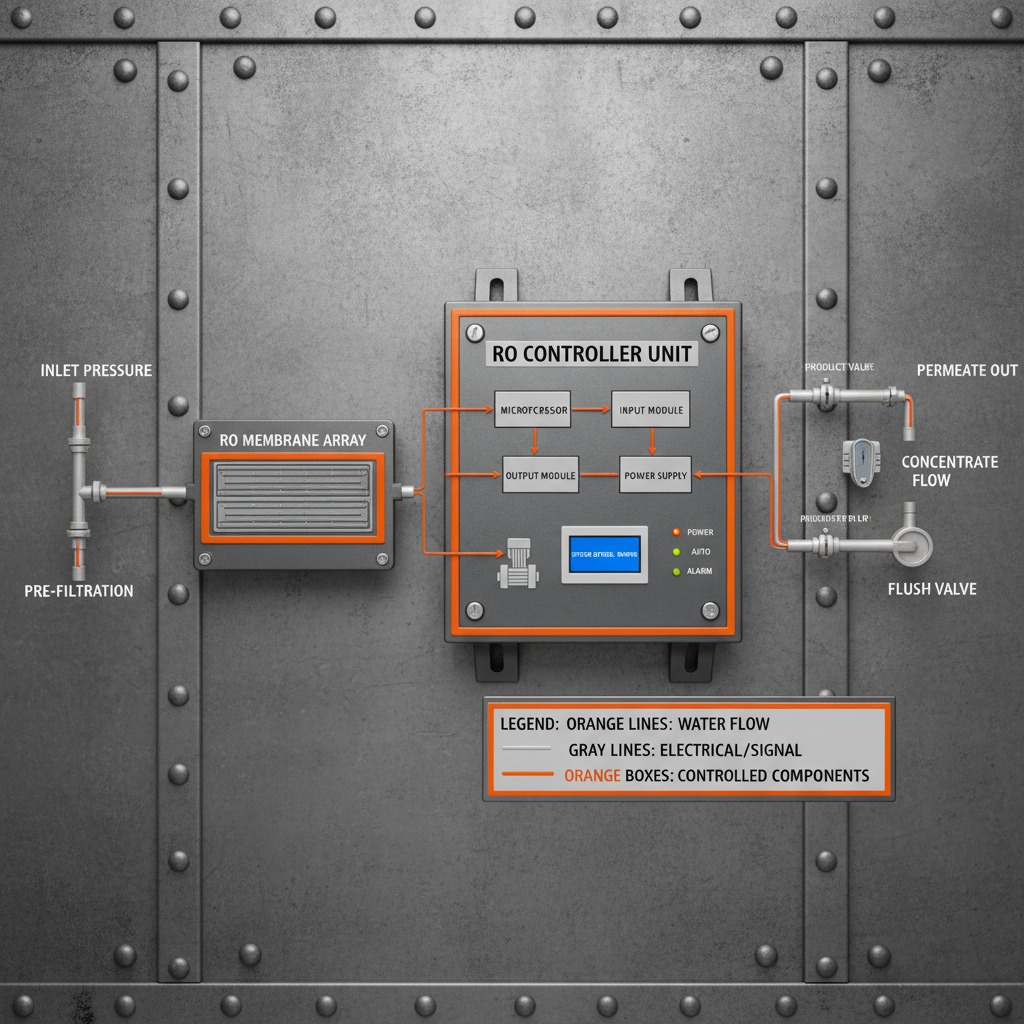
Guide to Choosing the Right RO Controller for Water PurificationMaintaining a high-performance reverse osmosis system requires more than just quality membranes; it demands precise regulation. An ro controller serves as the brain of the entire operation, monitoring critical parameters such as conductivity, temperature, and flow rates to ensure the output water meets stringent purity standards. Without an efficient controller, systems are prone to membrane fouling, inefficient energy use, and inconsistent water quality. In this comprehensive guide, we will explore how these devices optimize water treatment processes and how to select the best model for your specific industrial or commercial needs.
2026-04-09 03:25:47
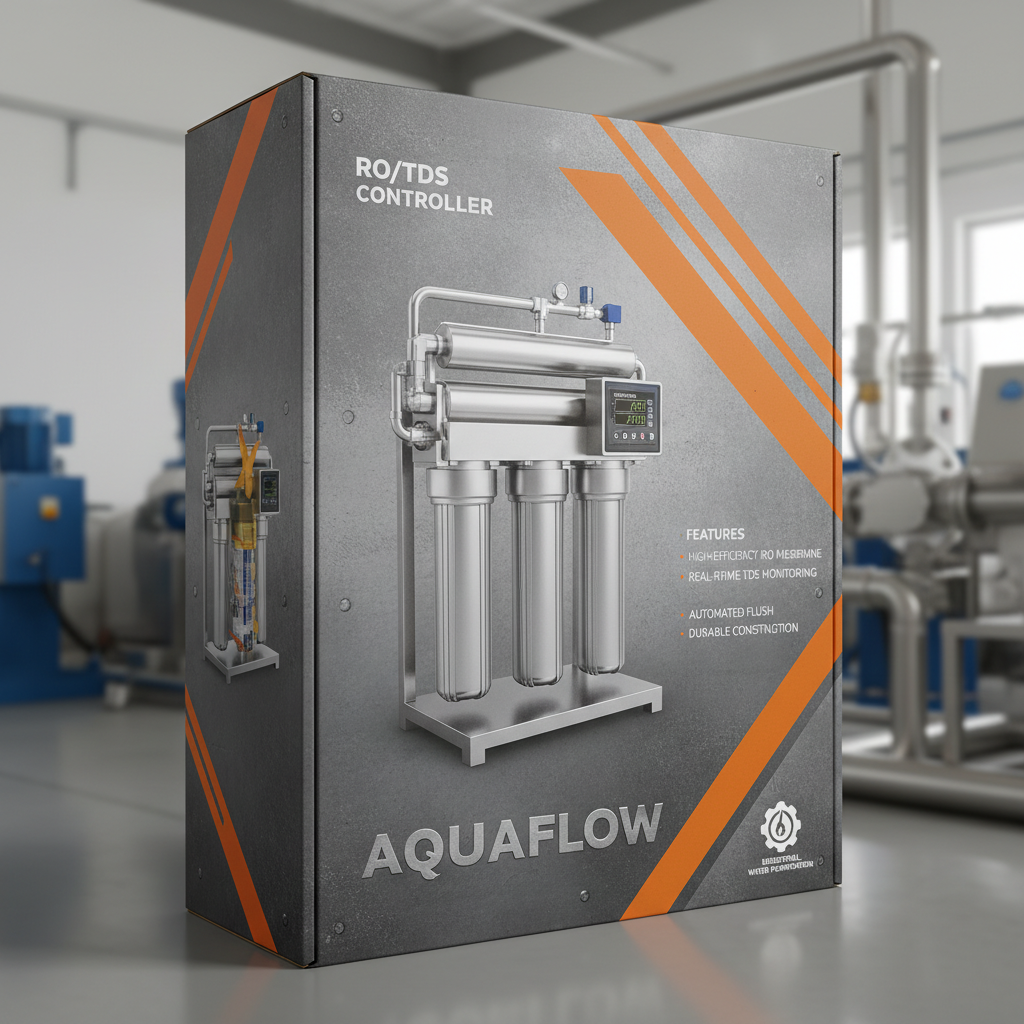
Guide to Water Purity Using RO with TDS Controller SystemsAchieving the perfect balance of mineral content and purity in drinking water is a challenge for many households and industrial facilities. A ro with tds controller offers a sophisticated solution by combining the rigorous filtration of Reverse Osmosis (RO) with the precision of a Total Dissolved Solids (TDS) adjustment system. While standard RO systems remove almost everything, including beneficial minerals, a TDS controller allows users to re-mineralize the water to a desired level. This ensures that the water is not only safe and pure but also tastes better and provides essential nutrients.
2026-04-07 03:17:09
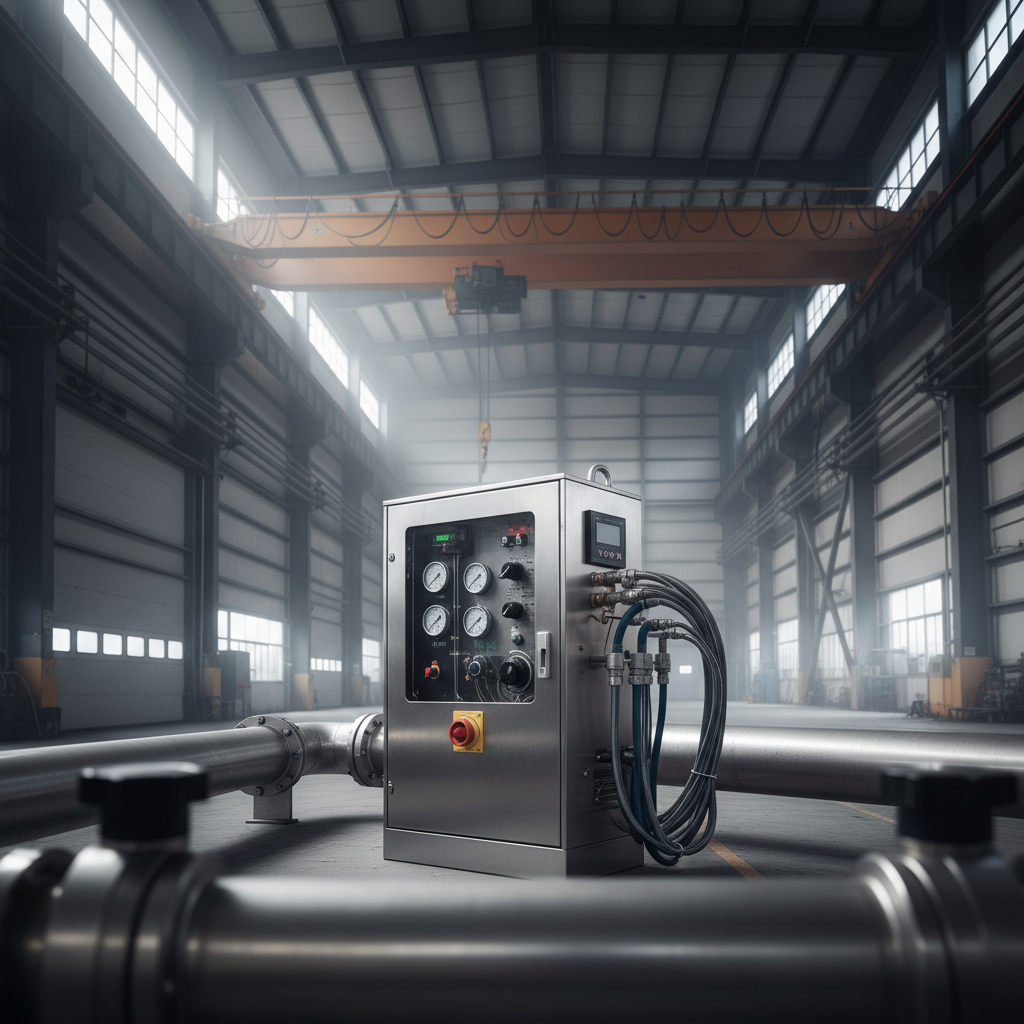
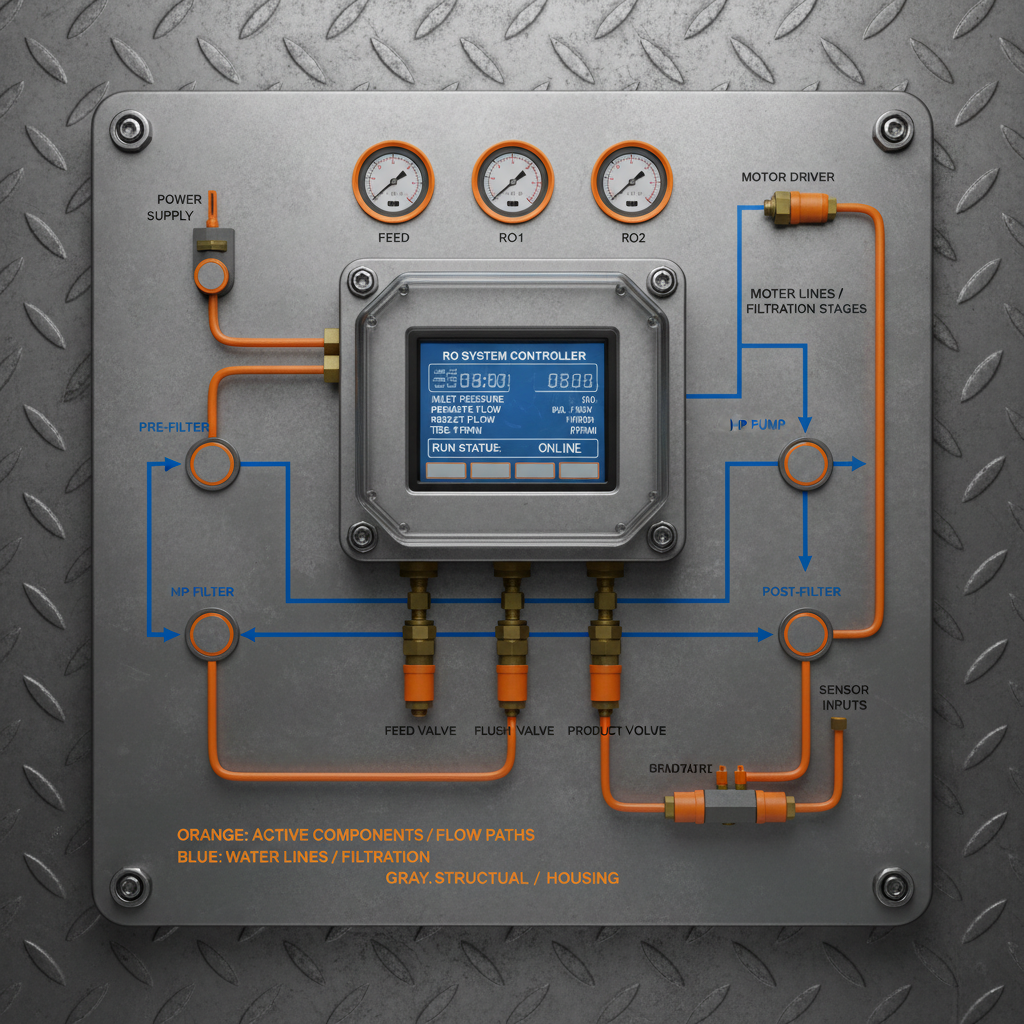
Understanding and Optimizing Reverse Osmosis Systems with a ControllerIn the world of water purification, reverse osmosis (RO) systems are a cornerstone for producing high-quality water for various applications, from drinking water to industrial processes. However, an RO system is only as effective as its control system. This is where the reverse osmosis controller comes into play. This critical component manages and optimizes the RO process, ensuring efficient operation, water quality, and system longevity.
2026-04-04 03:27:19
Understanding the Vital Role of an RO System Controller for Optimal PerformanceReverse Osmosis (RO) systems are critical for purifying water across various industries, from residential applications to large-scale industrial processes. At the heart of a well-functioning RO system lies the RO system controller. This intelligent device monitors and regulates all key parameters of the RO process, ensuring optimal performance, efficiency, and water quality. This article delves into the functionalities, benefits, and selection criteria for choosing the right RO system controller, particularly focusing on those offered by Watequipments. Understanding its role is crucial for maximizing the lifespan and effectiveness of your RO investment.
2026-03-24 17:18:24
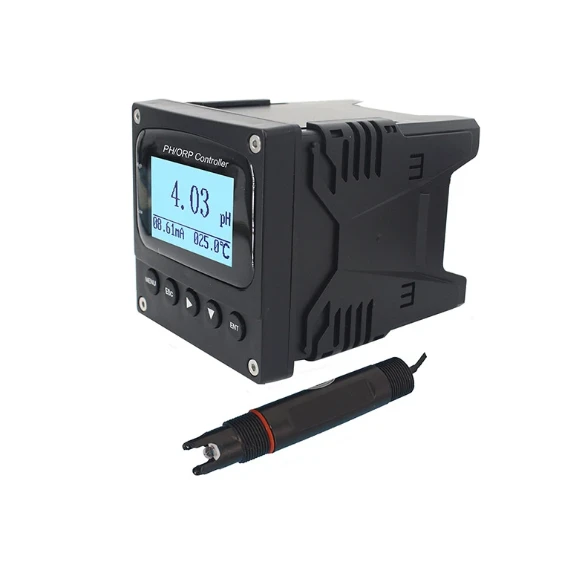
Smart Water Treatment Solutions Using PH ORP Controller SystemsIn modern water treatment and industrial fluid management, maintaining precise chemical balance is essential for safety, efficiency, and regulatory compliance.
2026-03-04 02:55:19
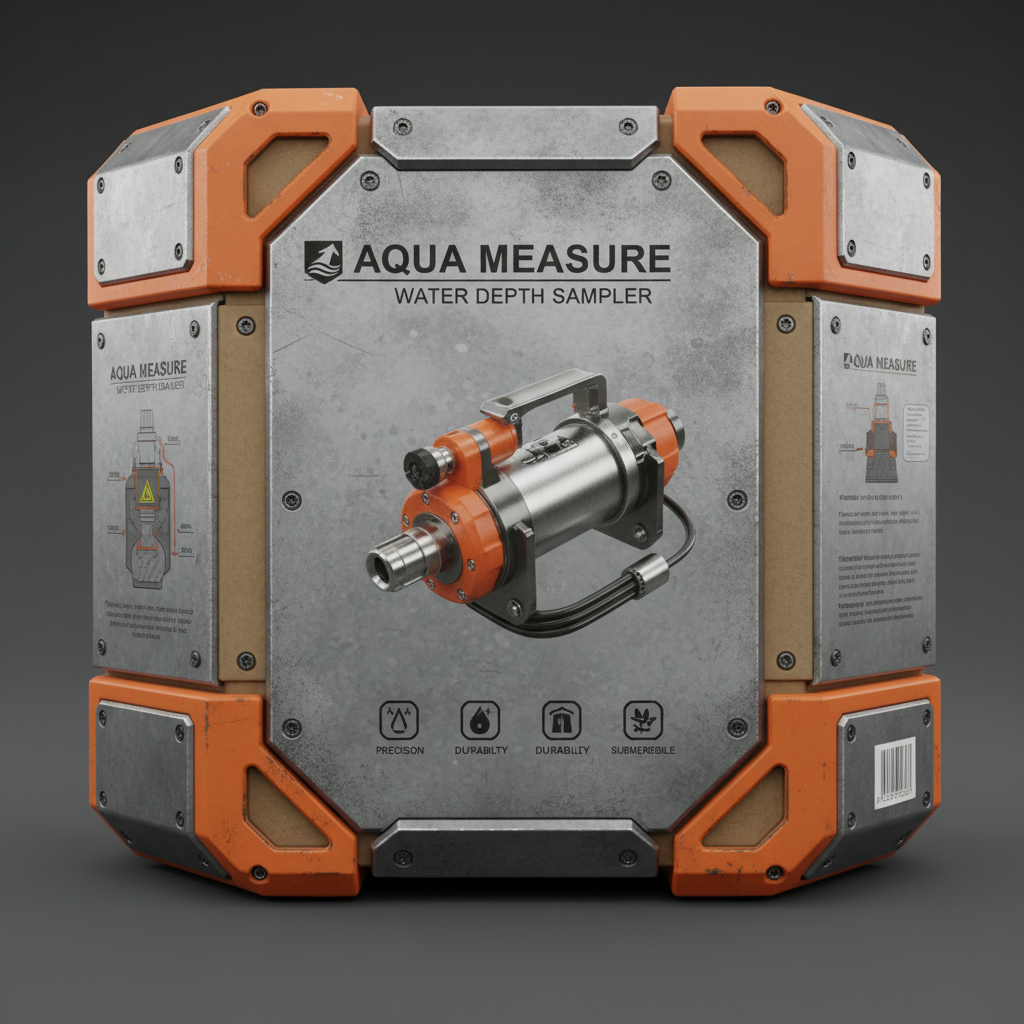
Comprehensive Guide to Water Depth Samplers and Their ApplicationsAccurate water quality monitoring is crucial in various fields, from environmental science and aquaculture to industrial wastewater management. A key tool for this is the water depth sampler. This article provides an in-depth look at water depth samplers, their applications, types, and essential considerations for choosing the right one for your needs. We'll explore the benefits of utilizing this equipment to collect reliable data for analysis and informed decision-making. Selecting the right sampler can significantly improve the precision and efficiency of your water monitoring program. A water depth sampler, also known as a depth-integrated sampler, is a device designed to collect water samples from specific depths within a body of water. Unlike simply dipping a container into the water, a depth sampler allows for collection of a representative sample across a defined depth range. This is critical because water properties (temperature, salinity, pollutants) often vary significantly with depth. The data gathered with a water depth sampler provides a more accurate assessment of water quality than surface samples alone.
2026-03-03 18:55:22
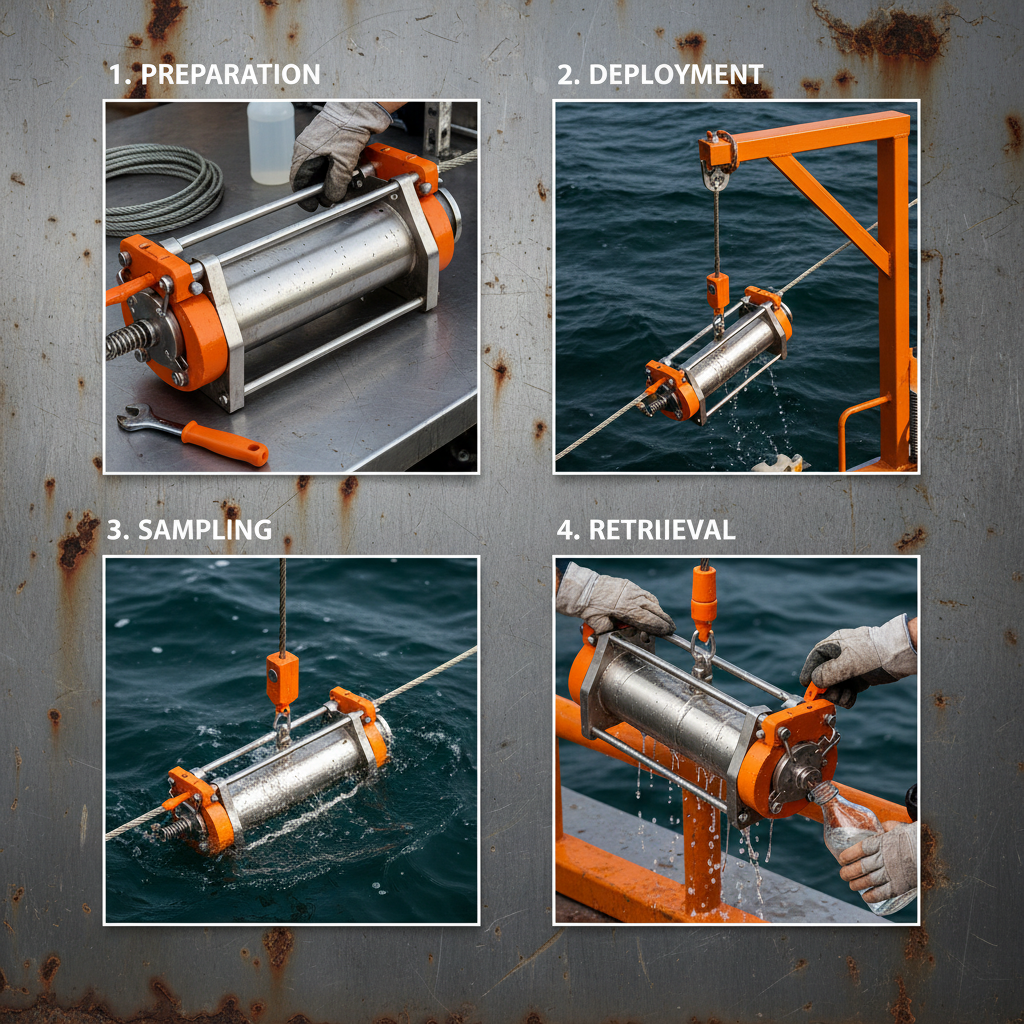
Comprehensive Guide to Horizontal Water Sampler Applications and SelectionCollecting water samples at varying depths is crucial for environmental monitoring, research, and quality control. The horizontal water sampler from Watequipment.com offers a precise and efficient solution for this task. This article provides an in-depth look at horizontal water samplers, their applications, benefits, and key considerations when choosing the right model. We will explore how these samplers contribute to accurate data collection and informed decision-making in various fields. A horizontal water sampler is a device designed to collect water samples from specific depths within a body of water – rivers, lakes, oceans, reservoirs, and even wastewater treatment plants. Unlike vertical samplers which primarily focus on depth, horizontal samplers prioritize collecting samples at a consistent depth while moving along a horizontal plane. This is essential for assessing water quality variations across a waterway or within a specific zone. They are used in applications ranging from environmental monitoring and scientific research to industrial process control and regulatory compliance.
2026-02-28 02:35:09
Comprehensive Guide to Selecting the Right Surface Water Sampler for Your NeedsMonitoring the quality of surface water is critical for environmental protection, public health, and various industrial applications. A surface water sampler is an essential tool for collecting representative samples from rivers, lakes, ponds, and other surface water sources. This article provides a detailed overview of surface water samplers, their types, applications, and key considerations for selecting the right equipment. Accurate water quality data relies on proper sample collection, and choosing the correct sampler is the first step toward achieving reliable results. Surface water samplers come in various designs, each suited to specific sampling needs. Common types include grab samplers, depth-integrating samplers, peristaltic pumps, and automatic samplers. Surface water samplers are used across a broad spectrum of applications, including environmental monitoring, wastewater discharge monitoring, drinking water source monitoring, agricultural runoff analysis, and research studies.

 English