


Precision Rotameters: Accurate Flow Measurement Solutions

Precision Rotameters: Accurate Flow Measurement Solutions
Aug . 18, 2025
Exploring the Core: Rotameter Technology and Industry Advancements
The Rotameter, a classic variable area flow meter, remains an indispensable instrument across a multitude of industrial processes despite the advent of more complex flow measurement technologies. Its robust design, simplicity of operation, and cost-effectiveness make it a preferred choice for measuring the volumetric flow rate of liquids and gases in various demanding environments. In recent years, the industry has witnessed a renewed focus on enhancing the capabilities of the traditional Rotameter through advanced material science, precision manufacturing, and smart integration. Current industry trends highlight a shift towards Rotameter models offering higher accuracy, improved corrosion resistance, enhanced safety features for hazardous applications, and even digital output options for seamless integration into modern control systems. This evolution reflects the growing demand for reliable, accurate, and maintenance-friendly flow measurement solutions in sectors prioritizing efficiency and safety. Key drivers for this trend include the proliferation of highly corrosive chemicals in manufacturing, the increasing need for precise flow control in pharmaceutical and food processing, and the stringent environmental regulations demanding accurate monitoring of effluents and emissions. Moreover, the push for Industry 4.0 and IoT connectivity, while traditionally not a primary feature of the analog Rotameter, is now influencing its design, with some manufacturers exploring ways to equip these devices with basic digital communication capabilities, transforming them from purely mechanical instruments into hybrid solutions that bridge the gap between traditional reliability and modern data demands.
Technical Parameters and Core Specifications of Advanced Rotameters
Understanding the critical technical parameters of a Rotameter is paramount for selecting the right instrument for specific applications, ensuring optimal performance and operational longevity. Modern Rotameters offer a wide range of specifications tailored to diverse industrial needs. Key parameters typically include flow range, accuracy, operating pressure and temperature limits, and the materials of construction for both the wetted parts and the housing. Flow ranges can vary significantly, from a few milliliters per minute for laboratory applications to hundreds of cubic meters per hour for large-scale industrial processes, often characterized by a turndown ratio (the ratio of maximum to minimum measurable flow) up to 10:1. Accuracy is typically expressed as a percentage of full scale, with standard Rotameters offering ±2% to ±5% accuracy, while precision models can achieve ±1% or better. Operating pressure capabilities can extend to 100 bar (1450 psi) or higher, with temperature ranges from -40°C to 200°C (-40°F to 392°F), depending on the specific model and materials. Common wetted materials include SS316L stainless steel for corrosive liquids, PTFE (Polytetrafluoroethylene) for highly aggressive chemicals, and borosilicate glass for visibility and chemical inertness in less demanding applications. These materials are selected based on their chemical compatibility, mechanical strength, and thermal stability. For instance, high-purity applications in pharmaceuticals might necessitate SS316L with specific surface finishes, while chemical processing demands robust PTFE or PVDF internal components to resist strong acids and bases. The choice of float material, often SS316, Hastelloy, or PTFE, is equally critical, impacting linearity and response time. The following table provides a general overview of typical parameters found in high-performance industrial Rotameters, reflecting industry benchmarks and advanced capabilities that meet rigorous application requirements.
| Parameter | Typical Range/Value | Description |
|---|---|---|
| Flow Rate Range | 0.1 LPM - 1000 LPM (Liquid) 0.5 Nm³/h - 5000 Nm³/h (Gas) |
Volumetric flow rate measurement across a wide spectrum of applications. |
| Accuracy | ±1.5% to ±2.5% of Full Scale (FS) | Precision in flow reading, crucial for process control and material balancing. |
| Operating Pressure | Up to 1.6 MPa (232 psi) standard; High-pressure models up to 4.0 MPa (580 psi) |
Maximum pressure the device can withstand during operation. |
| Operating Temperature | -20°C to 120°C (Glass tube) -80°C to 200°C (Metal tube) |
Temperature range for stable and safe operation. |
| Wetted Materials | SS316/316L, PTFE, Hastelloy C-276, Borosilicate Glass | Materials in contact with the process fluid, critical for chemical compatibility and durability. |
| Process Connections | Flange (ANSI, DIN, JIS), Thread (NPT, BSP), Sanitary (Tri-clamp) | Standardized connections for integration into piping systems. |
| Scale Length | 100 mm - 500 mm | Directly impacts readability and precision of visual flow indication. |
The Rigorous Manufacturing Process and Quality Assurance of Rotameters
The manufacturing of a high-quality Rotameter involves a meticulous process that begins with the careful selection of raw materials and extends through precision machining, assembly, calibration, and rigorous quality inspection. Materials such as robust SS316L stainless steel, chemically inert PTFE, and durable borosilicate glass are sourced from certified suppliers to ensure their integrity and performance in demanding environments. The primary components, including the tapered tube (glass or metal) and the float, undergo advanced manufacturing processes like precision CNC machining for metal tubes and floats, ensuring exact dimensions and surface finishes. For glass tubes, specialized glass blowing techniques are employed to achieve the precise taper required for accurate flow measurement. Housing components are often produced via casting or forging for superior strength and then finished with CNC machining to achieve the necessary dimensional accuracy for internal components and external connections. Throughout the production cycle, stringent quality control measures are implemented. This includes dimensional inspections using CMM (Coordinate Measuring Machine) and optical comparators, material analysis (e.g., Spectrographic analysis for SS316L), and non-destructive testing (NDT) such as hydrostatic pressure testing and helium leak detection for critical assemblies. All manufacturing processes adhere to international standards such as ISO 9001 for quality management systems and potentially specific material standards like ASTM or DIN. Post-assembly, each Rotameter undergoes individual calibration using certified flow stands, traceable to national and international standards (e.g., NIST, UKAS, or equivalent), ensuring that the displayed flow rate accurately reflects the actual flow. This comprehensive approach to manufacturing, coupled with adherence to standards like ANSI B16.5 for flange dimensions and NPT for thread specifications, contributes to a long operational lifespan, typically exceeding 10-15 years under normal operating conditions. These advanced Rotameters offer significant advantages in critical industrial sectors such as petrochemicals, where their robust construction ensures reliability in harsh chemical environments, and in water/wastewater treatment, where their anti-corrosion properties minimize maintenance and enhance energy efficiency by reducing pressure drops and ensuring consistent flow for optimal treatment processes.
Versatile Application Scenarios and Key Technical Advantages of Rotameters
The adaptability and inherent simplicity of the Rotameter make it a workhorse across an impressively broad spectrum of industrial application scenarios, from basic laboratory setups to complex chemical processing plants. In the petrochemical industry, Rotameters are extensively used for monitoring reagent flows, additive injection, and flare gas measurement, where their mechanical robustness and ability to handle varying fluid properties are highly valued. Within water and wastewater treatment facilities, they are indispensable for dosing chemicals like chlorine, fluoride, and coagulants, ensuring precise control over water quality parameters. Their corrosion-resistant variants, often featuring PTFE-lined bodies and Hastelloy floats, are crucial in chemical processing for managing corrosive acids, alkalis, and solvents, where electronic meters might fail. The pharmaceutical and food & beverage industries leverage Rotameters for sterile applications, particularly with sanitary process connections and easily cleanable designs, for monitoring pure water, clean-in-place (CIP) solutions, and process gases. Beyond these, they find utility in power generation for cooling water and boiler feed water monitoring, in metallurgy for gas flow control in furnaces, and even in research and development for precise gas mixing and delivery. A primary technical advantage of the Rotameter is its direct visual indication of flow, requiring no external power supply, making it inherently safe for hazardous areas and reliable during power outages. Its relatively low pressure drop ensures minimal energy consumption compared to some other flow technologies, contributing to operational efficiency. Furthermore, the Rotameter excels in handling low flow rates with high accuracy and is highly effective with opaque fluids when equipped with magnetic or remote indication systems. Our clients frequently report enhanced operational reliability and reduced maintenance costs after integrating our robust Rotameter solutions, often highlighting their ease of installation and calibration as significant benefits in their complex systems. These real-world applications underscore the Rotameter's enduring relevance as a dependable and economically viable flow measurement solution.
Customized Rotameter Solutions and Strategic Manufacturer Selection
In today's complex industrial landscape, off-the-shelf solutions often fall short of meeting the highly specific demands of critical processes. This is particularly true for flow measurement, where precise material compatibility, unique flow ranges, or specialized mounting configurations are frequently required. Leading Rotameter manufacturers understand this need and offer extensive customization options, allowing businesses to tailor instruments to their exact operational specifications. Customizations can include bespoke flow scales for specific process fluids, alternative wetted materials beyond the standard SS316L or PTFE to handle highly corrosive or erosive media, specialized process connections (e.g., custom flange drilling, specific sanitary fittings, or unique threaded adapters), and integration with remote transmitters for digital output. For instance, a client in the chemical industry required a Rotameter with a very narrow flow range for a specific additive, combined with Hastelloy C-276 wetted parts due to the highly corrosive nature of the fluid, and a specific flange type not typically standard. A reputable manufacturer can deliver such a customized solution, often after detailed engineering consultation and simulation. When selecting a Rotameter manufacturer, it is crucial for B2B decision-makers to look beyond just the product specifications and consider the manufacturer's engineering capabilities, their commitment to quality assurance, their service and support infrastructure, and their proven track record. Key criteria for evaluation include the depth of their technical support team, their ability to provide comprehensive calibration certificates traceable to international standards, the availability of spare parts, and their response time for service inquiries. Manufacturers with ISO 9001 certification, decades of industry experience, and a global network of service partners typically offer greater assurance of product reliability and long-term support. A reliable supplier also demonstrates transparency in their manufacturing processes, offers comprehensive product documentation, and provides strong post-sales support, including training and troubleshooting. Evaluating these factors rigorously ensures that the chosen Rotameter not only meets immediate technical requirements but also contributes to the long-term efficiency and reliability of industrial operations.
Ensuring Trust: FAQs, Delivery Logistics, and Comprehensive Warranty for Your Rotameter Investment
For B2B buyers and technical personnel, securing reliable Rotameters involves not just understanding their technical merits but also having confidence in the procurement process, after-sales support, and long-term product viability. To foster this trust, leading manufacturers provide transparent policies and proactive customer engagement. Frequently Asked Questions (FAQs) often address common concerns such as: "How do I size a Rotameter for my application?", "What maintenance is required for a Rotameter?", "Can a Rotameter be used for corrosive fluids?", and "How does temperature and pressure affect Rotameter accuracy?". Comprehensive answers, typically available online or through dedicated support channels, guide users through selection, installation best practices (e.g., ensuring vertical mounting, straight pipe runs), and calibration procedures. Delivery logistics are meticulously managed to ensure timely and secure arrival of instruments. Standard lead times for common Rotameter configurations typically range from 2-4 weeks, while highly customized units may require 6-8 weeks, depending on complexity and material sourcing. Expedited delivery options are often available for urgent requirements. Each shipment is carefully packed to prevent transit damage, and full documentation, including calibration certificates and material certifications, is provided. Furthermore, a robust warranty commitment stands as a testament to product quality and manufacturer confidence. Most industrial Rotameters come with a standard 12-to-24-month warranty from the date of purchase or installation, covering defects in materials and workmanship under normal use. This warranty typically includes repair or replacement of faulty units. Beyond the warranty period, comprehensive customer support remains accessible, offering technical assistance, troubleshooting, and availability of genuine spare parts to maximize the lifespan of the instrument. This holistic approach, from pre-sales consultation to post-warranty support, solidifies the trustworthiness of the Rotameter investment, ensuring operational continuity and peace of mind for industrial users globally.
The Enduring Relevance of Rotameter Technology in Modern Industry
In conclusion, the Rotameter, far from being a relic of the past, continues to be a cornerstone of flow measurement technology, especially in B2B industrial applications where reliability, cost-effectiveness, and ease of use are paramount. Its fundamental principle, while simple, has been continuously refined through advancements in material science, precision engineering, and quality assurance protocols, making modern Rotameters highly capable instruments for demanding environments. From petrochemical facilities handling corrosive chemicals to sterile pharmaceutical production lines and vital water treatment plants, the Rotameter offers precise, visible, and dependable flow indication. The emphasis on robust manufacturing processes, adherence to international standards like ISO and ANSI, and the availability of extensive customization options ensure that these instruments can be precisely tailored to meet specific operational challenges. The commitment to comprehensive customer support, including detailed FAQs, efficient delivery logistics, and strong warranty assurances, further cements the Rotameter's position as a trustworthy and valuable asset in any industrial setting. As industries evolve towards greater efficiency and sustainability, the Rotameter's low energy consumption, minimal maintenance requirements, and enduring accuracy will continue to secure its relevance as an essential tool for process control and optimization globally. Its blend of classic simplicity with modern engineering refinements makes it a smart investment for businesses seeking reliable and long-lasting flow measurement solutions.
Authoritative References:
- Instrument Society of America (ISA). "Measurement and Control Basics: Flow Measurement."
- American Society of Mechanical Engineers (ASME). "Fluid Flow Measurement: A Review of Fundamentals."
- National Institute of Standards and Technology (NIST). "Flow Measurement Standards and Traceability."
- International Organization for Standardization (ISO). "Quality Management Systems – Requirements (ISO 9001)."
- Principles of Industrial Measurement for Chemical Engineers, published by a leading engineering university press.

Related Products
Related News

2026-04-16 03:20:19
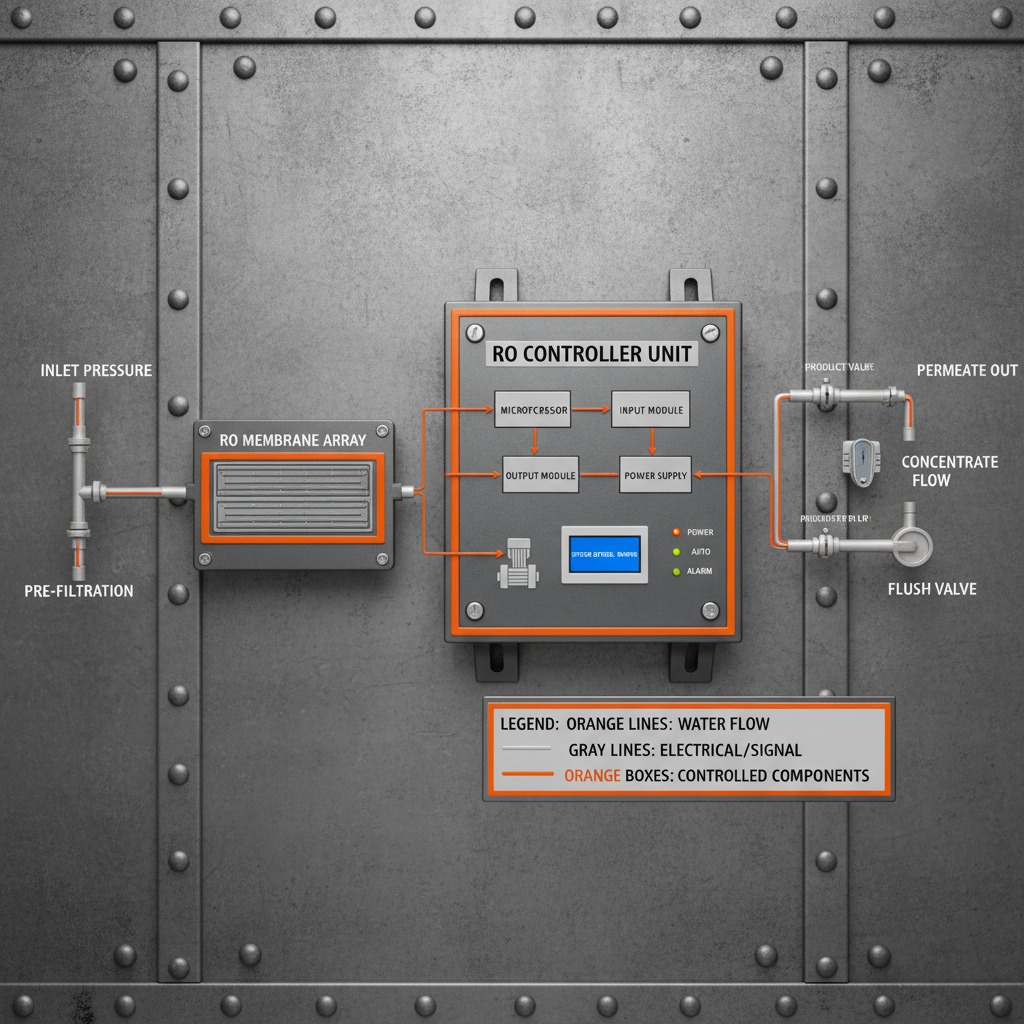
Guide to Choosing the Right RO Controller for Water PurificationMaintaining a high-performance reverse osmosis system requires more than just quality membranes; it demands precise regulation. An ro controller serves as the brain of the entire operation, monitoring critical parameters such as conductivity, temperature, and flow rates to ensure the output water meets stringent purity standards. Without an efficient controller, systems are prone to membrane fouling, inefficient energy use, and inconsistent water quality. In this comprehensive guide, we will explore how these devices optimize water treatment processes and how to select the best model for your specific industrial or commercial needs.
2026-04-09 03:25:47
Guide to Water Purity Using RO with TDS Controller SystemsAchieving the perfect balance of mineral content and purity in drinking water is a challenge for many households and industrial facilities. A ro with tds controller offers a sophisticated solution by combining the rigorous filtration of Reverse Osmosis (RO) with the precision of a Total Dissolved Solids (TDS) adjustment system. While standard RO systems remove almost everything, including beneficial minerals, a TDS controller allows users to re-mineralize the water to a desired level. This ensures that the water is not only safe and pure but also tastes better and provides essential nutrients.
2026-04-07 03:17:09
Understanding and Optimizing Reverse Osmosis Systems with a ControllerIn the world of water purification, reverse osmosis (RO) systems are a cornerstone for producing high-quality water for various applications, from drinking water to industrial processes. However, an RO system is only as effective as its control system. This is where the reverse osmosis controller comes into play. This critical component manages and optimizes the RO process, ensuring efficient operation, water quality, and system longevity.
2026-04-04 03:27:19
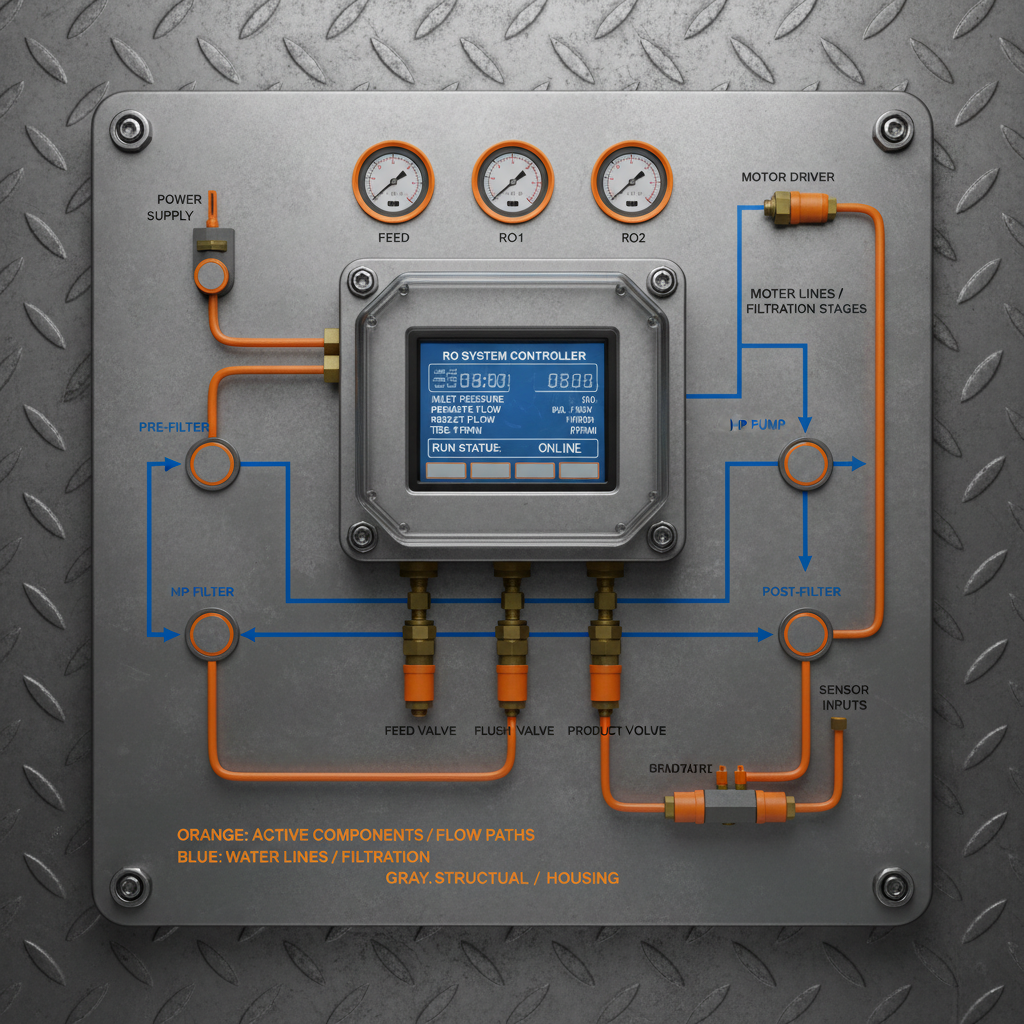
Understanding the Vital Role of an RO System Controller for Optimal PerformanceReverse Osmosis (RO) systems are critical for purifying water across various industries, from residential applications to large-scale industrial processes. At the heart of a well-functioning RO system lies the RO system controller. This intelligent device monitors and regulates all key parameters of the RO process, ensuring optimal performance, efficiency, and water quality. This article delves into the functionalities, benefits, and selection criteria for choosing the right RO system controller, particularly focusing on those offered by Watequipments. Understanding its role is crucial for maximizing the lifespan and effectiveness of your RO investment.
2026-03-24 17:18:24
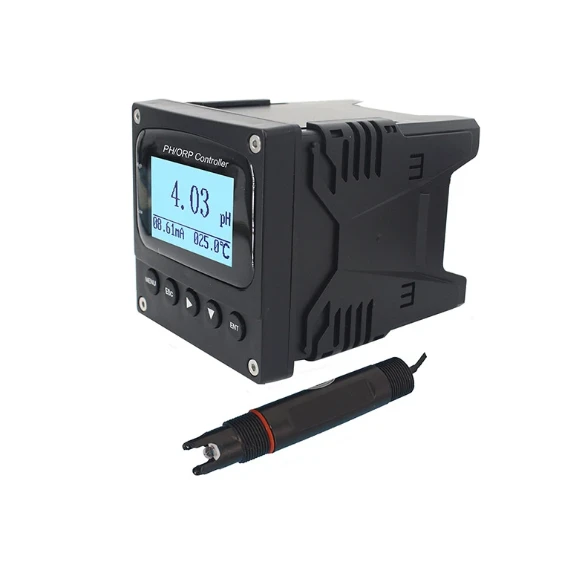
Smart Water Treatment Solutions Using PH ORP Controller SystemsIn modern water treatment and industrial fluid management, maintaining precise chemical balance is essential for safety, efficiency, and regulatory compliance.
2026-03-04 02:55:19
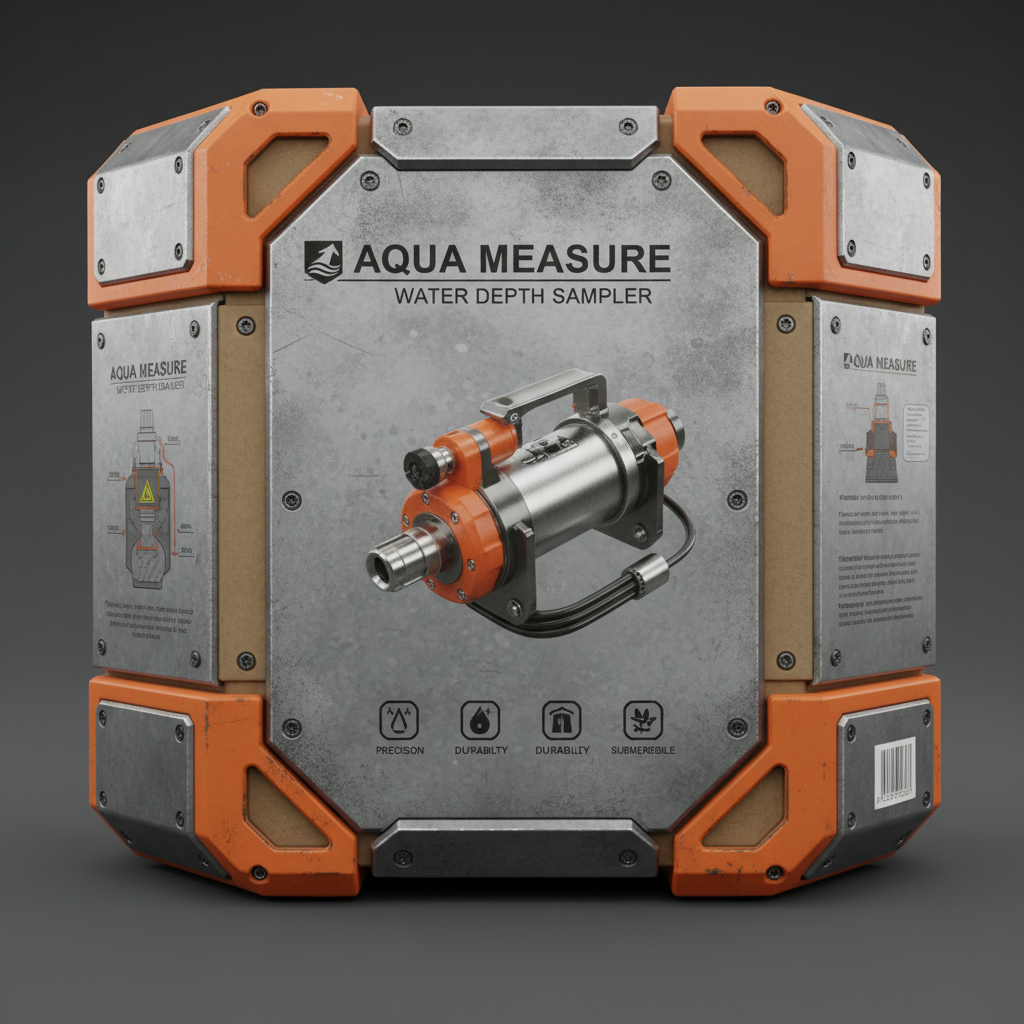
Comprehensive Guide to Water Depth Samplers and Their ApplicationsAccurate water quality monitoring is crucial in various fields, from environmental science and aquaculture to industrial wastewater management. A key tool for this is the water depth sampler. This article provides an in-depth look at water depth samplers, their applications, types, and essential considerations for choosing the right one for your needs. We'll explore the benefits of utilizing this equipment to collect reliable data for analysis and informed decision-making. Selecting the right sampler can significantly improve the precision and efficiency of your water monitoring program. A water depth sampler, also known as a depth-integrated sampler, is a device designed to collect water samples from specific depths within a body of water. Unlike simply dipping a container into the water, a depth sampler allows for collection of a representative sample across a defined depth range. This is critical because water properties (temperature, salinity, pollutants) often vary significantly with depth. The data gathered with a water depth sampler provides a more accurate assessment of water quality than surface samples alone.
2026-03-03 18:55:22
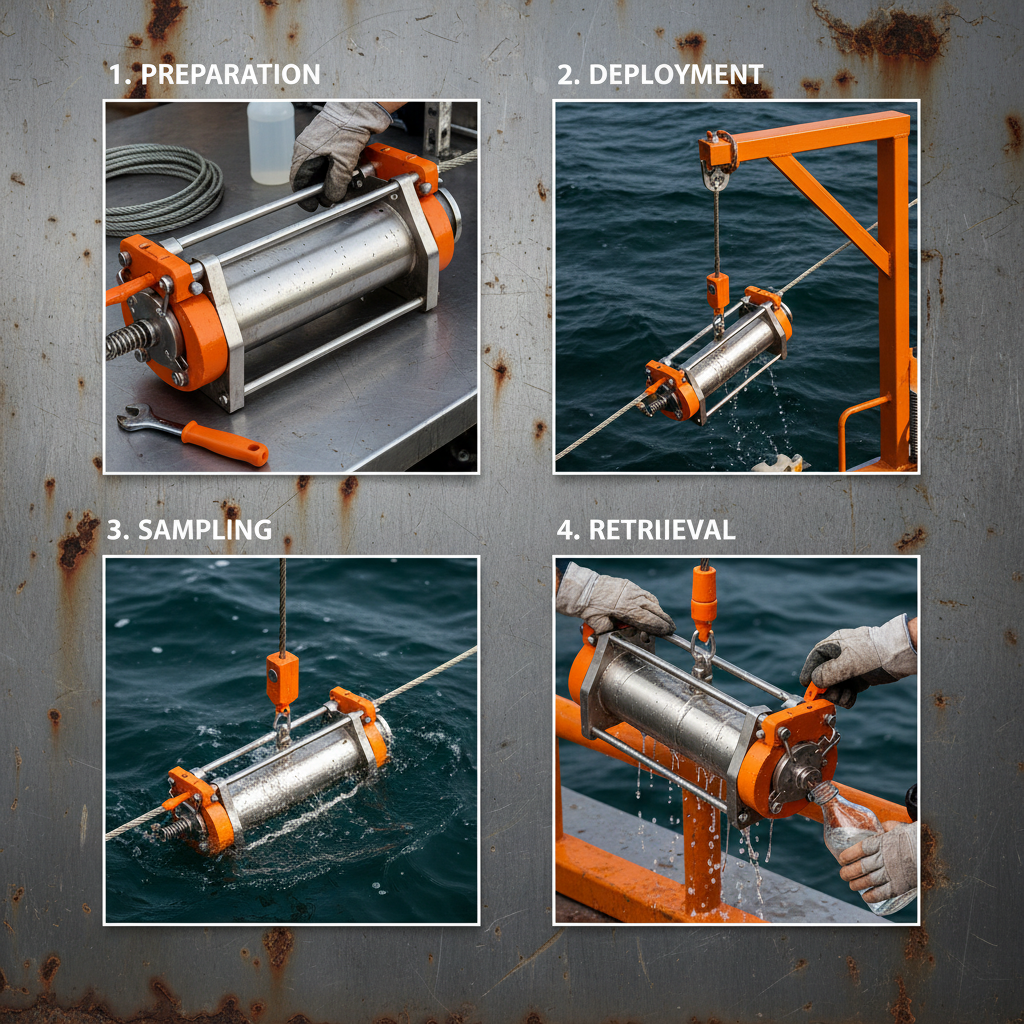
Comprehensive Guide to Horizontal Water Sampler Applications and SelectionCollecting water samples at varying depths is crucial for environmental monitoring, research, and quality control. The horizontal water sampler from Watequipment.com offers a precise and efficient solution for this task. This article provides an in-depth look at horizontal water samplers, their applications, benefits, and key considerations when choosing the right model. We will explore how these samplers contribute to accurate data collection and informed decision-making in various fields. A horizontal water sampler is a device designed to collect water samples from specific depths within a body of water – rivers, lakes, oceans, reservoirs, and even wastewater treatment plants. Unlike vertical samplers which primarily focus on depth, horizontal samplers prioritize collecting samples at a consistent depth while moving along a horizontal plane. This is essential for assessing water quality variations across a waterway or within a specific zone. They are used in applications ranging from environmental monitoring and scientific research to industrial process control and regulatory compliance.
2026-02-28 02:35:09
Comprehensive Guide to Selecting the Right Surface Water Sampler for Your NeedsMonitoring the quality of surface water is critical for environmental protection, public health, and various industrial applications. A surface water sampler is an essential tool for collecting representative samples from rivers, lakes, ponds, and other surface water sources. This article provides a detailed overview of surface water samplers, their types, applications, and key considerations for selecting the right equipment. Accurate water quality data relies on proper sample collection, and choosing the correct sampler is the first step toward achieving reliable results. Surface water samplers come in various designs, each suited to specific sampling needs. Common types include grab samplers, depth-integrating samplers, peristaltic pumps, and automatic samplers. Surface water samplers are used across a broad spectrum of applications, including environmental monitoring, wastewater discharge monitoring, drinking water source monitoring, agricultural runoff analysis, and research studies.

 English