


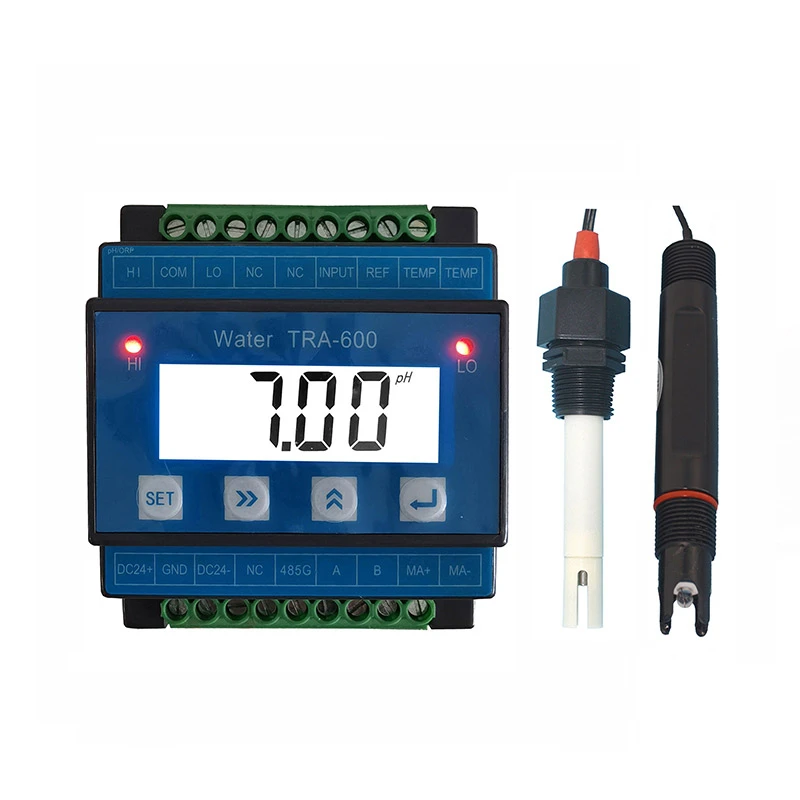
PH-TRA-600: High-Performance Industrial Transmitter

PH-TRA-600: High-Performance Industrial Transmitter
Aug . 17, 2025
Precision pH Monitoring in Industrial Processes: The Role of Advanced Transmitters
In today's highly industrialized landscape, the precise monitoring and control of pH levels are not merely a regulatory requirement but a critical determinant of process efficiency, product quality, and environmental compliance. Industries ranging from petrochemical and metallurgical to water/wastewater treatment, pharmaceuticals, and food & beverage, rely heavily on accurate pH data to optimize chemical reactions, prevent corrosion, ensure safety, and minimize waste. The demand for robust, reliable, and intelligent pH measurement solutions has never been higher, driven by global trends towards digitalization, real-time data analytics, and the integration of Industrial Internet of Things (IIoT) technologies. Traditional pH measurement methods often fall short in complex industrial environments, succumbing to issues like electrode fouling, temperature fluctuations, electromagnetic interference, and the need for frequent calibration. These challenges necessitate a new generation of pH transmitters that offer enhanced stability, superior accuracy, advanced diagnostics, and seamless integration capabilities. It is within this demanding context that the PH-TRA-600 online pH transmitter emerges as a leading solution, specifically engineered to address the intricate requirements of continuous industrial pH monitoring. This device is designed not just to measure pH, but to serve as a cornerstone of process control, providing the precise, dependable data essential for operational excellence and sustainable practices across a multitude of applications. Its development reflects a deep understanding of industry pain points and a commitment to delivering a truly impactful technological advancement. The integration of cutting-edge sensor technology with advanced signal processing ensures unparalleled performance even in the most challenging industrial matrices.
Unpacking the Core: Technical Specifications and Advanced Parameters of the PH-TRA-600
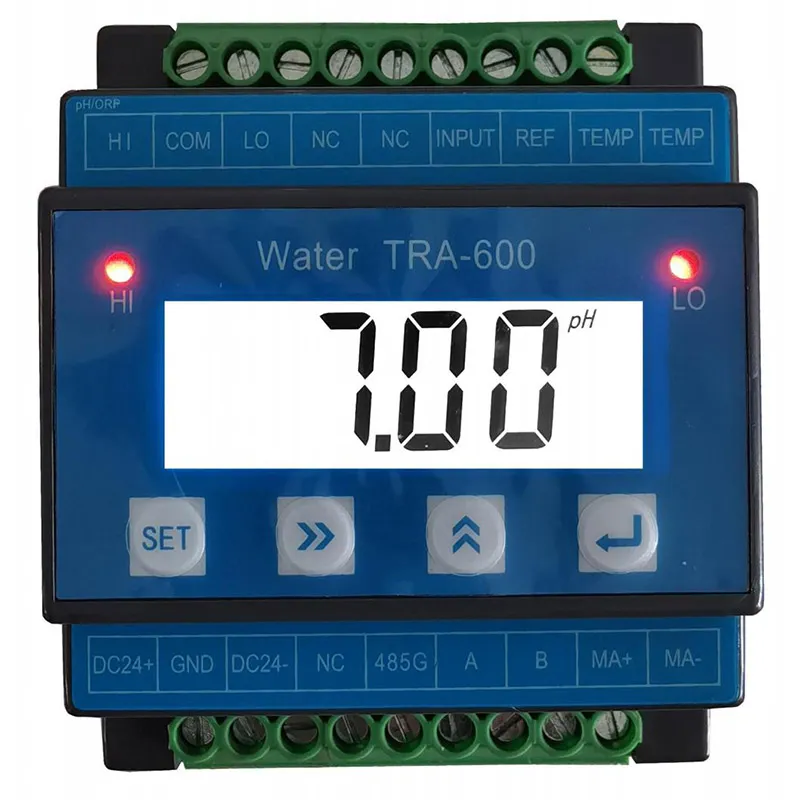
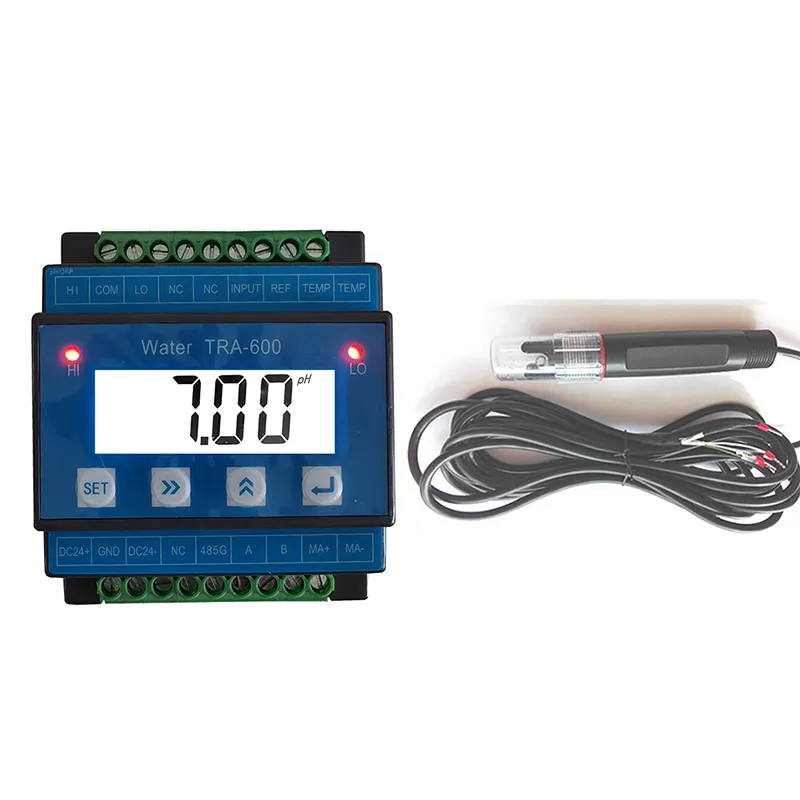
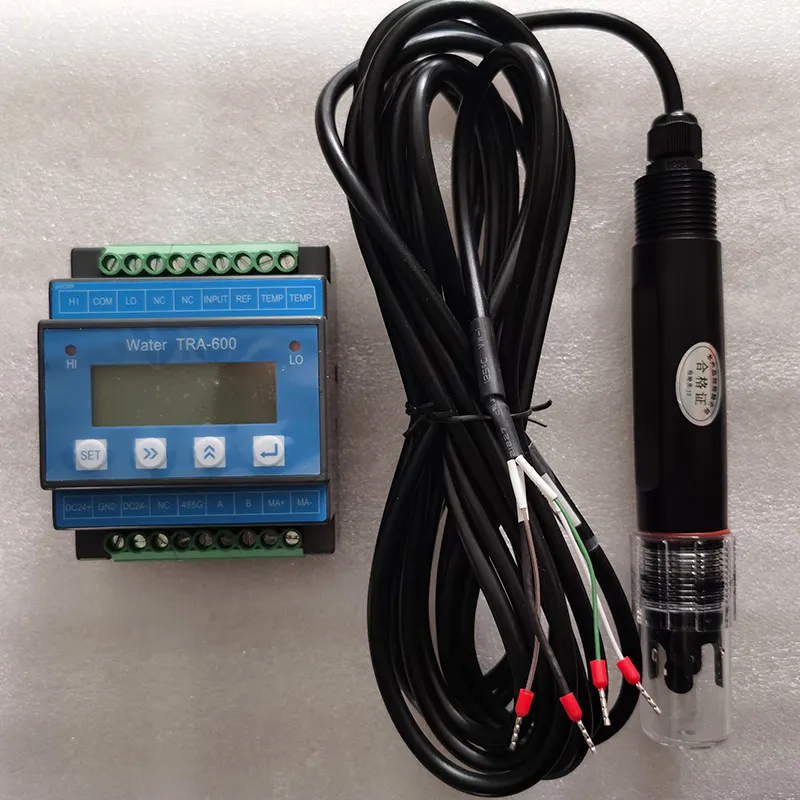
The robust performance and reliability of the PH-TRA-600 are underpinned by its meticulously engineered technical specifications, which are tailored to meet the rigorous demands of industrial environments. This online pH transmitter boasts a comprehensive measurement range of 0.00-14.00 pH, with an exceptional resolution of 0.01 pH and a high accuracy of ±0.02 pH, ensuring precise readings for critical process control. Its repeatability of ±0.01 pH guarantees consistent and trustworthy data over extended periods, minimizing fluctuations and enhancing process stability. A key feature is its versatile temperature compensation, offering both automatic (via PT1000 or NTC10K sensors) and manual modes, which is crucial for maintaining accuracy across varying process temperatures. The PH-TRA-600 supports industry-standard output signals, including isolated 4-20mA with a maximum load of 750Ω, and RS485 communication utilizing the Modbus RTU protocol. These widely adopted protocols facilitate seamless integration into existing Distributed Control Systems (DCS), Programmable Logic Controllers (PLC), and Supervisory Control and Data Acquisition (SCADA) systems, providing operators with real-time insights and control. Furthermore, the device is equipped with two or three SPDT (Single-Pole Double-Throw) relay outputs, which can be configured for high/low pH alarms or cleaning control, enabling automated responses to process deviations. Powering the unit is flexible, accommodating both 90-260VAC at 50/60Hz and 24VDC options, making it suitable for diverse industrial power infrastructures. The large, backlit LCD display provides clear, intuitive readings, even in low-light conditions, while its IP65 or IP67 (NEMA 4X) enclosure rating ensures protection against dust and water ingress, certifying its suitability for harsh industrial settings. The operating temperature range of -10°C to 60°C and storage temperature range of -20°C to 70°C underscore its resilience in extreme conditions. With compact dimensions of approximately 145 x 125 x 100 mm and a weight of around 0.8 kg, the PH-TRA-600 offers flexible mounting options including wall, panel, and pipe mounting. Its standard BNC connector ensures compatibility with a wide array of pH/ORP electrodes, offering flexibility and reducing proprietary hardware dependencies.
| Parameter | Specification | Description/Benefit |
|---|---|---|
| Measurement Range | 0.00 - 14.00 pH | Covers full acidity/alkalinity spectrum for diverse applications. |
| Resolution | 0.01 pH | High precision for subtle process changes. |
| Accuracy | ±0.02 pH | Reliable data for critical control. |
| Temperature Compensation | Automatic (PT1000/NTC10K) or Manual | Ensures accuracy across varying temperatures. |
| Output Signal | Isolated 4-20mA, RS485 (Modbus RTU) | Seamless integration with industrial control systems. |
| Relay Outputs | 2 or 3 SPDT relays | Configurable for pH high/low alarm, cleaning control. |
| Enclosure Rating | IP65 / IP67 (NEMA 4X) | Superior protection against dust and water in harsh environments. |
| Operating Temperature | -10°C to 60°C | Reliable operation across a broad temperature range. |
| Power Supply | 90-260VAC, 50/60Hz or 24VDC | Flexible power options for global industrial setups. |
| Sensor Compatibility | Standard BNC Connector | Broad compatibility with various pH/ORP electrodes. |
The Genesis of Reliability: Manufacturing Process and Quality Assurance of the PH-TRA-600
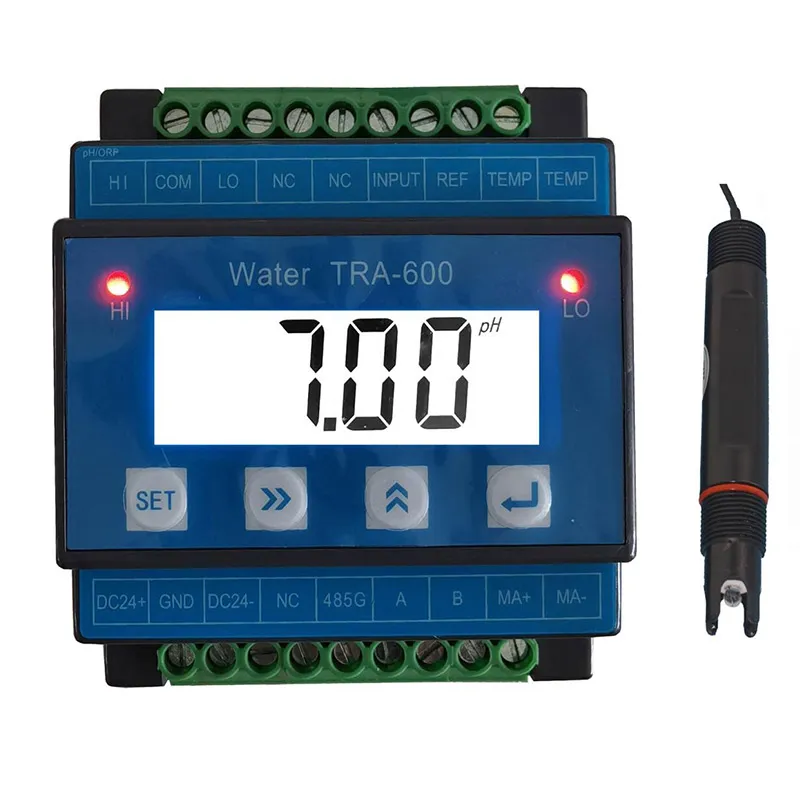
The exceptional durability and precision of the PH-TRA-600 are not accidental; they are the direct result of a meticulously planned and executed manufacturing process coupled with stringent quality control protocols. The fabrication begins with the careful selection of premium-grade materials. For the transmitter's robust enclosure, industrial-grade ABS (Acrylonitrile Butadiene Styrene) is chosen for its superior chemical resistance, impact strength, and excellent dimensional stability, ensuring the unit withstands harsh industrial environments. Key internal components, including circuit boards and connectors, are selected based on their high-performance ratings and long-term reliability in demanding conditions. Manufacturing processes involve advanced techniques such as precision injection molding for the enclosure components, ensuring tight tolerances and a perfect seal for the IP65/IP67 rating. Critical metallic parts, where applicable, may undergo CNC (Computer Numerical Control) machining for unparalleled accuracy, particularly for sensor interfaces or mounting brackets, ensuring seamless integration and long-term stability. The assembly process is highly automated where possible, leveraging robotic systems for precision component placement and soldering, which significantly reduces the potential for human error and ensures consistency. Each PH-TRA-600 unit undergoes a rigorous multi-stage testing and calibration process. This includes burn-in testing to identify latent defects, environmental chamber testing to verify performance across specified temperature and humidity ranges, and comprehensive functional testing against predefined parameters. Crucially, every transmitter is individually calibrated using certified pH buffer solutions, traceable to national and international standards, guaranteeing its accuracy before leaving the factory. Adherence to international quality management systems, such as ISO 9001, is fundamental to the manufacturing philosophy, ensuring that every step, from raw material inspection to final product packaging, meets the highest benchmarks of quality. Furthermore, components and finished products are inspected against relevant ANSI standards for electrical and mechanical integrity. This holistic approach to manufacturing, emphasizing robust materials, precision engineering, and exhaustive quality assurance, is why the PH-TRA-600 is designed for an extended service life, minimizing total cost of ownership for industrial clients.
Beyond Measurement: Application Scenarios and Strategic Advantages of the PH-TRA-600
The versatility and robust design of the PH-TRA-600 make it an indispensable tool across a broad spectrum of industrial applications where precise pH control is paramount. In the petrochemical industry, it is crucial for monitoring pH in processes like crude oil desalinization, boiler feedwater, and wastewater effluent, preventing corrosion in pipelines and ensuring environmental compliance. Metallurgical plants utilize it for controlling pH in pickling baths, electroplating, and mineral processing to optimize chemical usage and minimize waste. Municipal and industrial wastewater treatment facilities rely on the PH-TRA-600 for continuous monitoring of influent and effluent streams, ensuring that discharge meets stringent regulatory standards and that biological treatment processes operate at their optimal pH range. In the pharmaceutical sector, accurate pH control is vital in fermentation processes, purification steps, and quality control of active pharmaceutical ingredients (APIs), directly impacting product efficacy and safety. Similarly, in the food & beverage industry, the device plays a key role in quality assurance for products like dairy, juices, and fermented beverages, influencing taste, shelf-life, and regulatory compliance. Beyond mere measurement, the strategic deployment of the PH-TRA-600 offers substantial operational advantages. Its real-time, high-accuracy data enables optimized chemical dosing, leading to significant energy savings by preventing over-treatment or inefficient reactions. For instance, in water treatment, precise pH control means less chemical consumption, translating into reduced operational costs and a smaller environmental footprint. The superior material selection and robust design inherent to the PH-TRA-600 provide exceptional anti-corrosion properties, extending the lifespan of both the transmitter and the associated process equipment, thereby minimizing maintenance costs and downtime. Its reliable performance ensures continuous process optimization, preventing excursions that could lead to costly product rejections or equipment damage. An example from the field demonstrates its impact: a major chemical manufacturer implemented the PH-TRA-600 in their neutralization basin, achieving a 15% reduction in sulfuric acid consumption and a 20% decrease in sludge volume, directly attributable to the transmitter's precise control capabilities and long-term stability, showcasing its tangible benefits in real-world scenarios.
Competitive Edge: PH-TRA-600 Against Market Alternatives
In a competitive market filled with various pH measurement solutions, the PH-TRA-600 distinguishes itself through a combination of superior technical attributes, operational advantages, and strategic value propositions. While many entry-level pH transmitters offer basic functionality, they often fall short in industrial environments due to limited accuracy, susceptibility to interference, high maintenance requirements, and lack of advanced communication options. Some premium alternatives might match the PH-TRA-600 in certain specifications, but often at a significantly higher capital expenditure or with proprietary sensor dependencies that increase long-term operational costs. The PH-TRA-600 strikes an optimal balance, delivering high-end performance typical of more expensive units, but with a more accessible total cost of ownership. Its key differentiation lies in its advanced temperature compensation algorithm, which provides exceptional accuracy across fluctuating process temperatures, a common challenge that many standard transmitters struggle with. Unlike some competitors that offer limited output options, the PH-TRA-600 provides both isolated 4-20mA and RS485 Modbus RTU, ensuring broad compatibility and future-proofing integration into evolving industrial automation landscapes. The robust IP65/IP67 rated enclosure, designed for NEMA 4X environments, often surpasses the environmental protection offered by similarly priced units, providing superior durability against dust, moisture, and corrosive atmospheres. Furthermore, the intuitive large LCD interface and straightforward calibration procedures significantly reduce the learning curve and maintenance efforts compared to more complex or less user-friendly systems. Our commitment to ISO 9001 quality standards and extensive in-house testing provides an authoritative backing to the product's reliability, a claim not always verifiable with all market offerings. The PH-TRA-600 also benefits from a design philosophy that prioritizes long-term stability and minimal drift, which translates directly into reduced recalibration frequency and less sensor replacement, cutting down on both labor and material costs. This is a critical advantage over systems that require constant attention, leading to unplanned downtime and increased operational expenditure.
| Feature/Parameter | PH-TRA-600 | Typical Competitor A (Standard) | Typical Competitor B (Premium) |
|---|---|---|---|
| Accuracy | ±0.02 pH | ±0.05 pH | ±0.01 pH |
| Temperature Compensation | Advanced Auto (PT1000/NTC10K) | Basic Auto (Limited sensor types) | Advanced Auto (Specific sensor types) |
| Communication | Isolated 4-20mA, RS485 Modbus RTU | 4-20mA only, or non-isolated | Multiple protocols, but sometimes proprietary |
| Enclosure Rating | IP65 / IP67 (NEMA 4X) | IP54 / IP65 | IP67 / IP68 |
| Ease of Calibration | User-friendly, guided menu | Manual, complex button sequences | Software-driven, requires specific tools |
| Sensor Compatibility | Standard BNC, wide range | Limited, often proprietary | Specific, high-cost sensors |
| Total Cost of Ownership | Excellent (High performance, low maintenance) | Moderate (Frequent calibration, potential early failure) | High (High initial cost, proprietary parts) |
Tailored Solutions and Proven Impact: Customization and Case Studies with PH-TRA-600
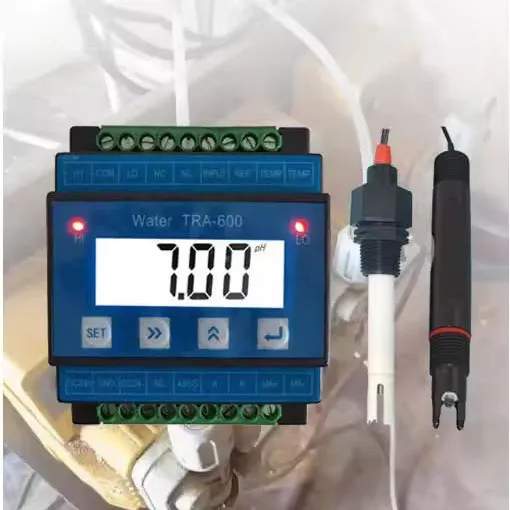
Recognizing that every industrial process presents unique challenges and requirements, our approach extends beyond providing a standard product. We offer comprehensive customization solutions for the PH-TRA-600 to ensure it seamlessly integrates into diverse operational environments and meets specific application needs. This includes options for specialized sensor types, such as those designed for high-temperature, high-pressure, or highly corrosive media, or specific applications like ultrapure water or viscous slurries. Customers can also request custom cable lengths for remote sensor placement, or specific mounting accessories to fit existing infrastructure. Furthermore, our technical team works closely with clients to facilitate integration with proprietary control systems, ensuring that the PH-TRA-600's data outputs are compatible and readily utilized by the plant's existing automation architecture, whether it involves a legacy PLC or a sophisticated cloud-based SCADA system. Our commitment to adaptability ensures that the transmitter is not just a component, but a perfectly tailored solution. The impact of the PH-TRA-600 is best illustrated through real-world applications. For instance, a major chemical manufacturing facility specializing in fertilizer production faced significant challenges in maintaining consistent pH levels in their effluent discharge, leading to frequent non-compliance fines and excessive chemical consumption for neutralization. After implementing a network of PH-TRA-600 units, integrated with their existing DCS, the plant achieved a remarkable 98% compliance rate with discharge regulations over a 12-month period. This was primarily due to the real-time, highly accurate pH data enabling precise and immediate chemical dosing adjustments, which also resulted in an estimated 25% reduction in their annual chemical expenditure for pH neutralization. In another scenario, a large municipal water treatment plant struggled with optimizing the coagulation process due to fluctuating raw water pH. By installing the PH-TRA-600 at critical points, they were able to precisely control coagulant dosage, leading to a 10% reduction in chemical costs and a significant improvement in treated water clarity, directly impacting public health and operational efficiency. These cases exemplify how the strategic deployment of the PH-TRA-600 translates into tangible operational improvements, cost savings, and enhanced regulatory compliance, demonstrating its proven capability in demanding industrial settings.
Ensuring Confidence: Trustworthiness, Support, and Warranty for the PH-TRA-600
Establishing and maintaining trust is paramount in B2B relationships, especially for critical process instrumentation like the PH-TRA-600. We are committed to fostering this trust through transparency in our operations, robust customer support, and clear warranty commitments. Our typical delivery cycle for the PH-TRA-600 ranges from 2 to 4 weeks, depending on order volume and customization requirements. Expedited options are available for urgent needs, subject to confirmation. Each PH-TRA-600 unit is backed by a standard 12-month warranty from the date of purchase, covering defects in materials and workmanship under normal operating conditions. This commitment reflects our confidence in the product's quality and our dedication to customer satisfaction. Beyond the initial purchase, our comprehensive customer support infrastructure ensures that clients receive timely and effective assistance. Our technical support team, composed of experienced engineers and product specialists, is readily available to assist with installation guidance, calibration procedures, troubleshooting common issues, and optimizing performance. We provide detailed operation manuals and online resources to empower users, and for more complex scenarios, remote diagnostic assistance is available. Furthermore, we maintain a readily available stock of genuine spare parts and compatible accessories to ensure quick replacements and minimal downtime for our clients' critical processes. Training programs can also be arranged to equip client staff with the necessary skills for optimal use and maintenance of the PH-TRA-600. Our commitment extends to providing regular firmware updates to enhance functionality and ensure compatibility with evolving industrial standards. The integration of a comprehensive FAQ section below addresses common inquiries, offering immediate answers to typical questions about the PH-TRA-600's operation, maintenance, and compatibility, further enhancing user confidence and streamlining support interactions. This holistic approach to post-sales support reinforces the reliability of the product and the partnership with our clients, ensuring peace of mind for their industrial operations.
Frequently Asked Questions (FAQ) about the PH-TRA-600
Q1: What types of pH electrodes are compatible with the PH-TRA-600?
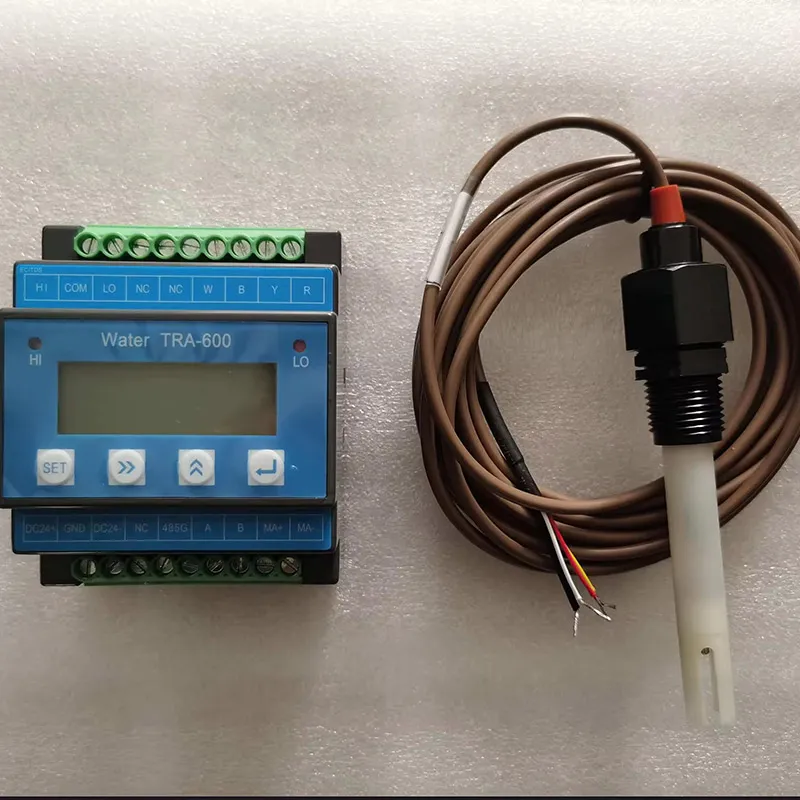
A1: The PH-TRA-600 features a standard BNC connector, making it compatible with a wide range of commercially available pH and ORP electrodes. We recommend using industrial-grade electrodes designed for continuous online measurement for optimal performance.
Q2: How often does the PH-TRA-600 require calibration?
A2: Calibration frequency for the PH-TRA-600 depends heavily on the application's specific conditions (e.g., sample matrix, temperature fluctuations, electrode fouling potential). In general, for typical industrial wastewater applications, calibration every 1-4 weeks is common. For more demanding processes or those requiring higher precision, more frequent calibration may be necessary. The device includes built-in diagnostics to alert users when recalibration might be beneficial.
Q3: Can the PH-TRA-600 be used in hazardous environments?
A3: The standard PH-TRA-600 unit is rated for general industrial use with its IP65/IP67 enclosure. For classified hazardous (explosive) environments, specific intrinsically safe or explosion-proof certifications are required. Please consult with our technical sales team to discuss solutions tailored for such environments, which may involve additional barriers or specialized enclosures.
Q4: What is the typical service life of the PH-TRA-600?
A4: With proper installation, regular maintenance, and within specified operating conditions, the PH-TRA-600 is designed for a long service life, typically exceeding 5-7 years for the main transmitter unit. The lifespan of the pH electrode itself will vary significantly based on the application, typically ranging from 6 months to 2 years, as it is a consumable item.
Q5: Is it possible to integrate the PH-TRA-600 with cloud-based monitoring systems?
A5: Yes, the RS485 Modbus RTU output of the PH-TRA-600 allows for seamless integration with various data loggers, gateways, and communication modules that can then transmit data to cloud-based monitoring platforms. We can provide guidance or recommend third-party solutions for such integration.
Conclusion: Advancing Industrial pH Management
The PH-TRA-600 represents a significant advancement in online pH monitoring technology, meticulously engineered to meet the evolving demands of modern industrial processes. Its robust construction, precise measurement capabilities, versatile integration options, and user-centric design position it as an indispensable asset for industries prioritizing efficiency, compliance, and operational stability. From optimizing chemical consumption and preventing costly equipment corrosion to ensuring adherence to stringent environmental regulations, the strategic deployment of the PH-TRA-600 offers tangible economic and operational benefits. The blend of cutting-edge technical specifications with a focus on long-term reliability and comprehensive customer support underscores its value proposition as a trusted solution for critical process control. As industries continue to embrace digitalization and seek more intelligent, connected solutions, the PH-TRA-600 stands ready to empower decision-makers with the accurate, real-time data necessary for sustainable growth and competitive advantage. Its adaptable nature, supported by customization options and a proven track record in diverse applications, further solidifies its position as a leading choice for professionals seeking excellence in pH management.
Authoritative References
- Instrument Society of America (ISA) Standards on pH Measurement in Industrial Applications.
- International Organization for Standardization (ISO) 9001: Quality Management Systems – Requirements.
- Water Environment Federation (WEF) Technical Practice Manuals on Industrial Wastewater Treatment.
- American Society for Testing and Materials (ASTM) International Standards for Water Analysis.
- Journal of Process Control - Articles on Advanced Sensor Technologies and Industrial Automation.
- National Institute of Standards and Technology (NIST) pH Measurement Guidelines.

Related Products
Related News

2026-04-16 03:20:19
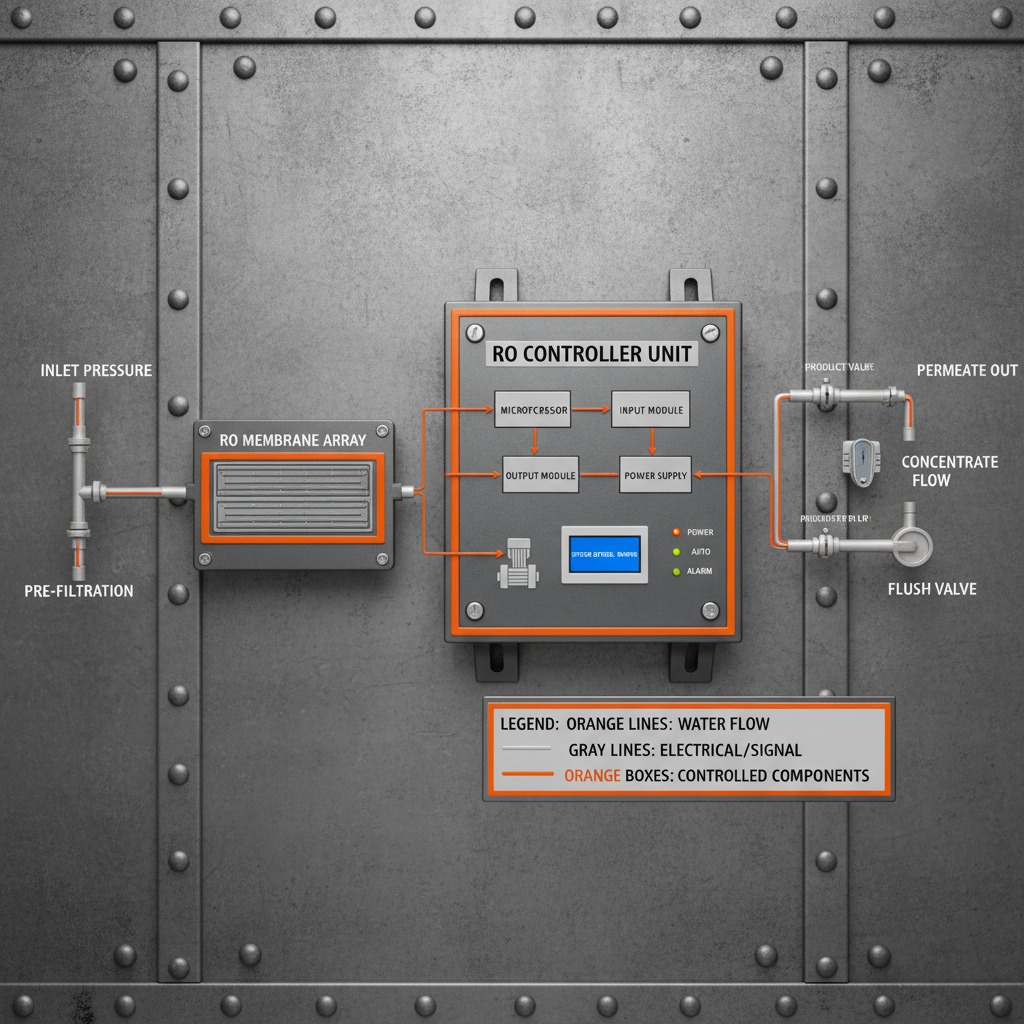
Guide to Choosing the Right RO Controller for Water PurificationMaintaining a high-performance reverse osmosis system requires more than just quality membranes; it demands precise regulation. An ro controller serves as the brain of the entire operation, monitoring critical parameters such as conductivity, temperature, and flow rates to ensure the output water meets stringent purity standards. Without an efficient controller, systems are prone to membrane fouling, inefficient energy use, and inconsistent water quality. In this comprehensive guide, we will explore how these devices optimize water treatment processes and how to select the best model for your specific industrial or commercial needs.
2026-04-09 03:25:47
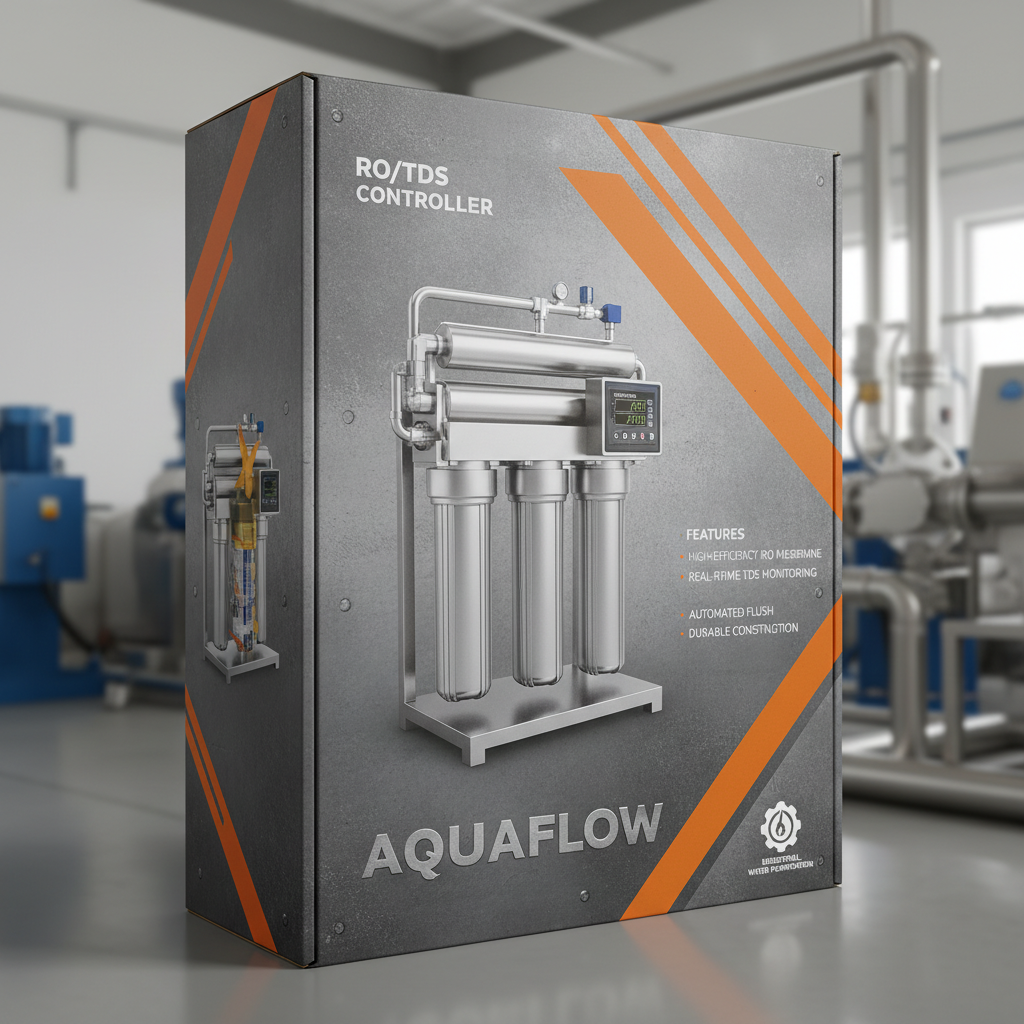
Guide to Water Purity Using RO with TDS Controller SystemsAchieving the perfect balance of mineral content and purity in drinking water is a challenge for many households and industrial facilities. A ro with tds controller offers a sophisticated solution by combining the rigorous filtration of Reverse Osmosis (RO) with the precision of a Total Dissolved Solids (TDS) adjustment system. While standard RO systems remove almost everything, including beneficial minerals, a TDS controller allows users to re-mineralize the water to a desired level. This ensures that the water is not only safe and pure but also tastes better and provides essential nutrients.
2026-04-07 03:17:09
Understanding and Optimizing Reverse Osmosis Systems with a ControllerIn the world of water purification, reverse osmosis (RO) systems are a cornerstone for producing high-quality water for various applications, from drinking water to industrial processes. However, an RO system is only as effective as its control system. This is where the reverse osmosis controller comes into play. This critical component manages and optimizes the RO process, ensuring efficient operation, water quality, and system longevity.
2026-04-04 03:27:19
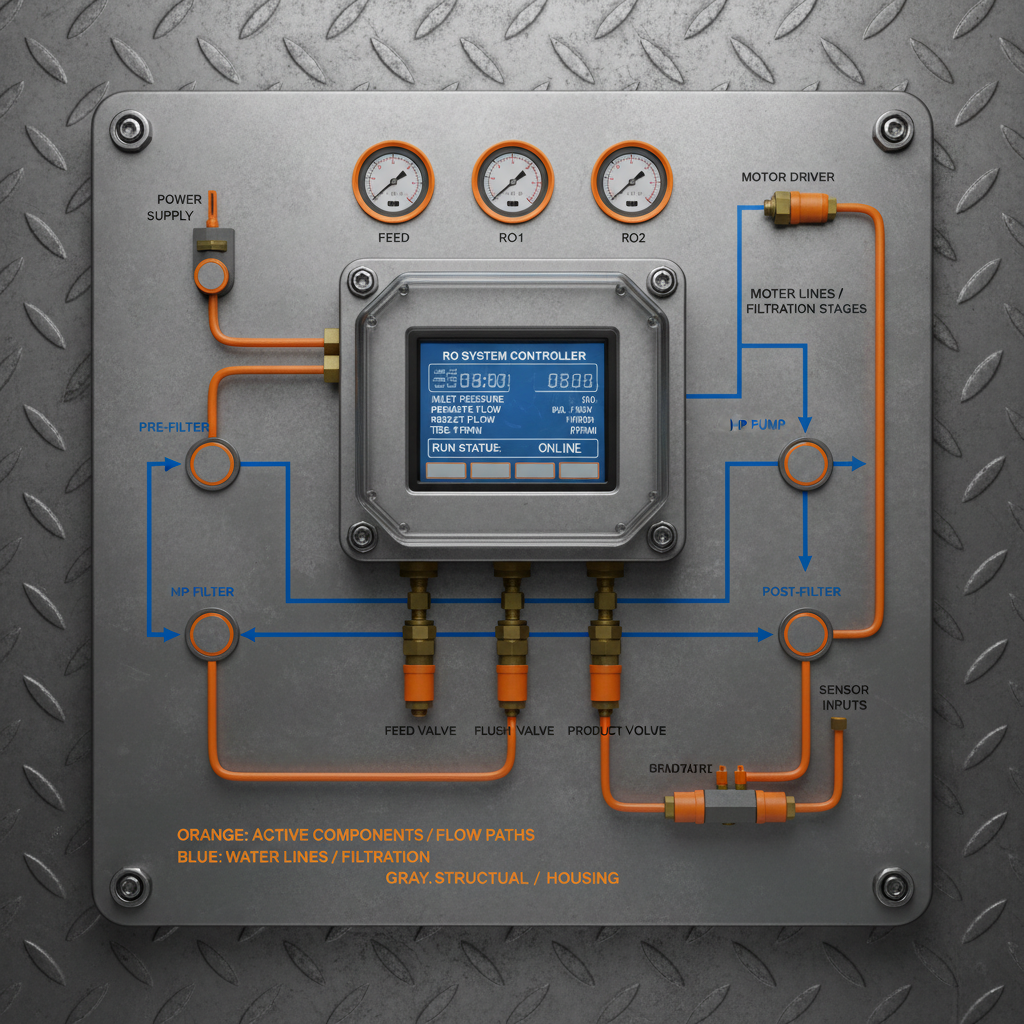
Understanding the Vital Role of an RO System Controller for Optimal PerformanceReverse Osmosis (RO) systems are critical for purifying water across various industries, from residential applications to large-scale industrial processes. At the heart of a well-functioning RO system lies the RO system controller. This intelligent device monitors and regulates all key parameters of the RO process, ensuring optimal performance, efficiency, and water quality. This article delves into the functionalities, benefits, and selection criteria for choosing the right RO system controller, particularly focusing on those offered by Watequipments. Understanding its role is crucial for maximizing the lifespan and effectiveness of your RO investment.
2026-03-24 17:18:24
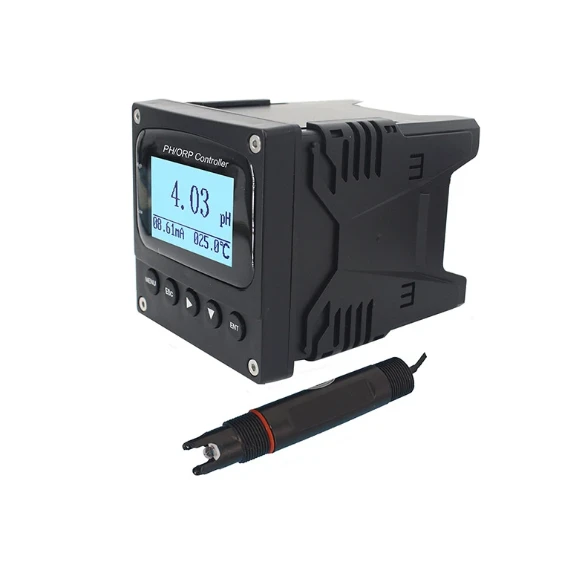
Smart Water Treatment Solutions Using PH ORP Controller SystemsIn modern water treatment and industrial fluid management, maintaining precise chemical balance is essential for safety, efficiency, and regulatory compliance.
2026-03-04 02:55:19
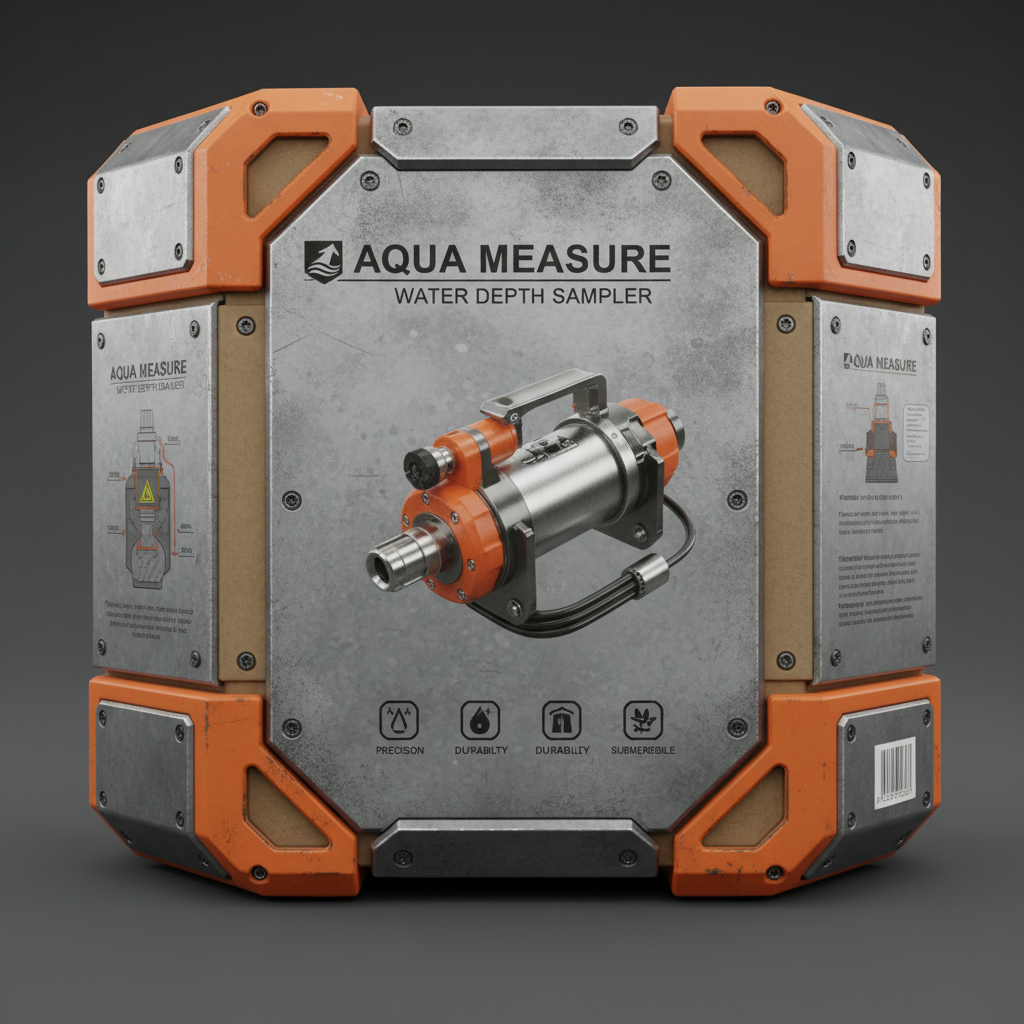
Comprehensive Guide to Water Depth Samplers and Their ApplicationsAccurate water quality monitoring is crucial in various fields, from environmental science and aquaculture to industrial wastewater management. A key tool for this is the water depth sampler. This article provides an in-depth look at water depth samplers, their applications, types, and essential considerations for choosing the right one for your needs. We'll explore the benefits of utilizing this equipment to collect reliable data for analysis and informed decision-making. Selecting the right sampler can significantly improve the precision and efficiency of your water monitoring program. A water depth sampler, also known as a depth-integrated sampler, is a device designed to collect water samples from specific depths within a body of water. Unlike simply dipping a container into the water, a depth sampler allows for collection of a representative sample across a defined depth range. This is critical because water properties (temperature, salinity, pollutants) often vary significantly with depth. The data gathered with a water depth sampler provides a more accurate assessment of water quality than surface samples alone.
2026-03-03 18:55:22
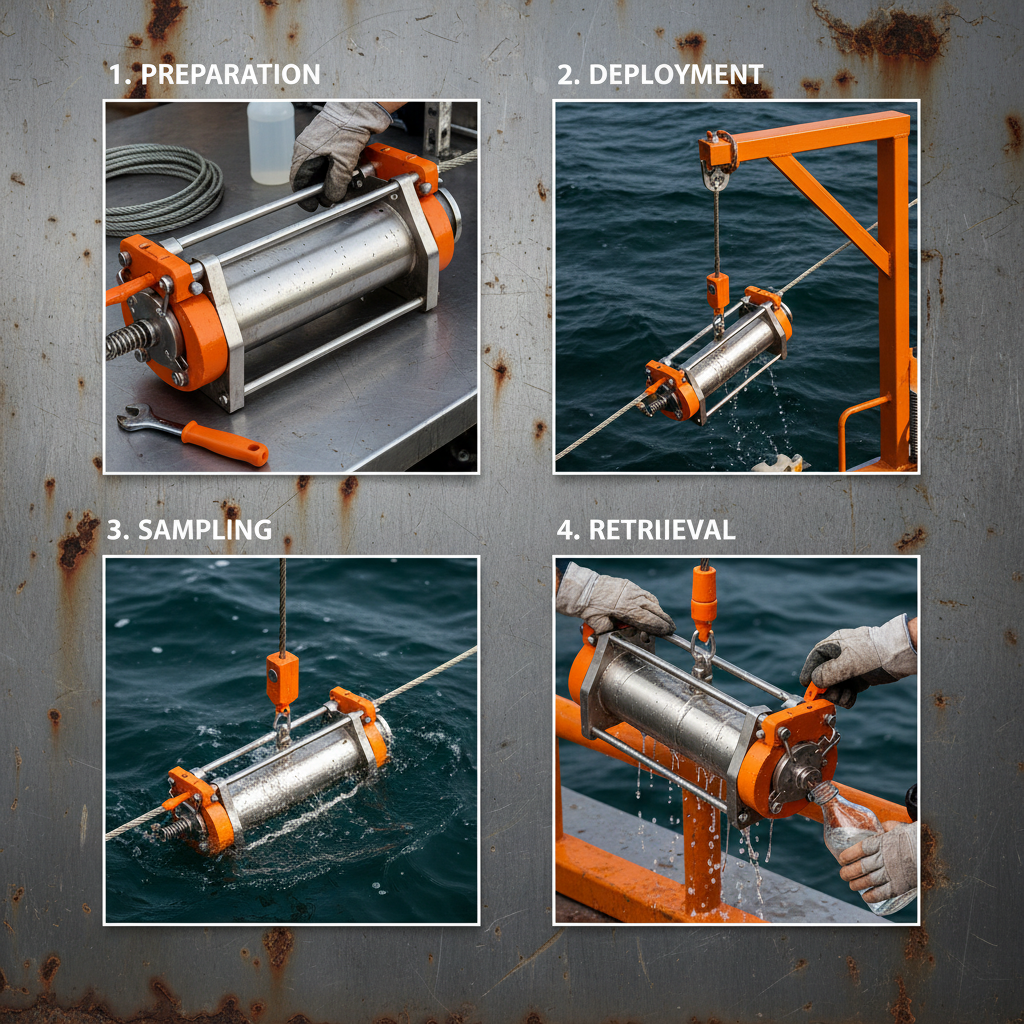
Comprehensive Guide to Horizontal Water Sampler Applications and SelectionCollecting water samples at varying depths is crucial for environmental monitoring, research, and quality control. The horizontal water sampler from Watequipment.com offers a precise and efficient solution for this task. This article provides an in-depth look at horizontal water samplers, their applications, benefits, and key considerations when choosing the right model. We will explore how these samplers contribute to accurate data collection and informed decision-making in various fields. A horizontal water sampler is a device designed to collect water samples from specific depths within a body of water – rivers, lakes, oceans, reservoirs, and even wastewater treatment plants. Unlike vertical samplers which primarily focus on depth, horizontal samplers prioritize collecting samples at a consistent depth while moving along a horizontal plane. This is essential for assessing water quality variations across a waterway or within a specific zone. They are used in applications ranging from environmental monitoring and scientific research to industrial process control and regulatory compliance.
2026-02-28 02:35:09
Comprehensive Guide to Selecting the Right Surface Water Sampler for Your NeedsMonitoring the quality of surface water is critical for environmental protection, public health, and various industrial applications. A surface water sampler is an essential tool for collecting representative samples from rivers, lakes, ponds, and other surface water sources. This article provides a detailed overview of surface water samplers, their types, applications, and key considerations for selecting the right equipment. Accurate water quality data relies on proper sample collection, and choosing the correct sampler is the first step toward achieving reliable results. Surface water samplers come in various designs, each suited to specific sampling needs. Common types include grab samplers, depth-integrating samplers, peristaltic pumps, and automatic samplers. Surface water samplers are used across a broad spectrum of applications, including environmental monitoring, wastewater discharge monitoring, drinking water source monitoring, agricultural runoff analysis, and research studies.

 English