


Pressure Switch - Accurate, Durable, IP65, OEM Options

Pressure Switch - Accurate, Durable, IP65, OEM Options
Oct . 26, 2025
Pressure Switch Buying Guide, Specs, and Real-World Lessons from the Field
If you’ve ever wondered why some pump rooms hum along for years while others chew through parts, start with the humble Pressure Switch. I’ve seen operators baby their systems only to be let down by a poorly set differential or a mismatched port material. In fact, the right switch choice—plus good mounting—often decides uptime. The LF55, made in No.188, Fengshou Road, Chang'an district, Shijiazhuang City, Hebei Province China 050041, has been showing up on my site visits more and more lately, and for reasons that make sense.
What It Is (and Why It Works)
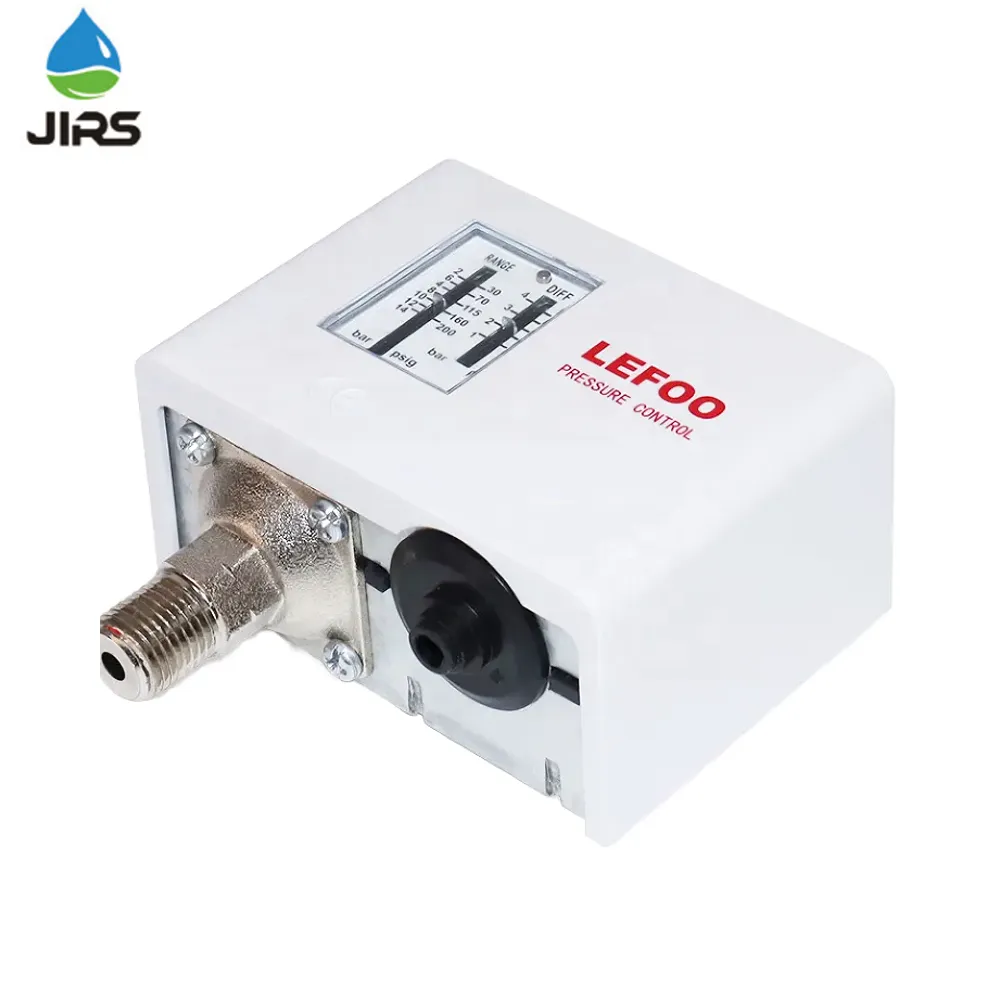
The LF55 is an automatic control device that reacts to pressure, toggling an SPDT contact set—cleanly—at your setpoint. The standard pressure bellows are phosphor bronze, and the pressure port is brass. That’s a sensible pairing for water and many hydraulic oils. Plus, the vendor includes an international-standard mounting bracket, which—honestly—saves installers from improvising with angle iron and zip ties (yes, I’ve seen it).
Trends-wise, the market splits: classic mechanical Pressure Switch units like LF55 for rugged simplicity, and digital/IO-Link units for data-driven plants. Many customers say they still prefer mechanical for pump protection because it’s predictable and field-serviceable. I get it.
Product Snapshot
| Parameter | Typical LF55 | Notes (real-world may vary) |
|---|---|---|
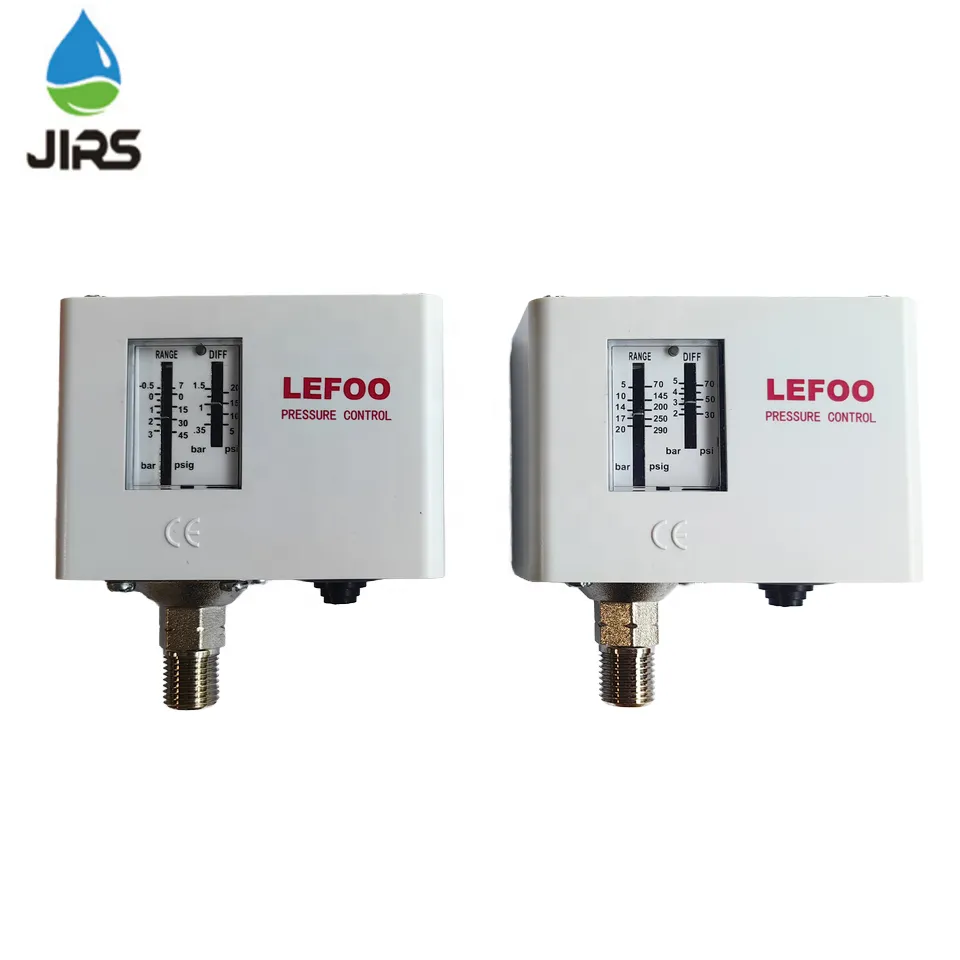
| Setpoint range | ≈0.1–10 bar (variants available) | Factory adjustable; request calibration sheet |
| Differential (hysteresis) | ≈0.2–1.5 bar | Tuned for pump cycling stability |
| Electrical rating (SPDT) | 250 VAC, 5 A resistive (typ.) | Gold contacts optional for low-current PLC |
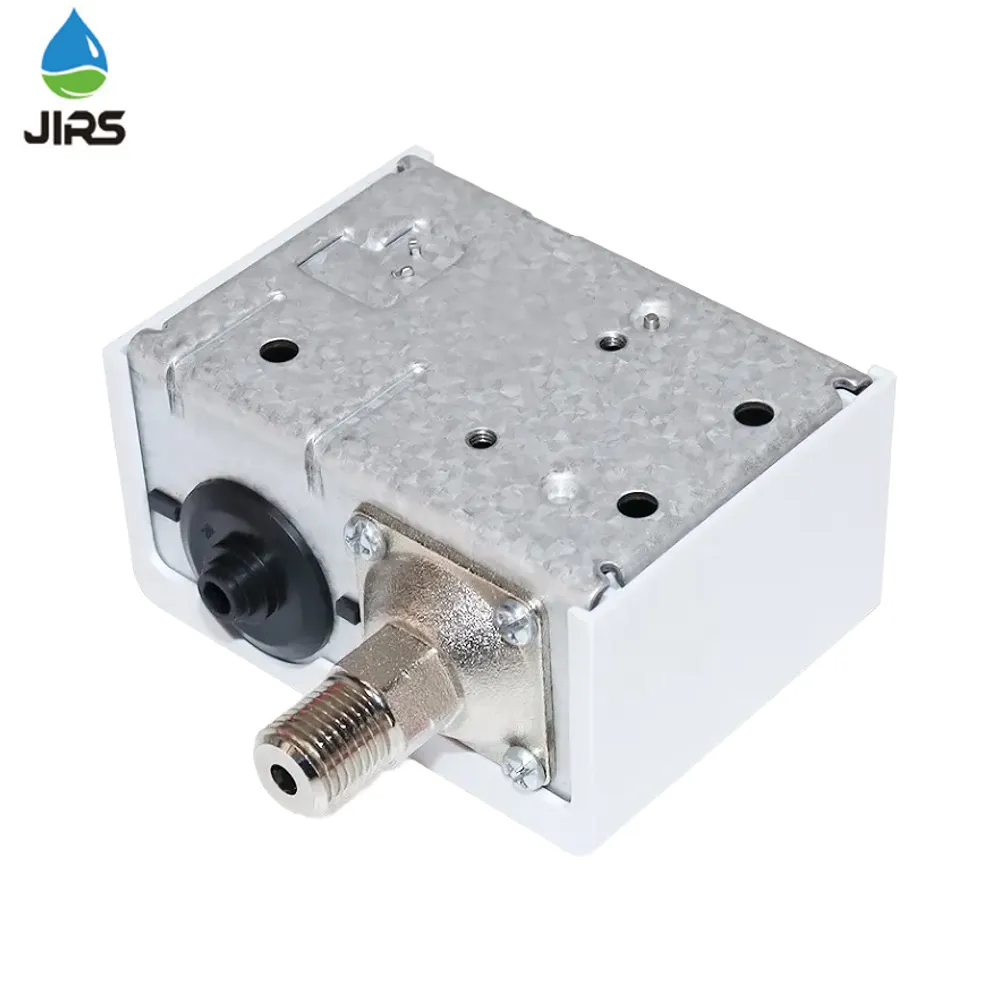
| Process connection | Brass port, common threads (e.g., 1/4" NPT) | Stainless variants on request |
| Materials (wetted) | Phosphor bronze bellows, brass port | Check media compatibility chart |
| Ingress protection | IP65 ≈ | Per IEC 60529; verify enclosure |
| Temp range | -10 to 80°C ≈ | Seal choice can shift limits |
| Service life | ≥1,000,000 cycles (lab tested) | Duty and media affect outcome |
Where It’s Used
Pumps and booster sets, hydraulic power units, HVAC chillers, air compressors, RO/UF water treatment skids, fire jockey pumps, agricultural sprayers. Anywhere a reliable on/off based on pressure keeps assets safe.
Process Flow: From Build to Bench
- Materials: phosphor bronze bellows, brass port; optional stainless internals for tougher media.
- Methods: precision bellows forming, SPDT contact assembly, torque-calibrated setpoint adjustment.
- Testing: proof pressure at 1.5× rated; dielectric test per UL 508; functional cycling to 100k–200k before shipment; IP test per IEC 60529.
- Service life: validated to ≥1M cycles under controlled conditions.
- Industries: water & wastewater, light industrial hydraulics, building services, OEM machinery.
Vendor Comparison (What buyers actually ask me)
| Vendor/Model | Core Build | Certs | Customization | Lead Time |
|---|---|---|---|---|
| Watequipment LF55 | Phosphor bronze bellows, brass port, SPDT | ISO 9001, CE, RoHS ≈ | Ranges, threads, brackets, contacts | Around 2–4 weeks |
| Brand X Compact | Stainless diaphragm, micro-switch | UL, CE | Limited options | 1–2 weeks |
| Brand Y Industrial | Welded stainless, heavy-duty contacts | CE, ATEX options | Broad but pricier | 4–6 weeks |
Test Data and Feedback
Lab report snapshot: 1.5× proof pressure with zero leakage; 1,200,000 cycle endurance at 25°C; contact resistance drift
Applications, Advantages, and Custom Options
- Advantages: rugged SPDT contact, stable bellows design, field-adjustable, bracket included.
- Customization: setpoint and differential, thread types (NPT, BSPP), alternative materials (316L), gold-plated contacts, cable glands.
- Safety: use a proper relief valve; wire per UL 508/EN 60947-5-1; confirm IP rating vs. washdown.
Mini Case Studies
1) City Pump Station: Two Pressure Switch units staged at 3.0/3.8 bar reduced short-cycling by 37% and extended pump seal life (maintenance logs, 6 months).
2) Injection Molding HPU: A single Pressure Switch on system low-pressure alarm prevented unplanned downtime; post-mortem found a clogged return filter—alarm paid for itself in one event.
Certifications and Standards
Built under ISO 9001 quality systems, with CE and RoHS conformity available. Typical design validation references: UL 508 (industrial control), EN 60947-5-1 (control circuit devices), IEC 60529 (IP ratings). Always match the unit to your local code and media.
Final Thought
It seems obvious, but the right Pressure Switch, set correctly, is cheap insurance. If you’re spec’ing the LF55, ask for calibration documentation and confirm media compatibility—small steps, fewer headaches.
- IEC 60529: Degrees of protection (IP Code)
- UL 508: Industrial Control Equipment
- EN 60947-5-1: Control circuit devices and switching elements
- ISO 9001: Quality Management Systems
- RoHS Directive (EU) 2011/65/EU and amendments

Related Products
Related News

2026-04-16 03:20:19
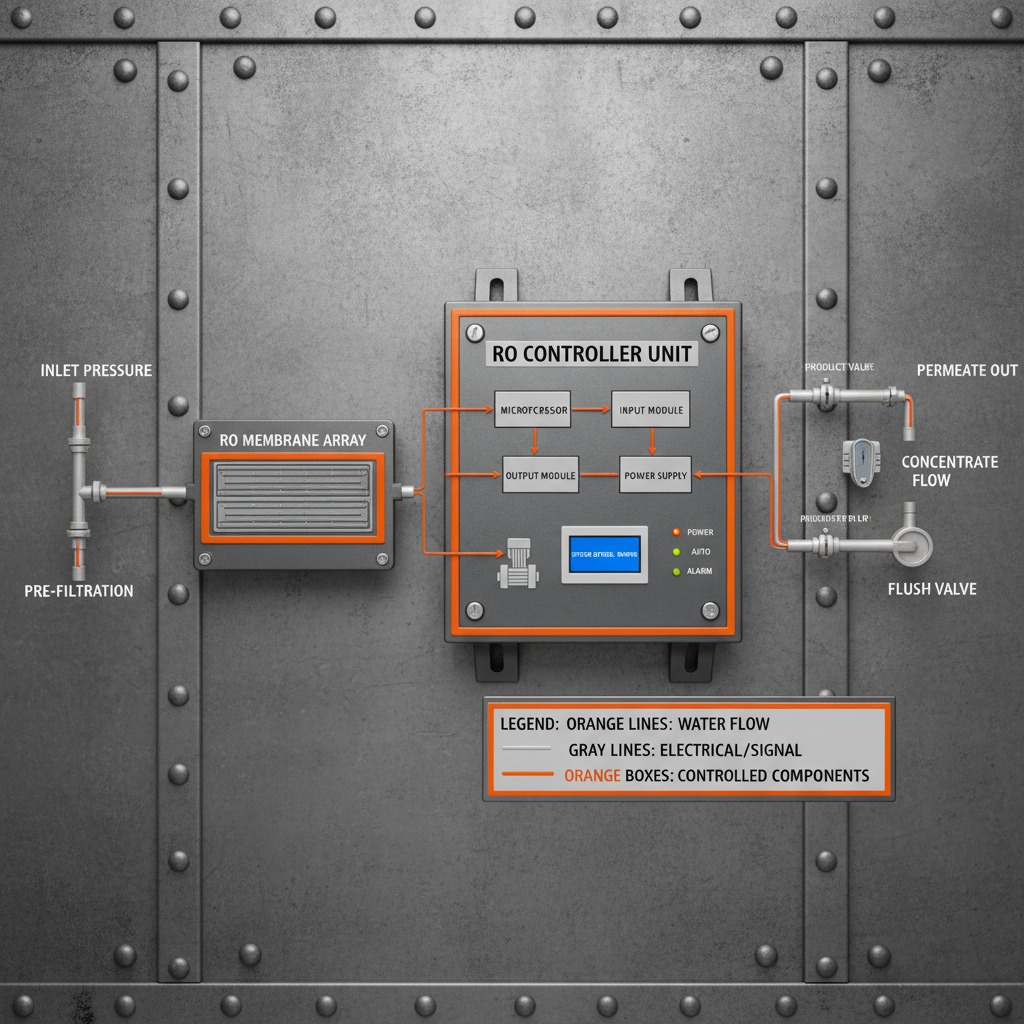
Guide to Choosing the Right RO Controller for Water PurificationMaintaining a high-performance reverse osmosis system requires more than just quality membranes; it demands precise regulation. An ro controller serves as the brain of the entire operation, monitoring critical parameters such as conductivity, temperature, and flow rates to ensure the output water meets stringent purity standards. Without an efficient controller, systems are prone to membrane fouling, inefficient energy use, and inconsistent water quality. In this comprehensive guide, we will explore how these devices optimize water treatment processes and how to select the best model for your specific industrial or commercial needs.
2026-04-09 03:25:47
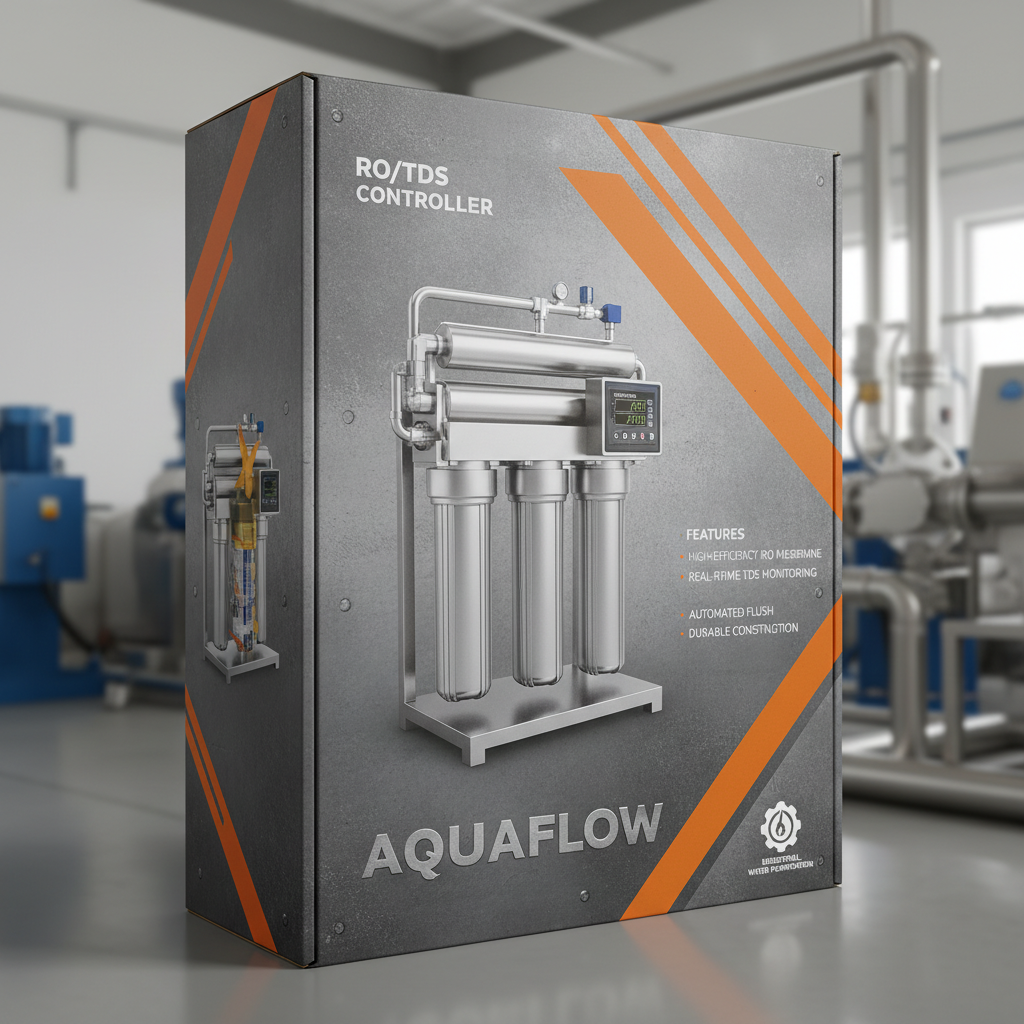
Guide to Water Purity Using RO with TDS Controller SystemsAchieving the perfect balance of mineral content and purity in drinking water is a challenge for many households and industrial facilities. A ro with tds controller offers a sophisticated solution by combining the rigorous filtration of Reverse Osmosis (RO) with the precision of a Total Dissolved Solids (TDS) adjustment system. While standard RO systems remove almost everything, including beneficial minerals, a TDS controller allows users to re-mineralize the water to a desired level. This ensures that the water is not only safe and pure but also tastes better and provides essential nutrients.
2026-04-07 03:17:09
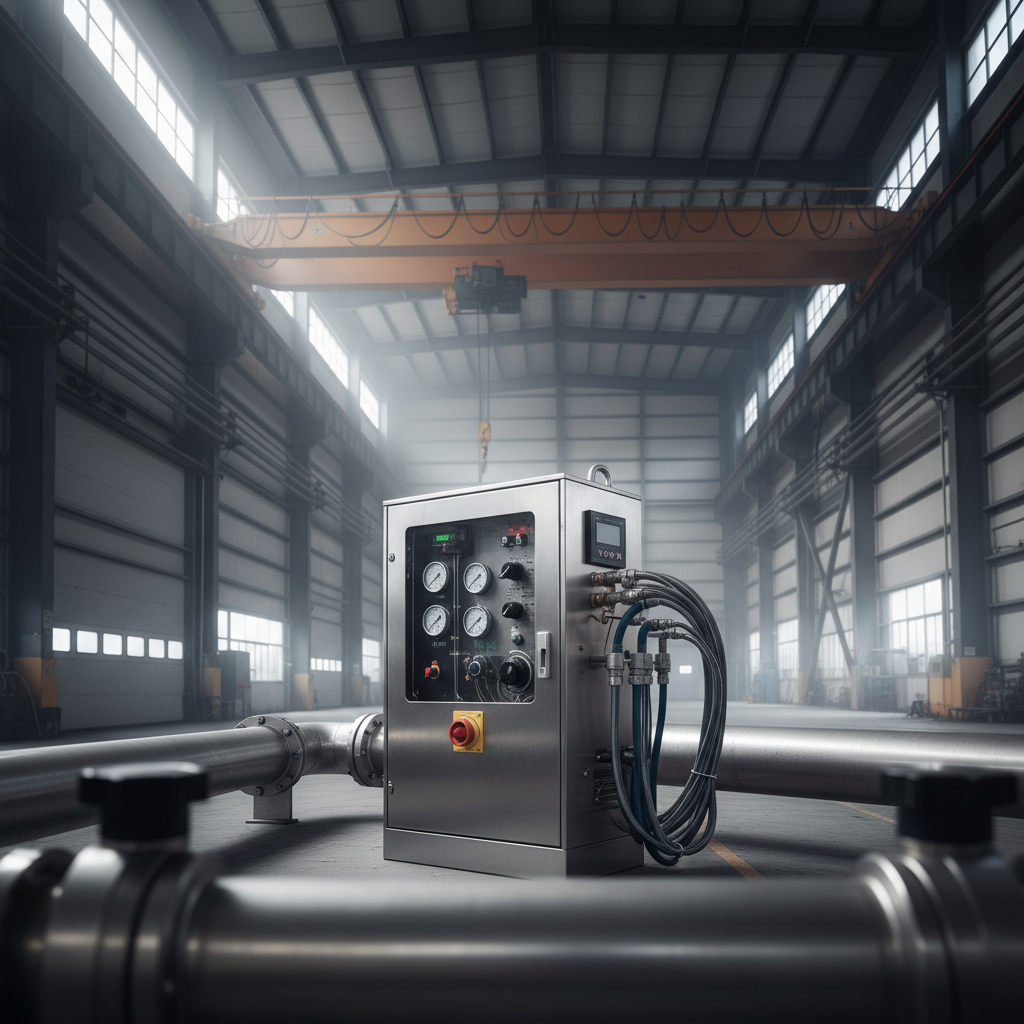
Understanding and Optimizing Reverse Osmosis Systems with a ControllerIn the world of water purification, reverse osmosis (RO) systems are a cornerstone for producing high-quality water for various applications, from drinking water to industrial processes. However, an RO system is only as effective as its control system. This is where the reverse osmosis controller comes into play. This critical component manages and optimizes the RO process, ensuring efficient operation, water quality, and system longevity.
2026-04-04 03:27:19
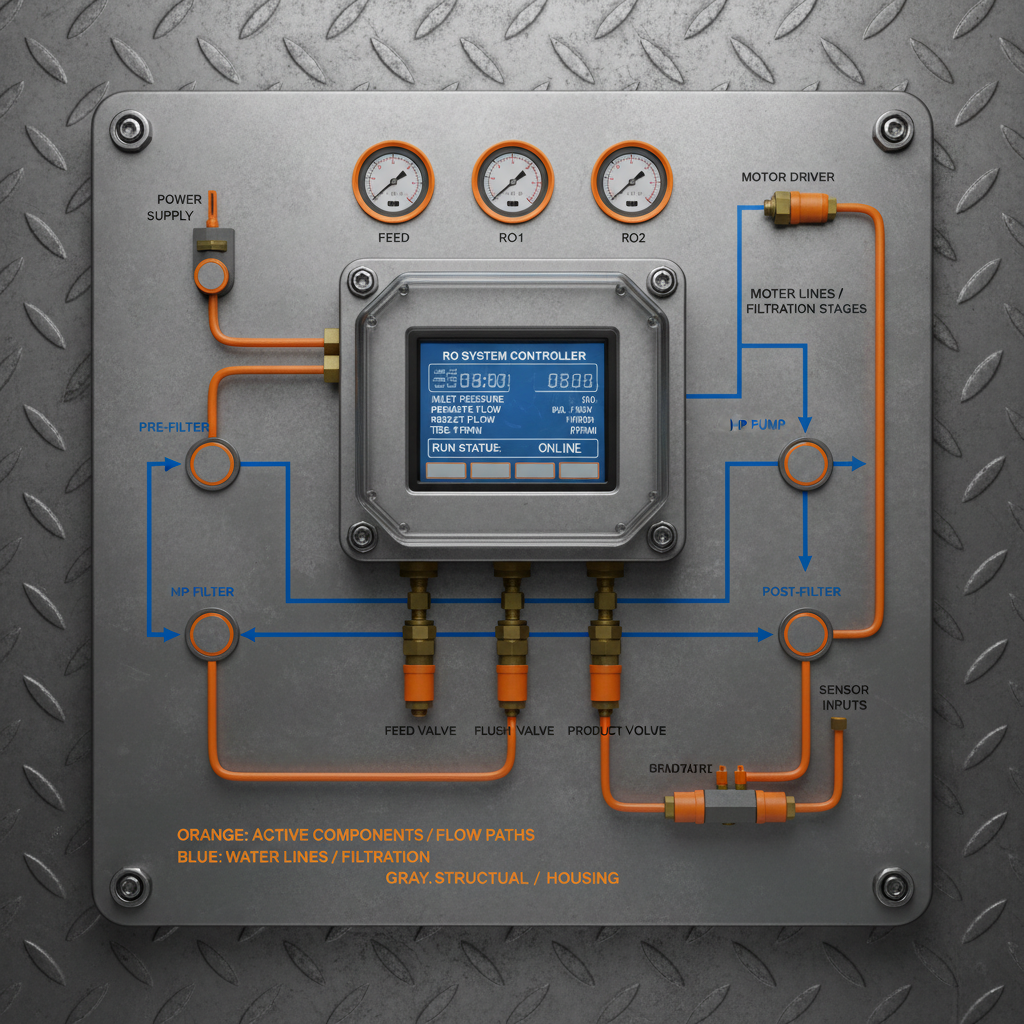
Understanding the Vital Role of an RO System Controller for Optimal PerformanceReverse Osmosis (RO) systems are critical for purifying water across various industries, from residential applications to large-scale industrial processes. At the heart of a well-functioning RO system lies the RO system controller. This intelligent device monitors and regulates all key parameters of the RO process, ensuring optimal performance, efficiency, and water quality. This article delves into the functionalities, benefits, and selection criteria for choosing the right RO system controller, particularly focusing on those offered by Watequipments. Understanding its role is crucial for maximizing the lifespan and effectiveness of your RO investment.
2026-03-24 17:18:24
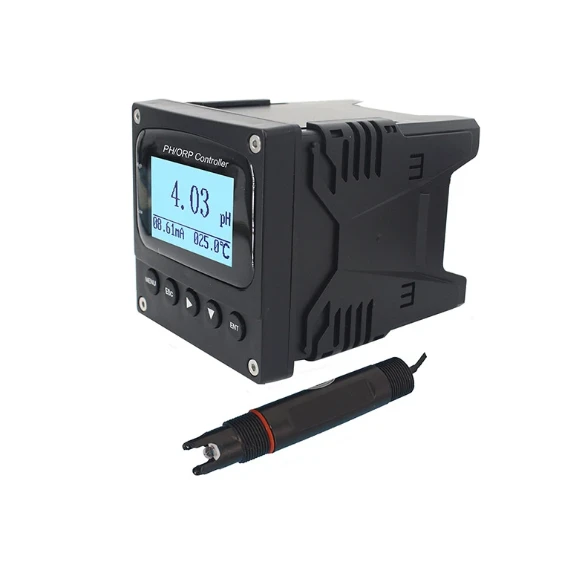
Smart Water Treatment Solutions Using PH ORP Controller SystemsIn modern water treatment and industrial fluid management, maintaining precise chemical balance is essential for safety, efficiency, and regulatory compliance.
2026-03-04 02:55:19
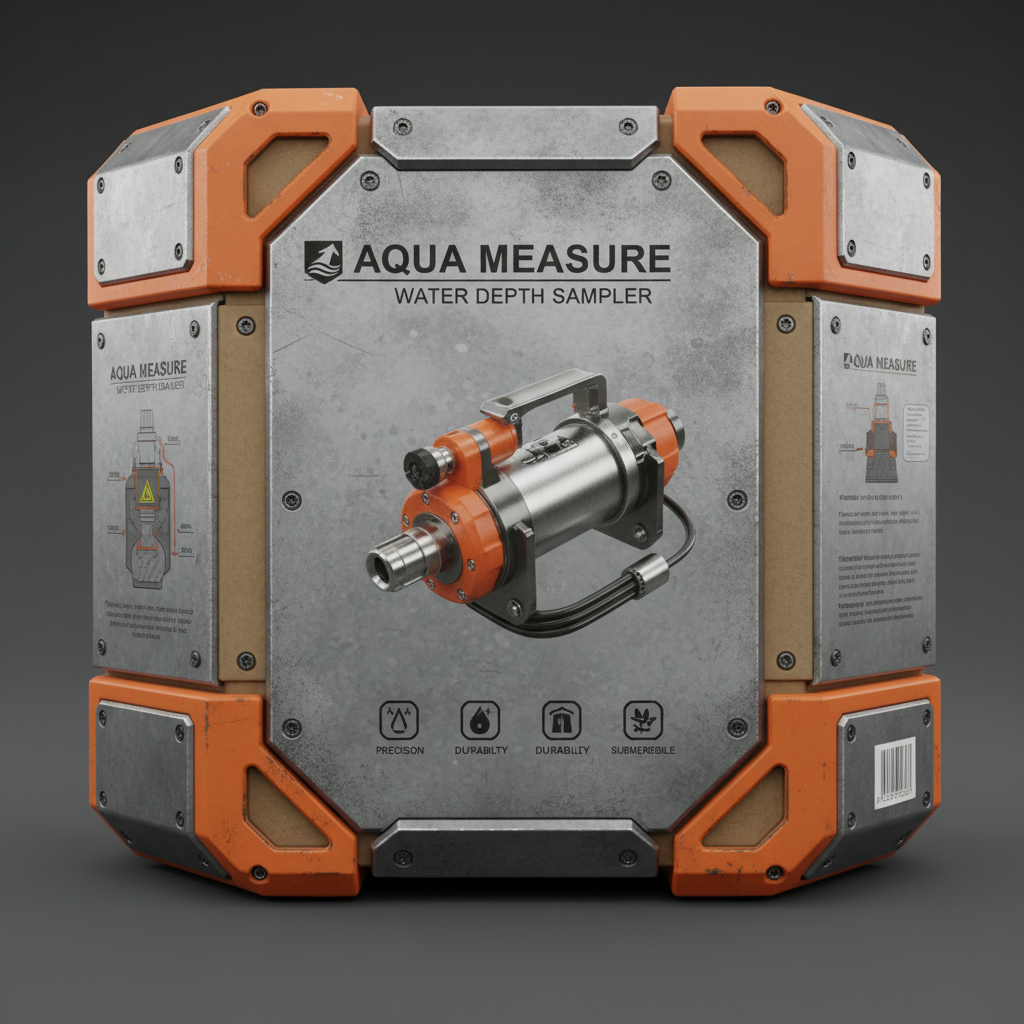
Comprehensive Guide to Water Depth Samplers and Their ApplicationsAccurate water quality monitoring is crucial in various fields, from environmental science and aquaculture to industrial wastewater management. A key tool for this is the water depth sampler. This article provides an in-depth look at water depth samplers, their applications, types, and essential considerations for choosing the right one for your needs. We'll explore the benefits of utilizing this equipment to collect reliable data for analysis and informed decision-making. Selecting the right sampler can significantly improve the precision and efficiency of your water monitoring program. A water depth sampler, also known as a depth-integrated sampler, is a device designed to collect water samples from specific depths within a body of water. Unlike simply dipping a container into the water, a depth sampler allows for collection of a representative sample across a defined depth range. This is critical because water properties (temperature, salinity, pollutants) often vary significantly with depth. The data gathered with a water depth sampler provides a more accurate assessment of water quality than surface samples alone.
2026-03-03 18:55:22
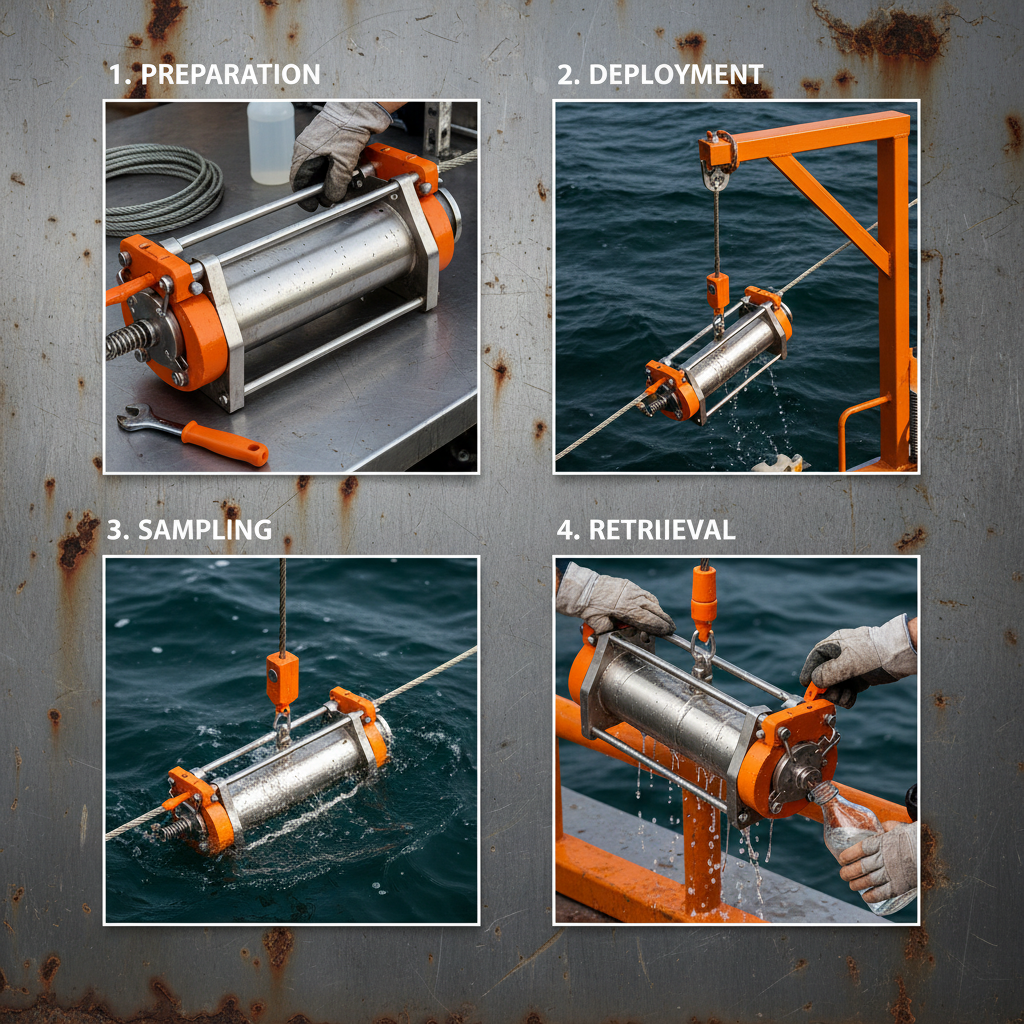
Comprehensive Guide to Horizontal Water Sampler Applications and SelectionCollecting water samples at varying depths is crucial for environmental monitoring, research, and quality control. The horizontal water sampler from Watequipment.com offers a precise and efficient solution for this task. This article provides an in-depth look at horizontal water samplers, their applications, benefits, and key considerations when choosing the right model. We will explore how these samplers contribute to accurate data collection and informed decision-making in various fields. A horizontal water sampler is a device designed to collect water samples from specific depths within a body of water – rivers, lakes, oceans, reservoirs, and even wastewater treatment plants. Unlike vertical samplers which primarily focus on depth, horizontal samplers prioritize collecting samples at a consistent depth while moving along a horizontal plane. This is essential for assessing water quality variations across a waterway or within a specific zone. They are used in applications ranging from environmental monitoring and scientific research to industrial process control and regulatory compliance.
2026-02-28 02:35:09
Comprehensive Guide to Selecting the Right Surface Water Sampler for Your NeedsMonitoring the quality of surface water is critical for environmental protection, public health, and various industrial applications. A surface water sampler is an essential tool for collecting representative samples from rivers, lakes, ponds, and other surface water sources. This article provides a detailed overview of surface water samplers, their types, applications, and key considerations for selecting the right equipment. Accurate water quality data relies on proper sample collection, and choosing the correct sampler is the first step toward achieving reliable results. Surface water samplers come in various designs, each suited to specific sampling needs. Common types include grab samplers, depth-integrating samplers, peristaltic pumps, and automatic samplers. Surface water samplers are used across a broad spectrum of applications, including environmental monitoring, wastewater discharge monitoring, drinking water source monitoring, agricultural runoff analysis, and research studies.

 English