



Reliable Pressure Switch | Precision Control & Monitoring Solutions

Reliable Pressure Switch | Precision Control & Monitoring Solutions
Sep . 09, 2025
Introduction to Pressure Switches in Industrial Applications
In complex industrial environments, the precise monitoring and control of fluid pressure are paramount for operational efficiency, safety, and system longevity. At the heart of such critical control systems lies the Pressure Switch. This electromechanical device acts as a safeguard and an operational trigger, converting a specific fluid pressure into an electrical signal. Essentially, it senses changes in pressure and, upon reaching a predefined set point, activates or deactivates an electrical circuit. From ensuring optimal performance in hydraulic and pneumatic systems to preventing catastrophic failures in high-pressure pipelines, the versatility and reliability of pressure switches make them indispensable across a spectrum of B2B industries. Understanding their fundamental principles, advanced functionalities, and diverse applications is crucial for engineers and decision-makers aiming to optimize their operational frameworks.
Evolving Industry Trends in Pressure Switch Technology
The industrial landscape is perpetually evolving, driven by demands for greater efficiency, precision, and integration. Pressure Switch technology is no exception, witnessing significant advancements propelled by Industry 4.0 paradigms and the growing emphasis on predictive maintenance. Current trends highlight a shift towards smarter, more robust, and digitally integrated solutions.
- Smart and IoT Integration: Modern pressure switches are increasingly incorporating smart features, including digital displays, programmable set points, and communication protocols such as IO-Link, Modbus, and Ethernet/IP. This allows for real-time data acquisition, remote monitoring, and seamless integration into plant-wide control systems, facilitating predictive maintenance and optimized process control.
- Miniaturization and Modularity: The demand for compact systems and flexible installations drives the development of smaller, more modular pressure switches. This enables integration into confined spaces and offers greater flexibility in system design and upgrades, reducing overall footprint and installation complexity.
- Enhanced Durability and Material Science: With applications in increasingly harsh environments, there's a strong trend towards using advanced materials (e.g., Hastelloy, Inconel, specialized ceramics) for wetted parts and robust housing materials (e.g., stainless steel, reinforced polymers) to improve resistance to corrosion, extreme temperatures, and vibration. This extends service life and reduces maintenance intervals.
- Energy Efficiency: Innovations are also focusing on reducing power consumption, particularly for battery-powered or remote applications. Low-power electronics and optimized sensing mechanisms contribute to greener operations and extended field deployment.
- Safety and Compliance: Growing global regulations and safety standards (e.g., SIL ratings for functional safety, ATEX/IECEx for hazardous areas) are pushing manufacturers to design pressure switches that meet stringent safety requirements, ensuring reliable operation in critical applications and protecting personnel and assets.
These trends collectively point towards a future where Pressure Switch devices are not just simple on/off components but intelligent, data-rich sensors integral to sophisticated industrial automation and safety systems.
Technical Specifications and Operating Principles
A Pressure Switch fundamentally operates on the principle of converting mechanical displacement, caused by pressure exertion, into an electrical signal. This conversion is typically achieved using a sensing element linked to an electrical contact mechanism.
Core Structure and Sensing Elements:
- Diaphragm Type: Utilizes a flexible membrane (diaphragm) that deflects under pressure. This deflection moves a piston or pin, actuating a microswitch. Ideal for low to medium pressures and often used with corrosive media due to diverse material options (e.g., NBR, FKM, Stainless Steel, PTFE).
- Bellows Type: Employs a corrugated, flexible metal cylinder (bellows) that expands or contracts with pressure changes. Offers higher sensitivity and accuracy for very low pressures compared to diaphragms. Materials often include brass, phosphor bronze, or stainless steel.
- Piston Type: Features a piston that moves within a cylinder, sealed by an O-ring, against a spring. As pressure increases, the piston moves, activating a switch. Robust and suitable for high-pressure applications, resisting fluid surges. Common materials are hardened steel or stainless steel.
- Bourdon Tube Type: A C-shaped or helical tube that tends to straighten under internal pressure. This slight movement is amplified via linkages to actuate a switch. Highly accurate for a wide range of pressures, often found in precision applications.
Key Parameters:
- Set Point: The specific pressure value at which the switch changes its contact state. It is adjustable within the operating range.
- Switching Differential (Hysteresis): The difference between the pressure at which the switch actuates and the pressure at which it de-actuates. A controlled differential prevents rapid cycling (chattering) of the switch.
- Repeatability: The ability of the switch to operate at the same set point under identical conditions. Critical for consistent process control.
- Pressure Range: The minimum and maximum pressure values the switch is designed to handle.
- Electrical Rating: Maximum voltage and current the electrical contacts can safely switch. Typically expressed in VAC/VDC and Amps.
- Process Connection: Thread type and size for connecting to the pressure line (e.g., NPT, BSP, G threads).
- Wetted Materials: Materials of components that come into direct contact with the process fluid (e.g., 316L Stainless Steel, Hastelloy C-276, PVDF).
- Enclosure Rating: IP (Ingress Protection) or NEMA ratings indicating protection against dust, water, and hazardous environments.
Example Product Specification Table:
| Parameter | Value/Specification | Notes |
|---|---|---|
| Sensing Element Type | Diaphragm (316L SS) | For corrosive and non-corrosive media |
| Adjustable Pressure Range | 0.2 to 10 MPa (2 to 100 bar) | Field adjustable with clear scale |
| Max. Working Pressure | 15 MPa (150 bar) | Proof pressure up to 22.5 MPa |
| Switching Differential | Fixed, 10-15% of set point | Prevents rapid cycling |
| Electrical Contacts | SPDT (Single Pole Double Throw) | Normally Open (NO) & Normally Closed (NC) |
| Electrical Rating | 250 VAC, 5A resistive; 30 VDC, 3A resistive | Max. continuous load |
| Process Connection | G 1/2" Male (optional NPT) | Standard industrial threads |
| Operating Temperature | -20°C to +80°C | Ambient and media temperature |
| Enclosure Material | Die-cast Aluminum, epoxy coated | Corrosion resistant |
| Enclosure Rating | IP65 | Dust-tight, protected against water jets |
Selecting the appropriate Pressure Switch demands a thorough evaluation of these parameters against specific application requirements.
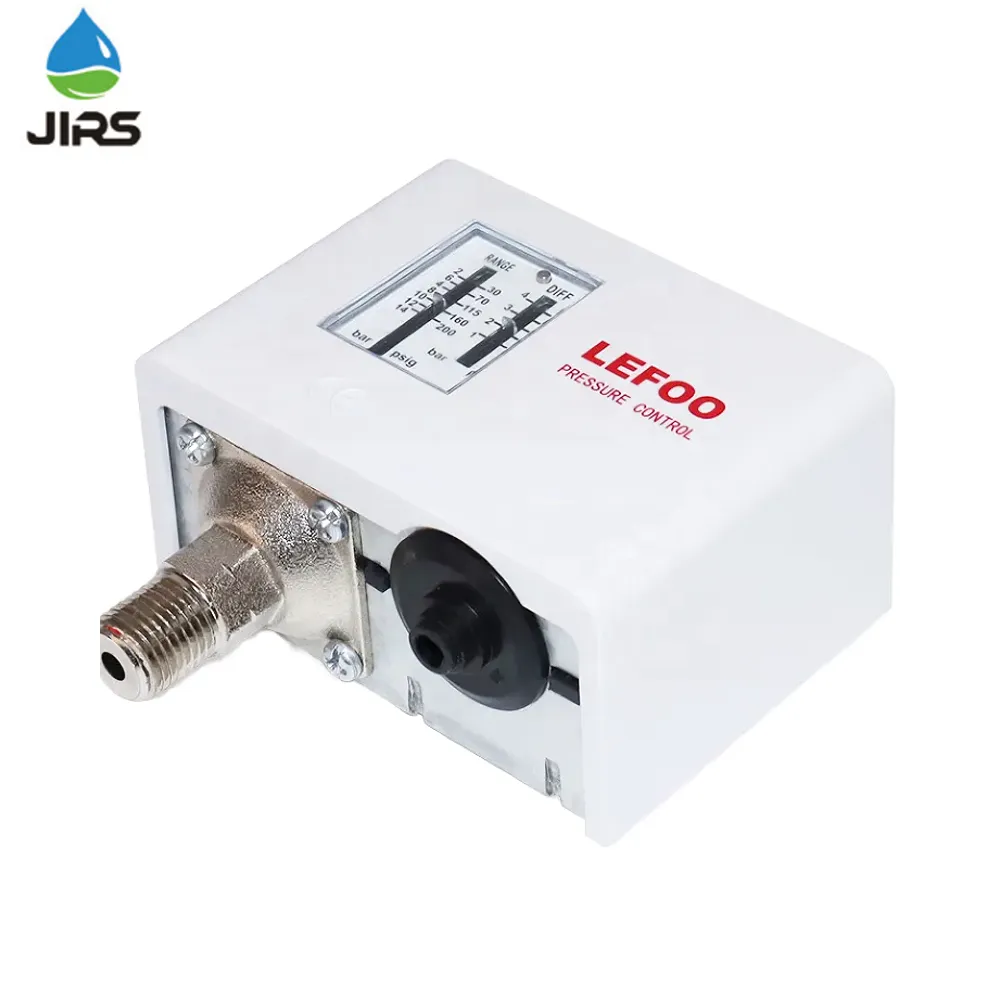
Advanced Manufacturing Process of Pressure Switches
The production of high-performance Pressure Switch devices is a meticulous process, integrating advanced material science with precision engineering. Adherence to stringent quality control and industry standards is critical at every stage.
Process Flow Overview:
- Material Selection and Sourcing:
- Materials: High-grade stainless steels (304, 316L), Hastelloy, Inconel for wetted parts, often selected for their superior corrosion resistance and mechanical strength. For housings, die-cast aluminum or robust engineering plastics are chosen for durability and environmental protection.
- Supplier Qualification: Raw materials are sourced from certified suppliers, undergoing rigorous incoming quality checks to ensure chemical composition and mechanical properties meet specifications.
- Component Manufacturing:
- Forging/Casting: For robust connection blocks and pressure ports, processes like forging (for enhanced strength and grain structure) or precision casting (for complex geometries) are employed.
- CNC Machining: Critical components such as diaphragm seals, piston chambers, and process connections are manufactured using multi-axis CNC machining centers. This ensures extremely tight tolerances (e.g., ±0.01 mm) for consistent performance and leak-free operation.
- Diaphragm/Bellows Forming: Specialized hydroforming or deep drawing techniques are used to create the sensing elements with precise elasticity and fatigue resistance, typically from thin-gauge metallic foils.
- Assembly and Calibration:
- Cleanroom Assembly: For sensitive electronic components and to prevent contamination, assembly often takes place in controlled environments.
- Precision Assembly: Microswitches are integrated with sensing elements using automated or semi-automated processes, ensuring proper contact alignment and consistent actuation.
- Calibration: Each pressure switch undergoes individual calibration using traceable pressure calibrators (e.g., those compliant with ISO 17025 standards). Set points and switching differentials are precisely adjusted and verified.
- Rigorous Testing and Quality Assurance:
- Leak Testing: All wetted parts and pressure connections are subjected to high-pressure leak tests (e.g., helium mass spectrometry, hydrostatic testing at 1.5x max working pressure) to guarantee integrity.
- Functional Testing: Comprehensive tests ensure repeatable set point activation, contact stability, and electrical integrity across the full operating range.
- Environmental Testing: Switches are tested for performance under extreme conditions (temperature cycling, vibration, shock) following standards like IEC 60068.
- Life Cycle Testing: Random samples undergo millions of switching cycles to verify predicted service life (e.g., 10 million cycles for mechanical switches).
- Certification Compliance: Products are tested and certified to international standards such as ISO 9001 (Quality Management), ANSI B1.20.1 (Pipe Threads), and specific safety standards like ATEX or IECEx for hazardous environments, and CE for European markets.
- Final Inspection and Packaging:
- Visual inspection, documentation, and protective packaging for shipment.
Target Industries and Advantages:
The robust manufacturing process ensures that our Pressure Switch products deliver significant advantages across demanding sectors:
- Petrochemical & Oil & Gas: Corrosion resistance (e.g., Hastelloy wetted parts) is critical for handling aggressive media like crude oil, natural gas, and various chemicals. Enhanced explosion-proof enclosures (ATEX/IECEx certified) ensure safety in hazardous locations.
- Metallurgy & Heavy Industry: High vibration and shock resistance, coupled with wide operating temperature ranges, ensure reliability in steel mills, foundries, and mining operations. Long service life reduces downtime in continuous processes.
- Water Supply & Drainage: Energy-saving capabilities through precise pump control and overpressure protection in water treatment plants and distribution networks. Materials like 316L SS prevent fouling and ensure potable water safety.
- HVAC & Refrigeration: Accurate control of refrigerants and fan pressures, contributing to energy efficiency and system stability.
- Hydraulic & Pneumatic Systems: High repeatability and fast response times ensure precise actuation and control in machinery, significantly improving operational safety and efficiency.
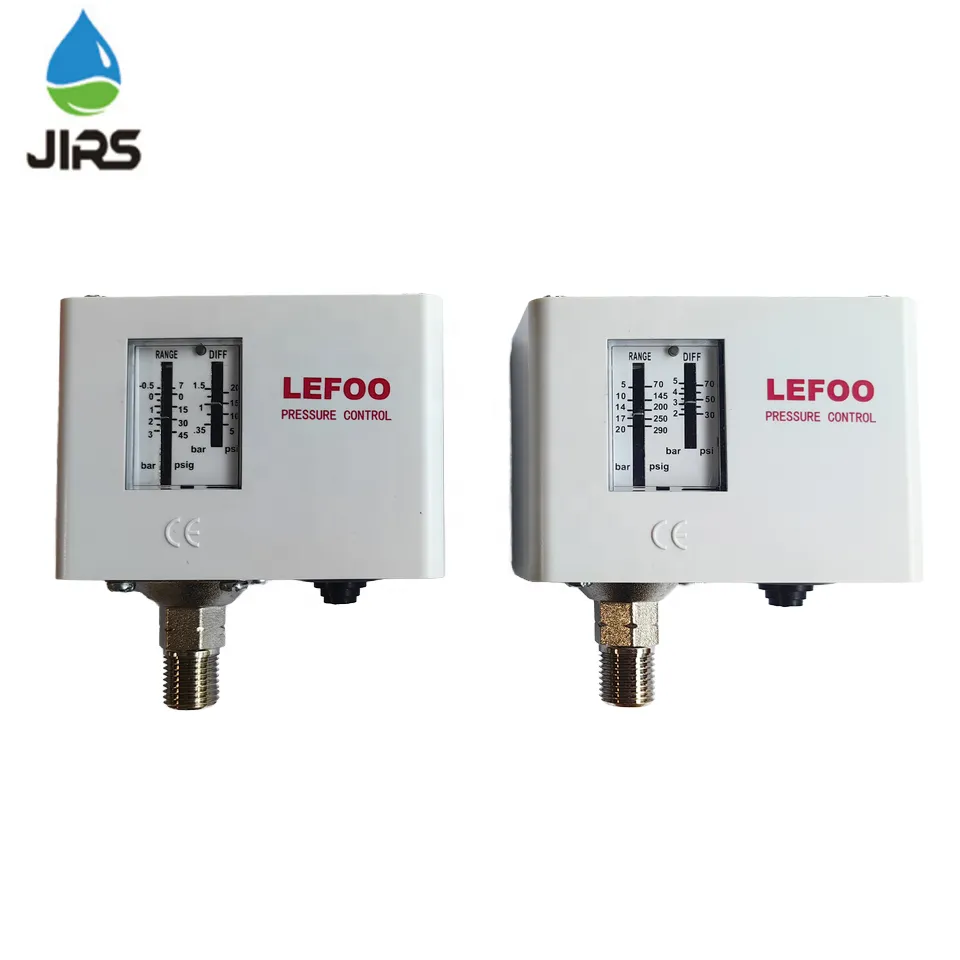
Technical Advantages and Performance Benchmarks
Our commitment to engineering excellence translates into significant technical advantages for our Pressure Switch offerings, ensuring superior performance and long-term reliability in the field.
Key Performance Advantages:
- Exceptional Durability and Service Life: Designed for an operational lifespan exceeding 10 million cycles under rated conditions, significantly reducing the total cost of ownership (TCO) by minimizing replacement and maintenance needs. Our products withstand harsh vibrations (up to 20g) and shocks (up to 100g) without compromising performance, meeting IEC 60068-2 standards.
- Superior Corrosion and Chemical Resistance: Utilizing materials such as 316L stainless steel for wetted parts and optional Hastelloy C-276, our switches offer unparalleled resistance to a wide range of aggressive chemicals, saline solutions, and high-purity media, extending reliability in demanding chemical processing and pharmaceutical applications.
- High Repeatability and Accuracy: With a typical repeatability of ±0.5% of the full-scale range, our pressure switches ensure precise control and consistent process outcomes, crucial for quality assurance in sensitive manufacturing and treatment processes. This precision helps maintain tight control loops and prevents process deviations.
- Wide Temperature Range Operation: Engineered to perform reliably across extreme ambient and media temperatures, typically from -40°C to +120°C, making them suitable for diverse climatic conditions and process heating/cooling applications.
- Energy Efficiency through Optimized Control: By providing accurate and rapid switching at precise pressure thresholds, our devices prevent over-pressurization or under-pressurization, leading to optimized pump/compressor operation. This direct control minimizes energy waste, with documented energy savings of 10-15% in continuous pumping applications compared to less precise alternatives.
- Robust Electrical Protection: Featuring surge protection, short-circuit protection, and advanced EMI/RFI shielding, our pressure switches ensure stable operation in electromagnetically noisy industrial environments, safeguarding connected control systems.
Comparative Performance Data:
To illustrate the competitive edge, here's a comparison of typical industrial pressure switches (Brand A & B) against our high-performance model (WAT Equipment Series):
| Feature/Parameter | WAT Equipment Series | Brand A (Standard) | Brand B (Premium) |
|---|---|---|---|
| Repeatability | ±0.5% FSR | ±1.5% FSR | ±0.75% FSR |
| Life Cycles (Mechanical) | >10 Million | >2 Million | >5 Million |
| Wetted Materials Options | 316L SS, Hastelloy, Monel, PTFE | 304 SS, Brass | 316L SS, Viton |
| Hazardous Area Cert. | ATEX, IECEx, UL, CSA | Limited (e.g., UL) | ATEX, UL |
| Vibration Resistance | 20g (IEC 60068-2-6) | 5g | 10g |
| Operating Temp. Range | -40°C to +120°C | -10°C to +70°C | -20°C to +90°C |
This comparison underscores our commitment to delivering a Pressure Switch solution that not only meets but often exceeds industry benchmarks, providing tangible benefits in terms of reliability, safety, and operational cost savings.
Application Scenarios and Real-World Case Studies
The versatility of a well-engineered Pressure Switch allows its deployment across an extensive range of critical industrial applications, functioning as a primary control, alarm, or safety interlock device.
Typical Application Scenarios:
- Pump and Compressor Control: Maintaining desired system pressure by starting/stopping pumps or compressors. For instance, in a municipal water supply system, a pressure switch activates booster pumps when demand lowers the line pressure below a set threshold.
- Filter Clogging Detection: Monitoring differential pressure across filters. A pressure switch signals when the differential exceeds a set point, indicating filter blockage and the need for replacement or cleaning, preventing system damage and maintaining flow rates.
- Hydraulic and Pneumatic System Safeguards: Preventing over-pressurization in cylinders, accumulators, and lines. In hydraulic presses, a pressure switch ensures the system pressure remains within safe operating limits, disengaging power if excessive pressure is detected.
- Steam and Boiler Systems: High-pressure cut-off in steam boilers to prevent dangerous overpressure conditions. Also used for low-water cutoff protection, ensuring the boiler maintains adequate water levels.
- Lubrication Systems: Monitoring lubrication oil pressure in heavy machinery. A drop below the set point can trigger an alarm or shut down the machine to prevent damage to critical components like bearings.
- Fire Suppression Systems: Actuating alarm systems or deluge valves when a specific pressure drop occurs in fire sprinkler lines, indicating activation of a sprinkler head.
Customer Feedback and Service Case Details:
Our dedication to quality and customer satisfaction is reflected in successful deployments across various industries.
- Case Study 1: Petrochemical Refinery Safety System
- Challenge: A major refinery needed reliable overpressure protection for critical chemical reactors handling highly corrosive media, requiring ATEX-certified, high-accuracy pressure switches with exceptional material compatibility.
- Solution: We supplied a series of our high-grade diaphragm Pressure Switch units with Hastelloy C-276 wetted parts and IP67/ATEX Zone 1 certification.
- Outcome: The switches performed flawlessly for over 5 years without a single failure, exceeding the client's previous supplier's average lifespan by 300%. The client reported enhanced operational safety and significantly reduced maintenance costs due to the switches' robust design and corrosion resistance.
- Case Study 2: Water Treatment Plant Optimization
- Challenge: A large municipal water treatment facility sought to optimize its pump control logic to reduce energy consumption and extend pump life while ensuring consistent water pressure.
- Solution: We implemented our digital electronic pressure switches with programmable hysteresis and remote monitoring capabilities. These switches precisely controlled pump cycling based on real-time network pressure fluctuations.
- Outcome: The integration resulted in a verified 12% reduction in electricity consumption for pumping operations within the first year. The plant manager praised the system's "unparalleled accuracy and ability to fine-tune operations," leading to a significant return on investment.
- Case Study 3: OEM for Heavy Construction Equipment
- Challenge: An OEM manufacturing excavators required compact, vibration-resistant pressure switches for their hydraulic systems, needing rapid delivery for large production runs.
- Solution: We provided custom-designed piston-type pressure switches with specialized shock-absorbing mounts, tailored to the OEM's exact pressure ranges and electrical connectors. We also committed to a guaranteed lead time of 4 weeks for bulk orders.
- Outcome: The switches successfully endured the demanding conditions of construction sites. The OEM reported zero field failures related to pressure switches over two years and lauded our consistent product quality and reliable fulfillment, which prevented production delays.
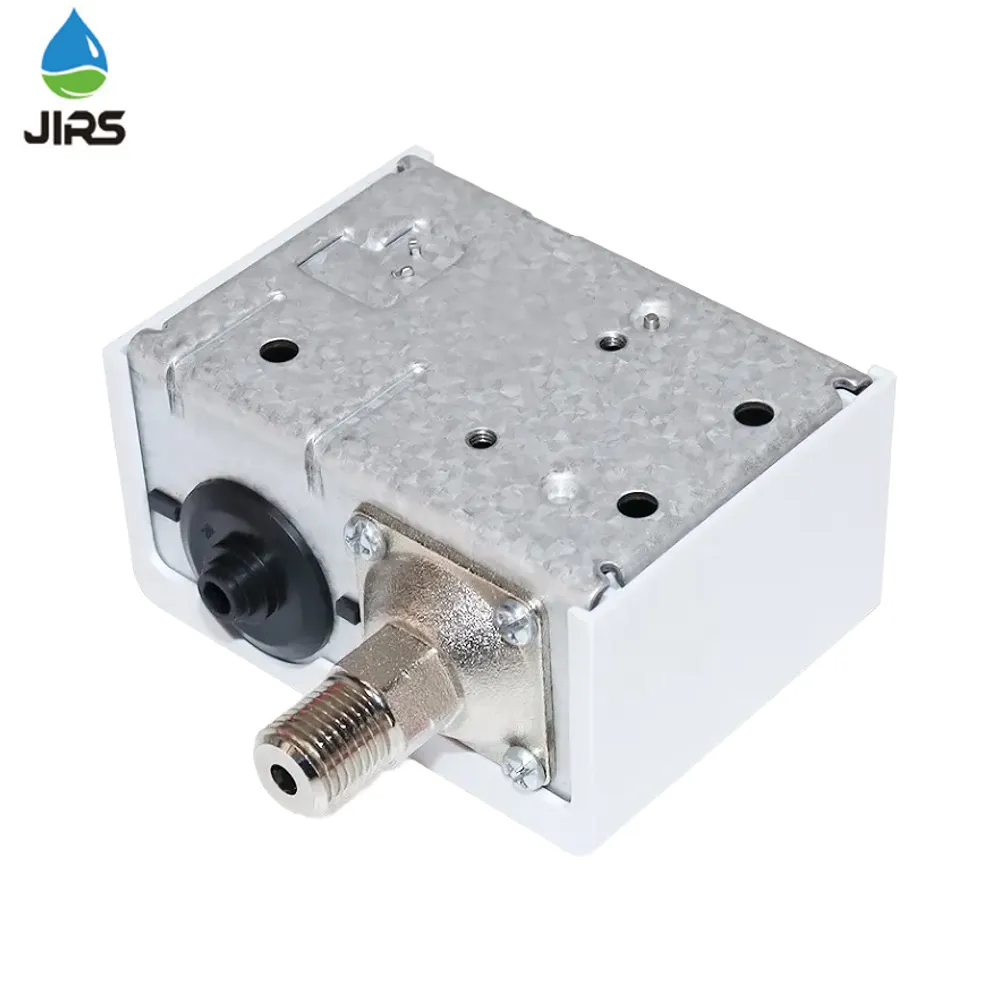
Vendor Comparison and Customized Solutions
The market for industrial Pressure Switch solutions is diverse, with numerous vendors offering a range of products. Differentiating factors often lie in material quality, manufacturing precision, adherence to certifications, and the ability to provide tailored solutions.
What Sets Us Apart in Vendor Comparison:
- Authoritative Certifications: Our products are globally recognized and certified by leading bodies. We hold ISO 9001:2015 for quality management, ensuring consistent manufacturing excellence. Additionally, many of our Pressure Switch models are ATEX, IECEx, UL, and CE certified, making them suitable for hazardous environments and international markets. Our wetted materials comply with FDA standards where applicable for food and pharmaceutical industries.
- Years of Service and Expertise: With over two decades of specialized experience in pressure control instrumentation, we bring unparalleled expertise to every project. Our engineering team comprises seasoned professionals with deep knowledge of fluid dynamics and electrical control systems.
- Partner Clients & Trust: We have established long-term partnerships with Fortune 500 companies in petrochemicals, power generation, and water utilities. Our repeat business from these demanding sectors is a testament to the trust they place in our products and service.
- Comprehensive Test Data & Analysis: Unlike many general suppliers, we provide detailed test reports for batch quality, including pressure cycling data, material certifications, and environmental resilience reports, reinforcing product reliability and compliance.
Customized Solutions for Unique Requirements:
Recognizing that off-the-shelf solutions may not always meet the precise demands of highly specialized industrial processes, we offer extensive customization capabilities for our Pressure Switch lines. Our engineering team collaborates closely with clients to develop tailored solutions.
- Application-Specific Pressure Ranges: Fine-tuning set points and differential ranges to optimize performance for unique system pressures, beyond standard catalog offerings.
- Specialized Material Configurations: Offering exotic wetted materials (e.g., Titanium, Monel) for extreme corrosive media, or specific elastomer seals (e.g., Kalrez, Perfluorocarbon) for chemical compatibility in challenging applications.
- Custom Process Connections: Manufacturing switches with non-standard threads, flange types, or unique quick-connect fittings to seamlessly integrate into existing pipeline infrastructure.
- Electrical Interface Modifications: Customizing electrical connections (e.g., specialized connectors, flying leads, digital outputs like IO-Link for smart integration) to match specific control system architectures.
- Environmental Enhancements: Designing switches with enhanced ingress protection (e.g., IP68 for submersible applications), higher vibration/shock resistance, or wider temperature range capabilities for operations in extreme environments.
- Private Labeling and Branding: For OEMs and large-volume clients, we offer private labeling services, allowing them to brand our high-quality products as their own, maintaining brand consistency while leveraging our manufacturing expertise.
Our approach to customization ensures that clients receive a pressure switch that is not just a component, but a perfectly integrated solution designed for optimal performance and longevity in their specific operational context.
Trustworthiness: FAQ, Lead Time, Warranty & Support
Frequently Asked Questions (FAQ):
Q1: How do I select the correct Pressure Switch for my application?
A1: Selection depends on several factors: the required pressure range, media type (corrosive/non-corrosive), operating temperature, electrical rating, desired switching differential, process connection type, and environmental conditions (e.g., hazardous area, vibration). Our technical sales team is available to assist you in making the optimal choice.
Q2: What is hysteresis, and why is it important?
A2: Hysteresis, or switching differential, is the difference between the actuation pressure and the de-actuation pressure. It prevents rapid cycling (chattering) of the switch when the pressure fluctuates near the set point, extending the switch's lifespan and ensuring stable control. Our switches offer optimized or adjustable hysteresis to suit various applications.
Q3: Can your pressure switches be used in hazardous locations?
A3: Yes, we offer a range of pressure switches certified for hazardous areas, including ATEX, IECEx, and UL approvals for various Zones and Divisions. Please specify your hazardous area classification requirements during inquiry to ensure the correct model is provided.
Q4: What is the expected service life of your mechanical pressure switches?
A4: Our mechanical pressure switches are designed for a robust service life, typically exceeding 10 million switching cycles under normal operating conditions, validated through extensive in-house testing following industry standards.
Lead Time and Fulfillment Details:
We understand the importance of timely delivery for maintaining operational continuity. Our standard lead time for most catalog Pressure Switch models is 2-4 weeks. For urgent requirements, expedited shipping options are available. Customized solutions and bulk orders may require slightly longer lead times, which will be communicated clearly during the quotation process. We maintain a robust supply chain and optimized production schedules to ensure reliable fulfillment.
Warranty Commitments:
All our Pressure Switch products are backed by a comprehensive 24-month warranty from the date of purchase, covering defects in materials and workmanship. This warranty reflects our confidence in the quality and durability of our engineering. Extended warranty options are available upon request for specific projects.
Customer Support and After-Sales Service:
Our commitment extends beyond product delivery. We provide extensive after-sales support to ensure optimal performance and customer satisfaction.
- Technical Assistance: Our team of expert engineers is available to provide technical guidance, troubleshooting, and application support via phone and email.
- Documentation & Resources: Comprehensive product manuals, installation guides, and calibration procedures are available for all our products.
- Field Service & Training: For complex installations or large-scale projects, on-site field service and product training can be arranged to ensure seamless integration and operation.
- Spare Parts Availability: We ensure the availability of genuine spare parts to support the long-term maintainability of our pressure switches.
At WAT Equipment, we prioritize building lasting relationships with our clients through superior product quality and unwavering customer support.
Conclusion
The industrial Pressure Switch remains an indispensable component for critical control and safety functions across a multitude of sectors. As industries push the boundaries of automation, efficiency, and safety, the demand for increasingly sophisticated, durable, and reliable pressure switch technology will only grow. Our commitment to cutting-edge manufacturing processes, rigorous quality assurance, adherence to global standards, and comprehensive customer support positions us as a leading provider of high-performance pressure switch solutions. From advanced material science to intelligent integration capabilities, we ensure our products deliver precision, longevity, and unparalleled value, enabling our clients to achieve operational excellence and secure their critical processes. Partner with us to leverage expertise that drives innovation and reliability in pressure control.
Citations
- International Organization for Standardization (ISO). ISO 9001:2015 - Quality management systems - Requirements.
- International Electrotechnical Commission (IEC). IEC 60068 - Environmental testing.
- European Union. ATEX Directive 2014/34/EU - Equipment and protective systems intended for use in potentially explosive atmospheres.
- ANSI/ASME. B1.20.1 - Pipe Threads, General Purpose (Inch).
- Process Control and Instrumentation Handbook. John Wiley & Sons, Inc. 2018.
- Fluid Power Handbook, 8th Edition. McGraw-Hill Professional. 2021.

Related Products
Related News

2026-04-16 03:20:19
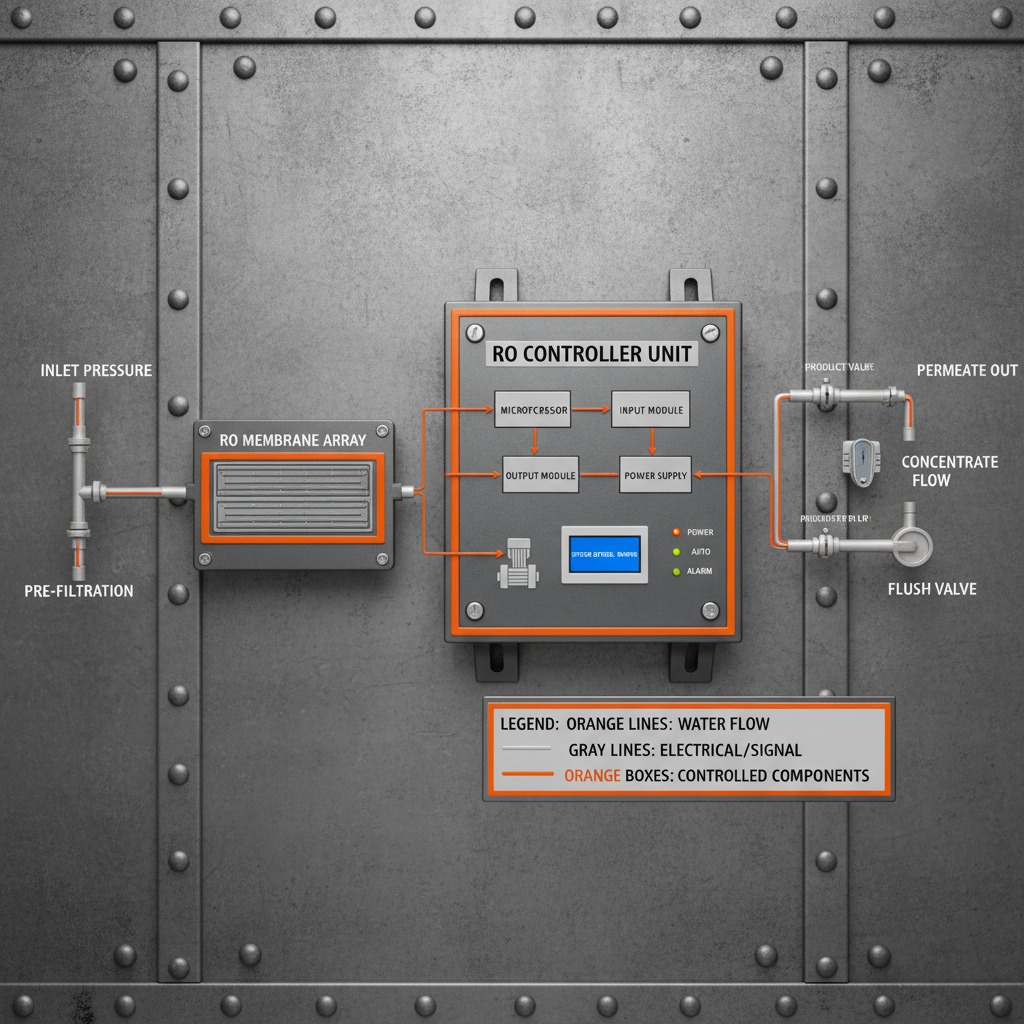
Guide to Choosing the Right RO Controller for Water PurificationMaintaining a high-performance reverse osmosis system requires more than just quality membranes; it demands precise regulation. An ro controller serves as the brain of the entire operation, monitoring critical parameters such as conductivity, temperature, and flow rates to ensure the output water meets stringent purity standards. Without an efficient controller, systems are prone to membrane fouling, inefficient energy use, and inconsistent water quality. In this comprehensive guide, we will explore how these devices optimize water treatment processes and how to select the best model for your specific industrial or commercial needs.
2026-04-09 03:25:47
Guide to Water Purity Using RO with TDS Controller SystemsAchieving the perfect balance of mineral content and purity in drinking water is a challenge for many households and industrial facilities. A ro with tds controller offers a sophisticated solution by combining the rigorous filtration of Reverse Osmosis (RO) with the precision of a Total Dissolved Solids (TDS) adjustment system. While standard RO systems remove almost everything, including beneficial minerals, a TDS controller allows users to re-mineralize the water to a desired level. This ensures that the water is not only safe and pure but also tastes better and provides essential nutrients.
2026-04-07 03:17:09
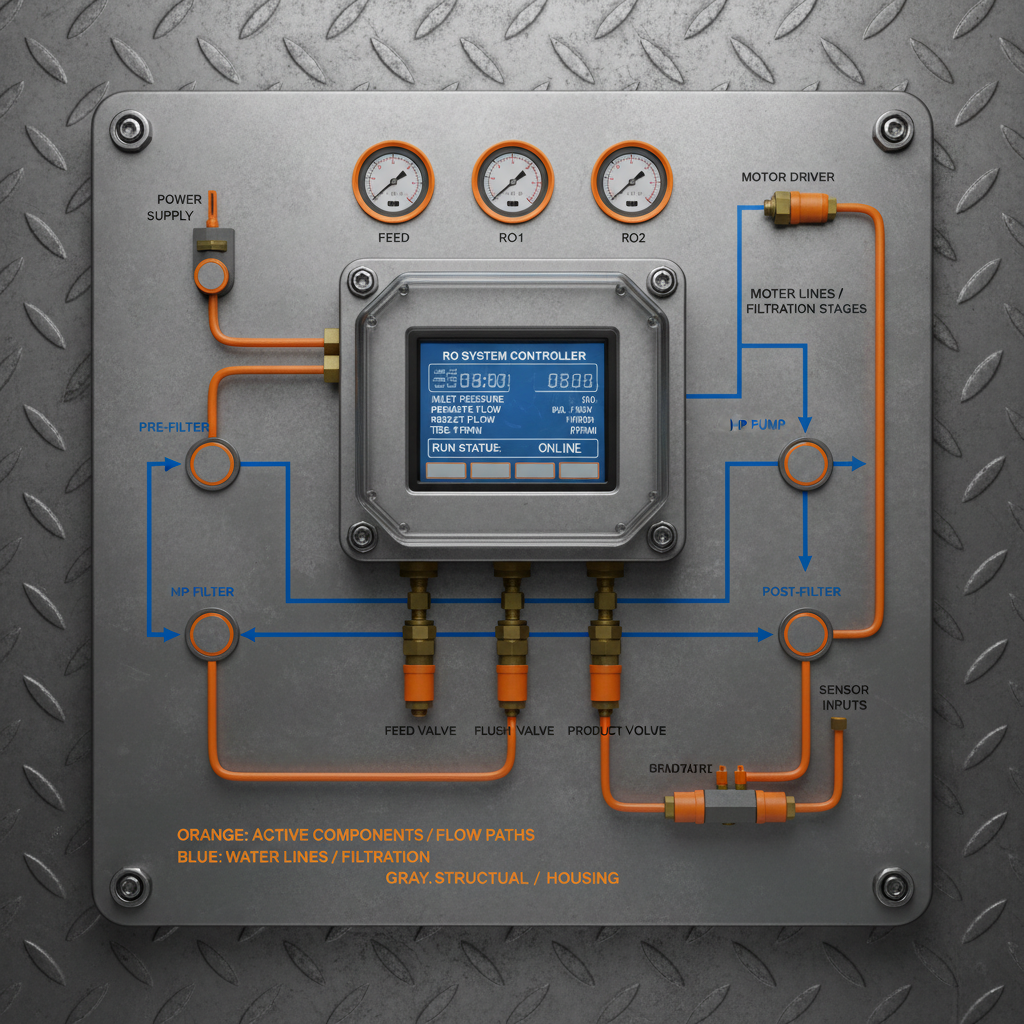
Understanding and Optimizing Reverse Osmosis Systems with a ControllerIn the world of water purification, reverse osmosis (RO) systems are a cornerstone for producing high-quality water for various applications, from drinking water to industrial processes. However, an RO system is only as effective as its control system. This is where the reverse osmosis controller comes into play. This critical component manages and optimizes the RO process, ensuring efficient operation, water quality, and system longevity.
2026-04-04 03:27:19
Understanding the Vital Role of an RO System Controller for Optimal PerformanceReverse Osmosis (RO) systems are critical for purifying water across various industries, from residential applications to large-scale industrial processes. At the heart of a well-functioning RO system lies the RO system controller. This intelligent device monitors and regulates all key parameters of the RO process, ensuring optimal performance, efficiency, and water quality. This article delves into the functionalities, benefits, and selection criteria for choosing the right RO system controller, particularly focusing on those offered by Watequipments. Understanding its role is crucial for maximizing the lifespan and effectiveness of your RO investment.
2026-03-24 17:18:24
Smart Water Treatment Solutions Using PH ORP Controller SystemsIn modern water treatment and industrial fluid management, maintaining precise chemical balance is essential for safety, efficiency, and regulatory compliance.
2026-03-04 02:55:19
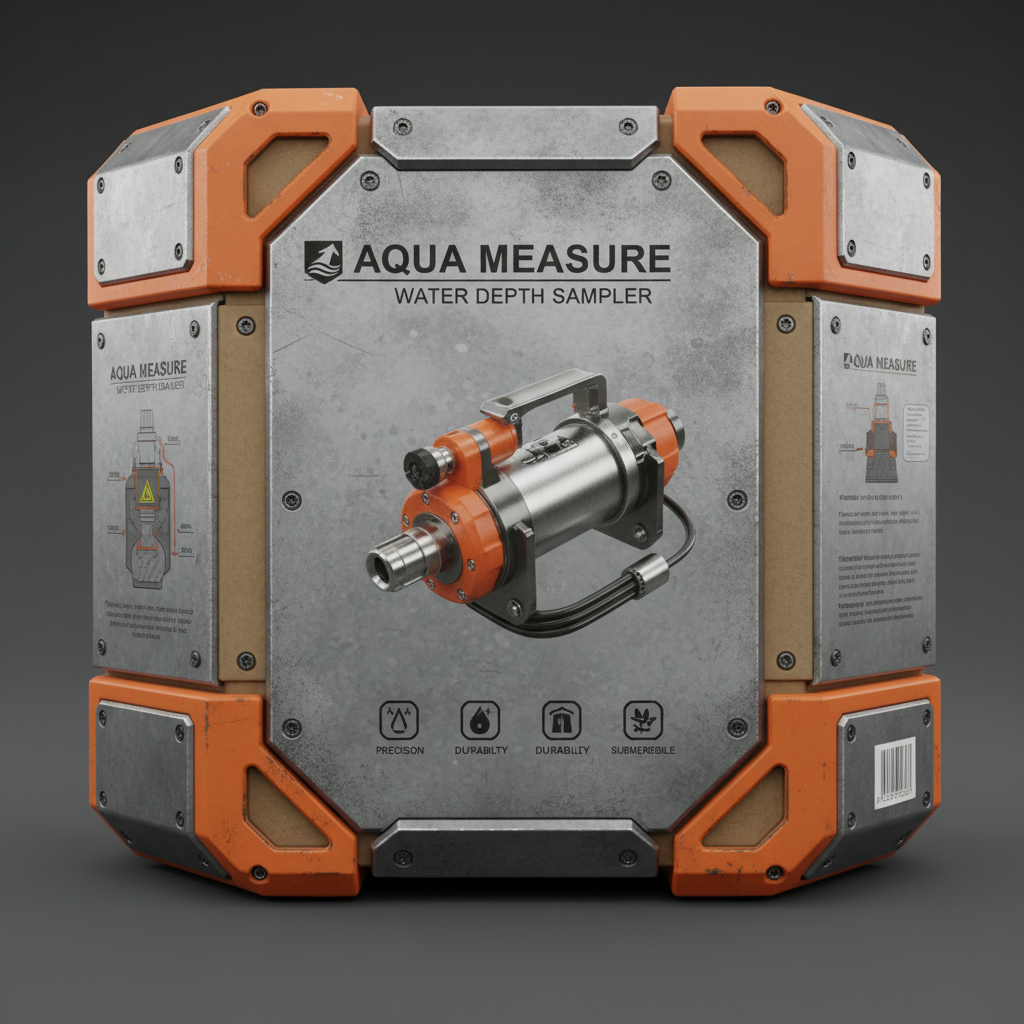
Comprehensive Guide to Water Depth Samplers and Their ApplicationsAccurate water quality monitoring is crucial in various fields, from environmental science and aquaculture to industrial wastewater management. A key tool for this is the water depth sampler. This article provides an in-depth look at water depth samplers, their applications, types, and essential considerations for choosing the right one for your needs. We'll explore the benefits of utilizing this equipment to collect reliable data for analysis and informed decision-making. Selecting the right sampler can significantly improve the precision and efficiency of your water monitoring program. A water depth sampler, also known as a depth-integrated sampler, is a device designed to collect water samples from specific depths within a body of water. Unlike simply dipping a container into the water, a depth sampler allows for collection of a representative sample across a defined depth range. This is critical because water properties (temperature, salinity, pollutants) often vary significantly with depth. The data gathered with a water depth sampler provides a more accurate assessment of water quality than surface samples alone.
2026-03-03 18:55:22
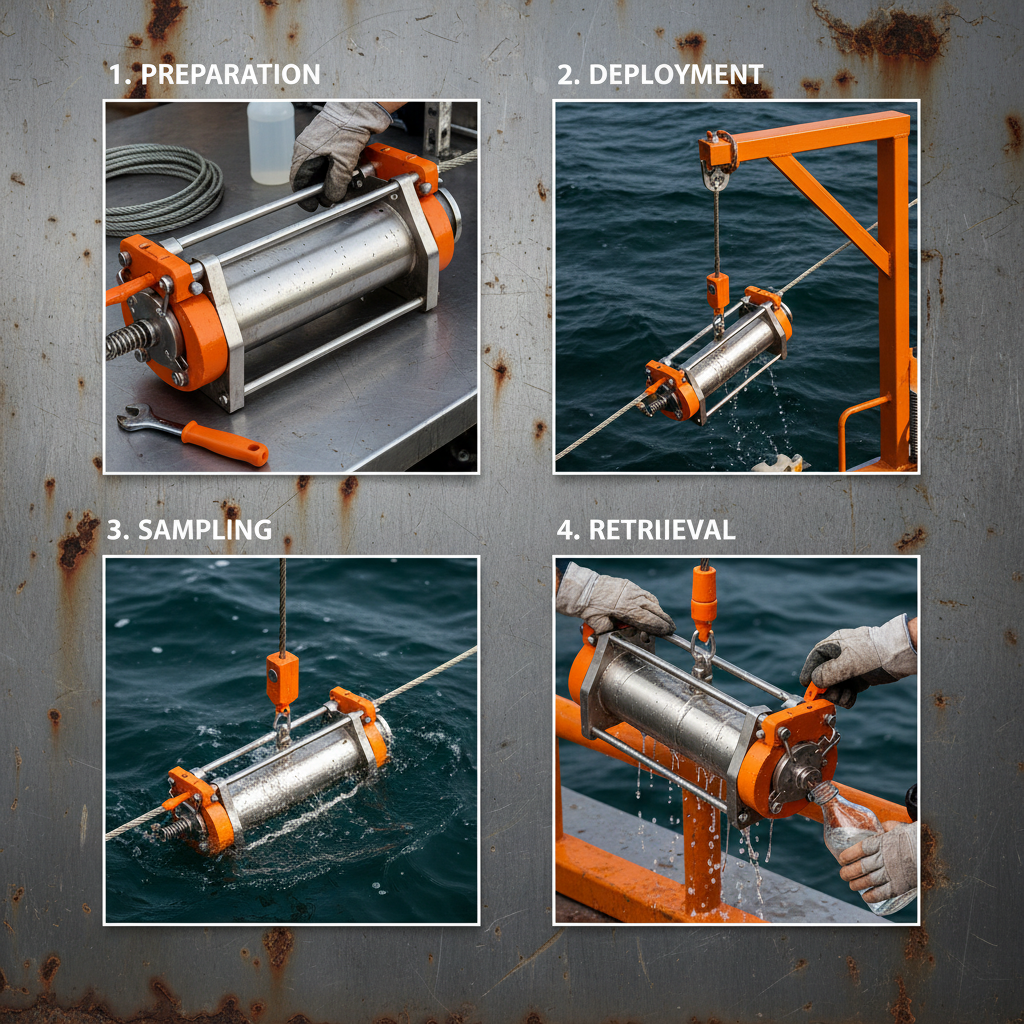
Comprehensive Guide to Horizontal Water Sampler Applications and SelectionCollecting water samples at varying depths is crucial for environmental monitoring, research, and quality control. The horizontal water sampler from Watequipment.com offers a precise and efficient solution for this task. This article provides an in-depth look at horizontal water samplers, their applications, benefits, and key considerations when choosing the right model. We will explore how these samplers contribute to accurate data collection and informed decision-making in various fields. A horizontal water sampler is a device designed to collect water samples from specific depths within a body of water – rivers, lakes, oceans, reservoirs, and even wastewater treatment plants. Unlike vertical samplers which primarily focus on depth, horizontal samplers prioritize collecting samples at a consistent depth while moving along a horizontal plane. This is essential for assessing water quality variations across a waterway or within a specific zone. They are used in applications ranging from environmental monitoring and scientific research to industrial process control and regulatory compliance.
2026-02-28 02:35:09
Comprehensive Guide to Selecting the Right Surface Water Sampler for Your NeedsMonitoring the quality of surface water is critical for environmental protection, public health, and various industrial applications. A surface water sampler is an essential tool for collecting representative samples from rivers, lakes, ponds, and other surface water sources. This article provides a detailed overview of surface water samplers, their types, applications, and key considerations for selecting the right equipment. Accurate water quality data relies on proper sample collection, and choosing the correct sampler is the first step toward achieving reliable results. Surface water samplers come in various designs, each suited to specific sampling needs. Common types include grab samplers, depth-integrating samplers, peristaltic pumps, and automatic samplers. Surface water samplers are used across a broad spectrum of applications, including environmental monitoring, wastewater discharge monitoring, drinking water source monitoring, agricultural runoff analysis, and research studies.
Reliable Pressure Switch | Precision Control & Monitoring Solutions
Reliable Pressure Switch | Precision Control & Monitoring Solutions
Sep . 08, 2025
Introduction to Pressure Switches in Industrial Applications
In complex industrial environments, the precise monitoring and control of fluid pressure are paramount for operational efficiency, safety, and system longevity. At the heart of such critical control systems lies the Pressure Switch. This electromechanical device acts as a safeguard and an operational trigger, converting a specific fluid pressure into an electrical signal. Essentially, it senses changes in pressure and, upon reaching a predefined set point, activates or deactivates an electrical circuit. From ensuring optimal performance in hydraulic and pneumatic systems to preventing catastrophic failures in high-pressure pipelines, the versatility and reliability of pressure switches make them indispensable across a spectrum of B2B industries. Understanding their fundamental principles, advanced functionalities, and diverse applications is crucial for engineers and decision-makers aiming to optimize their operational frameworks.
Evolving Industry Trends in Pressure Switch Technology
The industrial landscape is perpetually evolving, driven by demands for greater efficiency, precision, and integration. Pressure Switch technology is no exception, witnessing significant advancements propelled by Industry 4.0 paradigms and the growing emphasis on predictive maintenance. Current trends highlight a shift towards smarter, more robust, and digitally integrated solutions.
- Smart and IoT Integration: Modern pressure switches are increasingly incorporating smart features, including digital displays, programmable set points, and communication protocols such as IO-Link, Modbus, and Ethernet/IP. This allows for real-time data acquisition, remote monitoring, and seamless integration into plant-wide control systems, facilitating predictive maintenance and optimized process control.
- Miniaturization and Modularity: The demand for compact systems and flexible installations drives the development of smaller, more modular pressure switches. This enables integration into confined spaces and offers greater flexibility in system design and upgrades, reducing overall footprint and installation complexity.
- Enhanced Durability and Material Science: With applications in increasingly harsh environments, there's a strong trend towards using advanced materials (e.g., Hastelloy, Inconel, specialized ceramics) for wetted parts and robust housing materials (e.g., stainless steel, reinforced polymers) to improve resistance to corrosion, extreme temperatures, and vibration. This extends service life and reduces maintenance intervals.
- Energy Efficiency: Innovations are also focusing on reducing power consumption, particularly for battery-powered or remote applications. Low-power electronics and optimized sensing mechanisms contribute to greener operations and extended field deployment.
- Safety and Compliance: Growing global regulations and safety standards (e.g., SIL ratings for functional safety, ATEX/IECEx for hazardous areas) are pushing manufacturers to design pressure switches that meet stringent safety requirements, ensuring reliable operation in critical applications and protecting personnel and assets.
These trends collectively point towards a future where Pressure Switch devices are not just simple on/off components but intelligent, data-rich sensors integral to sophisticated industrial automation and safety systems.
Technical Specifications and Operating Principles
A Pressure Switch fundamentally operates on the principle of converting mechanical displacement, caused by pressure exertion, into an electrical signal. This conversion is typically achieved using a sensing element linked to an electrical contact mechanism.
Core Structure and Sensing Elements:
- Diaphragm Type: Utilizes a flexible membrane (diaphragm) that deflects under pressure. This deflection moves a piston or pin, actuating a microswitch. Ideal for low to medium pressures and often used with corrosive media due to diverse material options (e.g., NBR, FKM, Stainless Steel, PTFE).
- Bellows Type: Employs a corrugated, flexible metal cylinder (bellows) that expands or contracts with pressure changes. Offers higher sensitivity and accuracy for very low pressures compared to diaphragms. Materials often include brass, phosphor bronze, or stainless steel.
- Piston Type: Features a piston that moves within a cylinder, sealed by an O-ring, against a spring. As pressure increases, the piston moves, activating a switch. Robust and suitable for high-pressure applications, resisting fluid surges. Common materials are hardened steel or stainless steel.
- Bourdon Tube Type: A C-shaped or helical tube that tends to straighten under internal pressure. This slight movement is amplified via linkages to actuate a switch. Highly accurate for a wide range of pressures, often found in precision applications.
Key Parameters:
- Set Point: The specific pressure value at which the switch changes its contact state. It is adjustable within the operating range.
- Switching Differential (Hysteresis): The difference between the pressure at which the switch actuates and the pressure at which it de-actuates. A controlled differential prevents rapid cycling (chattering) of the switch.
- Repeatability: The ability of the switch to operate at the same set point under identical conditions. Critical for consistent process control.
- Pressure Range: The minimum and maximum pressure values the switch is designed to handle.
- Electrical Rating: Maximum voltage and current the electrical contacts can safely switch. Typically expressed in VAC/VDC and Amps.
- Process Connection: Thread type and size for connecting to the pressure line (e.g., NPT, BSP, G threads).
- Wetted Materials: Materials of components that come into direct contact with the process fluid (e.g., 316L Stainless Steel, Hastelloy C-276, PVDF).
- Enclosure Rating: IP (Ingress Protection) or NEMA ratings indicating protection against dust, water, and hazardous environments.
Example Product Specification Table:
| Parameter | Value/Specification | Notes |
|---|---|---|
| Sensing Element Type | Diaphragm (316L SS) | For corrosive and non-corrosive media |
| Adjustable Pressure Range | 0.2 to 10 MPa (2 to 100 bar) | Field adjustable with clear scale |
| Max. Working Pressure | 15 MPa (150 bar) | Proof pressure up to 22.5 MPa |
| Switching Differential | Fixed, 10-15% of set point | Prevents rapid cycling |
| Electrical Contacts | SPDT (Single Pole Double Throw) | Normally Open (NO) & Normally Closed (NC) |
| Electrical Rating | 250 VAC, 5A resistive; 30 VDC, 3A resistive | Max. continuous load |
| Process Connection | G 1/2" Male (optional NPT) | Standard industrial threads |
| Operating Temperature | -20°C to +80°C | Ambient and media temperature |
| Enclosure Material | Die-cast Aluminum, epoxy coated | Corrosion resistant |
| Enclosure Rating | IP65 | Dust-tight, protected against water jets |
Selecting the appropriate Pressure Switch demands a thorough evaluation of these parameters against specific application requirements.
Advanced Manufacturing Process of Pressure Switches
The production of high-performance Pressure Switch devices is a meticulous process, integrating advanced material science with precision engineering. Adherence to stringent quality control and industry standards is critical at every stage.
Process Flow Overview:
- Material Selection and Sourcing:
- Materials: High-grade stainless steels (304, 316L), Hastelloy, Inconel for wetted parts, often selected for their superior corrosion resistance and mechanical strength. For housings, die-cast aluminum or robust engineering plastics are chosen for durability and environmental protection.
- Supplier Qualification: Raw materials are sourced from certified suppliers, undergoing rigorous incoming quality checks to ensure chemical composition and mechanical properties meet specifications.
- Component Manufacturing:
- Forging/Casting: For robust connection blocks and pressure ports, processes like forging (for enhanced strength and grain structure) or precision casting (for complex geometries) are employed.
- CNC Machining: Critical components such as diaphragm seals, piston chambers, and process connections are manufactured using multi-axis CNC machining centers. This ensures extremely tight tolerances (e.g., ±0.01 mm) for consistent performance and leak-free operation.
- Diaphragm/Bellows Forming: Specialized hydroforming or deep drawing techniques are used to create the sensing elements with precise elasticity and fatigue resistance, typically from thin-gauge metallic foils.
- Assembly and Calibration:
- Cleanroom Assembly: For sensitive electronic components and to prevent contamination, assembly often takes place in controlled environments.
- Precision Assembly: Microswitches are integrated with sensing elements using automated or semi-automated processes, ensuring proper contact alignment and consistent actuation.
- Calibration: Each pressure switch undergoes individual calibration using traceable pressure calibrators (e.g., those compliant with ISO 17025 standards). Set points and switching differentials are precisely adjusted and verified.
- Rigorous Testing and Quality Assurance:
- Leak Testing: All wetted parts and pressure connections are subjected to high-pressure leak tests (e.g., helium mass spectrometry, hydrostatic testing at 1.5x max working pressure) to guarantee integrity.
- Functional Testing: Comprehensive tests ensure repeatable set point activation, contact stability, and electrical integrity across the full operating range.
- Environmental Testing: Switches are tested for performance under extreme conditions (temperature cycling, vibration, shock) following standards like IEC 60068.
- Life Cycle Testing: Random samples undergo millions of switching cycles to verify predicted service life (e.g., 10 million cycles for mechanical switches).
- Certification Compliance: Products are tested and certified to international standards such as ISO 9001 (Quality Management), ANSI B1.20.1 (Pipe Threads), and specific safety standards like ATEX or IECEx for hazardous environments, and CE for European markets.
- Final Inspection and Packaging:
- Visual inspection, documentation, and protective packaging for shipment.
Target Industries and Advantages:
The robust manufacturing process ensures that our Pressure Switch products deliver significant advantages across demanding sectors:
- Petrochemical & Oil & Gas: Corrosion resistance (e.g., Hastelloy wetted parts) is critical for handling aggressive media like crude oil, natural gas, and various chemicals. Enhanced explosion-proof enclosures (ATEX/IECEx certified) ensure safety in hazardous locations.
- Metallurgy & Heavy Industry: High vibration and shock resistance, coupled with wide operating temperature ranges, ensure reliability in steel mills, foundries, and mining operations. Long service life reduces downtime in continuous processes.
- Water Supply & Drainage: Energy-saving capabilities through precise pump control and overpressure protection in water treatment plants and distribution networks. Materials like 316L SS prevent fouling and ensure potable water safety.
- HVAC & Refrigeration: Accurate control of refrigerants and fan pressures, contributing to energy efficiency and system stability.
- Hydraulic & Pneumatic Systems: High repeatability and fast response times ensure precise actuation and control in machinery, significantly improving operational safety and efficiency.
Technical Advantages and Performance Benchmarks
Our commitment to engineering excellence translates into significant technical advantages for our Pressure Switch offerings, ensuring superior performance and long-term reliability in the field.
Key Performance Advantages:
- Exceptional Durability and Service Life: Designed for an operational lifespan exceeding 10 million cycles under rated conditions, significantly reducing the total cost of ownership (TCO) by minimizing replacement and maintenance needs. Our products withstand harsh vibrations (up to 20g) and shocks (up to 100g) without compromising performance, meeting IEC 60068-2 standards.
- Superior Corrosion and Chemical Resistance: Utilizing materials such as 316L stainless steel for wetted parts and optional Hastelloy C-276, our switches offer unparalleled resistance to a wide range of aggressive chemicals, saline solutions, and high-purity media, extending reliability in demanding chemical processing and pharmaceutical applications.
- High Repeatability and Accuracy: With a typical repeatability of ±0.5% of the full-scale range, our pressure switches ensure precise control and consistent process outcomes, crucial for quality assurance in sensitive manufacturing and treatment processes. This precision helps maintain tight control loops and prevents process deviations.
- Wide Temperature Range Operation: Engineered to perform reliably across extreme ambient and media temperatures, typically from -40°C to +120°C, making them suitable for diverse climatic conditions and process heating/cooling applications.
- Energy Efficiency through Optimized Control: By providing accurate and rapid switching at precise pressure thresholds, our devices prevent over-pressurization or under-pressurization, leading to optimized pump/compressor operation. This direct control minimizes energy waste, with documented energy savings of 10-15% in continuous pumping applications compared to less precise alternatives.
- Robust Electrical Protection: Featuring surge protection, short-circuit protection, and advanced EMI/RFI shielding, our pressure switches ensure stable operation in electromagnetically noisy industrial environments, safeguarding connected control systems.
Comparative Performance Data:
To illustrate the competitive edge, here's a comparison of typical industrial pressure switches (Brand A & B) against our high-performance model (WAT Equipment Series):
| Feature/Parameter | WAT Equipment Series | Brand A (Standard) | Brand B (Premium) |
|---|---|---|---|
| Repeatability | ±0.5% FSR | ±1.5% FSR | ±0.75% FSR |
| Life Cycles (Mechanical) | >10 Million | >2 Million | >5 Million |
| Wetted Materials Options | 316L SS, Hastelloy, Monel, PTFE | 304 SS, Brass | 316L SS, Viton |
| Hazardous Area Cert. | ATEX, IECEx, UL, CSA | Limited (e.g., UL) | ATEX, UL |
| Vibration Resistance | 20g (IEC 60068-2-6) | 5g | 10g |
| Operating Temp. Range | -40°C to +120°C | -10°C to +70°C | -20°C to +90°C |
This comparison underscores our commitment to delivering a Pressure Switch solution that not only meets but often exceeds industry benchmarks, providing tangible benefits in terms of reliability, safety, and operational cost savings.
Application Scenarios and Real-World Case Studies
The versatility of a well-engineered Pressure Switch allows its deployment across an extensive range of critical industrial applications, functioning as a primary control, alarm, or safety interlock device.
Typical Application Scenarios:
- Pump and Compressor Control: Maintaining desired system pressure by starting/stopping pumps or compressors. For instance, in a municipal water supply system, a pressure switch activates booster pumps when demand lowers the line pressure below a set threshold.
- Filter Clogging Detection: Monitoring differential pressure across filters. A pressure switch signals when the differential exceeds a set point, indicating filter blockage and the need for replacement or cleaning, preventing system damage and maintaining flow rates.
- Hydraulic and Pneumatic System Safeguards: Preventing over-pressurization in cylinders, accumulators, and lines. In hydraulic presses, a pressure switch ensures the system pressure remains within safe operating limits, disengaging power if excessive pressure is detected.
- Steam and Boiler Systems: High-pressure cut-off in steam boilers to prevent dangerous overpressure conditions. Also used for low-water cutoff protection, ensuring the boiler maintains adequate water levels.
- Lubrication Systems: Monitoring lubrication oil pressure in heavy machinery. A drop below the set point can trigger an alarm or shut down the machine to prevent damage to critical components like bearings.
- Fire Suppression Systems: Actuating alarm systems or deluge valves when a specific pressure drop occurs in fire sprinkler lines, indicating activation of a sprinkler head.
Customer Feedback and Service Case Details:
Our dedication to quality and customer satisfaction is reflected in successful deployments across various industries.
- Case Study 1: Petrochemical Refinery Safety System
- Challenge: A major refinery needed reliable overpressure protection for critical chemical reactors handling highly corrosive media, requiring ATEX-certified, high-accuracy pressure switches with exceptional material compatibility.
- Solution: We supplied a series of our high-grade diaphragm Pressure Switch units with Hastelloy C-276 wetted parts and IP67/ATEX Zone 1 certification.
- Outcome: The switches performed flawlessly for over 5 years without a single failure, exceeding the client's previous supplier's average lifespan by 300%. The client reported enhanced operational safety and significantly reduced maintenance costs due to the switches' robust design and corrosion resistance.
- Case Study 2: Water Treatment Plant Optimization
- Challenge: A large municipal water treatment facility sought to optimize its pump control logic to reduce energy consumption and extend pump life while ensuring consistent water pressure.
- Solution: We implemented our digital electronic pressure switches with programmable hysteresis and remote monitoring capabilities. These switches precisely controlled pump cycling based on real-time network pressure fluctuations.
- Outcome: The integration resulted in a verified 12% reduction in electricity consumption for pumping operations within the first year. The plant manager praised the system's "unparalleled accuracy and ability to fine-tune operations," leading to a significant return on investment.
- Case Study 3: OEM for Heavy Construction Equipment
- Challenge: An OEM manufacturing excavators required compact, vibration-resistant pressure switches for their hydraulic systems, needing rapid delivery for large production runs.
- Solution: We provided custom-designed piston-type pressure switches with specialized shock-absorbing mounts, tailored to the OEM's exact pressure ranges and electrical connectors. We also committed to a guaranteed lead time of 4 weeks for bulk orders.
- Outcome: The switches successfully endured the demanding conditions of construction sites. The OEM reported zero field failures related to pressure switches over two years and lauded our consistent product quality and reliable fulfillment, which prevented production delays.
Vendor Comparison and Customized Solutions
The market for industrial Pressure Switch solutions is diverse, with numerous vendors offering a range of products. Differentiating factors often lie in material quality, manufacturing precision, adherence to certifications, and the ability to provide tailored solutions.
What Sets Us Apart in Vendor Comparison:
- Authoritative Certifications: Our products are globally recognized and certified by leading bodies. We hold ISO 9001:2015 for quality management, ensuring consistent manufacturing excellence. Additionally, many of our Pressure Switch models are ATEX, IECEx, UL, and CE certified, making them suitable for hazardous environments and international markets. Our wetted materials comply with FDA standards where applicable for food and pharmaceutical industries.
- Years of Service and Expertise: With over two decades of specialized experience in pressure control instrumentation, we bring unparalleled expertise to every project. Our engineering team comprises seasoned professionals with deep knowledge of fluid dynamics and electrical control systems.
- Partner Clients & Trust: We have established long-term partnerships with Fortune 500 companies in petrochemicals, power generation, and water utilities. Our repeat business from these demanding sectors is a testament to the trust they place in our products and service.
- Comprehensive Test Data & Analysis: Unlike many general suppliers, we provide detailed test reports for batch quality, including pressure cycling data, material certifications, and environmental resilience reports, reinforcing product reliability and compliance.
Customized Solutions for Unique Requirements:
Recognizing that off-the-shelf solutions may not always meet the precise demands of highly specialized industrial processes, we offer extensive customization capabilities for our Pressure Switch lines. Our engineering team collaborates closely with clients to develop tailored solutions.
- Application-Specific Pressure Ranges: Fine-tuning set points and differential ranges to optimize performance for unique system pressures, beyond standard catalog offerings.
- Specialized Material Configurations: Offering exotic wetted materials (e.g., Titanium, Monel) for extreme corrosive media, or specific elastomer seals (e.g., Kalrez, Perfluorocarbon) for chemical compatibility in challenging applications.
- Custom Process Connections: Manufacturing switches with non-standard threads, flange types, or unique quick-connect fittings to seamlessly integrate into existing pipeline infrastructure.
- Electrical Interface Modifications: Customizing electrical connections (e.g., specialized connectors, flying leads, digital outputs like IO-Link for smart integration) to match specific control system architectures.
- Environmental Enhancements: Designing switches with enhanced ingress protection (e.g., IP68 for submersible applications), higher vibration/shock resistance, or wider temperature range capabilities for operations in extreme environments.
- Private Labeling and Branding: For OEMs and large-volume clients, we offer private labeling services, allowing them to brand our high-quality products as their own, maintaining brand consistency while leveraging our manufacturing expertise.
Our approach to customization ensures that clients receive a pressure switch that is not just a component, but a perfectly integrated solution designed for optimal performance and longevity in their specific operational context.
Trustworthiness: FAQ, Lead Time, Warranty & Support
Frequently Asked Questions (FAQ):
Q1: How do I select the correct Pressure Switch for my application?
A1: Selection depends on several factors: the required pressure range, media type (corrosive/non-corrosive), operating temperature, electrical rating, desired switching differential, process connection type, and environmental conditions (e.g., hazardous area, vibration). Our technical sales team is available to assist you in making the optimal choice.
Q2: What is hysteresis, and why is it important?
A2: Hysteresis, or switching differential, is the difference between the actuation pressure and the de-actuation pressure. It prevents rapid cycling (chattering) of the switch when the pressure fluctuates near the set point, extending the switch's lifespan and ensuring stable control. Our switches offer optimized or adjustable hysteresis to suit various applications.
Q3: Can your pressure switches be used in hazardous locations?
A3: Yes, we offer a range of pressure switches certified for hazardous areas, including ATEX, IECEx, and UL approvals for various Zones and Divisions. Please specify your hazardous area classification requirements during inquiry to ensure the correct model is provided.
Q4: What is the expected service life of your mechanical pressure switches?
A4: Our mechanical pressure switches are designed for a robust service life, typically exceeding 10 million switching cycles under normal operating conditions, validated through extensive in-house testing following industry standards.
Lead Time and Fulfillment Details:
We understand the importance of timely delivery for maintaining operational continuity. Our standard lead time for most catalog Pressure Switch models is 2-4 weeks. For urgent requirements, expedited shipping options are available. Customized solutions and bulk orders may require slightly longer lead times, which will be communicated clearly during the quotation process. We maintain a robust supply chain and optimized production schedules to ensure reliable fulfillment.
Warranty Commitments:
All our Pressure Switch products are backed by a comprehensive 24-month warranty from the date of purchase, covering defects in materials and workmanship. This warranty reflects our confidence in the quality and durability of our engineering. Extended warranty options are available upon request for specific projects.
Customer Support and After-Sales Service:
Our commitment extends beyond product delivery. We provide extensive after-sales support to ensure optimal performance and customer satisfaction.
- Technical Assistance: Our team of expert engineers is available to provide technical guidance, troubleshooting, and application support via phone and email.
- Documentation & Resources: Comprehensive product manuals, installation guides, and calibration procedures are available for all our products.
- Field Service & Training: For complex installations or large-scale projects, on-site field service and product training can be arranged to ensure seamless integration and operation.
- Spare Parts Availability: We ensure the availability of genuine spare parts to support the long-term maintainability of our pressure switches.
At WAT Equipment, we prioritize building lasting relationships with our clients through superior product quality and unwavering customer support.
Conclusion
The industrial Pressure Switch remains an indispensable component for critical control and safety functions across a multitude of sectors. As industries push the boundaries of automation, efficiency, and safety, the demand for increasingly sophisticated, durable, and reliable pressure switch technology will only grow. Our commitment to cutting-edge manufacturing processes, rigorous quality assurance, adherence to global standards, and comprehensive customer support positions us as a leading provider of high-performance pressure switch solutions. From advanced material science to intelligent integration capabilities, we ensure our products deliver precision, longevity, and unparalleled value, enabling our clients to achieve operational excellence and secure their critical processes. Partner with us to leverage expertise that drives innovation and reliability in pressure control.
Citations
- International Organization for Standardization (ISO). ISO 9001:2015 - Quality management systems - Requirements.
- International Electrotechnical Commission (IEC). IEC 60068 - Environmental testing.
- European Union. ATEX Directive 2014/34/EU - Equipment and protective systems intended for use in potentially explosive atmospheres.
- ANSI/ASME. B1.20.1 - Pipe Threads, General Purpose (Inch).
- Process Control and Instrumentation Handbook. John Wiley & Sons, Inc. 2018.
- Fluid Power Handbook, 8th Edition. McGraw-Hill Professional. 2021.
Related Products
Related News
2026-04-16 03:20:19
Guide to Choosing the Right RO Controller for Water PurificationMaintaining a high-performance reverse osmosis system requires more than just quality membranes; it demands precise regulation. An ro controller serves as the brain of the entire operation, monitoring critical parameters such as conductivity, temperature, and flow rates to ensure the output water meets stringent purity standards. Without an efficient controller, systems are prone to membrane fouling, inefficient energy use, and inconsistent water quality. In this comprehensive guide, we will explore how these devices optimize water treatment processes and how to select the best model for your specific industrial or commercial needs.
2026-04-09 03:25:47
Guide to Water Purity Using RO with TDS Controller SystemsAchieving the perfect balance of mineral content and purity in drinking water is a challenge for many households and industrial facilities. A ro with tds controller offers a sophisticated solution by combining the rigorous filtration of Reverse Osmosis (RO) with the precision of a Total Dissolved Solids (TDS) adjustment system. While standard RO systems remove almost everything, including beneficial minerals, a TDS controller allows users to re-mineralize the water to a desired level. This ensures that the water is not only safe and pure but also tastes better and provides essential nutrients.
2026-04-07 03:17:09
Understanding and Optimizing Reverse Osmosis Systems with a ControllerIn the world of water purification, reverse osmosis (RO) systems are a cornerstone for producing high-quality water for various applications, from drinking water to industrial processes. However, an RO system is only as effective as its control system. This is where the reverse osmosis controller comes into play. This critical component manages and optimizes the RO process, ensuring efficient operation, water quality, and system longevity.
2026-04-04 03:27:19
Understanding the Vital Role of an RO System Controller for Optimal PerformanceReverse Osmosis (RO) systems are critical for purifying water across various industries, from residential applications to large-scale industrial processes. At the heart of a well-functioning RO system lies the RO system controller. This intelligent device monitors and regulates all key parameters of the RO process, ensuring optimal performance, efficiency, and water quality. This article delves into the functionalities, benefits, and selection criteria for choosing the right RO system controller, particularly focusing on those offered by Watequipments. Understanding its role is crucial for maximizing the lifespan and effectiveness of your RO investment.
2026-03-24 17:18:24
Smart Water Treatment Solutions Using PH ORP Controller SystemsIn modern water treatment and industrial fluid management, maintaining precise chemical balance is essential for safety, efficiency, and regulatory compliance.
2026-03-04 02:55:19
Comprehensive Guide to Water Depth Samplers and Their ApplicationsAccurate water quality monitoring is crucial in various fields, from environmental science and aquaculture to industrial wastewater management. A key tool for this is the water depth sampler. This article provides an in-depth look at water depth samplers, their applications, types, and essential considerations for choosing the right one for your needs. We'll explore the benefits of utilizing this equipment to collect reliable data for analysis and informed decision-making. Selecting the right sampler can significantly improve the precision and efficiency of your water monitoring program. A water depth sampler, also known as a depth-integrated sampler, is a device designed to collect water samples from specific depths within a body of water. Unlike simply dipping a container into the water, a depth sampler allows for collection of a representative sample across a defined depth range. This is critical because water properties (temperature, salinity, pollutants) often vary significantly with depth. The data gathered with a water depth sampler provides a more accurate assessment of water quality than surface samples alone.
2026-03-03 18:55:22
Comprehensive Guide to Horizontal Water Sampler Applications and SelectionCollecting water samples at varying depths is crucial for environmental monitoring, research, and quality control. The horizontal water sampler from Watequipment.com offers a precise and efficient solution for this task. This article provides an in-depth look at horizontal water samplers, their applications, benefits, and key considerations when choosing the right model. We will explore how these samplers contribute to accurate data collection and informed decision-making in various fields. A horizontal water sampler is a device designed to collect water samples from specific depths within a body of water – rivers, lakes, oceans, reservoirs, and even wastewater treatment plants. Unlike vertical samplers which primarily focus on depth, horizontal samplers prioritize collecting samples at a consistent depth while moving along a horizontal plane. This is essential for assessing water quality variations across a waterway or within a specific zone. They are used in applications ranging from environmental monitoring and scientific research to industrial process control and regulatory compliance.
2026-02-28 02:35:09
Comprehensive Guide to Selecting the Right Surface Water Sampler for Your NeedsMonitoring the quality of surface water is critical for environmental protection, public health, and various industrial applications. A surface water sampler is an essential tool for collecting representative samples from rivers, lakes, ponds, and other surface water sources. This article provides a detailed overview of surface water samplers, their types, applications, and key considerations for selecting the right equipment. Accurate water quality data relies on proper sample collection, and choosing the correct sampler is the first step toward achieving reliable results. Surface water samplers come in various designs, each suited to specific sampling needs. Common types include grab samplers, depth-integrating samplers, peristaltic pumps, and automatic samplers. Surface water samplers are used across a broad spectrum of applications, including environmental monitoring, wastewater discharge monitoring, drinking water source monitoring, agricultural runoff analysis, and research studies.

 English