



Ro System Controller: Central nervous system in water purification systems

Ro System Controller: Central nervous system in water purification systems
May . 22, 2025
Reverse osmosis system, as an efficient water purification technology, has been widely used in industrial, commercial, and household fields. In this complex system, the Ro System Controller is not a simple peripheral device, but a crucial component. It is like the "central nervous system" of a water purification system, responsible for monitoring, regulating, and protecting the operation of the entire system, ensuring the quality of the produced water and the stability of the system.
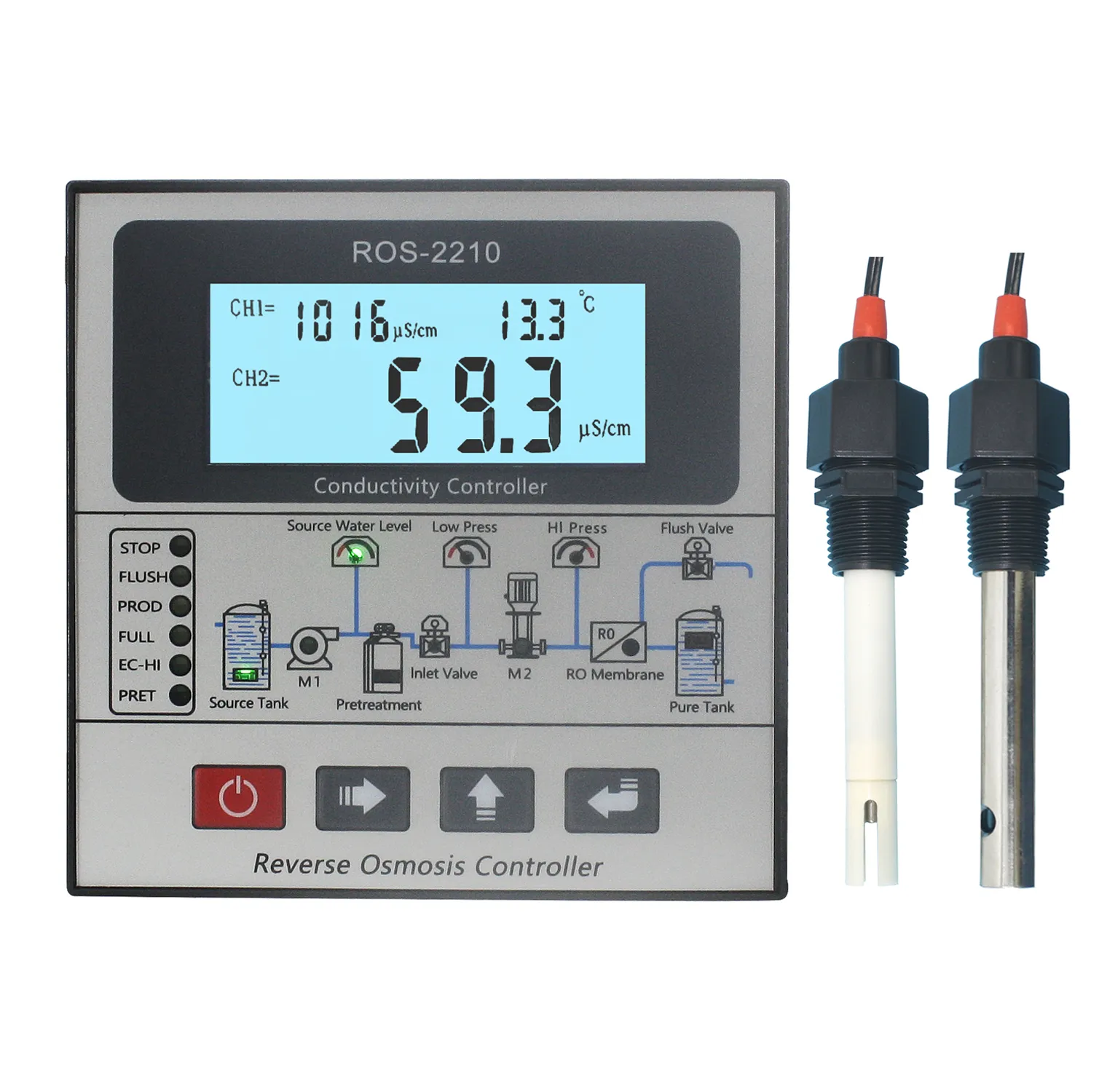
The core function of Ro System Controller is monitoring and control
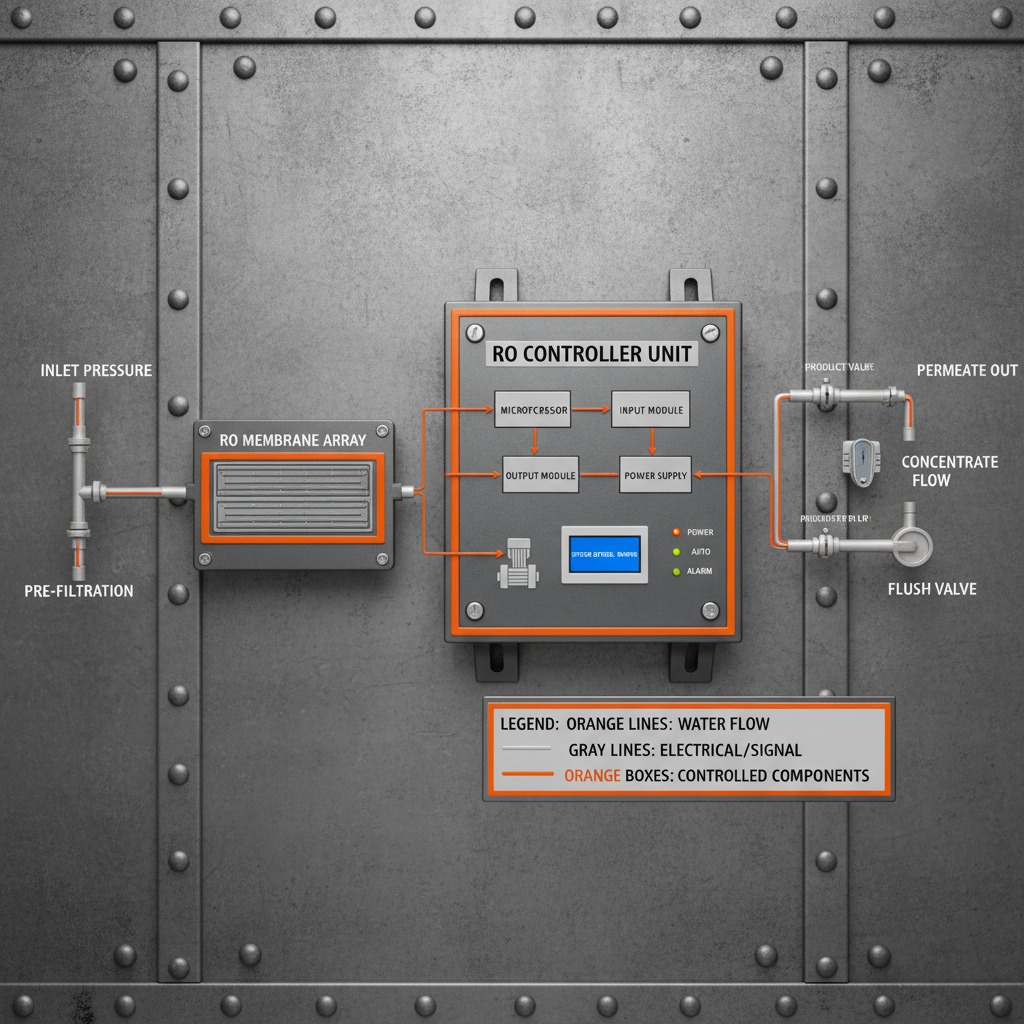
The Reverse Osmosis controller monitors key parameters such as inlet pressure, water flow rate, conductivity, and temperature in real-time through various sensors, and transmits these data to the control center for analysis. Subsequently, the controller automatically adjusts the operating frequency of the high-pressure pump, the on/off status of the inlet valve, the ratio of concentrated water discharge, etc. according to the preset program and parameters, in order to maintain the optimal operating state of the system. For example, when the inlet pressure is too low, the controller can automatically stop the operation of the high-pressure pump to avoid damage caused by pump idling; When the quality of the produced water does not meet the standard, the controller can issue an alarm and initiate a flushing program to restore the performance of the membrane element.
Ro System Controller plays an important role in protecting the system
Reverse osmosis membrane is the core component of the entire system, which is expensive and susceptible to damage. The controller, through its built-in safety mechanism, can effectively prevent membrane components from being damaged due to adverse factors such as overvoltage, low pressure, high temperature, and water hammer effect. For example, when the RO with TDS controller starts and stops the high-pressure pump, the controller will gradually adjust the pressure to avoid the occurrence of water hammer effect; When the incoming water quality exceeds the tolerance range of the membrane element, the controller can automatically shut down the system to prevent irreversible damage to the membrane caused by pollutants.
Modern Ro System Controllers also have the characteristics of intelligence and automation
Many RO controllers are equipped with human-machine interfaces, which facilitate parameter settings and running status queries. Some advanced controllers can even achieve unmanned operation through remote monitoring and control, greatly reducing labor costs and maintenance difficulties. This intelligent management not only improves the operational efficiency of the system, but also provides users with a more convenient user experience.
In summary, auto TDS controllers play an irreplaceable role in water purification systems. It is not just a simple control device, but an intelligent management center for the entire system. Through precise monitoring and control, effective protection mechanisms, and increasingly intelligent functions, the Ro System Controller ensures the efficient and stable operation of the system, and ultimately guarantees the safety and reliability of the produced water quality, making it an indispensable and important component of modern water purification systems. In the future, with the continuous development of technology, Ro System Controller will move towards a more intelligent, integrated, and efficient direction, making greater contributions to the water purification industry.
Ro System Controller FAQs
What is the main function of Ro System Controller?
The Ro System Controller is the "brain" of the reverse osmosis water purification system, with main functions including:
Automated control: Manage the automatic flushing and water production/production process switching of RO membranes.
Monitoring parameters: Real time display of water quality (such as TDS value), pressure, flow rate, system operation time, etc.
Fault alarm: Detect abnormalities in the high-pressure pump, membrane blockage, low-pressure shutdown, and trigger alarms.
Protection equipment: prevent dry running, overpressure or frequent start stop, extend the life of RO membrane and pump.
How does the controller determine whether the Ro System Controller RO membrane needs to be cleaned or replaced?
The controller indicates maintenance requirements through the following indicators:
Decreased water production: The flow sensor detects that the water production rate is below the set threshold.
Deterioration of water quality: TDS probe shows a significant decrease in desalination rate (such as a surge in effluent TDS).
Abnormal pressure: The inlet pressure increases (due to membrane blockage) or decreases (due to seal leakage).
Time reminder: The cumulative running time has reached the preset value (such as replacing the film every 12 years).
What issues should be noted for daily maintenance of Ro System Controller?
Regularly calibrate sensors: TDS probes and pressure sensors need to be calibrated once a year to ensure accurate data.
Moisture and dust prevention: Avoid short circuits caused by moisture or dust accumulation on the controller circuit board.
Check wiring: Loose wiring may cause false alarms (such as "low voltage shutdown").
Software update: The new controller requires firmware upgrade to optimize functionality.
Possible reasons and solutions for Ro System Controller displaying "high pressure alarm"?
reason:
RO membrane blockage leads to high inlet pressure.
Abnormal output of high-pressure pump or pressure switch malfunction.
The concentrated water discharge valve is not open or the pipeline is blocked.
Solution steps:
- Check if the concentrated water discharge is unobstructed after stopping the machine.
- Manually rinse the RO membrane and observe if the pressure returns to normal.
- Test the high-pressure pump and pressure switch, and replace them if necessary.
Why are modern Ro System Controllers often equipped with Internet of Things (IoT) capabilities?
IoT features such as remote monitoring and mobile apps provide the following advantages:
Real time remote management: Users can view water quality, fault alarms, and remotely start and stop the system through their mobile phones.
Data recording and analysis: Long term storage of operational data, prediction of filter life, optimization of maintenance plans.
Energy conservation and consumption reduction: intelligently adjust the water production cycle according to water usage habits to reduce wastewater discharge.

Related Products
Related News
2026-04-16 03:20:19
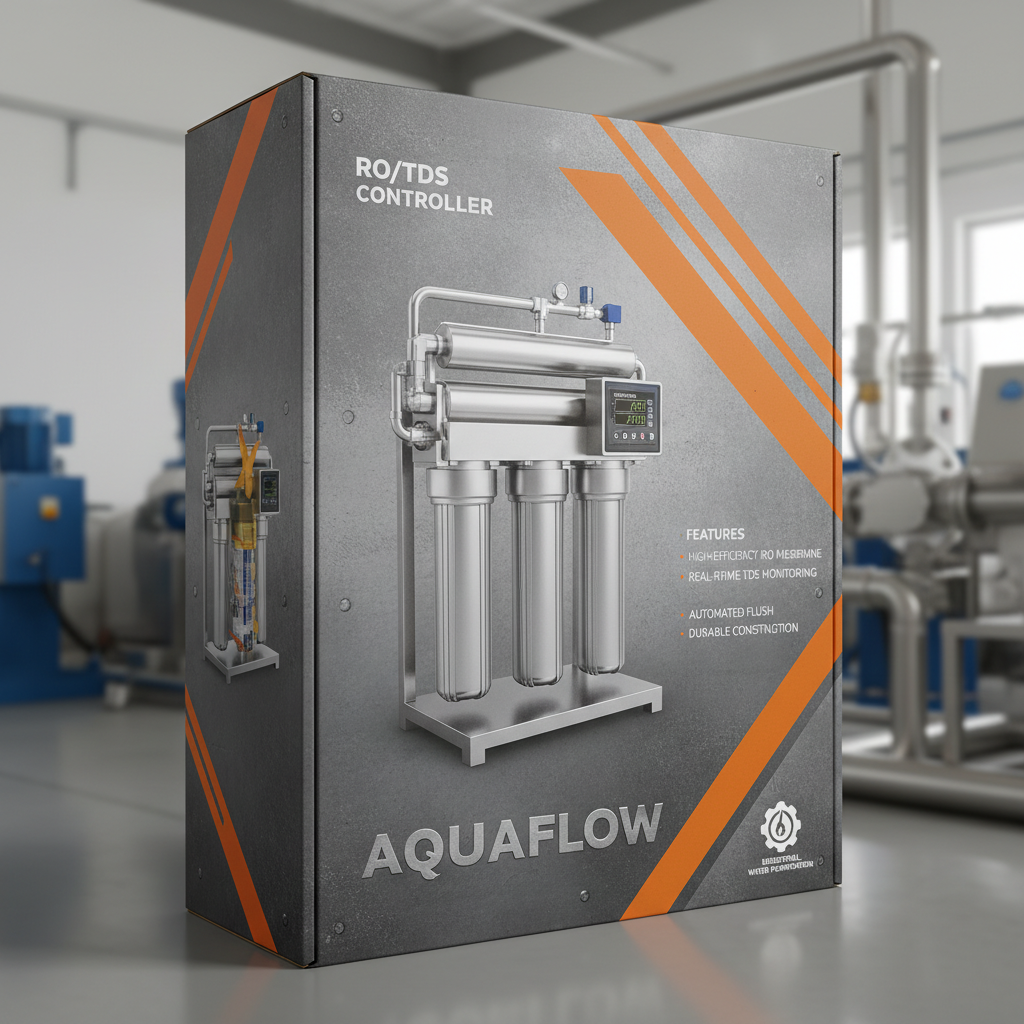
Guide to Choosing the Right RO Controller for Water PurificationMaintaining a high-performance reverse osmosis system requires more than just quality membranes; it demands precise regulation. An ro controller serves as the brain of the entire operation, monitoring critical parameters such as conductivity, temperature, and flow rates to ensure the output water meets stringent purity standards. Without an efficient controller, systems are prone to membrane fouling, inefficient energy use, and inconsistent water quality. In this comprehensive guide, we will explore how these devices optimize water treatment processes and how to select the best model for your specific industrial or commercial needs.
2026-04-09 03:25:47
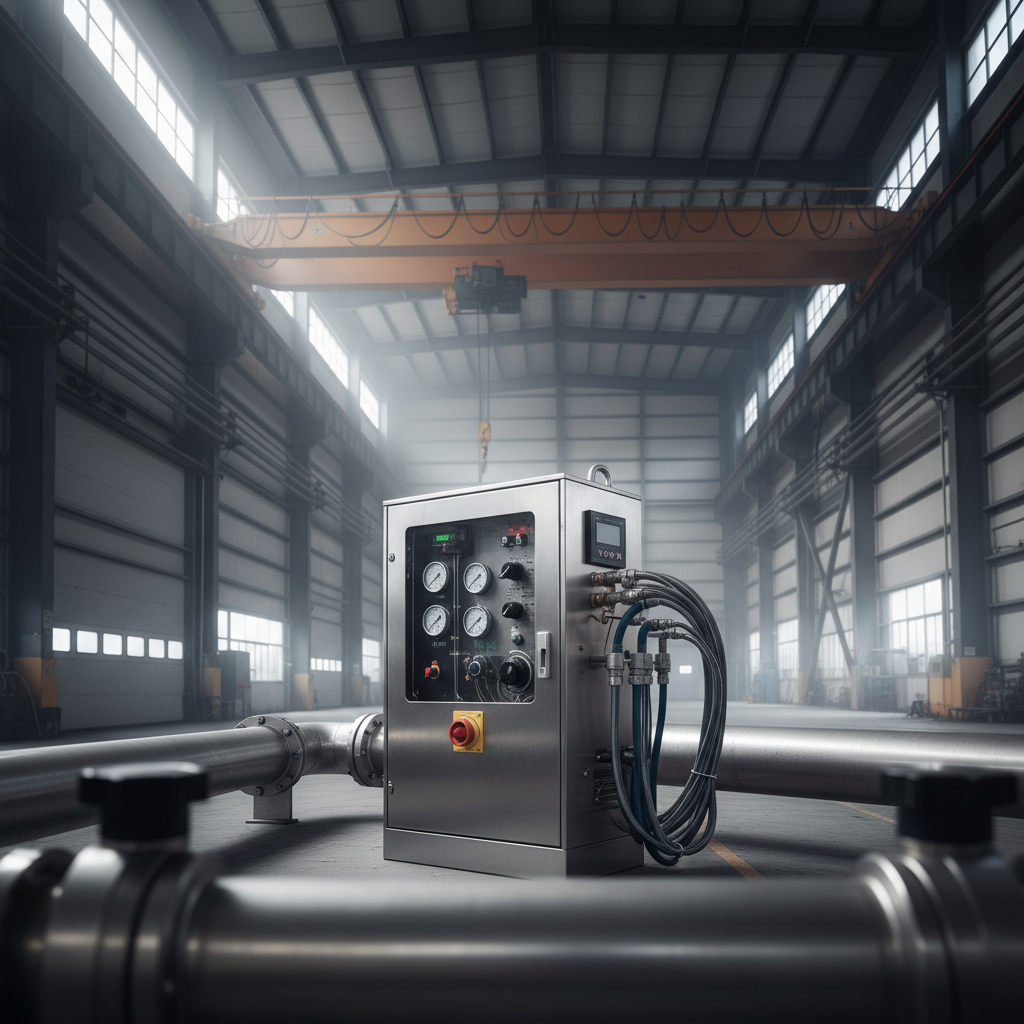
Guide to Water Purity Using RO with TDS Controller SystemsAchieving the perfect balance of mineral content and purity in drinking water is a challenge for many households and industrial facilities. A ro with tds controller offers a sophisticated solution by combining the rigorous filtration of Reverse Osmosis (RO) with the precision of a Total Dissolved Solids (TDS) adjustment system. While standard RO systems remove almost everything, including beneficial minerals, a TDS controller allows users to re-mineralize the water to a desired level. This ensures that the water is not only safe and pure but also tastes better and provides essential nutrients.
2026-04-07 03:17:09
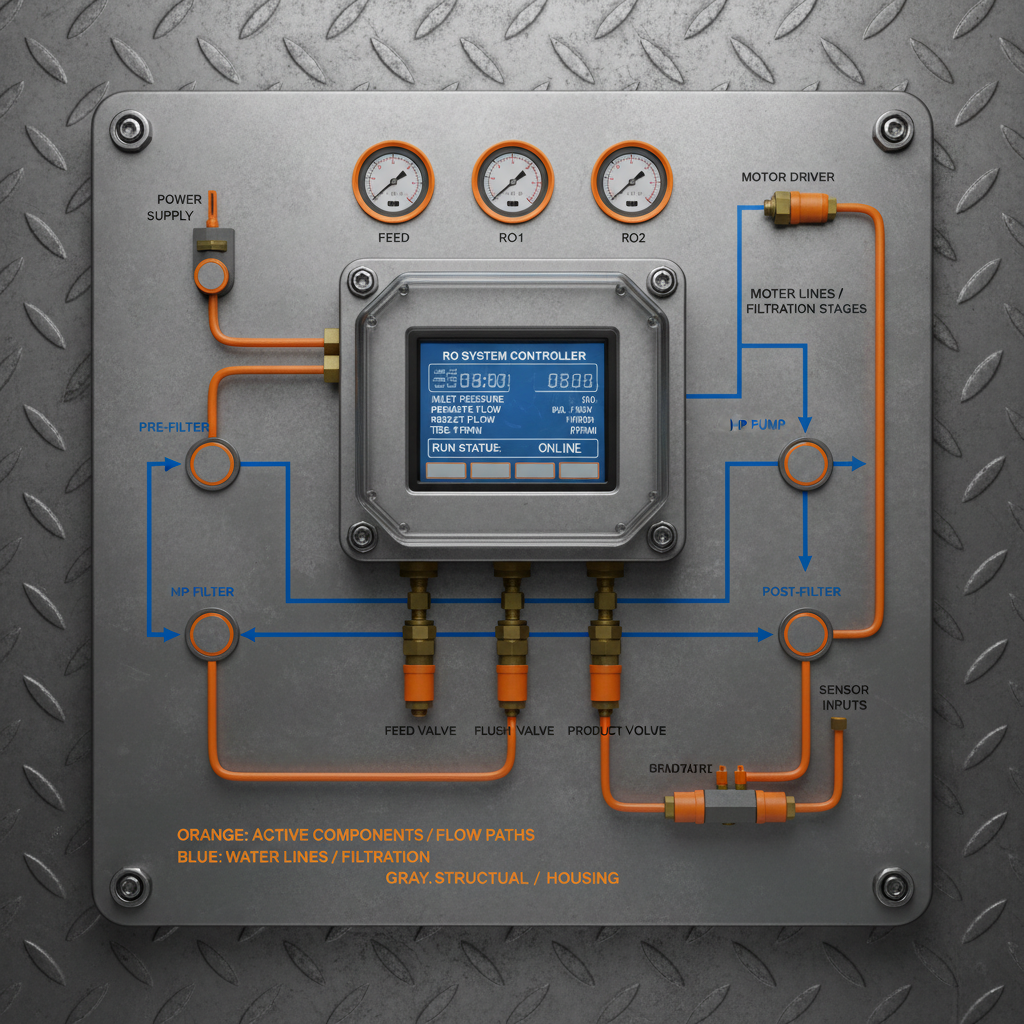
Understanding and Optimizing Reverse Osmosis Systems with a ControllerIn the world of water purification, reverse osmosis (RO) systems are a cornerstone for producing high-quality water for various applications, from drinking water to industrial processes. However, an RO system is only as effective as its control system. This is where the reverse osmosis controller comes into play. This critical component manages and optimizes the RO process, ensuring efficient operation, water quality, and system longevity.
2026-04-04 03:27:19
Understanding the Vital Role of an RO System Controller for Optimal PerformanceReverse Osmosis (RO) systems are critical for purifying water across various industries, from residential applications to large-scale industrial processes. At the heart of a well-functioning RO system lies the RO system controller. This intelligent device monitors and regulates all key parameters of the RO process, ensuring optimal performance, efficiency, and water quality. This article delves into the functionalities, benefits, and selection criteria for choosing the right RO system controller, particularly focusing on those offered by Watequipments. Understanding its role is crucial for maximizing the lifespan and effectiveness of your RO investment.
2026-03-24 17:18:24
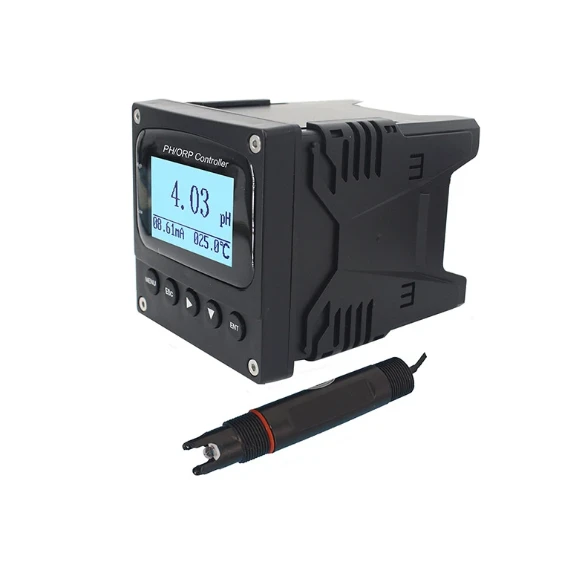
Smart Water Treatment Solutions Using PH ORP Controller SystemsIn modern water treatment and industrial fluid management, maintaining precise chemical balance is essential for safety, efficiency, and regulatory compliance.
2026-03-04 02:55:19
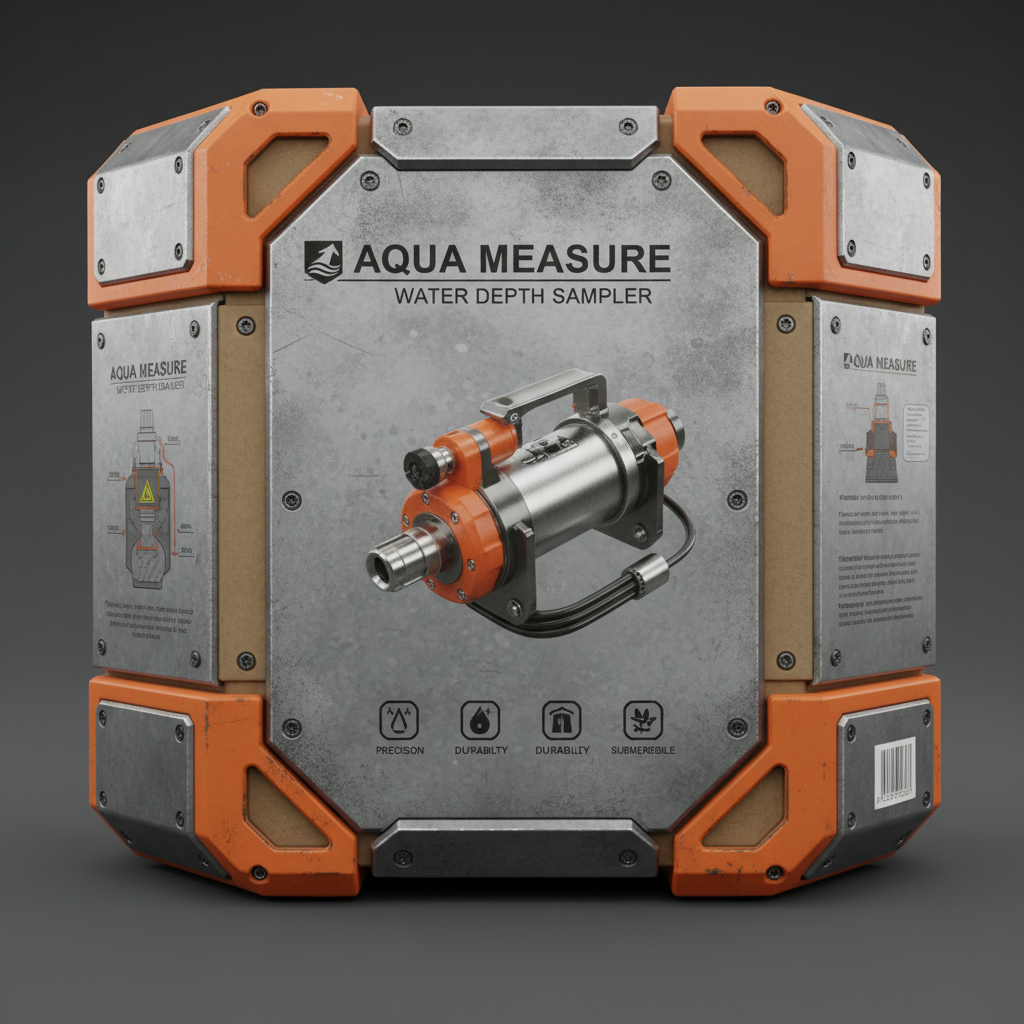
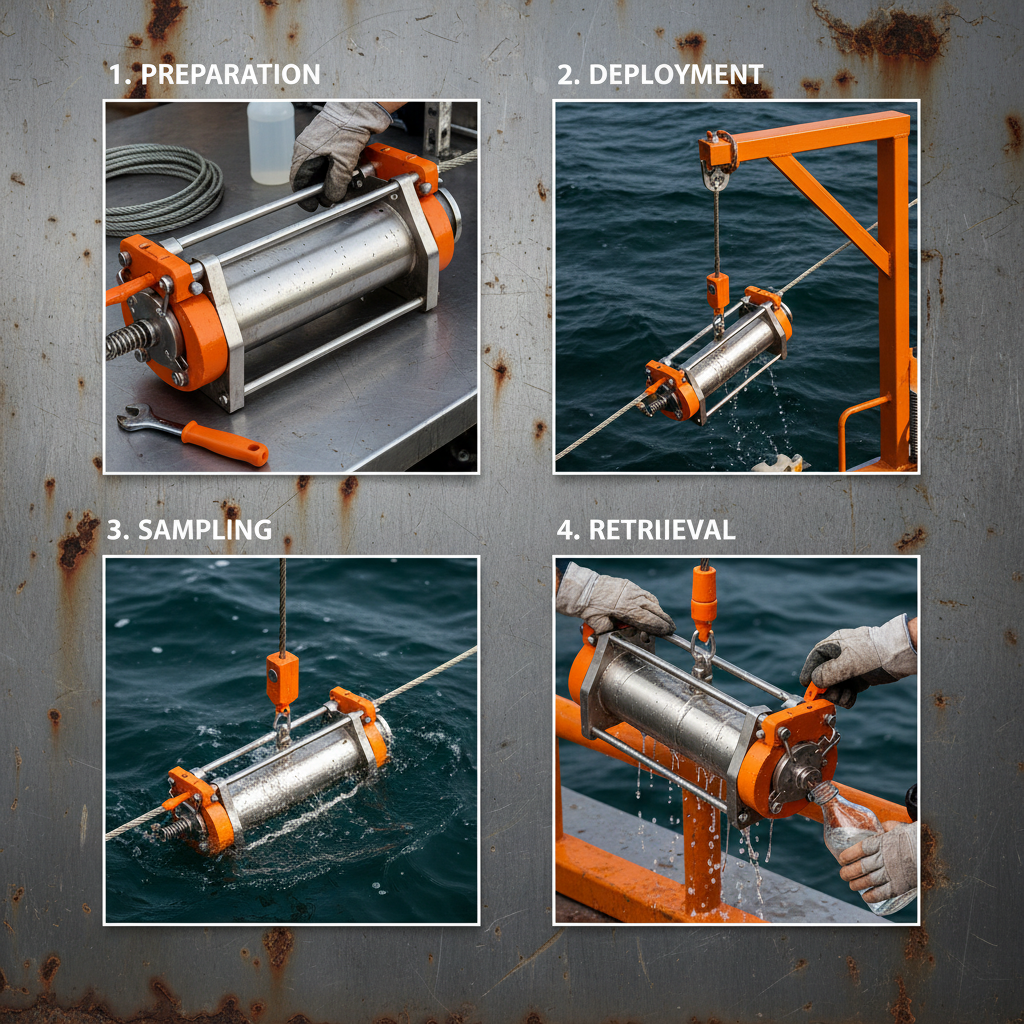
Comprehensive Guide to Water Depth Samplers and Their ApplicationsAccurate water quality monitoring is crucial in various fields, from environmental science and aquaculture to industrial wastewater management. A key tool for this is the water depth sampler. This article provides an in-depth look at water depth samplers, their applications, types, and essential considerations for choosing the right one for your needs. We'll explore the benefits of utilizing this equipment to collect reliable data for analysis and informed decision-making. Selecting the right sampler can significantly improve the precision and efficiency of your water monitoring program. A water depth sampler, also known as a depth-integrated sampler, is a device designed to collect water samples from specific depths within a body of water. Unlike simply dipping a container into the water, a depth sampler allows for collection of a representative sample across a defined depth range. This is critical because water properties (temperature, salinity, pollutants) often vary significantly with depth. The data gathered with a water depth sampler provides a more accurate assessment of water quality than surface samples alone.
2026-03-03 18:55:22
Comprehensive Guide to Horizontal Water Sampler Applications and SelectionCollecting water samples at varying depths is crucial for environmental monitoring, research, and quality control. The horizontal water sampler from Watequipment.com offers a precise and efficient solution for this task. This article provides an in-depth look at horizontal water samplers, their applications, benefits, and key considerations when choosing the right model. We will explore how these samplers contribute to accurate data collection and informed decision-making in various fields. A horizontal water sampler is a device designed to collect water samples from specific depths within a body of water – rivers, lakes, oceans, reservoirs, and even wastewater treatment plants. Unlike vertical samplers which primarily focus on depth, horizontal samplers prioritize collecting samples at a consistent depth while moving along a horizontal plane. This is essential for assessing water quality variations across a waterway or within a specific zone. They are used in applications ranging from environmental monitoring and scientific research to industrial process control and regulatory compliance.
2026-02-28 02:35:09
Comprehensive Guide to Selecting the Right Surface Water Sampler for Your NeedsMonitoring the quality of surface water is critical for environmental protection, public health, and various industrial applications. A surface water sampler is an essential tool for collecting representative samples from rivers, lakes, ponds, and other surface water sources. This article provides a detailed overview of surface water samplers, their types, applications, and key considerations for selecting the right equipment. Accurate water quality data relies on proper sample collection, and choosing the correct sampler is the first step toward achieving reliable results. Surface water samplers come in various designs, each suited to specific sampling needs. Common types include grab samplers, depth-integrating samplers, peristaltic pumps, and automatic samplers. Surface water samplers are used across a broad spectrum of applications, including environmental monitoring, wastewater discharge monitoring, drinking water source monitoring, agricultural runoff analysis, and research studies.

 English