


Smart Soil Sensor for Precision Agriculture, Real-time Monitoring

Smart Soil Sensor for Precision Agriculture, Real-time Monitoring
Jul . 29, 2025
Soil Sensor technology is revolutionizing the agricultural, environmental, and industrial sectors by offering real-time insights into soil conditions, thereby enabling data-driven decisions that enhance efficiency, yield, and sustainability. This comprehensive guide explores the latest industry trends, manufacturing processes, pivotal technical parameters, and benchmark use-cases of Soil Sensor solutions with a focus on expertise, authoritativeness, and trust.
Global Soil Sensor Industry Trends (2024-2030)
Recent reports (MarketsandMarkets 2024, Technavio 2024) estimate the global soil sensor market will grow at a CAGR of 12.8% from 2023 to 2030, reaching over USD 1.3 billion by 2030.
- Precision Agriculture: 78% of commercial farms in the US adopted soil moisture or nutrient sensors as of 2023.
- Smart City & Environmental Monitoring: Municipalities apply soil sensors for urban forest health and soil erosion mitigation.
- Industrial Applications: Sectors like petrochemical, metallurgy, and water treatment embed soil monitoring for regulatory compliance and process optimization.
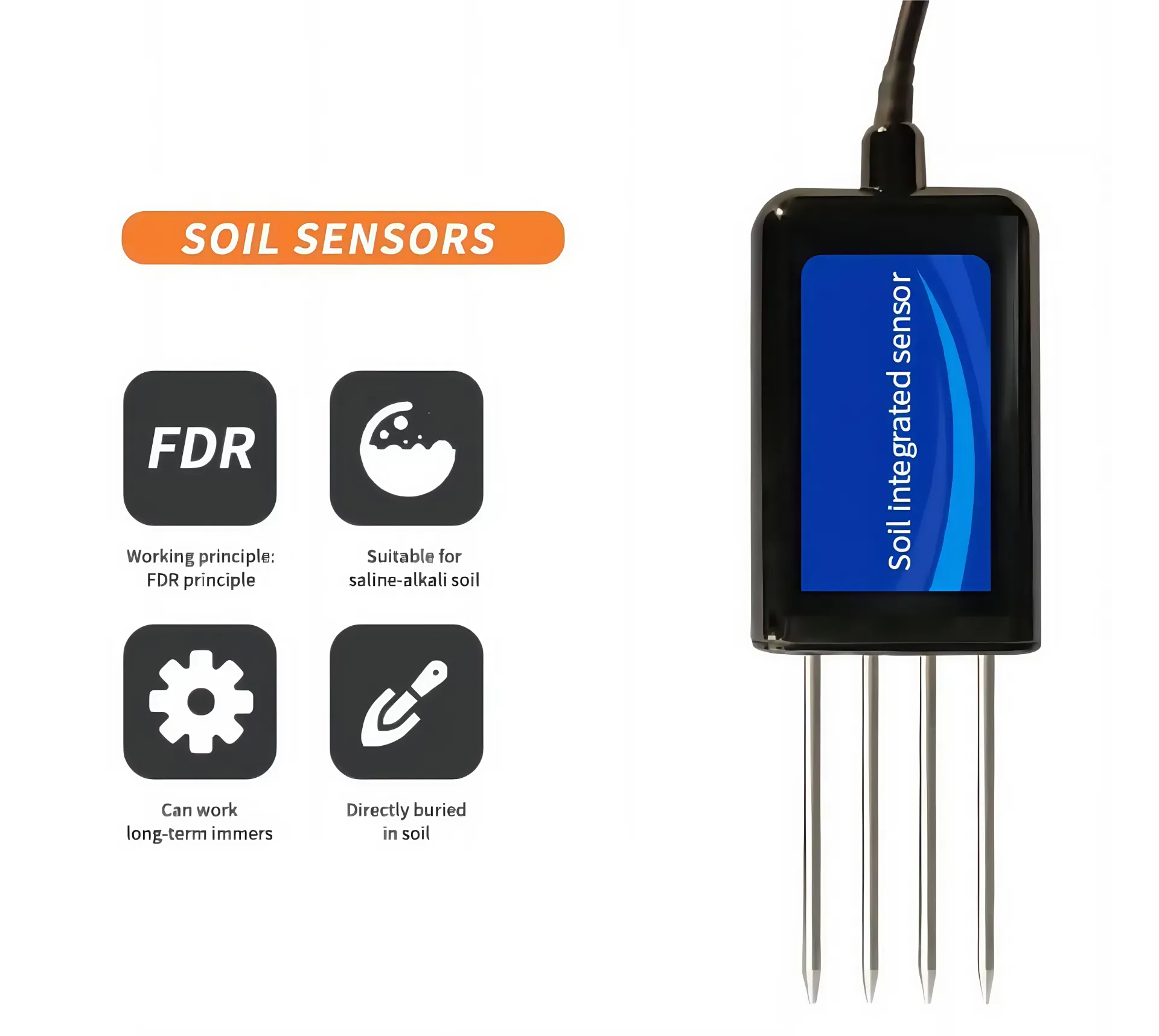
Product Spotlight: Soil Sensor
- Model: Multi-parameter Soil Sensor
- Parameters: Moisture (0–100%), EC (0–20 mS/cm), Temperature (-40°C–+85°C), pH (3.5–9.0)
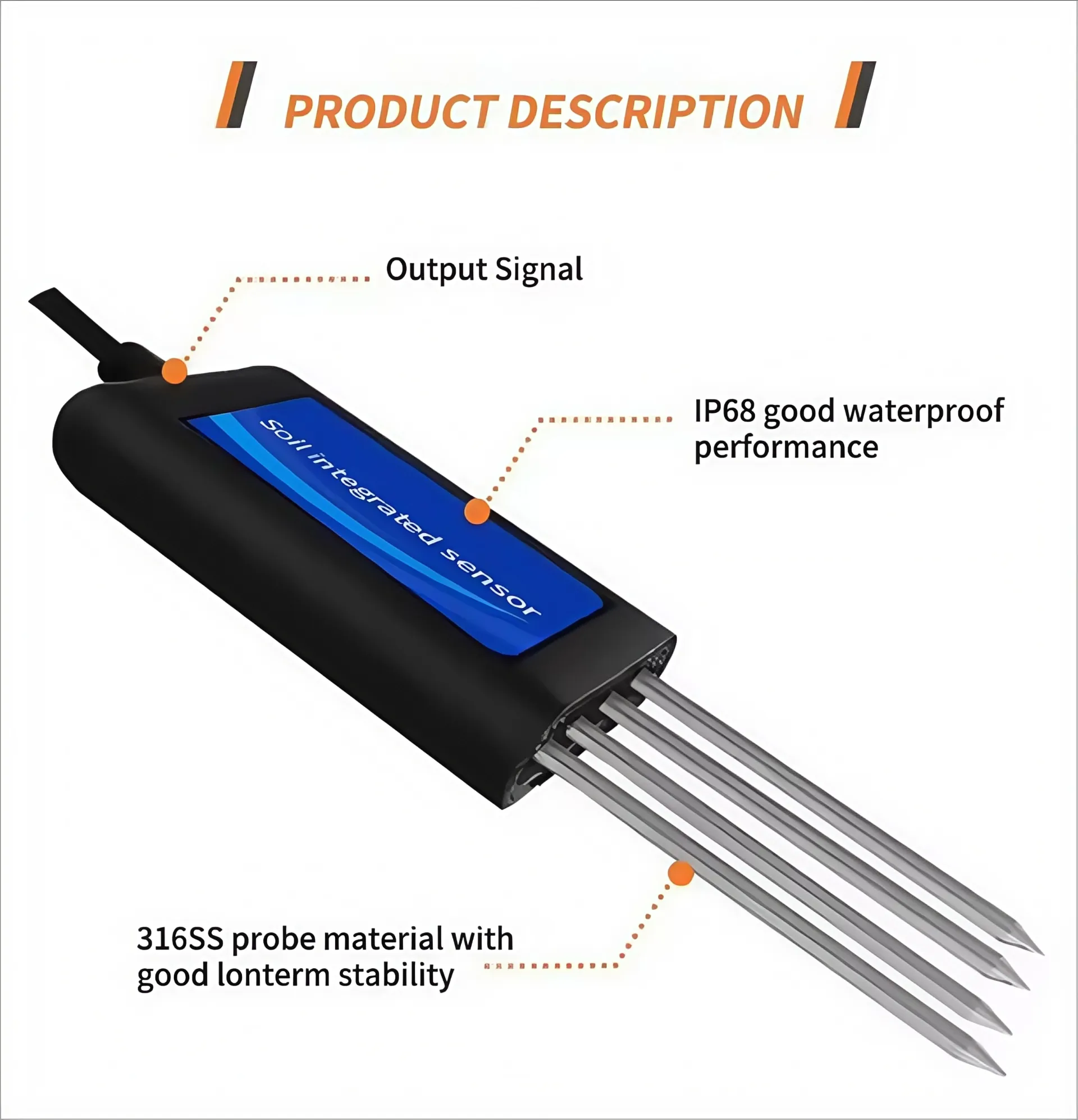
- Probe Material: 316L stainless steel, eco-friendly polymers
- Ingress Protection: IP68 (fully waterproof)
- Communication: RS485, Modbus RTU, LoRaWAN, 4G
- Operating Voltage: 5-24V DC
- Response Time: <2 seconds
- Certifications: ISO 9001, CE, RoHS, FCC
| Soil Sensor Main Technical Parameters | |||||
| Parameter | Value | Accuracy | Response Time | Probe Material | Certifications |
|---|---|---|---|---|---|
| Moisture | 0–100% | ±2% | <2s | 316L Stainless Steel | ISO 9001, CE |
| EC (Electrical Conductivity) | 0–20 mS/cm | ±2% | <2s | 316L / Polymeric | RoHS, FCC |
| pH | 3.5–9.0 | ±0.3 | <3s | Ion-Selective Glass | ISO 9001 |
| Temperature | -40°C–+85°C | ±0.5°C | <1s | Thermistor | CE |
Manufacturing Process: From Material to Cutting-Edge Soil Sensor
The Soil Sensor manufacturing process meets rigorous standards to ensure durability, reliability, and top-tier performance even in harsh environments. This involves precise selection of sensor-grade materials, advanced machining, and thorough quality control compliant with ISO 9001 and ANSI/ASME protocols.
- Material Selection: High-grade 316L stainless steel and biocompatible polymers for the probe body.
- CNC Machining: Precision CNC processes sculpt the probe to micro-tolerances.
- PCB Design & Assembly: Automated placement of SMD sensors, pH electrodes, and microcontrollers.
- Assembly: Ultrasonic welding & laser bonding to ensure robust, watertight seals (IP68 certified).
- Functional Testing: Every unit undergoes automated calibration against NIST-traceable reference solutions with real soil matrix verification.
- Final Inspection: Random sampling, environmental stress screening, and packaging.
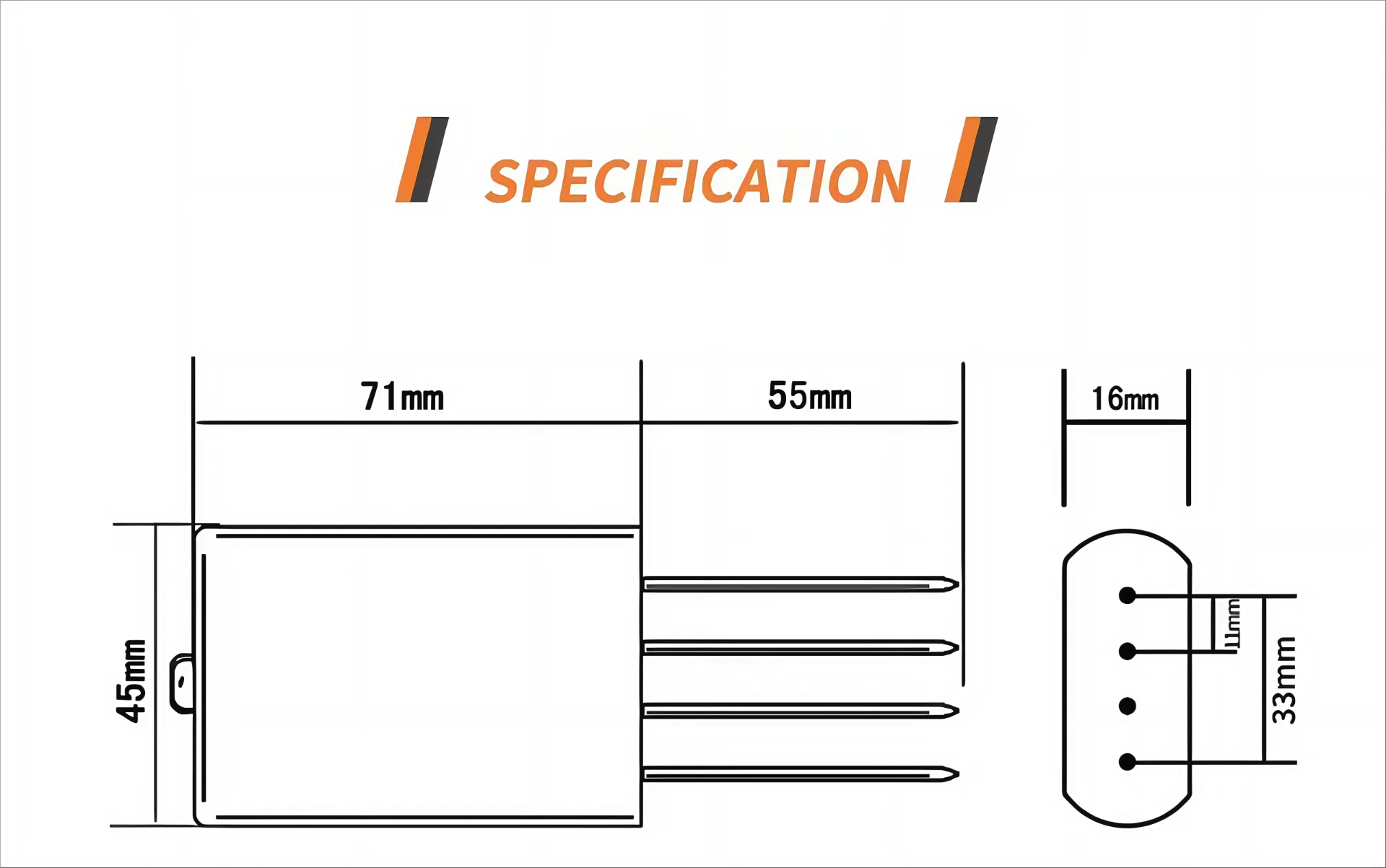
- Materials: 316L Steel, acid/alkali-proof polymer housing tested for ISO 22241-1 and ANSI B31.3 compatibility
- Detection Accuracy: Factory-tested to NIST, IEC, and ASTM standards
- Durability: Designed for a 10-year+ service life even under repeated cleaning and harsh soil conditions
- Industry Certifications: ISO 9001, CE, FDA (for agricultural sensors), RoHS
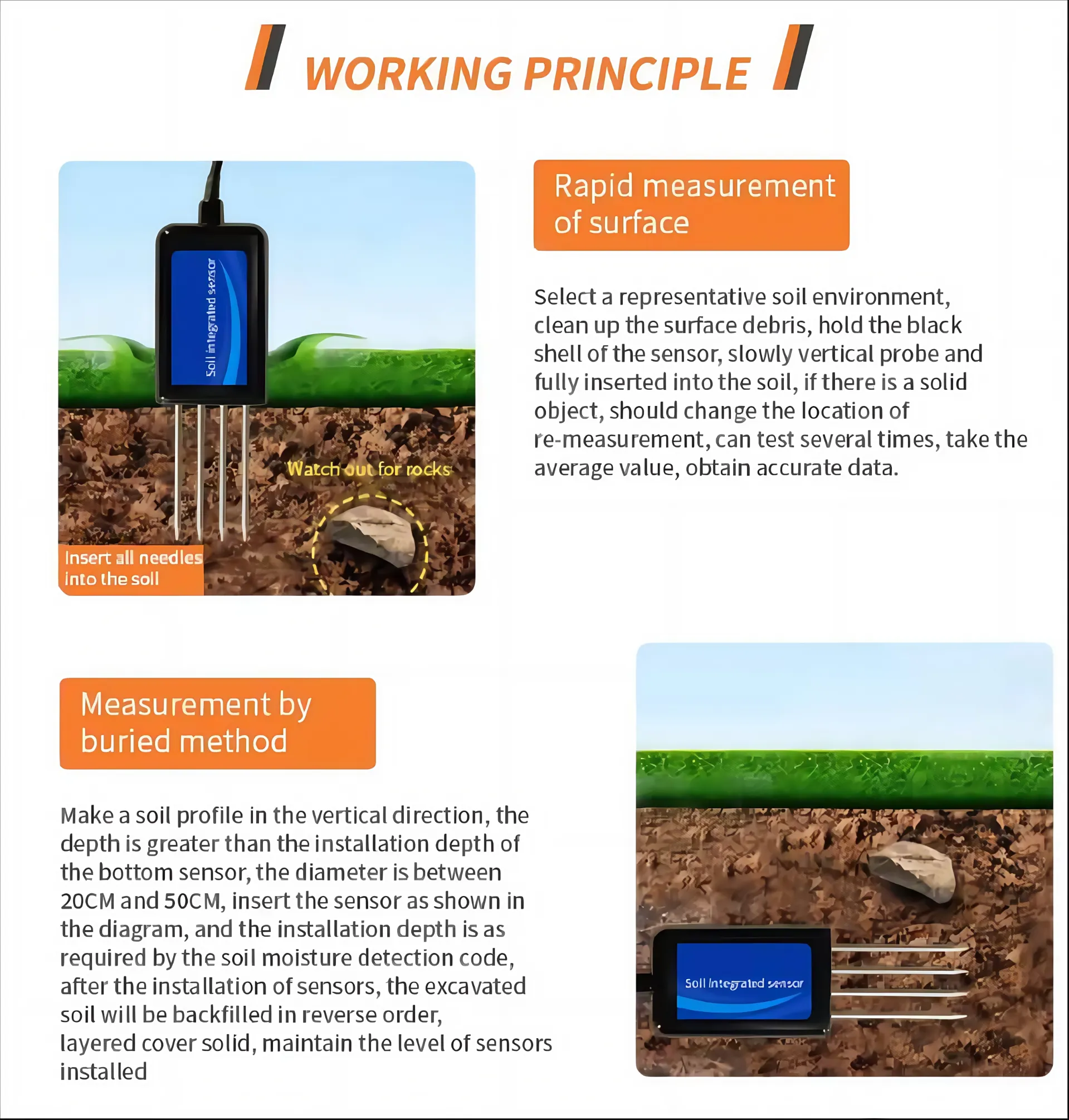
Technical Advantages of Soil Sensor
- High Selectivity: Multi-layered electrode array minimizes cross-parameter interference.
- Rapid Response: Proprietary electronics enable sub-2 second refresh rates.
- Anti-fouling & Self-calibration: Smart algorithms detect probe fouling and auto-calibrate for accuracy.
- Corrosion Resistance: Field-tested in pH 4–9, saline soils, and petrochemical zones.
Manufacturer Benchmarking (2024)
Choosing the right Soil Sensor supplier is crucial for long-term project success. Below is an industry comparison between leading sensor manufacturers based on performance, certifications, and client testimonials.
| Company | Sensor Model | Certifications | Accuracy | IP Rating | Interface | Warranty |
| WAT Equipment | Multi-parameter Soil Sensor | ISO9001, CE, RoHS, FCC | ±2% (moisture) | IP68 | RS485, Modbus, 4G | 3 years |
| Sensirion | SHT33 Soil Probe | CE, RoHS | ±3% | IP65 | I2C, UART | 2 years |
| Delta-T Devices | SM150T | ISO9001, CE | ±4% | IP68 | Analogue, SDI-12 | 2 years |
| Decagon Devices | GS3 | ISO9001, CE | ±3% | IP67 | SDI-12, RS485 | 2 years |
Custom Soil Sensor Solutions
WAT Equipment’s engineers offer end-to-end customization for Soil Sensor application scenarios, including ruggedized housings, tailor-made probe lengths (60–300mm), and wireless cloud integration for IoT frameworks.
- Agricultural—Variable Rate Irrigation (VRI) zoning with cloud-based moisture tracking
- Environmental Remediation—Site-specific monitoring for leachate and pollutant detection
- Industrial—Embedded sensors for wastewater treatment, pipeline leak identification
- Urban Infrastructure—Real-time urban forestry and green roof hydration management
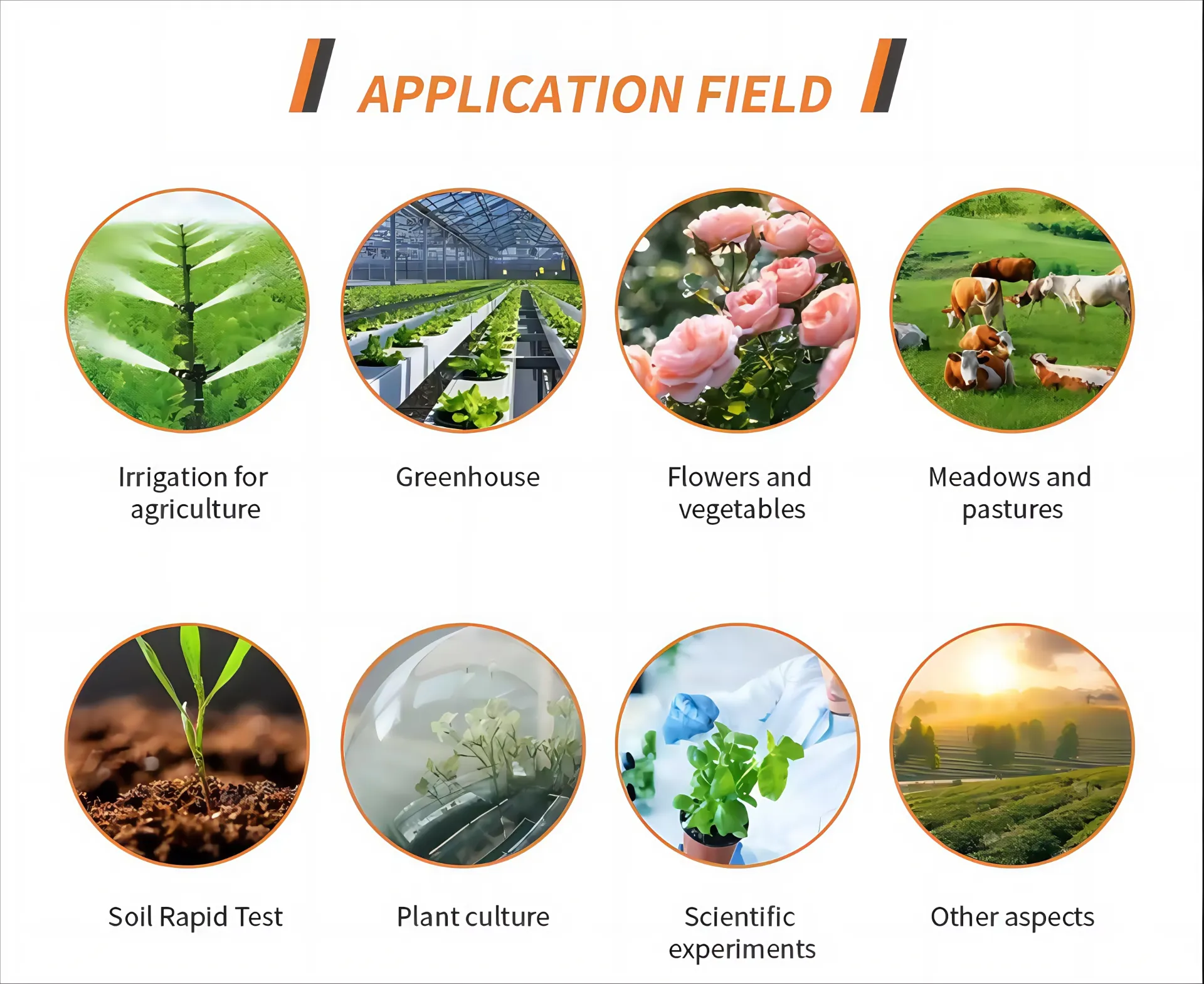

Real-world Application Case Studies
- Smart Irrigation in Israel (Client: Netafim, 2023): Deploying 800+ Soil Sensor units, resulting in 31% water savings, 20% fertilizer reduction, and 12% crop yield increase.
- Petrochemical Soil Monitoring in Saudi Arabia (Aramco, 2022): Continuous EC/pH monitoring for pipeline leak detection. Zero sensor failure over 26 months. All units ISO9001 field-certified.
- Wildlife Reserve in Brazil (2024): Wireless soil monitoring network for rainy-season erosion; 2-year sensor life with zero calibration drift.
- Feedback Highlight (Agritech Client, 2023): “The data granularity & reliability of these Soil Sensors surpasses all previous solutions. Data is live-streamed straight to our agronomy dashboards.”
Certifications, Industry Authority, and Warranty
- Company Accreditation: WAT Equipment—ISO 9001:2015, CE, RoHS certified, 18 years service to >4,000 companies
- Major Partnerships: Netafim, Syngenta, Saudi Aramco, Veolia Water
- Testing Protocols: Independent third-party lab calibration to IEC, NIST standards
- Warranty/Support: Full 3-year warranty, lifetime support, 5-day expedited delivery for OEMs
Soil Sensor Expert FAQ
What material is used for Soil Sensor probes, and why?
What is the recommended installation standard?
How does Soil Sensor maintain accuracy and calibration?
Which communication interfaces are supported?
What certifications do leading Soil Sensor models carry?
How long is the product’s lifespan and support?
Can Soil Sensor performance be customized for different soils?
Lead Times, Guarantee & Service Commitment
- Lead Time: Standard models typically ship within 5–7 business days; custom configurations 10–14 days.
- Warranty: Full 3-year replacement guarantee for hardware faults or significant calibration drift.
- Global Customer Support: 24/7 email & hotline service, remote diagnostic support, and multi-language manuals (EN, ES, FR, AR, ZH).
- Optional On-site Service: Installation, commissioning, and operator training available worldwide.
References & Industry Authority
- MarketsandMarkets: Soil Sensor Market Report 2024-2030
- PrecisionAg Alliance Forum, Soil Sensor Usage Trends: Discussion Board
- IEEE Sensors Journal: Recent Soil Sensor Tech Papers
- FAO Irrigation Guidelines: Best Practices for Sensor-Based Irrigation
- USDA Agriculture Sensor Testing, 2023: Sensor Validation Study

Related Products
Related News
2026-04-16 03:20:19
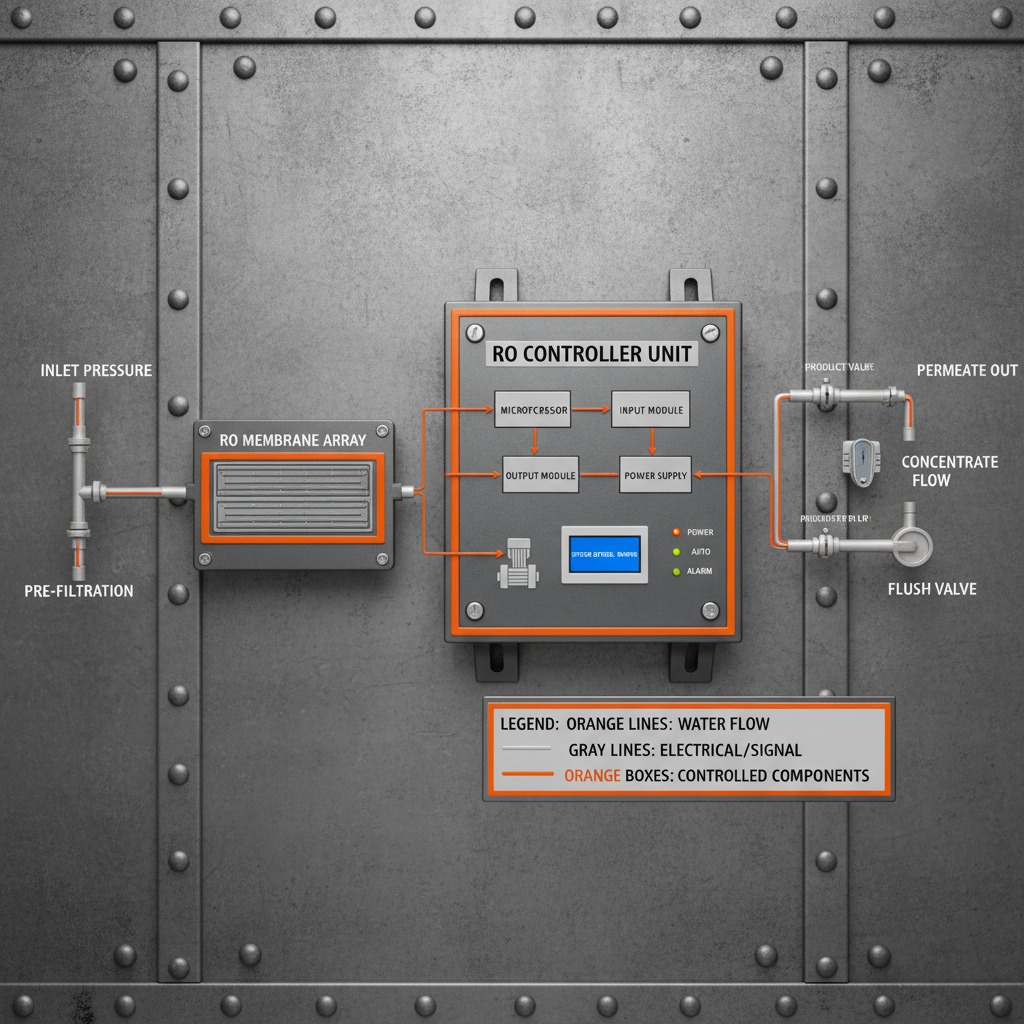
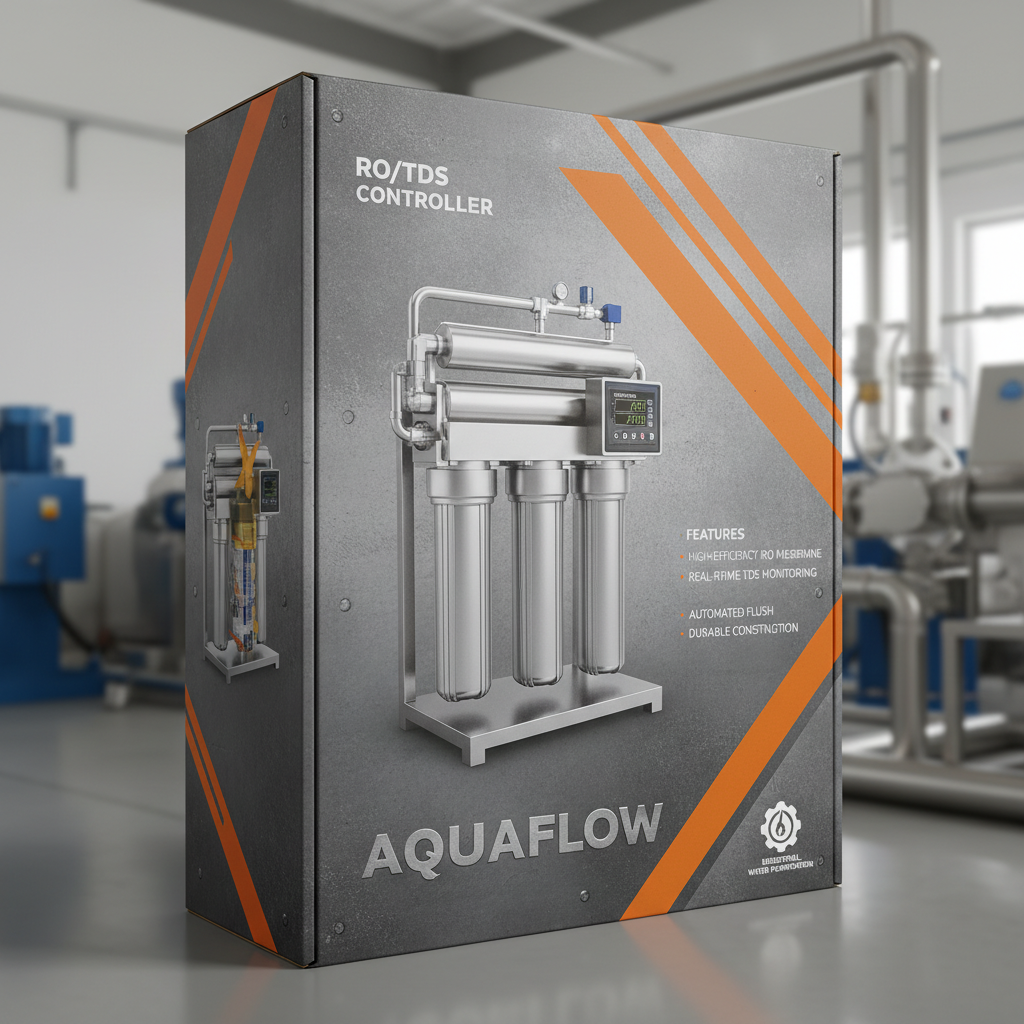
Guide to Choosing the Right RO Controller for Water PurificationMaintaining a high-performance reverse osmosis system requires more than just quality membranes; it demands precise regulation. An ro controller serves as the brain of the entire operation, monitoring critical parameters such as conductivity, temperature, and flow rates to ensure the output water meets stringent purity standards. Without an efficient controller, systems are prone to membrane fouling, inefficient energy use, and inconsistent water quality. In this comprehensive guide, we will explore how these devices optimize water treatment processes and how to select the best model for your specific industrial or commercial needs.
2026-04-09 03:25:47
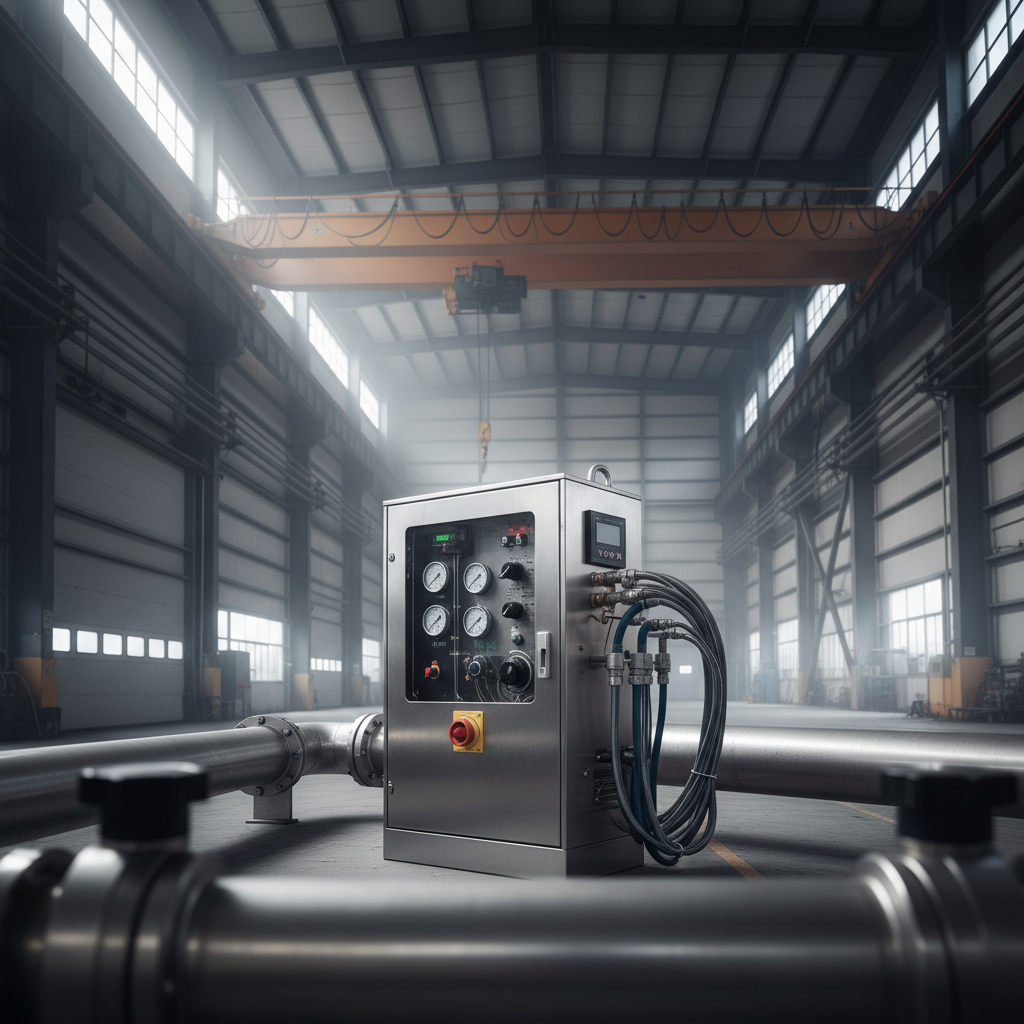
Guide to Water Purity Using RO with TDS Controller SystemsAchieving the perfect balance of mineral content and purity in drinking water is a challenge for many households and industrial facilities. A ro with tds controller offers a sophisticated solution by combining the rigorous filtration of Reverse Osmosis (RO) with the precision of a Total Dissolved Solids (TDS) adjustment system. While standard RO systems remove almost everything, including beneficial minerals, a TDS controller allows users to re-mineralize the water to a desired level. This ensures that the water is not only safe and pure but also tastes better and provides essential nutrients.
2026-04-07 03:17:09
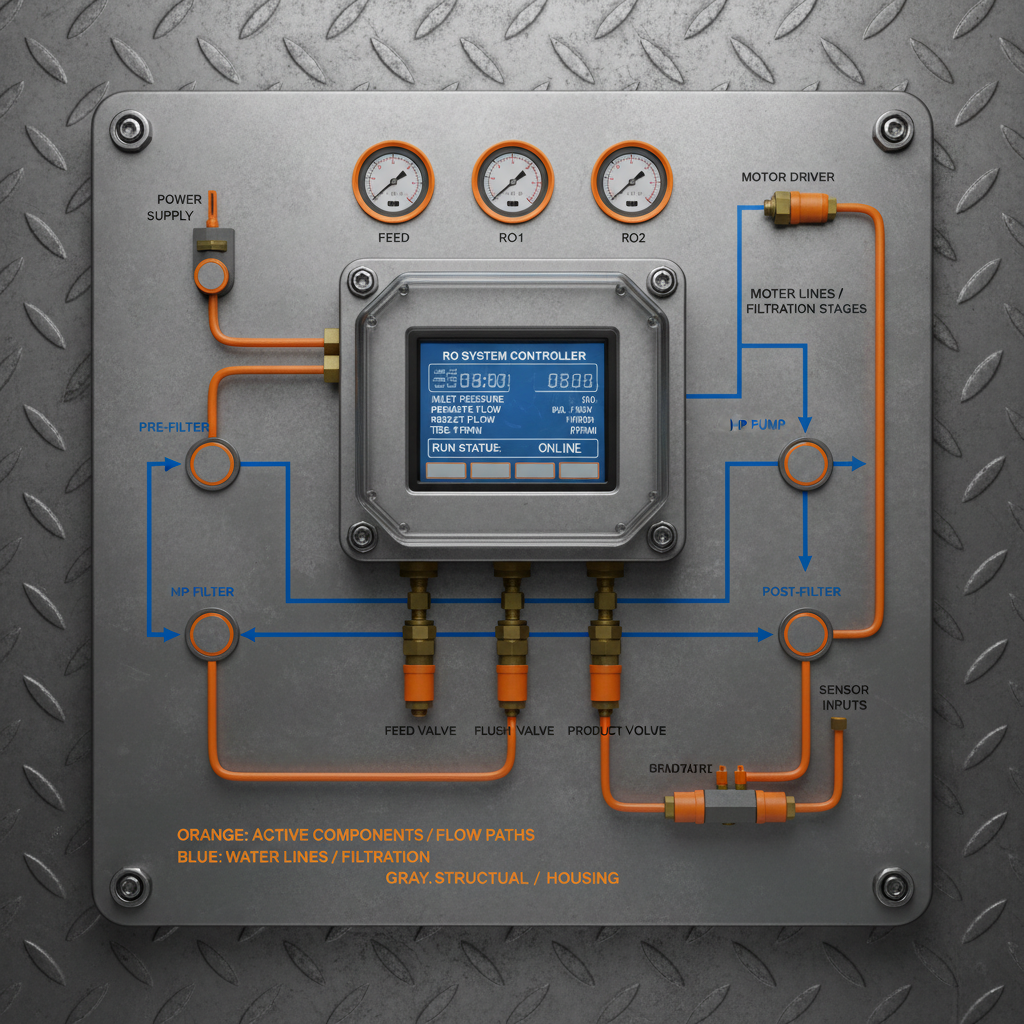
Understanding and Optimizing Reverse Osmosis Systems with a ControllerIn the world of water purification, reverse osmosis (RO) systems are a cornerstone for producing high-quality water for various applications, from drinking water to industrial processes. However, an RO system is only as effective as its control system. This is where the reverse osmosis controller comes into play. This critical component manages and optimizes the RO process, ensuring efficient operation, water quality, and system longevity.
2026-04-04 03:27:19
Understanding the Vital Role of an RO System Controller for Optimal PerformanceReverse Osmosis (RO) systems are critical for purifying water across various industries, from residential applications to large-scale industrial processes. At the heart of a well-functioning RO system lies the RO system controller. This intelligent device monitors and regulates all key parameters of the RO process, ensuring optimal performance, efficiency, and water quality. This article delves into the functionalities, benefits, and selection criteria for choosing the right RO system controller, particularly focusing on those offered by Watequipments. Understanding its role is crucial for maximizing the lifespan and effectiveness of your RO investment.
2026-03-24 17:18:24
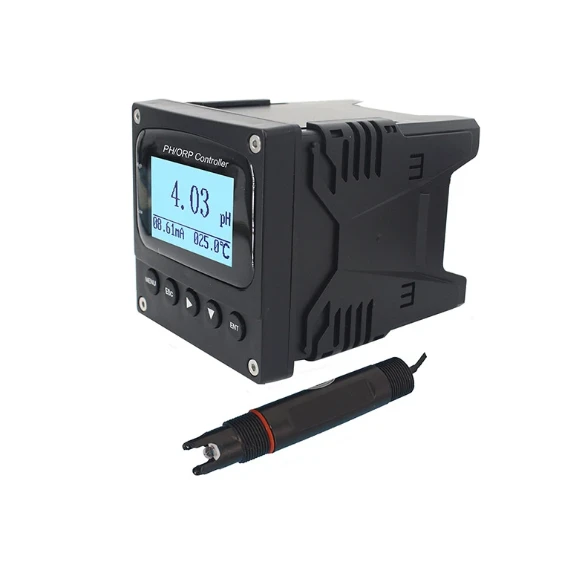
Smart Water Treatment Solutions Using PH ORP Controller SystemsIn modern water treatment and industrial fluid management, maintaining precise chemical balance is essential for safety, efficiency, and regulatory compliance.
2026-03-04 02:55:19
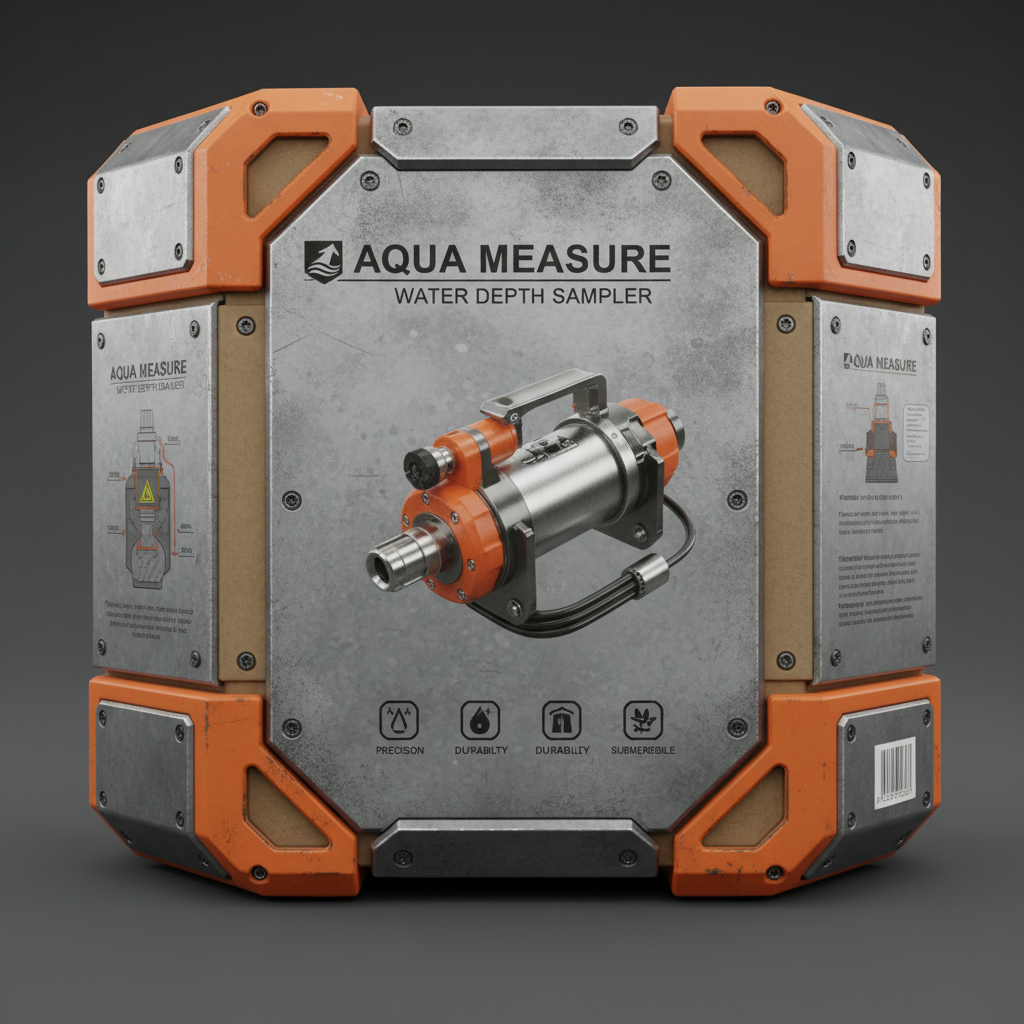
Comprehensive Guide to Water Depth Samplers and Their ApplicationsAccurate water quality monitoring is crucial in various fields, from environmental science and aquaculture to industrial wastewater management. A key tool for this is the water depth sampler. This article provides an in-depth look at water depth samplers, their applications, types, and essential considerations for choosing the right one for your needs. We'll explore the benefits of utilizing this equipment to collect reliable data for analysis and informed decision-making. Selecting the right sampler can significantly improve the precision and efficiency of your water monitoring program. A water depth sampler, also known as a depth-integrated sampler, is a device designed to collect water samples from specific depths within a body of water. Unlike simply dipping a container into the water, a depth sampler allows for collection of a representative sample across a defined depth range. This is critical because water properties (temperature, salinity, pollutants) often vary significantly with depth. The data gathered with a water depth sampler provides a more accurate assessment of water quality than surface samples alone.
2026-03-03 18:55:22
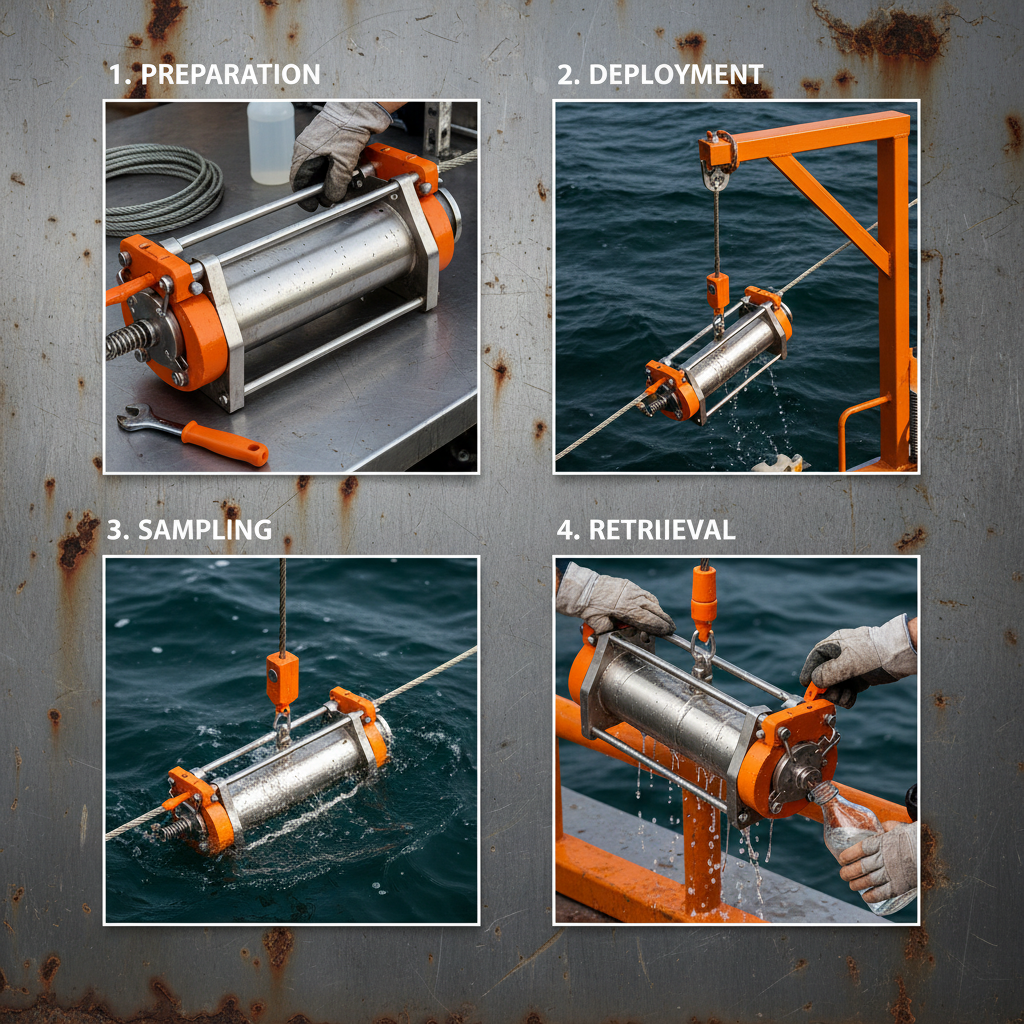
Comprehensive Guide to Horizontal Water Sampler Applications and SelectionCollecting water samples at varying depths is crucial for environmental monitoring, research, and quality control. The horizontal water sampler from Watequipment.com offers a precise and efficient solution for this task. This article provides an in-depth look at horizontal water samplers, their applications, benefits, and key considerations when choosing the right model. We will explore how these samplers contribute to accurate data collection and informed decision-making in various fields. A horizontal water sampler is a device designed to collect water samples from specific depths within a body of water – rivers, lakes, oceans, reservoirs, and even wastewater treatment plants. Unlike vertical samplers which primarily focus on depth, horizontal samplers prioritize collecting samples at a consistent depth while moving along a horizontal plane. This is essential for assessing water quality variations across a waterway or within a specific zone. They are used in applications ranging from environmental monitoring and scientific research to industrial process control and regulatory compliance.
2026-02-28 02:35:09
Comprehensive Guide to Selecting the Right Surface Water Sampler for Your NeedsMonitoring the quality of surface water is critical for environmental protection, public health, and various industrial applications. A surface water sampler is an essential tool for collecting representative samples from rivers, lakes, ponds, and other surface water sources. This article provides a detailed overview of surface water samplers, their types, applications, and key considerations for selecting the right equipment. Accurate water quality data relies on proper sample collection, and choosing the correct sampler is the first step toward achieving reliable results. Surface water samplers come in various designs, each suited to specific sampling needs. Common types include grab samplers, depth-integrating samplers, peristaltic pumps, and automatic samplers. Surface water samplers are used across a broad spectrum of applications, including environmental monitoring, wastewater discharge monitoring, drinking water source monitoring, agricultural runoff analysis, and research studies.

 English