



Smart Tools For Chlorine Detection

Smart Tools For Chlorine Detection
Jul . 31, 2025
A reliable chlorine monitoring system is essential for maintaining safe water quality in municipal supplies, industrial plants, and swimming pools. This system offers real-time tracking of chlorine levels, ensuring the correct dosage is maintained to kill harmful pathogens without over-chlorinating the water. These monitoring systems often include sensors, controllers, and digital displays, offering complete automation and reducing manual testing errors. Easy to install and integrate into existing water treatment setups, a chlorine monitoring system is the foundation of safe water management.
Free Chlorine Sensor Provides Fast And Accurate Results
A free chlorine sensor is used to detect the active disinfectant present in water. It is particularly important for drinking water and pool applications, where knowing the amount of unbound chlorine helps verify proper sanitation. These sensors are built for precision, providing accurate data within seconds, which is crucial for quick adjustments and safe operation. Their compact size and compatibility with data loggers make them a smart choice for both fixed and portable use. With robust build quality and minimal maintenance, these sensors are a must-have for professionals.
Residual Chlorine Analyzer Supports Regulatory Compliance
A residual chlorine analyzer helps ensure that treated water complies with health and safety regulations. It measures the remaining chlorine in water after disinfection, helping to confirm that the water is safe for consumption or release into the environment. These analyzers are widely used in wastewater treatment, cooling towers, and desalination plants. They support continuous monitoring and often feature alarm systems to alert users when chlorine levels drift from acceptable ranges. The device helps minimize chemical waste and protect public health simultaneously.
Chlorine Probe Delivers Real-Time Water Quality Insight
The chlorine probe is a key part of any chlorine measurement system. It detects the concentration of chlorine in water quickly and reliably. Whether in lab settings or field environments, chlorine probes are valued for their sensitivity, longevity, and ability to function under varying water conditions. When connected to a display or controller, the probe delivers real-time data that is crucial for timely intervention. Its compact design and ease of calibration make it ideal for daily use by plant operators or pool technicians who demand accurate results.
CL2 Detector Enhances Safety And Leak Detection
A CL2 detector is used to identify chlorine gas leaks in environments where chlorine is stored or used. Chlorine gas is highly toxic, and quick detection is essential for personnel safety. These detectors feature advanced electrochemical sensors and are equipped with loud alarms, visual alerts, and data logging for compliance reporting. They’re widely used in chlorine storage rooms, water treatment facilities, and chemical plants. By installing a reliable CL2 detector, businesses can significantly reduce the risk of accidents and ensure a safer work environment.
Total Residual Chlorine Meter FAQs And Why You Need One
Our residual chlorine meter is a state-of-the-art device designed to accurately measure the residual chlorine levels in various water samples. With its advanced sensor technology, it provides precise and reliable readings, ensuring the safety and quality of water. Whether for pools, drinking systems, or industrial lines, this tool simplifies chlorine management and protects your operations. With features like data logging, real-time display, and rugged design, it offers long-term reliability. Visit our website now to learn more, request pricing, or get expert support on choosing the right meter for your needs.
Residual Chlorine Meter FAQs
What does a residual chlorine meter measure?
It measures the amount of chlorine left in water after the initial disinfection process, ensuring the water remains safe for use.
Is a free chlorine sensor different from a total chlorine sensor?
Yes, a free chlorine sensor measures only unbound, active chlorine, while a total chlorine sensor measures both free and combined forms.
Where can chlorine monitoring systems be used?
They’re ideal for municipal water plants, industrial cooling systems, pools, and any place where chlorine dosing needs tight control.
What is the benefit of using a CL2 detector?
It ensures workplace safety by detecting chlorine gas leaks early and preventing toxic exposure to workers.
How do I purchase a chlorine meter or sensor?
Visit our official site to browse our full selection, access product specs, or speak with our support team to place your order.

Related Products
Related News
2026-04-16 03:20:19
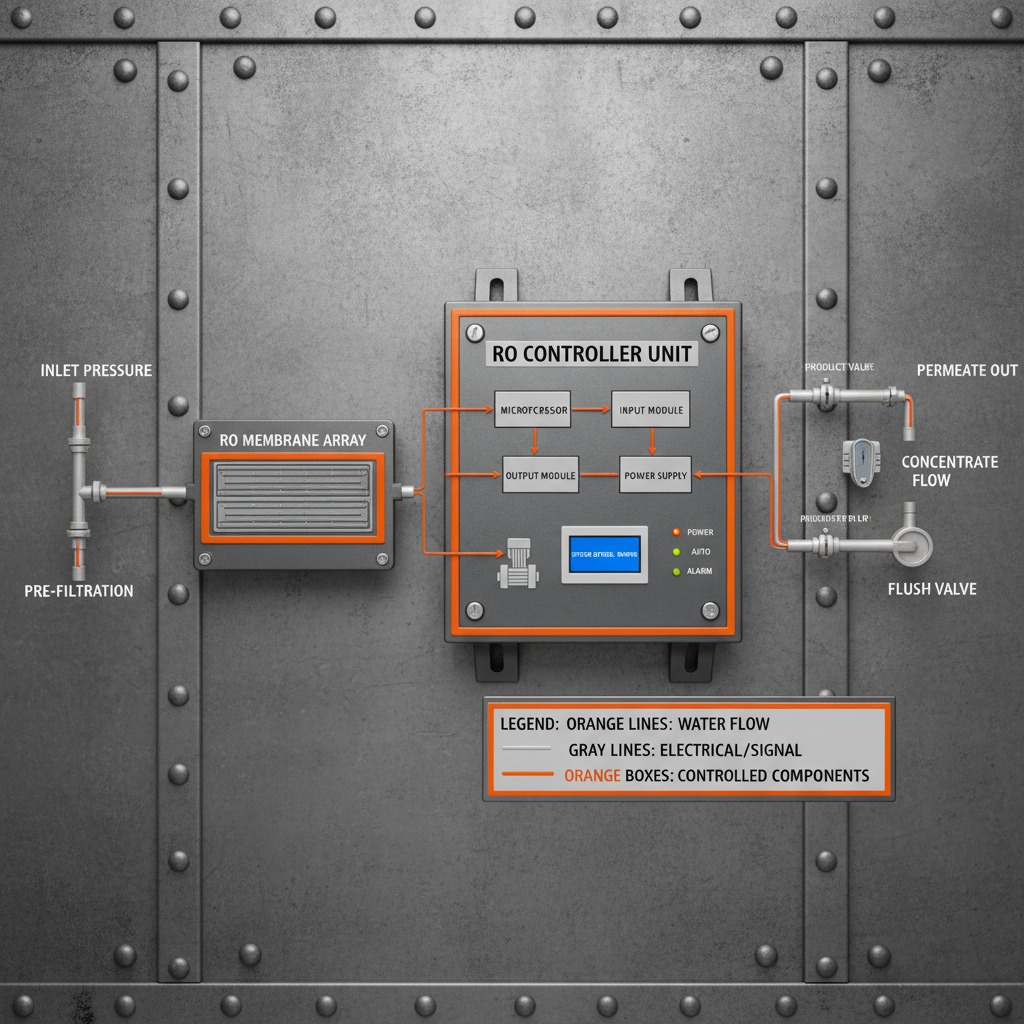
Guide to Choosing the Right RO Controller for Water PurificationMaintaining a high-performance reverse osmosis system requires more than just quality membranes; it demands precise regulation. An ro controller serves as the brain of the entire operation, monitoring critical parameters such as conductivity, temperature, and flow rates to ensure the output water meets stringent purity standards. Without an efficient controller, systems are prone to membrane fouling, inefficient energy use, and inconsistent water quality. In this comprehensive guide, we will explore how these devices optimize water treatment processes and how to select the best model for your specific industrial or commercial needs.
2026-04-09 03:25:47
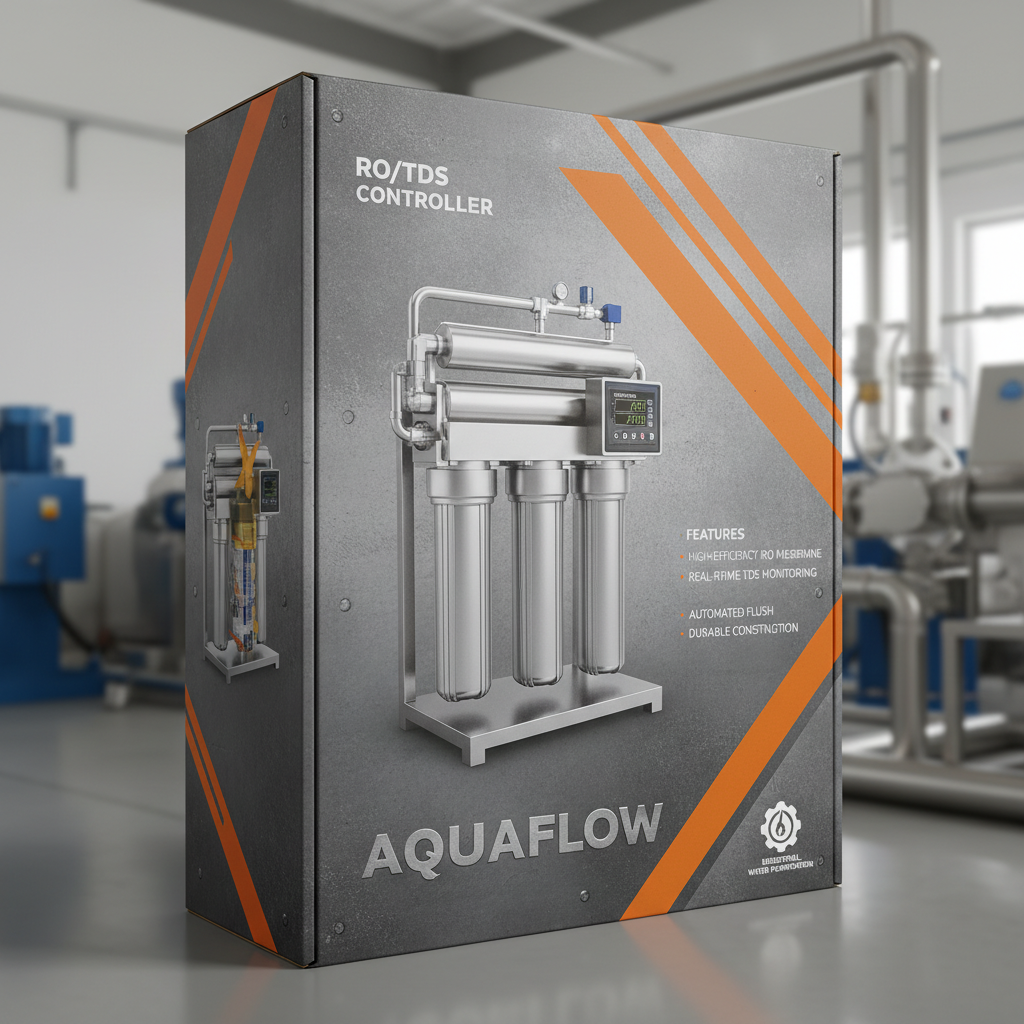
Guide to Water Purity Using RO with TDS Controller SystemsAchieving the perfect balance of mineral content and purity in drinking water is a challenge for many households and industrial facilities. A ro with tds controller offers a sophisticated solution by combining the rigorous filtration of Reverse Osmosis (RO) with the precision of a Total Dissolved Solids (TDS) adjustment system. While standard RO systems remove almost everything, including beneficial minerals, a TDS controller allows users to re-mineralize the water to a desired level. This ensures that the water is not only safe and pure but also tastes better and provides essential nutrients.
2026-04-07 03:17:09
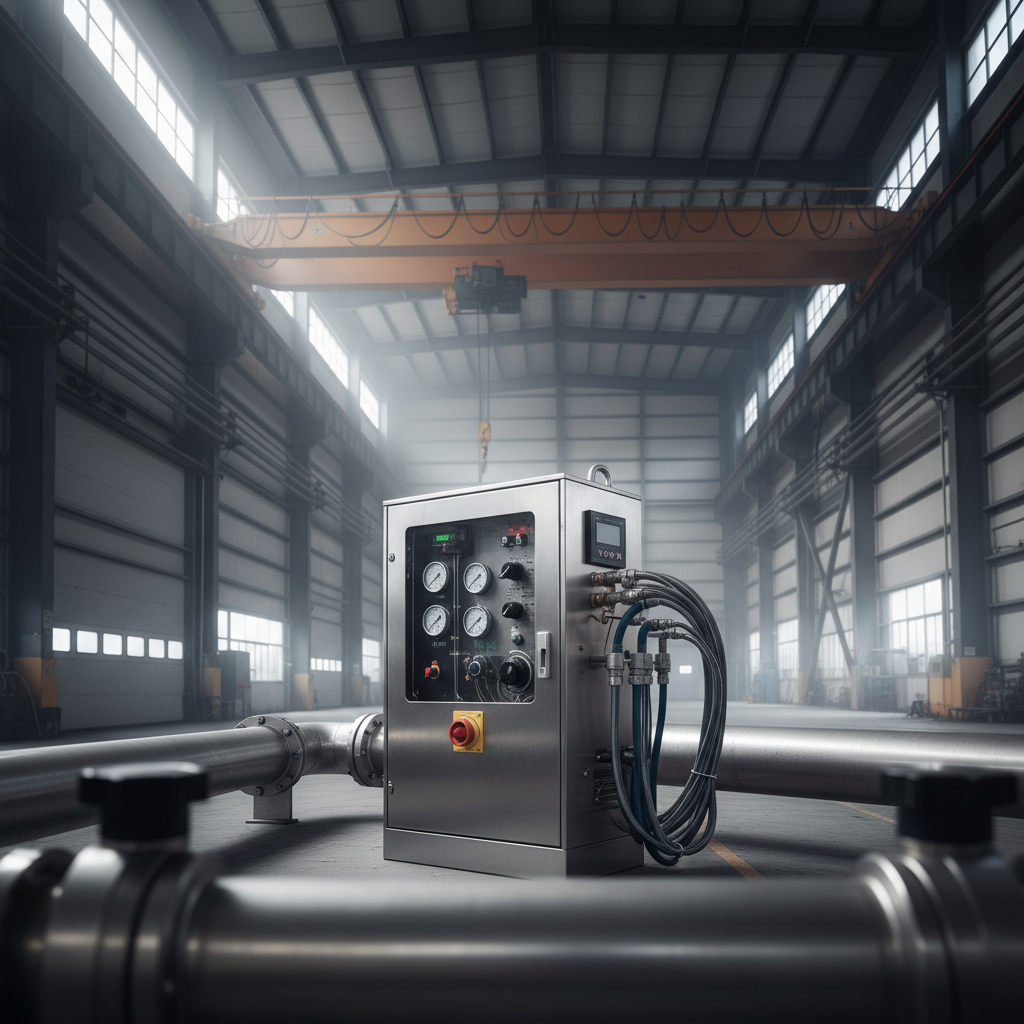
Understanding and Optimizing Reverse Osmosis Systems with a ControllerIn the world of water purification, reverse osmosis (RO) systems are a cornerstone for producing high-quality water for various applications, from drinking water to industrial processes. However, an RO system is only as effective as its control system. This is where the reverse osmosis controller comes into play. This critical component manages and optimizes the RO process, ensuring efficient operation, water quality, and system longevity.
2026-04-04 03:27:19
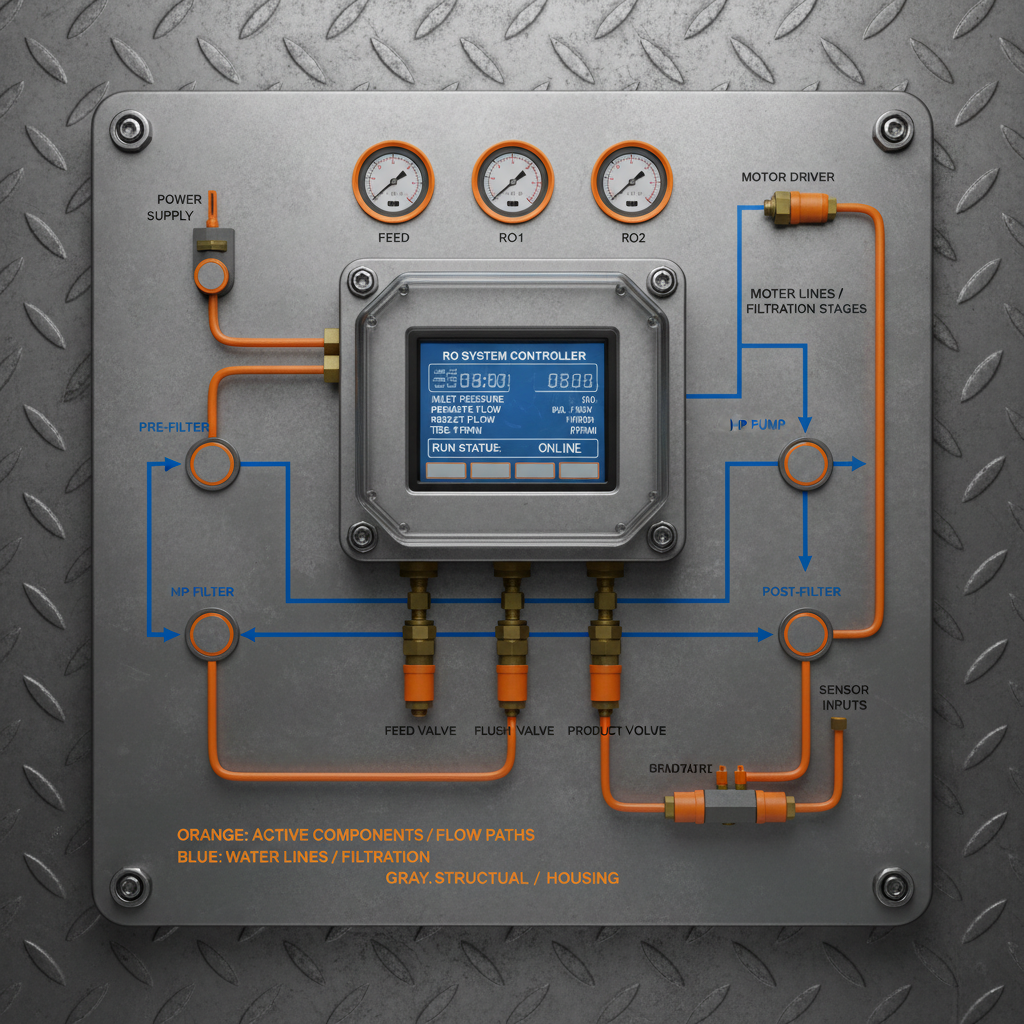
Understanding the Vital Role of an RO System Controller for Optimal PerformanceReverse Osmosis (RO) systems are critical for purifying water across various industries, from residential applications to large-scale industrial processes. At the heart of a well-functioning RO system lies the RO system controller. This intelligent device monitors and regulates all key parameters of the RO process, ensuring optimal performance, efficiency, and water quality. This article delves into the functionalities, benefits, and selection criteria for choosing the right RO system controller, particularly focusing on those offered by Watequipments. Understanding its role is crucial for maximizing the lifespan and effectiveness of your RO investment.
2026-03-24 17:18:24
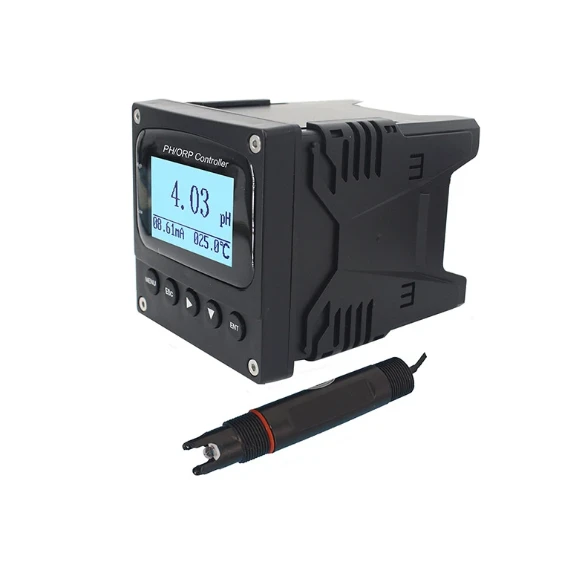
Smart Water Treatment Solutions Using PH ORP Controller SystemsIn modern water treatment and industrial fluid management, maintaining precise chemical balance is essential for safety, efficiency, and regulatory compliance.
2026-03-04 02:55:19
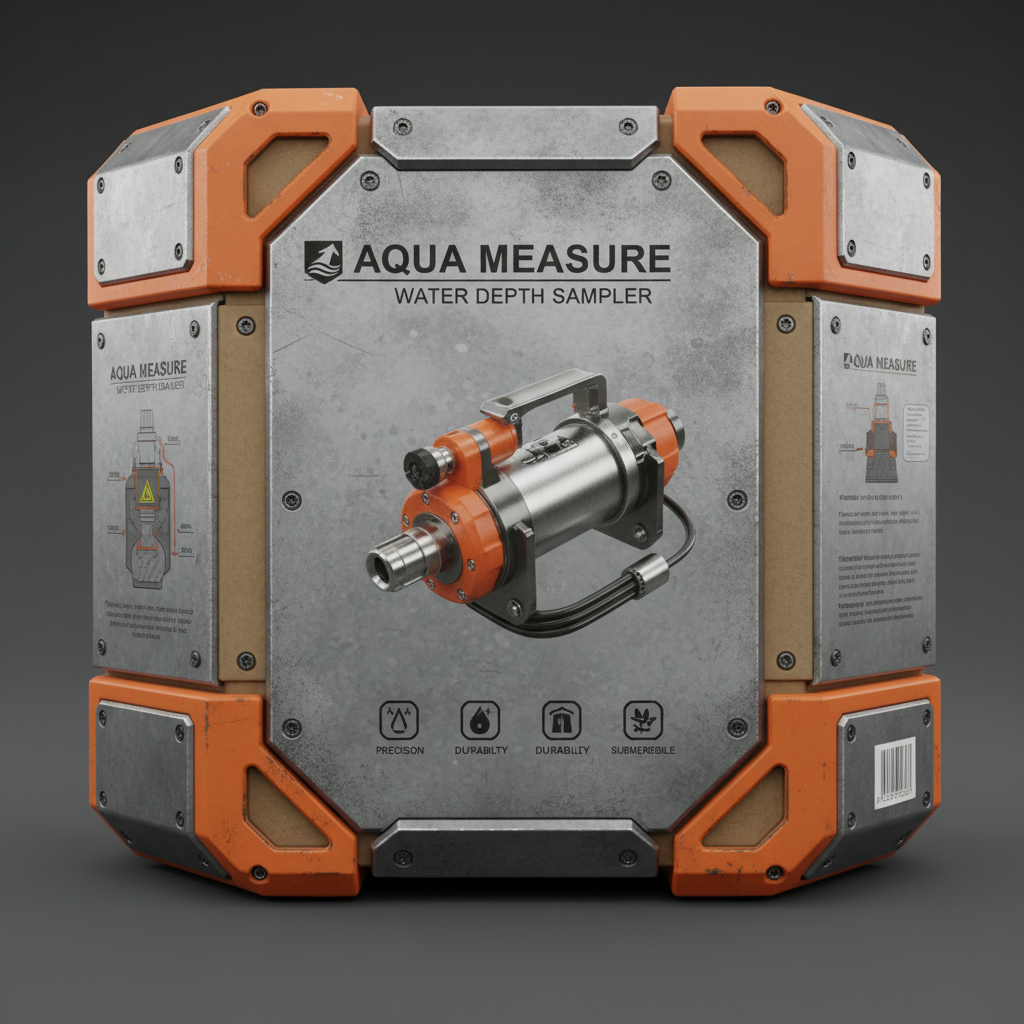
Comprehensive Guide to Water Depth Samplers and Their ApplicationsAccurate water quality monitoring is crucial in various fields, from environmental science and aquaculture to industrial wastewater management. A key tool for this is the water depth sampler. This article provides an in-depth look at water depth samplers, their applications, types, and essential considerations for choosing the right one for your needs. We'll explore the benefits of utilizing this equipment to collect reliable data for analysis and informed decision-making. Selecting the right sampler can significantly improve the precision and efficiency of your water monitoring program. A water depth sampler, also known as a depth-integrated sampler, is a device designed to collect water samples from specific depths within a body of water. Unlike simply dipping a container into the water, a depth sampler allows for collection of a representative sample across a defined depth range. This is critical because water properties (temperature, salinity, pollutants) often vary significantly with depth. The data gathered with a water depth sampler provides a more accurate assessment of water quality than surface samples alone.
2026-03-03 18:55:22
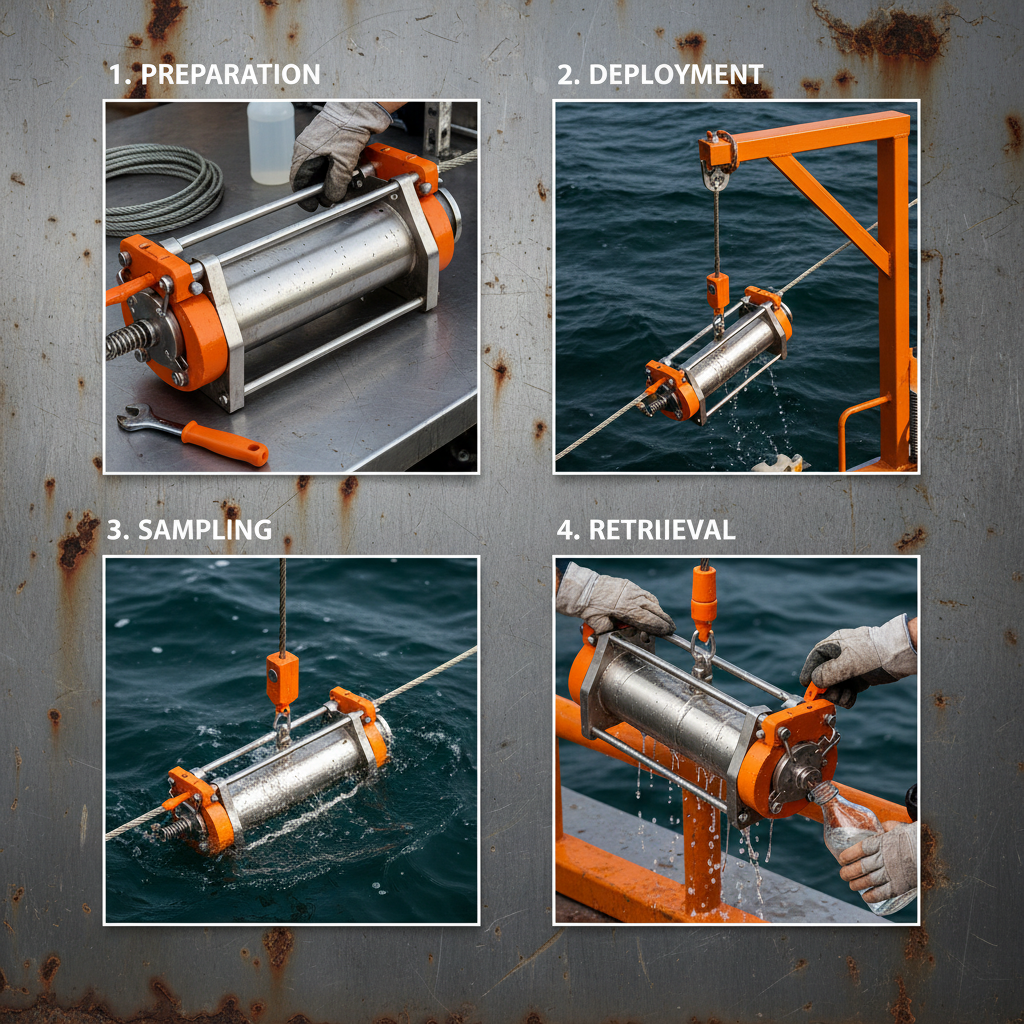
Comprehensive Guide to Horizontal Water Sampler Applications and SelectionCollecting water samples at varying depths is crucial for environmental monitoring, research, and quality control. The horizontal water sampler from Watequipment.com offers a precise and efficient solution for this task. This article provides an in-depth look at horizontal water samplers, their applications, benefits, and key considerations when choosing the right model. We will explore how these samplers contribute to accurate data collection and informed decision-making in various fields. A horizontal water sampler is a device designed to collect water samples from specific depths within a body of water – rivers, lakes, oceans, reservoirs, and even wastewater treatment plants. Unlike vertical samplers which primarily focus on depth, horizontal samplers prioritize collecting samples at a consistent depth while moving along a horizontal plane. This is essential for assessing water quality variations across a waterway or within a specific zone. They are used in applications ranging from environmental monitoring and scientific research to industrial process control and regulatory compliance.
2026-02-28 02:35:09
Comprehensive Guide to Selecting the Right Surface Water Sampler for Your NeedsMonitoring the quality of surface water is critical for environmental protection, public health, and various industrial applications. A surface water sampler is an essential tool for collecting representative samples from rivers, lakes, ponds, and other surface water sources. This article provides a detailed overview of surface water samplers, their types, applications, and key considerations for selecting the right equipment. Accurate water quality data relies on proper sample collection, and choosing the correct sampler is the first step toward achieving reliable results. Surface water samplers come in various designs, each suited to specific sampling needs. Common types include grab samplers, depth-integrating samplers, peristaltic pumps, and automatic samplers. Surface water samplers are used across a broad spectrum of applications, including environmental monitoring, wastewater discharge monitoring, drinking water source monitoring, agricultural runoff analysis, and research studies.

 English