


WS 9100: Robust Industrial Sensor for Precision Monitoring

WS 9100: Robust Industrial Sensor for Precision Monitoring
Aug . 26, 2025
The Imperative of Precision: Understanding the WS 9100 in Environmental Monitoring
In an era defined by increasing environmental regulations and a heightened focus on water quality, the demand for reliable and accurate sampling equipment has never been more critical. The WS 9100 series portable automatic water sampler represents a pinnacle in this field, offering unparalleled precision, durability, and versatility for a wide array of industrial and environmental applications. This comprehensive overview delves into its technical prowess, operational advantages, and strategic importance for professionals in water resource management, industrial effluent control, and environmental compliance.
Industry Trends in Advanced Water Sampling Technologies
The landscape of environmental monitoring is rapidly evolving, driven by several key trends. There is a growing emphasis on real-time data acquisition, remote monitoring capabilities, and the integration of smart technologies. The shift from manual grab sampling to automated, intelligent systems like the WS 9100 is paramount for capturing representative samples, especially in dynamic environments or for compliance with stringent regulatory frameworks such as those enforced by the EPA or regional environmental agencies. Key trends include:
- Enhanced Sample Integrity: Minimizing cross-contamination and preserving sample characteristics during collection, storage, and transport.
- Increased Automation & Remote Access: Reducing human error and enabling data collection from hazardous or inaccessible locations.
- Robustness & Durability: Equipment designed to withstand harsh industrial and environmental conditions.
- Energy Efficiency: Extending battery life for portable units, crucial for prolonged deployment in remote areas.
- Integration with SCADA/IoT: Seamless data flow into larger monitoring networks for comprehensive environmental intelligence.
- Compliance with Evolving Regulations: Meeting increasingly strict standards for effluent discharge, stormwater runoff, and process water quality.
The WS 9100 addresses these trends by offering a highly programmable, robust, and reliable solution for accurate and time-sensitive water sampling, ensuring compliance and facilitating informed decision-making.
Technical Specifications of the WS 9100
The WS 9100 is engineered for high performance and reliability in demanding environments. Its design integrates advanced components and materials to ensure precise sample acquisition and preservation.
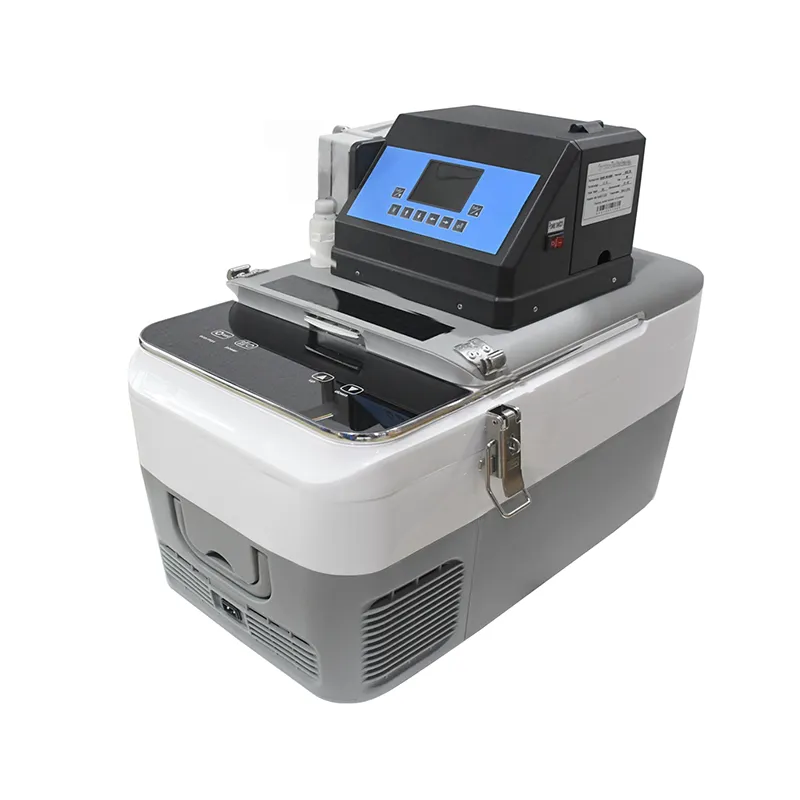
Figure 1: The portable and robust design of the WS 9100 for diverse field applications.
Key Specifications Table
| Parameter | Specification |
|---|---|
| Sampling Method | Peristaltic pump (variable speed) |
| Sample Volume Accuracy | ±5% or 5 mL, whichever is greater, for volumes >100 mL |
| Intake Velocity | >0.9 m/s at 1.5 m (5 ft) lift (meets EPA standards) |
| Maximum Suction Lift | Up to 8.5 m (28 ft) |
| Bottle Capacity | Configurable; typically 24 x 1L or 8 x 2.5L bottles |
| Material (Enclosure) | UV-resistant, corrosion-proof HDPE/polypropylene (NEMA 4X, IP67 rated) |
| Operating Temperature | -20°C to +50°C (-4°F to +122°F) |
| Power Supply | 12V DC (rechargeable battery), optional AC adapter |
| Programmability | Time-based, flow-proportional, event-based sampling |
| Display | Large, backlit LCD |
| Communication | RS-232, optional Modbus, SDI-12 for external sensor integration |
| Weight (Dry) | Approx. 12-15 kg (26-33 lbs) depending on configuration |
The robust NEMA 4X / IP67 enclosure ensures protection against dust, rain, and corrosive environments, making the WS 9100 suitable for prolonged outdoor deployment. The peristaltic pump design minimizes sample contamination and is ideal for sampling various matrices, including water with suspended solids or corrosive chemicals. Its advanced programming capabilities allow for sophisticated sampling routines, from simple time-weighted composites to complex flow-proportional or event-triggered discrete samples.
Manufacturing Process Flow of the WS 9100
The creation of the WS 9100 involves a meticulous manufacturing process designed to ensure product integrity, reliability, and longevity. Adherence to strict quality control protocols, including ISO 9001 certification, is fundamental at every stage.
Schematic Manufacturing Steps:
- Raw Material Procurement & Inspection:
- Materials: High-grade UV-stabilized HDPE/polypropylene resins for the enclosure, medical-grade silicone or Tygon® tubing for the peristaltic pump, stainless steel components (AISI 316L) for structural elements, and advanced electronic components (microcontrollers, sensors).
- Inspection: Incoming materials undergo rigorous quality checks for chemical composition, mechanical properties, and conformity to specifications (e.g., polymer melt flow index, metal alloy certification).
- Enclosure Fabrication:
- Process: Rotational molding or injection molding for the main casing, ensuring seamless, robust, and watertight construction (NEMA 4X / IP67 compliance). This provides superior impact resistance and chemical inertness.
- Post-processing: Trimming, drilling for ports, and surface finishing to prepare for assembly.
- Component Manufacturing (Internal):
- Peristaltic Pump Head: Precision CNC machining of pump roller assemblies from engineering plastics (e.g., Delrin) and stainless steel to ensure smooth, low-pulsation operation and long tubing life.
- Control Board: Automated SMT (Surface Mount Technology) assembly of PCB (Printed Circuit Board) with microcontrollers, memory, and communication interfaces. Each board undergoes AOI (Automated Optical Inspection) and ICT (In-Circuit Testing).
- Bottle Carousel/Distributor: Precision plastic molding or fabrication, ensuring accurate positioning and sealing for individual sample bottles.
- Assembly:
- Integration of pump head, control electronics, battery compartment, and bottle carousel within the main enclosure.
- Sealing and gasketing processes to ensure IP rating integrity. Wiring and connection of sensors and input/output ports.
- Calibration & Functional Testing:
- Flow Calibration: Each peristaltic pump is calibrated to ensure accurate sample volume delivery over its operational range, referencing NIST traceable standards.
- Leak Testing: Pressure decay testing for the entire enclosure to confirm NEMA 4X / IP67 integrity.
- Full Functional Test: Comprehensive testing of all programmable features, alarm functions, and communication interfaces. Environmental chamber testing may be performed on a batch basis for temperature and humidity extremes.
- Final Quality Assurance & Packaging:
- Final visual inspection, documentation review, and packaging in protective materials for shipment.
- Testing Standards: Product adheres to ASTM D7267 (Standard Practice for Automated Sizing, Counting, and Data Acquisition of Liquid-Borne Particles using Light Extinction Principle), EPA sampling guidelines, and applicable ISO/ANSI electrical safety and environmental standards.
- Service Life: Designed for an operational service life of 7-10 years with proper maintenance, due to its robust construction and high-quality components.
This rigorous process ensures that every WS 9100 unit delivers consistent, high-accuracy performance, demonstrating significant advantages in typical application scenarios such as energy efficiency through optimized pump cycles and exceptional corrosion resistance due to its material selection.
Application Scenarios and Target Industries
The versatility of the WS 9100 makes it an invaluable tool across a diverse range of industries where accurate water sampling is paramount. Its portable nature allows for deployment in both permanent monitoring stations and temporary field campaigns.
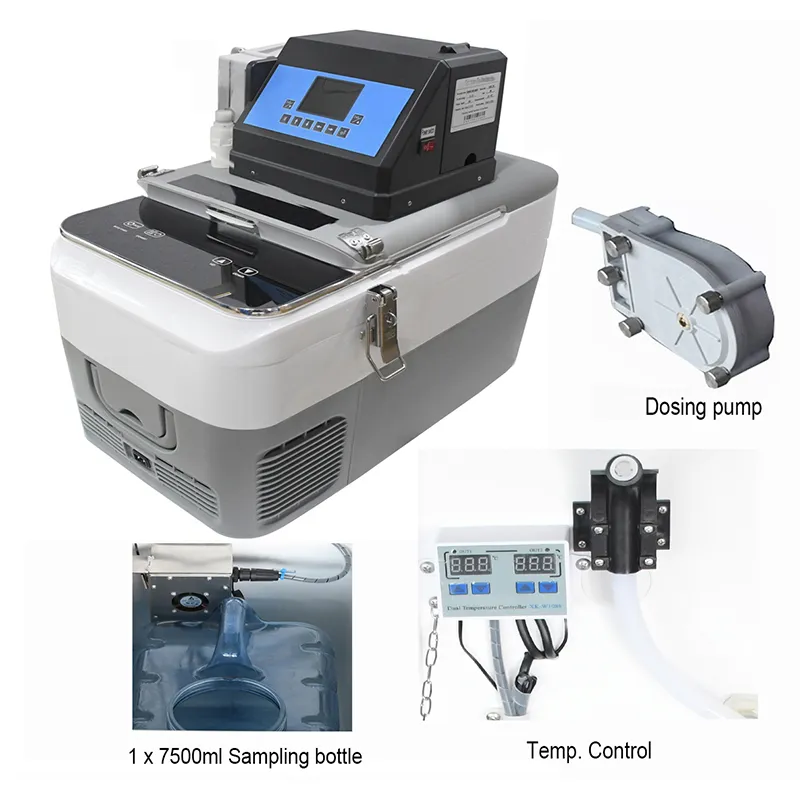
Figure 2: The WS 9100 deployed in a typical environmental monitoring application.
Target Industries:
- Petrochemical & Chemical Manufacturing: Monitoring industrial effluent discharge for compliance with local and national environmental regulations. The corrosion-resistant materials of the WS 9100 are crucial here.
- Metallurgy & Mining: Assessing process water quality, mine dewatering impact, and stormwater runoff for heavy metals and other contaminants.
- Water Supply & Drainage Utilities: Monitoring raw water intake quality, treated wastewater discharge, and sewer overflow events. Crucial for public health and environmental protection.
- Environmental Consulting & Research: Conducting baseline studies, impact assessments, and long-term trend analysis in rivers, lakes, and estuaries.
- Food & Beverage Processing: Ensuring process water quality and compliance with discharge limits for organic loads.
- Pharmaceutical: Monitoring process water and wastewater for quality control and environmental compliance.
- Agricultural Runoff: Capturing samples to assess nutrient (nitrates, phosphates) and pesticide loads entering waterways.
Typical Application Scenarios:
- Wastewater Treatment Plant Effluent Monitoring: Automated collection of composite samples over 24-hour periods for BOD, COD, TSS, and nutrient analysis, ensuring compliance with discharge permits. This saves significant manual labor and provides a more representative sample.
- Stormwater Runoff Characterization: Event-triggered sampling during rainfall events to capture first flush phenomena and assess pollutant loads in urban and industrial areas. The low power consumption of the WS 9100 is an energy-saving advantage for extended deployment.
- River and Stream Monitoring: Long-term deployment for baseline water quality studies, identifying pollution sources, and tracking seasonal variations in water chemistry. Its robust enclosure provides essential protection.
- Industrial Process Control: Sampling at various points within a manufacturing process to monitor chemical concentrations, pH, or suspended solids, aiding in process optimization and anomaly detection. The system's precision helps identify issues proactively.
- Groundwater Monitoring: Collecting samples from monitoring wells for contamination assessment and remediation project verification.
In each scenario, the WS 9100 provides the crucial ability to collect unbiased, time-sensitive samples, which are essential for accurate laboratory analysis and subsequent data interpretation.
Technical Advantages of the WS 9100
The WS 9100 stands out in the market due to a combination of design features and technical capabilities that address the primary challenges in water sampling.
- Superior Sample Integrity:
- Peristaltic Pump Technology: Eliminates contact between the sample and pump components, preventing cross-contamination and preserving the chemical and biological properties of the sample. Ideal for trace contaminant analysis.
- Line Purge Feature: Automatically purges the suction line before and after each sample to ensure a fresh, representative sample and prevent freezing in cold climates.
- Integrated Refrigeration (Optional): Maintains sample temperature at 4°C (39°F) as recommended by EPA guidelines for sample preservation, critical for parameters like BOD, coliforms, and volatile organic compounds (VOCs).
- Robustness and Durability:
- NEMA 4X / IP67 Enclosure: Provides industry-leading protection against dust, rain, ice, and corrosive chemicals, ensuring reliable operation in harsh outdoor and industrial environments. This extends the service life and reduces maintenance.
- Corrosion Resistance: All wetted parts and the exterior casing are constructed from chemically resistant materials, making the WS 9100 suitable for highly corrosive wastewater streams.
- Advanced Programmability & Ease of Use:
- Flexible Sampling Modes: Supports time-weighted, flow-proportional (with external flow meter input), and event-triggered sampling for composite or discrete samples.
- User-Friendly Interface: Intuitive keypad and large backlit LCD display simplify programming and field operation, minimizing training requirements.
- Data Logging: Internal memory stores program settings, calibration data, and operational logs, facilitating compliance auditing and performance tracking.
- Energy Efficiency:
- Optimized pump motor and efficient power management extend battery life, allowing for longer deployment periods without frequent battery changes, especially crucial in remote locations.
- Ease of Maintenance:
- Modular design and easily replaceable pump tubing (typically changed every 3-6 months depending on usage) simplify field service and reduce downtime.
These advantages collectively contribute to a lower total cost of ownership and superior data quality, making the WS 9100 a preferred choice for environmental professionals.
Comparative Analysis: WS 9100 vs. Competitors
While several water samplers exist on the market, the WS 9100 distinguishes itself through its specific design philosophies and performance metrics. This comparison highlights its competitive edge against typical alternatives.
Product Comparison Table
| Feature/Criterion | WS 9100 | Generic Standard Portable Sampler | Advanced Stationary Sampler |
|---|---|---|---|
| Portability | Excellent (Lightweight, robust handle) | Good (Heavier, less robust casing) | Poor (Designed for fixed installation) |
| Enclosure Rating | NEMA 4X, IP67 | NEMA 3R, IP54 (Basic weather protection) | NEMA 4X, IP67 (High protection) |
| Sample Integrity (Cross-Contamination) | Very High (Peristaltic, automatic line purge) | Moderate (Basic purge, potential for carryover) | High (Peristaltic, robust purge) |
| Sample Preservation (Refrigeration) | Optional, highly efficient thermoelectric | Manual ice/gel packs only | Standard, robust compressor-based |
| Programmability | Advanced (Time, Flow, Event; composite/discrete) | Basic (Time, simple flow) | Highly Advanced (Extensive sensor integration) |
| Battery Life (Typical) | >30 days for 1 sample/hr (optimized energy management) | 10-14 days for 1 sample/hr | AC powered (no battery reliance) |
| Corrosion Resistance | Excellent (HDPE/Polypropylene, SS 316L) | Good (ABS plastic, some metal parts) | Excellent (FRP/SS enclosure, high-grade components) |
| Ease of Maintenance | High (Modular, simple tubing replacement) | Moderate (More complex pump mechanism) | Moderate (Complex internal components) |
The WS 9100 strikes an optimal balance between portability, ruggedness, and advanced functionality. It outperforms generic portable samplers in terms of sample integrity, environmental protection, and battery endurance, while offering many advanced features found in more expensive stationary units, but in a mobile package.
Customized Solutions for Diverse Needs
Recognizing that no two sampling requirements are identical, vendors of the WS 9100 offer extensive customization options to tailor the unit to specific application needs. This flexibility is key for industries with unique sampling challenges or regulatory mandates.
Available Customization Options:
- Bottle Configurations: Choose from various bottle sizes (e.g., 500 mL, 1 L, 2.5 L) and materials (e.g., polyethylene, glass) to accommodate different sample volumes and analytical requirements. Options include single large composite bottles or multiple discrete bottles with different capacities.
- Intake Tubing: Selection of tubing materials (e.g., silicone, PVC, PTFE-lined) and diameters to optimize sample transfer for specific matrices, considering factors like chemical compatibility, particulate matter, and flow rates.
- External Sensor Integration: Ability to integrate with external sensors (e.g., flow meters, pH probes, conductivity meters, turbidity sensors) via SDI-12 or 4-20mA inputs, enabling event-triggered sampling based on real-time water quality parameters.
- Communication Modules: Optional modules for telemetry (e.g., cellular, satellite) to enable remote programming, data retrieval, and real-time alerts, critical for remote or critical infrastructure monitoring.
- Power Solutions: Beyond standard 12V DC battery, options include larger battery packs for extended deployment, solar charging kits for off-grid operations, or direct AC power adapters for fixed installations.
- Specialized Enclosures & Accessories: Custom mounting brackets, security options, or specialized intake strainers for challenging environments (e.g., high debris, shallow water).
- Software & Firmware Customization: For large-scale projects, specific firmware modifications or integration with existing SCADA/DCS systems can be developed to streamline data management and operational control.
Working with experienced technical support and engineering teams ensures that the customized WS 9100 solution precisely meets the project's unique specifications, maximizing data utility and operational efficiency.
Real-World Application Case Studies
The efficacy of the WS 9100 is best illustrated through its successful deployment in various challenging real-world scenarios, providing invaluable data for environmental management and regulatory compliance.
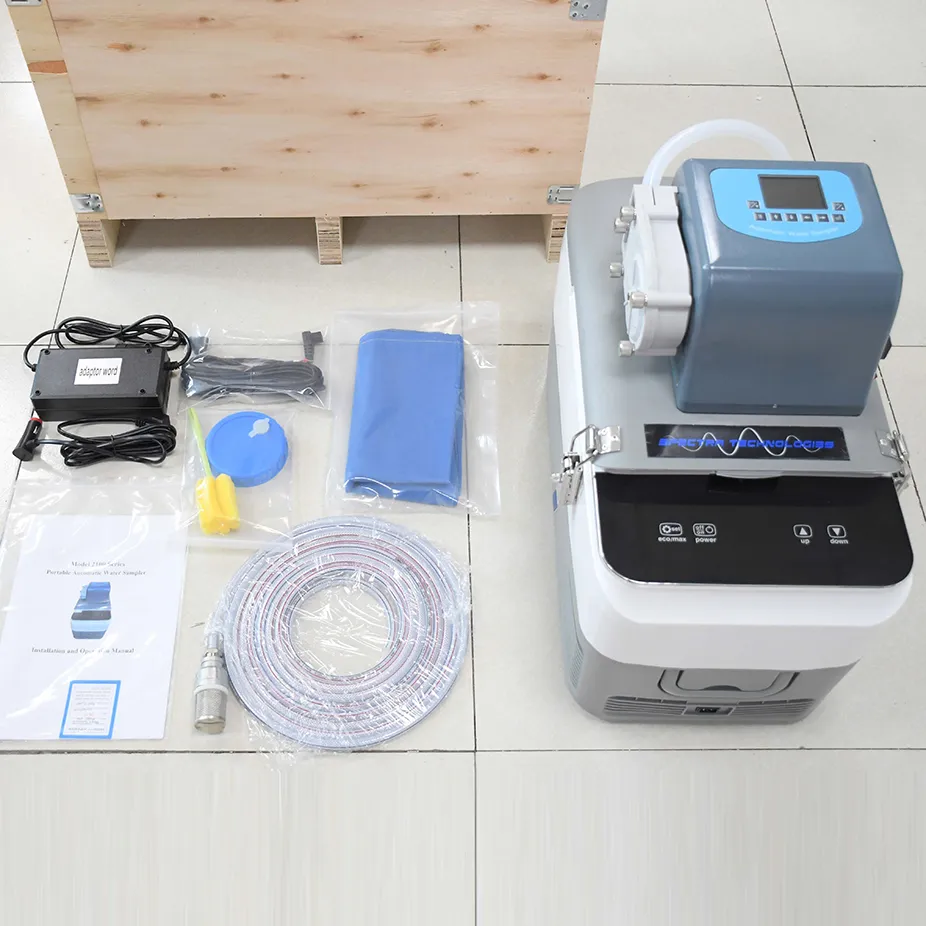
Figure 3: The user-friendly interface and robust housing of the WS 9100.
Case Study 1: Industrial Wastewater Compliance in a Chemical Plant
A large chemical manufacturing facility faced persistent challenges in demonstrating compliance with their National Pollutant Discharge Elimination System (NPDES) permit, specifically concerning fluctuating heavy metal concentrations in their treated effluent. Manual grab samples often missed critical spikes, leading to potential violations.
- Solution: Two WS 9100 units were deployed at the final effluent outfall, integrated with an existing flow meter. They were programmed for flow-proportional composite sampling over 24-hour periods, with discrete sampling triggered by turbidity spikes detected by an in-situ sensor.
- Outcome: The automated, representative sampling provided by the WS 9100 accurately captured pollutant load variations. Within three months, the facility identified specific process upsets correlated with discharge spikes, allowing for targeted process adjustments. Compliance improved significantly, avoiding substantial fines. The plant manager reported, "The WS 9100 provided the granular data we needed to move beyond reactive compliance to proactive environmental management. Its reliability in our harsh environment was exceptional."
Case Study 2: Stormwater Quality Assessment in an Urban Watershed
An environmental agency needed to characterize pollutant loads in stormwater runoff from a rapidly urbanizing watershed to inform new best management practices. Manual sampling during unpredictable storm events was labor-intensive, hazardous, and often missed critical "first flush" samples.
- Solution: Multiple WS 9100 samplers were deployed at key outfall points within the watershed, equipped with rain gauges and level sensors. They were programmed to initiate sampling upon detecting rainfall and rising water levels, collecting discrete samples at predetermined intervals throughout the storm event.
- Outcome: The project successfully collected comprehensive stormwater quality data over several storm seasons, including critical first flush events. This data revealed significant loads of nutrients, sediment, and hydrocarbons, guiding the agency in implementing targeted green infrastructure projects. The field technicians praised the WS 9100 for its ease of setup, robust battery life in remote locations, and ability to capture data autonomously.
Case Study 3: Groundwater Remediation Monitoring at a Former Industrial Site
A consulting firm overseeing groundwater remediation at a Superfund site required consistent, long-term monitoring of contaminant plumes across multiple monitoring wells. Manual sampling was costly and inconsistent due to varying field conditions and personnel availability.
- Solution: The WS 9100 was chosen for its portability and ability to conduct low-flow sampling. Units were rotated among wells, programmed to draw specific, precise volumes at set intervals, ensuring representative samples from the aquifer without inducing excessive drawdown. Specialized tubing was used to prevent adsorption of target contaminants.
- Outcome: The firm achieved more consistent and accurate long-term data on contaminant migration and remediation effectiveness. This allowed for better modeling of the plume and optimized the remediation strategy, saving costs and accelerating site closure efforts. The project lead noted, "The WS 9100's reliable peristaltic pump and accurate volume control were essential for our low-flow sampling protocol, giving us confidence in our analytical results."
These cases underscore the WS 9100's capacity to deliver reliable, high-quality data in diverse and demanding environmental monitoring contexts, proving its value as a critical tool for environmental protection and industrial compliance.
Ensuring Trustworthiness: FAQs, Lead Time, Warranty, and Support
Establishing trust with B2B clients requires transparency and commitment to product quality and post-sales support. Here's what clients can expect when investing in the WS 9100.
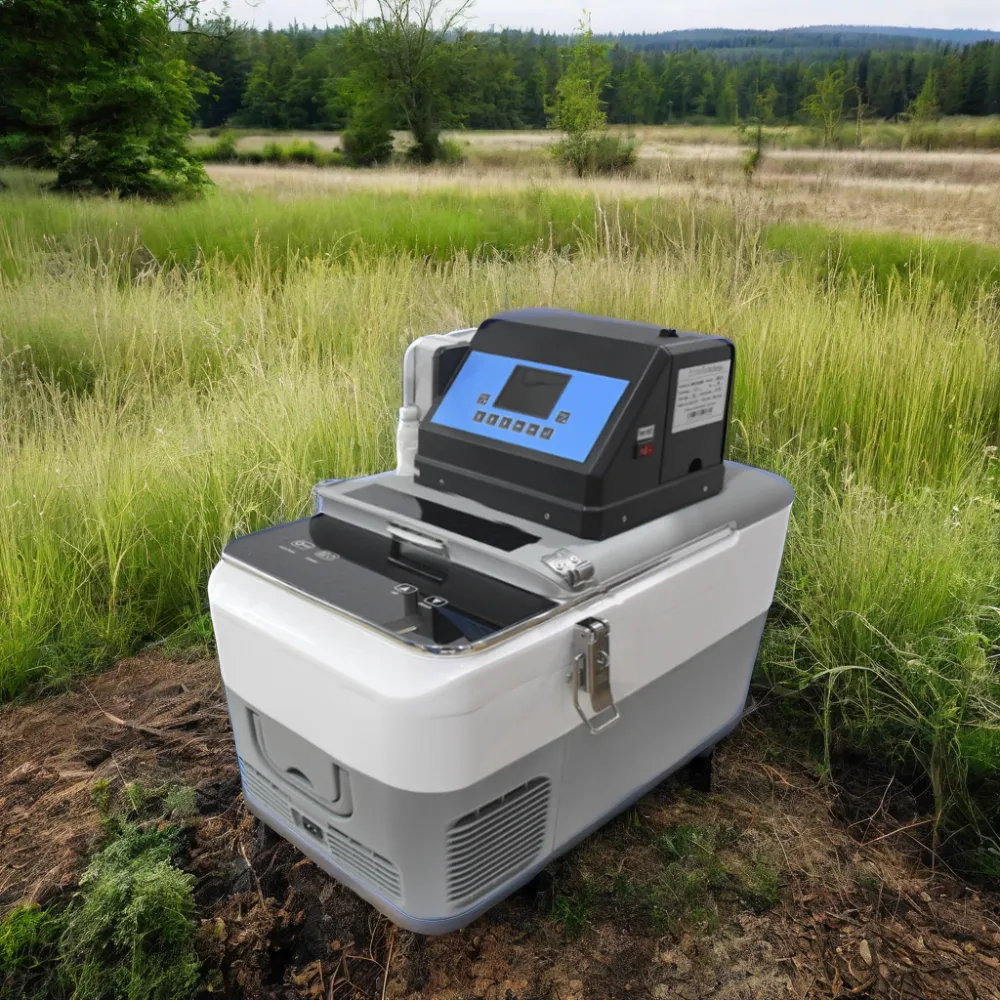
Figure 4: A clear and intuitive interface for programming and monitoring the WS 9100.
Frequently Asked Questions (FAQs):
- Q: How often should the peristaltic pump tubing be replaced?
- A: Pump tubing life depends on usage frequency, sample matrix, and temperature. Typically, it should be inspected monthly and replaced every 3 to 6 months to maintain sample volume accuracy and prevent failure. Spare tubing kits are readily available.
- Q: Can the WS 9100 handle samples with high suspended solids?
- A: Yes, the peristaltic pump design and large bore intake tubing are well-suited for samples with high suspended solids, minimizing clogging. We recommend using an appropriate intake strainer to prevent large debris from entering the line.
- Q: Is the WS 9100 suitable for hazardous or corrosive environments?
- A: Absolutely. Its NEMA 4X / IP67 rated, chemically resistant HDPE/polypropylene enclosure is specifically designed for such conditions, providing robust protection for the internal components and maintaining sample integrity.
- Q: How long does the battery last in the field?
- A: The standard 12V DC battery provides extended operation, typically over 30 days for sampling at hourly intervals without refrigeration. With an optional refrigerated base, battery life is reduced but still offers several days of continuous operation, depending on ambient temperature. Solar charging options are also available.
- Q: Can I integrate external sensors with the WS 9100?
- A: Yes, the WS 9100 features input ports for integration with external devices such as flow meters, pH sensors, and other water quality probes, allowing for advanced event-triggered sampling protocols.
Lead Time & Fulfillment:
Standard configurations of the WS 9100 are typically available for shipment within 2-3 business days, depending on current stock levels. Custom configurations or large orders may require 2-4 weeks for manufacturing and testing to ensure all specifications are met. We work closely with clients to provide accurate lead times and keep them informed throughout the order fulfillment process.
Warranty Commitments:
The WS 9100 comes with a comprehensive 12-month limited warranty covering defects in materials and workmanship from the date of purchase. Extended warranty options are available for clients seeking prolonged coverage and peace of mind. Our commitment is to deliver reliable equipment, and our warranty reflects that promise.
Customer Support:
Our dedicated technical support team is available to assist with installation, operation, troubleshooting, and maintenance of your WS 9100. We offer:
- Phone and Email Support: Accessible expert assistance during business hours.
- Online Resources: Comprehensive manuals, FAQs, and video tutorials.
- Service & Repair: Factory-trained technicians for in-house repairs and calibration services.
- Training Programs: On-site or remote training sessions to ensure your team is proficient in operating and maintaining the WS 9100.
We are committed to building long-term partnerships through exceptional product quality and unwavering customer support.
Conclusion
The WS 9100 portable automatic water sampler stands as a robust, precise, and versatile instrument essential for modern environmental monitoring and industrial compliance. Its advanced technical specifications, meticulous manufacturing process, and demonstrated performance in diverse application scenarios underscore its value proposition. By addressing critical industry trends—from sample integrity and automation to durability and ease of use—the WS 9100 empowers professionals to gather accurate, defensible data, facilitating informed decision-making and contributing significantly to environmental protection and resource management. Investing in the WS 9100 is an investment in reliability, accuracy, and long-term operational efficiency for any organization serious about water quality analysis.
References
- U.S. Environmental Protection Agency (EPA). (2002). EPA Requirements for Quality Assurance Project Plans (QA/R-5). EPA/240/B-01/003.
- International Organization for Standardization (ISO). (2015). ISO 5667-1:2015 Water quality — Sampling — Part 1: Guidance on the design of sampling programmes and sampling techniques.
- American Society for Testing and Materials (ASTM). (2014). ASTM D7267 - Standard Practice for Automated Sizing, Counting, and Data Acquisition of Liquid-Borne Particles using Light Extinction Principle.
- World Health Organization (WHO). (2017). Guidelines for Drinking-water Quality: Fourth edition, incorporating the first addendum.
- Water Environment Federation (WEF). (2012). Manual of Practice No. 8, Wastewater Sampling for Process and Quality Control.

Related Products




Related News


2026-11-03 04:36:32
Rotameter FAQ for small-flow measurement in water treatmentLearn how a Rotameter measures fluid flow, where it fits in water-treatment and RO systems, and which accuracy, pressure, and float details to review before ordering.

2026-10-29 03:32:11
Choosing WS 9100: Application Fit and Specification ChecksEvaluate whether the WS 9100 fits your environmental monitoring project. Review power supply options, temperature-controlled storage, sampling method compatibility, and key specifications before purchasing.

2026-10-23 04:19:53
PH/ORP-6850 Controller FAQ: Specifications, Configuration Options and Ordering QuestionsPH/ORP-6850 FAQ: pH 0–14 and ORP ±1200 mV ranges, ±0.02 pH accuracy, isolated 4–20 mA output, relay alarms, power supply options and panel installation.

2026-07-01 09:39:59
Guide to Ensuring Water Purity for drinking water tds MonitoringEnsuring Water Purity: The Ultimate Guide for Drinking Water TDS Monitoring Maintaining high water quality standards is essential for public health and industrial safety. One of the most critical metrics for assessing water purity is Total Dissolved Solids TDS, which represents the combined content of all inorganic and organic substances dissolved in water. Utilizing high-precision equipment for drinking water tds measurement allows facilities to detect contamination and ensure that filtration systems are operating at peak efficiency. In this guide, we will explore the technical aspects of TDS monitoring and how advanced transmitters provide the reliability needed for modern environmental monitoring.

2026-06-29 16:58:21
Understanding the Conversion of Electrical Conductivity to TDSUnderstanding the Conversion of Electrical Conductivity to TDS In water quality analysis, measuring the purity of a liquid often involves understanding the relationship between electrical conductivity to tds Total Dissolved Solids. While conductivity measures the ability of water to pass an electrical currentwhich is directly influenced by the concentration of ionized substancesTDS represents the total amount of mobile charged ions, including minerals, salts, or metals dissolved in a given volume of water. For professionals in environmental monitoring and water treatment, mastering this conversion is essential for maintaining system efficiency and ensuring regulatory compliance.

2026-06-27 17:38:40
Industrial Guide to Electrical Conductivity Salt Water MonitoringUnderstanding Electrical Conductivity Salt Water Monitoring for Industrial Precision In the realm of water quality analysis, measuring the electrical conductivity salt water levels is a critical process for maintaining industrial efficiency and environmental safety. Conductivity serves as a direct indicator of the concentration of dissolved ions, which is essential for industries ranging from desalination plants to chemical manufacturing. Accurate monitoring prevents equipment corrosion, ensures product purity, and supports regulatory compliance. By utilizing advanced instrumentation, operators can achieve real-time insights into salt concentrations, allowing for immediate adjustments in water treatment processes to avoid costly downtime.

2026-06-26 16:42:22
Technical Guide to Industrial ec meter circuit Design and UseUnderstanding the EC Meter Circuit: The Heart of Water Quality Analysis Electrical Conductivity EC is a fundamental parameter in environmental monitoring, aquaculture, and industrial water treatment. At the core of every reliable measurement device is a sophisticated ec meter circuit , which converts the physical conductance of a liquid into a precise digital reading. Whether you are managing a boilers deoxygenation process or monitoring nutrient levels in hydroponics, understanding how the circuit handles signal amplification and temperature compensation is key to ensuring data accuracy. This guide explores the technical intricacies of EC circuitry and how it integrates into professional water quality controllers.

2026-06-25 18:39:20
Professional Guide to drinking water testing for tds and PurityDrinking Water Testing for TDS: Ensuring Pure and Safe Water Quality Maintaining high water quality is essential for both health and industrial efficiency. When performing drinking water testing for tds , professionals seek to measure the Total Dissolved Solids TDS, which indicates the concentration of dissolved inorganic salts and organic matter in water. Whether you are managing a municipal water plant or a high-precision industrial facility, understanding the conductivity and TDS levels is the first step toward effective water treatment. In this guide, we explore the technical aspects of TDS measurement and the advanced instrumentation required for accurate monitoring.

 English