



Converting Electrical Conductivity to TDS: A Simple Guide

Converting Electrical Conductivity to TDS: A Simple Guide
Aug . 25, 2025
In the realm of water quality management, understanding how to convert electrical conductivity to total dissolved solids (TDS) is essential for various industries. For wholesalers, providing clients with the knowledge and tools to accurately perform electrical conductivity to tds conversion ensures they can effectively monitor water tds level in their specific applications. Hebei JIRS Import & Export Co., Ltd., a prominent player in water quality management solutions, offers advanced controllers that simplify this conversion while accounting for electrical conductivity temperature factors, making it easier for clients across different sectors to obtain reliable results. With a strong commitment to high quality, cutting-edge technology, and exceptional after-service, the company has become a trusted partner for wholesalers worldwide, supporting diverse industries in their water quality monitoring needs.
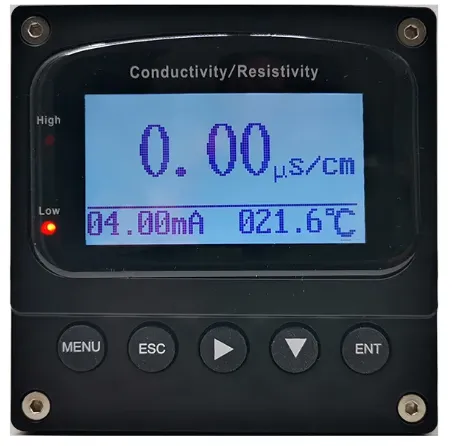
Electrical Conductivity to Tds: Understanding The Conversion Process
Electrical conductivity to tds conversion is a fundamental process that allows us to translate the electrical conductivity of water into the water tds level, which is a key indicator of water quality.
|
Aspect |
Details |
|
Basis of Conversion |
Relies on a conversion factor due to varying ion contributions to conductivity |
|
Role of Hebei JIRS Controllers |
Built-in algorithms for automatic conversion, direct display of both EC and TDS |
|
Advantage |
Eliminates manual calculations, reduces errors, saves time |
Electrical Conductivity Temperature: Its Impact on Conversion Accuracy
Electrical conductivity temperature is a critical factor that can significantly affect the accuracy of electrical conductivity to tds conversion, as temperature changes alter the mobility of ions in water.
|
Aspect |
Details |
|
Temperature Effect |
Higher temperature increases ion mobility, leading to higher conductivity; lower temperature has the opposite effect |
|
Solution |
Hebei JIRS controllers have automatic temperature compensation with PT1000 sensors |
|
Compensation Range |
0~120℃, adjusts readings to reference temperature |
Water Tds level: Applications in Different Industries
Water tds level is a vital parameter in many industries, and accurate monitoring through electrical conductivity to tds conversion helps ensure product quality, process efficiency, and compliance with regulations.
|
Industry |
Application of water tds level Monitoring |
|
Seawater Desalination |
Track effectiveness of desalination by monitoring reduction in TDS |
|
Aquaculture |
Maintain appropriate TDS levels for aquatic organism health and growth |
|
Food and Beverage |
Ensure water used meets quality standards, affecting product taste and stability |
|
Pharmaceutical |
Comply with regulations, ensure water purity for drug production |
Hebei JIRS’s Controllers: Features and Benefits for Electrical Conductivity to Tds Conversion
Hebei JIRS Import & Export Co., Ltd.’s EC/TDS controllers are packed with features that make them ideal for electrical conductivity to tds conversion, providing users with accurate, reliable, and user-friendly monitoring solutions.
|
Feature |
Details |
Benefit for electrical conductivity to tds Conversion |
|
Measurement Capabilities |
Measures Conductivity/TDS/Resistivity and Temperature |
Provides comprehensive data for accurate conversion and monitoring |
|
Output Options |
High/low limit relay control output |
Enables integration with other systems, allows for automated control based on TDS levels |
|
Alarm Functions |
High/low limit alarm light, double relay, alarm delay could be set |
Alerts users when water tds level exceeds set limits, preventing potential issues |
|
Display Features |
English language display, back light with power saving mode, timing automatic off, brightness adjust |
Easy to read, user-friendly, saves energy |
|
Calibration and Compensation |
Conductivity constant input directly function or calibration against known solutions, automatic temperature compensation |
Ensures accurate measurements and conversions |
|
Protection Features |
MOV and AC input fused function, ESD over voltage protection, IP 65 protection grade |
Enhances durability, protects against electrical damage and environmental factors |
|
Security |
Password management |
Prevents unauthorized operation, ensuring data integrity |
These controllers find wide application in seawater desalination, aquaculture, reverse osmosis, chemical, pharmaceutical, environmental protection, and many other industries. Hebei JIRS Import & Export Co., Ltd. takes pride in the quality of its products, with each controller meticulously designed and manufactured to ensure accuracy, reliability, and durability. The company’s exceptional after-service, including a dedicated online support team, ensures that clients receive assistance with installation, maintenance, and troubleshooting, making their experience with the controllers seamless and hassle-free.
Electrical Conductivity Temperature FAQS
How accurate is electrical conductivity to tds conversion using Hebei JIRS’s controllers?
The electrical conductivity to tds conversion using Hebei JIRS’s controllers is highly accurate, with an accuracy of ±1.5% (FS). This high level of accuracy is achieved through advanced features such as automatic temperature compensation, high-performance CPU, and the ability to calibrate against known solutions. The controllers are designed to minimize errors caused by environmental factors and ensure that the conversion results are reliable, making them suitable for applications where precise water tds level monitoring is essential. Whether in industrial processes or laboratory settings, clients can trust the accuracy of these controllers for their electrical conductivity to tds conversion needs.
Can electrical conductivity temperature compensation be adjusted in Hebei JIRS’s controllers?
Hebei JIRS’s controllers come with automatic electrical conductivity temperature compensation, and while the basic compensation is set to adjust to a reference temperature , the controllers are designed to handle temperature variations within the 0~120℃ range effectively. The compensation is pre-calibrated to ensure accuracy, and the PT1000 sensors provide precise temperature measurements for the compensation process. While the core temperature compensation mechanism is automated, users can rely on the controllers’ advanced technology to accurately adjust for temperature changes, ensuring that the electrical conductivity to tds conversion remains accurate regardless of fluctuations in the water temperature.
What industries can benefit from monitoring water tds level using Hebei JIRS’s controllers?
A wide range of industries can benefit from monitoring water tds level using Hebei JIRS’s controllers. These include seawater desalination, where tracking TDS helps assess the success of the desalination process; aquaculture, where maintaining proper TDS levels is crucial for aquatic life; reverse osmosis systems, where TDS monitoring ensures efficient operation; chemical and pharmaceutical industries, where water purity is vital for production; food and beverage industry, where TDS affects product quality; environmental protection, for monitoring water pollution; and many others. The versatility of the controllers, with their wide measurement range and various output options, makes them suitable for diverse applications across these industries.
How does the password management feature in Hebei JIRS’s controllers enhance electrical conductivity to tds conversion reliability?
The password management feature in Hebei JIRS’s controllers enhances the reliability of electrical conductivity to tds conversion by preventing unauthorized access and modifications to the controller settings. This ensures that only trained and authorized personnel can make changes to calibration, temperature compensation, alarm limits, and other critical parameters that affect the conversion accuracy. By avoiding non-professional operation, the risk of incorrect settings leading to inaccurate TDS readings is significantly reduced. This feature helps maintain the integrity of the electrical conductivity to tds conversion process, ensuring that the water tds level data provided by the controllers is reliable and trustworthy.
What support does Hebei JIRS provide for clients using their controllers for electrical conductivity to tds conversion?
Hebei JIRS is committed to providing exceptional support for clients using their controllers for electrical conductivity to tds conversion. The company has a dedicated online support team that is always ready to assist with installation, maintenance, and troubleshooting. Whether clients have questions about setting up the controllers, calibrating them for accurate conversion, or resolving any issues that arise during operation, the support team is available to provide timely and helpful solutions. This ensures that clients can maximize the performance of their controllers and rely on accurate water tds level measurements. Hebei JIRS believes in building long-term relationships with clients, and their after-service is a key part of that commitment.

Related Products
Related News
2026-04-16 03:20:19
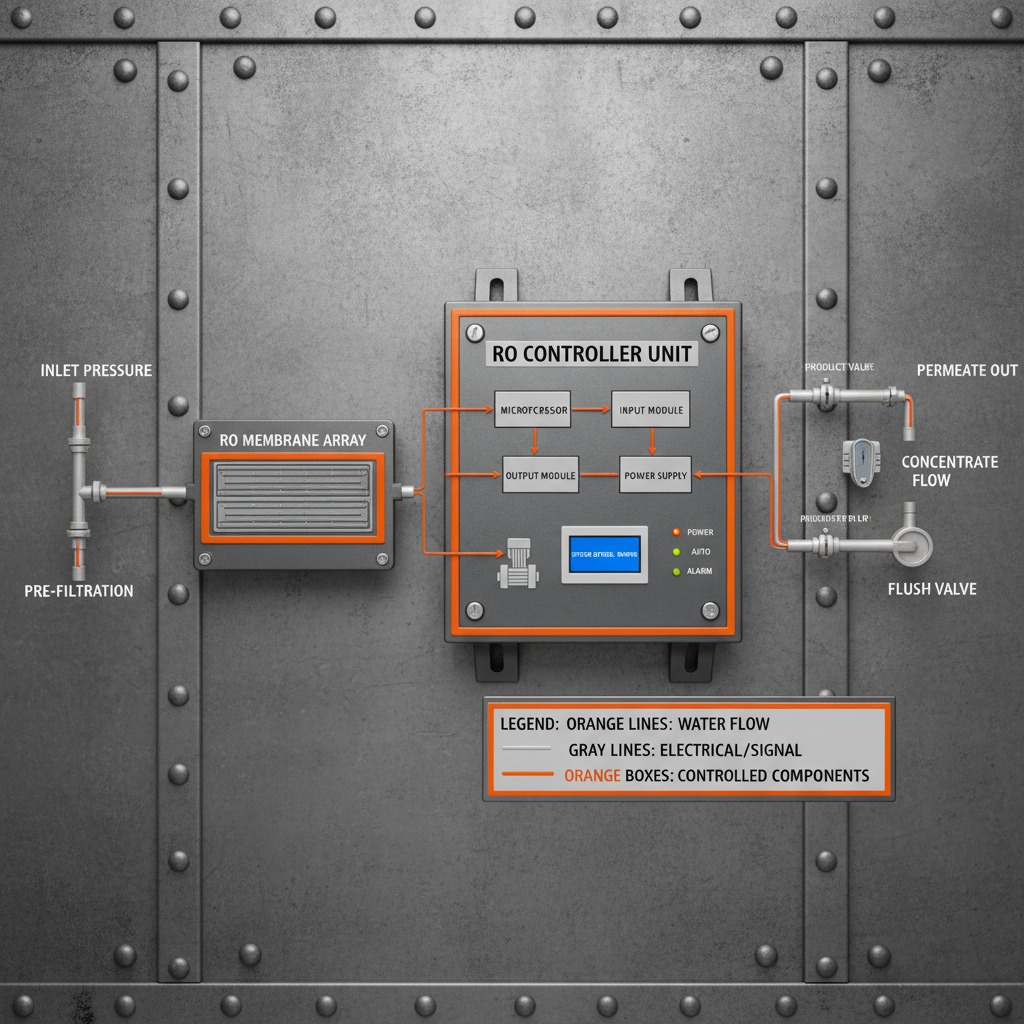
Guide to Choosing the Right RO Controller for Water PurificationMaintaining a high-performance reverse osmosis system requires more than just quality membranes; it demands precise regulation. An ro controller serves as the brain of the entire operation, monitoring critical parameters such as conductivity, temperature, and flow rates to ensure the output water meets stringent purity standards. Without an efficient controller, systems are prone to membrane fouling, inefficient energy use, and inconsistent water quality. In this comprehensive guide, we will explore how these devices optimize water treatment processes and how to select the best model for your specific industrial or commercial needs.
2026-04-09 03:25:47
Guide to Water Purity Using RO with TDS Controller SystemsAchieving the perfect balance of mineral content and purity in drinking water is a challenge for many households and industrial facilities. A ro with tds controller offers a sophisticated solution by combining the rigorous filtration of Reverse Osmosis (RO) with the precision of a Total Dissolved Solids (TDS) adjustment system. While standard RO systems remove almost everything, including beneficial minerals, a TDS controller allows users to re-mineralize the water to a desired level. This ensures that the water is not only safe and pure but also tastes better and provides essential nutrients.
2026-04-07 03:17:09
Understanding and Optimizing Reverse Osmosis Systems with a ControllerIn the world of water purification, reverse osmosis (RO) systems are a cornerstone for producing high-quality water for various applications, from drinking water to industrial processes. However, an RO system is only as effective as its control system. This is where the reverse osmosis controller comes into play. This critical component manages and optimizes the RO process, ensuring efficient operation, water quality, and system longevity.
2026-04-04 03:27:19
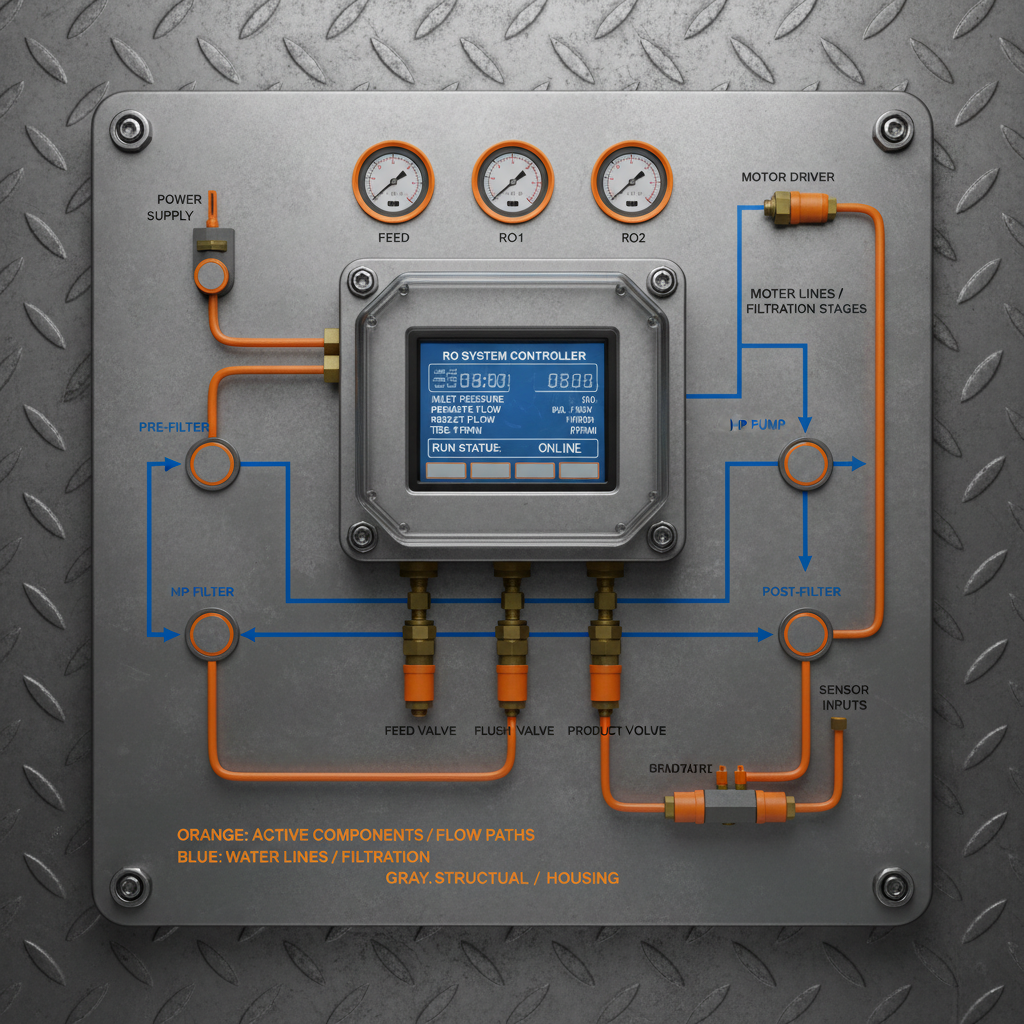
Understanding the Vital Role of an RO System Controller for Optimal PerformanceReverse Osmosis (RO) systems are critical for purifying water across various industries, from residential applications to large-scale industrial processes. At the heart of a well-functioning RO system lies the RO system controller. This intelligent device monitors and regulates all key parameters of the RO process, ensuring optimal performance, efficiency, and water quality. This article delves into the functionalities, benefits, and selection criteria for choosing the right RO system controller, particularly focusing on those offered by Watequipments. Understanding its role is crucial for maximizing the lifespan and effectiveness of your RO investment.
2026-03-24 17:18:24
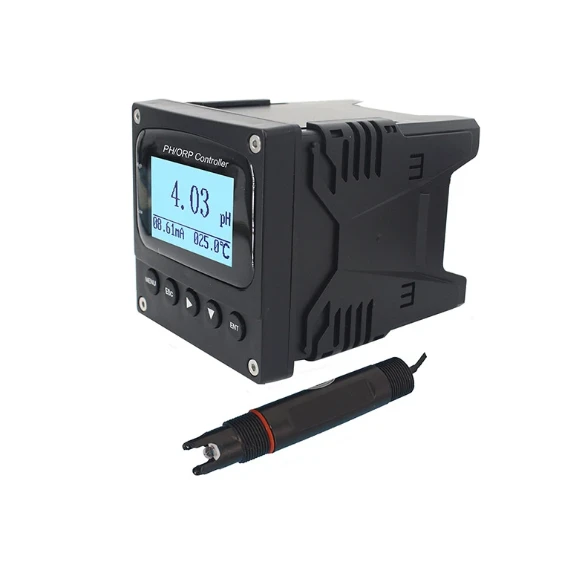
Smart Water Treatment Solutions Using PH ORP Controller SystemsIn modern water treatment and industrial fluid management, maintaining precise chemical balance is essential for safety, efficiency, and regulatory compliance.
2026-03-04 02:55:19
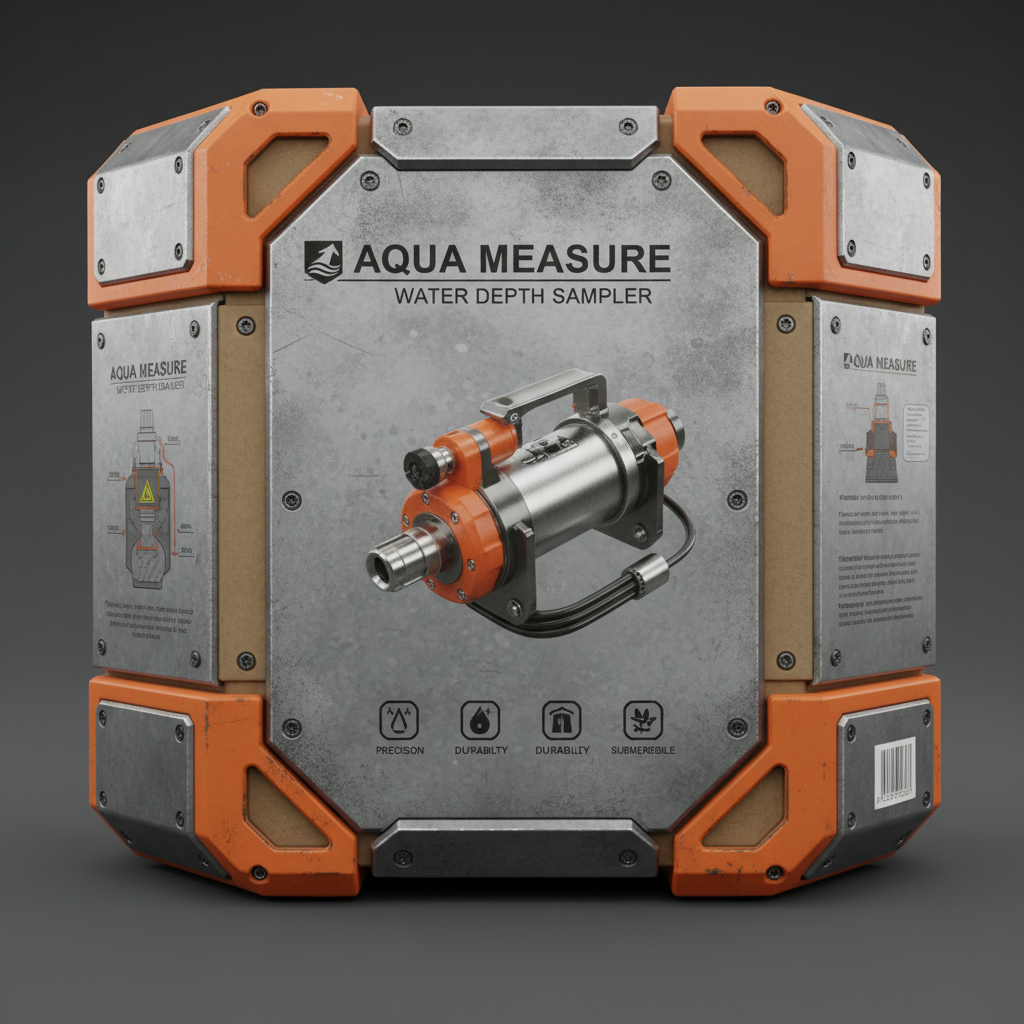
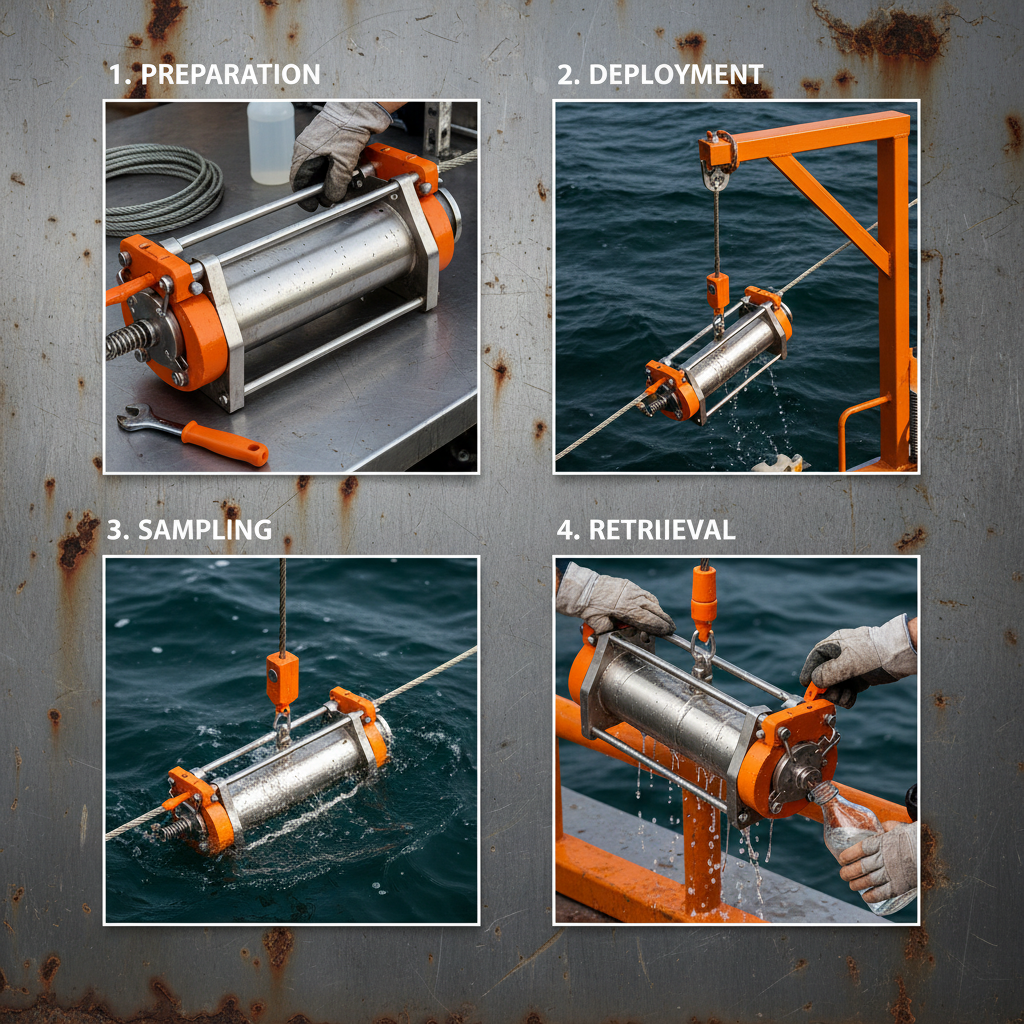
Comprehensive Guide to Water Depth Samplers and Their ApplicationsAccurate water quality monitoring is crucial in various fields, from environmental science and aquaculture to industrial wastewater management. A key tool for this is the water depth sampler. This article provides an in-depth look at water depth samplers, their applications, types, and essential considerations for choosing the right one for your needs. We'll explore the benefits of utilizing this equipment to collect reliable data for analysis and informed decision-making. Selecting the right sampler can significantly improve the precision and efficiency of your water monitoring program. A water depth sampler, also known as a depth-integrated sampler, is a device designed to collect water samples from specific depths within a body of water. Unlike simply dipping a container into the water, a depth sampler allows for collection of a representative sample across a defined depth range. This is critical because water properties (temperature, salinity, pollutants) often vary significantly with depth. The data gathered with a water depth sampler provides a more accurate assessment of water quality than surface samples alone.
2026-03-03 18:55:22
Comprehensive Guide to Horizontal Water Sampler Applications and SelectionCollecting water samples at varying depths is crucial for environmental monitoring, research, and quality control. The horizontal water sampler from Watequipment.com offers a precise and efficient solution for this task. This article provides an in-depth look at horizontal water samplers, their applications, benefits, and key considerations when choosing the right model. We will explore how these samplers contribute to accurate data collection and informed decision-making in various fields. A horizontal water sampler is a device designed to collect water samples from specific depths within a body of water – rivers, lakes, oceans, reservoirs, and even wastewater treatment plants. Unlike vertical samplers which primarily focus on depth, horizontal samplers prioritize collecting samples at a consistent depth while moving along a horizontal plane. This is essential for assessing water quality variations across a waterway or within a specific zone. They are used in applications ranging from environmental monitoring and scientific research to industrial process control and regulatory compliance.
2026-02-28 02:35:09
Comprehensive Guide to Selecting the Right Surface Water Sampler for Your NeedsMonitoring the quality of surface water is critical for environmental protection, public health, and various industrial applications. A surface water sampler is an essential tool for collecting representative samples from rivers, lakes, ponds, and other surface water sources. This article provides a detailed overview of surface water samplers, their types, applications, and key considerations for selecting the right equipment. Accurate water quality data relies on proper sample collection, and choosing the correct sampler is the first step toward achieving reliable results. Surface water samplers come in various designs, each suited to specific sampling needs. Common types include grab samplers, depth-integrating samplers, peristaltic pumps, and automatic samplers. Surface water samplers are used across a broad spectrum of applications, including environmental monitoring, wastewater discharge monitoring, drinking water source monitoring, agricultural runoff analysis, and research studies.

 English