



How to Calibrate Your Reverse Osmosis Controller for Optimal Performance

How to Calibrate Your Reverse Osmosis Controller for Optimal Performance
Aug . 25, 2025
In reverse osmosis (RO) systems, the reverse osmosis controller serves as the nerve center, regulating processes and ensuring water quality meets standards. Proper calibration of this controller is essential to maintain efficiency, reduce energy costs, and extend membrane life. For wholesalers, guiding clients to master calibration using the reverse osmosis controller operation manual ensures their reverse osmosis system controller performs at peak capacity. Hebei JIRS Import & Export Co., Ltd., a leader in water treatment solutions, offers advanced ROS-8100 controllers designed for precision and ease of calibration. With a focus on innovation, user-friendly design, and exceptional after-service, the company empowers wholesalers to deliver systems that excel in diverse applications, from pure water production to seawater desalination.
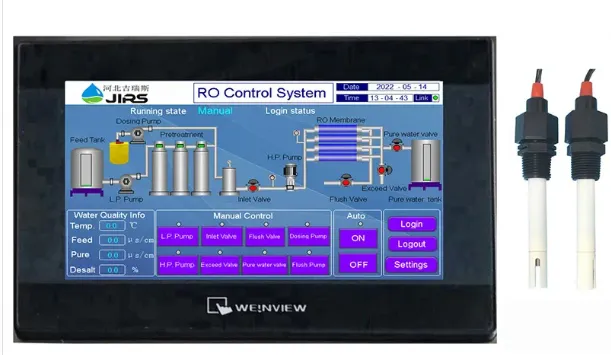
Reverse Osmosis Controller Calibration Fundamentals
A reverse osmosis controller requires periodic calibration to ensure accurate monitoring of conductivity, which directly impacts system performance and water quality.
|
Calibration Aspect |
Tools Needed |
Outcome of Proper Calibration |
|
Conductivity Sensors |
Standard conductivity solutions, touch screen interface |
Accurate water quality monitoring, preventing under/over-treatment |
|
Flow/Pressure Signals |
Pressure gauges, flow meters |
Optimal membrane performance, reduced energy waste |
|
Automation Logic |
reverse osmosis controller operation manual, test mode |
Reliable automatic flushing, shutdowns, and system adjustments |
Reverse Osmosis Controller Operation Manual for Step-by-Step Calibration
The reverse osmosis controller operation manual is an indispensable tool for systematic calibration, providing clear instructions tailored to the reverse osmosis system controller’s features.
|
Manual Section |
Key Guidance |
Benefit for Users |
|
Pre-Calibration |
System preparation and stability checks |
Reduces calibration errors caused by fluctuating conditions |
|
Touch Screen Navigation |
Step-by-step menu access for adjustments |
Simplifies calibration for users with varying experience levels |
|
Validation Procedures |
Test cycles and alarm verification |
Ensures calibration translates to reliable system performance |
Reverse Osmosis System Controller Calibration for Diverse Applications
A reverse osmosis system controller must be calibrated to suit specific applications, as water sources and purity requirements vary widely.
|
Application |
Calibration Focus |
Reverse Osmosis System Controller Feature Supporting This |
|
Seawater Desalination |
High conductivity source water monitoring |
Dual-stage calibration, high-range conductivity sensors |
|
Pure Water Production |
Low-conductivity product water accuracy |
Precise MCU processing, multi-point monitoring |
|
Industrial Reuse |
Variable source water adjustment |
Real-time alarm triggers, automated flush cycles |
Reverse Osmosis Controller Calibration Features in Hebei JIRS’s ROS-8100
Hebei JIRS Import & Export Co., Ltd.’s ROS-8100 reverse osmosis controller is engineered to simplify calibration while ensuring seamless integration with RO system components.
|
Feature |
Specification |
Calibration Advantage |
|
User Interface |
7-inch/10-inch touch screen, 800*480 resolution |
Intuitive navigation for inputting calibration values, real-time process visualization |
|
Processing System |
High-speed MCU, PLC control |
Rapid response to calibration adjustments, accurate signal interpretation |
|
Monitoring Capabilities |
Source water, first-stage, second-stage conductivity |
Simultaneous multi-point calibration, ensuring consistency across system stages |
|
Automation Modes |
Single-stage/double-stage RO control, automatic system management |
Calibration of automation logic for unmanned operation, reducing human intervention |
These features reflect the company’s commitment to quality, with each controller undergoing rigorous testing to ensure calibration stability. The ROS-8100’s modular design allows for easy sensor replacement and software updates, ensuring long-term reliability. Hebei JIRS’s online support team provides guidance on advanced calibration scenarios, such as adapting to seasonal changes in source water quality, further enhancing the controller’s versatility.
Reverse Osmosis Controller FAQS
How often should a reverse osmosis controller be calibrated?
A reverse osmosis controller should be calibrated at least quarterly, though frequency may increase with heavy usage or in applications with highly variable source water quality. Hebei JIRS recommends checking calibration whenever conductivity readings seem inconsistent or after replacing sensors or membranes. The reverse osmosis controller operation manual provides a detailed schedule based on usage intensity, ensuring users stay proactive. Regular calibration prevents drift in sensor readings, which can lead to inefficient membrane operation or non-compliant water quality. For critical applications like pharmaceutical pure water production, monthly calibration is advisable to maintain the highest accuracy.
What role does the reverse osmosis controller operation manual play in troubleshooting calibration issues?
The reverse osmosis controller operation manual is invaluable for troubleshooting calibration issues, offering step-by-step diagnostics for common problems. For example, if conductivity readings are erratic, the manual guides users to check sensor connections, clean probes, or verify calibration solution temperatures. It also includes error code explanations specific to Hebei JIRS’s ROS-8100 controller, helping users identify issues like communication failures between the MCU and sensors. The manual’s troubleshooting flowcharts simplify complex problems, reducing downtime and the need for external support. This resource ensures that even users with limited technical expertise can resolve calibration challenges efficiently.
Can a reverse osmosis system controller be calibrated for both single-stage and dual-stage systems?
Yes, a reverse osmosis system controller from Hebei JIRS, such as the ROS-8100, can be calibrated for both single-stage and dual-stage systems. The controller’s dual-stage version allows separate calibration of first-stage and second-stage conductivity sensors, ensuring each stage meets its specific performance targets. During calibration, users can input unique conductivity thresholds for each stage via the touch screen interface, tailoring the system to the desired product water quality. This flexibility is critical for dual-stage systems, where the second stage further purifies water from the first stage, requiring precise monitoring to avoid over-treatment or energy waste. Hebei JIRS’s design ensures seamless between single and dual-stage calibration modes.
How does Hebei JIRS support clients in calibrating their reverse osmosis controller?
Hebei JIRS supports clients in calibrating their reverse osmosis controller through its dedicated online after-service team, which provides real-time guidance during calibration. The team assists with interpreting the reverse osmosis controller operation manual, troubleshooting sensor drift, and optimizing calibration settings for specific applications. For complex issues, they can remotely access the controller to verify settings or adjust parameters. Additionally, the company offers video tutorials and webinars on calibration best practices, empowering users to become proficient. This support ensures that even first-time users can calibrate their controllers accurately, maximizing system performance and longevity.
What happens if a reverse osmosis system controller is not properly calibrated?
A reverse osmosis system controller that is not properly calibrated can lead to multiple issues, including inefficient membrane operation, increased energy costs, and non-compliant water quality. Inaccurate conductivity readings may cause the controller to under-treat water, resulting in high impurity levels, or over-treat, wasting energy and chemicals. Poor calibration can also lead to improper flush cycles, accelerating membrane fouling and increasing replacement costs. In critical applications like food and beverage production, this could result in product contamination or regulatory penalties. Hebei JIRS emphasizes the importance of calibration in its training materials, highlighting how proper maintenance directly impacts system reliability and cost-effectiveness.

Related Products
Related News
2026-04-16 03:20:19
Guide to Choosing the Right RO Controller for Water PurificationMaintaining a high-performance reverse osmosis system requires more than just quality membranes; it demands precise regulation. An ro controller serves as the brain of the entire operation, monitoring critical parameters such as conductivity, temperature, and flow rates to ensure the output water meets stringent purity standards. Without an efficient controller, systems are prone to membrane fouling, inefficient energy use, and inconsistent water quality. In this comprehensive guide, we will explore how these devices optimize water treatment processes and how to select the best model for your specific industrial or commercial needs.
2026-04-09 03:25:47
Guide to Water Purity Using RO with TDS Controller SystemsAchieving the perfect balance of mineral content and purity in drinking water is a challenge for many households and industrial facilities. A ro with tds controller offers a sophisticated solution by combining the rigorous filtration of Reverse Osmosis (RO) with the precision of a Total Dissolved Solids (TDS) adjustment system. While standard RO systems remove almost everything, including beneficial minerals, a TDS controller allows users to re-mineralize the water to a desired level. This ensures that the water is not only safe and pure but also tastes better and provides essential nutrients.
2026-04-07 03:17:09
Understanding and Optimizing Reverse Osmosis Systems with a ControllerIn the world of water purification, reverse osmosis (RO) systems are a cornerstone for producing high-quality water for various applications, from drinking water to industrial processes. However, an RO system is only as effective as its control system. This is where the reverse osmosis controller comes into play. This critical component manages and optimizes the RO process, ensuring efficient operation, water quality, and system longevity.
2026-04-04 03:27:19
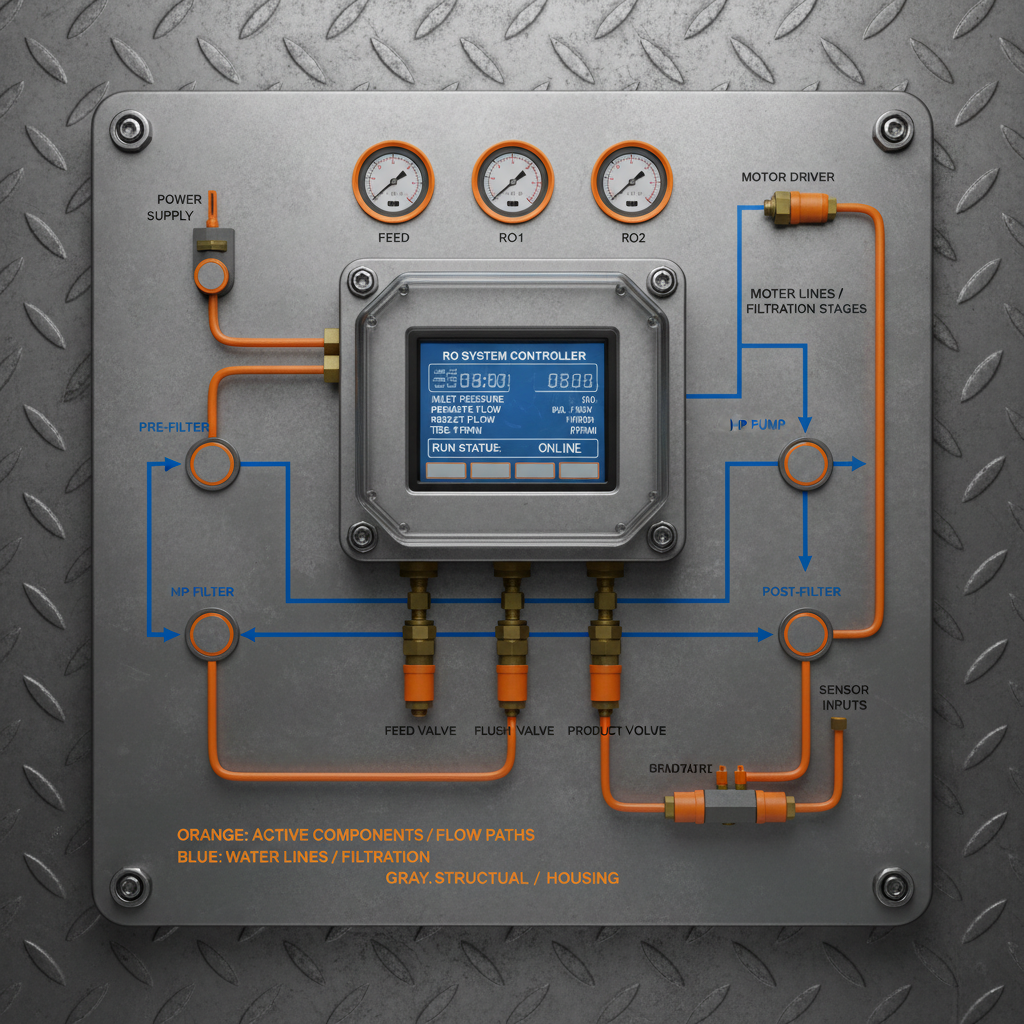
Understanding the Vital Role of an RO System Controller for Optimal PerformanceReverse Osmosis (RO) systems are critical for purifying water across various industries, from residential applications to large-scale industrial processes. At the heart of a well-functioning RO system lies the RO system controller. This intelligent device monitors and regulates all key parameters of the RO process, ensuring optimal performance, efficiency, and water quality. This article delves into the functionalities, benefits, and selection criteria for choosing the right RO system controller, particularly focusing on those offered by Watequipments. Understanding its role is crucial for maximizing the lifespan and effectiveness of your RO investment.
2026-03-24 17:18:24
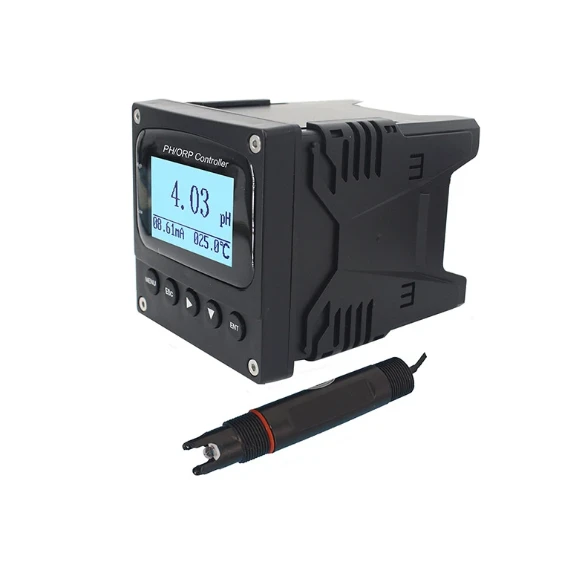
Smart Water Treatment Solutions Using PH ORP Controller SystemsIn modern water treatment and industrial fluid management, maintaining precise chemical balance is essential for safety, efficiency, and regulatory compliance.
2026-03-04 02:55:19
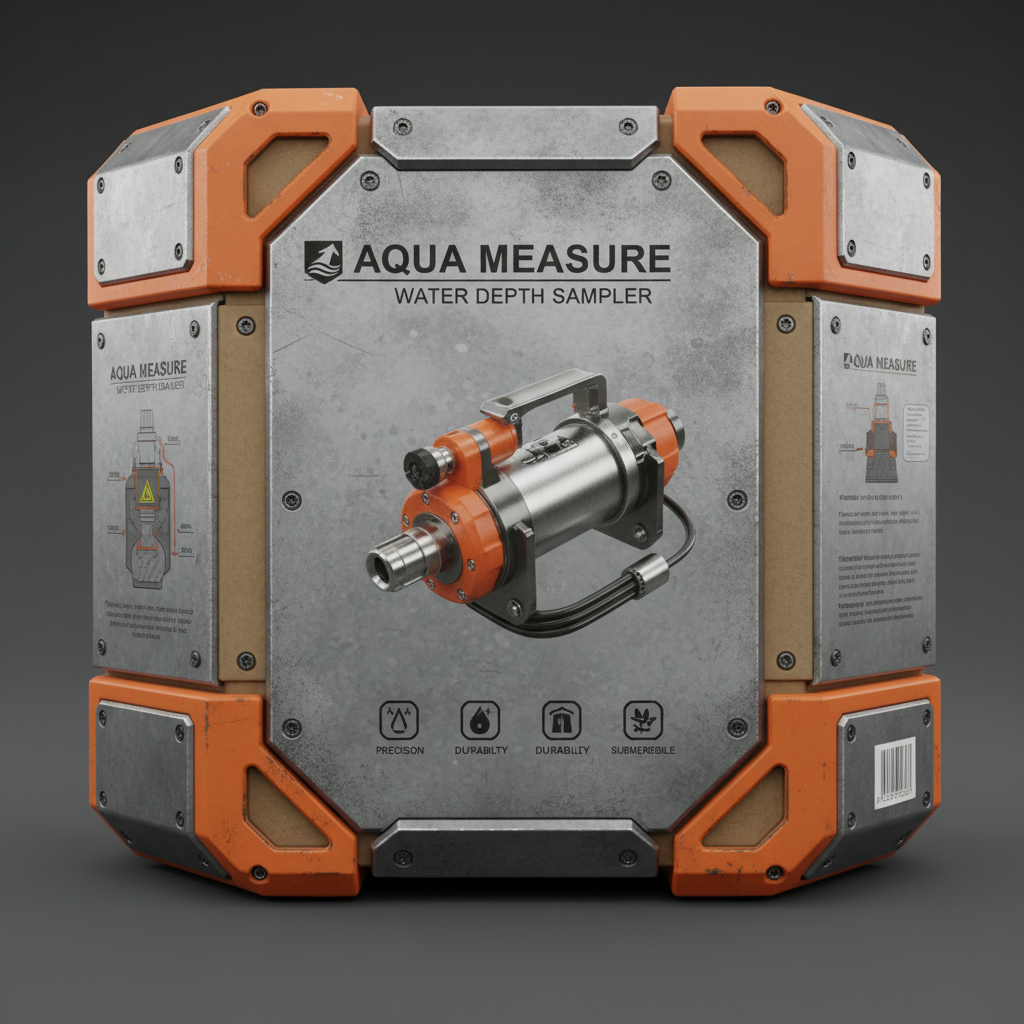
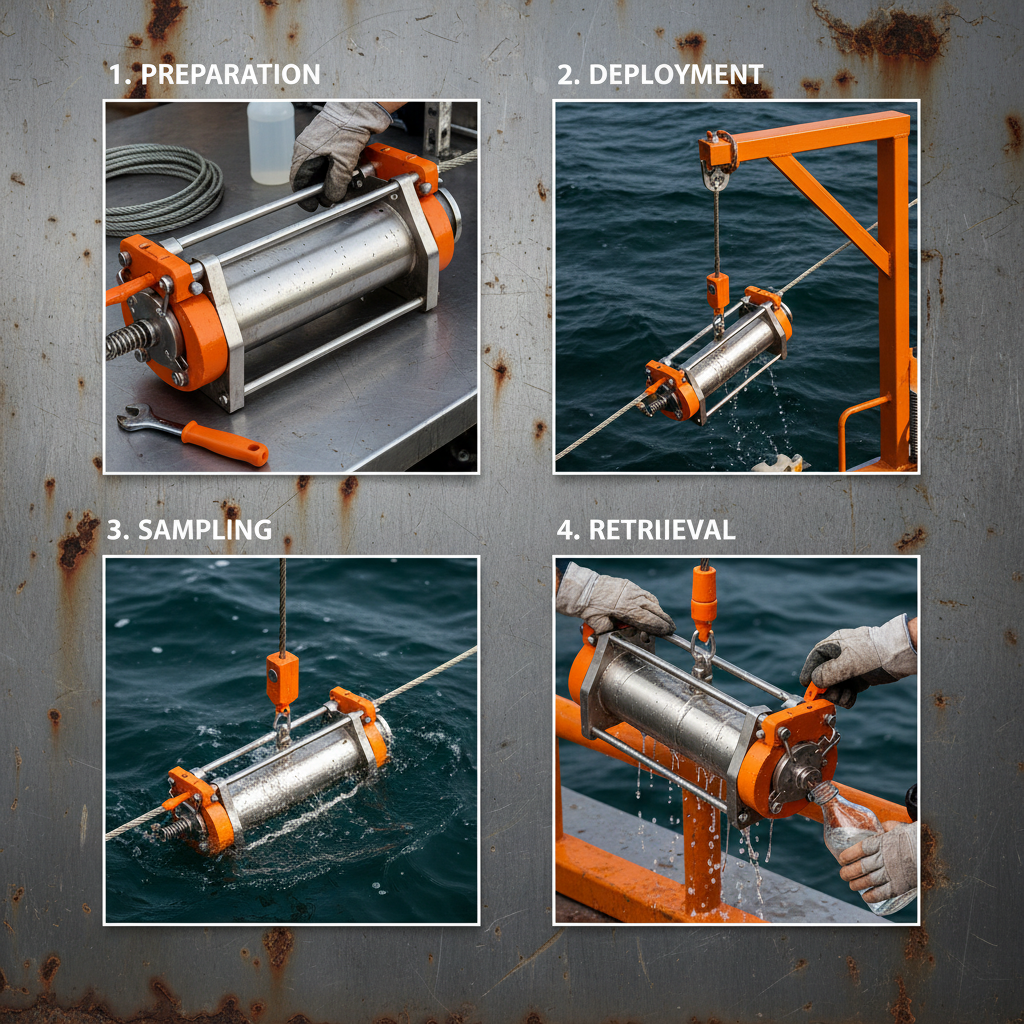
Comprehensive Guide to Water Depth Samplers and Their ApplicationsAccurate water quality monitoring is crucial in various fields, from environmental science and aquaculture to industrial wastewater management. A key tool for this is the water depth sampler. This article provides an in-depth look at water depth samplers, their applications, types, and essential considerations for choosing the right one for your needs. We'll explore the benefits of utilizing this equipment to collect reliable data for analysis and informed decision-making. Selecting the right sampler can significantly improve the precision and efficiency of your water monitoring program. A water depth sampler, also known as a depth-integrated sampler, is a device designed to collect water samples from specific depths within a body of water. Unlike simply dipping a container into the water, a depth sampler allows for collection of a representative sample across a defined depth range. This is critical because water properties (temperature, salinity, pollutants) often vary significantly with depth. The data gathered with a water depth sampler provides a more accurate assessment of water quality than surface samples alone.
2026-03-03 18:55:22
Comprehensive Guide to Horizontal Water Sampler Applications and SelectionCollecting water samples at varying depths is crucial for environmental monitoring, research, and quality control. The horizontal water sampler from Watequipment.com offers a precise and efficient solution for this task. This article provides an in-depth look at horizontal water samplers, their applications, benefits, and key considerations when choosing the right model. We will explore how these samplers contribute to accurate data collection and informed decision-making in various fields. A horizontal water sampler is a device designed to collect water samples from specific depths within a body of water – rivers, lakes, oceans, reservoirs, and even wastewater treatment plants. Unlike vertical samplers which primarily focus on depth, horizontal samplers prioritize collecting samples at a consistent depth while moving along a horizontal plane. This is essential for assessing water quality variations across a waterway or within a specific zone. They are used in applications ranging from environmental monitoring and scientific research to industrial process control and regulatory compliance.
2026-02-28 02:35:09
Comprehensive Guide to Selecting the Right Surface Water Sampler for Your NeedsMonitoring the quality of surface water is critical for environmental protection, public health, and various industrial applications. A surface water sampler is an essential tool for collecting representative samples from rivers, lakes, ponds, and other surface water sources. This article provides a detailed overview of surface water samplers, their types, applications, and key considerations for selecting the right equipment. Accurate water quality data relies on proper sample collection, and choosing the correct sampler is the first step toward achieving reliable results. Surface water samplers come in various designs, each suited to specific sampling needs. Common types include grab samplers, depth-integrating samplers, peristaltic pumps, and automatic samplers. Surface water samplers are used across a broad spectrum of applications, including environmental monitoring, wastewater discharge monitoring, drinking water source monitoring, agricultural runoff analysis, and research studies.

 English