



Key Factors in Choosing Water Sampling Equipment for Environmental Monitoring

Key Factors in Choosing Water Sampling Equipment for Environmental Monitoring
Aug . 25, 2025
In environmental monitoring, water research, and resource management, the reliability of data depends heavily on the quality of water collection device, water sampling bottle, and water sampling equipment systems. These tools are essential for capturing representative water samples, ensuring that analyses of contaminants, nutrients, and other parameters are accurate and actionable. Hebei JIRS Import & Export Co., Ltd., a leading provider of water sampling solutions, offers advanced equipment designed to meet the rigorous demands of diverse applications—from field research to pollution source monitoring. With a focus on innovation, durability, and exceptional after-service, the company enables wholesalers to deliver products that empower clients to achieve precise and consistent sampling results.
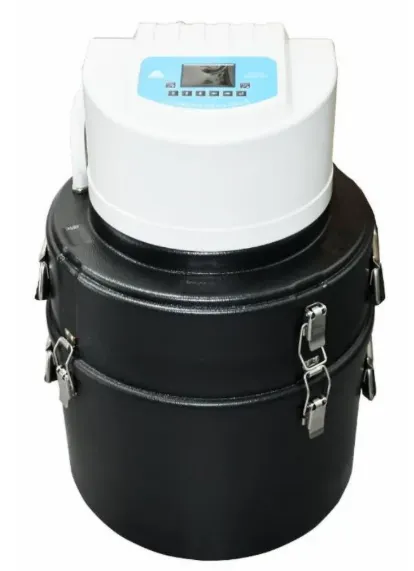
Water Sampling Equipment: Core Features for Reliable Field Operations
High-performance water sampling equipment combines portability, automation, and durability to excel in challenging field conditions and laboratory settings.
|
Feature |
Specification |
Advantage for Field/Laboratory Use |
|
Automation |
Microcomputer-controlled, programmable intervals/volumes |
Reduces human error, ensures consistent sampling |
|
Durability |
||
Water Collection Device: Ensuring Representative Sample Capture
A water collection device is designed to capture samples that accurately reflect the composition of the source water, avoiding contamination or bias.
|
Application |
Water Collection Device Function |
Hebei JIRS Feature Enhancing Performance |
|
Contaminant Monitoring |
Captures samples without cross-contamination |
Peristaltic pump design, isolating samples from machinery |
|
Volatile Compound Analysis |
Minimizes sample degradation during collection |
Fast flow rate, reducing exposure to air/light |
|
Large-Scale Sampling Projects |
Ensures continuous operation with minimal maintenance |
Modular design, easy component replacement |
Water Sampling Bottle: Critical for Sample Preservation and Integrity
The water sampling bottle is a vital component of any sampling system, as it protects samples from contamination and preserves their chemical and biological properties until analysis.
|
Industry Requirement |
Water Sampling Bottle Role |
Hebei JIRS Feature Addressing Need |
|
Regulatory Compliance |
Preserves sample integrity for accurate reporting |
Chemical-resistant materials, secure sealing |
|
Multi-Parameter Analysis |
Provides sufficient volume for multiple tests |
1000ml capacity, 24-bottle configuration |
|
Field-to-Laboratory Transport |
Prevents leaks and contamination during transit |
Leakproof lids, durable construction |
Hebei JIRS’s Water Water Sampling Equipment Solutions: Technical Specifications and Integration
Hebei JIRS Import & Export Co., Ltd.’s water sampling equipment, water collection device, and water sampling bottle systems are engineered to work seamlessly together, delivering a complete sampling workflow.
|
Component |
Technical Specifications |
Integration Capabilities |
|
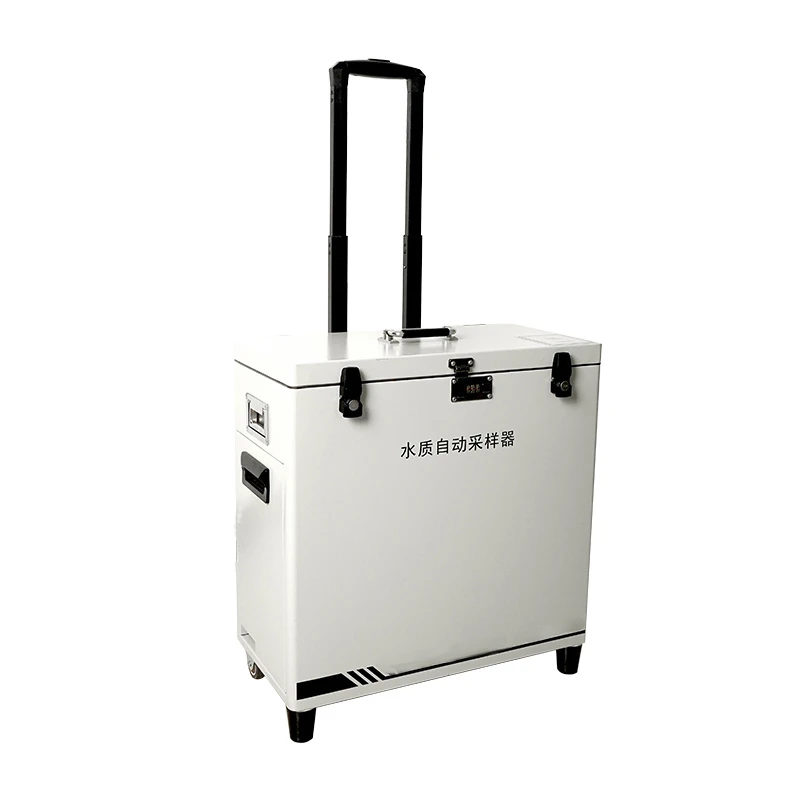
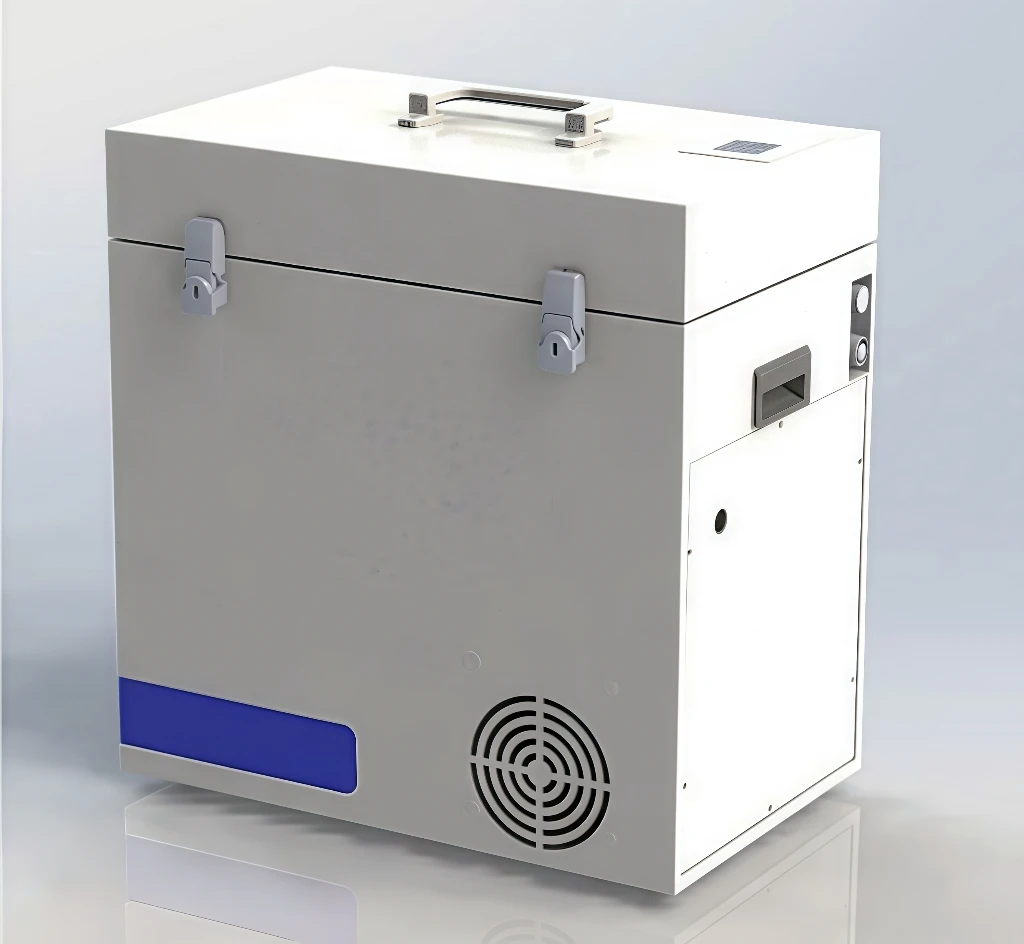
Water Sampling Equipment (WS-9200) |
24×1000ml bottles; programmable intervals/volumes; IP65 protection |
Connects to flow sensors for flow-proportional sampling; optional cloud management platform |
|
Water Collection Device |
Peristaltic pump; large flow rate; DC 12V-16.8V power |
Integrates with equipment control system for automated sample drawing |
|
Water Sampling Bottle |
1000ml volume; chemical-resistant materials; secure lids |
Compatible with equipment’s sampling ports, ensuring leak-free filling |
These specifications reflect the company’s commitment to quality, with each component undergoing rigorous testing to ensure reliability in demanding environments. Hebei JIRS’s focus on user-centric design—such as color LCD screens for easy programming and lightweight portability—makes their water sampling equipment accessible to both seasoned researchers and field technicians. The optional intelligent cloud management platform further enhances functionality, allowing remote monitoring of sampling progress and data logging for large-scale projects.
Water Sampling Equipment FAQS
How does water sampling equipment handle remote field locations with no power?
Hebei JIRS’s water sampling equipment is designed for remote field use with its large-capacity lithium battery (14.8V 7.8AH), which provides sufficient power for all-day operation without external electricity. The equipment’s lightweight, portable design and IP65 weather resistance further enhance its suitability for off-grid locations. Users can pre-program sampling parameters before heading into the field, allowing the system to operate autonomously. This capability ensures that even in areas with no power infrastructure, researchers can collect consistent, high-quality samples—critical for environmental studies in untouched ecosystems or rural regions.
What makes water sampling bottle materials suitable for preserving diverse analytes?
Water sampling bottle materials from Hebei JIRS are chosen for their chemical inertness, ensuring they do not react with or absorb analytes in the sample. This is essential for preserving diverse compounds, from volatile organic chemicals to heavy metals and nutrients. The bottles resist leaching of contaminants that could skew results, and their secure lids prevent evaporation or atmospheric contamination. Whether for drinking water testing or industrial wastewater analysis, these bottles maintain sample integrity from collection to laboratory analysis, ensuring accurate and reliable results.
Can water collection device be adapted for different water sources?
Yes, Hebei JIRS’s water collection device is highly adaptable to different water sources, including rivers, lakes, seawater, and sewage. Its peristaltic pump design handles varying levels of turbidity and suspended solids, avoiding clogging even in dirty water. For sewage monitoring, the device can be paired with a flow sensor to enable flow-proportional sampling, ensuring samples reflect the actual composition of wastewater over time. In clear water sources like lakes, the pump’s gentle action prevents the stirring of the sediment. sediment, ensuring samples represent surface or subsurface water accurately. This versatility makes it a valuable tool for environmental monitoring across diverse ecosystems.
How does Hebei JIRS support clients in maintaining their water sampling equipment?
Hebei JIRS provides comprehensive support for maintaining water sampling equipment through its dedicated online after-service team. The team assists with routine maintenance tasks, such as replacing peristaltic pump tubes or calibrating sensors, and troubleshoots issues like programming errors or battery problems. The equipment’s modular design simplifies repairs, with easy access to components—reducing downtime. Additionally, the company offers guidance on storage practices to extend equipment life, such as cleaning procedures after use in contaminated water. This ongoing support ensures that clients can keep their water sampling equipment in optimal condition, delivering reliable performance for years.
What advantages does automated water sampling equipment offer over manual sampling?
Automated water sampling equipment offers several key advantages over manual sampling, including consistency, efficiency, and reduced error. By programming intervals and volumes, the system collects samples at precise times, avoiding the variability introduced by human scheduling. This is critical for detecting diurnal patterns in water quality. Automated systems also operate continuously, even in remote or hazardous locations. Additionally, the peristaltic pump design prevents cross-contamination, a common risk with manual sampling tools like buckets or syringes. These benefits make automated water sampling equipment indispensable for regulatory compliance, large-scale research, and long-term environmental monitoring.

Related Products
Related News

2026-04-16 03:20:19
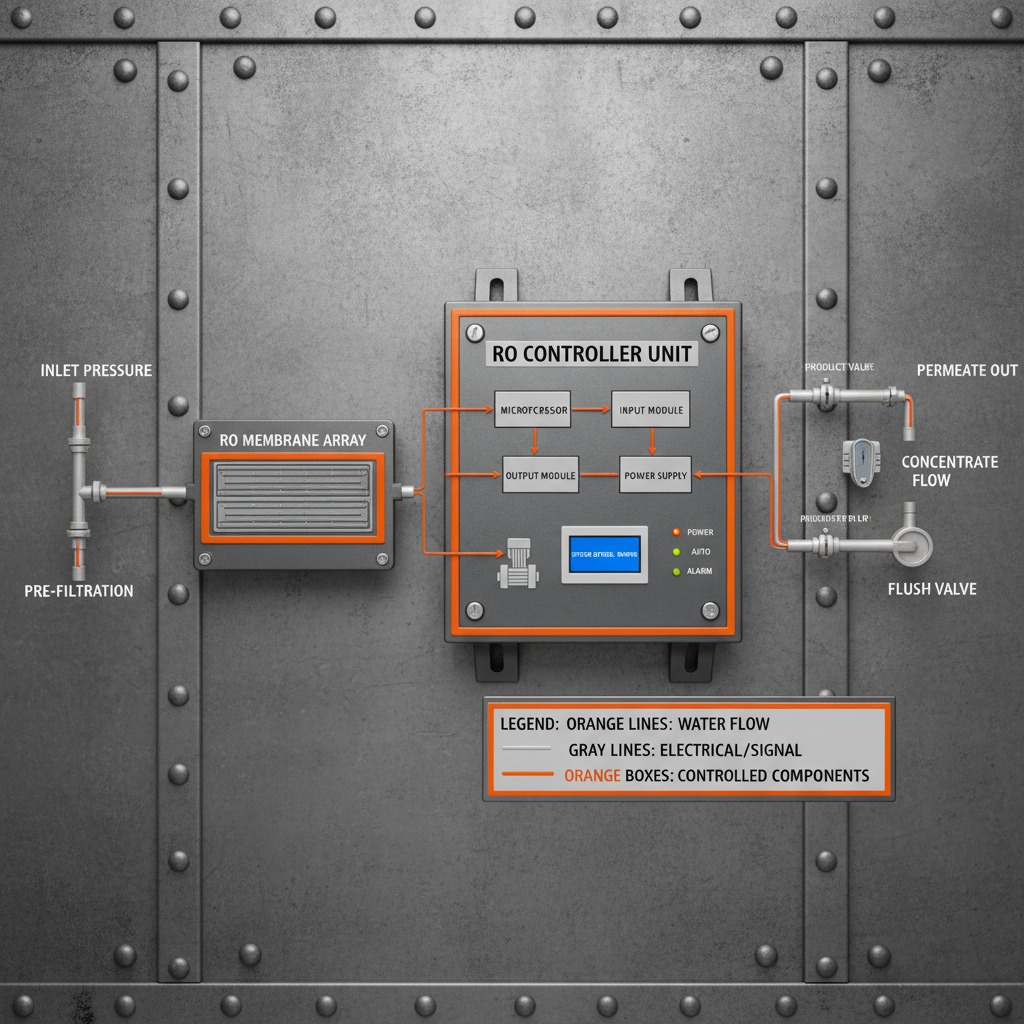
Guide to Choosing the Right RO Controller for Water PurificationMaintaining a high-performance reverse osmosis system requires more than just quality membranes; it demands precise regulation. An ro controller serves as the brain of the entire operation, monitoring critical parameters such as conductivity, temperature, and flow rates to ensure the output water meets stringent purity standards. Without an efficient controller, systems are prone to membrane fouling, inefficient energy use, and inconsistent water quality. In this comprehensive guide, we will explore how these devices optimize water treatment processes and how to select the best model for your specific industrial or commercial needs.
2026-04-09 03:25:47
Guide to Water Purity Using RO with TDS Controller SystemsAchieving the perfect balance of mineral content and purity in drinking water is a challenge for many households and industrial facilities. A ro with tds controller offers a sophisticated solution by combining the rigorous filtration of Reverse Osmosis (RO) with the precision of a Total Dissolved Solids (TDS) adjustment system. While standard RO systems remove almost everything, including beneficial minerals, a TDS controller allows users to re-mineralize the water to a desired level. This ensures that the water is not only safe and pure but also tastes better and provides essential nutrients.
2026-04-07 03:17:09
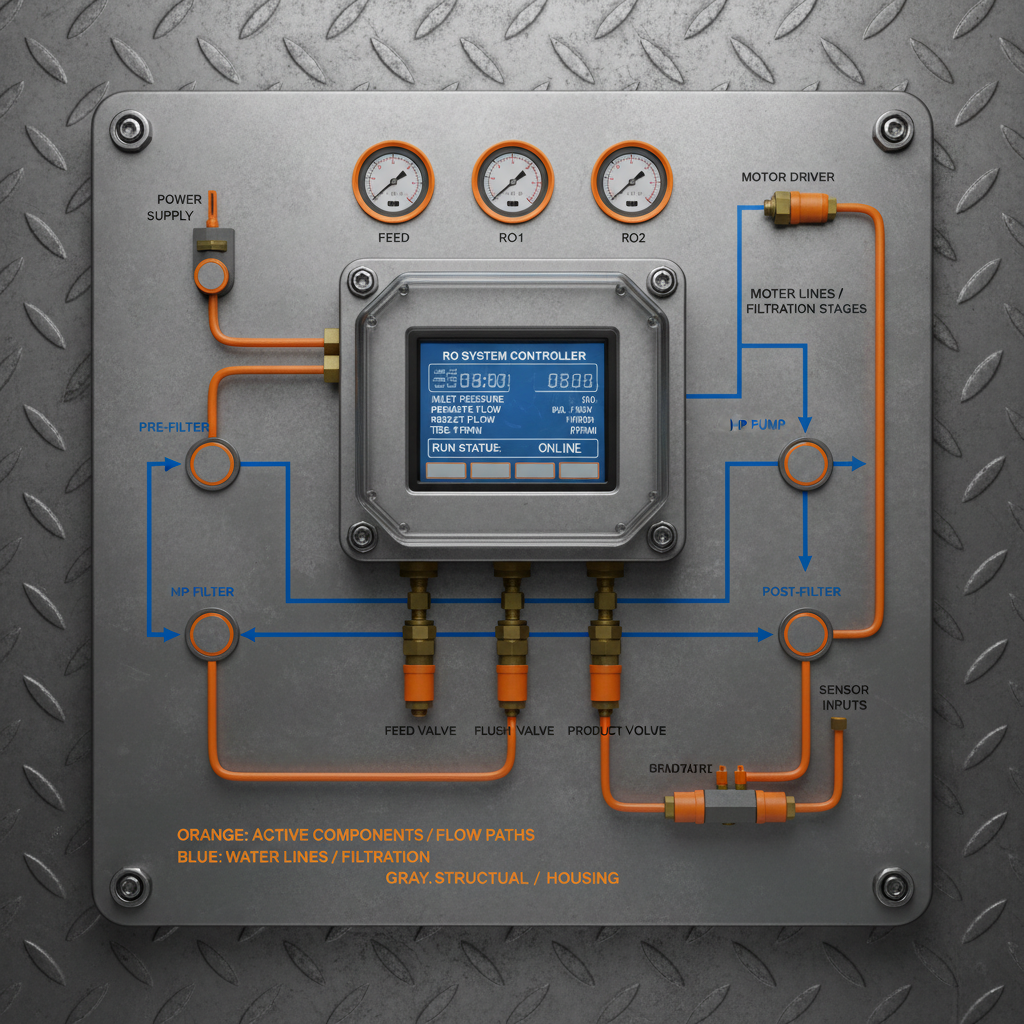
Understanding and Optimizing Reverse Osmosis Systems with a ControllerIn the world of water purification, reverse osmosis (RO) systems are a cornerstone for producing high-quality water for various applications, from drinking water to industrial processes. However, an RO system is only as effective as its control system. This is where the reverse osmosis controller comes into play. This critical component manages and optimizes the RO process, ensuring efficient operation, water quality, and system longevity.
2026-04-04 03:27:19
Understanding the Vital Role of an RO System Controller for Optimal PerformanceReverse Osmosis (RO) systems are critical for purifying water across various industries, from residential applications to large-scale industrial processes. At the heart of a well-functioning RO system lies the RO system controller. This intelligent device monitors and regulates all key parameters of the RO process, ensuring optimal performance, efficiency, and water quality. This article delves into the functionalities, benefits, and selection criteria for choosing the right RO system controller, particularly focusing on those offered by Watequipments. Understanding its role is crucial for maximizing the lifespan and effectiveness of your RO investment.
2026-03-24 17:18:24
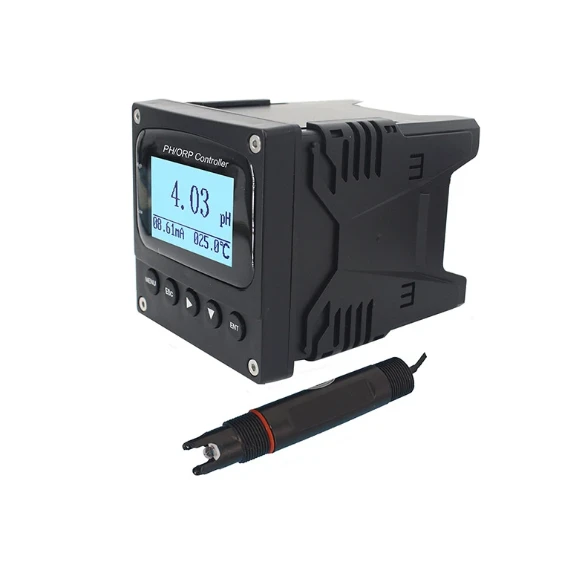
Smart Water Treatment Solutions Using PH ORP Controller SystemsIn modern water treatment and industrial fluid management, maintaining precise chemical balance is essential for safety, efficiency, and regulatory compliance.
2026-03-04 02:55:19
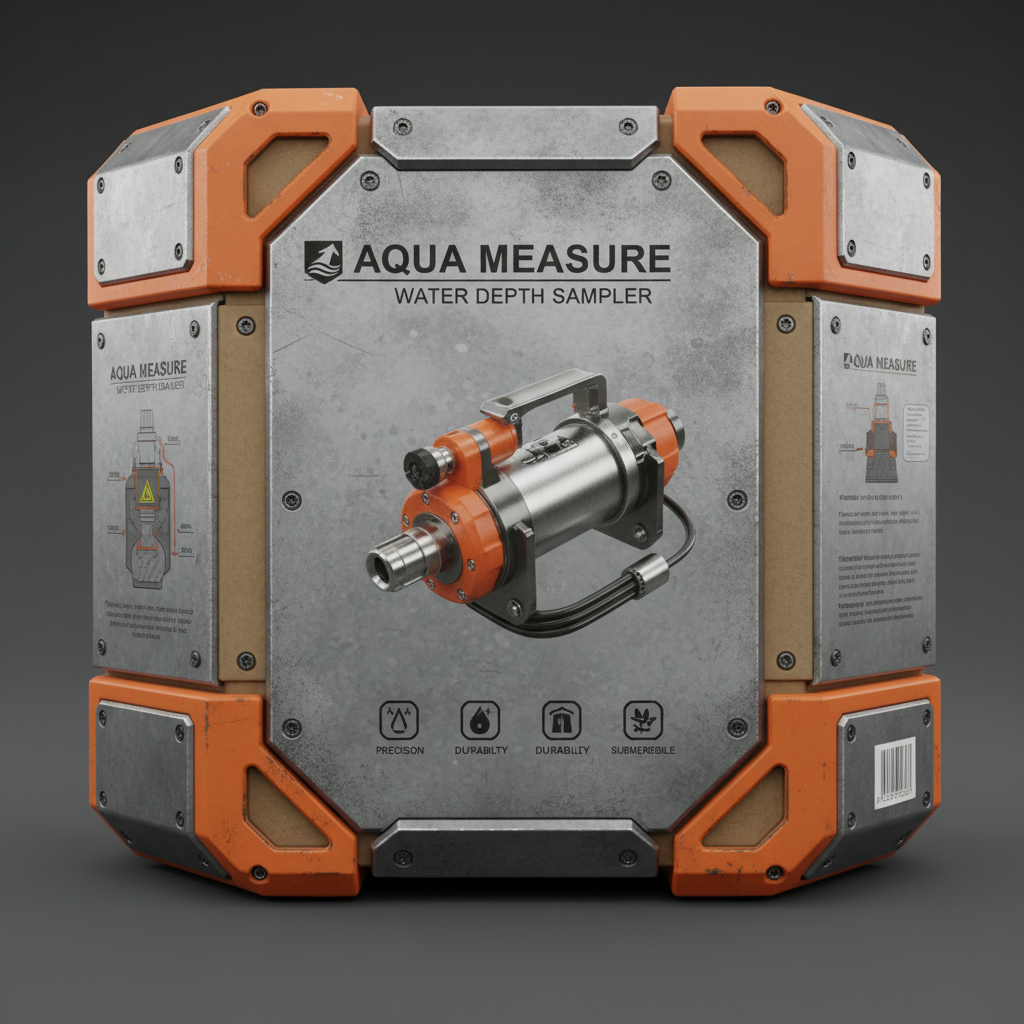
Comprehensive Guide to Water Depth Samplers and Their ApplicationsAccurate water quality monitoring is crucial in various fields, from environmental science and aquaculture to industrial wastewater management. A key tool for this is the water depth sampler. This article provides an in-depth look at water depth samplers, their applications, types, and essential considerations for choosing the right one for your needs. We'll explore the benefits of utilizing this equipment to collect reliable data for analysis and informed decision-making. Selecting the right sampler can significantly improve the precision and efficiency of your water monitoring program. A water depth sampler, also known as a depth-integrated sampler, is a device designed to collect water samples from specific depths within a body of water. Unlike simply dipping a container into the water, a depth sampler allows for collection of a representative sample across a defined depth range. This is critical because water properties (temperature, salinity, pollutants) often vary significantly with depth. The data gathered with a water depth sampler provides a more accurate assessment of water quality than surface samples alone.
2026-03-03 18:55:22
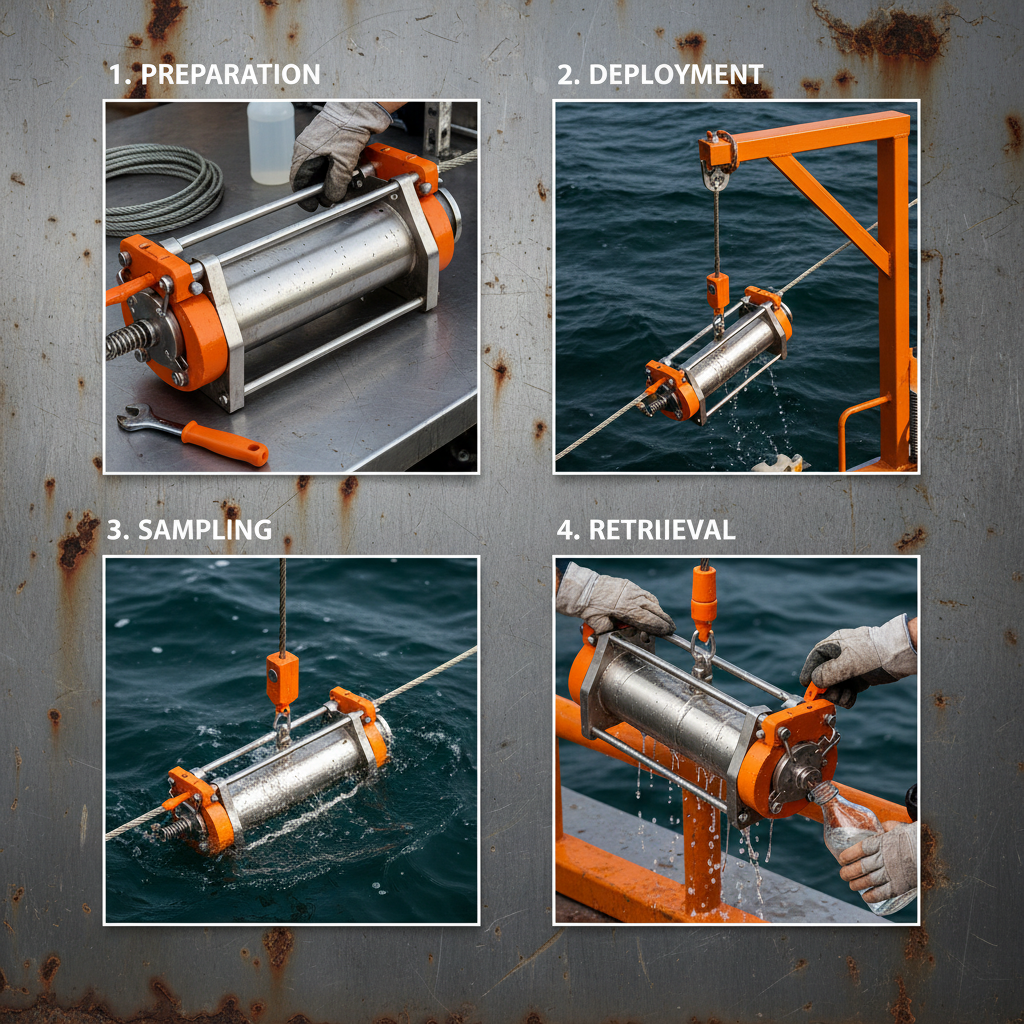
Comprehensive Guide to Horizontal Water Sampler Applications and SelectionCollecting water samples at varying depths is crucial for environmental monitoring, research, and quality control. The horizontal water sampler from Watequipment.com offers a precise and efficient solution for this task. This article provides an in-depth look at horizontal water samplers, their applications, benefits, and key considerations when choosing the right model. We will explore how these samplers contribute to accurate data collection and informed decision-making in various fields. A horizontal water sampler is a device designed to collect water samples from specific depths within a body of water – rivers, lakes, oceans, reservoirs, and even wastewater treatment plants. Unlike vertical samplers which primarily focus on depth, horizontal samplers prioritize collecting samples at a consistent depth while moving along a horizontal plane. This is essential for assessing water quality variations across a waterway or within a specific zone. They are used in applications ranging from environmental monitoring and scientific research to industrial process control and regulatory compliance.
2026-02-28 02:35:09
Comprehensive Guide to Selecting the Right Surface Water Sampler for Your NeedsMonitoring the quality of surface water is critical for environmental protection, public health, and various industrial applications. A surface water sampler is an essential tool for collecting representative samples from rivers, lakes, ponds, and other surface water sources. This article provides a detailed overview of surface water samplers, their types, applications, and key considerations for selecting the right equipment. Accurate water quality data relies on proper sample collection, and choosing the correct sampler is the first step toward achieving reliable results. Surface water samplers come in various designs, each suited to specific sampling needs. Common types include grab samplers, depth-integrating samplers, peristaltic pumps, and automatic samplers. Surface water samplers are used across a broad spectrum of applications, including environmental monitoring, wastewater discharge monitoring, drinking water source monitoring, agricultural runoff analysis, and research studies.

 English